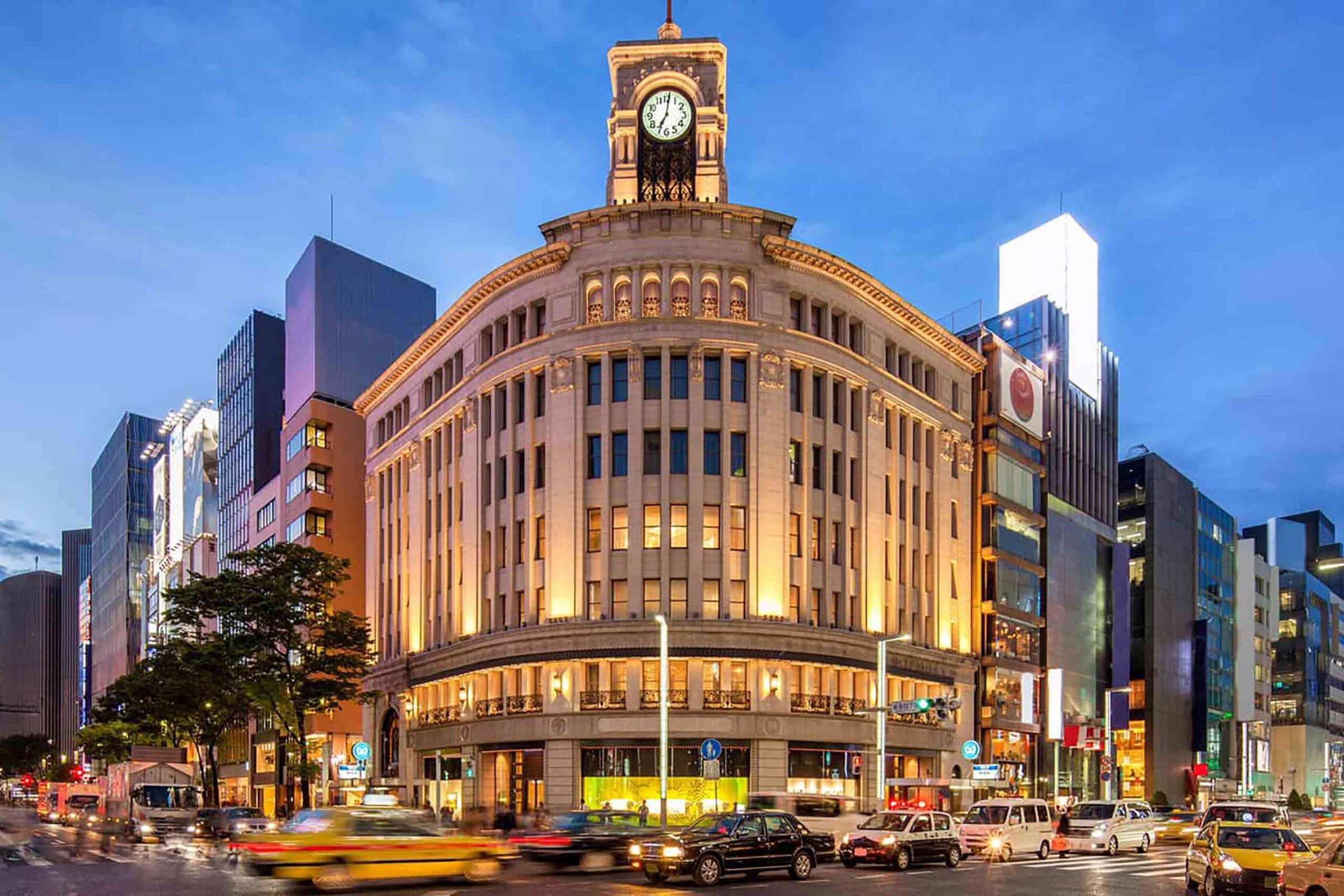
Ginza Furuta occupies a basement-to-ground-floor address on Chome 5 in Tokyo's most competitive dining corridor, where price pressure and Michelin density set the terms for every counter seat in the district. The restaurant operates within a tradition-forward register that Ginza has long favoured over novelty-driven formats. For visitors mapping Tokyo's fine dining tier, Furuta sits in the bracket that demands advance planning and rewards it.
Pearl is the En Primeur Club membership app — saves, bookings, and concierge access live there. Same editors, same standards.
- Address
- Japan, 〒104-0061 Tokyo, Chuo City, Ginza, 5 Chome−10−11 川島ビル B1F~1F
- Phone
- +818098257505
- Website
- noto-jidaiya.jp
- Directions
- Get directions
 Saves & bookings on Pearl
Ginza's Lower Ground, Upper Tier
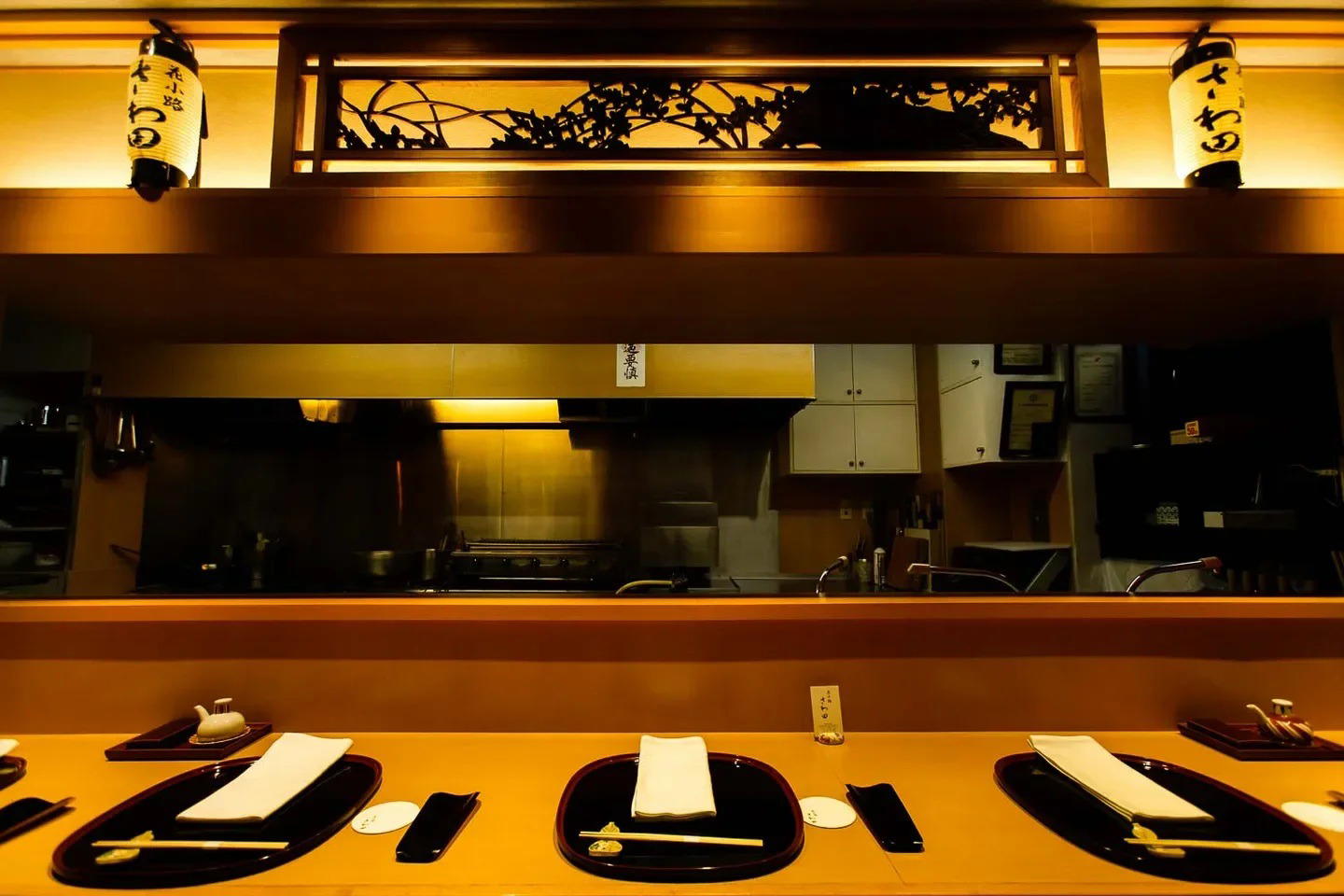
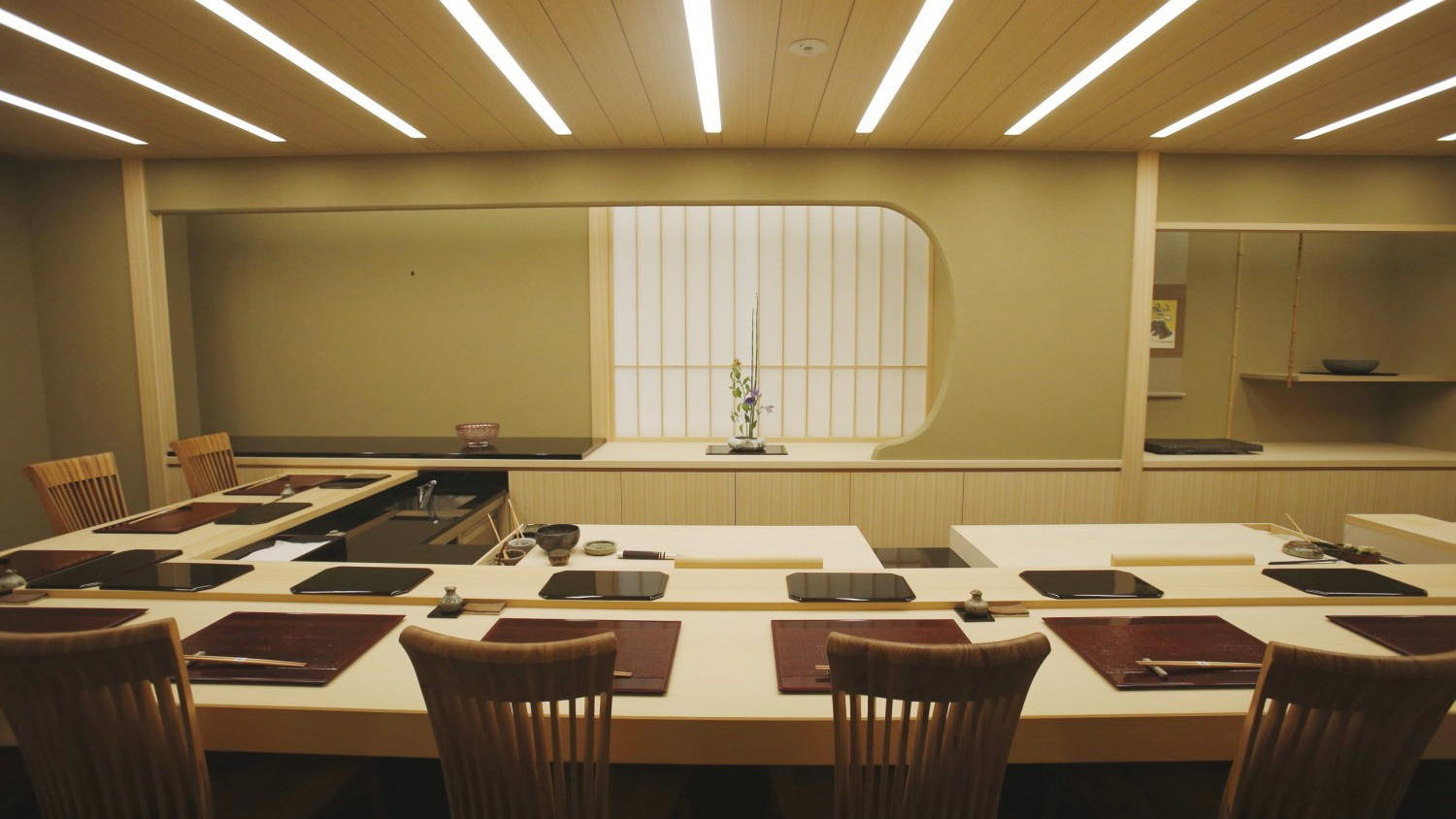
The basement level of a Ginza building is a deliberate spatial choice made by some of the district's most serious restaurants. The descent below street level signals something to a regular: that the room is built for focus, not foot traffic. Ginza Furuta is a Tokyo restaurant serving Noto-Kanazawa Regional Japanese Kaiseki, at 5 Chome-10-11 in Chuo City and spanning basement and ground floor, fits that logic. Above, the main boulevard hums with the retail weight of the world's most expensive retail corridor. Below, the operative register shifts entirely.
Ginza's dining scene has consolidated around a recognisable upper tier over the past decade. Counter-format restaurants in the district now price and book against a small comparable set rather than against the broader Tokyo market. Harutaka, one of the district's most discussed sushi counters at the ¥¥¥¥ tier, and RyuGin, the kaiseki address that helped define what contemporary Japanese fine dining could look like for international audiences, both operate in this same consolidated bracket. Furuta's address places it squarely in that geography, even as the specific format it occupies invites its own reading.
The Tradition Behind the Address
Ginza has a particular relationship with Japanese culinary tradition. Unlike the newer dining clusters in Shibuya or the izakaya-heavy corridors of Shinjuku, this district has historically favoured a specific kind of formal restraint: meals that are long, considered, and oriented around seasonal Japanese product. That preference has shaped which formats succeed here. Counter omakase and kaiseki both fit the template. Innovation-forward concepts, like Crony's French-inflected approach in a different part of the city, tend to find their audiences elsewhere.
What that tradition means in practice is a kind of discipline in pacing and presentation that visitors from outside Japan sometimes underestimate. A meal in this tier of Ginza is structured around the kitchen's sequence, not the guest's preference. The room, the service cadence, and the format exist to support that sequence. It is a different hospitality model from the feedback-loop approach of Western fine dining, and it rewards guests who arrive knowing that.
On the Wine List: Curation in a Sake-Dominant Context
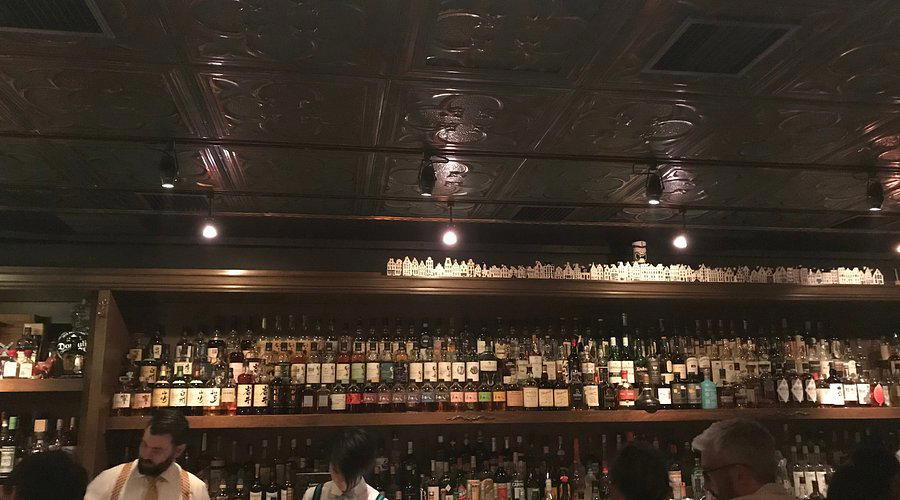
One of the more instructive conversations in Tokyo's upper-tier restaurant scene is the one happening around wine. For much of Ginza's fine dining history, the beverage program was effectively a Japanese drinks list, sake, shochu, and the occasional whisky. That has shifted. Restaurants at this tier now increasingly carry structured wine programs, and the choices they make reveal a great deal about editorial intent.
The pressure on sommeliers at Ginza-level restaurants is real: they are building programs that must work alongside Japanese cuisine without overwhelming it, and they are doing so in a city where the import market is sophisticated and the guest expectations are high. Burgundy tends to dominate the fine dining wine imagination in Tokyo, for reasons that align with how Japanese chefs think about precision, restraint, and product purity. Champagne, aged Riesling, and structured whites from the Loire also appear regularly on lists at this tier. A broad-strokes California Cabernet list would be conspicuous in this setting in a way it would not be at a steakhouse in the same postcode.
Comparable operations in other Japanese cities show a similar pattern. HAJIME in Osaka and Gion Sasaki in Kyoto both operate at a level where the wine and sake program is understood as part of the dining architecture, not an afterthought. Akordu in Nara takes an even more pointed approach, building its cellar around a specific relationship between European wine and Japanese cuisine. These comparisons help locate where Furuta sits in a national conversation about how beverage and food interact at the highest tier.
Placing Furuta in the Tokyo Fine Dining Map
Tokyo's fine dining scene is not monolithic. It is better understood as a series of overlapping sub-markets, each with its own pricing logic, booking behaviour, and guest expectations. Ginza sits at one pole: formal, tradition-forward, and oriented toward a guest who has done the research. Neighbourhoods like Aoyama or Minami-Aoyama have developed their own registers, where French technique meets Japanese restraint, restaurants like L'Effervescence and Sézanne operate in that territory, drawing guests who want European culinary grammar in a Japanese context.
Furuta's position in Ginza proper aligns it with the more explicitly Japanese end of that spectrum. That is not a limitation; it is a positioning choice that carries its own logic. Guests who have built an itinerary around Japanese culinary tradition, who might also be looking at Goh in Fukuoka, Abon in Ashiya, or affetto akita in Akita as part of a broader Japan trip, will find Ginza Furuta coherent within that framework.
For reference, other addresses on the Japan map that attract a similar research-intensive, tradition-oriented audience include Aji Arai in Oita, Ajidocoro in Yubari District, Akakichi in Imabari, and aki nagao in Sapporo, restaurants that share a discipline-first ethos with Ginza's upper tier, even while operating at different price points and in different regional contexts.
Internationally, the structural parallel is a small-format tasting-menu restaurant where the kitchen drives the pace and the beverage list is chosen with editorial precision. Le Bernardin in New York City and Lazy Bear in San Francisco both inhabit that structural position in their own markets, even though the cuisines and register diverge significantly. The common thread is a total-experience architecture where each element, room, sequence, beverage, pacing, is understood as part of a single designed whole.
Recognition, Side-by-Side
Comparable venues nearby, for context on price, style, and recognition.
| Venue | Cuisine | Price | Notes |
|---|---|---|---|
| Ginza FurutaThis venue — the venue you are viewing | Noto-Kanazawa Regional Japanese Kaiseki | $$$$ | Not listed |
| Ushigoro Ginza Namiki St. | Premium Yakiniku Wagyu and Horumon | $$$$ | Chūō |
| Oryori Shibuu | Japanese Kaiseki | $$$$ | Chūō |
| 銀座 kappou ukai | Traditional Kappou Robatayaki | $$$$ | Chūō |
| Sushi Ishijima | Edomae Sushi Omakase | $$$$ | Chūō |
| Japanese Cuisine Yamazaki | Seasonal Japanese Kaiseki | $$$$ | Chūō |





At a Glance
- Elegant
- Sophisticated
- Intimate
- Special Occasion
- Business Dinner
- Private Dining
- Sake Program
- Local Sourcing
Current opening hours
- Monday
- 5–10 PM
- Tuesday
- 5–10 PM
- Wednesday
- 5–10 PM
- Thursday
- 5–10 PM
- Friday
- 5–10 PM
- Saturday
- 5–9 PM
- Sunday
- Closed
Hours can change for holidays and private events. Last verified .
Intimate and elegant with attention to detail in authentic Japanese presentation.