Kabuto (天然鰻 かぶと) in Ikebukuro specialises in natural eel (天然鰻), a product that places it in a narrow tier of Tokyo restaurants working with wild-caught unagi rather than farmed stock. The format is counter-focused and deliberately unhurried, positioning Kabuto within Tokyo's tradition of single-ingredient specialists who pursue depth over range.

Pearl is the En Primeur Club membership app — saves, bookings, and concierge access live there. Same editors, same standards.
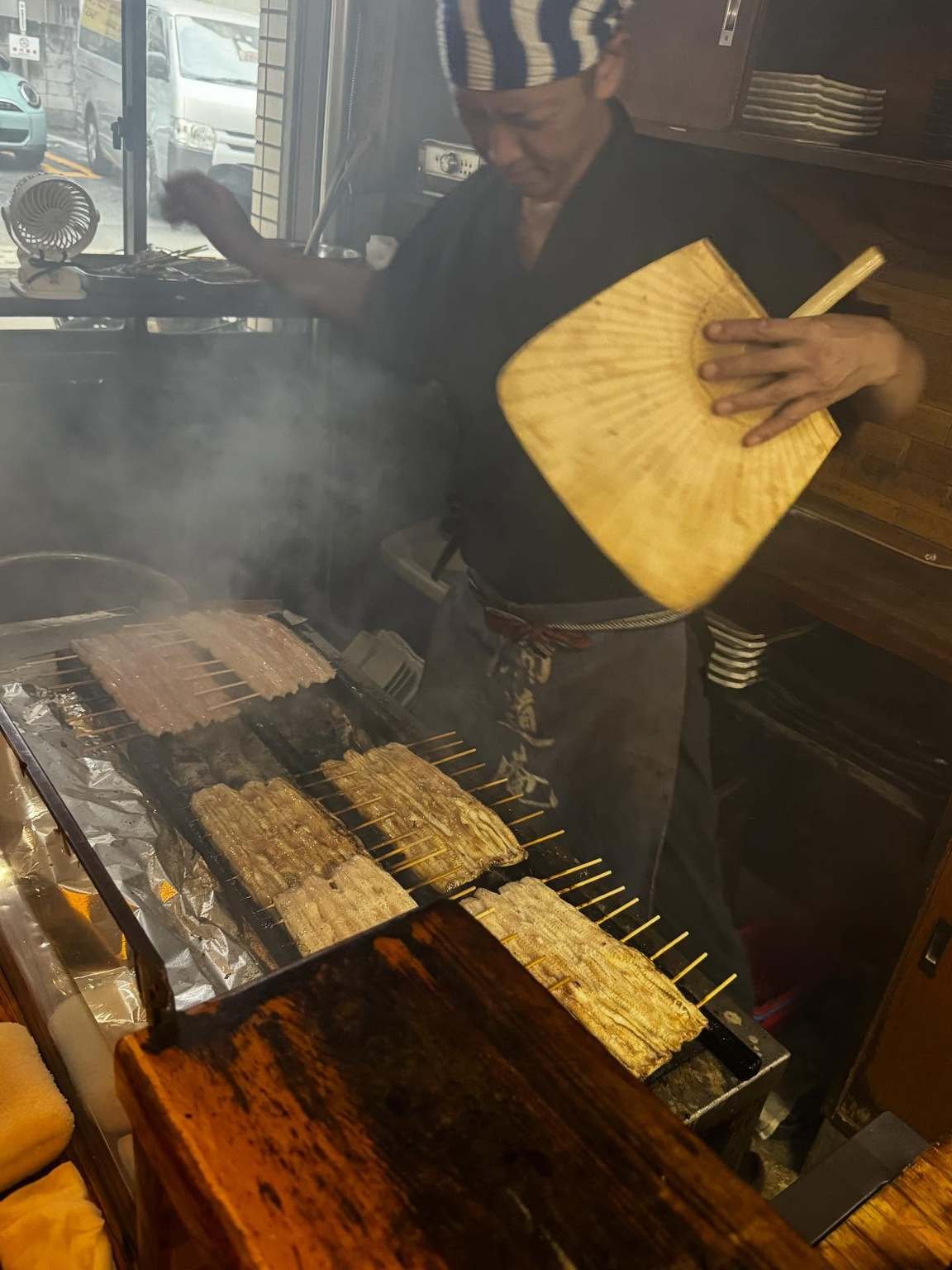
Where Wild Eel Still Sets the Terms
Kabuto (天然鰻 かぶと) is a restaurant in Tokyo's Ikebukuro district serving Traditional Unagi Nose-to-Tail, with a price point of about $150 per person. That makes Kabuto on a quiet residential stretch of Ikebukuro 2-chome worth examining: a restaurant built around one of Japan's most technically demanding and ingredient-restricted products.
The subject here is 天然鰻, natural or wild-caught eel, and what its use signals about a kitchen's priorities. Farmed unagi now accounts for the overwhelming majority of eel consumed in Japan. Wild-caught eel is a different product in texture, fat distribution, and flavour intensity, and it requires a different handling approach. Restaurants that commit to it are making a sourcing argument before a cooking one, accepting supply variability, seasonal constraint, and higher ingredient cost as baseline conditions. Kabuto positions itself within that small category.
The Ingredient Argument
Within Tokyo's broader fine dining structure, the single-ingredient specialist format occupies a specific tier. Counters built around one primary product, whether tuna at a premium sushi bar or wagyu at a dedicated yakiniku house, tend to compete less on menu breadth and more on sourcing precision and technical mastery of a narrow set of preparations. The logic is concentration: if the kitchen does only one thing, it should do that thing with greater command than any generalist kitchen could.
Wild eel raises the stakes of that argument. Unlike farmed unagi, which arrives with predictable fat content and size, 天然鰻 varies by season, river system, and catch conditions. Autumn and early winter are generally considered the period when river eel has accumulated the fat ahead of migration, making those months the point at which the product is at its most expressive. A kitchen working exclusively with wild stock must adjust its cooking approach to the specific fish available rather than to a standardised product spec. This is where the intersection of indigenous product and technical discipline becomes concrete rather than rhetorical.
The argument is always the same: the ingredient's provenance is itself a form of craft.
Technique as Context
Japanese eel preparation carries one of the country's more pronounced regional fault lines. The Kanto style, dominant in Tokyo, splits the eel, steams it before grilling, and produces a softer, more yielding texture. The Kansai style skips the steaming step, grilling directly over charcoal for a firmer result with more pronounced char. Both traditions require precise charcoal management, particularly when working with wild eel whose fat content varies more than farmed fish. The grill work at a serious unagi counter is not a minor technical consideration. It is the primary cooking act, and getting it wrong with an expensive wild fish is an expensive error.
This is the editorial angle that matters: the imported technique, whether Kanto or Kansai tradition, is being applied to a product that resists standardisation. That tension between a codified culinary method and an unpredictable natural ingredient is where the kitchen's real skill is tested. It is the same tension visible at kaiseki counters like RyuGin, where classical structure meets seasonal ingredient pressure, or in the way French-trained chefs at L'Effervescence and Sézanne apply rigorous European technique to Japanese seasonal produce. The discipline is foreign to the ingredient, and the friction is productive.
Tokyo's Specialist Counter Scene
Understanding Kabuto requires some context about how Tokyo's restaurant culture organises itself around product specialists. The city sustains an unusually high number of counters devoted to a single protein or preparation, and these restaurants tend to develop deep supplier relationships that function as a competitive moat. Access to the right fish market contact, the right river fisherman, the right seasonal window, is not incidental to what these places serve. It is the product itself.
The Ikebukuro address places Kabuto outside the cluster of high-profile specialist counters in Ginza, Azabu-Juban, or Shinjuku, which affects its positioning in the city's attention economy without necessarily affecting what happens inside. Several of Tokyo's most disciplined counters operate in secondary neighbourhoods by design, keeping rent pressure lower and clientele more local. The same pattern appears at places like Crony, which operates an innovative French format outside the obvious fine-dining corridors.
Beyond Tokyo, Japan's single-product specialist tradition runs through a number of the country's notable dining rooms. Gion Sasaki in Kyoto and Goh in Fukuoka both represent the depth that regional Japanese kitchens bring to their primary ingredients, and the contrast with internationally trained kitchens like akordu in Nara, or HAJIME in Osaka, illustrates how Japan's dining culture holds both traditions in parallel rather than in hierarchy. Internationally, the single-product rigour Kabuto applies to eel has parallels in the fish-forward focus of Le Bernardin in New York, or the Korean tasting format at Atomix, which uses indigenous fermentation technique within a precision-driven structure.
Other regional specialists worth noting include 一本木 高鹿川荘 in Nanao, 古往今来 in Sapporo, 湖畔荘 in Takashima, 庄羽屋 in Nishikawa Machi, Birdland in Sakai, and Bistro Ange in Toyohashi.
Know Before You Go
- Address: 池袋2-53-2, 豊島区, 東京都, 171-0014
- Neighbourhood: Ikebukuro, Tokyo
- Cuisine focus: 天然鰻 (wild-caught eel), traditional Japanese preparation
- Booking: Reservation is essential.
- Seasonal note: Wild eel supply is subject to seasonal variation; autumn and early winter are generally considered the period of peak fat content in river eel.
Price and Positioning
Comparable venues nearby, for context on price, style, and recognition.
| Venue | Cuisine | Price | Notes |
|---|---|---|---|
| Kabuto (天然鰻 かぶと)This venue — the venue you are viewing | Not listed | $$$$ | Not listed |
| Japanese Cuisine Yamazaki | Chūō, Seasonal Japanese Kaiseki | $$$$ | Not listed |
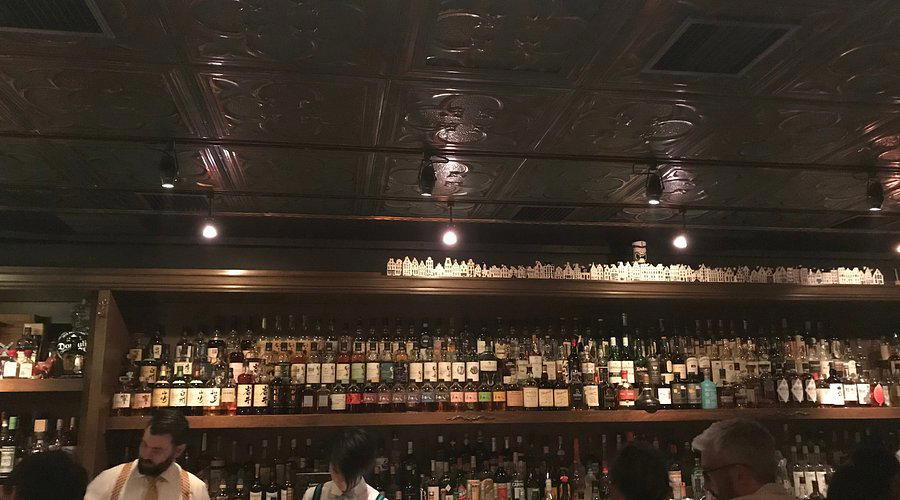
| TOKYO Whisky Library – Premium Whisky Bar & Restaurant | Not listed | $$$$ | Minato, Modern Japanese Grill & Whisky Bar |
| Kushiage KAWATA | Minato, Modern Kushiage Omakase | $$$$ | Not listed |
| Otani No Sushi | Minato, Traditional Japanese Omakase | $$$$ | Not listed |
| Higuchi | Shibuya, Modern Japanese Kappo Omakase | $$$$ | Not listed |











At a Glance
- Classic
- Intimate
- Special Occasion
- Sake Program
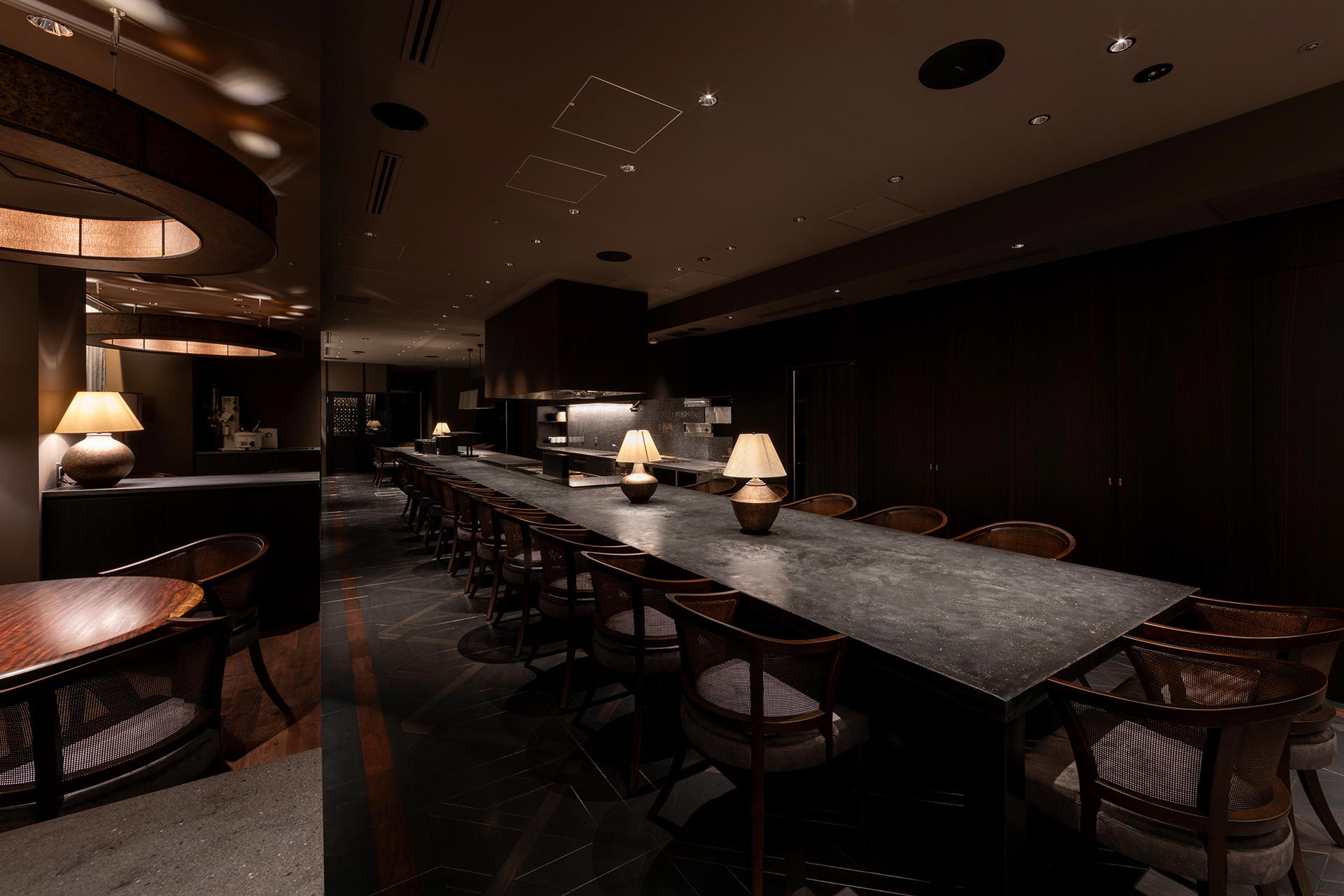
Quaint, old-school neighborhood shop evoking 1950s Tokyo with a no-frills, intimate atmosphere.