Michelin Plate · Tabelog 100 #20
Our verdict
A Kyoto kappo lineage transplanted to Ginza's tenth floor, Ginza Nominokoji Yamagishi brings Nishiki Market ingredients and Kyoto water to Tokyo's most competitive dining corridor. The format moves from a structured opening set, sashimi, soup, into à la carte izakaya territory: oden, gyoza, squid noodles, late-night curry rice. Michelin Plate recognition in both 2024 and 2025 positions it firmly in Ginza's mid-to-upper izakaya tier.

Pearl is the En Primeur Club membership app, where members save venues, book tables and use the concierge.
The menu
What to order
- Oden
- Gyoza
- Squid noodles
- Late-night curry rice
Kyoto in Ginza: What the Izakaya Format Looks Like at the top of the Market
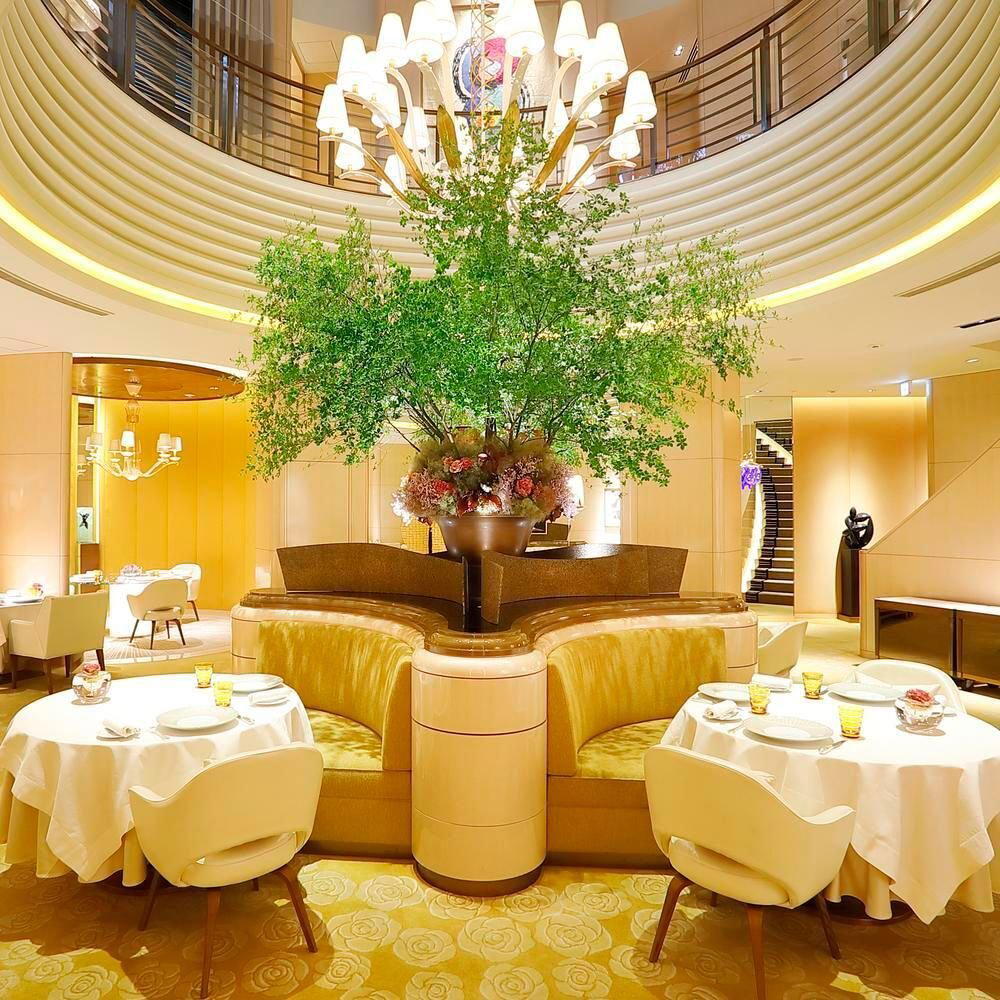
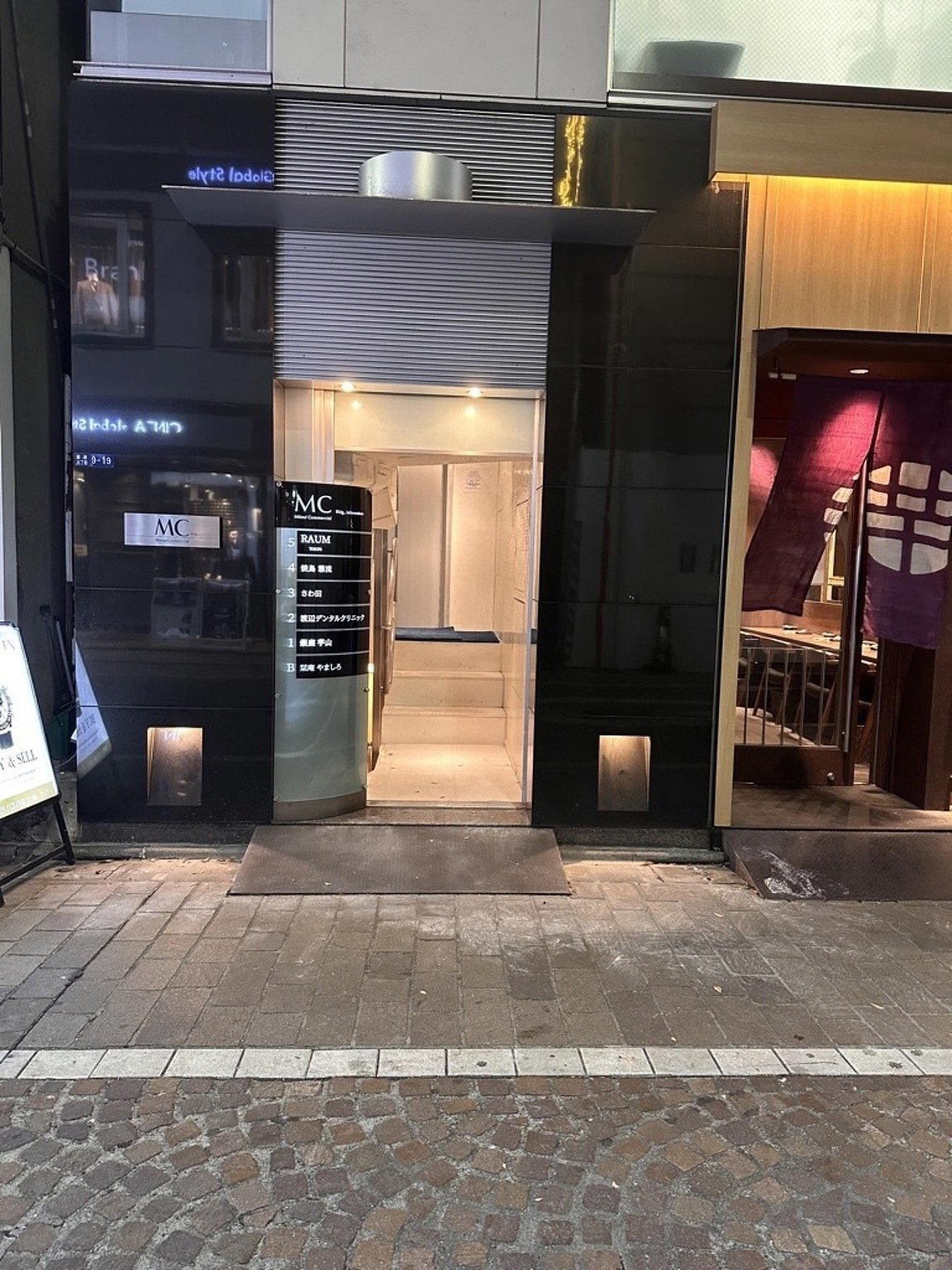
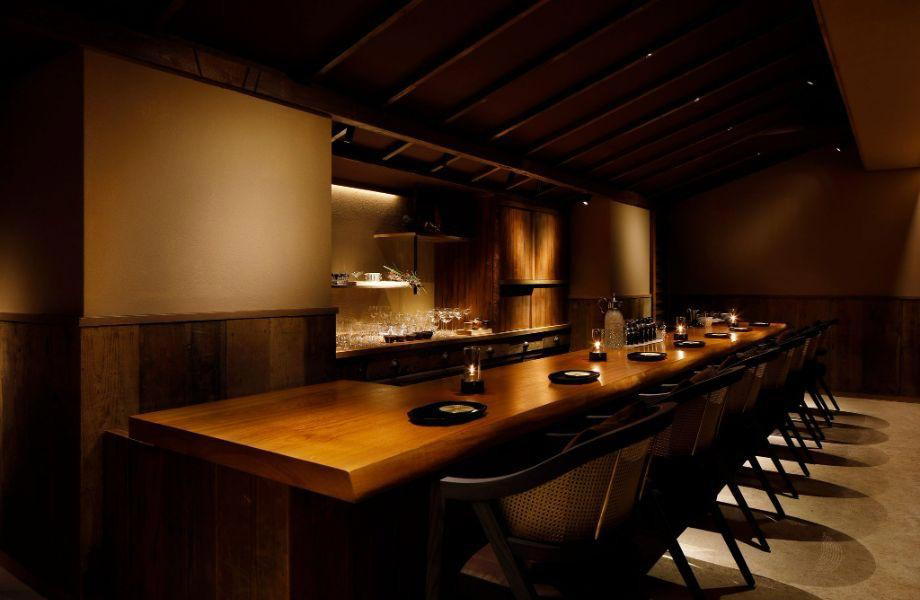
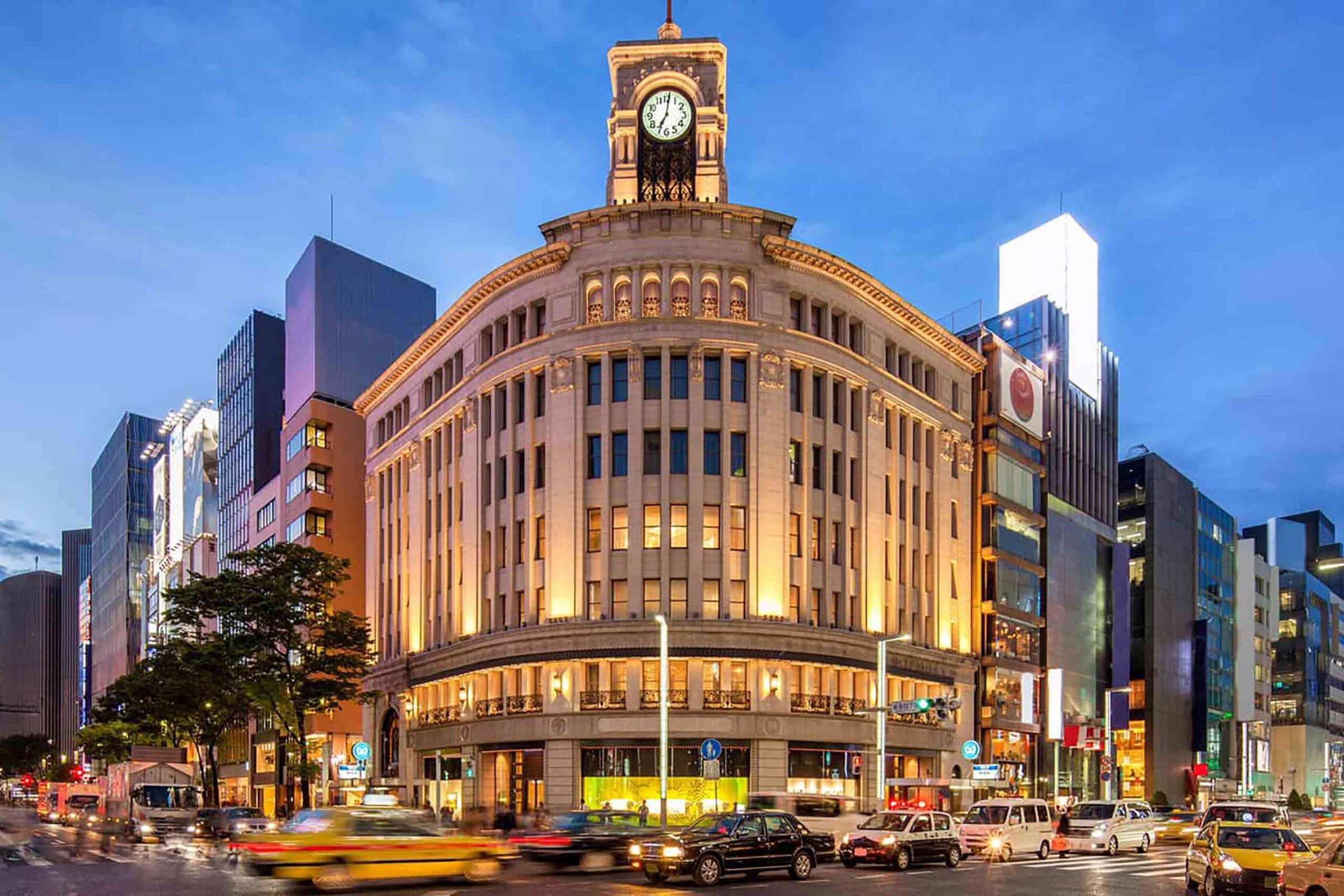
Ginza's dining floor counts run high. The neighbourhood's multi-tenant towers stack restaurants and bars from the second floor upward, and the higher you go, the more the atmosphere tends toward the intimate and the deliberate. Ginza Nominokoji Yamagishi occupies the tenth floor of the Ginza Takaki Building on Chome 7-3-6, and arrival involves the particular ritual of a high-floor Tokyo restaurant: a narrow lift, a corridor, and then a room that has no street-level noise whatsoever. The physical remove from Ginza's ground-floor commerce is part of what shapes the evening here.
The izakaya format in Tokyo covers an enormous range. At one end sit the mass-market chains, bright, loud, and built for volume. At the other end, a smaller cohort of izakaya operate at price points and ingredient standards that place them in genuine conversation with formal dining rooms. Ginza Nominokoji Yamagishi sits in that upper register, where Michelin Plate recognition (awarded in both 2024 and 2025) marks it as part of the city's most scrutinised dining tier without carrying the omakase price architecture of neighbours like Hakata Issou or the kaiseki formality of Ginza's three-star rooms. The ¥¥¥ price range positions it as accessible relative to counters like Harutaka or RyuGin, while the Michelin recognition distinguishes it from the broader izakaya field.
Kappo Lineage and the Nishiki Market Supply Chain
The izakaya genre in Japan is rarely discussed in terms of provenance chains, but the category has increasingly split along sourcing lines. The restaurants that have earned sustained critical attention in recent years tend to be those where the ingredient story is specific and verifiable. Ginza Nominokoji Yamagishi was opened by one of Kyoto's most frequented kappo kitchens, and the supply logic follows from that origin: ingredients come from Nishiki Market, the covered market in central Kyoto that has functioned as the city's primary fresh-produce source for centuries. The water used in the kitchen is drawn from Kyoto, where soft groundwater and traditional well systems have long been cited as a factor in the character of the city's cuisine, particularly in dashi preparation and the cooking of delicate ingredients.
This kind of dual-city supply chain is not common in Tokyo's izakaya tier. Most high-end izakaya source domestically but locally, through Tsukiji or Toyosu networks. The decision to maintain a Kyoto supply line into a Ginza address is an operational commitment that increases cost and complexity, and it signals something about the kitchen's priorities. For context on how Kyoto-style kappo sourcing translates across Japan's dining geography, Gion Sasaki in Kyoto operates within the tradition this kitchen draws from, and the contrast between original context and Tokyo outpost is worth understanding before you visit either. Elsewhere in the izakaya category, Benikurage in Osaka and Berangkat in Kyoto represent different regional expressions of the format.
The Format: Structured Opening, Open Middle
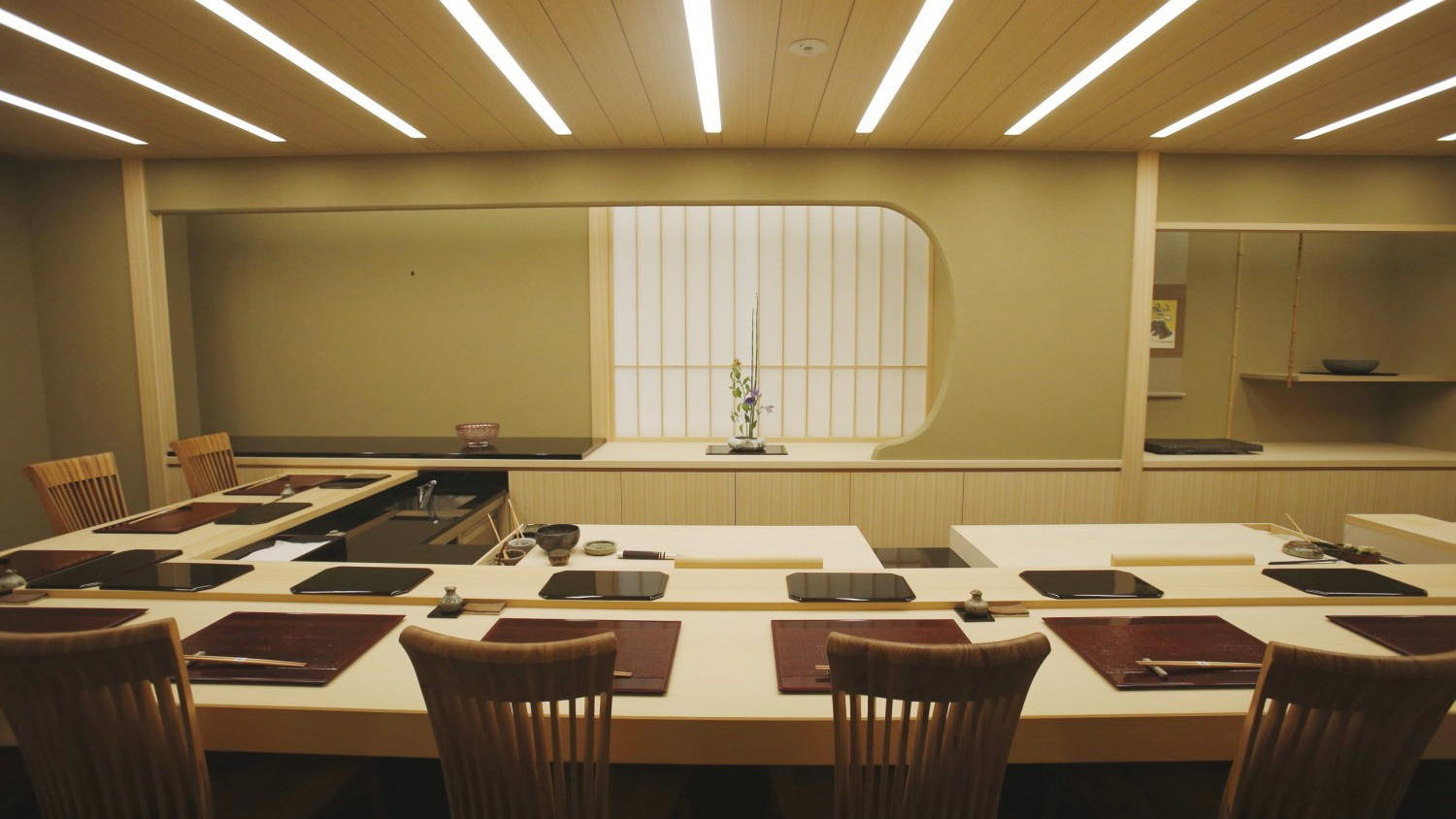
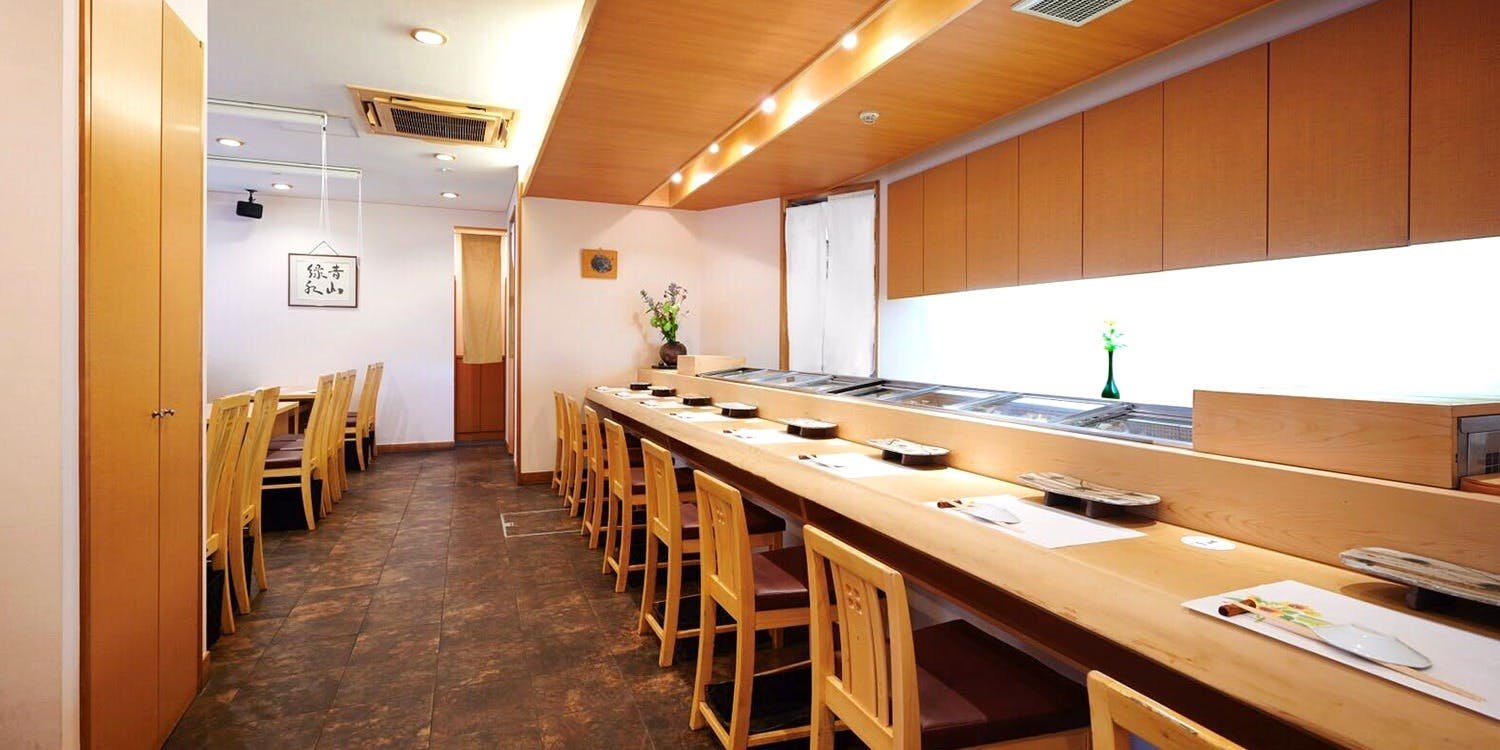
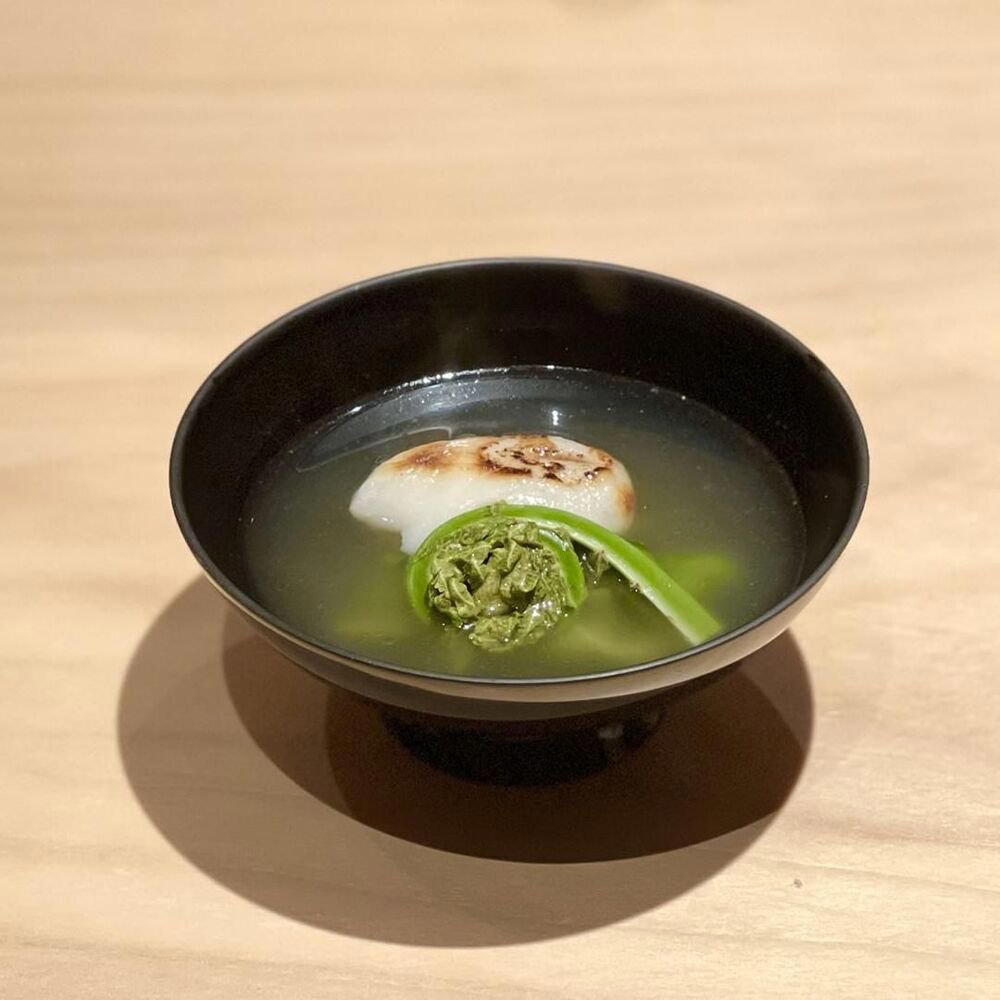
The service structure at Ginza Nominokoji Yamagishi follows a logic that will be familiar to anyone who has eaten at a kappo counter: the meal opens with a set of four dishes, typically including decoratively arranged sashimi and soup courses, which establish the kitchen's reference points before the table takes over its own direction. From that point, the menu becomes à la carte, with oden, baked gyoza dumplings, and squid fried noodles among the dishes that define the middle of the evening. The meal closes, for most guests, with either curry rice or ramen, a convention in izakaya eating that functions as a kind of palate anchor after a sequence of smaller plates.
This hybrid structure, moving from chef-controlled to guest-controlled, is one of the things that distinguishes upper-tier izakaya from both omakase formats and casual drinking-and-snacking venues. The kitchen retains its voice through the opening set while the guest retains autonomy through the à la carte phase. The team dynamic here matters: the front-of-house role in an izakaya of this calibre is to read the table's pace and appetite and guide the à la carte selections without overriding them. At Ginza Nominokoji Yamagishi, the late-night operating hours extend that dynamic further, the restaurant is designed to accommodate arrivals across a wide time window, which requires service staff capable of calibrating the experience for a table that arrives at the opening compared to one that arrives several hours later.
For comparison within Ginza's mid-to-upper dining range, Ginza Shimada operates in an adjacent price tier and neighbourhood position. Across Tokyo's izakaya and informal dining category, Daikanyama Issai Kassai and Hakata Hotaru offer useful comparison points for the range of formats the genre covers in this city. For a broader read on where this restaurant sits within Tokyo's full dining picture, our full Tokyo restaurants guide maps the field in detail.
The Ginza Izakaya Tier: How Yamagishi Compares
| Venue | Format | Price Range | Michelin Status | Key Distinction |
|---|---|---|---|---|
| Ginza Nominokoji Yamagishi | Izakaya (structured + à la carte) | ¥¥¥ | Plate (2024, 2025) | Kyoto kappo lineage, Nishiki Market sourcing |
| Den | Innovative Japanese | ¥¥¥ | 2 Stars | Playful technique, long booking lead times |
| Harutaka | Sushi (omakase) | ¥¥¥¥ | 3 Stars | Counter format, strict reservation protocol |
| RyuGin | Kaiseki | ¥¥¥¥ | 3 Stars | Seasonal kaiseki, formal pacing |
| Daikanyama Issai Kassai | Izakaya | Neighbourhood izakaya, informal register |
The table above illustrates where Yamagishi sits: at a price point below Ginza's starred rooms but operating with sourcing and recognition that separate it from the broader izakaya field. For readers exploring the city's drinking culture alongside its food, our full Tokyo bars guide covers the neighbourhood's cocktail and whisky rooms. Our full Tokyo hotels guide addresses the question of where to stay when Ginza is your primary dining base.
Planning Your Visit
The restaurant's location in Chuo City's Ginza district, within the Ginza Takaki Building at 7 Chome-3-6, places it within easy reach of Ginza Station. No phone or website is currently listed in public records, so reservation logistics are best confirmed through concierge channels or the building's management.
For those building a wider Japan itinerary around the Kyoto connections this kitchen draws on, Gion Sasaki represents the kappo tradition at its most formal in the city of origin. Further afield, HAJIME in Osaka, akordu in Nara, Goh in Fukuoka, 1000 in Yokohama, and 6 in Okinawa offer reference points across Japan's premium dining geography. Our full Tokyo experiences guide and Tokyo wineries guide round out the city picture for visitors planning beyond the restaurant table. For a coffee stop near Ginza, Kan Coffee Fujifuji is worth noting in the area.
Frequently asked questions
What kind of recognition has Ginza Nominokoji Yamagishi received?
Ginza Nominokoji Yamagishi has received recognition including: This izakaya was opened by one of Kyoto’s most popular kappo. Ingredients are sourced from Nishiki Market, ‘Kyoto’s kitchen’, and even the water is famed water from the ancient capital. Service begins with a set of four items, such as decor….
How do I find Ginza Nominokoji Yamagishi?
Ginza Nominokoji Yamagishi is located at Japan, 〒104-0061 Tokyo, Chuo City, Ginza, 7 Chome−3−6 銀座髙木ビル 10階, Tokyo.
What dish is Ginza Nominokoji Yamagishi famous for?
The kitchen doesn't pivot around a single signature, but the format is built around contrast: the meal opens with a structured set of decoratively arranged sashimi and soup dishes, then moves into à la carte territory with oden, baked gyoza dumplings, and squid fried noodles. Curry rice or ramen typically closes the evening. Every element draws on ingredients sourced from Nishiki Market in Kyoto, with even the water brought from the ancient capital.
What style of cooking does Ginza Nominokoji Yamagishi do?
What's the price range at Ginza Nominokoji Yamagishi?
Pricing at Ginza Nominokoji Yamagishi is listed as ¥¥¥.
Do I need a reservation for Ginza Nominokoji Yamagishi?
The restaurant stays open late by Ginza standards, and walk-ins are part of its format, the venue explicitly positions itself as a place to drop in without worrying too much about timing. That said, it holds a Michelin Plate (2024 and 2025) and sits on the 10th floor of the Ginza Takaki Building, which means demand from both local regulars and visitors is consistent. Booking ahead is the safer approach for groups or prime weekend hours.
What do critics highlight about Ginza Nominokoji Yamagishi?
Michelin's inspectors awarded the restaurant a Plate recognition in both 2024 and 2025, citing it as an outpost of one of Kyoto's most respected kappo operators. The detail that draws most attention is the sourcing discipline: Nishiki Market produce and Kyoto water transported to a 10th-floor Ginza dining room is an unusual commitment for the izakaya category, which typically prioritises informality over provenance.
Comparable Spots, Quickly
| Venue | Cuisine | Price | Awards | Notes |
|---|---|---|---|---|
| Ginza Nominokoji YamagishiThis venue (the venue you are viewing) | Kyoto-style Japanese Izakaya | $100–150 | Michelin Plate · Tabelog 100 #20 | Not listed |
| Harutaka | Edo-Style Omakase Sushi | $200–300 | 3 Michelin Stars · World's 50 Best #76 | Sushi |
| RyuGin | Modern Kaiseki | $500+ | 3 Michelin Stars · World's 50 Best #41 | Kaiseki, Japanese |
| L'Effervescence | Modern French with Japanese Influences | $200–300 | 3 Michelin Stars · World's 50 Best #69 | French |
| HOMMAGE | Modern French with Japanese Influences | $150–200 | 2 Michelin Stars · World's 50 Best #78 | Innovtive French, French |
| MAZ | Innovative Peruvian-Japanese Fusion | $150–200 | 2 Michelin Stars · World's 50 Best #28 | Innovative |
Recognition history
Dated appearances from independent guides and award organizations, with the underlying list record or original source where available.
Michelin Plate
Michelin
Tabelog 100 #20 · No. 20
Tabelog · Tabelog 100 - Izakaya - EAST - 2025
Full recognition history (4 entries)
Michelin Plate
Michelin
Michelin Plate
Michelin