Our verdict
Keto & Kote sits in a residential side street in Tbilisi, operating within the city's growing wave of neighbourhood-rooted Georgian dining. The address alone signals a certain kind of intention: this is not a restaurant built around foot traffic. It belongs to the same conversation as Barbarestan and Café Littera, but on distinctly quieter, more local terms.

Pearl is the En Primeur Club membership app — saves, bookings, and concierge access live there. Same editors, same standards.
- Address
- 3 მიხეილ ზანდუკელის ჩიხი, 3 თორაძის ჩიხი, Tbilisi 0179, Georgia
- Phone
- +995 555 53 01 26
- Hours
- Daily 2 PM–12 AM
- Website
- instagram.com
- Directions
- Get directions
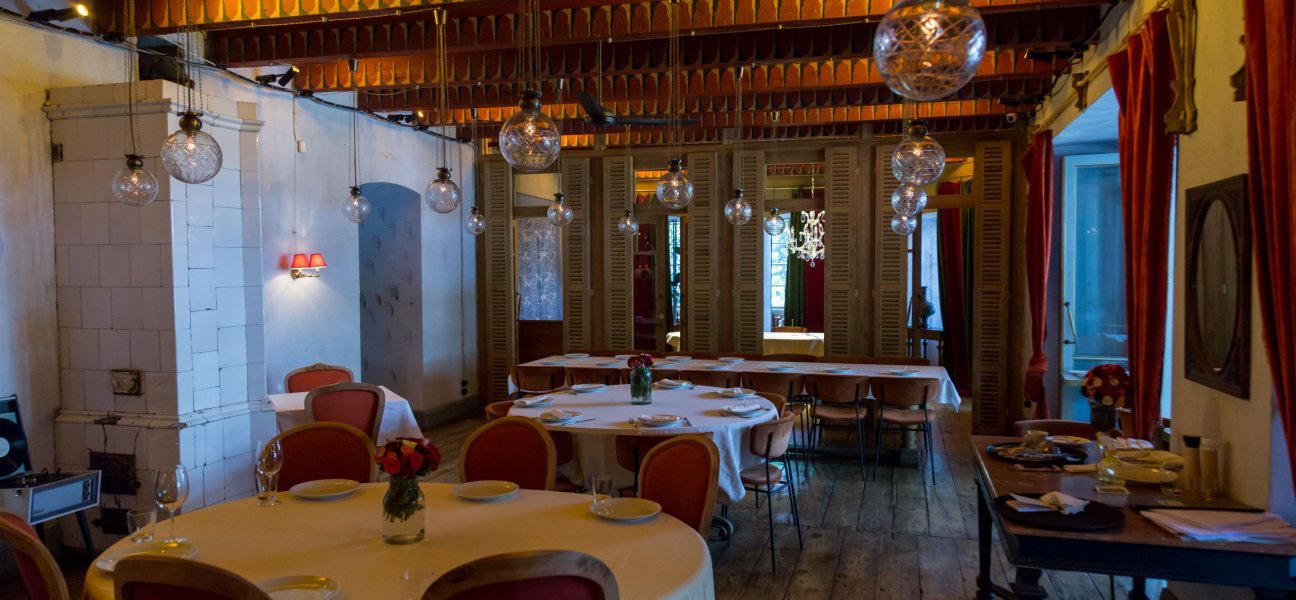
The menu
What to order
- Khachapuri
- Lobiani
- Khinkali with pesto sauce
- Meat with Roquefort and hot pepper sauce
- Cherry pie
A Side Street With Something to Say
Tbilisi's most interesting restaurants rarely announce themselves loudly. The city's dining culture has developed in layers: the Old Town venues serving tourists, the mid-city wine bars that blend Georgian natural wine with European bar logic, and then a quieter third tier of neighbourhood places that Tbilisi residents treat as their own. Keto & Kote, reached via Zandukelis Chikhi — a narrow lane off a residential stretch — belongs to that third category. The address, a courtyard-adjacent cul-de-sac in the Vake-Saburtalo corridor, is the first signal about what kind of experience awaits.
The neighbourhood context matters here more than at most Tbilisi addresses. Vake carries a particular civic character: professional, Georgian-intellectual, not especially interested in performing itself for outsiders. Restaurants that take root here do so because locals have endorsed them through repeat visits, not because they were optimised for discovery apps. That dynamic shapes the room, the pace of service, and the implied contract between kitchen and guest.
Where Keto & Kote Sits in the Tbilisi Dining Conversation
Tbilisi's restaurant scene has split along recognisable lines over the past decade. On one side: destination-category venues like Barbarestan, which built its reputation around 19th-century Georgian recipe revival, and Azarphesha, which draws on Persian-Georgian culinary crossover. On the other: places that operate closer to the everyday rhythms of the city, where the food is Georgian in orientation but the format is less theatrical. Keto & Kote occupies space in this second category, which is not a lesser position, in Tbilisi, that tier includes some of the most consistent cooking in the city.
The comparison with Alubali is instructive. Both venues draw from Georgia's deep culinary tradition without converting it into a heritage museum piece. Both operate at a scale and in a register that suits the neighbourhood rather than the guidebook. Where they differ is in address and draw: Keto & Kote's location is less central, which in practical terms means the room skews more local and the ambient energy is correspondingly lower-key.
For visitors who have already covered the more prominent stops, ATI for its modern Georgian approach, or the wine-forward format at Akura San, Keto & Kote offers a different register of the same city. Think of it as the local chapter of a conversation that these other venues open in more public terms.
Georgian Dining Tradition as the Frame
Georgian cuisine is one of the few culinary traditions in the world that has maintained a genuinely distinct identity despite centuries of proximity to Persian, Ottoman, Russian, and Soviet culinary pressures. The supraditional format, long tables, shared dishes, toasts structured by the tamada, remains culturally load-bearing in a way that, say, French regional cooking no longer is in most French cities. Tbilisi restaurants sit on a spectrum from supra-faithful to loosely Georgian-inspired, and the most interesting ones tend to occupy the middle ground: rooted in technique and ingredient logic, but not ritualised.
Keto & Kote's name itself is worth noting as a locating device. Both are Georgian names, carrying no pretension to international legibility. That choice is consistent with the venue's broader positioning: this is a restaurant for people who are already in the conversation, not one that needs to introduce Georgian food from first principles. Compared to wine-destination experiences like Pheasant's Tears Winery in Signagi, which is as much about the Kakheti wine region as it is about food, or Doli in Telavi, which anchors itself in vine-country terroir, Keto & Kote operates in the city's domestic register, urban Georgian, not agritourism Georgian.
The Neighbourhood as the Experience
Reaching Keto & Kote requires a small act of navigation. The address places it off a cul-de-sac, Zandukelis Chikhi, which is not a street that Google Maps handles with particular grace. This is not unusual for Tbilisi's residential neighbourhoods, where street naming conventions can be inconsistent and building numbering occasionally aspirational. Allow time, use the written address rather than a pin drop, and treat the walk from the nearest main road as part of the experience rather than an inconvenience.
Tbilisi rewards this kind of spatial engagement. The city's culinary geography is leading understood by moving through it on foot: the Old Town concentration of tourist-facing restaurants, the Marjanishvili strip with its wine bars and more contemporary formats, and then the quieter residential nodes like Vake where a restaurant's success is measured almost entirely by whether neighbours return. The broader Georgian dining picture, from Kutaisi spots like Sisters to Black Sea-adjacent cooking at Sazandari in Batumi, has this same quality of embeddedness in place, the restaurants reflect where they are, not just what they serve.
Planning a Visit
Without confirmed hours or a listed booking method, the practical approach for visitors is direct contact via the venue's physical address or a check through current Georgian restaurant reservation channels. Tbilisi's neighbourhood restaurants often operate with limited evening seatings and no English-language online presence, which places them in a category that rewards asking your hotel concierge or a local contact to confirm current arrangements. Walk-in availability at smaller neighbourhood venues in this tier varies by day: weekday lunches tend to be accessible, while Friday and Saturday evenings in popular local spots often fill through word-of-mouth and repeat bookings.
For international visitors building a Tbilisi itinerary that extends beyond the city, the country's regional dining circuit offers strong counterparts. Schuchman Wines Chateau in Telavi anchors a wine-country visit; Gazaphkhuli in Chiatura offers a more remote, landscape-framed dining experience; and Crowne Plaza Borjomi provides a structured base for the spa-town circuit south of Tbilisi. The full picture of where Tbilisi's restaurant scene sits within all of this is laid out in our full Tbilisi restaurants guide.
Internationally, the nearest frame of reference for this kind of neighbourhood-embedded, culturally specific dining is not the grand-tasting-menu tier, not Le Bernardin in New York or Atomix, but rather the civic-restaurant tradition found in cities where eating is a social institution rather than a special occasion. Closer in spirit to Lazy Bear in San Francisco's communal-table orientation, or the rooted regional ambition of Emeril's in New Orleans, Keto & Kote exists inside the argument that the most revealing restaurants in any city are the ones that were built for the city itself.
Frequently asked questions
Where do I go for Keto & Kote?
Keto & Kote is located at 3 მიხეილ ზანდუკელის ჩიხი, 3 თორაძის ჩიხი, Tbilisi 0179, Georgia, Tbilisi.
How does Keto & Kote fit into Tbilisi's broader Georgian food scene?
Tbilisi has produced a recognisable tier of destination restaurants — Barbarestan being the most cited internationally — that frame Georgian cuisine for a globally mobile audience. Keto & Kote operates at a different register: a neighbourhood address in a city where the most interesting cooking has historically happened away from the main tourist corridors. For visitors who've already worked through the obvious Tbilisi names, this is the kind of spot the next layer of research tends to surface.
What should I order at Keto & Kote?
The menu specifics at Keto & Kote are not publicly listed, which reflects how many of Tbilisi's neighbourhood-oriented venues operate: dishes shift with season and supplier. The safest approach is to ask the staff what's freshest that day — Georgian dining culture, particularly outside the destination-category venues, tends to reward that kind of direct engagement over menu-scanning.
Do they take walk-ins at Keto & Kote?
No booking contact — phone or website — is publicly listed for Keto & Kote, which suggests walk-in is likely the primary way to secure a table. Given the address is off Zandukelis Chikhi, a quiet cul-de-sac that doesn't appear prominently on standard mapping apps, capacity is probably modest. Arriving early in a sitting, or visiting mid-week, reduces the risk of a wasted trip.
What's the standout thing about Keto & Kote?
Location is the first signal: Zandukelis Chikhi sits well outside the routes most visitors follow through Tbilisi, which means the room skews heavily local. In a city where the dining scene has split between internationally recognised destination venues and genuinely neighbourhood-facing spots, Keto & Kote sits firmly in the latter category — the kind of address that circulates by word of mouth rather than press coverage.
At a Glance
| Venue | Cuisine | Price | Awards | Notes |
|---|---|---|---|---|
| Keto & KoteThis venue — the venue you are viewing | Modern Georgian | $30–50 | Not listed | Not listed |
| Café Littera | Modern Georgian Fusion | $30–50 | La Liste Top Restaurants | Georgian Fusion |
| Alubali | Authentic Megrelian Georgian | Not listed | Star Wine List | Not listed |
| Azarphesha | Modern Georgian with Fusion Influences | Not listed | Star Wine List | Not listed |
| Barbarestan | 19th-Century Georgian Homestyle | $30–50 | La Liste Top Restaurants · Star Wine List | Not listed |
| Craft Wine Restaurant | Modern Georgian with Natural Wine Focus | $30–50 | Star Wine List | Not listed |
Continue exploring
More in Tbilisi
Restaurants in Tbilisi
Browse all →
Bars in Tbilisi
Browse all →
Hotels in Tbilisi
Browse all →

Details
- Romantic
- Elegant
- Scenic
- Cozy
- Sophisticated
- Date Night
- Special Occasion
- Celebration
- Business Dinner
- Terrace
- Garden
- Panoramic View
- Local Sourcing
- Garden
- Skyline
- A La Carte
- Georgian Wine
- Vegetarian Friendly
Current opening hours
- Monday
- 2 PM–12 AM
- Tuesday
- 2 PM–12 AM
- Wednesday
- 2 PM–12 AM
- Thursday
- 2 PM–12 AM
- Friday
- 2 PM–12 AM
- Saturday
- 2 PM–12 AM
- Sunday
- 2 PM–12 AM
Hours can change for holidays and private events. Last verified .
Enchanting and peaceful, with outdoor dining on a leafy terrace and a brightly painted, candlelit interior.