In the narrow lanes of Old Tbilisi's Abanotubani district, Shemomechama sits at 9 Samghebro Street as a reference point for traditional Georgian cooking in a neighbourhood increasingly shaped by tourism. The name translates loosely to 'I ate by accident', a Georgian idiom for the compulsion to keep eating past the point of fullness, and the kitchen takes that premise seriously. This is a place where the food does the talking.
Pearl is the En Primeur Club membership app — saves, bookings, and concierge access live there. Same editors, same standards.
- Address
- 9 Samghebro St, Tbilisi, Georgia
- Phone
- +995500501514
- Website
- instagram.com
- Directions
- Get directions
 Saves & bookings on Pearl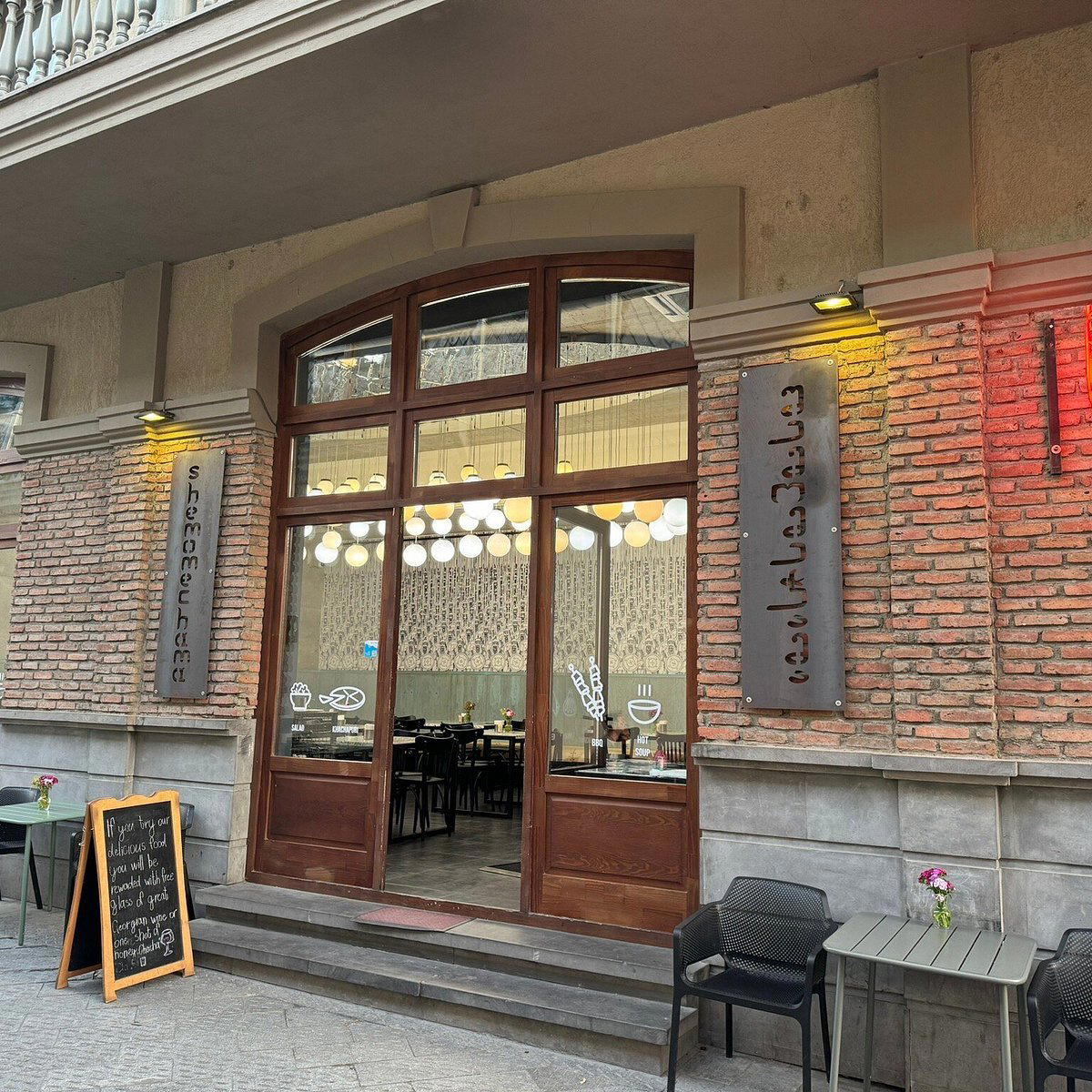
Old Tbilisi's Dining Character and Where Shemomechama Sits
Samghebro Street runs through one of the oldest quarters of the Georgian capital, a few minutes on foot from the sulphur bath houses that define Abanotubani. This part of the city has long operated on a different tempo from the wine-bar corridor of Vera or the design-conscious terraces of Vake. The architecture is older, the streets narrower, and the restaurants that have lasted here tend to earn their place through consistency rather than concept. Shemomechama is one of those restaurants. Its name is a Georgian idiom, the phrase people use when they have eaten past hunger purely because the food kept pulling them forward, and there is something deliberately unshowy about anchoring a restaurant to that idea rather than to a chef's biography or a tasting-menu format.
Tbilisi's restaurant scene has split across several tiers in recent years. Places like Barbarestan work from a 19th-century cookbook and have built an international profile on that premise. Alubali and ATI represent the more contemporary Georgian wine-bar register. Shemomechama occupies a different position: the kind of table that regulars and informed visitors return to for the food itself, without the theatrical scaffolding that increasingly surrounds Georgian dining as it reaches international audiences.
The Lunch and Dinner Divide in Traditional Georgian Restaurants
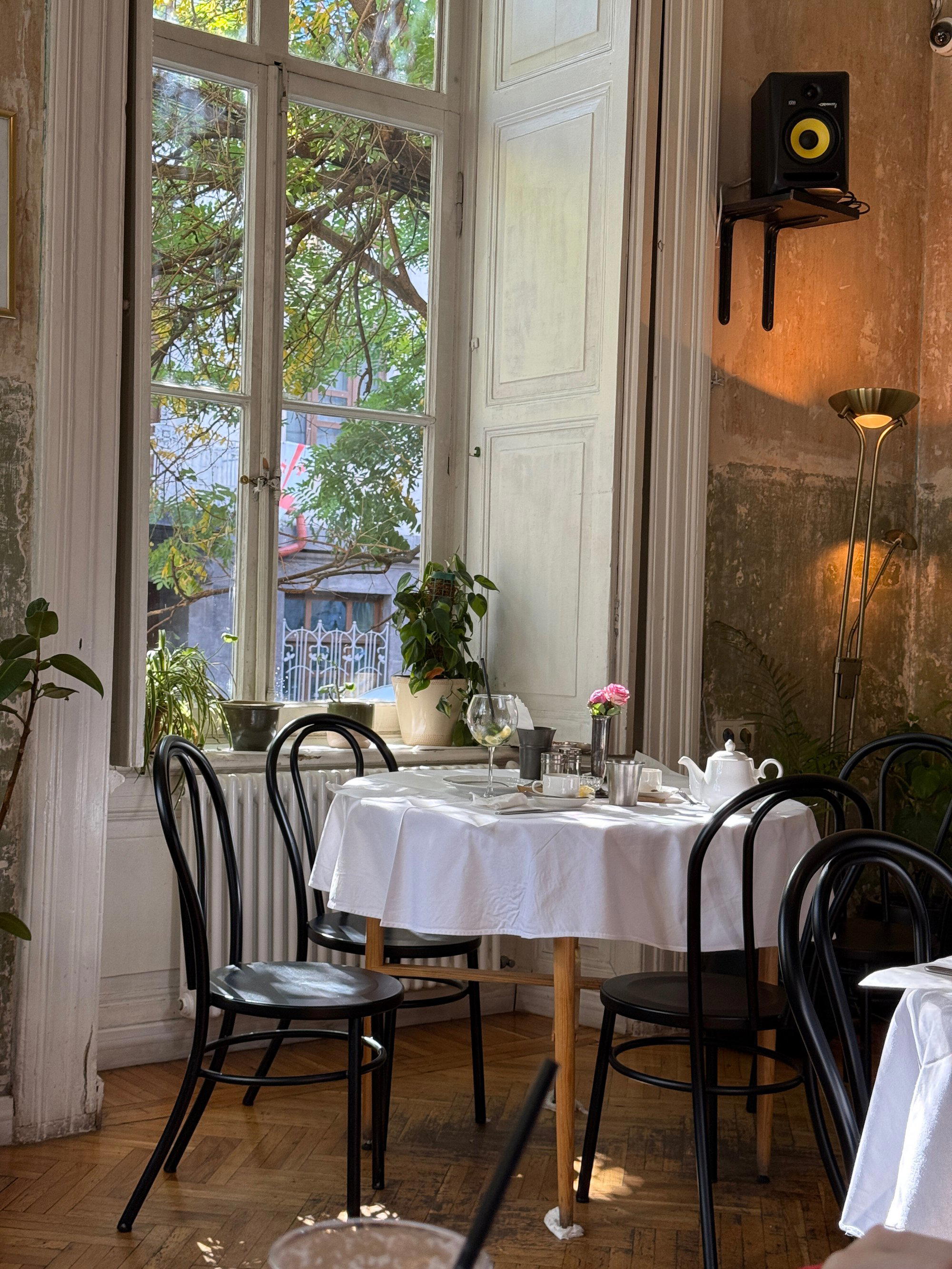
In Old Tbilisi's traditional restaurants, the gap between midday and evening service is meaningful and worth understanding before you visit. Lunch here functions more like the meal Georgian households actually eat: less curated, often faster, and driven by whatever is freshest that morning. The kitchen rhythm at this hour suits people who want to eat properly without committing to the longer arc of an evening supra. Tables turn over more freely, the light through the older windows is good, and the whole experience carries less ceremony.
Evening service shifts the register. The supra tradition, the Georgian feast format built around a tamada (toastmaster) and successive rounds of dishes, bread, and wine, exerts a gravitational pull on how Old Tbilisi restaurants read after dark. Even without a formal supra structure, dinner here tends toward longer tables, larger groups, and an expectation of staying. The value calculus changes accordingly. A midday visit to a restaurant like Shemomechama allows more engagement with the food itself, without the ambient pressure of a full dining room performing its own occasion. If you are visiting Tbilisi for the first time and want to understand how the cuisine actually works rather than how it is staged, lunch is the more instructive meal.
This dynamic is consistent across traditional Georgian kitchens at this price level in the city. Places such as Azarphesha operate in a similar register, where the daytime service offers a quieter route into the same cooking. The pattern holds whether you are eating in Tbilisi or further afield in the wine country around Telavi, where restaurants like Doli shift in mood between services in comparable ways.
Georgian Cuisine at This Address: What to Expect
Georgian cooking at its core is organised around bread, dairy, walnut preparations, and slow-cooked meats, a cuisine shaped by geography as much as by tradition, with the high Caucasus influencing the use of spices and the Black Sea coast adding a different register entirely. Old Tbilisi kitchens tend to lean toward the heartland dishes: khinkali, the soup dumplings that require a specific eating technique to avoid losing the broth; khachapuri in its Adjarian or Imeretian forms; lobiani (bean-filled bread); and walnut-stuffed vegetables that carry more complexity than their simplicity suggests.
The name Shemomechama gestures at the compulsive quality of this food, the way dishes built on fat, salt, and fermented dairy create a momentum that is hard to interrupt. That quality is not accidental. Georgian cuisine was shaped over centuries as a hospitality tradition, and the dishes that survived are the ones that kept people at the table. A meal here, understood on those terms, is more illuminating than any single dish description could be.
For comparison points across Georgia's wider food scene, the cooking at Palaty in Kutaisi reflects the western Georgian register, while Pheasant's Tears Winery in Signagi pairs similar traditional dishes with amber-wine programs that have drawn serious international attention. Further afield, Umami at Clouds in Batumi shows how the Black Sea coast adapts the same core ingredients into a different idiom.
The Neighbourhood as Context
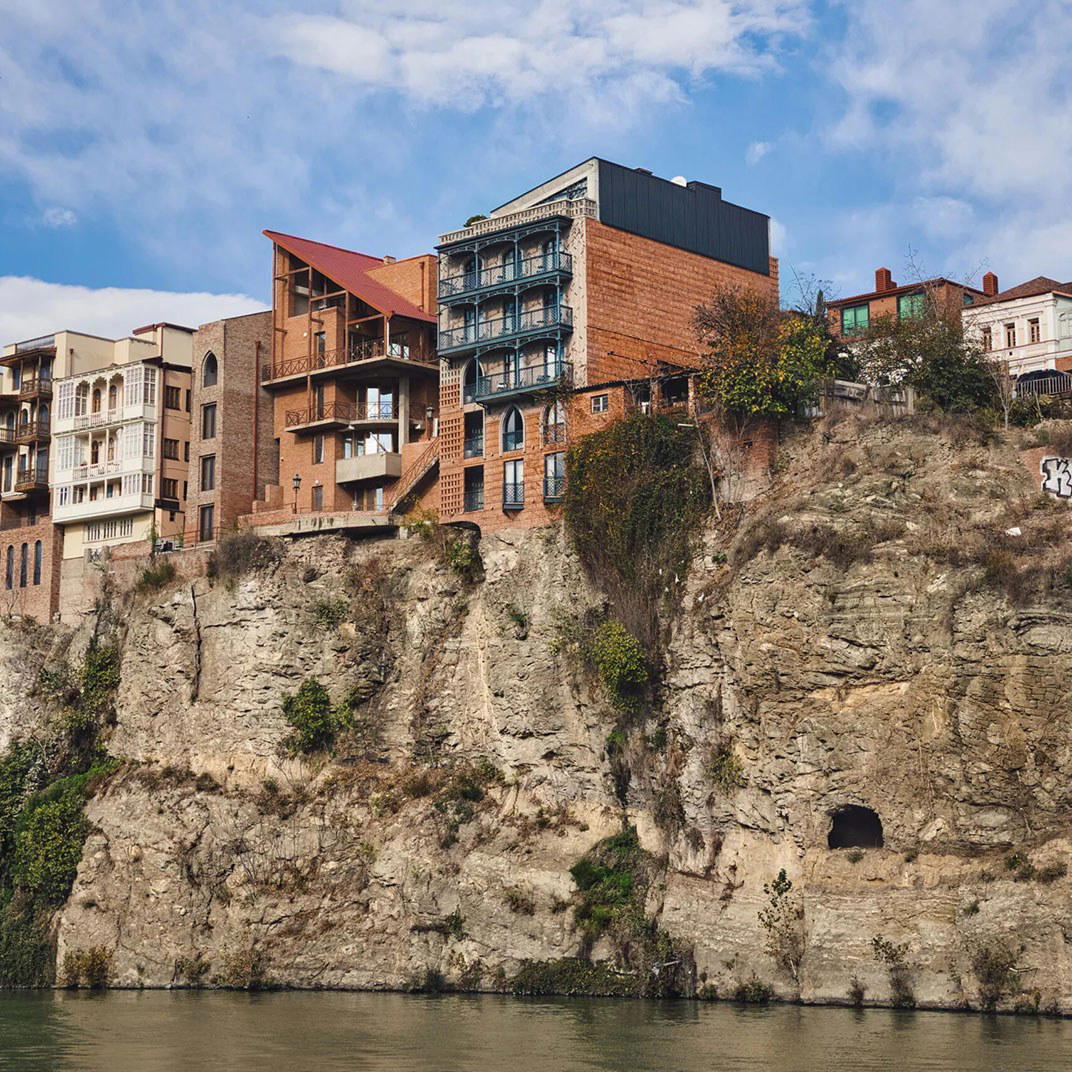
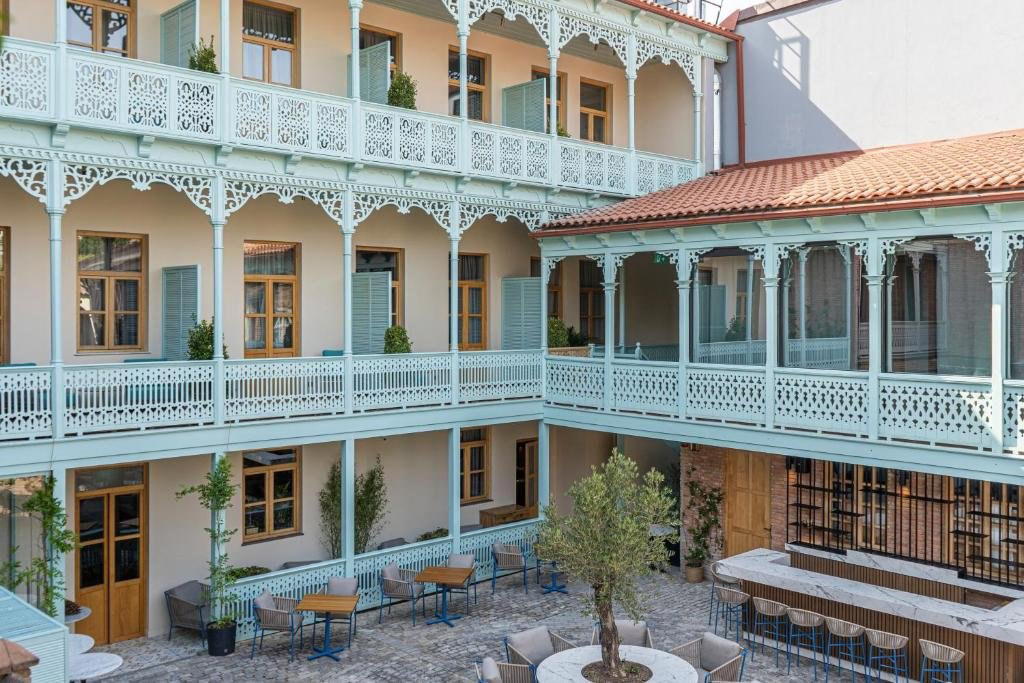
Arriving at Samghebro Street from the Metekhi side, you pass through a district that has absorbed significant tourist infrastructure without fully giving way to it. The sulphur baths remain operational and in local use. The caravanserai courtyards still function as working residential spaces in places. The old city's topography, sudden drops, covered balconies, the Mtkvari river below, gives this part of Tbilisi a density that newer neighbourhoods lack. A restaurant at this address is not doing the work of making the setting interesting; the setting already carries its own weight.
That context matters for how you approach the visit. Unlike the terrace-facing addresses of the Rustaveli corridor or the curated interiors of Vera, Old Tbilisi restaurants sit inside an environment that has its own logic. The relevant comparison is less to Tbilisi's contemporary dining scene and more to the older restaurant cultures of cities like Istanbul or Yerevan, where the building stock itself shapes the experience of eating.
Planning a Visit
Shemomechama is located at 9 Samghebro Street in Old Tbilisi, reachable on foot from Metekhi Church in under ten minutes or from Abanotubani's bath district in roughly the same time. Reservations are recommended, particularly at lunch when tables move more freely. For dinner, especially at weekends when Old Tbilisi draws both locals and visitors, arriving early in the service, before the post-dusk rush that defines this neighbourhood, reduces the likelihood of a wait. The dress code is casual, and the area's general atmosphere skews informal. If you are building a wider Georgian itinerary, the Schuchman Wines Chateau in Telavi and Gazaphkhuli in Chiatura represent strong additions beyond Tbilisi itself.
Category Peers
Comparable venues nearby, for context on price, style, and recognition.
| Venue | Cuisine | Price | Notes |
|---|---|---|---|
| Shemomechama old TbilisiThis venue — the venue you are viewing | Traditional Georgian Khinkali House | $$ | Not listed |
| Gabriadze Cafe | Modern Georgian | $$ | Tbilisi |
| Kakhelebi | Traditional Georgian | $$ | Tbilisi |
| Kharcho | Modern Georgian Fusion | $$ | Tbilisi |
| Chops By The River - Restaurant & Grill | Georgian, European & Caucasian Grill | $$$ | Tbilisi |
| Ghumeli | Traditional Georgian | $$ | Tbilisi |
Continue exploring
More in Tbilisi
Restaurants in Tbilisi
Browse all →
Bars in Tbilisi
Browse all →
Hotels in Tbilisi
Browse all →

At a Glance
- Cozy
- Rustic
- Casual Hangout
- Group Dining
- Open Kitchen
- Historic Building
Current opening hours
- Monday
- 11 AM–12 AM
- Tuesday
- 11 AM–12 AM
- Wednesday
- 11 AM–12 AM
- Thursday
- 11 AM–12 AM
- Friday
- 11 AM–12 AM
- Saturday
- 11 AM–12 AM
- Sunday
- 11 AM–12 AM
Hours can change for holidays and private events. Last verified .
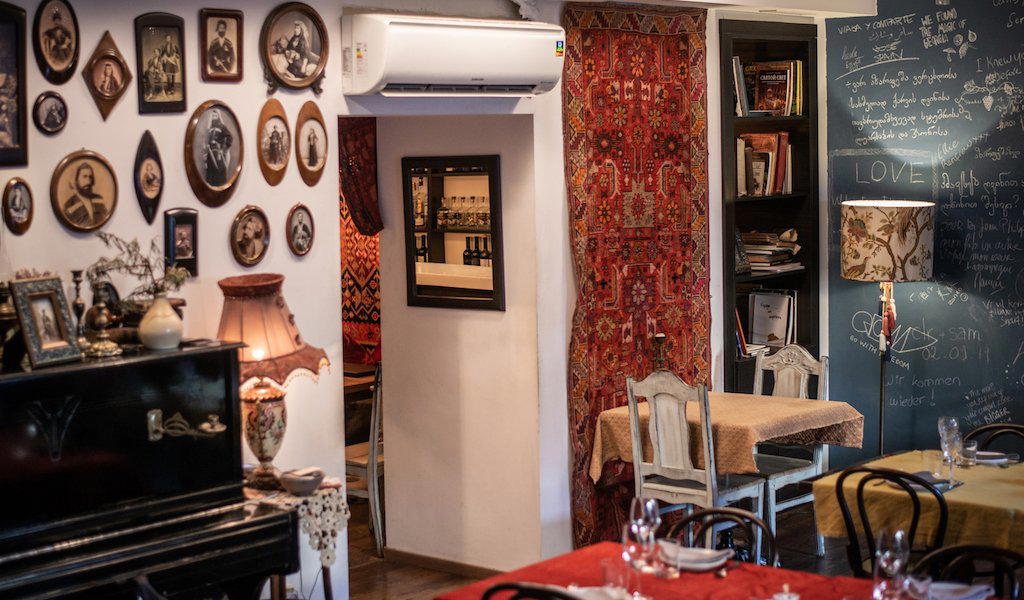
Cozy with an old-school, lively atmosphere and open kitchen entertainment.