Our verdict
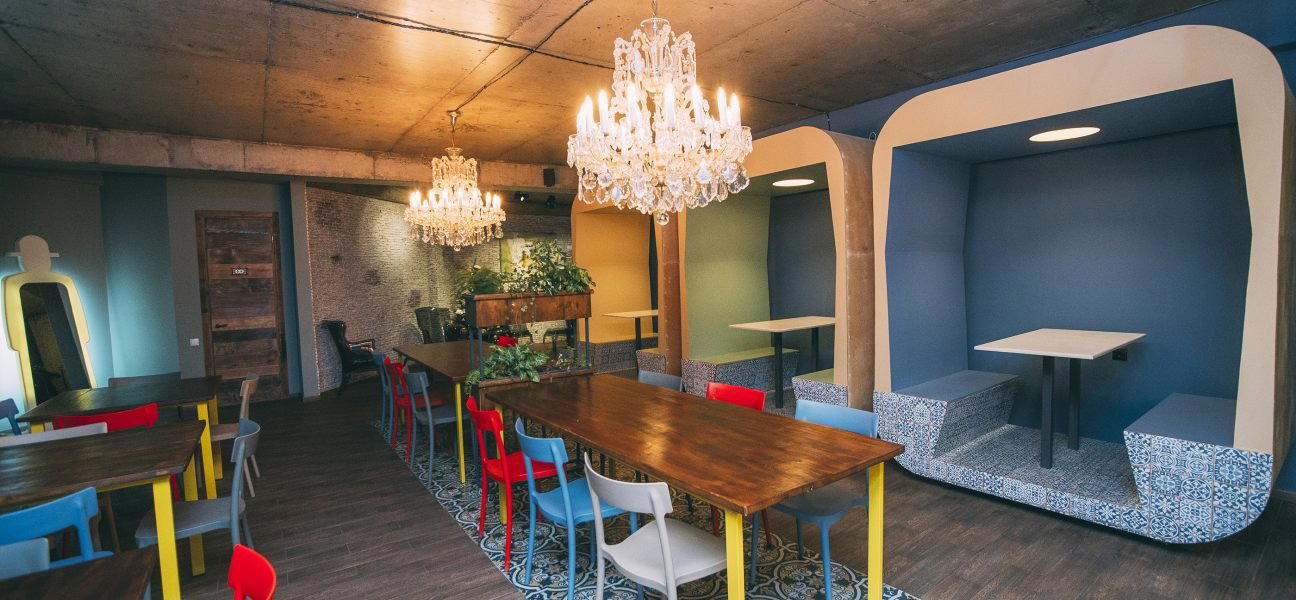
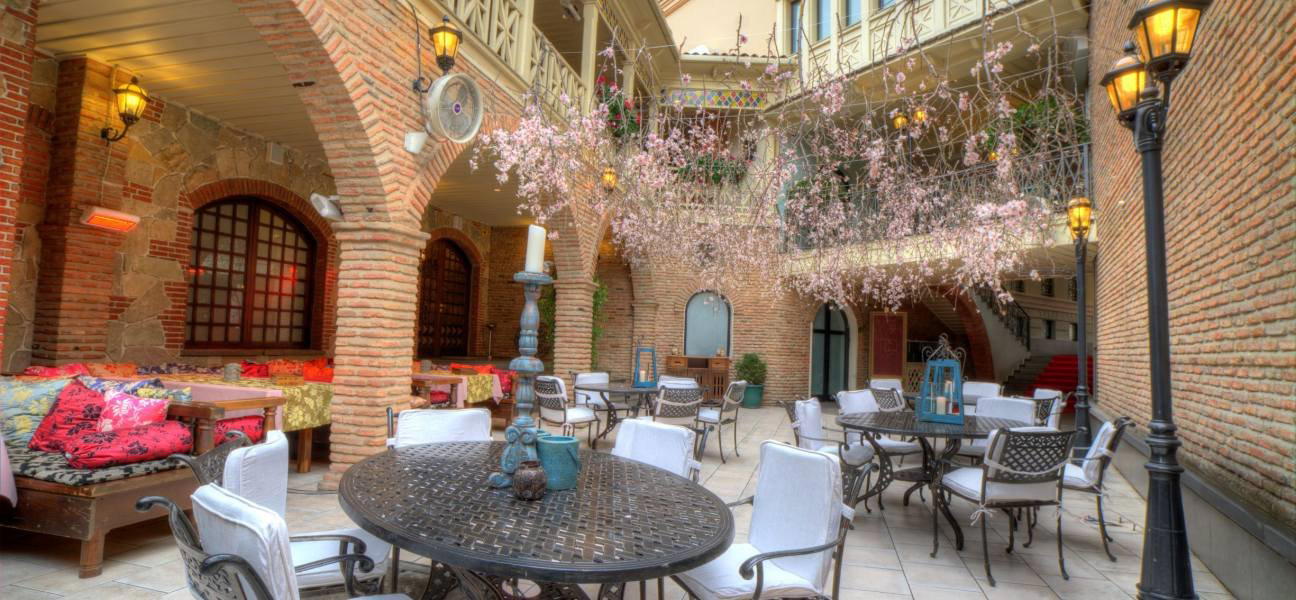
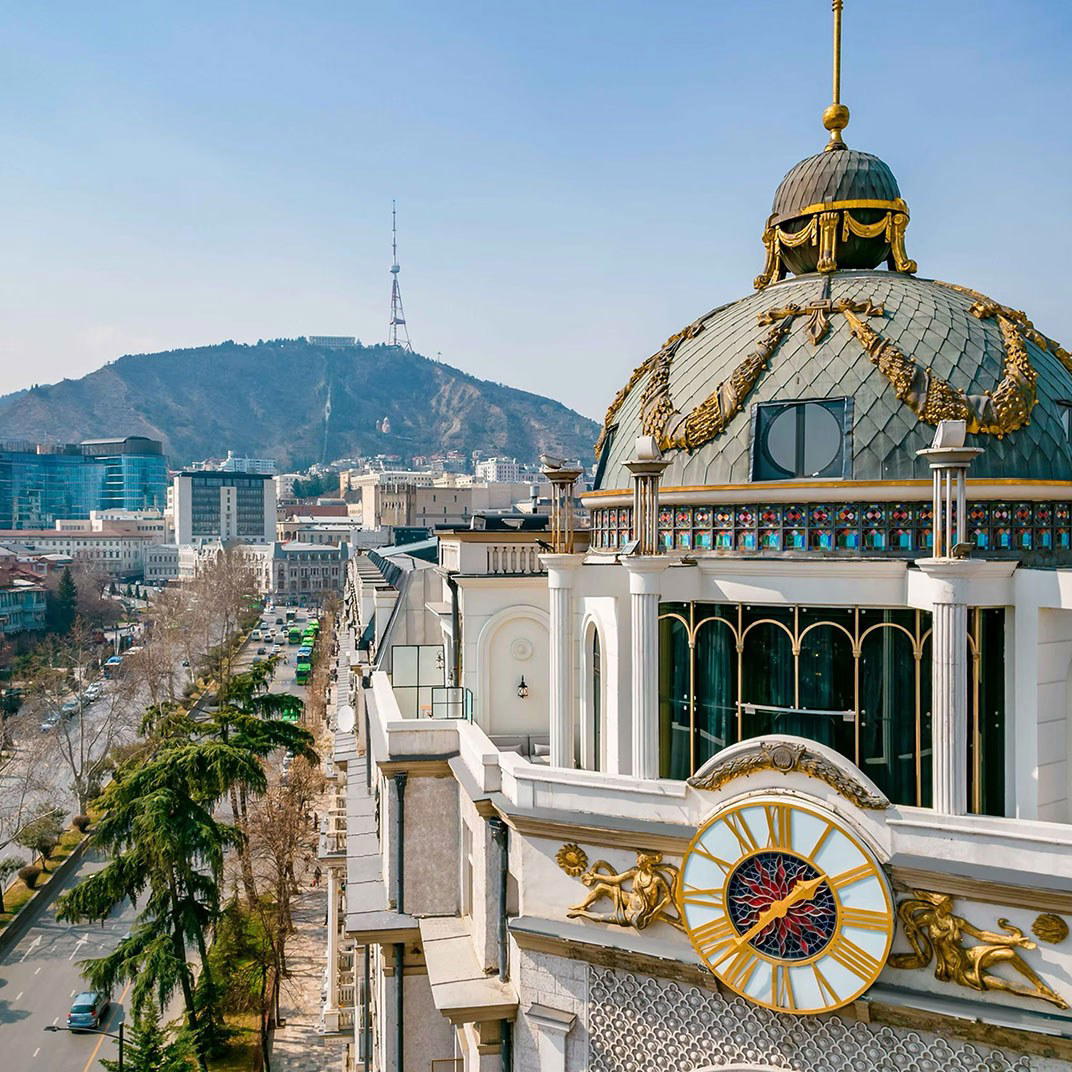
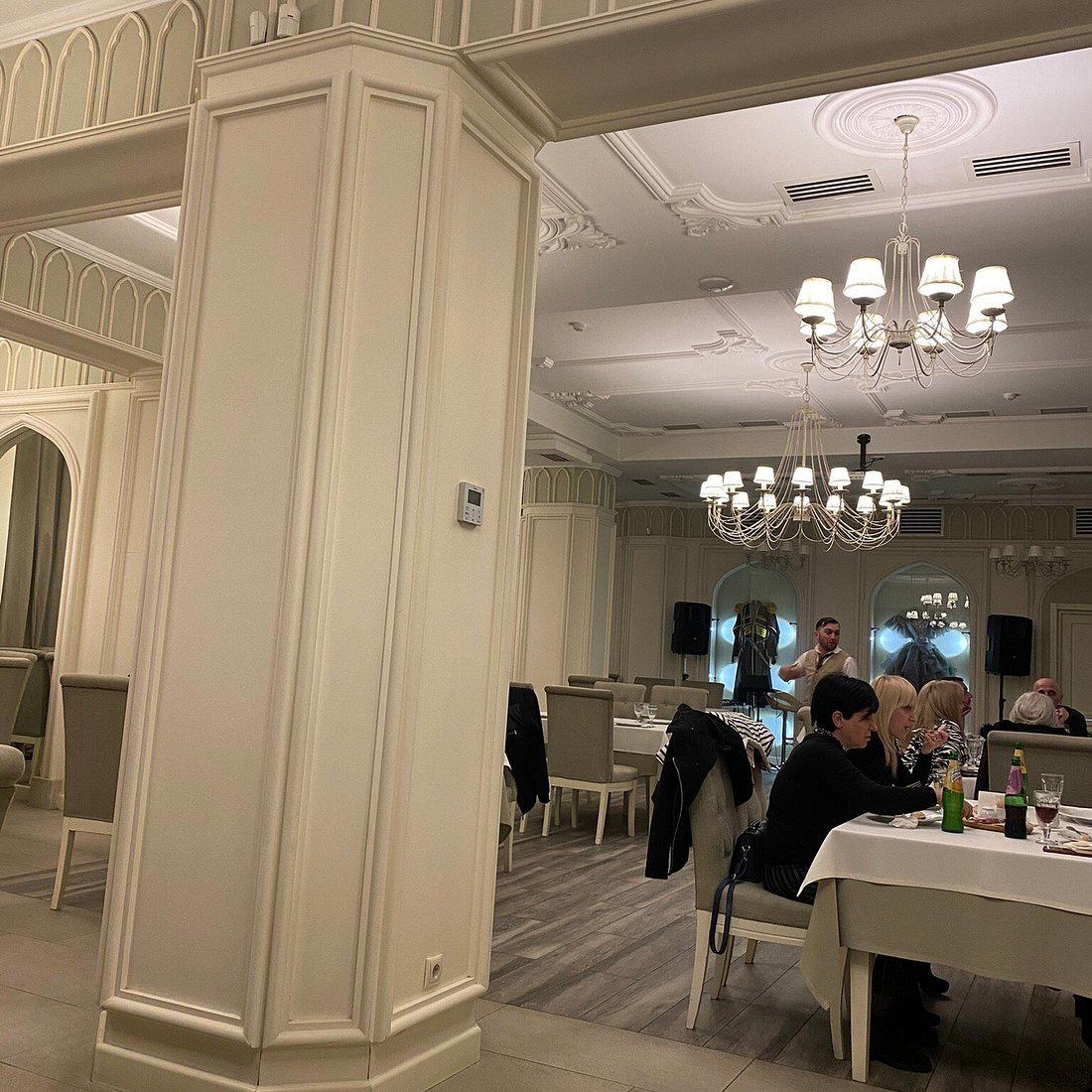
On a quiet street in Tbilisi's older residential quarters, Dadiani occupies a space where Georgian cooking is treated as a subject worth serious attention. The address at 11b Bakhtrioni St places it away from the tourist-heavy corridors of the Old Town, drawing a crowd that arrives with purpose rather than by accident. What it represents is a focused engagement with the depth and regional range of a cuisine that predates most European culinary traditions by millennia.

Pearl is the En Primeur Club membership app, where members save venues, book tables and use the concierge.
A Street, a Tradition, a Reason to Pay Attention
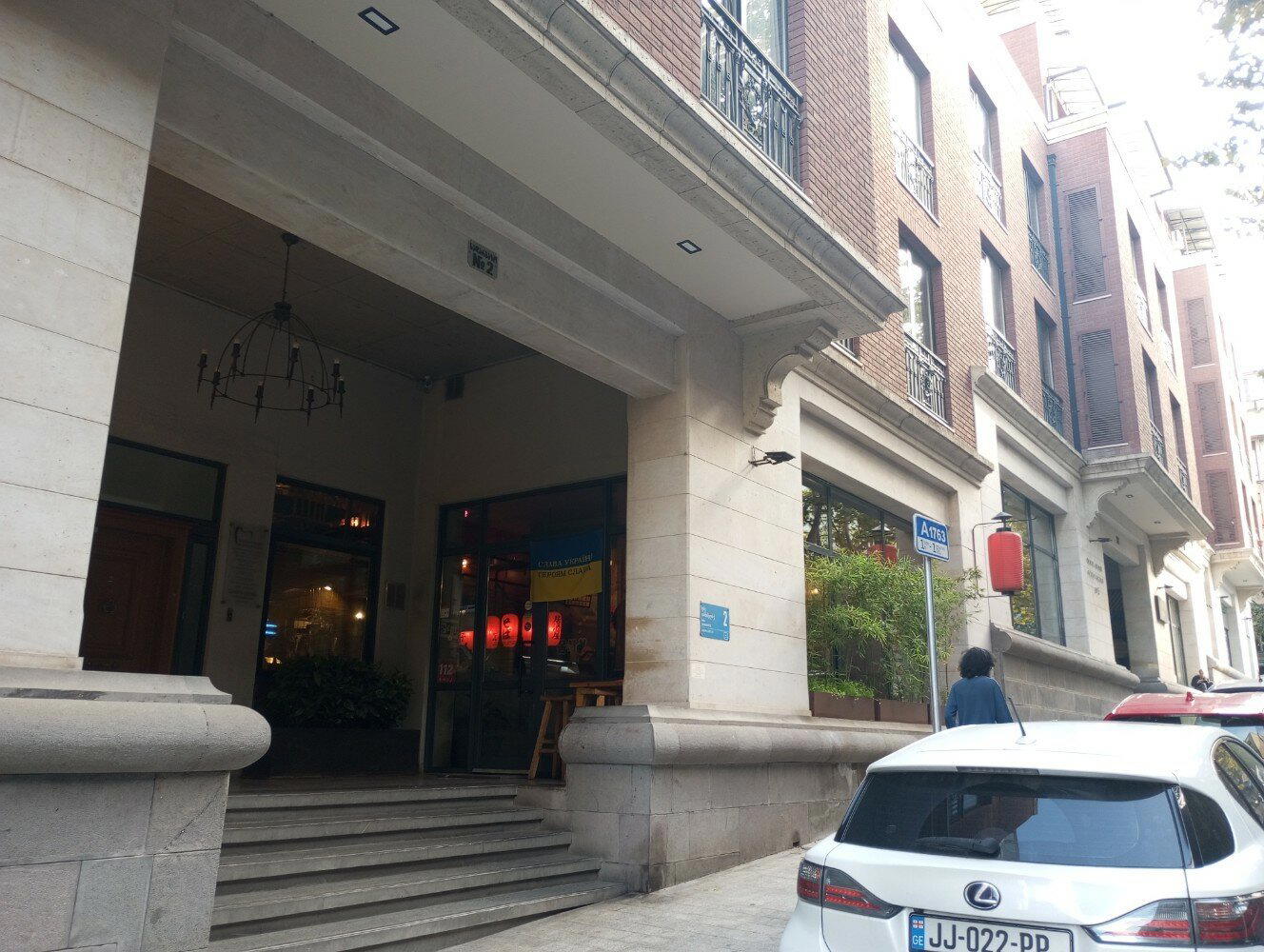
Bakhtrioni Street does not announce itself. In a city where the most-photographed dining rooms tend to cluster around Rustaveli Avenue or the tourist circuit of the Old Town, an address in the quieter residential fabric of Tbilisi signals something deliberate. Dadiani, at number 11b, sits in that category of Tbilisi restaurant that rewards the visitor who has already done one pass through the obvious stops and is ready to go further. The approach to the building, away from the noise of the main drag, sets the register before you reach the door.
Georgia's culinary tradition is one of the oldest continuous food cultures in the world, shaped by its position at the crossroads of the Silk Road, by Orthodox Christian fasting cycles that produced an entire vocabulary of plant-based cooking, and by microclimates that range from Black Sea subtropical to high Caucasus alpine within a few hours' drive. The result is a cuisine of genuine complexity: walnut sauces built from hand-pounded pastes, slow-braised meats carrying the aromatics of dried marigold and blue fenugreek, doughs stretched or folded to hold cheese, egg, or spiced meat depending on which valley you are referencing. Tbilisi's better restaurants are increasingly treating this material seriously, and Dadiani belongs to that movement.
Where Dadiani Sits in Tbilisi's Current Dining Scene
Tbilisi has developed a recognisable upper tier of Georgian-focused restaurants over the past decade, each staking out a different relationship to the tradition. Barbarestan built its reputation around 19th-century recipe research, using a historical cookbook as both source material and marketing anchor. Azarphesha occupies the Georgian-Persian register, reflecting Tbilisi's own layered ethnic history. Alubali works within a more contemporary frame. ATI applies a chef-driven modernist sensibility to local ingredients.
The broader comparison matters for anyone calibrating expectations. Tbilisi is not a city where fine dining converges on a single style. The category has fractured into historical reconstructionists, contemporary Georgian, neighbourhood specialists, and wine-forward rooms that use the country's amber wine tradition as their organising logic. Dadiani fits closer to the latter end of the spectrum, where the wine on the table is as likely to be a skin-contact Rkatsiteli from Kakheti as it is a European import, and where the food is in conversation with that choice rather than incidental to it.
The Cultural Weight Behind the Menu
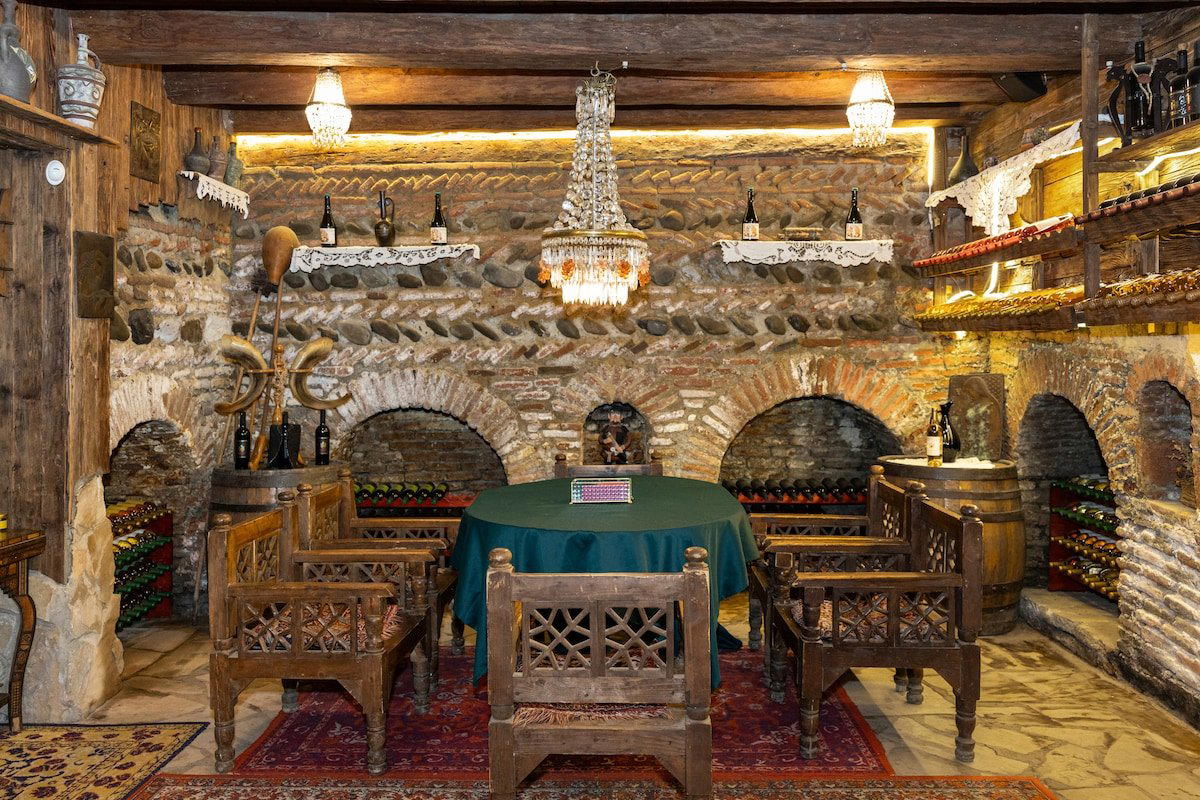
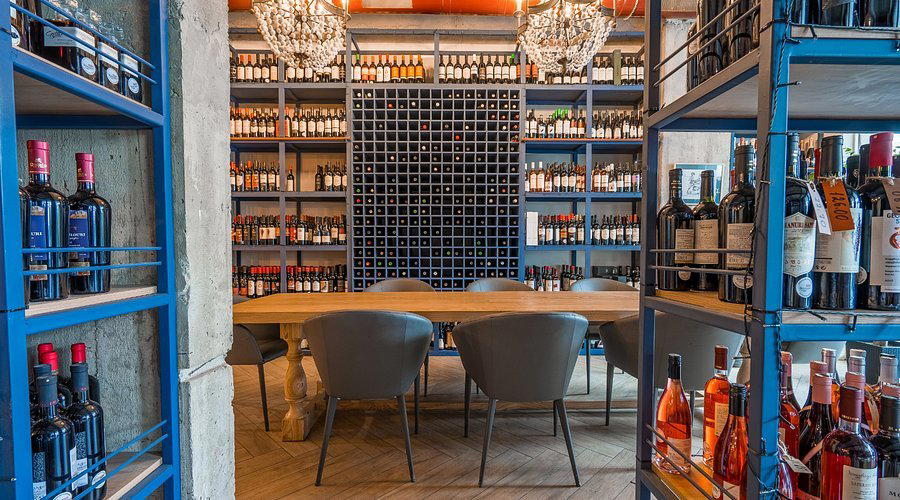
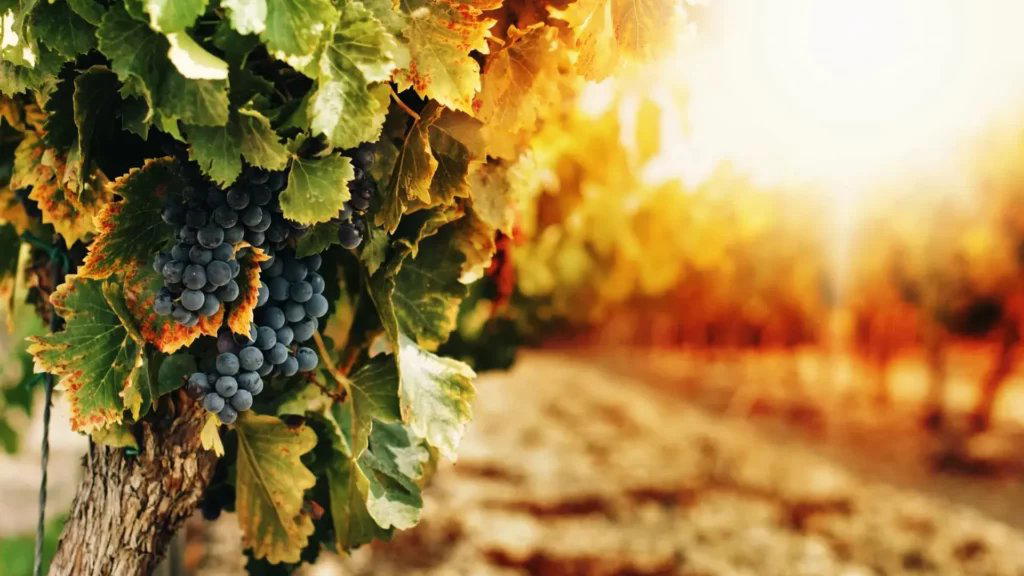
Georgia's claim to be the oldest wine-producing country is supported by archaeological evidence dating back approximately 8,000 years, with qvevri (clay amphora) winemaking recognised by UNESCO as an intangible cultural heritage. What this means in practice, at a restaurant like Dadiani, is that the wine list is not a separate department from the kitchen. The amber wines of Kakheti, aged on their skins for months in buried clay vessels, carry tannin and oxidative character that pairs differently from European whites, and Georgian cooking evolved alongside this. Fatty, walnut-heavy dishes; sour-dressed salads built on tkemali plum or pomegranate; the salt and char of grilled meats: these are not accidents but a system.
For visitors coming from markets like Le Bernardin in New York City or Atomix in New York City, the frame of reference for what constitutes a serious tasting experience shifts considerably in Tbilisi. Georgia operates outside the Michelin geography entirely. Quality signals here run through local critical consensus, word of mouth within the international food community, and the kind of sustained occupancy that a restaurant like Dadiani appears to maintain.
To understand what Dadiani represents in Tbilisi, it helps to travel the country's dining geography a little. Pheasant's Tears Winery in Signagi made natural and qvevri wine a full restaurant experience in the wine country east of the capital. Doli in Telavi and Sisters in Kutaisi show how regional cooking varies sharply once you leave Tbilisi. Sazandari in Batumi operates within the Adjaran coastal tradition, and Schuchman Wines Chateau in Telavi integrates wine production with hospitality in a way that few Tbilisi restaurants replicate. Dadiani, by contrast, is the urban version of this seriousness: a city restaurant for a city that has grown confident enough in its own food culture to present it without apology.
Arriving and Planning Your Visit
Visitors moving between Tbilisi and the regions might also consider stops at Gazaphkhuli in Chiatura or Crowne Plaza Borjomi in Borjomi as part of a wider Georgia itinerary. Within Tbilisi, Akura San addresses a completely different register, and the contrast between Tbilisi's Japanese-influenced rooms and its Georgian-focused addresses makes for an instructive way to understand how the city's dining ambitions have broadened. Chiko in Aspindza rounds out the regional picture for travellers heading south toward the Vardzia cave monastery.
What This Address Requires of the Visitor
Restaurants operating at Dadiani's level in cities outside the Michelin network require the visitor to arrive with some independent calibration. The absence of a starred rating or internationally standardised review infrastructure does not signal a gap in quality; it signals a gap in the coverage system. Georgian cooking at its most serious has been generating global attention since at least 2015, when the international food press began filing regularly from Tbilisi. The visitors arriving at Bakhtrioni Street now include chefs from Paris, food editors from London, and sommelier programmes from the United States who treat qvevri wine as a serious study subject rather than a curiosity. Dadiani occupies this intersection: a Tbilisi address where the local tradition is the point, and where the visitor's job is to pay attention rather than arrive with a checklist.
Frequently asked questions
What's the address for Dadiani?
Dadiani is located at 11b Bakhtrioni St, Tbilisi, Georgia, Tbilisi.
How does Dadiani compare to other serious Georgian restaurants in Tbilisi?
Dadiani's address on Bakhtrioni Street places it away from the more heavily trafficked dining corridors around Rustaveli Avenue, which already distinguishes its audience from restaurants that rely on footfall.
What do regulars order at Dadiani?
Regulars at restaurants at this level in the city tend to follow the house's direction rather than arriving with a fixed order. Ask staff what is driving the menu on the day you visit, that approach will serve you better than any fixed recommendation.
Do I need a reservation for Dadiani?
For a restaurant at this level in Tbilisi, arriving without prior contact is a risk, reaching out through the address at 11b Bakhtrioni St directly, or via your hotel concierge, is the most reliable approach. Walk-ins may be possible, but planning ahead is advisable for dinner.
What's the signature at Dadiani?
No single dish is documented as a formal signature, but Dadiani's positioning within Tbilisi's serious dining scene points toward a kitchen grounded in Georgian culinary tradition, a food culture backed by roughly 8,000 years of continuous practice. Georgia's native ingredients, fermentation techniques, and qvevri wine context tend to define what restaurants at this level choose to centre the meal around. The signature, in effect, is the tradition itself applied with contemporary intention.
Can Dadiani accommodate dietary restrictions?
No specific dietary accommodation policy is listed in available documentation. Georgian cuisine is naturally varied, with strong vegetable, walnut, and herb-driven dishes alongside meat and fish, which gives kitchens reasonable flexibility. Contact Dadiani directly through the address at 11b Bakhtrioni St before your visit if you have specific requirements, advance notice is standard practice at this level of dining in Tbilisi.
Is eating at Dadiani worth the cost?
What calibrates the value question is context: Dadiani operates in a Tbilisi dining tier where restaurants engage seriously with Georgian culinary tradition rather than adapting it for tourist expectations. In a city outside the Michelin network, that independent calibration falls to the visitor, the address on Bakhtrioni Street and the restaurant's standing in the local scene are the most reliable signals available.
Side-by-Side Snapshot
Comparable venues nearby, for context on price, style, and recognition.
| Venue | Cuisine | Price | Notes |
|---|---|---|---|
| DadianiThis venue (the venue you are viewing) | Traditional Georgian (Mingrelian) | $20–30 | Not listed |
| Beer Square | Georgian Pub with Grill and European Beers | Not listed | Tbilisi |
| Zala | Modern Georgian with French influences | $20–30 | Tbilisi |
| Sofia Melnikova’s Fantastic Douqan | Georgian & Eastern European | $10–20 | Tbilisi |
| Ghumeli | Traditional Georgian | $20–30 | Tbilisi |
| OtsY | Modern Georgian | Not listed | Tbilisi |