Brasserie Buvette occupies a quietly significant address on Lado Gudiashvili Street in Tbilisi's Old Town, where French brasserie form meets the growing sophistication of Georgia's capital dining scene. The wine list is the editorial spine of the room, positioning it alongside the city's most serious drinking destinations. For visitors already mapping Tbilisi's better tables, it belongs on the itinerary.
Pearl is the En Primeur Club membership app — saves, bookings, and concierge access live there. Same editors, same standards.
- Address
- 18 Lado Gudiashvili St, Tbilisi 0105, Georgia
- Phone
- +995544444544
- Website
- brasseriebuvette.resos.com
- Directions
- Get directions
 Saves & bookings on Pearl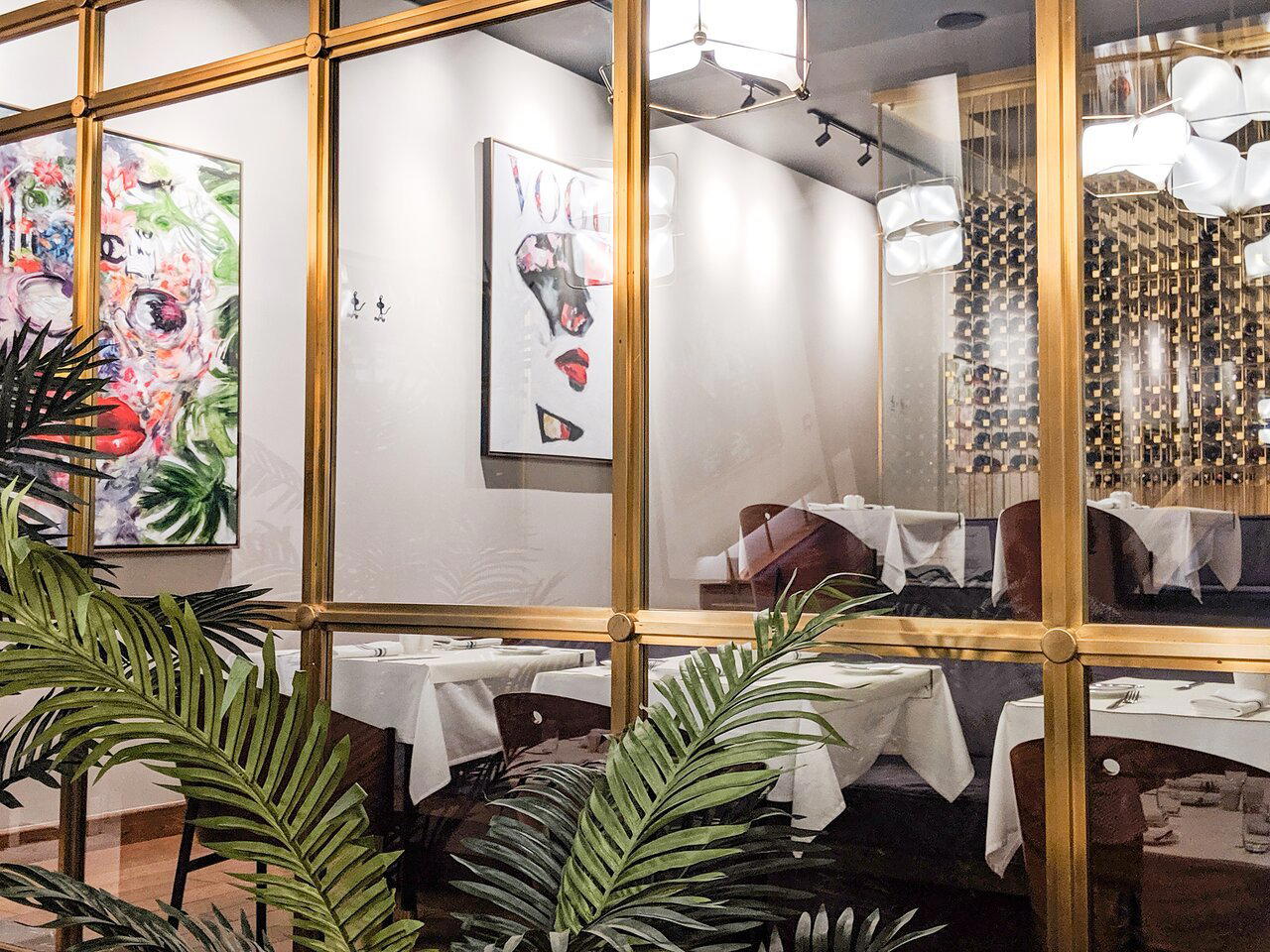
Lado Gudiashvili Street and the Brasserie Format in Tbilisi
Tbilisi's Old Town has developed a layered dining identity over the past decade, moving from tourist-facing Georgian standards toward a more considered mix of local tradition and European-inflected formats. The brasserie as a category sits interestingly within that shift. Where much of the city's premium dining energy has gone into Georgian-rooted tasting formats — places like Barbarestan or Azarphesha, which treat the Georgian culinary archive as primary source material — the brasserie model imports a different kind of discipline: the long room, the all-day cadence, the expectation that the drinks program will carry equal weight to the kitchen.
Brasserie Buvette sits at 18 Lado Gudiashvili Street, a thoroughfare in the 0105 district that threads through one of the Old Town's more atmospheric residential pockets. The street itself is part of what gives the address character: cobbled, slightly uneven, lined with the kind of low-scale architecture that Tbilisi's older quarters do better than almost any city in the Caucasus. Approaching the venue on foot from Rustaveli Avenue takes roughly ten minutes and is the preferable approach for anyone staying in the centre.
The Wine Argument: Why the List Is the Main Event
Georgia's relationship with wine is not a recent marketing invention. The country has been producing wine in qvevri, large clay vessels buried in the earth, for approximately eight thousand years, a fact that gives any serious wine program in Tbilisi a depth of local context that no other capital city can replicate. The question for any Tbilisi restaurant operating under a European-influenced format is how seriously it engages with that indigenous tradition alongside conventional European cellar logic.
The brasserie and wine-bar formats that have gained traction in Tbilisi over the past few years have generally fallen into two camps: those that lean heavily into natural and amber Georgian wines as their primary identity, and those that build more cosmopolitan lists with Georgian bottles occupying a meaningful but not exclusive section. Both approaches reflect genuine curation choices. The comparison set for Brasserie Buvette within Tbilisi's drinking scene includes places like Alubali and the wine-focused end of the city's brasserie tier, where the glass pour matters as much as the bottle selection and the staff's ability to move through the list is itself a differentiator.
For context on what serious Georgian wine engagement looks like beyond the capital, Pheasant's Tears Winery in Signagi and Schuchman Wines Chateau in Telavi represent the Kakheti production end of the same conversation. A Tbilisi wine program that connects meaningfully to those producers, whether through skin-contact Rkatsiteli, qvevri-fermented Saperavi, or the lighter styles coming out of Kartli, is operating at a different level than one that treats Georgian wine as a token regional gesture.
Where Brasserie Buvette Sits in the Tbilisi Room
The broader Tbilisi dining map has become more navigable but also more demanding for first-time visitors. At one end, there are places operating primarily as cultural institutions: Barbarestan bases its entire menu on a nineteenth-century Georgian cookbook, making it effectively a heritage project with a restaurant attached. At the other end, younger operators like those behind ATI and Akura San are working in more contemporary idioms, sometimes with international reference points built into the format.
The brasserie positioning, all-day, drinks-forward, European in structure, occupies middle ground. It appeals to a visitor who wants a competent kitchen without the theatrical commitment of a full tasting format, and who treats the wine list as the primary reason for choosing the room. That visitor profile has grown considerably in Tbilisi as the city's international traveller base has shifted from the backpacker circuit toward a more gastronomy-aware demographic. The comparison with cities like Yerevan or Baku is instructive: Tbilisi has moved further and faster toward this kind of wine-serious casual-formal format than its regional peers, partly because of its own wine culture and partly because of the concentration of creative operators who arrived during the pandemic years.
The Georgian Wine Context Beyond Tbilisi
Any serious engagement with Georgian wine in Tbilisi is leading understood against what is happening in the regions. Doli in Telavi and Sazandari in Batumi represent how wine-forward hospitality has extended beyond the capital. In Kutaisi, Sisters shows that ambitious, thoughtful food and drink programming is not a Tbilisi-only phenomenon. Even further afield, Gazaphkhuli in Chiatura and Chiko in Aspindza are part of a wider pattern of quality operations appearing in places that a Tbilisi-only itinerary would miss entirely.
This regional context matters for the Tbilisi wine list question: a program that draws on Kakheti, Kartli, and Racha producers and can explain those differences to a curious table is doing something that even well-regarded international restaurants struggle with. For reference, the wine seriousness of places like Le Bernardin in New York City or Atomix in New York City comes from a combination of cellar depth and floor expertise, the same axis on which Tbilisi's leading wine programs are beginning to be assessed.
Planning a Visit
Brasserie Buvette is located at 18 Lado Gudiashvili Street in Tbilisi's Old Town district, postal code 0105. The address is walkable from the major central hotels and from the Rustaveli metro station, making logistics uncomplicated for anyone already based in the city centre. Given that specific hours, booking policy, and pricing data are not published through the channels available to EP Club at time of writing, the practical recommendation is to check current operating details on arrival in Tbilisi or through local concierge networks, which remain the most reliable source for up-to-date information on this end of the market. For a broader map of where Brasserie Buvette fits within the capital's dining options, our full Tbilisi restaurants guide covers the range of formats and price tiers currently operating.
Those building a longer Georgian itinerary around serious food and wine should note that Crowne Plaza Borjomi represents an alternative base for the Borjomi-Bakuriani region, useful context for anyone treating the wine country as more than a day trip from the capital.
How It Stacks Up
A quick peer list to put this venue’s basics in context.
| Venue | Cuisine |
|---|---|
| Brasserie BuvetteThis venue — the venue you are viewing | Not listed |
| Café Littera | Georgian Fusion |
Continue exploring
More in Tbilisi
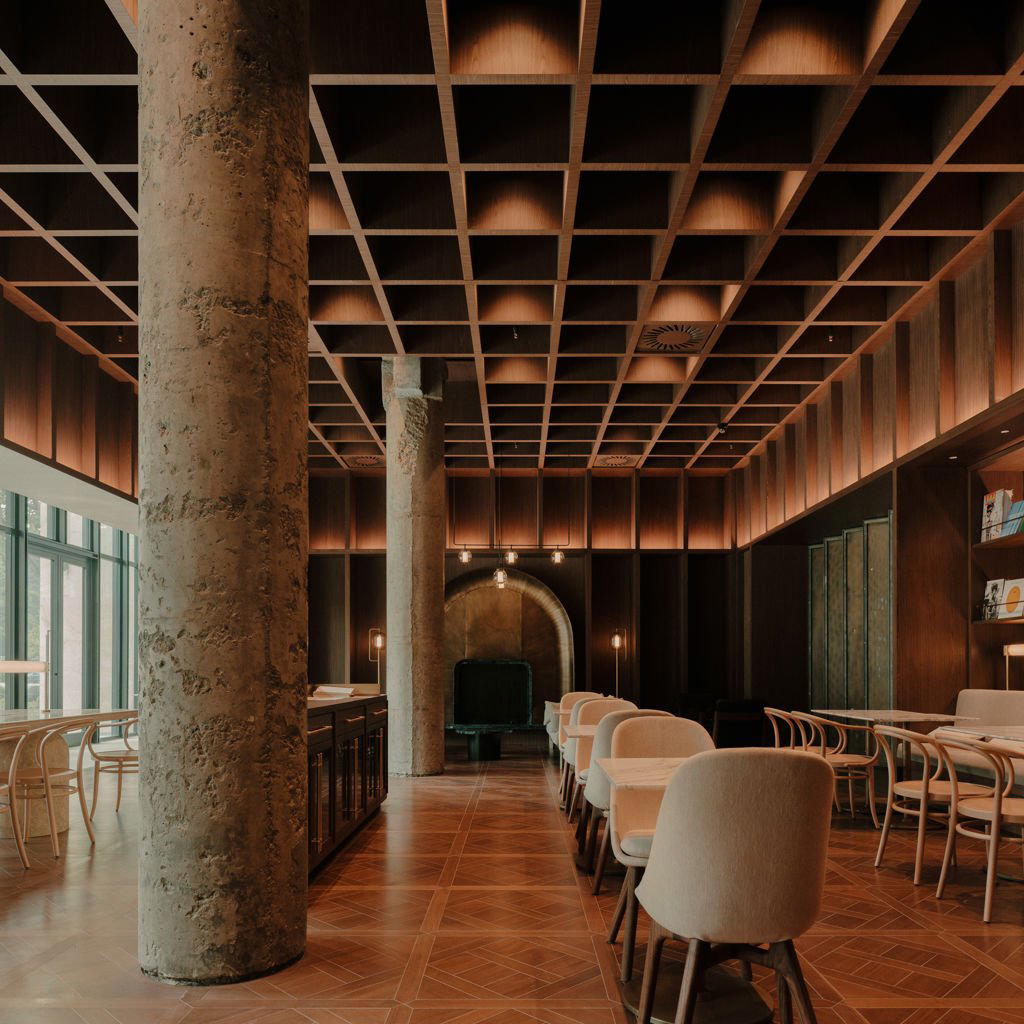
Restaurants in Tbilisi
Browse all →
Bars in Tbilisi
Browse all →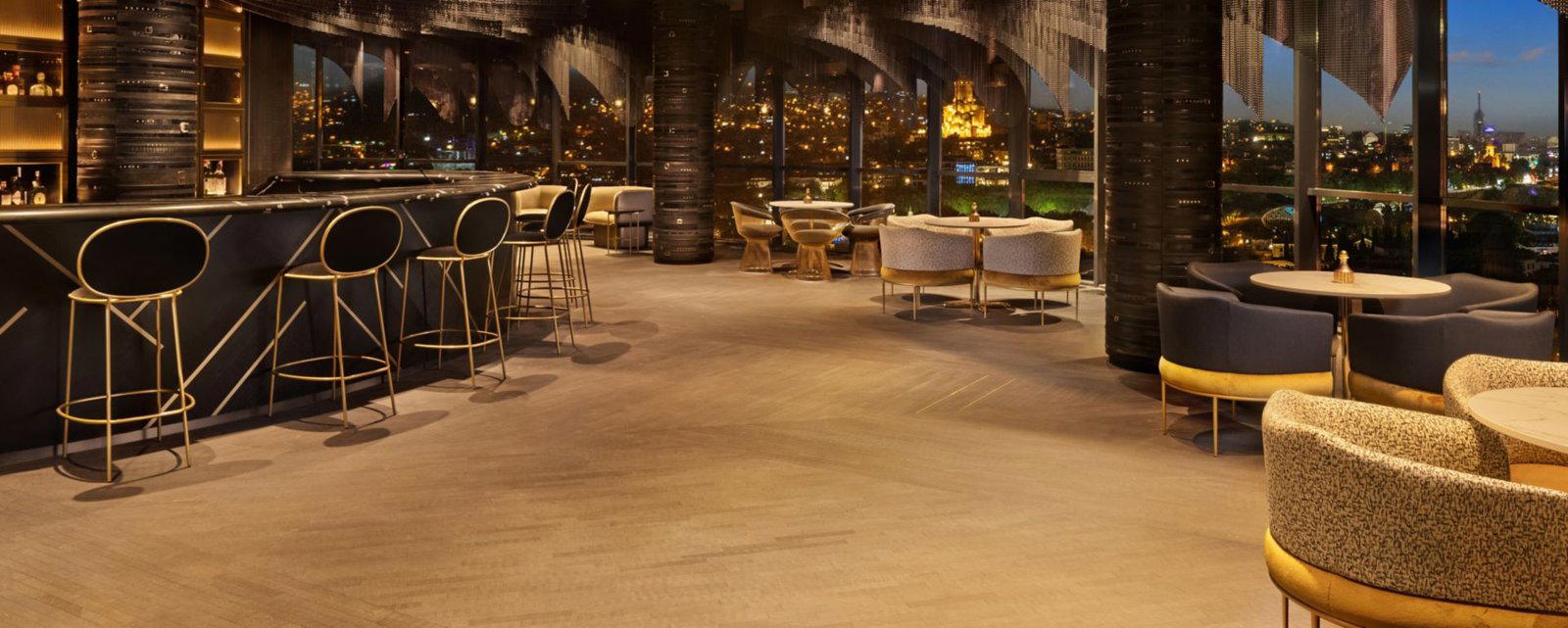
Hotels in Tbilisi
Browse all →


At a Glance
- Elegant
- Sophisticated
- Cozy
- Modern
- Date Night
- Business Dinner
- Special Occasion
- Design Destination
- Standalone
- Extensive Wine List
- Craft Cocktails
- Street Scene
Current opening hours
- Monday
- 12 PM–12 AM
- Tuesday
- 12 PM–12 AM
- Wednesday
- 12 PM–12 AM
- Thursday
- 12 PM–12 AM
- Friday
- 12 PM–12 AM
- Saturday
- 12 PM–12 AM
- Sunday
- 12 PM–12 AM
Hours can change for holidays and private events. Last verified .
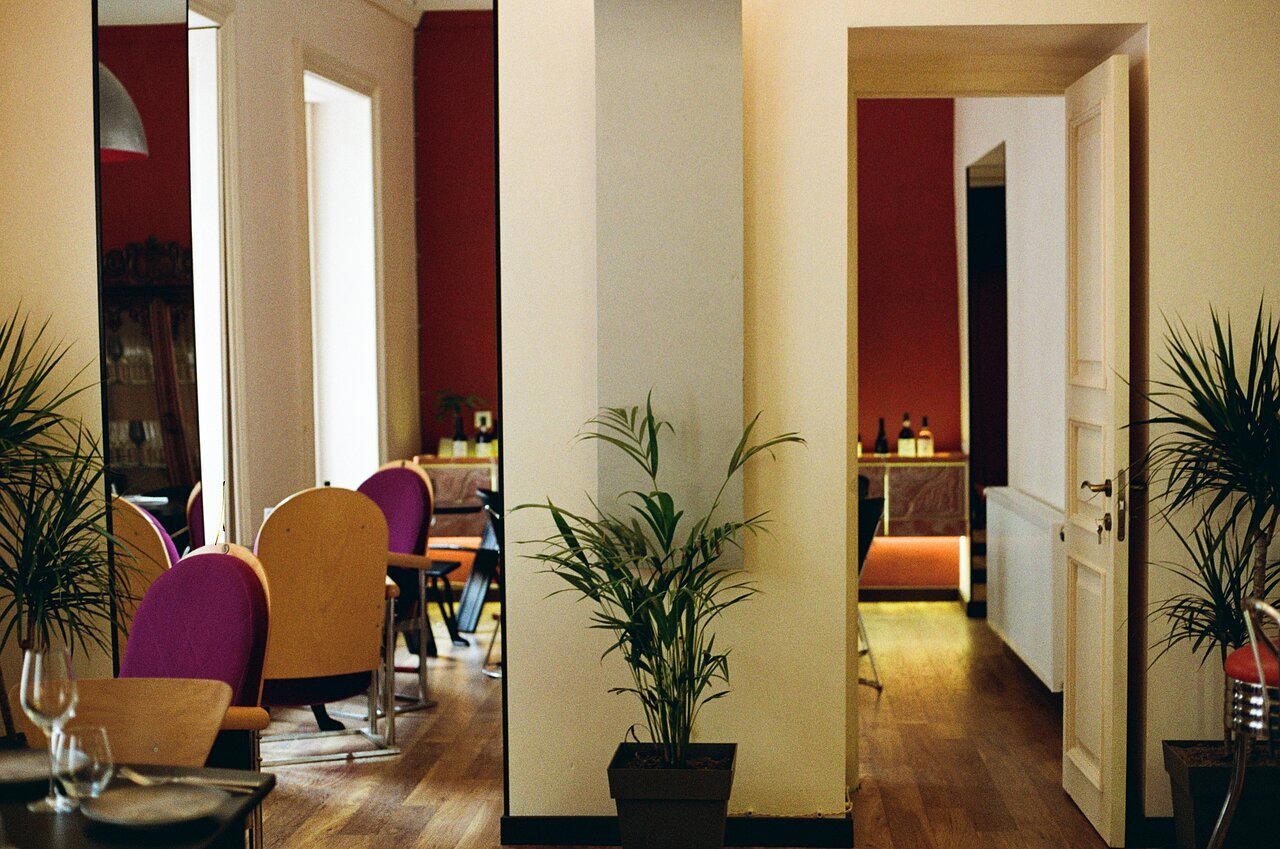
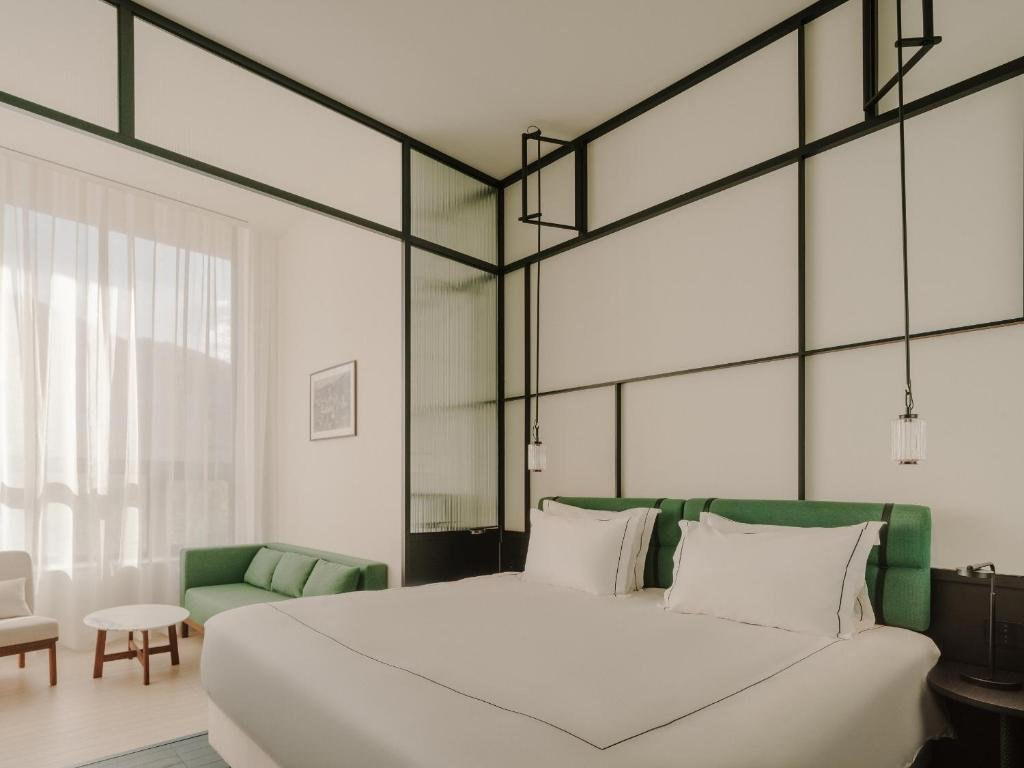
Bright, modern interior with thoughtful design details and elegant glassware; described as having a New York cosmopolitan feel with a balance of chic and cozy warmth.
Know Before You Go
- Getting there
- 18 Lado Gudiashvili St, Tbilisi 0105, Georgia