Our verdict
This listing is retired after a June 2026 status audit.
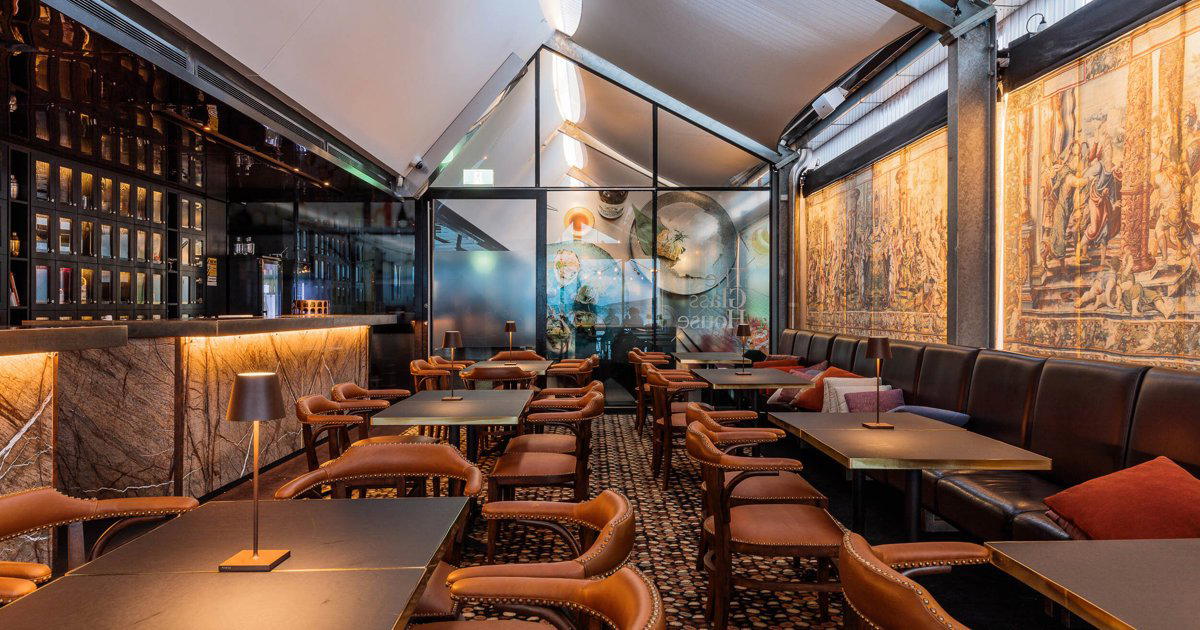
Where the Waterfront Does the Work
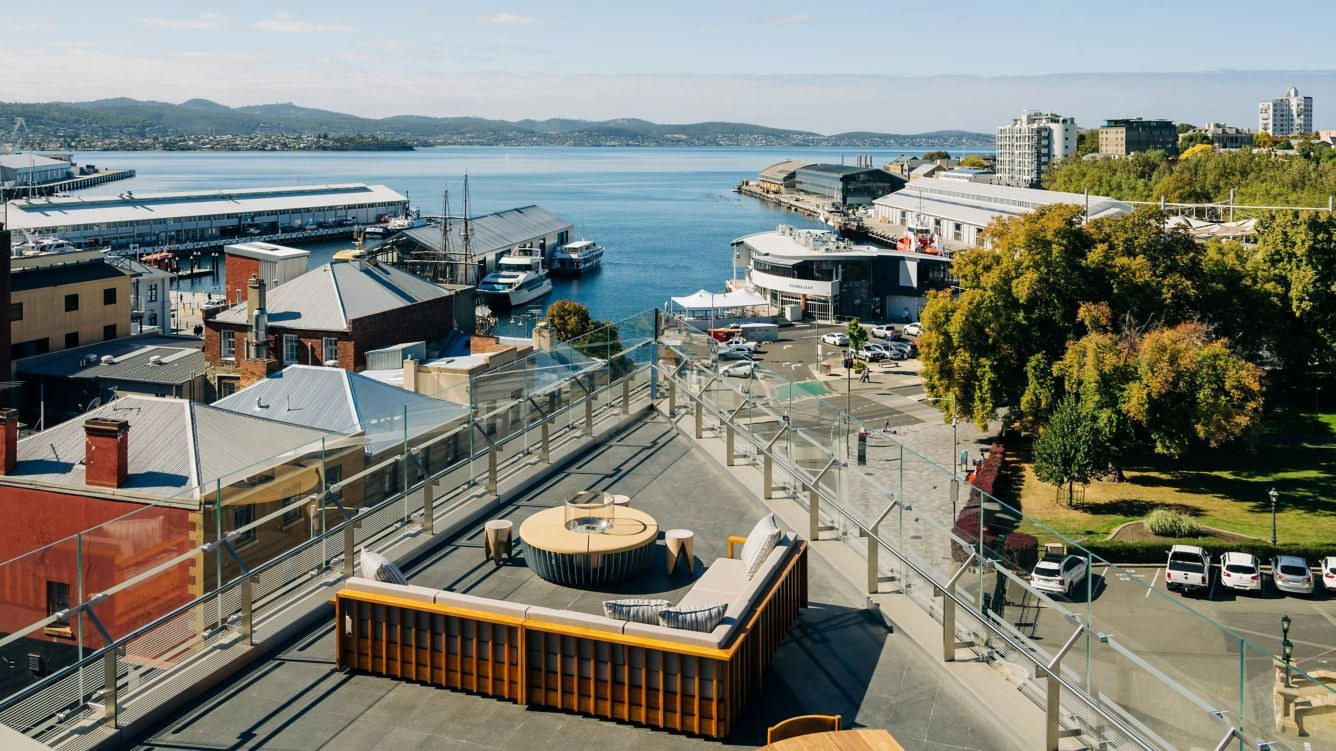
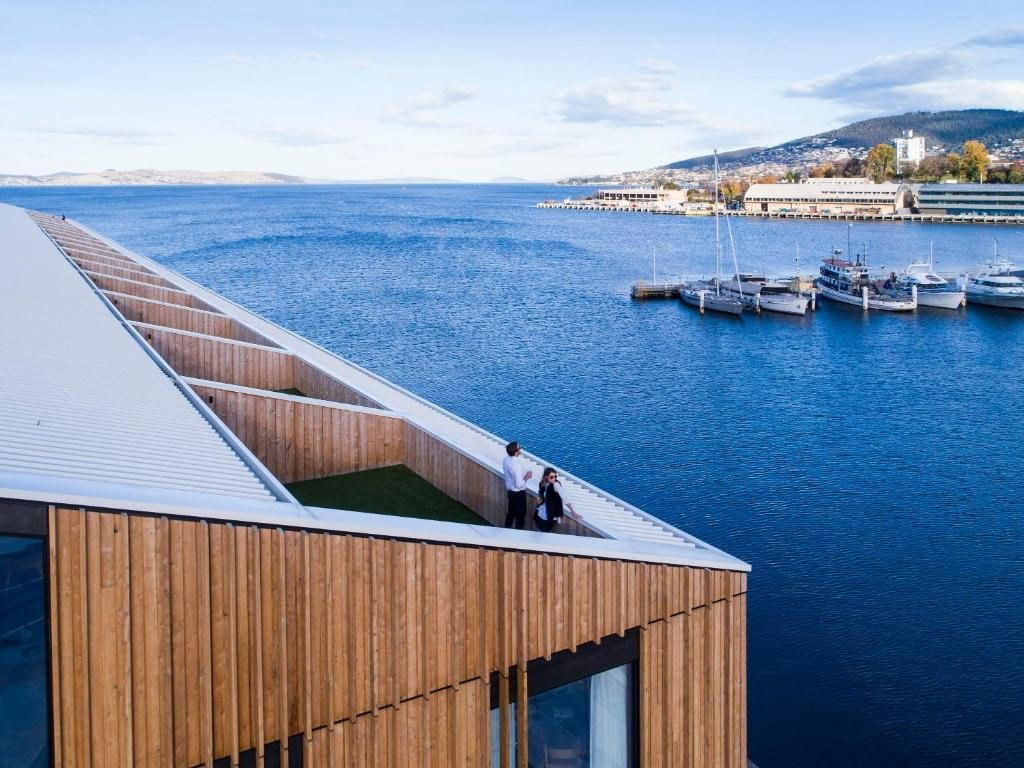
Hobart's relationship with its waterfront is not decorative, it is functional in ways that few Australian cities have managed to preserve. Brooke Street Pier, where The Glass House sits, is the kind of address that earns meaning from its surroundings: fishing vessels, the MONA ferry, the cold Derwent air carrying salt and diesel in roughly equal measure. A glass-fronted dining room in that context is not a design statement so much as an argument, that the view earns its place at the table alongside whatever arrives on the plate. Hobart has quietly built a dining identity around exactly this tension between raw geography and considered cooking, and The Glass House at Franklin Wharf occupies a position at the heart of that conversation.
Tasmania's food story is, at its core, a provenance story. The island's cool-climate conditions, relatively low agricultural intensity, and short supply chains between producer and kitchen have attracted serious cooking talent over the past decade. Venues like Agrarian Kitchen and Aloft have staked out positions that foreground the land and its growers as co-authors of the menu. The Glass House, positioned on the water rather than the hinterland, works from the other direction, the estuary, the Southern Ocean, the pier itself as a frame for what Tasmania produces and exports to the world.
The Cultural Weight of a Waterfront Table
Waterfront dining carries different cultural freight in different cities. In Sydney, it tends toward spectacle; in Melbourne, industrial reinvention. Hobart's version is more austere and, more honest. The working character of Sullivan's Cove was never fully erased by the gentrification that followed MONA's 2011 opening, and that friction, between heritage fishing culture and the contemporary food world it helped supply, gives addresses like Brooke Street Pier their particular credibility. Eating here is not about the postcard framing of the Derwent, though that exists. It is about sitting inside a food system that is unusually legible from the table: the water in front of you, the farms a short drive behind, the cold that makes both so productive.
That legibility has made Hobart a reference point for a style of Australian cooking that resists the metropolitan polish of, say, Attica in Melbourne or Rockpool in Sydney in favour of something closer to the source. The comparison is instructive rather than hierarchical: those kitchens work with notable produce, but the island-state context gives Hobart restaurants a more compressed relationship between origin and outcome. Regional counterparts elsewhere in Australia, Brae in Birregurra, Botanic in Adelaide, Hentley Farm in Seppeltsfield, work within similar frameworks of place-led cooking, but Tasmania's geography amplifies the logic.
The Pier Address in Context
Brooke Street Pier is one of several waterfront focal points in Hobart's compact CBD, and the competition for that wharf positioning is telling. The strip from Salamanca Place around to the pier has accumulated a density of food and drink options that would be respectable in a city three times Hobart's size. What distinguishes the better addresses in this stretch is not format so much as editorial clarity, knowing what the place is for and who it serves. A glass-enclosed room looking out over the working harbour has a specific brief: it should feel neither like a tourist trap capitalising on the view nor like a room that ignores its setting entirely. The better Hobart waterfront venues have learned to treat the geography as context rather than spectacle.
For visitors planning around the pier precinct, the Franklin Wharf end of the waterfront is walkable from Salamanca Market on weekend mornings, and the Saturday market remains one of the more useful orientation points for understanding what Tasmania's producers are actually growing and making. The ferry to MONA departs from nearby, which makes the Brooke Street Pier area a logical anchor for a day that moves between the city's food culture and its contemporary arts identity, two forces that have reinforced each other significantly since 2011. Venues like Callington Mill Distillery at MACq 01 in the same precinct reflect how that pairing has shaped the hospitality offer around the waterfront.
The broader Hobart dining scene also encompasses strong Italian-influenced tables, Cugini Restaurant and Don Camillo Restaurant have long track records in the city, alongside newer venues that reflect the wave of kitchen talent that arrived after Hobart's mid-2010s profile surge. Internationally, the format of produce-led, waterfront or region-anchored dining that Hobart does well has parallels at places like Ormeggio at The Spit in Mosman and, at the more remote end of the Australian spectrum, Lizard Island Resort, venues where the physical setting is inseparable from the food proposition.
Planning Your Visit
The Glass House at Brooke Street Pier is part of a waterfront precinct that rewards early evening visits, when the light off the Derwent shifts and the working harbour quietens into something closer to atmospheric. Visitors who want to extend the produce-led approach into regional Australia will find useful comparators at Pipit in Pottsville, Provenance in Beechworth, and Laura at Pt Leo Estate in Merricks. For a benchmark of what ambitious waterfront or destination cooking looks like at international level, Le Bernardin in New York City and Lazy Bear in San Francisco offer useful reference points on how geography and identity can be fused at the fine dining tier.
Frequently asked questions
How do I find The Glass House Hobart?
The Glass House Hobart is located at Brooke Street Pier, Franklin Whrf, Hobart TAS 7000, Australia.
What is a strong time of day to visit The Glass House at Brooke Street Pier in Hobart?
Early evening is one rewarding window at Brooke Street Pier, when the light shifts across the Derwent and the working waterfront quiets from its daytime activity. The Franklin Wharf location in Hobart's compact CBD means the precinct transitions noticeably between afternoon and dinner service, making the timing of your arrival relevant to the overall experience.
What's the signature dish at The Glass House Hobart?
The Glass House Hobart serves Japanese-inspired Tasmanian small plates.
Do I need a reservation for The Glass House Hobart?
Reservations are recommended at The Glass House Hobart.
What makes The Glass House Hobart worth seeking out?
The address is the primary argument: Brooke Street Pier sits at the convergence of Hobart's working waterfront and its cultural precinct, with views across the Derwent that few dining rooms in the city can match at that proximity. Hobart's waterfront has retained functional character rather than becoming purely commercial, which gives this location a different quality from comparable pier addresses in Sydney or Melbourne.
What if I have allergies at The Glass House Hobart?
Please advise the restaurant of any allergies when booking, as reservations are recommended.
Is The Glass House Hobart worth the price?
The Glass House Hobart is a price tier 3 restaurant.
A Pricing-First Comparison
Comparable venues nearby, for context on price, style, and recognition.
| Venue | Cuisine | Price | Notes |
|---|---|---|---|
| The Glass House HobartThis venue (the venue you are viewing) | Not listed | Not listed | Not listed |
| Landscape Restaurant & Grill | Tasmanian Steakhouse Grill | $50–100 | Hobart waterfront, Tasmanian Steakhouse Grill |
| Callington Mill Distillery at MACq 01 Hobart | Not listed | $50–100 | Hobart Waterfront, Modern Australian Whisky Dining |
| Driftwood Restaurant | Modern Seasonal Coastal | $50–100 | Lauderdale, Modern Seasonal Coastal |
| Bird in Hand | Wine-led modern Australian fine dining in the Royal Tasmanian Botanical Gardens | Not listed | Royal Tasmanian Botanical Gardens, Wine-led modern Australian fine dining in the Royal Tasmanian Botanical Gardens |
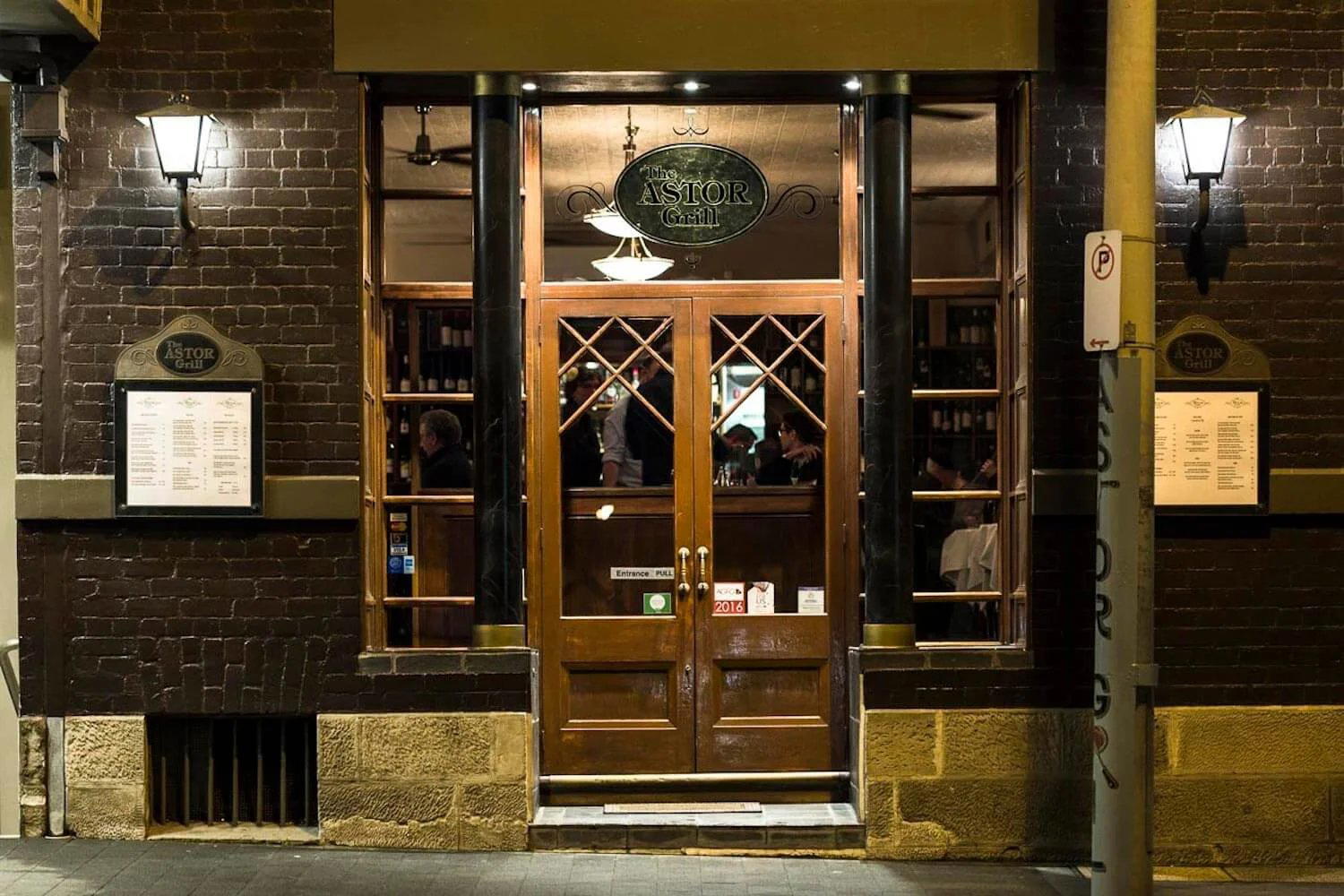
| The Astor Grill | Contemporary Australian Grill | $50–100 | Hobart CBD, Contemporary Australian Grill |
Continue exploring
More in Hobart
Restaurants in Hobart
All restaurants in Hobart →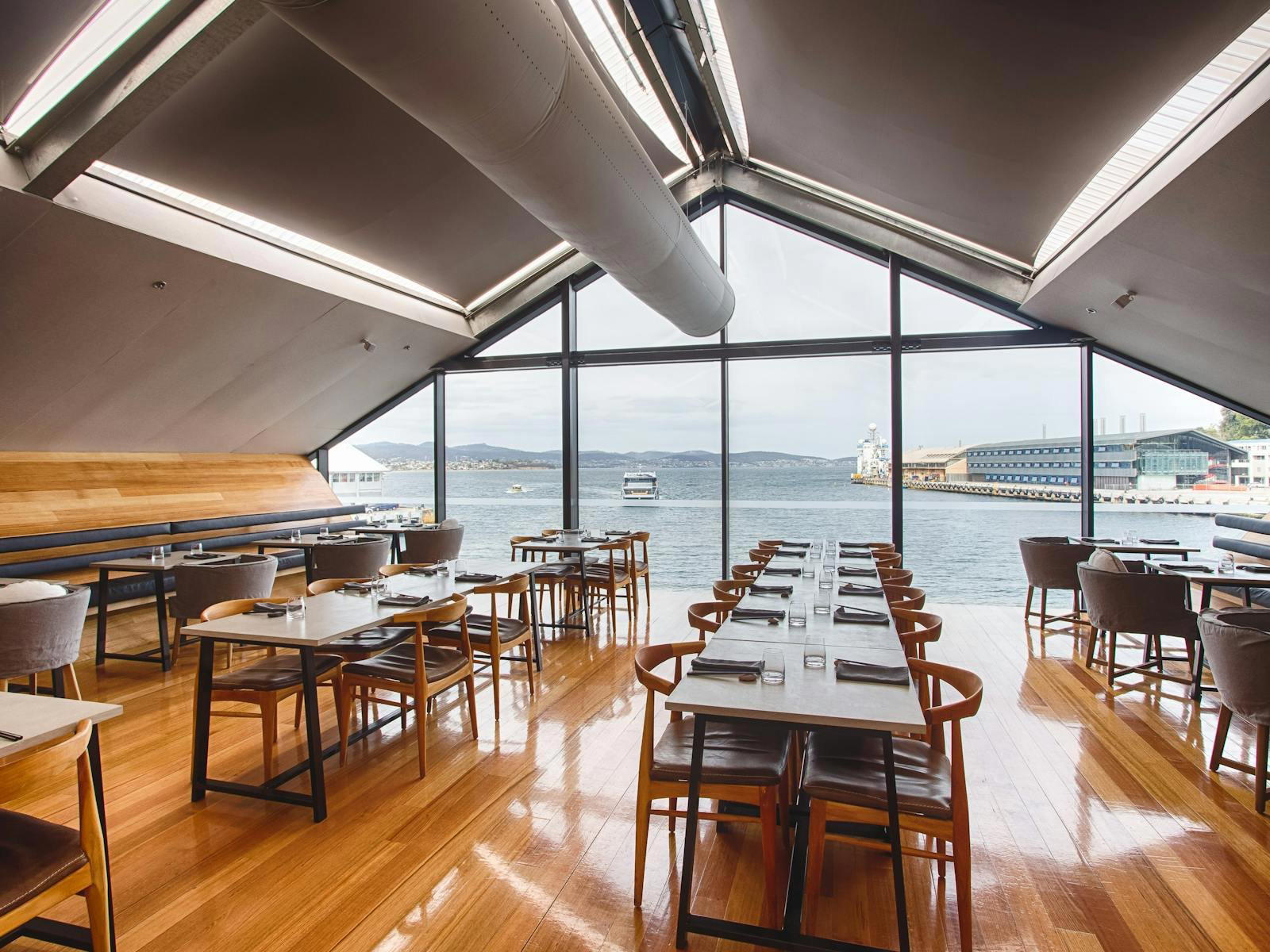
Bars in Hobart
All bars in Hobart →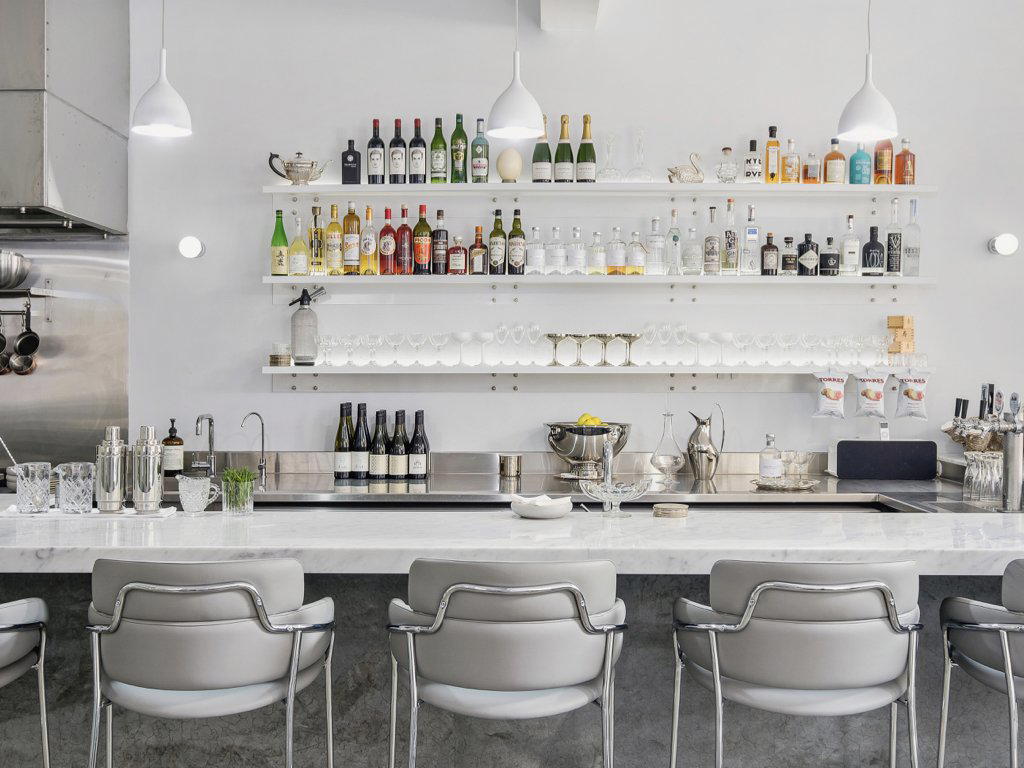
Details
- Modern
- Elegant
- Sophisticated
- Scenic
- Date Night
- Special Occasion
- Casual Hangout
- Waterfront
- Open Kitchen
- Craft Cocktails
- Local Sourcing
- Waterfront
- Small Plates
- A La Carte
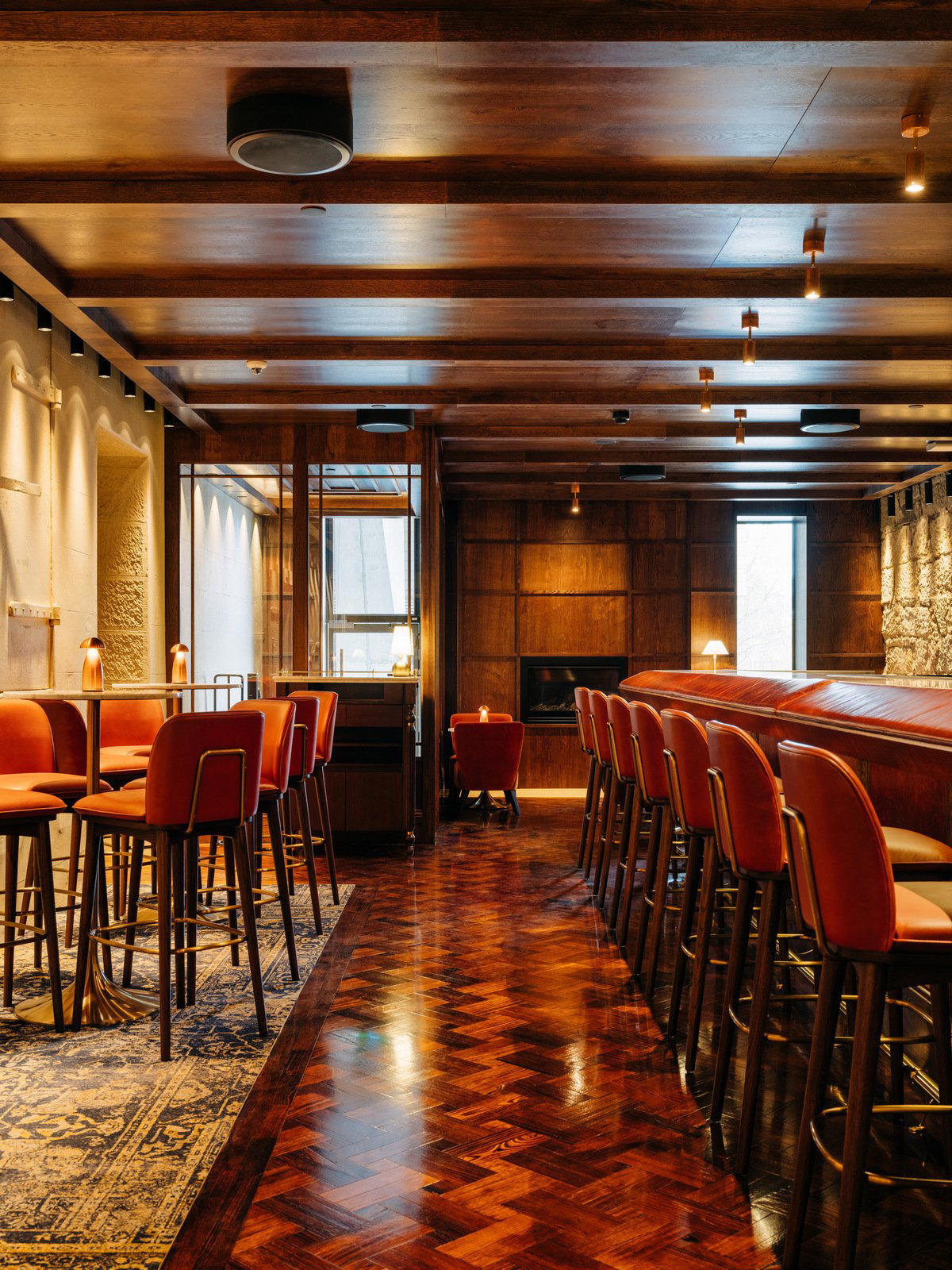
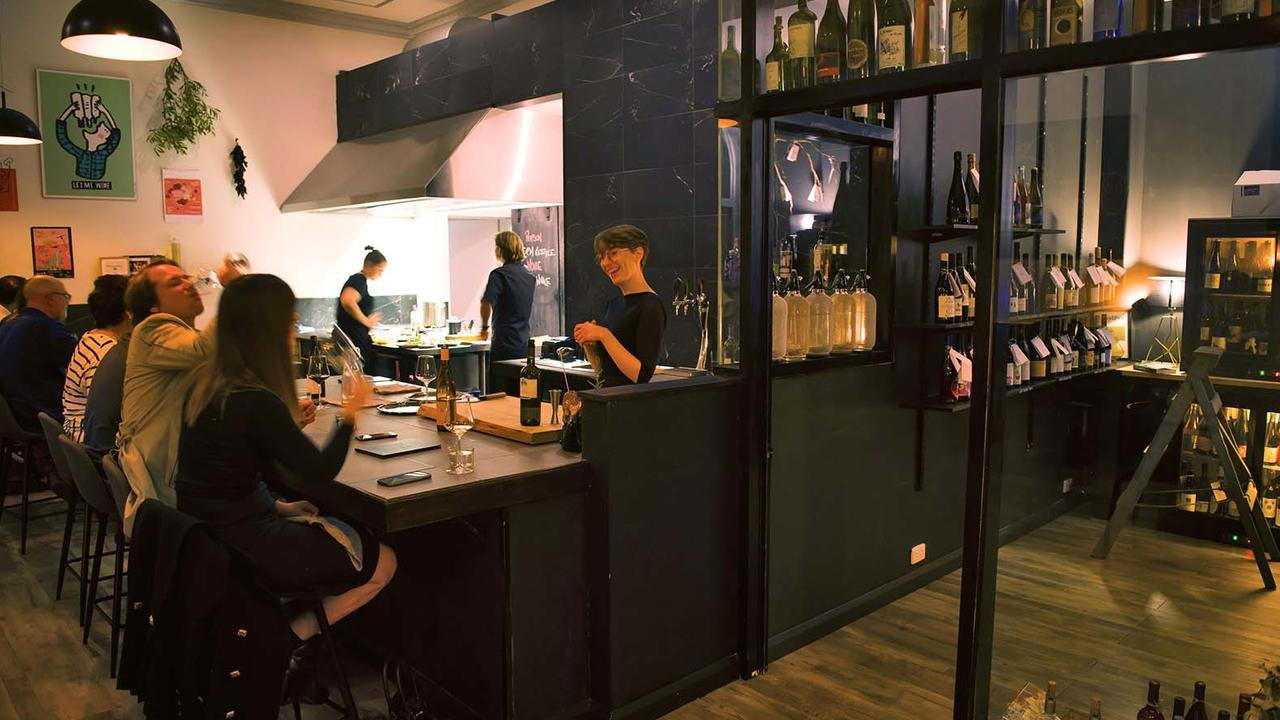
Stylish and contemporary with floor-to-ceiling glass offering uninterrupted water views, marble bar, and comfortable atmosphere.