Our verdict
On Macquarie Street in central Hobart, Fico draws a loyal following that returns not for novelty but for consistency — the kind of restaurant where regulars have long since stopped reading the menu. A fixture in Tasmania's tightening fine-dining scene, it sits in the same conversation as the city's most considered Italian-influenced tables, earning its reputation through disciplined repetition rather than reinvention.

Pearl is the En Primeur Club membership app — saves, bookings, and concierge access live there. Same editors, same standards.
- Address
- 151A Macquarie St, Hobart TAS 7000, Australia
- Phone
- +61362453391
- Hours
- Mon–Wed ClosedThu–Sat 6 PM–12 AMSun 12–3 PM
- Website
- ficofico.net
- Directions
- Get directions
- Booking
- Book on SevenRooms
The menu
What to order
- Bug tail spaghetti aglio e olio
- Spaghetti with mussels turmeric and tomato water
- Quail en croute
- Chawanmushi
- Housemade sourdough with fig leaf oil
What the Regulars Already Know
There is a particular kind of restaurant that Hobart does quietly well: the room that looks modest from the street on Macquarie Street but operates with the precision of somewhere twice the price and three times the acclaim. Fico, at 151A Macquarie Street, belongs to that cohort. The people who eat here most often are not chasing a debut experience. They are returning to something already understood — a kitchen that has refined its position rather than chased trends, in a city whose dining scene has spent the past decade compressing the gap between regional and national relevance.
Tasmania's fine-dining conversation has shifted considerably. A decade ago, the island's serious tables were largely outpost destinations — places you visited because you were already on the way to MONA or a Freycinet lodge. Now the city holds its own against mainland peers not through imitation but through a distinct supply logic: shorter chains from paddock to plate, a producer network with unusual density for its population size, and a hospitality culture that has learned to trust restraint. Fico sits inside that shift.
The Italian Thread in Tasmanian Cooking
Italian-influenced cooking has developed a specific foothold in Hobart's mid-to-upper dining tier. The reason is partly historical, Tasmania's early European settlement left Italian immigrant communities with roots in the island's agricultural southeast, and partly practical. Italian technique, with its emphasis on ingredient primacy and minimal intervention, maps cleanly onto a region where the produce itself carries the argument. You do not need to complicate Tasmanian lamb or Huon Valley greens; you need to not ruin them.
Fico operates inside this logic. The name itself is Italian for fig, a fruit that signals the Mediterranean register without announcing it loudly. The approach is closer in spirit to the trattorias of Emilia-Romagna, where the cuisine's reputation rests on accumulated small decisions rather than theatrical gestures, than to the kind of Italian-Australian hybrid that dominated Sydney and Melbourne dining rooms in the 1990s. Regulars at Fico understand this. They are not arriving for surprise; they are arriving because the kitchen's decisions, repeated over many visits, have earned their trust.
For context on how this Italian thread plays out across Australia's serious dining rooms, Ormeggio at The Spit in Mosman offers a useful point of comparison on the mainland, a kitchen where Italian fundamentals anchor a tasting format built around local produce. The difference is scale and audience: Mosman draws on Sydney's cosmopolitan diner base; Fico draws on a Hobart clientele that has chosen the city deliberately and eats locally with frequency.
Where Fico Sits in the Hobart Dining Order
Hobart's serious dining tier is not large, which means competition is visible and positioning is legible. The city's most discussed tables in recent years have included Agrarian Kitchen, which anchors its identity in a working farm and educational ethos, and Templo, which operates a minimal wine-bar-adjacent format that has attracted national attention. Aloft has occupied a different register again, with a format that leans into harbour-facing occasion dining.
Fico does not compete directly with any of these on format. It occupies the space where the cooking is serious but the room does not perform seriousness at you. There is no tasting menu theatre, no produce provenance delivered tableside with a laminated card. What regulars describe, consistently, is the sense that the restaurant knows who it is, and has known for long enough that it no longer needs to explain itself on arrival.
Hobart's Italian-adjacent tables also include Cugini Restaurant and Don Camillo Restaurant, both of which operate in the city's long-established Italian dining tradition. Fico sits in a more contemporary register than either, closer in sensibility to the refined regional-Italian approach that has defined serious cooking in this category across Australia over the past fifteen years.
For readers building a broader picture of Australia's fine-dining geography, the comparison set is instructive. Brae in Birregurra and Attica in Melbourne represent the highest tier of produce-driven Australian cooking, with international recognition to match. Botanic in Adelaide and Hentley Farm in Seppeltsfield show how regional Australian fine dining can build identity from specific terroir. Fico is not operating at Brae's award volume, but it is asking a version of the same question: what does serious cooking look like when the supply chain is short and the producer relationships are real?
The Unwritten Menu
The regulars' perspective on any restaurant eventually converges on what is not written down. At Fico, that means the seasonal shifts that experienced diners anticipate rather than read about, the way the kitchen's Italian framework accommodates Tasmanian ingredient rhythms, cool-climate brassicas in winter, stone fruit as the Derwent Valley warms, the year-round reliability of the island's dairy and smallgoods. This is the territory where loyalty is built: not through novelty but through the recognition that a kitchen's instincts can be trusted across seasons.
Australia's most loyalty-commanding regional restaurants share this quality. Provenance in Beechworth and Pipit in Pottsville both operate in regional settings where the local supply narrative is credible enough to sustain a long-term following without constant reinvention. Laura at Pt Leo Estate in Merricks has built a similar loyalty base on the Mornington Peninsula. The pattern is consistent: diners return when they trust the kitchen's judgment more than they need the novelty of the menu.
For something adjacent in Hobart's broader beverage-led dining scene, Callington Mill Distillery at MACq 01 Hobart offers a different evening entry point, spirits-forward, heritage-adjacent, that complements a meal at Fico rather than competing with it.
Planning Your Visit
Fico is at 151A Macquarie Street in central Hobart, walkable from the waterfront and the CBD's main accommodation cluster. Booking in advance is advisable, particularly on weekends and during the summer festival season when Hobart's visitor density spikes. Current booking details and hours are best confirmed directly with the restaurant, as operational specifics shift seasonally. For a full picture of where Fico sits within the city's dining options, the EP Club Hobart restaurants guide maps the broader scene with the same editorial rigour applied here.
Frequently asked questions
Where exactly is Fico?
Fico is located at 151A Macquarie St, Hobart TAS 7000, Australia, Hobart.
How does Fico compare to other Italian-influenced restaurants in Hobart?
Italian-influenced cooking occupies a specific foothold in Hobart's mid-to-upper dining tier, and Fico at 151A Macquarie Street is among the more consistently discussed rooms in that category. Hobart's serious dining tier is compact, which makes positioning legible: Fico's focus on Tasmanian produce interpreted through an Italian framework sets it apart from broader European or produce-led restaurants with no clear regional culinary identity. For diners assessing the city's options, that specificity of approach is a meaningful differentiator.
What should I eat at Fico?
Fico's kitchen works within an Italian-influenced framework that draws on Tasmanian produce, so the strongest choices tend to follow seasonal availability rather than a fixed menu. The approach is consistent with what Hobart's mid-to-upper dining tier does well: regional ingredients interpreted through a European lens. Ask the floor staff what is running that service — experienced regulars at 151A Macquarie St treat that conversation as part of the meal.
What's the best way to book Fico?
Hobart's serious dining rooms, including Fico, fill faster than their room size suggests during the summer peak from December through February, when the city's festival calendar competes with regular trade. Booking ahead by several weeks is advisable for that window. Outside peak season, lead times are shorter, but Fico's position in Hobart's small, competitive fine-dining tier means same-week availability is not guaranteed.
Cuisine and Awards Snapshot
Comparable venues nearby, for context on price, style, and recognition.
| Venue | Cuisine | Price | Awards | Notes |
|---|---|---|---|---|
| FicoThis venue — the venue you are viewing | Contemporary Italian Fine Dining | $200–300 | Not listed | Not listed |
| Templo | Italian-inspired Seasonal Tasting Menu | $100–150 | Not listed | West Hobart |
| Cugini Restaurant | Authentic Italian Pizza and Pasta | $20–30 | Not listed | Bellerive |
| Scholé | Japanese-inspired Tasmanian | $100–150 | Gourmet Traveller State Winner Tasmania | Hobart CBD |
| Lost in Asia | Pan-Asian Share Plates | Not listed | Not listed | Hobart CBD |
| Aloft | Modern Australasian Fine Dining | $100–150 | We're Smart World 2 Radishes | Hobart CBD |
Continue exploring
More in Hobart
Restaurants in Hobart
Browse all →
Bars in Hobart
Browse all →
Hotels in Hobart
Browse all →
Details
- Elegant
- Intimate
- Sophisticated
- Whimsical
- Energetic
- Date Night
- Special Occasion
- Celebration
- Open Kitchen
- Standalone
- Extensive Wine List
- Sommelier Led
- Local Sourcing
- Tasting Menu
- Set Menu
- Wine
- Vegetarian Friendly
- Gluten Free Options
Current opening hours
- Monday
- Closed
- Tuesday
- Closed
- Wednesday
- Closed
- Thursday
- 6 PM–12 AM
- Friday
- 6 PM–12 AM
- Saturday
- 6 PM–12 AM
- Sunday
- 12–3 PM
Hours can change for holidays and private events. Last verified .
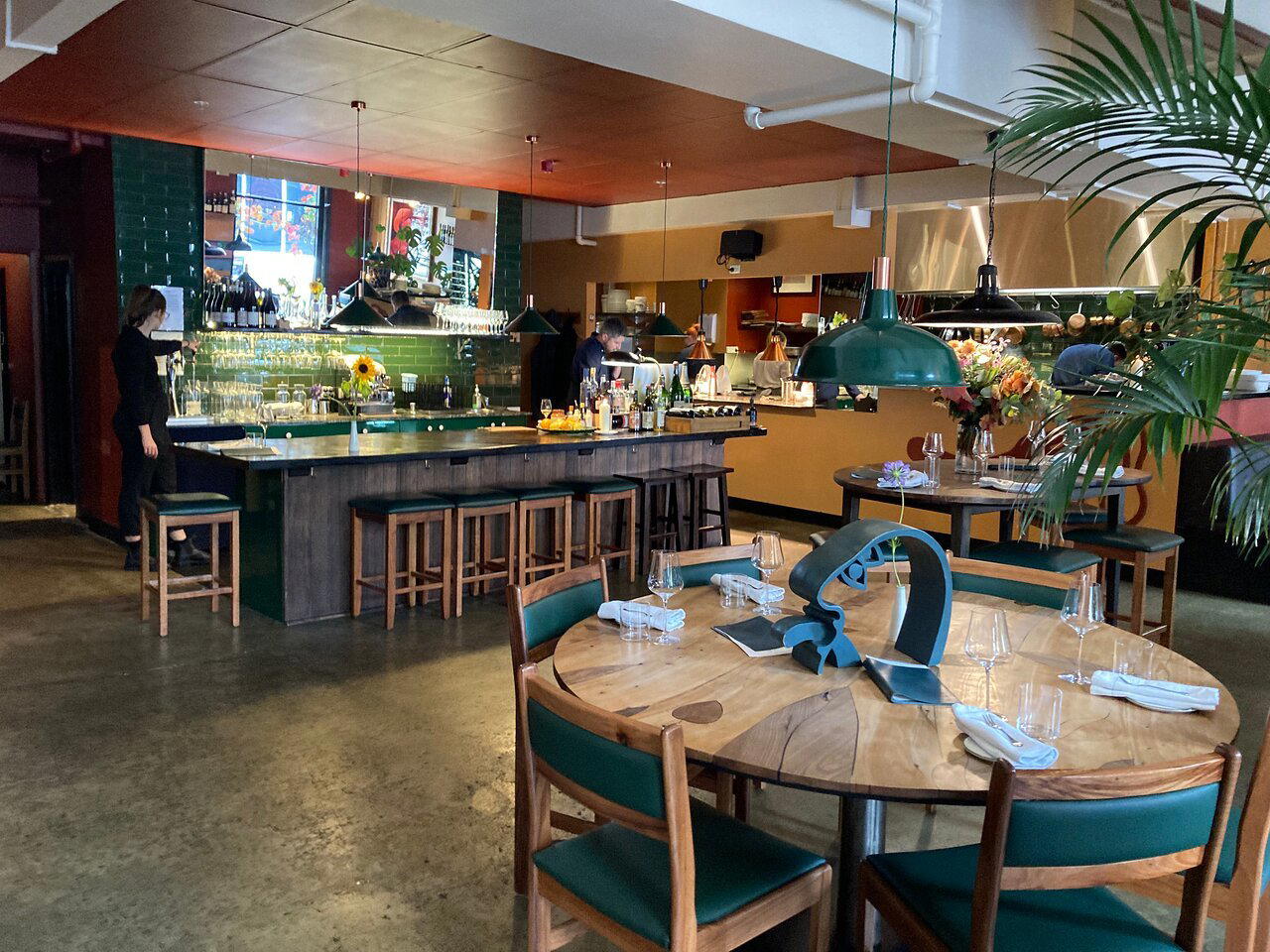
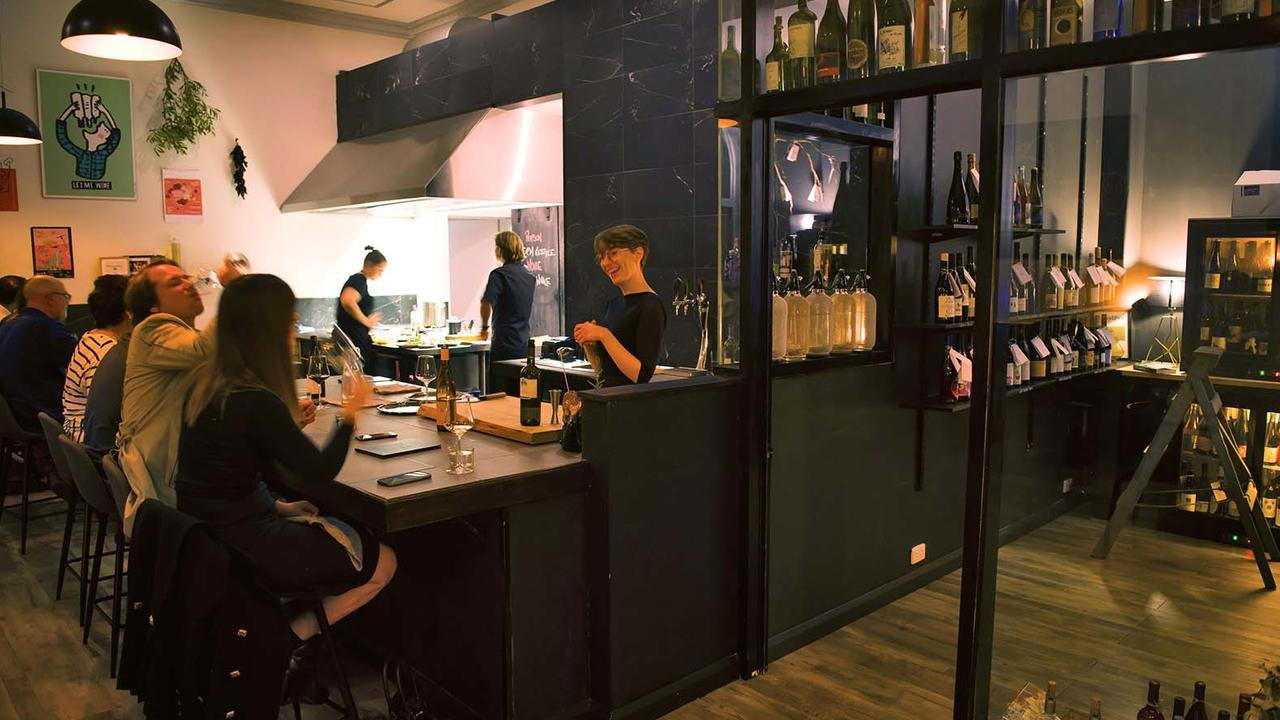
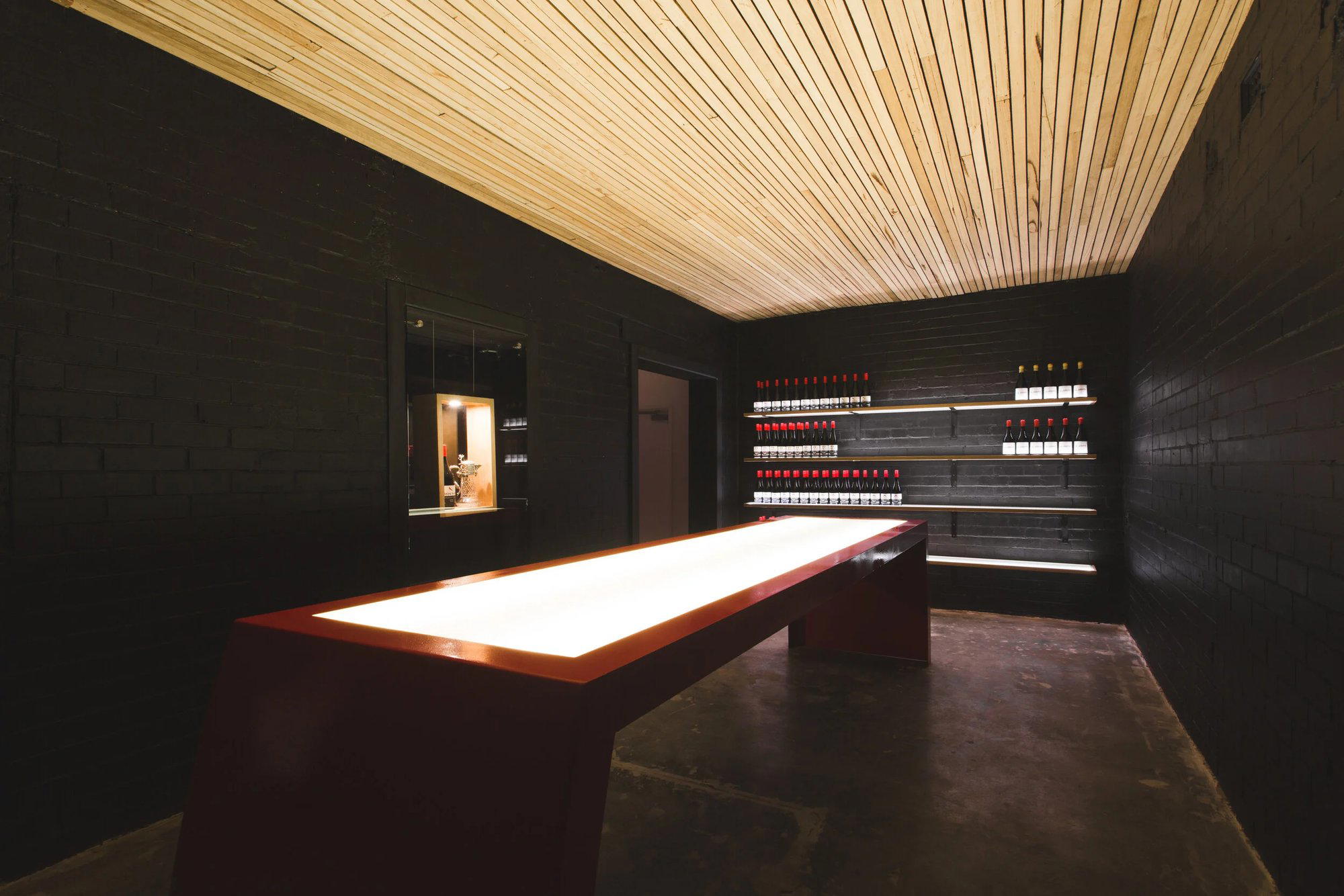
Energetic yet intimate dining room with a sense of youthfulness and hospitality; European-influenced service and playful artwork adorning the walls create a refined but approachable atmosphere.