Hentley Farm

Set on a working farm in South Australia's Barossa Valley, Hentley Farm translates the region's agricultural depth into a long-format dining experience built around what grows, grazes, and forages nearby. Recognised by La Liste's Top Restaurants ranking in 2026, it represents the Barossa at its most considered: wine country cooking where provenance is the architecture of every plate.
Pearl is the En Primeur Club membership app — saves, bookings, and concierge access live there. Same editors, same standards.
- Address
- Gerald Roberts Rd, Jenke Rd, Seppeltsfield SA 5355, Australia
- Phone
- +61 8 8562 8427
- Website
- hentleyfarm.com.au
- Directions
- Get directions
 Saves & bookings on Pearl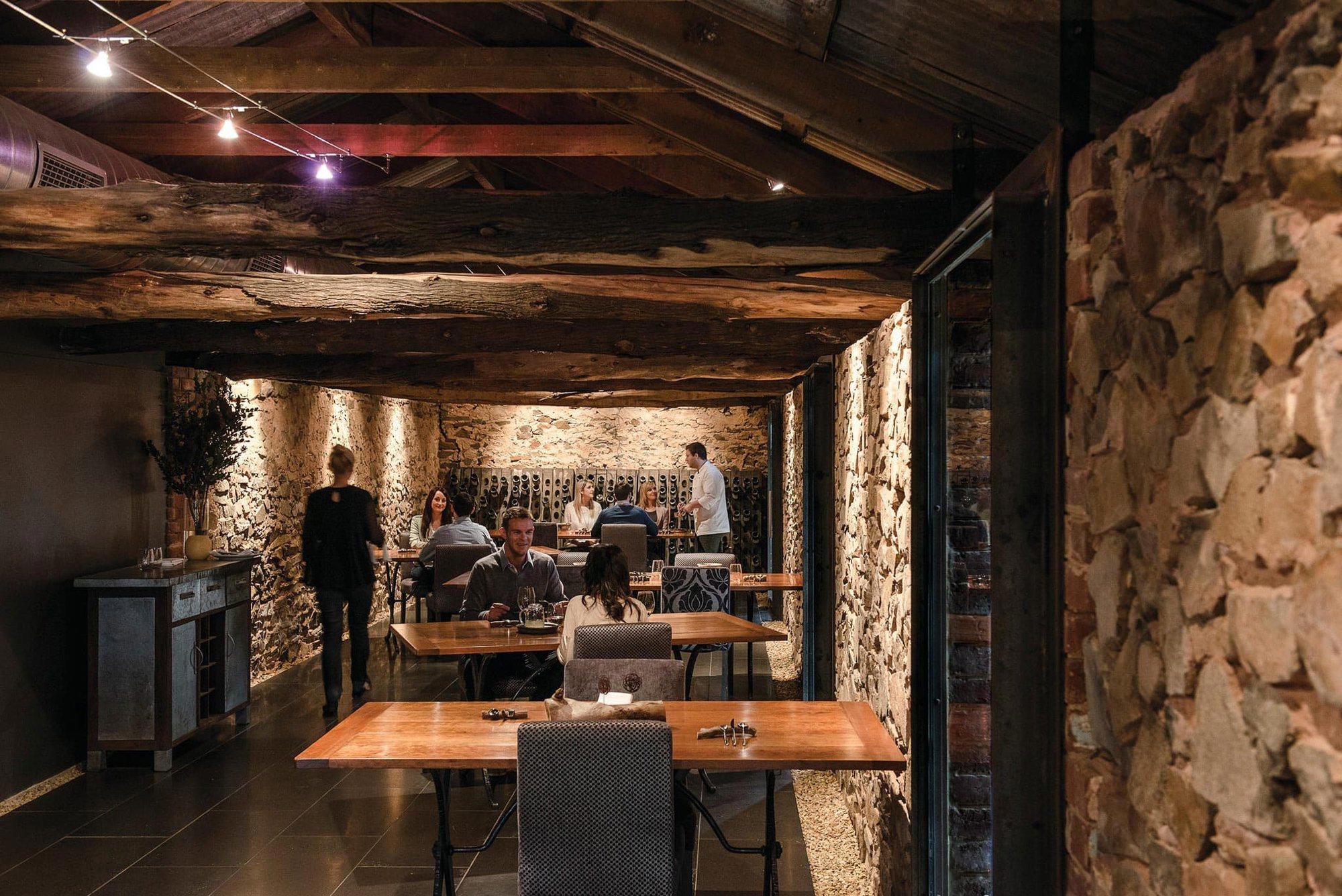
Where the Barossa Grows Something to Eat
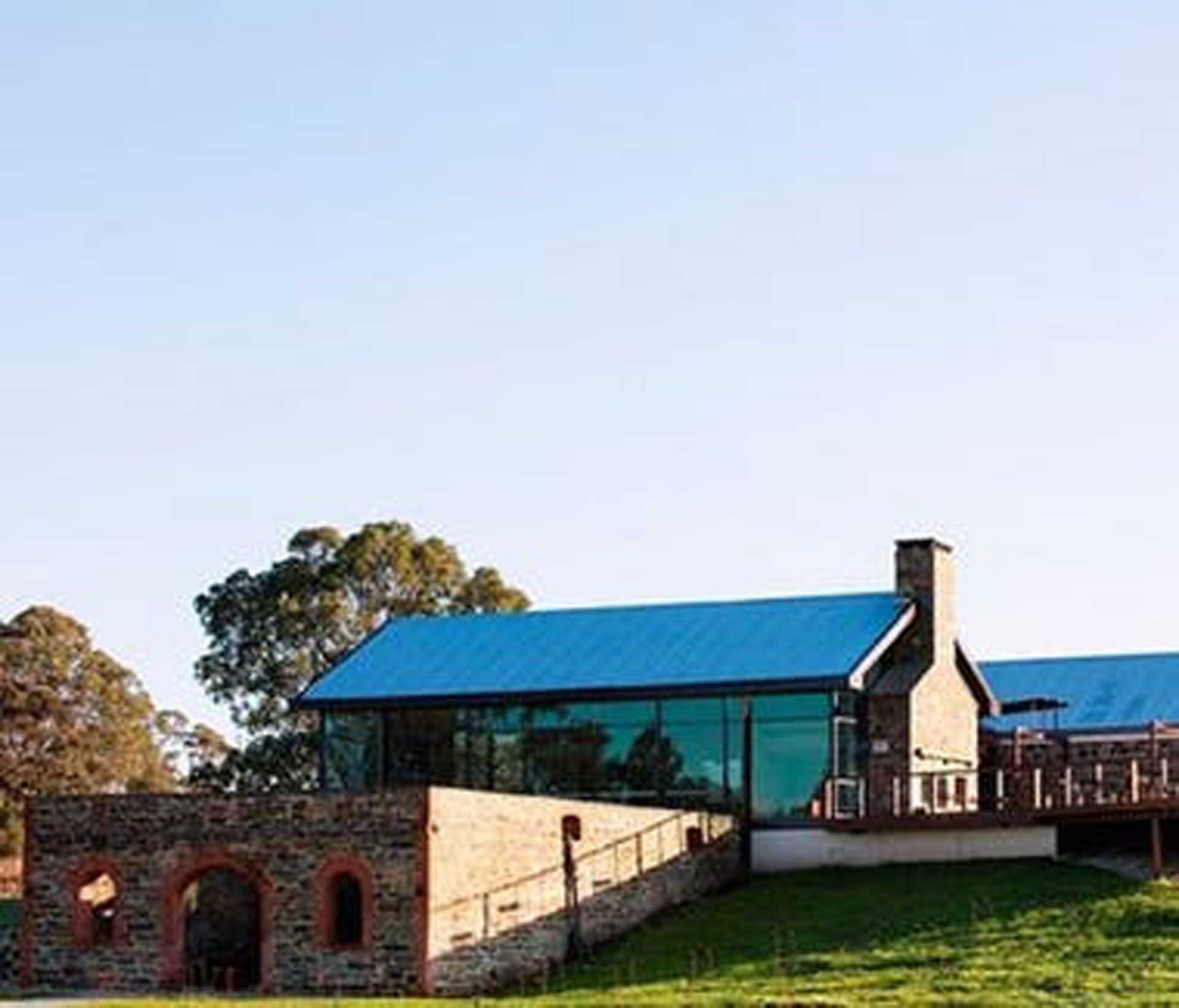
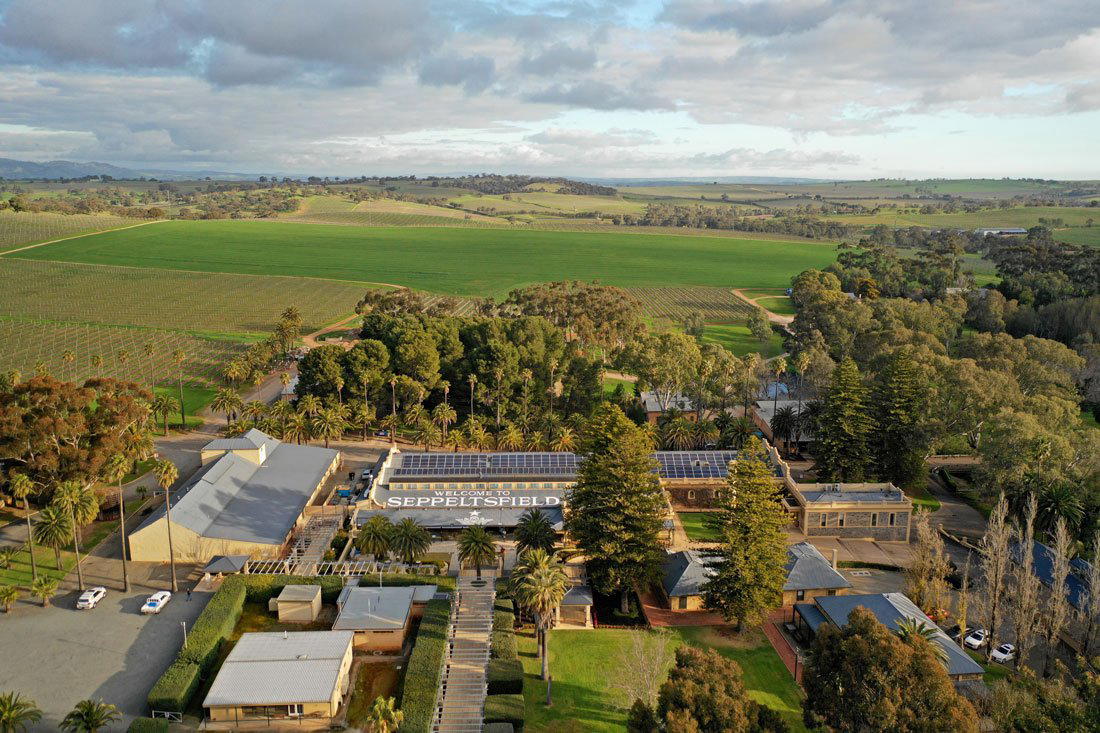
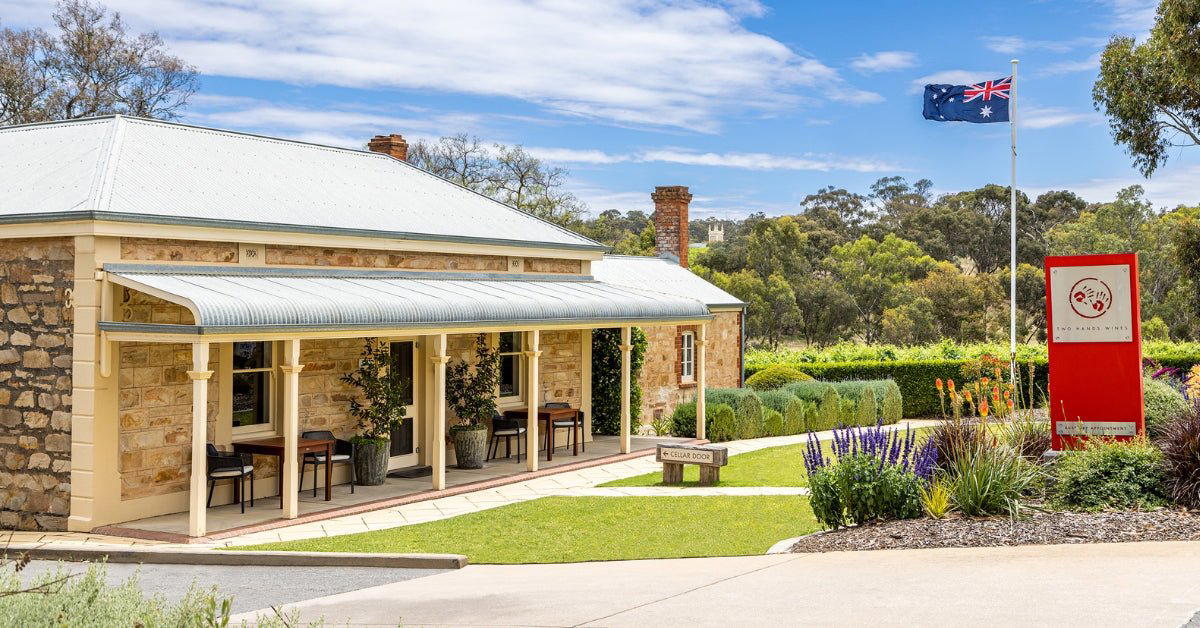
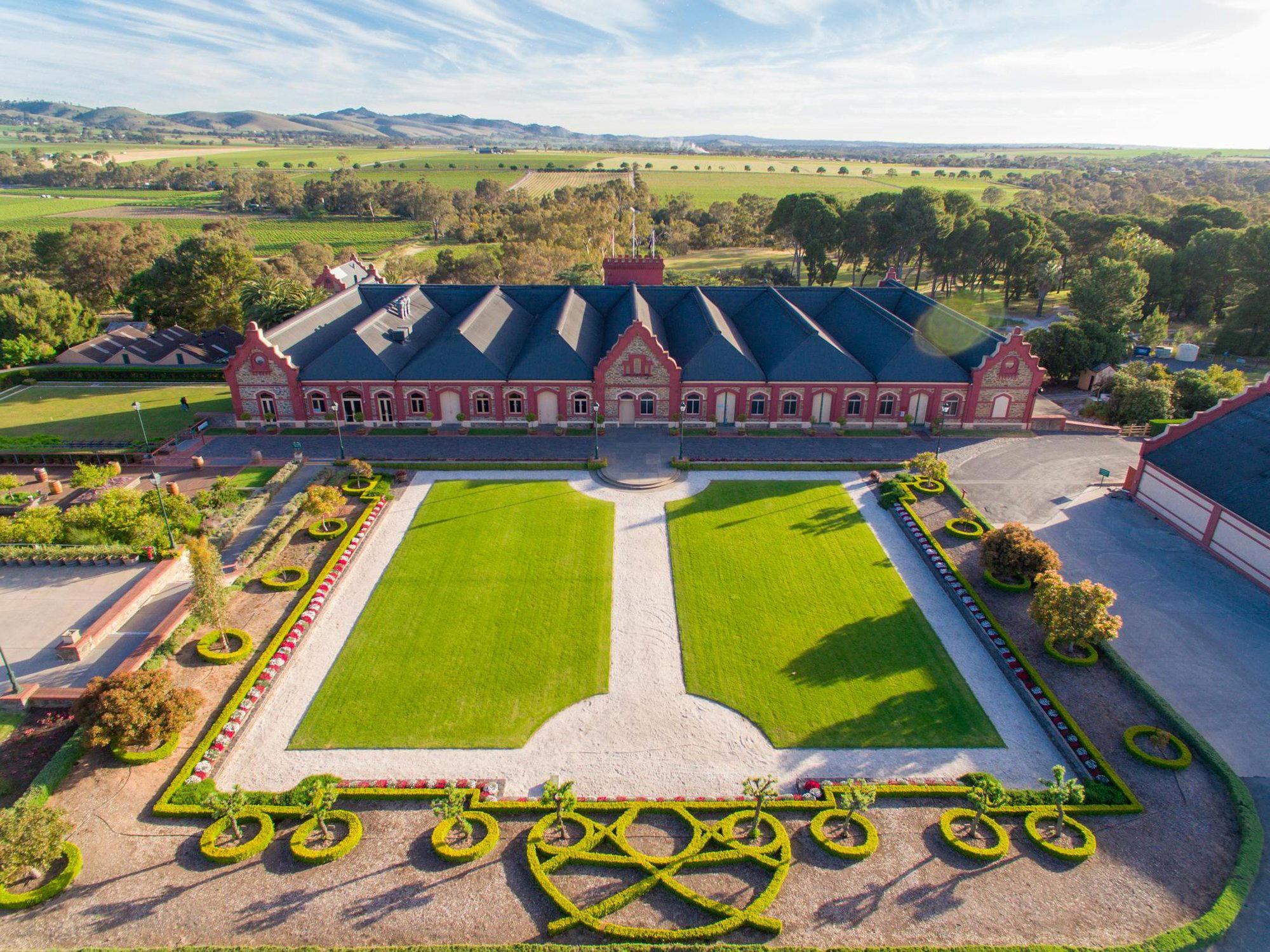
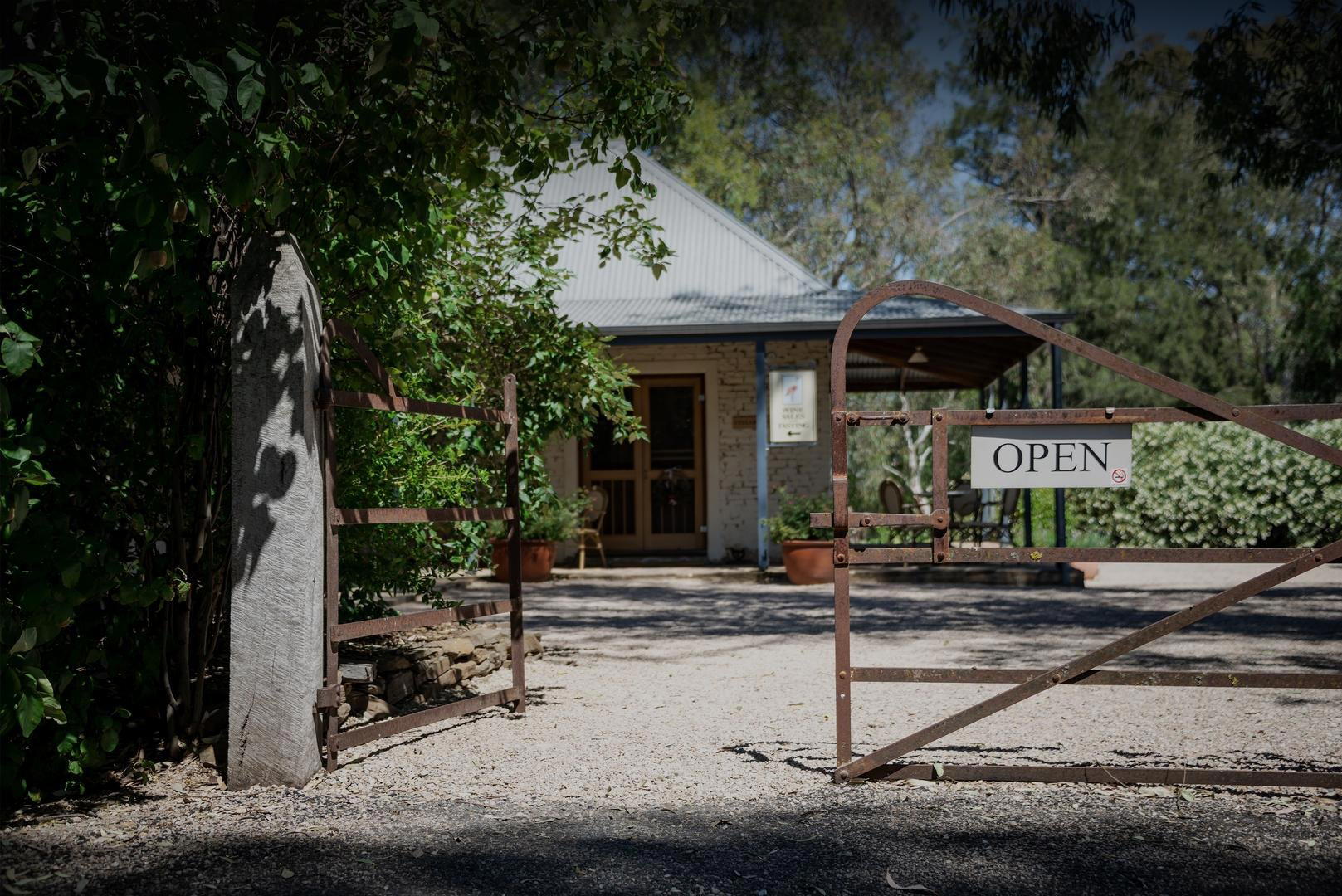
The road into Seppeltsfield runs through vine rows and red soil, past cellar doors and sandstone walls that define one of Australia's most photographed wine corridors. Hentley Farm sits within this landscape on Gerald Roberts Road. It occupies a different register from the tasting-room economy that surrounds it. The property is a working farm, and that distinction shapes everything about how the kitchen operates. Arriving here, the setting reads less like a restaurant that chose a scenic address and more like an agricultural enterprise that decided to feed people at a serious level.
That framing matters because it explains the sourcing logic. In Australian fine dining, the farm-to-table claim has become common enough to be near-meaningless. What separates the few operations that actually deliver on it from those that deploy the language as marketing is proximity and control: does the kitchen have direct access to what grows on the land, or is it buying premium ingredients through the same supply chains as everyone else and adding a pastoral story? At Hentley Farm, the working property around the restaurant provides the structural answer. This is not produce sourced from the Barossa; this is produce sourced from the specific soil under the building.
Ingredient Sourcing as the Architectural Logic
Australia's most discussed farm-anchored restaurants share a common discipline: the menu does not lead and then find ingredients to match. The ingredients lead, and the menu follows. Brae in Birregurra has built its reputation on exactly this inversion, and it remains one of the clearest examples in the country of a kitchen genuinely constrained and liberated by what the property produces in a given week. Hentley Farm operates in similar territory, in a different region, against a different soil profile and a different palette of native and cultivated ingredients.
The Barossa adds a layer that Birregurra does not have in the same concentration: the region's wine culture means that fermentation, preservation, and the grammar of matching food to aged Shiraz and Grenache are deeply embedded in the local culinary tradition. A kitchen working with Barossa provenance is implicitly working within a culture that takes long meals seriously, that has opinions about how food should sit against wine at various stages of a bottle's development, and that draws on European settler food traditions grafted onto an Australian agricultural base. The result, at restaurants in this tier, tends to be cooking that is more grounded and less abstractly avant-garde than what comes out of urban fine-dining kitchens aiming at international references.
For context within Australian fine dining's current positioning, the restaurant's La Liste recognition (80 points, Leading Restaurants 2026) places it in the tier of restaurants that international ranking bodies treat as serious destinations. Attica in Melbourne and Botanic in Adelaide occupy comparable space in terms of the seriousness of the editorial conversation around them. Within South Australia specifically, the restaurant carries the regional flag in a way that Adelaide-based restaurants do not: it asks diners to travel to the source, which changes the contract of the meal.
The Dining Format: A Meal That Requires a Commitment
That journey is not incidental to the experience: it filters out casual traffic and ensures that anyone arriving at the restaurant has already decided to treat the meal as the day's event rather than one stop among several. This is the same logic that governs destination restaurants across Australia and elsewhere. Agrarian Kitchen in Hobart operates on a similar premise: the location demands intent, and the intent shapes how the meal lands.
The physical setting reinforces this. The farm environment means the sensory context of the meal extends beyond the room: what is growing outside, what season the vines are in, whether the afternoon light is hitting the property in winter low or summer glare. These details are not decorations. They are the actual conditions under which the ingredients were produced, and they make the connection between plate and place legible in a way that urban restaurants, however skilled, cannot replicate.
Where Hentley Farm Sits in the Broader Australian Scene
Australian fine dining has fragmented into several distinct models over the past decade. The urban tasting-menu format, represented by restaurants like Amaru in Armadale and Cutler and Co. in Fitzroy, operates in competitive city markets where international comparison is constant and the pressure to reference global technique is high. Regional destination dining operates differently: the competition is narrower, the identity is more clearly local, and the argument the kitchen is making is geographic rather than technical.
The restaurant belongs firmly in the regional destination category. Its comparable set includes Brae and a small number of other Australian restaurants where the location is not background but argument. In this company, the question diners are implicitly asking is not how the cooking compares to Tokyo or Copenhagen but whether this specific place, on this specific land, produces something that could not exist anywhere else. That is a harder question to answer than technical excellence, and the farms and kitchens that answer it convincingly are a smaller group.
Planning Your Visit
The restaurant's address is Gerald Roberts Road and Jenke Road, Seppeltsfield SA 5355. The drive through the Barossa from the main highway is itself part of the transition out of city rhythms and into the slower pace the kitchen expects of its guests.
Quick Comparison
Comparable venues nearby, for context on price, style, and recognition.
| Venue | Cuisine | Price | Notes |
|---|---|---|---|
| Hentley FarmThis venue — the venue you are viewing | Modern Australian Fine Dining | $$$$ | Not listed |
| Pebble Beach | Contemporary Australian Fine Dining | $$$$ | qualia |
| Orana | Modern Australian Native Cuisine | $$$$ | Rundle Street |
| Automata | Modern Australian Fine Dining | $$$$ | Chippendale |
| Press Food & Wine | Modern Australian with European influences | $$$ | Adelaide CBD |
| Anchovy Bandit | Modern Italian Pizzeria & Pasta Bar | $$$ | Prospect |
Recognition history
Dated appearances from independent guides and award organizations, with the underlying list record or original source where available.
La Liste Top Restaurants
La Liste
Continue exploring
More in Seppeltsfield
Restaurants in Seppeltsfield
Browse all →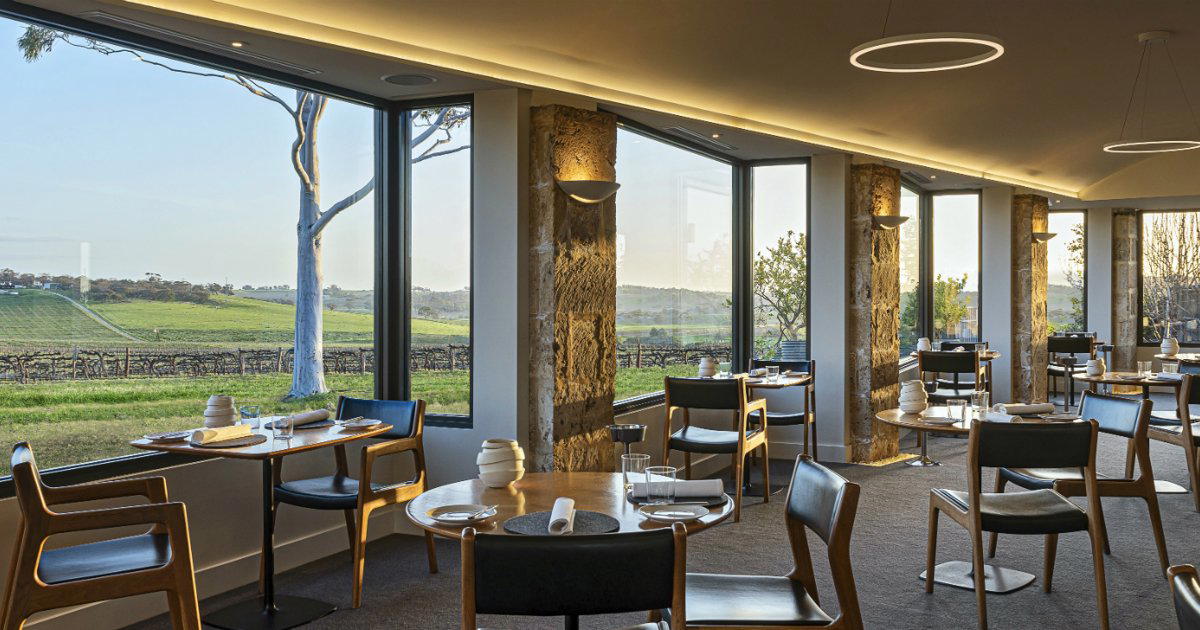
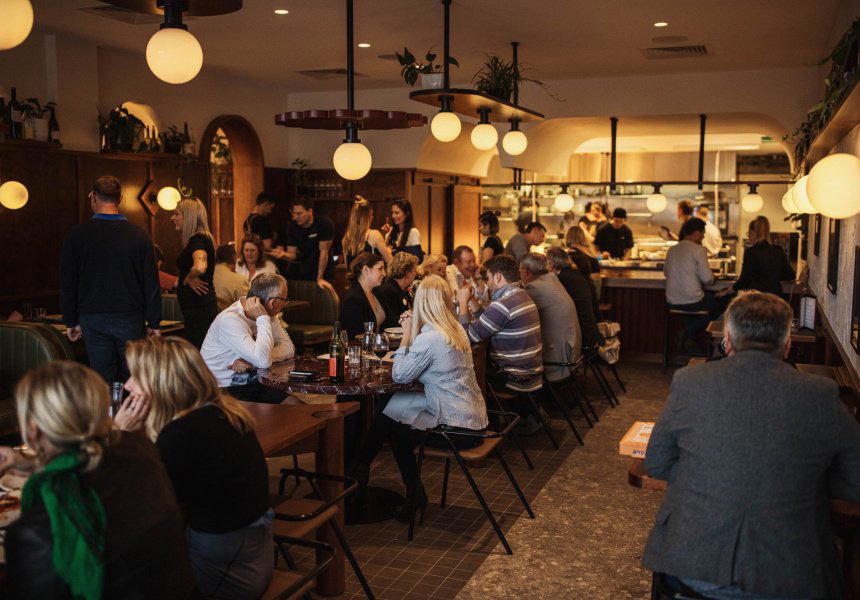
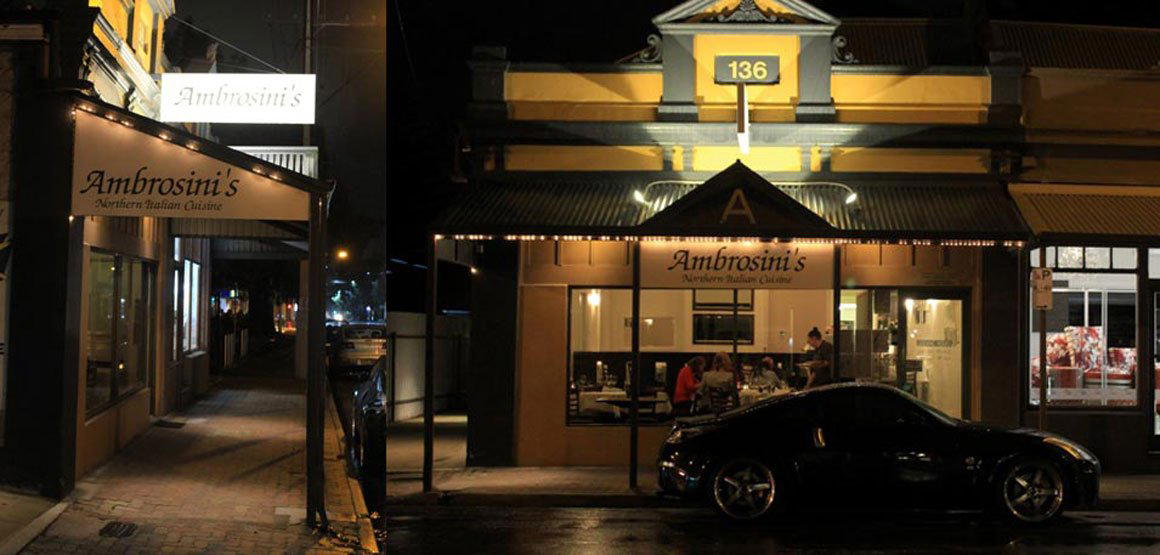
Bars in Seppeltsfield
Browse all →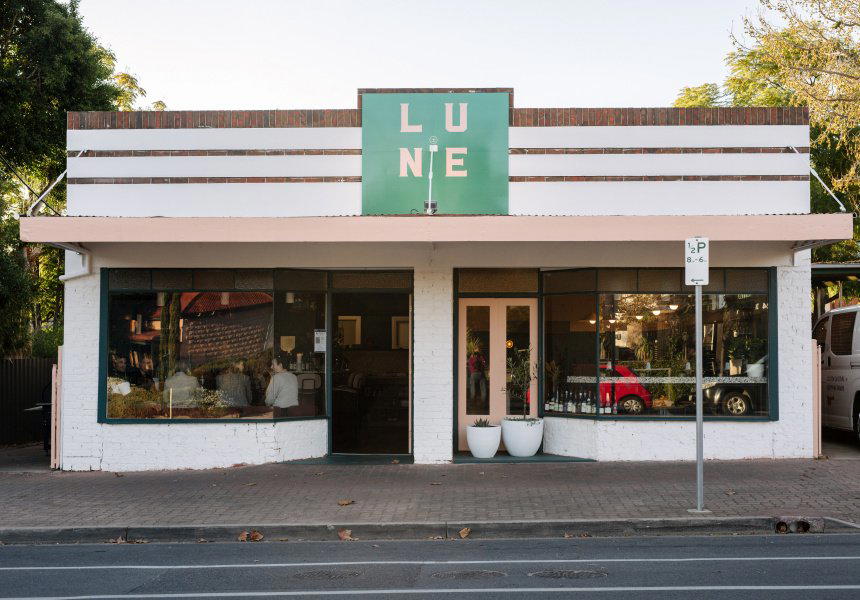
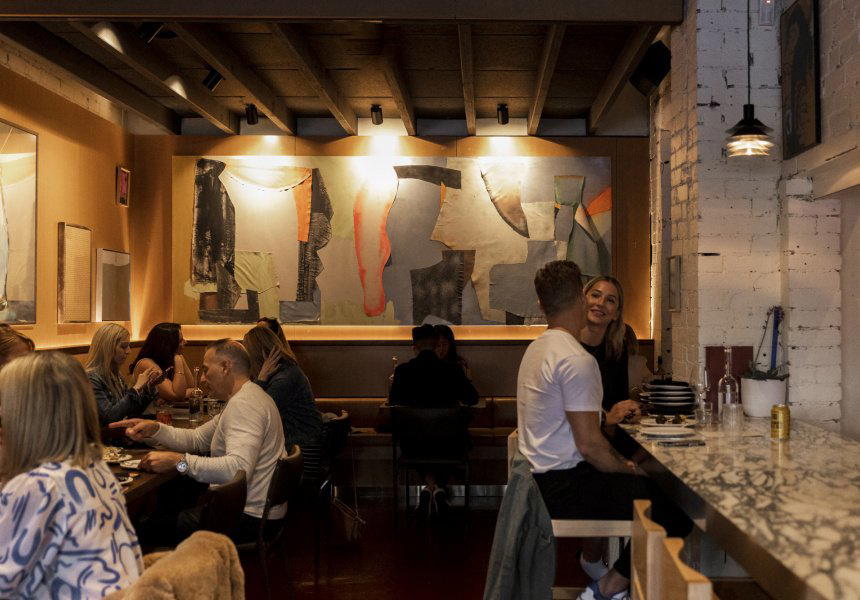
Hotels in Seppeltsfield
Browse all →
At a Glance
- Elegant
- Rustic
- Scenic
- Sophisticated
- Special Occasion
- Date Night
- Private Dining
- Open Kitchen
- Extensive Wine List
- Sommelier Led
- Local Sourcing
- Farm To Table
- Vineyard
- Garden
Current opening hours
- Monday
- 10 AM–4 PM
- Tuesday
- 10 AM–4 PM
- Wednesday
- 10 AM–4 PM
- Thursday
- 10 AM–4 PM
- Friday
- 10 AM–4 PM
- Saturday
- 10 AM–4 PM
- Sunday
- 10 AM–4 PM
Hours can change for holidays and private events. Last verified .
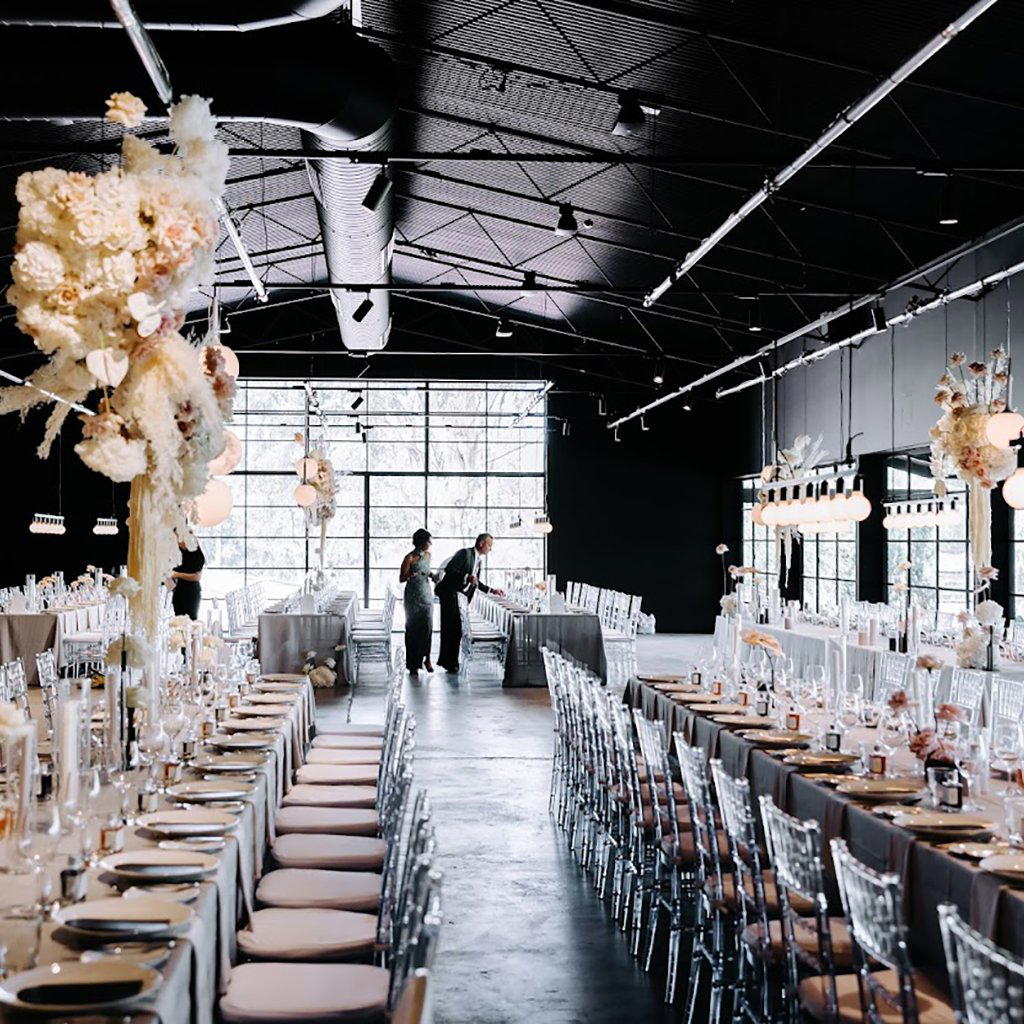
Modern classic with timber focus, floor-to-ceiling windows framing vineyard views, calming and intimate atmosphere.