Our verdict
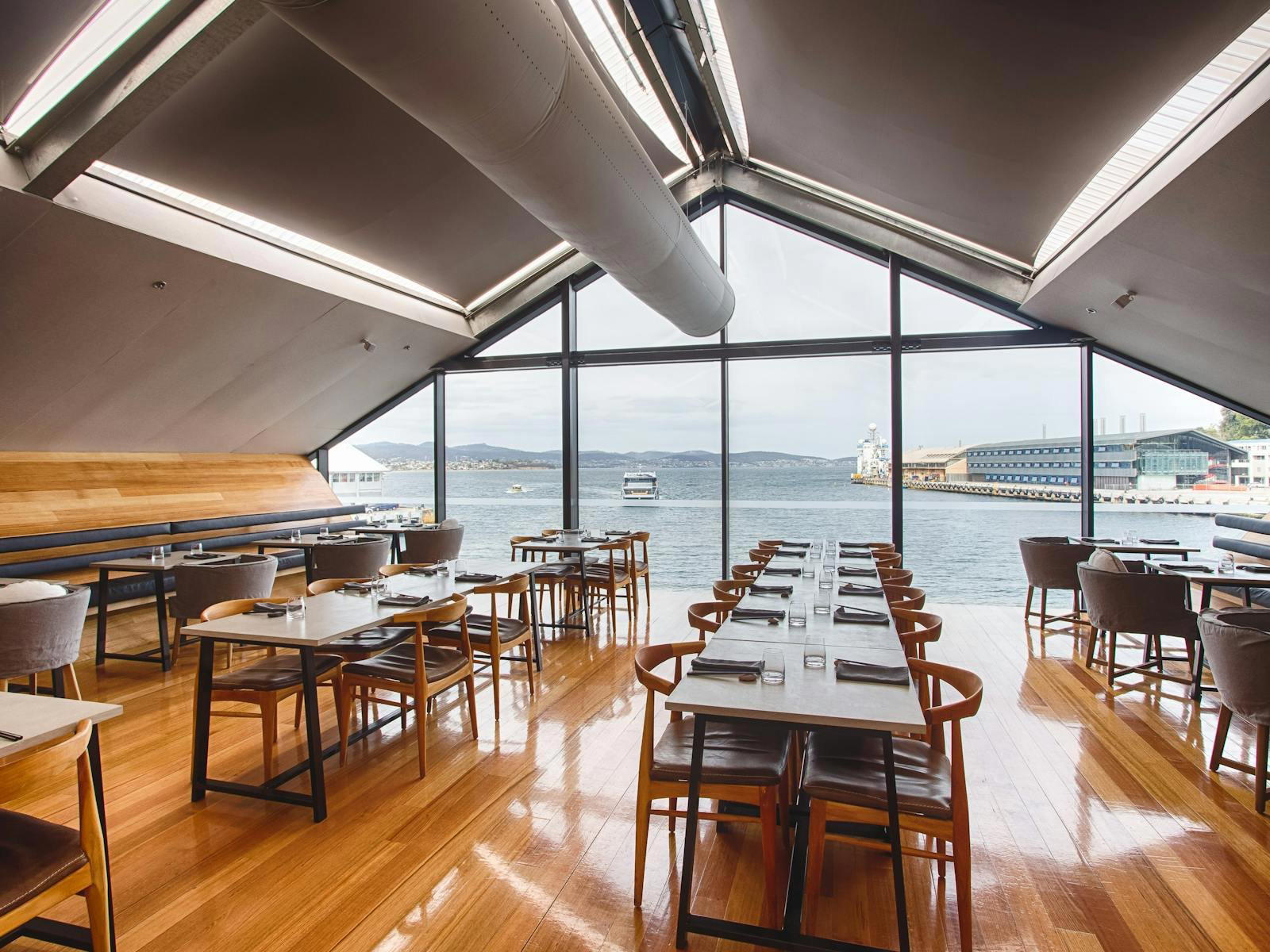
Landscape Restaurant & Grill occupies a Hunter Street address at the centre of Hobart's evolving dining corridor, where proximity to Tasmania's farming valleys and wild coastline shapes what ends up on the plate. The setting speaks to a broader shift in Australian fine dining: sourcing transparency as a first principle rather than a marketing footnote. Worth knowing before you go.

Pearl is the En Primeur Club membership app — saves, bookings, and concierge access live there. Same editors, same standards.
- Address
- 23 Hunter St, Hobart TAS 7000, Australia
- Phone
- +61362107712
- Hours
- Daily 5:45–8:30 PM
- Website
- landscaperestaurant.com.au
- Directions
- Get directions
- Booking
- Book on OpenTable
The menu
What to order
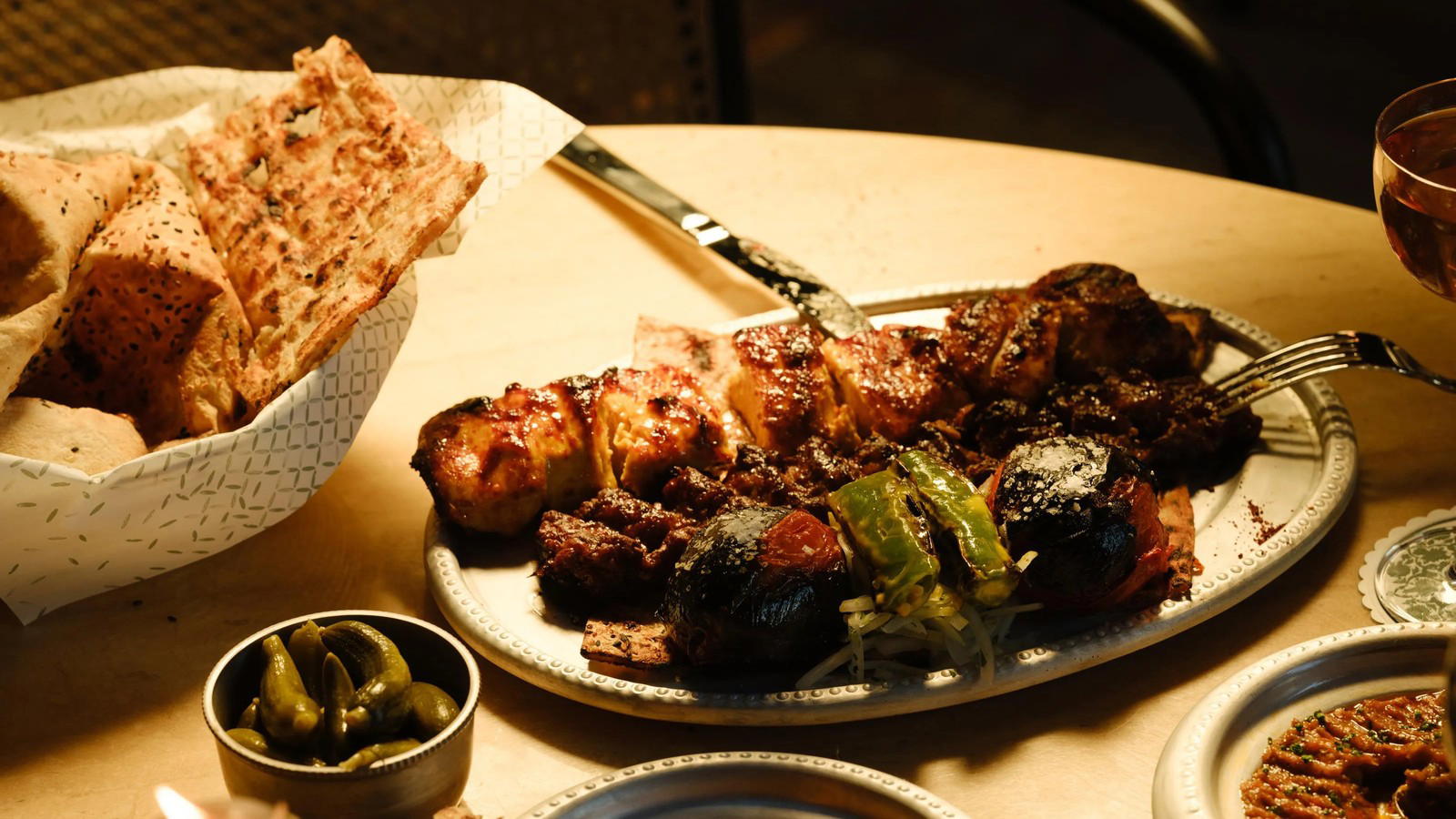
- Aged wagyu
- Asado grilled steaks
- Grilled octopus
Hunter Street and the Sourcing Question
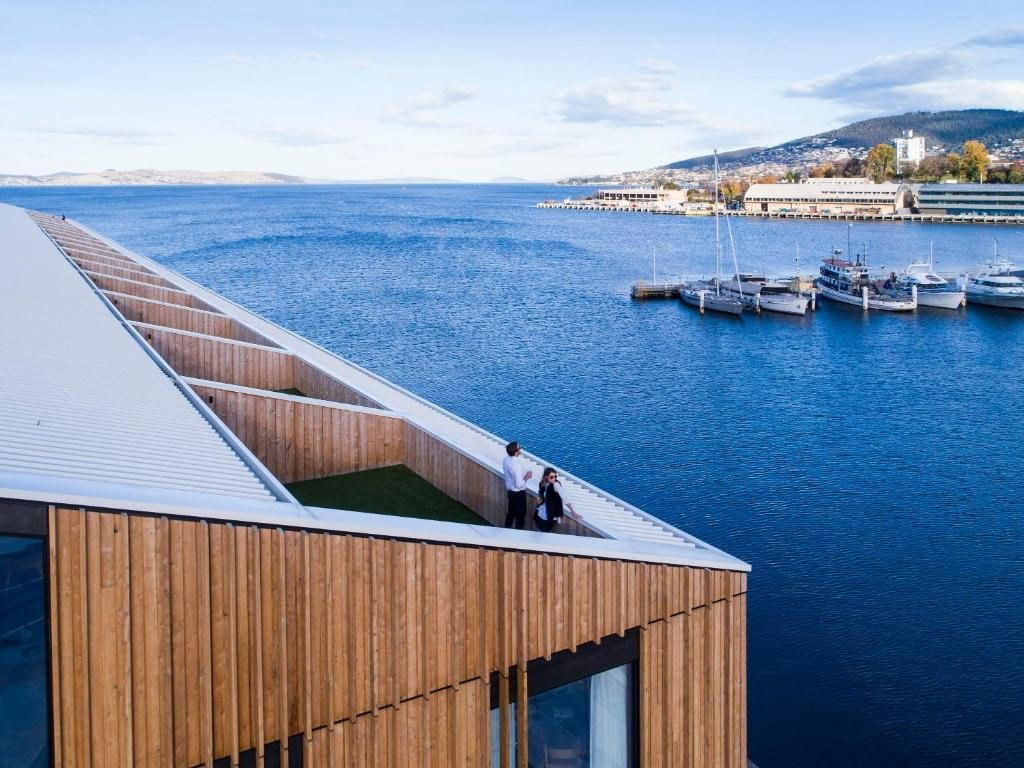
Hobart's waterfront precinct has become one of Australia's more instructive dining corridors over the past decade, not because it generated a cluster of celebrity chefs, but because it forced a particular conversation about ingredients. When your suppliers are a short drive from the Huon Valley or Coal River farms, and when your seafood comes off boats moored within walking distance, the question of what you put on a plate becomes harder to fudge. Landscape Restaurant & Grill, at 23 Hunter Street, sits inside that conversation. Its address alone places it among a peer group of Hobart restaurants that have had to justify their menus in relation to what the island actually produces.
Tasmania's food geography is unusually concentrated. The island's cold-climate growing conditions produce some of Australia's most consistent stone fruit, brassicas, and root vegetables, while its coastal waters yield Atlantic salmon, abalone, and rock lobster at volumes that make farm-to-table sourcing a structural reality rather than a seasonal gesture. Restaurants in this part of Hunter Street benefit from that proximity in ways their mainland counterparts can only approximate. Operators in Sydney or Melbourne who speak about local sourcing are often working with supply chains that stretch hundreds of kilometres; in Hobart, the distances compress. That compression changes what a kitchen can plausibly claim about freshness and what a diner can reasonably expect on the plate.
What the Grill Format Signals
The restaurant's name positions it clearly within a format that has been gaining ground across Australian cities: the grill-anchored dining room that treats fire and char as a culinary argument rather than a decorative flourish. In the decade since open-hearth cooking reasserted itself in Australian fine dining, through venues like Brae in Birregurra and into the sourcing-led programs at Attica in Melbourne, the grill format has bifurcated. One branch went theatrical: wood stacks on display, fire as performance. The other stayed disciplined, using high-heat cooking to showcase ingredient quality rather than technique for its own sake. Hobart's dining room character generally favours the latter approach, partly because the city's dining culture rewards substance over spectacle and partly because ingredients here can carry the argument without theatrical assistance.
For comparison, the sourcing discipline seen at Agrarian Kitchen in the Hobart area has set a reference point for what ingredient provenance documentation looks like in this city. Landscape's grill orientation places it in a related but distinct tier, one where the cooking method itself becomes a statement about how to handle premium Tasmanian produce without over-processing it.
Hobart's current dining scene divides roughly into three operating tiers. The first is the informal waterfront and café cluster, strong on produce but light on format. The second is the mid-market neighbourhood dining room, represented by venues like Aloft and Italian-heritage rooms such as Cugini Restaurant and Don Camillo Restaurant, which have maintained consistent local followings for years. The third tier is the destination format: structured, sourcing-conscious, and increasingly confident about pricing against mainland benchmarks.
Landscape's Hunter Street address and grill identity position it between the second and third of those tiers. That is not a critique; it is a description of a dining space that Hobart actually needs. The city has enough destination-format rooms to serve visiting food journalists and not quite enough reliable mid-upper rooms to serve the city's own professional class on a regular Tuesday. A grill restaurant at this address, if it executes on its sourcing premise, fills a gap that neither Callington Mill Distillery at MACq 01 Hobart nor the more casual end of the waterfront is designed to occupy.
For visitors arriving from the mainland who use Rockpool in Sydney or Le Bernardin in New York City as calibration points for what a serious grill room looks like, the Hobart context shifts the frame. This is not a city that competes on scale or celebrity. It competes on ingredient integrity, and the leading rooms here tend to win on exactly that basis.
Planning Your Visit
Landscape Restaurant & Grill is located at 23 Hunter Street in central Hobart, within walking distance of the waterfront and the city's main accommodation corridor. Hunter Street's dining precinct is most active from Wednesday through Saturday evenings, when the combination of local and visitor trade fills the better rooms consistently. Tasmania's agricultural seasons make autumn and early winter particularly productive for root vegetables and game; summer brings stone fruit, fresh greens, and the fullest range of coastal seafood. Either window rewards a sourcing-conscious grill room, but the cooler months tend to produce the more complex plate compositions.
As with most mid-upper Hobart dining rooms, booking ahead for weekend service is advisable rather than optional. Walk-in availability at this address and tier level is variable, particularly during the summer tourism peak and during MONA programming periods, when Hobart's dining capacity is under measurable pressure.
For a broader picture of where Landscape sits among Hobart's current options, the full Hobart restaurants guide maps the city's dining character across neighbourhoods and formats. Travellers who have also eaten at Bar Carolina in South Yarra, Bayly's Bistro in Kirribilli, or bills in Bondi Beach will find Hobart's sourcing culture a point of genuine distinction rather than a marketing claim. And those with appetite for further Australian regional dining context might also look at Barry Cafe in Northcote, Jaani Street Food in Ballarat, Hungry Wolfs Italian Restaurant in Newcastle, Johnny Bird in Crows Nest, and Atomix in New York City for points of comparison across formats and price tiers.
Frequently asked questions
Where do I go for Landscape Restaurant & Grill?
Landscape Restaurant & Grill is located at 23 Hunter St, Hobart TAS 7000, Australia, Hobart.
Where exactly is Landscape Restaurant & Grill located in Hobart, and what is nearby?
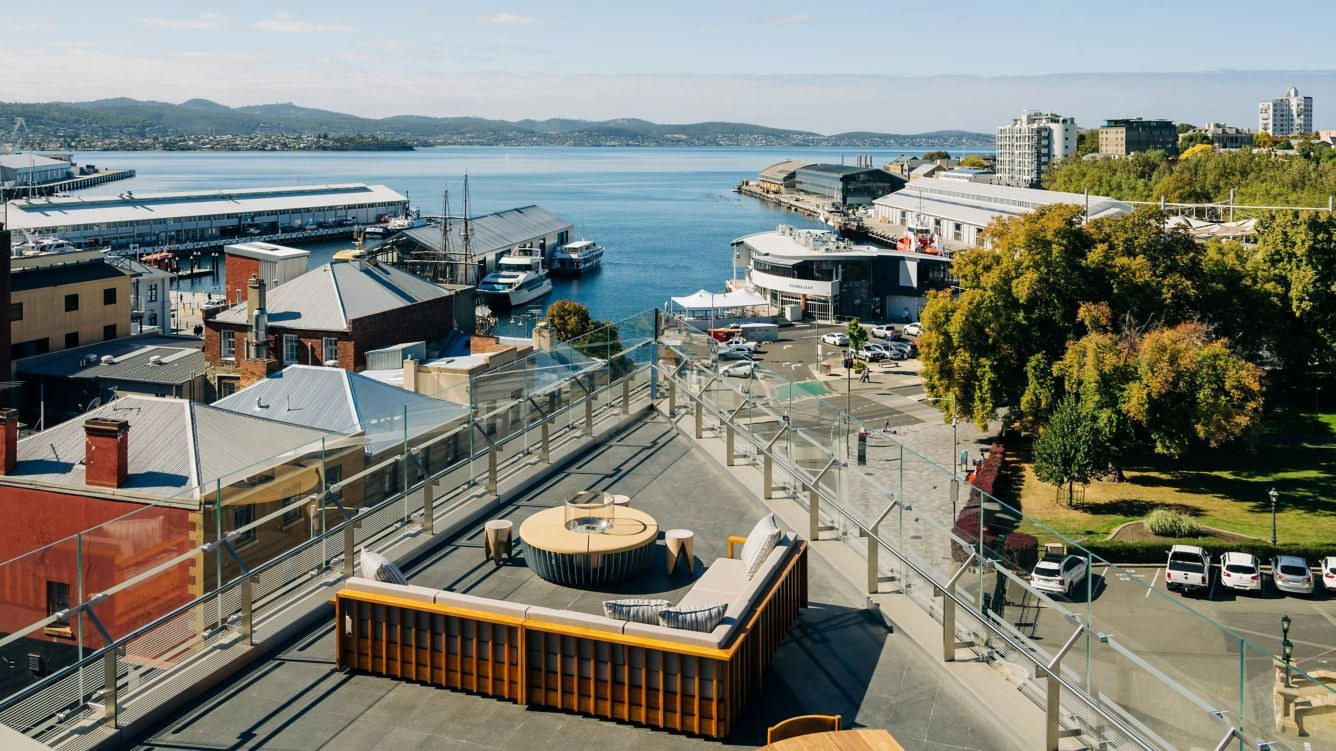
Landscape Restaurant & Grill is at 23 Hunter Street in central Hobart, a short walk from the Salamanca waterfront and the city's main accommodation strip. Hunter Street has consolidated over the past decade as one of Hobart's more active dining corridors, meaning the restaurant sits within a broader precinct worth exploring before or after a meal. The central position also makes it accessible on foot from the Hobart CBD without requiring transport.
What dish is Landscape Restaurant & Grill famous for?
The grill format at Landscape positions fire-cooked proteins as the kitchen's central output, consistent with the grill-anchored dining model the restaurant's name signals. Checking directly with the restaurant at 23 Hunter St will give you the current menu focus.
Can I walk in to Landscape Restaurant & Grill?
Walk-in availability at Hobart's Hunter Street precinct restaurants varies by season, with summer and MONA FOMA periods tightening tables considerably.
What is Landscape Restaurant & Grill known for?
Landscape occupies the grill-anchored tier of Hobart's dining scene, a format that foregrounds produce sourcing and live-fire or high-heat cooking over elaborate technique-led menus. Its Hunter Street address places it within Hobart's waterfront corridor, which has developed into one of Australia's more consistently strong regional dining precincts over the past decade.
Can Landscape Restaurant & Grill handle vegetarian requests?
Grill-format restaurants in Australia increasingly accommodate vegetarian diners through produce-driven sides and standalone vegetable dishes, though the protein-forward structure of the format means the menu's centre of gravity stays with meat and seafood. Dietary requirements are best confirmed directly with the venue at 23 Hunter St, Hobart, before booking.
Is Landscape Restaurant & Grill good value for money?
Hobart's mid-to-upper dining tier typically runs AU$90–$150 per person for a full dinner with wine, a range that places it below Sydney and Melbourne equivalents while drawing on comparable Tasmanian produce quality. The Hunter Street location, within walking distance of the waterfront and major hotels, adds logistical convenience that factors into the overall proposition.
At-a-Glance Comparison
Comparable venues nearby, for context on price, style, and recognition.
| Venue | Cuisine | Price | Awards | Notes |
|---|---|---|---|---|
| Landscape Restaurant & GrillThis venue — the venue you are viewing | Tasmanian Steakhouse Grill | $50–100 | Not listed | Not listed |
| Scholé | Japanese-inspired Tasmanian | $100–150 | Gourmet Traveller State Winner Tasmania | Hobart CBD |
| Driftwood Restaurant | Modern Seasonal Coastal | $50–100 | Not listed | Lauderdale |
| Don Camillo Restaurant | Classic Italian Trattoria | $30–50 | Not listed | Sandy Bay |
| Templo | Italian-inspired Seasonal Tasting Menu | $100–150 | Not listed | West Hobart |
| The Tasmanian Juice Press | Healthy Cold-Pressed Juices & Light Eats | $10–20 | Not listed | Hobart |
Landscape Restaurant & Grill
Featured Guides


Continue exploring
More in Hobart
Restaurants in Hobart
Browse all →
Bars in Hobart
Browse all →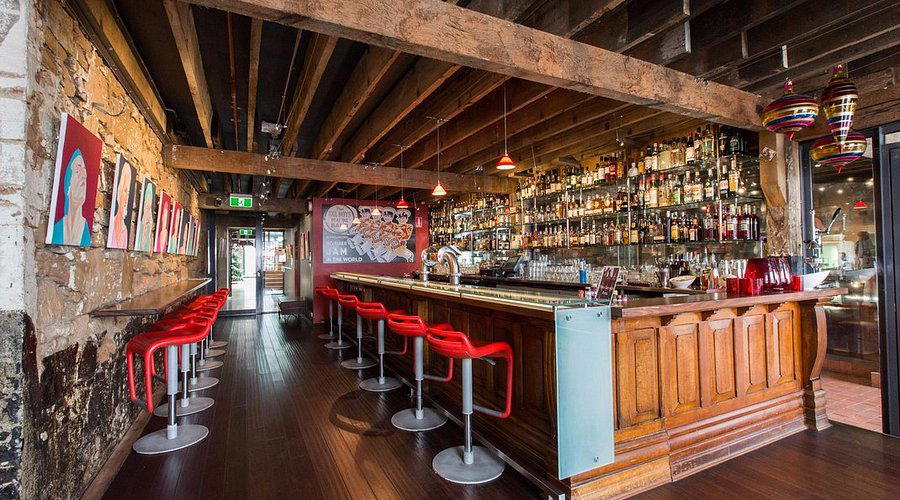

Hotels in Hobart
Browse all →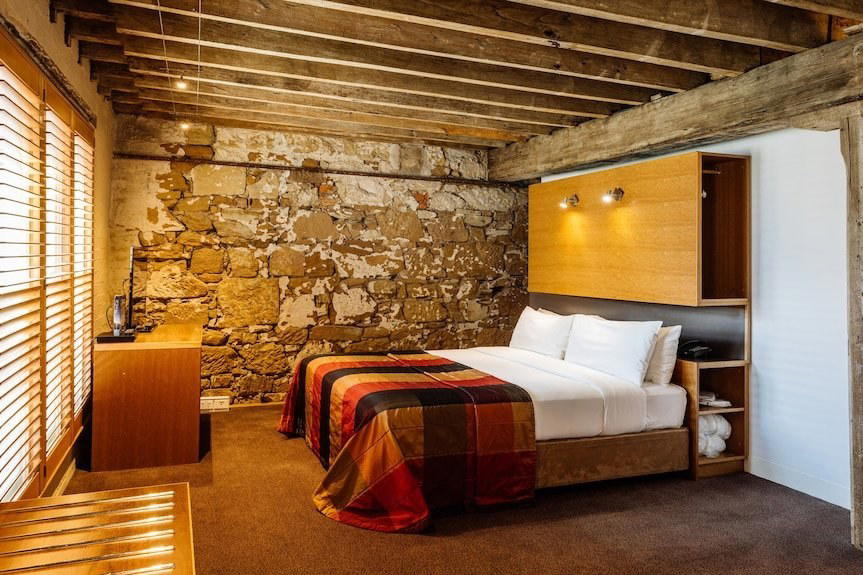
Landscape Restaurant & Grill
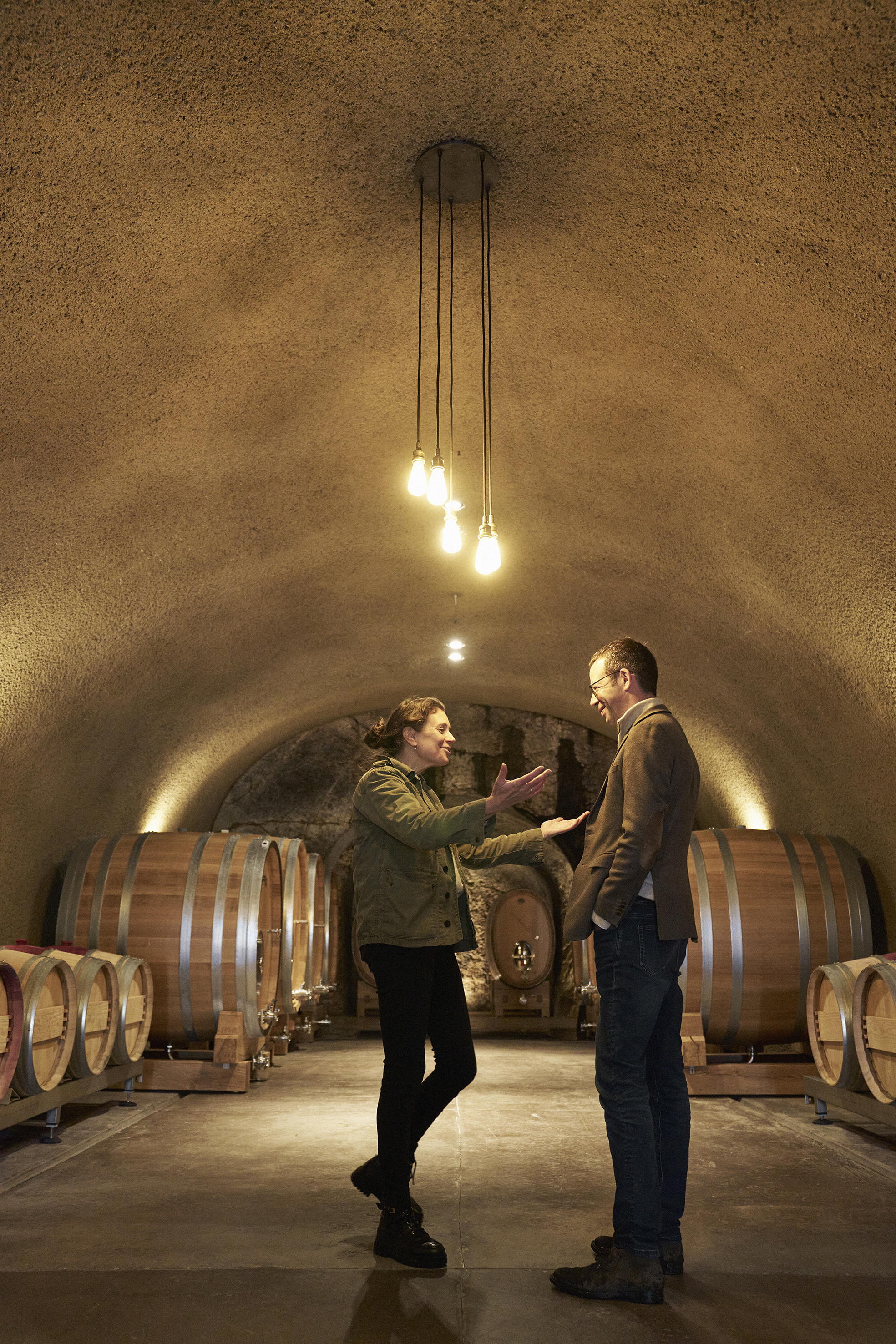
The wine
- Wine program
- Exceptional wine program
- Extensive wine list
- Sommelier-led
Details
- Elegant
- Sophisticated
- Scenic
- Date Night
- Special Occasion
- Business Dinner
- Waterfront
- Open Kitchen
- Private Dining
- Historic Building
- Hotel Restaurant
- Extensive Wine List
- Sommelier Led
- Local Sourcing
- Waterfront
- A La Carte
- Wine
- Vegetarian Friendly
- Gluten Free Options
Current opening hours
- Monday
- 5:45–8:30 PM
- Tuesday
- 5:45–8:30 PM
- Wednesday
- 5:45–8:30 PM
- Thursday
- 5:45–8:30 PM
- Friday
- 5:45–8:30 PM
- Saturday
- 5:45–8:30 PM
- Sunday
- 5:45–8:30 PM
Hours can change for holidays and private events. Last verified .
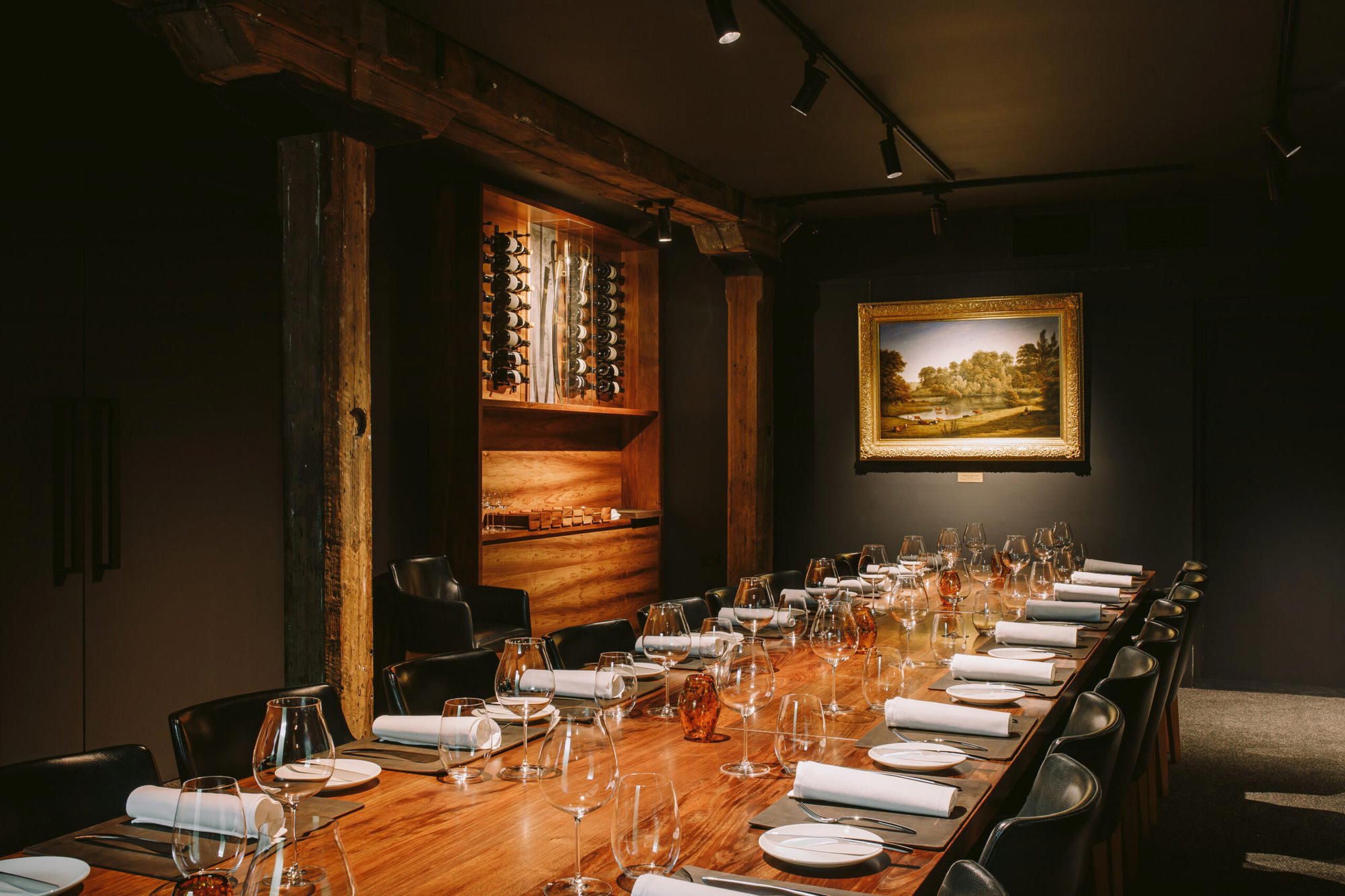
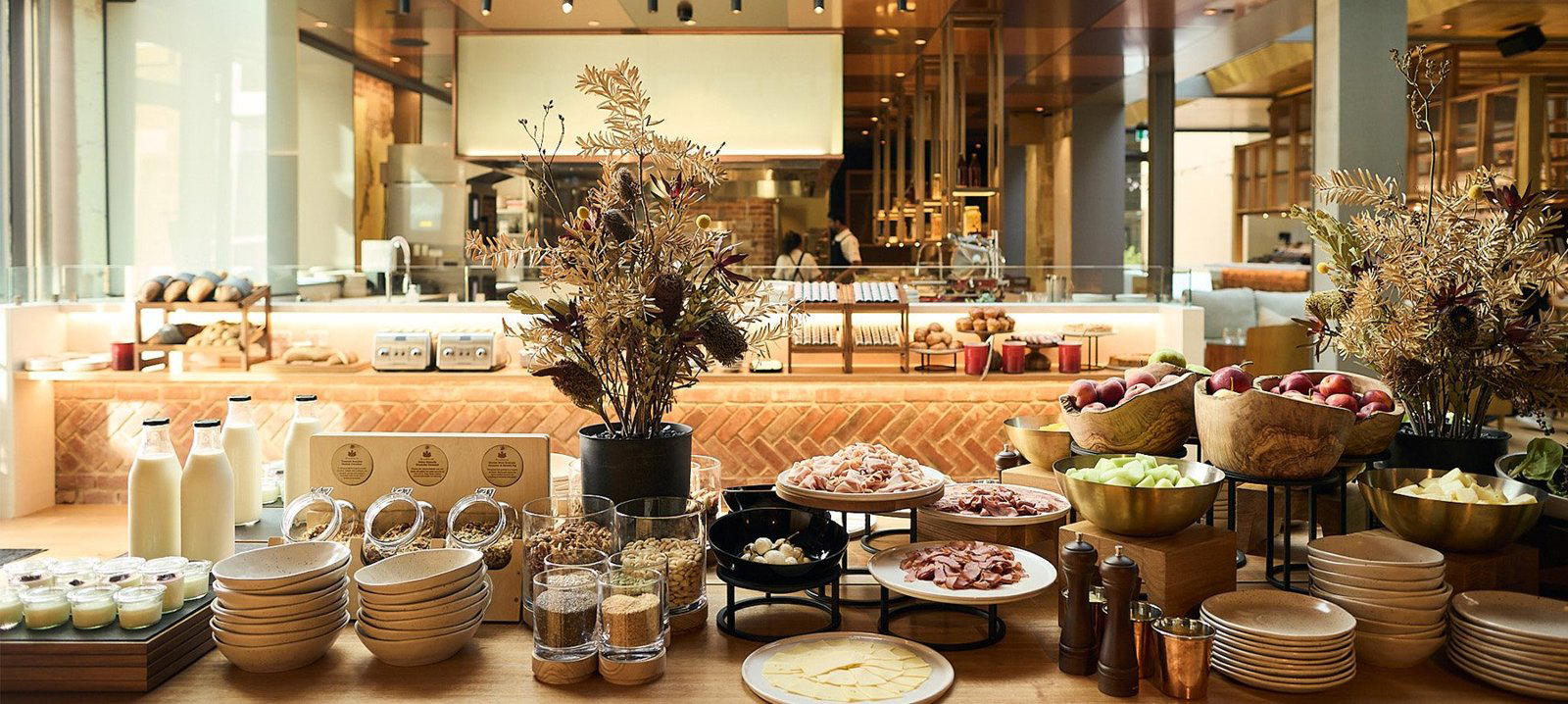
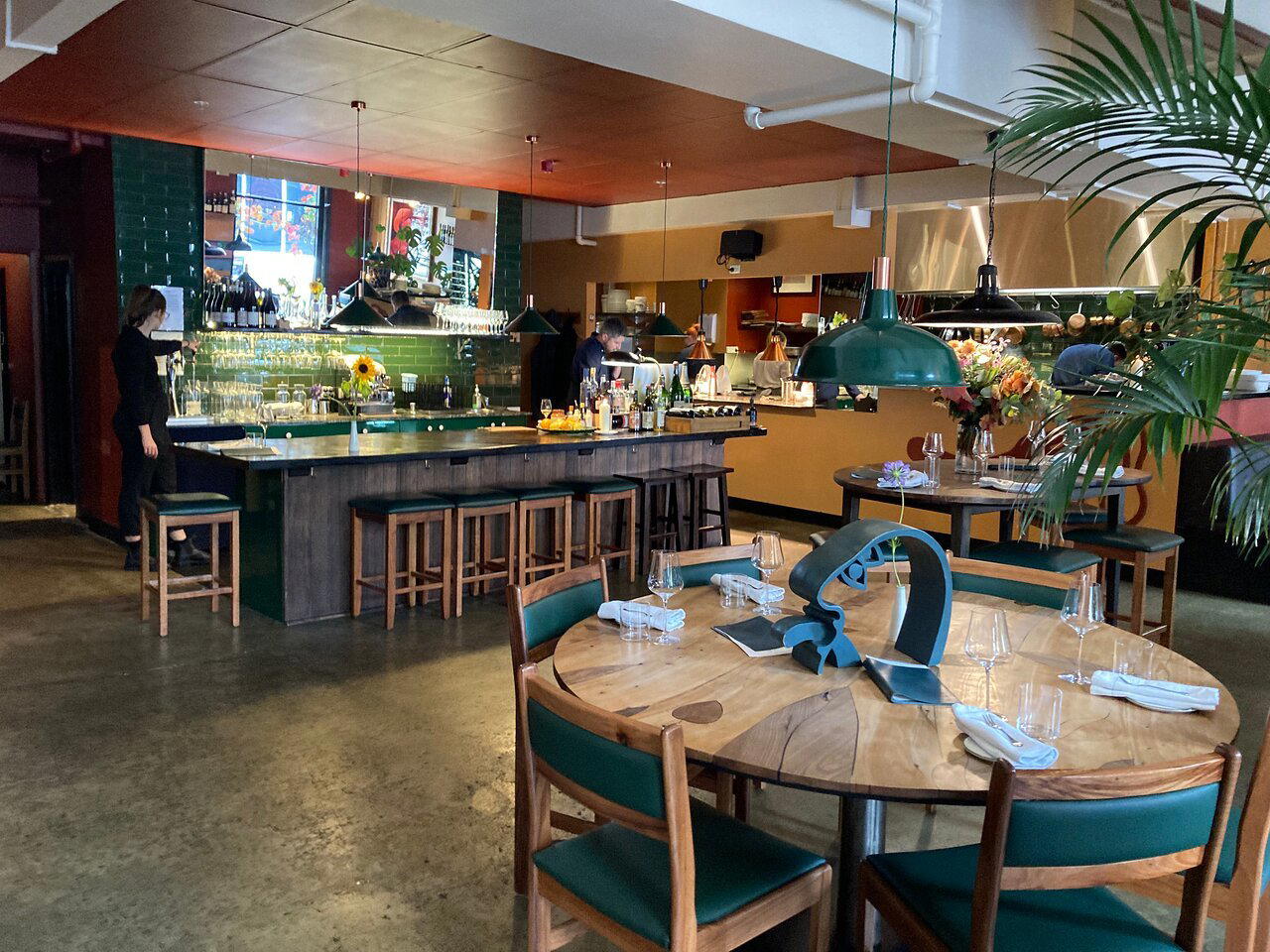
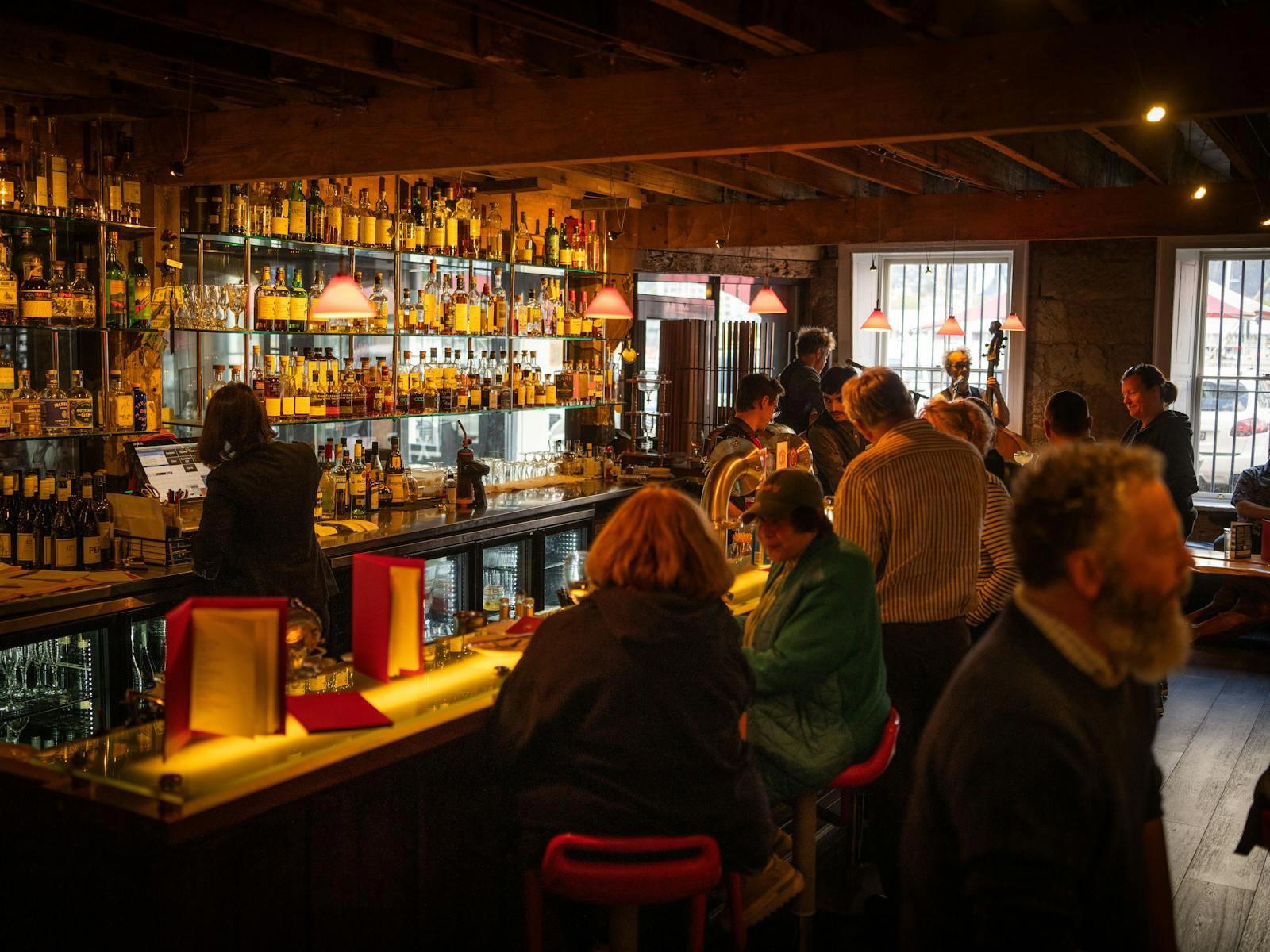
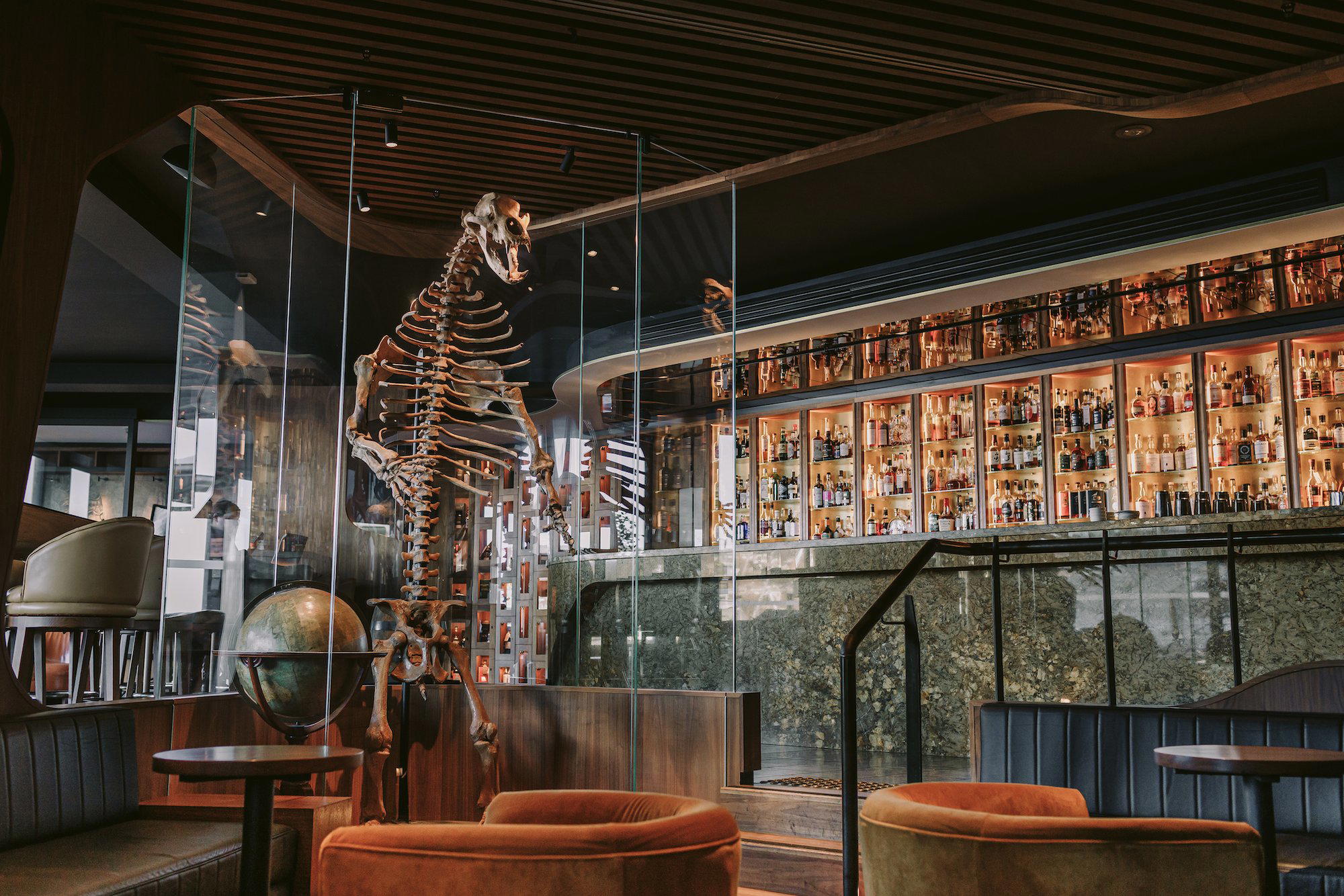
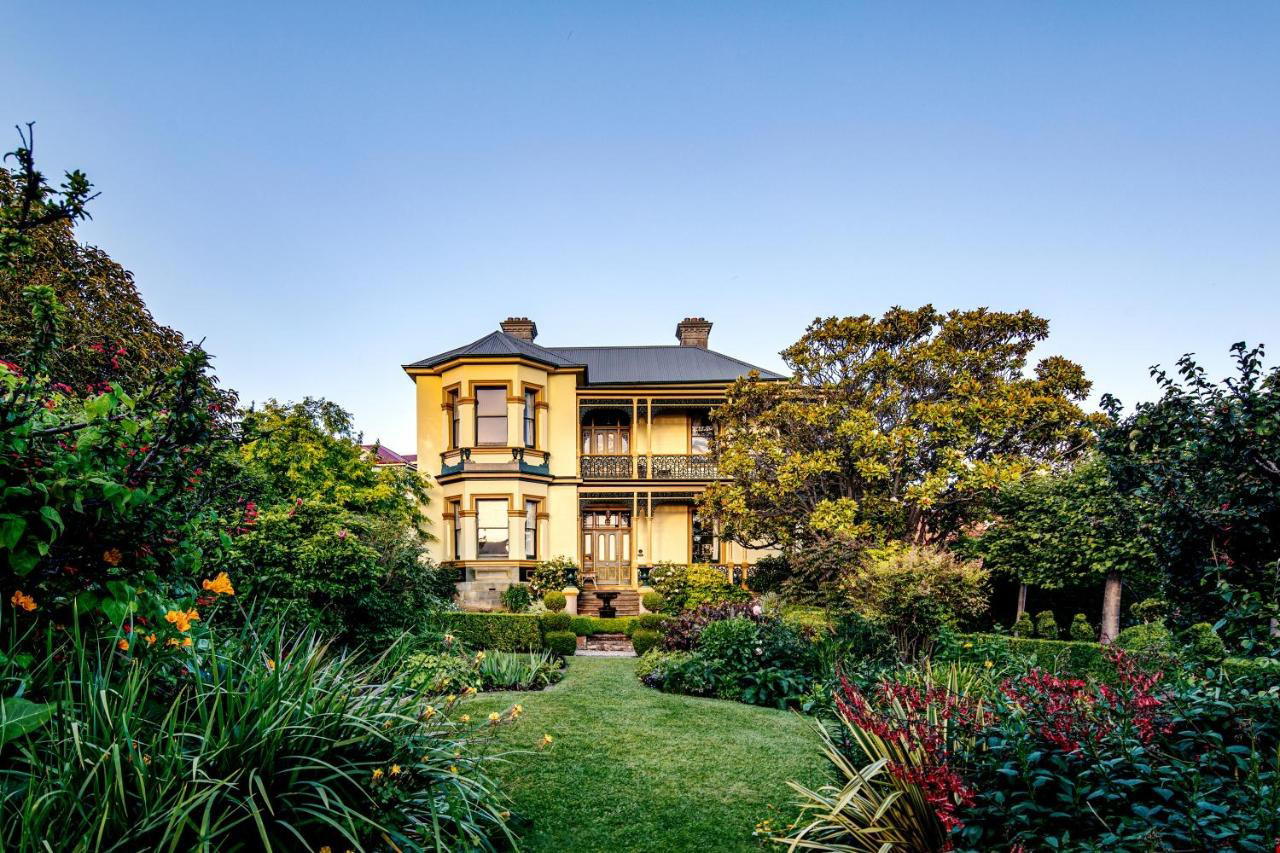
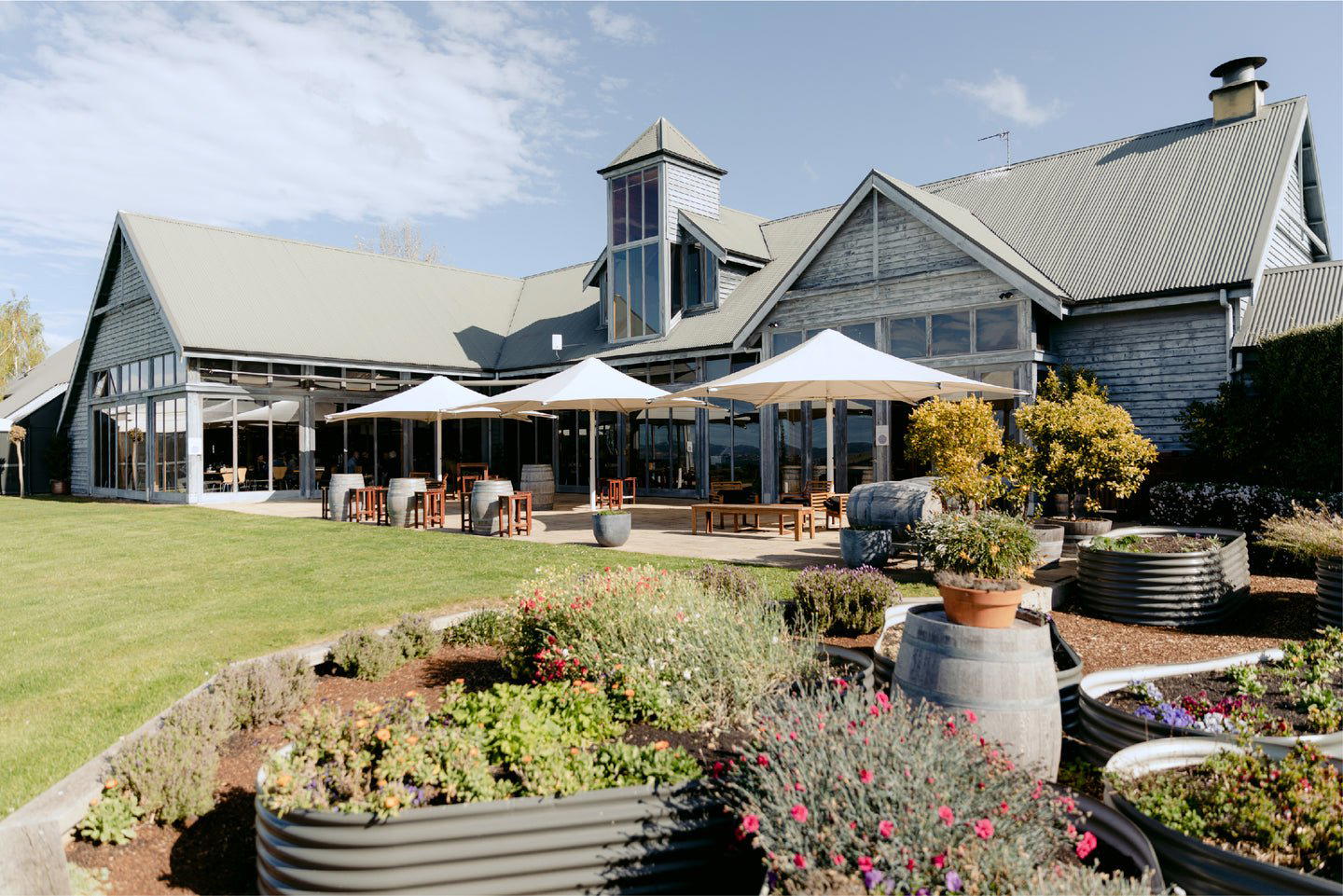
Sophisticated and ornate with mood lighting, well-spaced tables, and dramatic artworks on historic walls creating a cosy, relaxing atmosphere.