Google: 4.9 · 87 reviews
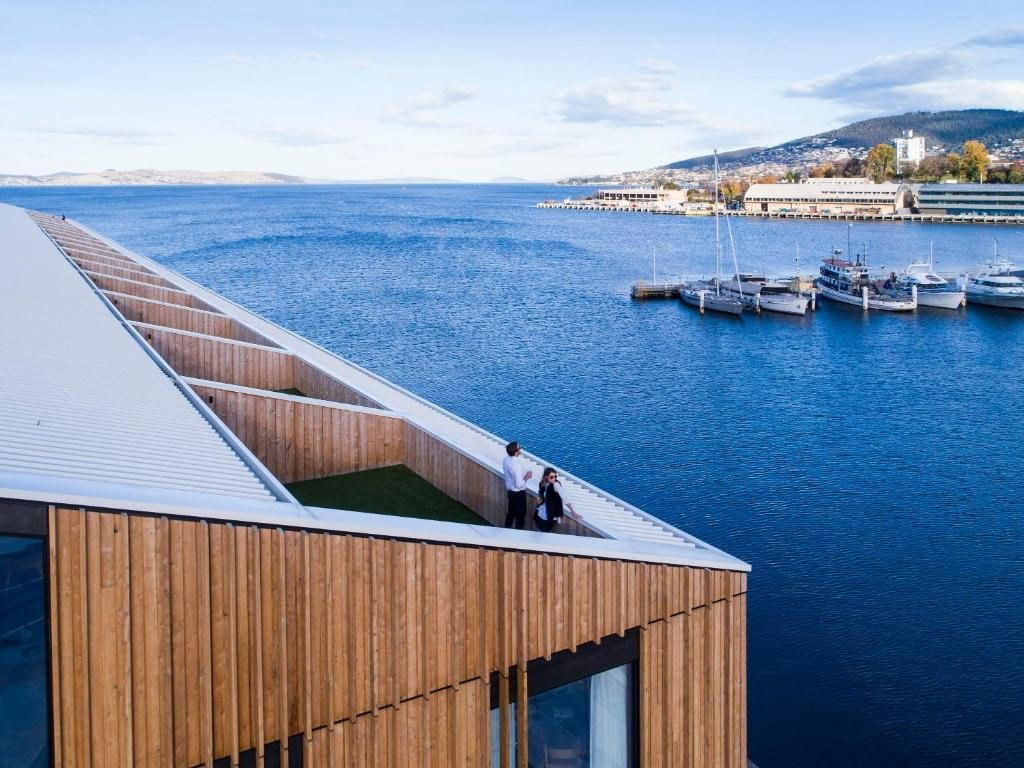
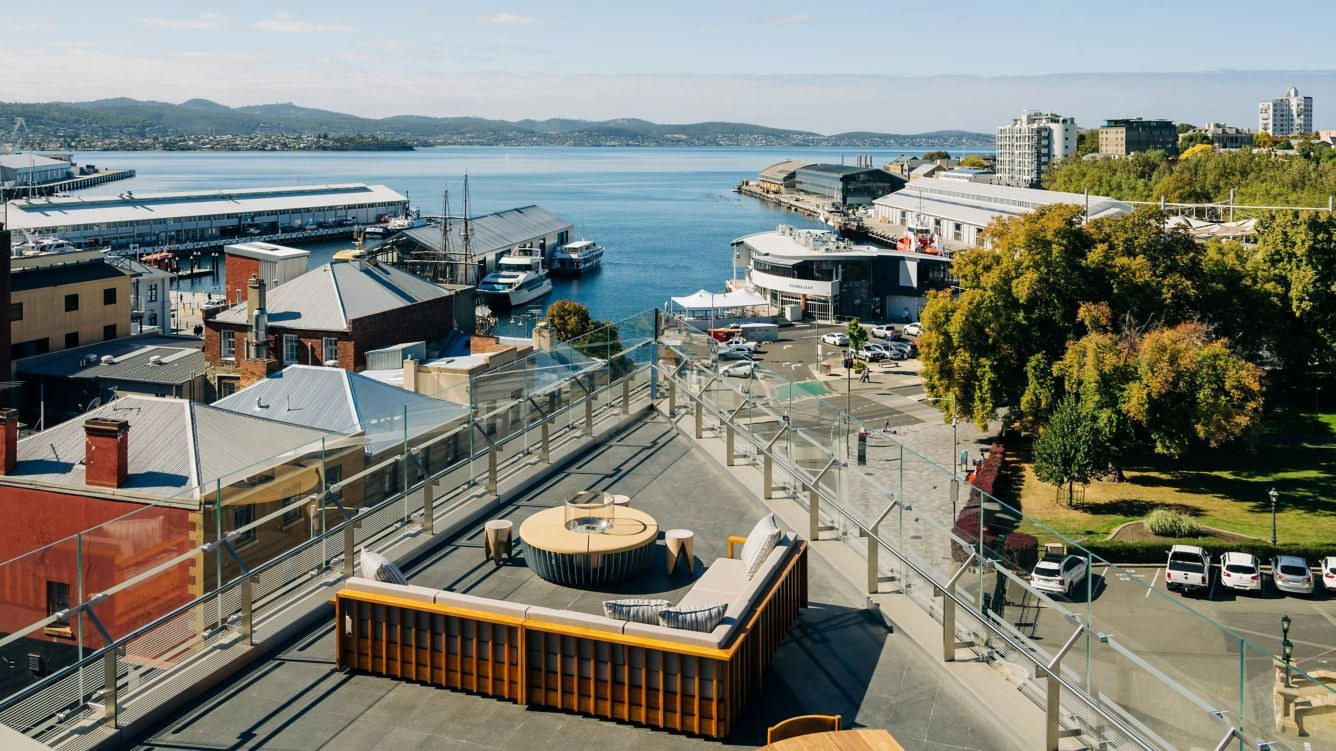
Callington Mill Distillery at MACq 01 occupies a converted warehouse on Hobart's Hunter Street waterfront, where Tasmanian whisky production and hotel hospitality converge under one heritage-industrial roof. The address sits inside one of Australia's more ambitious boutique hotel concepts, positioning it within the narrow tier of distillery-led dining experiences the island state has made its own over the past decade.
 Discover on Pearl
Pearl is the En Primeur Club membership app — saves, bookings, and concierge access live there. Same editors, same standards.
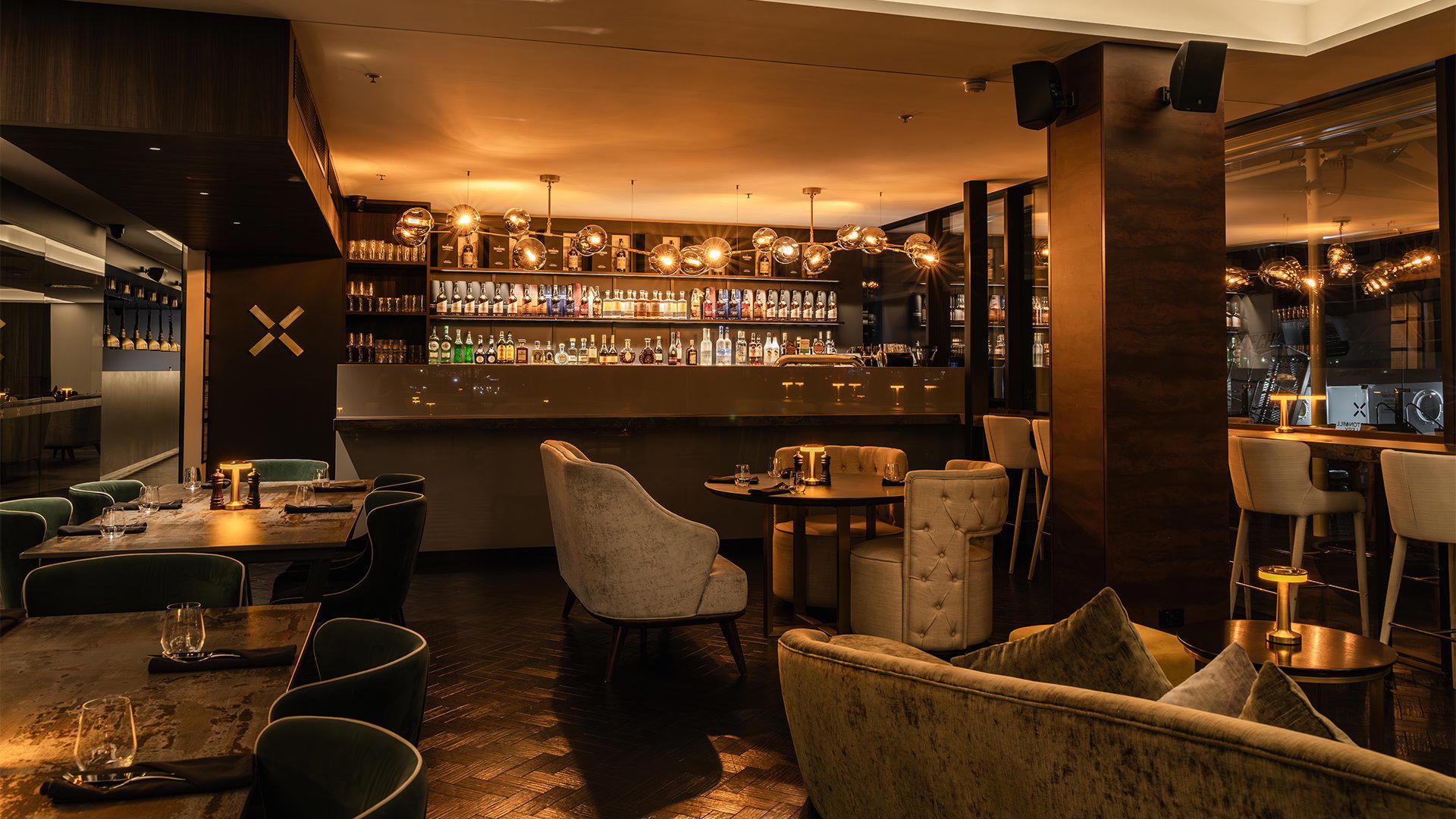
Where Whisky Infrastructure Meets the Waterfront
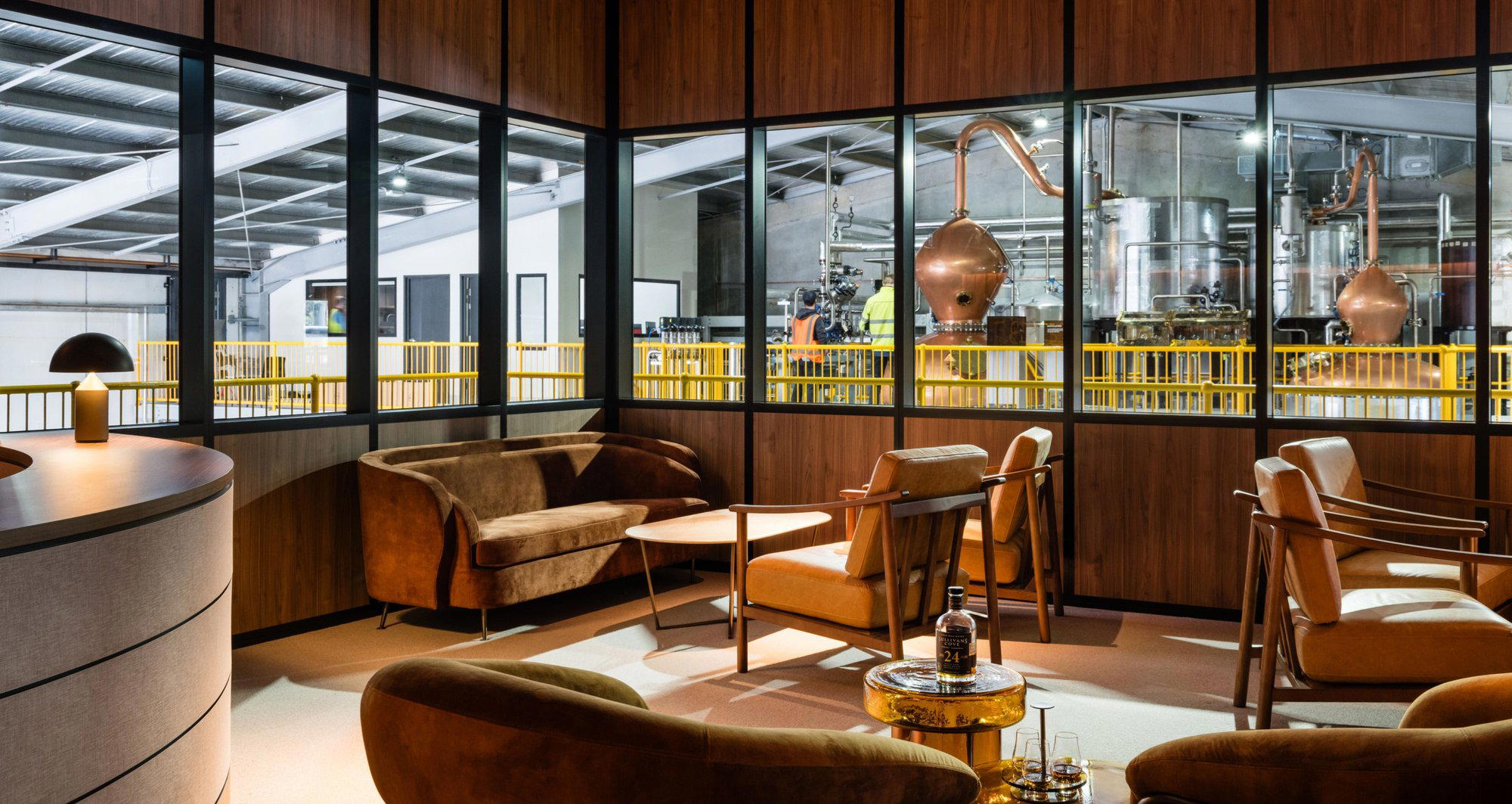
Hobart's Hunter Street precinct has undergone the kind of slow-burn transformation that resists easy summary. Sandstone warehouses that once handled colonial-era cargo now contain hotel rooms, restaurant floors, and, in the case of the MACq 01 property at number 18, an operational distillery whose copper stills are visible from the hotel lobby. That visibility is a deliberate editorial statement about what this building stands for: in Tasmania's current hospitality moment, the distillery is not a marketing prop but load-bearing infrastructure.
Callington Mill Distillery, whose primary production facility sits in the midlands town of Oatlands, operates this Hobart outpost as both a showcase and a working satellite. The relationship between a rural Tasmanian distillery and a design-led waterfront hotel is not accidental. It reflects a broader pattern in Australian premium hospitality where provenance — understood as a chain of custody from paddock or peat bog to glass — has become the organising principle for everything from the drinks program to the room aesthetic. For context, the same instinct drives the produce-first menus at Agrarian Kitchen and the hyper-regional sourcing strategies visible across our full Hobart restaurants guide.
How the Drinks Architecture Works
In many hotel bar formats, a spirits range is assembled from distributor catalogues and arranged by category. The Callington Mill presence at MACq 01 inverts that logic: the whisky is the anchor around which the drinks program radiates outward. Tasmanian single malt has spent the past fifteen years building a credible international reputation, with producers on the island consistently drawing comparisons to Scotch Highland and Speyside styles, partly because the cool maritime climate and clean water sources produce analogous conditions to Scotland's whisky regions.
The structural implication for a bar program built around a single Tasmanian distillery is that it narrows the competitive frame considerably. Rather than operating as a general spirits destination, the format positions itself as a specialist: a place where depth within one production lineage replaces breadth across categories. This is a different proposition from a standard hotel bar, and it carries a different expectation for the visitor. Those arriving for a broad cocktail menu will find the program weighted toward whisky expressions, flights, and formats that allow the spirit's character to remain legible. The approach parallels what serious wine-focused restaurants do when they build a list around a single region rather than a global sweep.
The Hotel Context and What It Changes
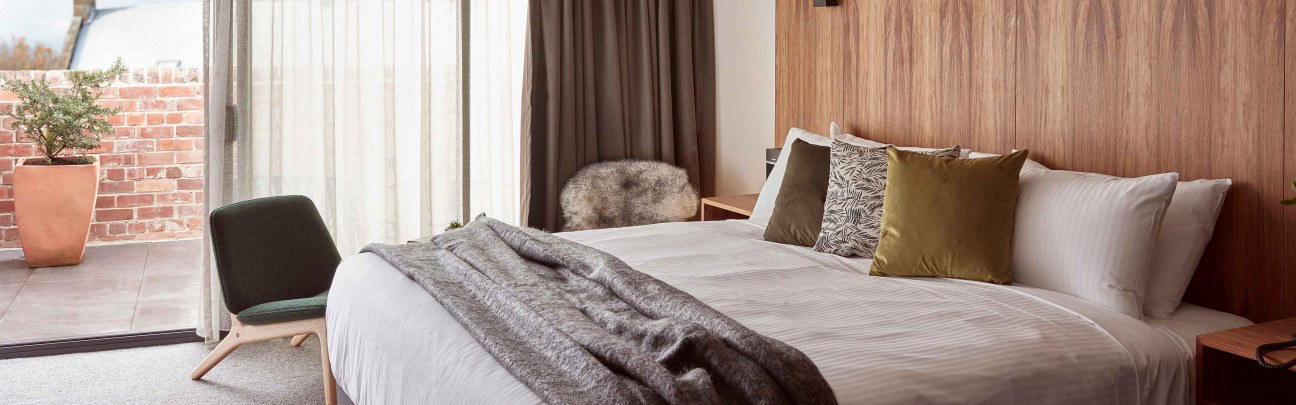
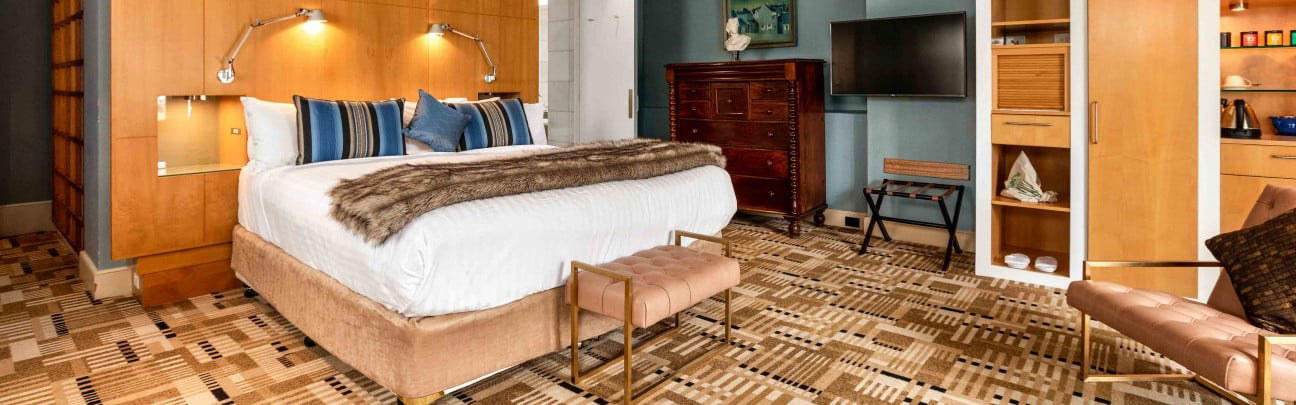
MACq 01 is a boutique hotel built inside heritage warehouse fabric, which places it in a specific tier of Australian hospitality: not the international chain model, and not the stripped-back guesthouse, but the locally anchored, design-forward property that treats building history as content rather than backdrop. The Hunter Street address is walkable from Salamanca Place and the waterfront ferry terminal, which matters for visitors structuring multi-venue evenings. Hobart's central dining and drinking circuit is compact enough that the MACq 01 position functions as both a starting point and a late-night return.
For the distillery experience specifically, the hotel context adds a layer that standalone cellar-door visits cannot replicate: you can move between a whisky tasting, a waterfront dinner, and your accommodation without re-entering street logistics. This has become an increasingly valuable format in Australian premium travel, where the friction of transfers and parking has pushed some visitors toward concentrated, walkable precincts. The same logic explains why properties like Hentley Farm in Seppeltsfield and Laura at Pt Leo Estate in Merricks have built hybrid hospitality models that collapse the distance between production, dining, and overnight stays.
Hobart's Broader Distillery Positioning
Tasmania punches considerably above its population weight in the spirits category. The island currently hosts more operating whisky distilleries per capita than any other Australian state, and several of those producers have achieved international distribution and award recognition that would be notable for distilleries three times their size. Callington Mill sits within that cohort, and its Hobart presence at MACq 01 serves a strategic function: it places the brand inside the city's premium hospitality circuit rather than requiring visitors to make a dedicated journey to Oatlands.
That distinction matters for how visitors actually encounter Tasmanian whisky. The cellar-door model, which dominates the island's wine scene as well, requires planning and transport. A hotel-based satellite operation captures visitors who arrive in Hobart for food and culture rather than specifically for distillery tourism, and converts them into brand-aware consumers of a product they might not have sought out independently. The same conversion dynamic operates at Driftwood Restaurant and across Hobart's broader waterfront hospitality strip, where the proximity of venues to each other accelerates discovery.
Internationally, the model has precedents in Scotland's urban whisky bar format and in the brand house concept that several Cognac and Calvados producers have established in Paris. In the Australian context, however, the distillery-hotel hybrid remains relatively rare, which gives the MACq 01 configuration a degree of novelty within its category.
Planning a Visit
The MACq 01 address on Hunter Street is within easy walking distance of Hobart's waterfront ferry terminal and the Salamanca Market precinct, making it a natural anchor for visitors moving between the city's dining destinations. Given the hotel-distillery format, the experience is most coherent when treated as an evening that begins with a whisky tasting and extends into the broader waterfront dining circuit, which includes options ranging from the Italian-leaning Cugini Restaurant and Don Camillo Restaurant to the more contemporary bar format at Aloft. For visitors building a wider Australian itinerary that includes serious restaurant experiences, Hobart's current scene benchmarks well against Attica in Melbourne, Brae in Birregurra, and Botanic in Adelaide as part of a circuit that treats Australian regional dining as a coherent subject rather than a series of isolated stops. Those extending further afield will find comparable specialist ambition at Provenance in Beechworth and Pipit in Pottsville.
For booking and hours, direct contact with the MACq 01 hotel is the most reliable route, as tasting session availability and bar programming can vary with hotel occupancy and seasonal demand.
Recognition Snapshot
A quick peer reference to anchor this venue in its category.
| Venue | Awards | Cuisine | Notes |
|---|---|---|---|
| Callington Mill Distillery at MACq 01 Hobart | This venue | ||
| Agrarian Kitchen | |||
| Aloft | |||
| Lost in Asia | South-East Asian | South-East Asian | |
| Scholé | Japanese-influenced; wine bar | Japanese-influenced; wine bar | |
| Templo |
Continue exploring
More in Hobart
Restaurants in Hobart
Browse all →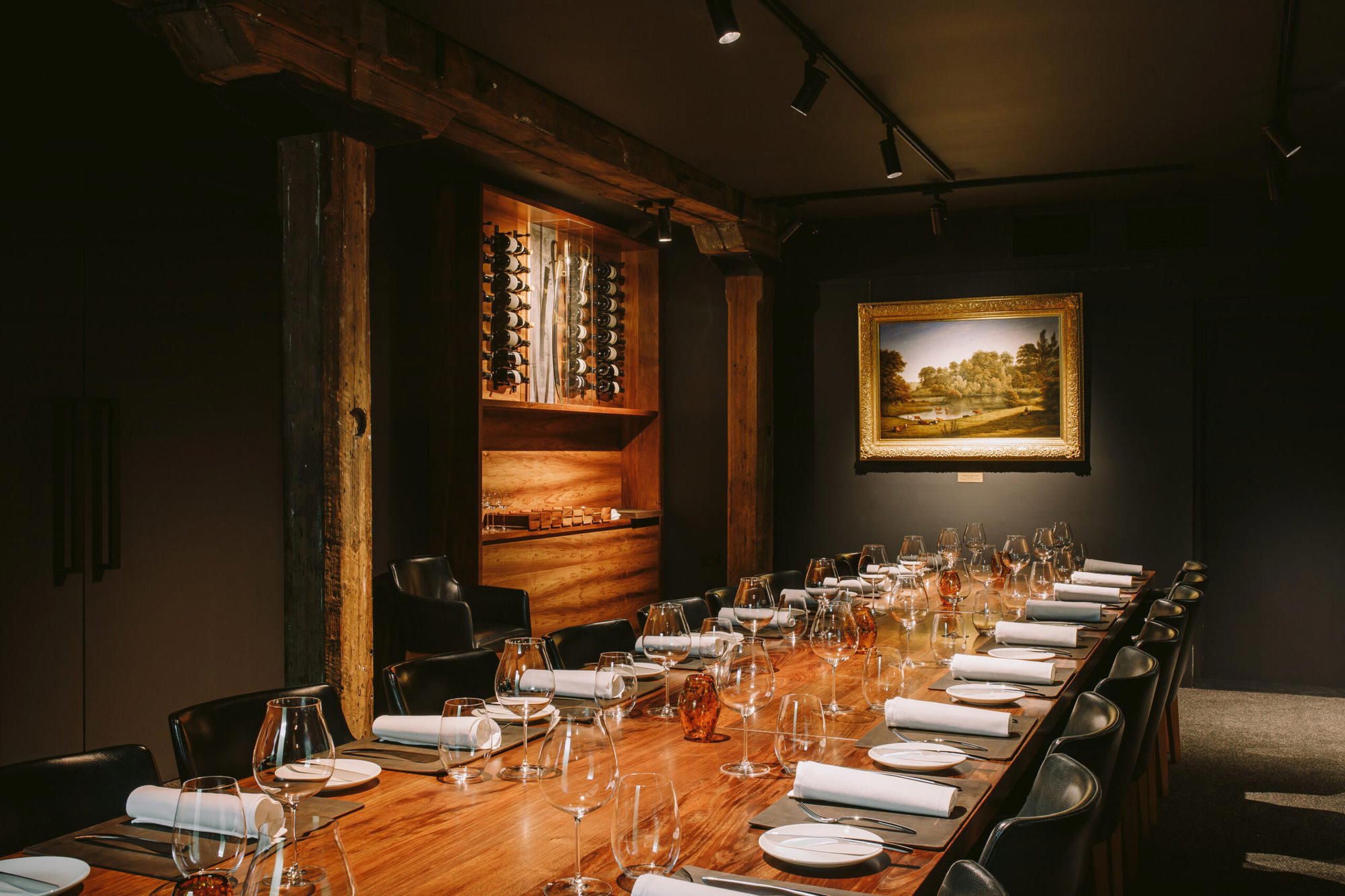
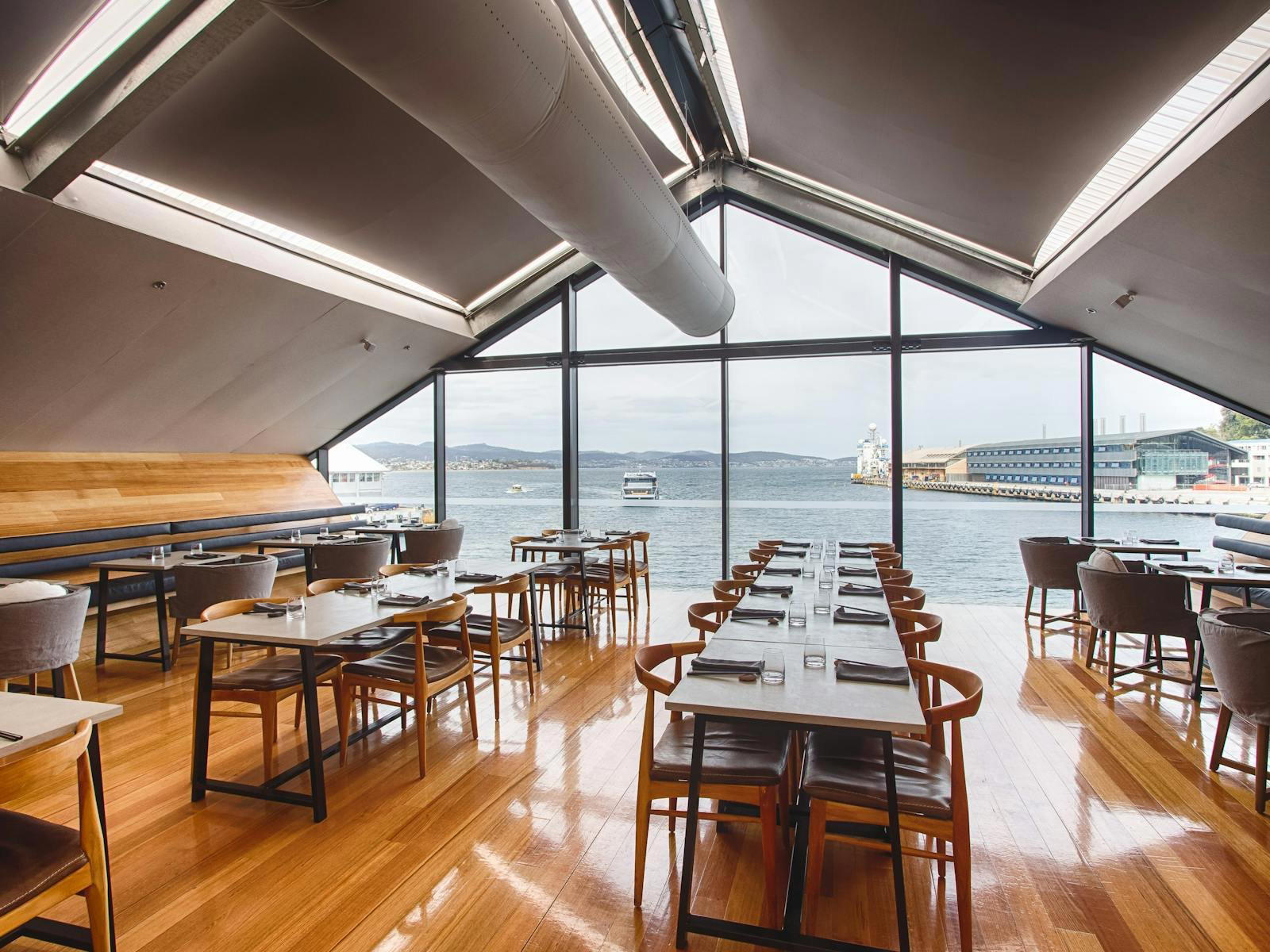
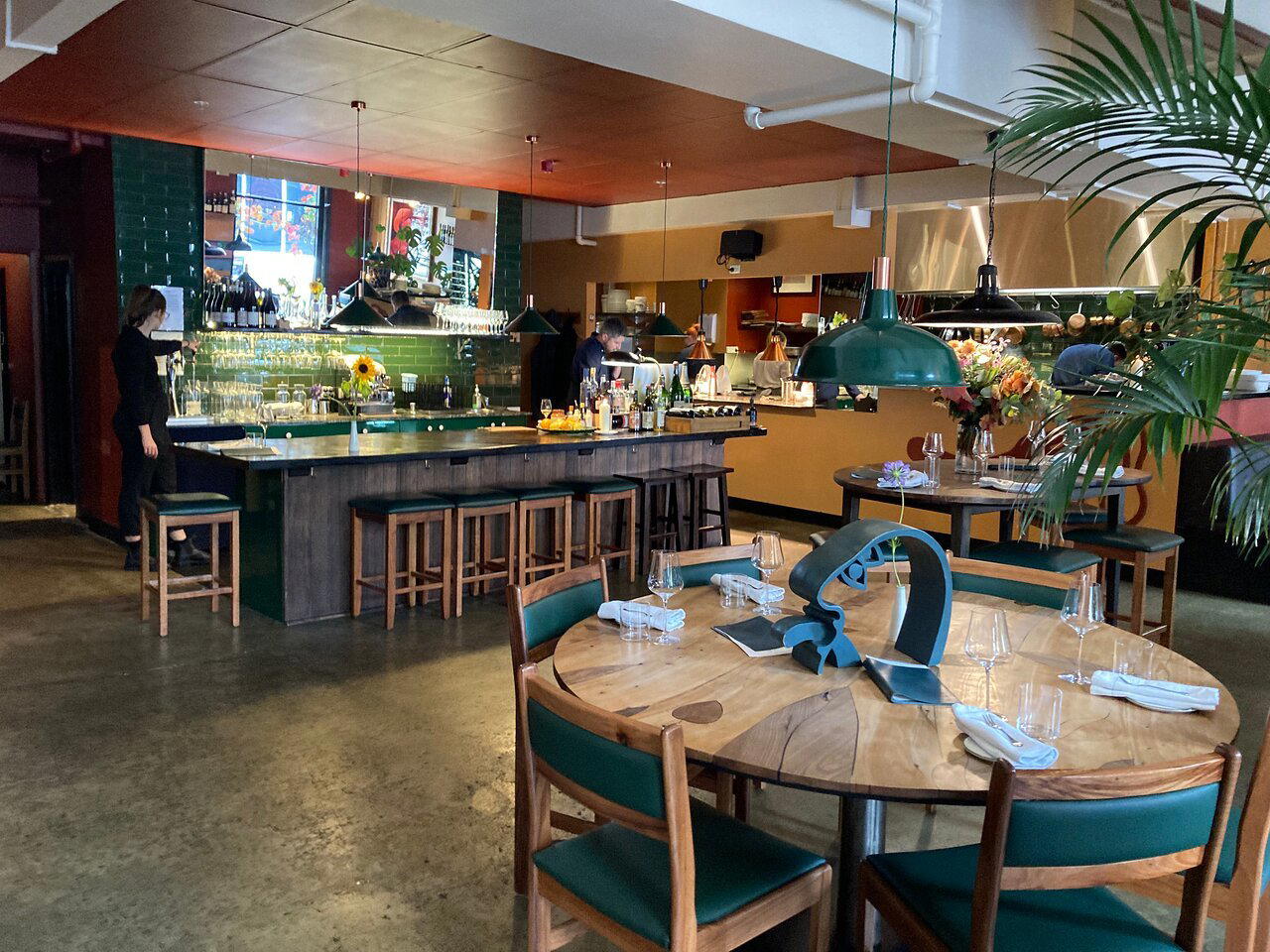
Bars in Hobart
Browse all →
Hotels in Hobart
Browse all →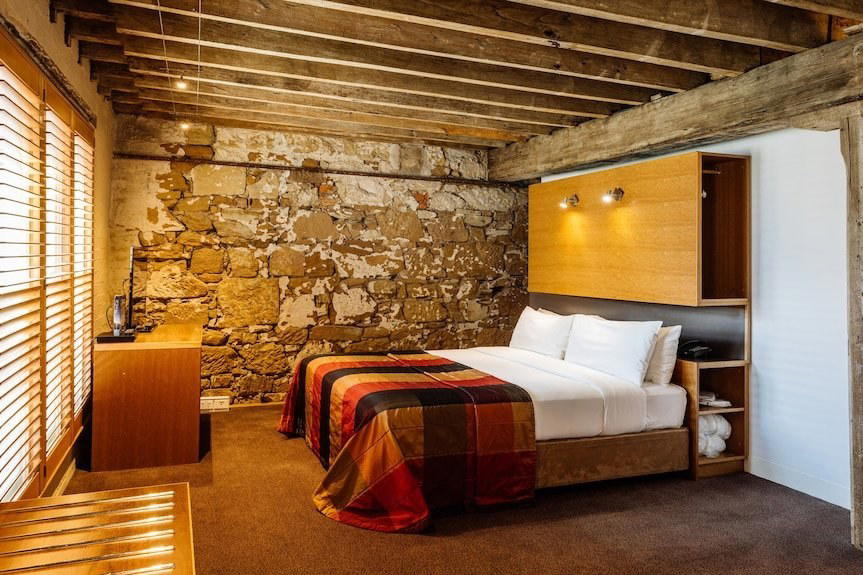
At a Glance
- Intimate
- Sophisticated
- Elegant
- Modern
- Date Night
- Special Occasion
- Waterfront
- Hotel Restaurant
- Historic Building
- Craft Cocktails
- Local Sourcing
- Waterfront
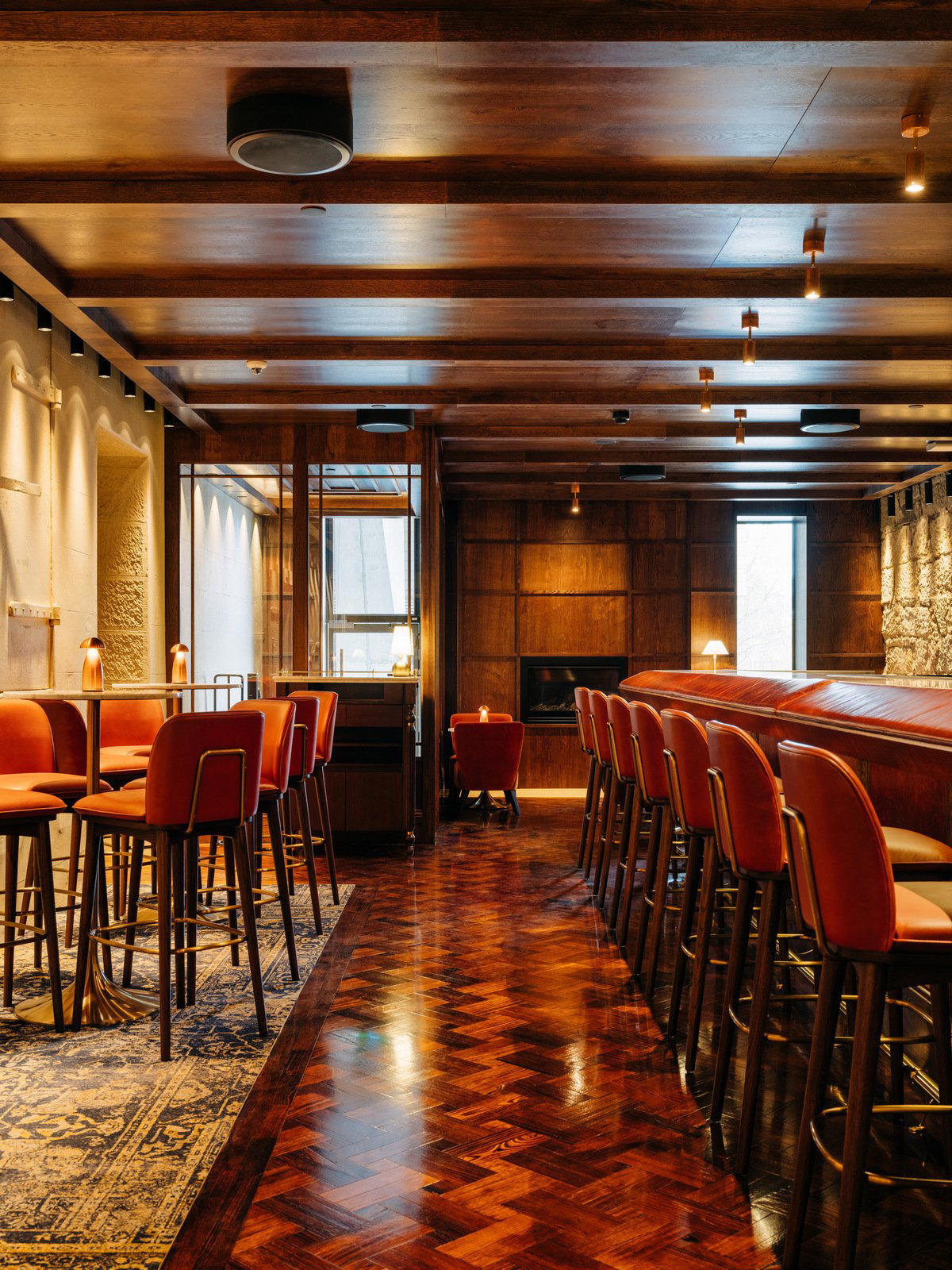
Refined and intimate atmosphere with waterfront views, focused on whisky immersion and elegant lighting suitable for sophisticated evenings.