Our verdict
Templo occupies a compact room on Patrick Street in Hobart's west end, where the kitchen draws heavily on Tasmania's agricultural and coastal supply chains. The cooking sits at the intersection of southern European technique and island-grown produce, placing it firmly within the state's ingredient-led dining movement. It is one of the more considered small-room restaurants operating in the city today.

Pearl is the En Primeur Club membership app, where members save venues, book tables and use the concierge.
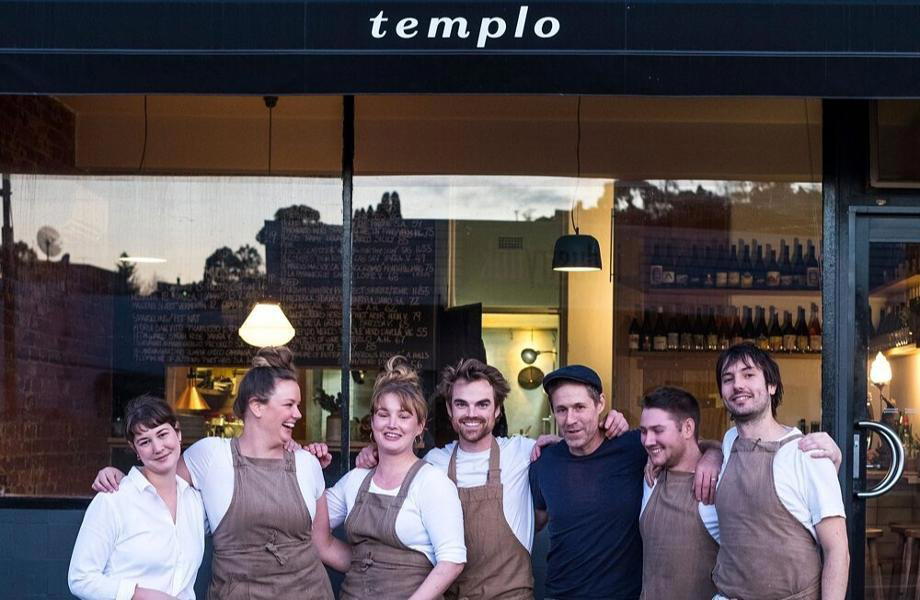
Patrick Street and the Room Itself
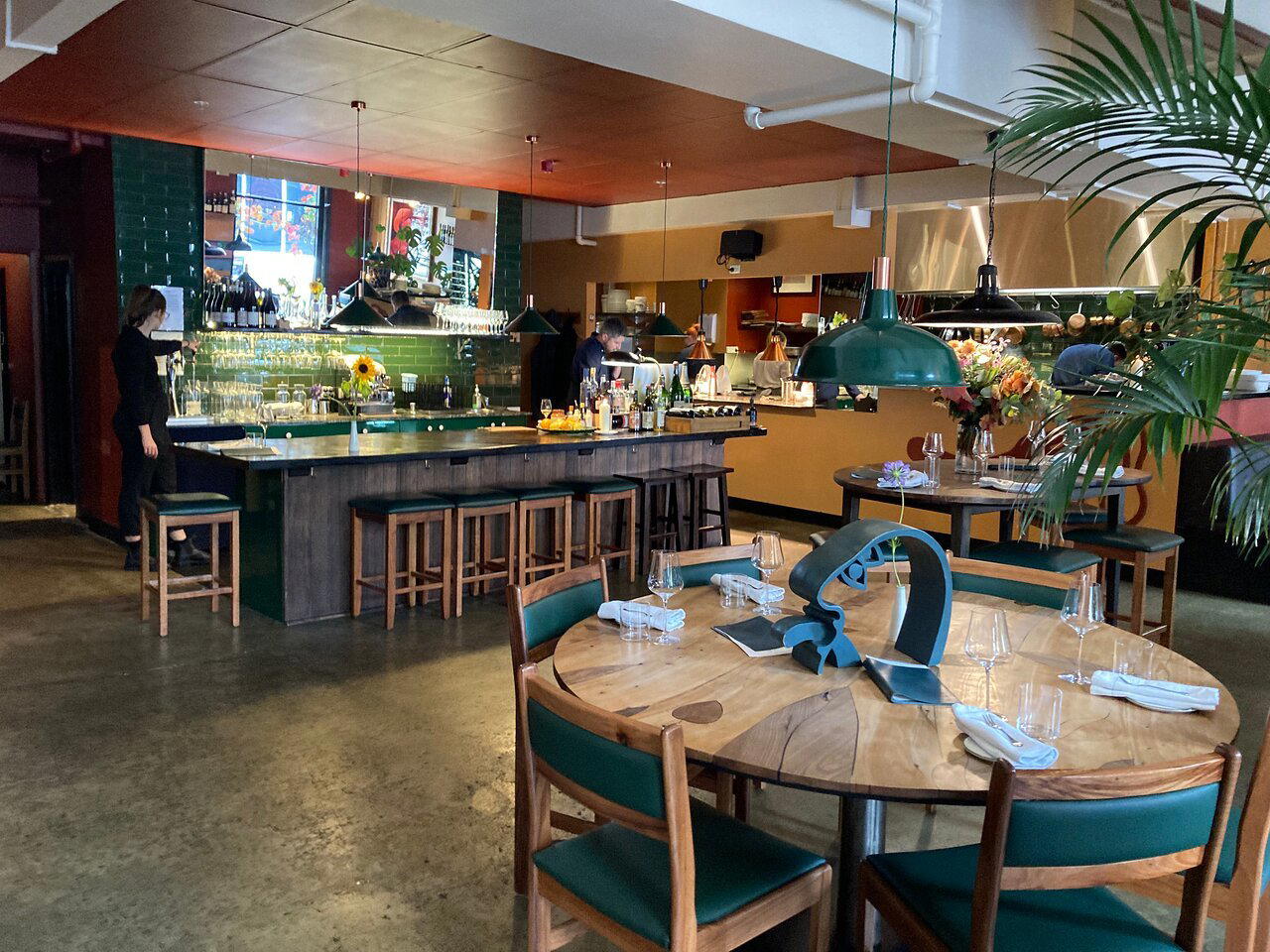
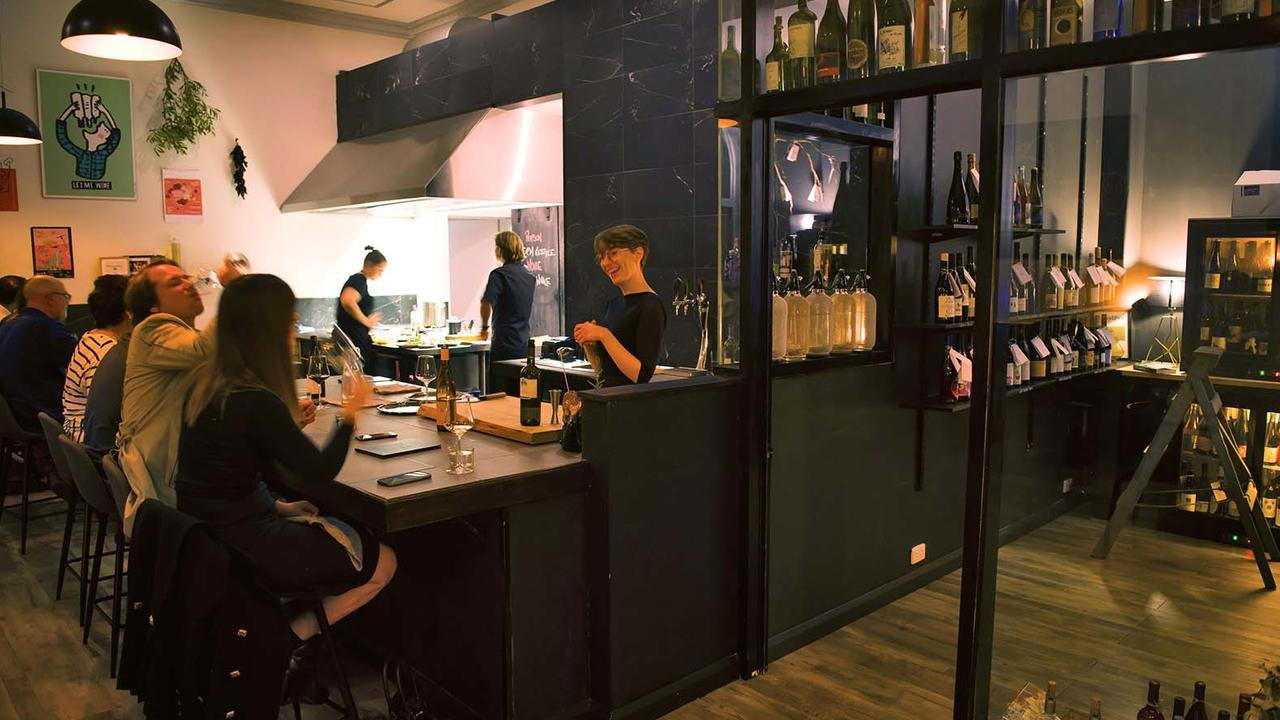
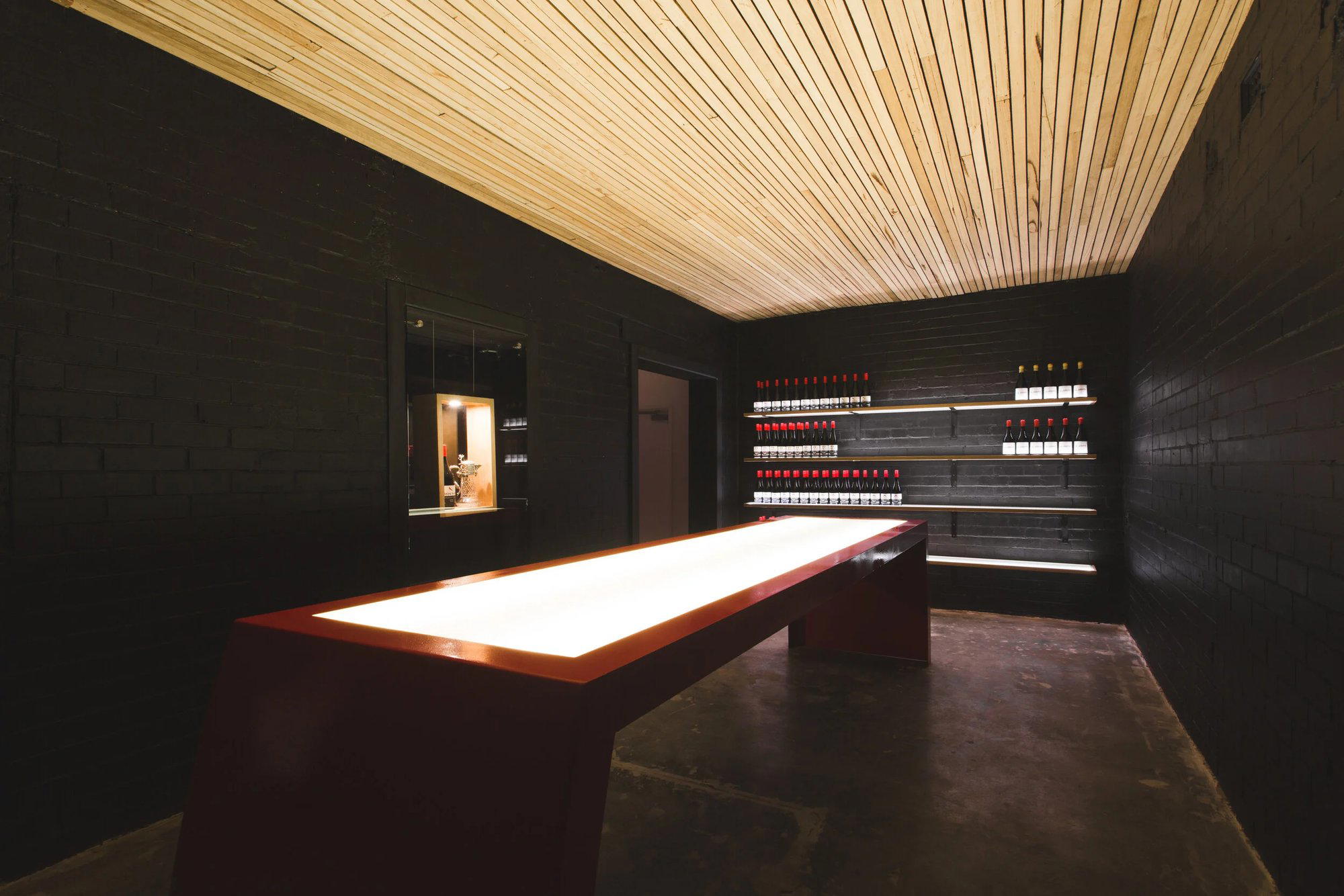
Hobart's west end has a different cadence to Salamanca or the waterfront. The streets around Patrick Street are quieter, the buildings lower, and the dining rooms smaller. Templo, at number 98, fits that register: a compact space that signals its intentions through restraint rather than spectacle. Walking in, the room reads as deliberately considered, the kind of environment where the physical scale reinforces the cooking's focus. Small rooms in Tasmania's better restaurants tend to serve a purpose: they keep the supply chain short and the relationship between kitchen and table immediate.
That intimacy is not incidental. Across Australia's ingredient-led dining tier, from Brae in Birregurra to Pipit in Pottsville, the smaller the room, the more direct the accountability to sourcing. Templo belongs to that logic.
Why Tasmania's Supply Chain Makes This Restaurant Make Sense
The editorial argument for Templo begins not with the menu but with the island it sits on. Tasmania operates as one of Australia's most coherent agricultural ecosystems: clean water, a cool maritime climate, low-industrial farming density, and a producer culture that has consolidated over the past two decades into something genuinely traceable. The state's reputation for abalone, oysters, saffron, heritage grains, and small-lot dairy is not promotional language. It reflects a geography that makes intensive, artisan-scale production viable in ways that larger mainland states cannot replicate at the same density.
Restaurants that take that supply chain seriously, as Templo does, are working with a set of raw materials that mainland peers frequently import or substitute. That geographic advantage shows up on the plate in ways that matter: shorter time from harvest to kitchen, producer relationships that a small restaurant can actually maintain, and seasonal rhythms that are observable rather than theoretical. It is the same structural advantage that places like Agrarian Kitchen in New Norfolk have built their identity around, though Templo operates in a different register: urban, compact, and closer to a traditional restaurant format than a farm-to-table showcase.
Within Hobart specifically, ingredient-led dining has grown into a recognisable scene. Alongside Templo, Aloft and Cugini Restaurant represent different expressions of the city's appetite for produce-conscious cooking, while Don Camillo Restaurant anchors a longer-standing European tradition in the city's dining culture. The question for any visitor is where Templo sits in that field, and what it does that the others do not.
Southern European Technique Applied to Tasmanian Produce
The cooking at Templo draws on a broadly southern European framework. This matters because that culinary tradition, rooted in Italian and broader Mediterranean practice, treats ingredients as primary and technique as secondary: the quality of the oil, the age of the cheese, the freshness of the fish determine the dish, not the complexity of the preparation. Applied to Tasmanian produce, that framework is particularly well-suited. Abalone prepared with the economy of an Italian approach loses nothing and gains directness. Dairy from the island's cooler valleys needs no augmentation to carry flavour.
Across Australia's higher-end dining tier, this kind of alignment between a specific culinary tradition and a specific geography has produced some of the country's most coherent restaurant experiences. Attica in Melbourne routes indigenous and native ingredients through a fine-dining structure. Botanic in Adelaide applies tasting-menu discipline to South Australian produce. Hentley Farm in Seppeltsfield situates its cooking inside a working wine estate. In each case, the restaurant's argument rests on a clear relationship between where the food comes from and how it is handled. Templo's version of that argument is smaller in scale but coherent in its terms.
Where It Sits in the Wider Australian Conversation
Hobart has entered the national dining conversation in the past decade in a way that would have seemed improbable earlier. The combination of MONA's cultural draw, a strengthening producer community, and a generation of chefs willing to stay on the island rather than migrate to Sydney or Melbourne has created a dining scene with genuine depth. Templo is part of that generation's output.
Compared to the mainland's most serious ingredient-sourcing restaurants, including Rockpool in Sydney, Laura at Pt Leo Estate in Merricks, and Ormeggio at The Spit in Mosman, Templo operates without the infrastructure of large-city dining: no deep-pocketed backing, no sprawling group, no national profile team. What it has instead is proximity to the source material and the scale to use it without waste or compromise.
Internationally, the closest structural analogues are not the grand tasting-menu rooms of Le Bernardin in New York City or the ambitious communal format of Lazy Bear in San Francisco, but rather the small European trattoria tradition, where the room size and the sourcing radius are in direct proportion. That is a harder commercial model, and it demands that the kitchen deliver on the ingredient promise consistently rather than occasionally.
Planning a Visit
Templo is located at 98 Patrick Street, a short walk from the city centre and accessible on foot from most central Hobart accommodation. The Patrick Street corridor, also home to Callington Mill Distillery at MACq 01 Hobart, has developed into one of the quieter alternatives to the Salamanca precinct for an evening out. Given the room's size, booking in advance is advisable; small-room restaurants in Hobart's ingredient-led tier fill quickly, particularly from late spring through summer when the city's visitor numbers peak. For a broader picture of what the city offers across different price points and styles, the full Hobart restaurants guide maps the scene in detail. Visitors combining Templo with a regional excursion might consider Provenance in Beechworth or Lizard Island Resort in Lizard Island as part of a wider Australian itinerary built around serious sourcing credentials.
Frequently asked questions
What's Templo's location?
Templo is located at 98 Patrick St, Hobart TAS 7000, Australia, Hobart.
How does Templo's location on Patrick Street affect the dining experience?
Hobart's west end around 98 Patrick Street has a quieter cadence than Salamanca Place or the waterfront, which means the room operates without the tourist foot traffic that surrounds many of the city's better-known restaurants. That separation is part of what gives Templo its neighbourhood-restaurant character, guests tend to arrive with intent rather than on impulse.
What do regulars order at Templo?
Returning guests at Templo orient toward whatever Tasmanian produce is at peak season, given the restaurant's sourcing-led approach. The kitchen draws from both the island's coastline and its agricultural interior, so the menu shifts accordingly. Asking staff what has just come in is the most reliable way to eat at the room's best.
Should I book Templo in advance?
Yes. Templo's compact format on Patrick Street means the room fills well ahead of service, particularly during Hobart's busier periods around events like Dark Mofo and the summer festival season. Booking as far ahead as your schedule allows is the practical approach for any Friday or Saturday night.
What do critics highlight about Templo?
Australian food press coverage of Templo consistently returns to two points: the coherence of its Mediterranean-influenced framework and the quality of its Tasmanian sourcing. The argument, as critics frame it, is that southern European technique and Tasmanian produce share a logical compatibility, both prioritise ingredient quality over elaborate transformation.
Can Templo adjust for dietary needs?
Small European-format restaurants like Templo typically accommodate dietary requirements when notified at the time of booking. Given the compact menu structure and kitchen size at 98 Patrick Street, advance notice is more useful here than it would be at a larger venue with more built-in flexibility.
Is Templo overpriced or worth every penny?
Templo sits in the mid-to-upper price tier for Hobart, a city that remains materially less expensive than Sydney or Melbourne for comparable sourcing-led cooking. The value proposition is straightforward: Mediterranean technique applied to Tasmanian produce, in a small room, at prices that would read as moderate in any other Australian capital.
How It Stacks Up
Comparable venues nearby, for context on price, style, and recognition.
| Venue | Cuisine | Price | Awards | Notes |
|---|---|---|---|---|
| TemploThis venue (the venue you are viewing) | Italian-inspired Seasonal Tasting Menu | $100–150 | Not listed | Not listed |
| Fico | Contemporary Italian Fine Dining | $200–300 | Not listed | Macquarie Street |
| Analiese Gregory’s anti-restaurant | Intimate seasonal fusion by Analiese Gregory | Not listed | Not listed | Hobart |
| Aloft | Modern Australasian Fine Dining | $100–150 | We're Smart World 2 Radishes | Hobart CBD |
| Driftwood Restaurant | Modern Seasonal Coastal | $50–100 | Not listed | Lauderdale |
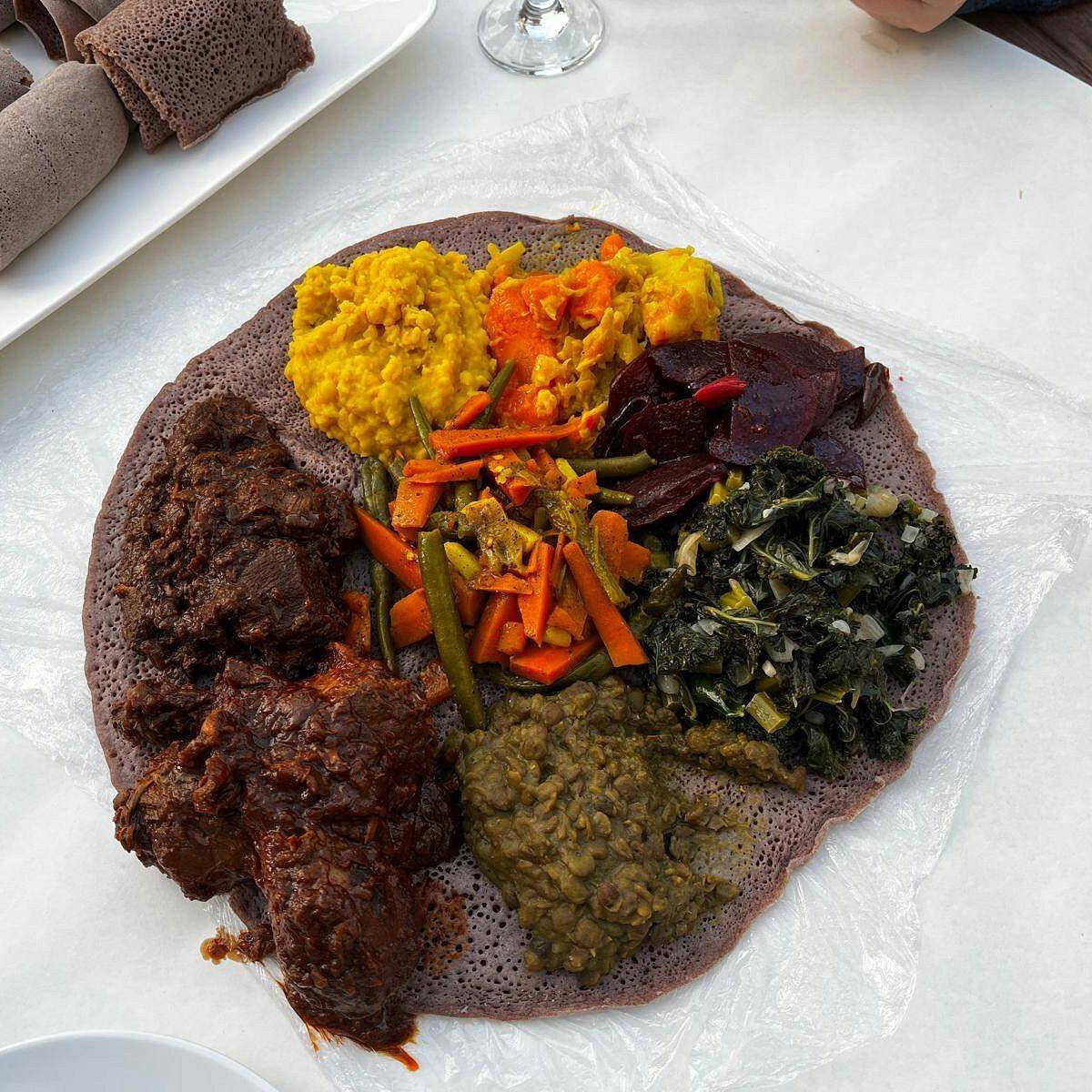
| Queen Sheba Injera | Authentic Ethiopian | $20–30 | Not listed | North Hobart |
Continue exploring
More in Hobart
Restaurants in Hobart
All restaurants in Hobart →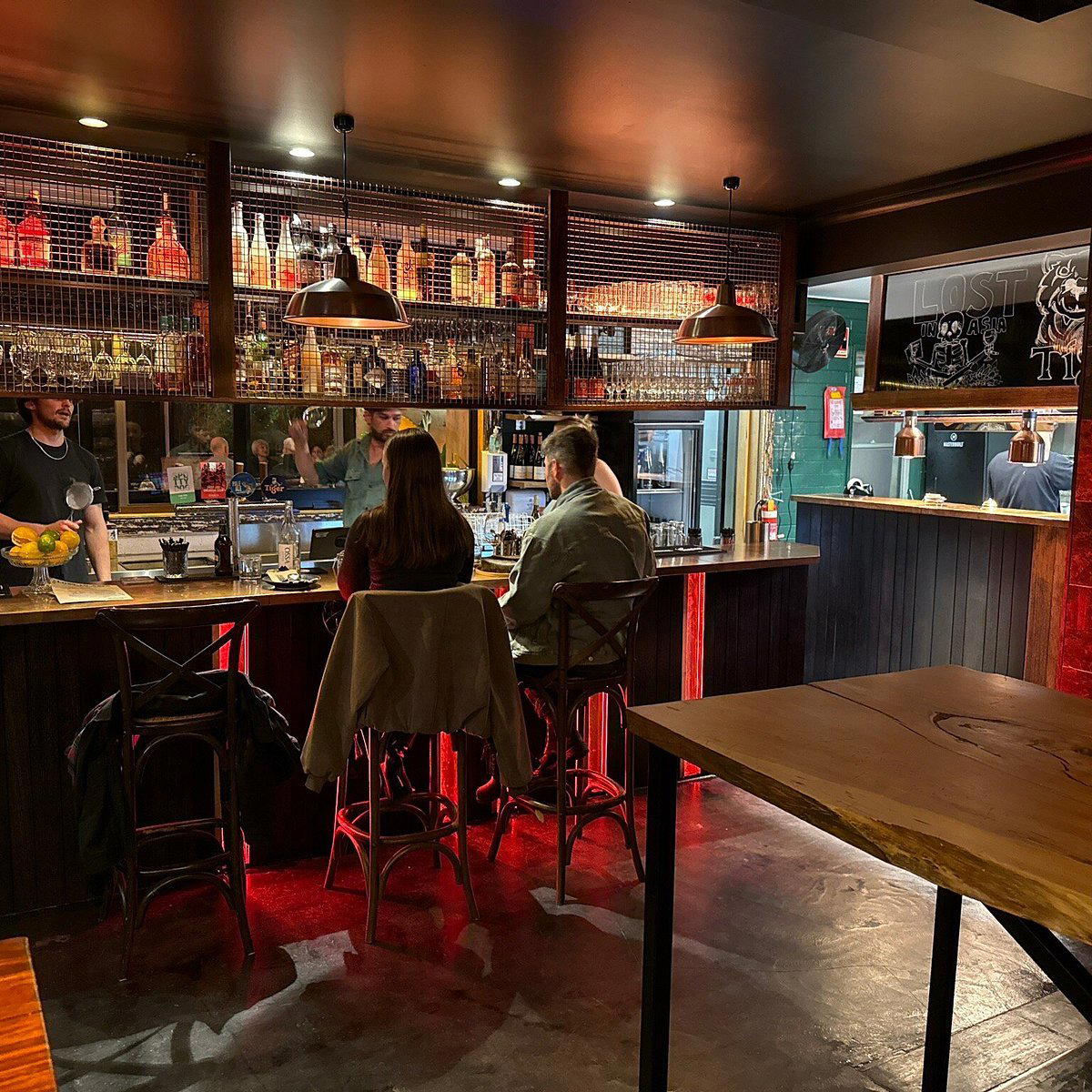
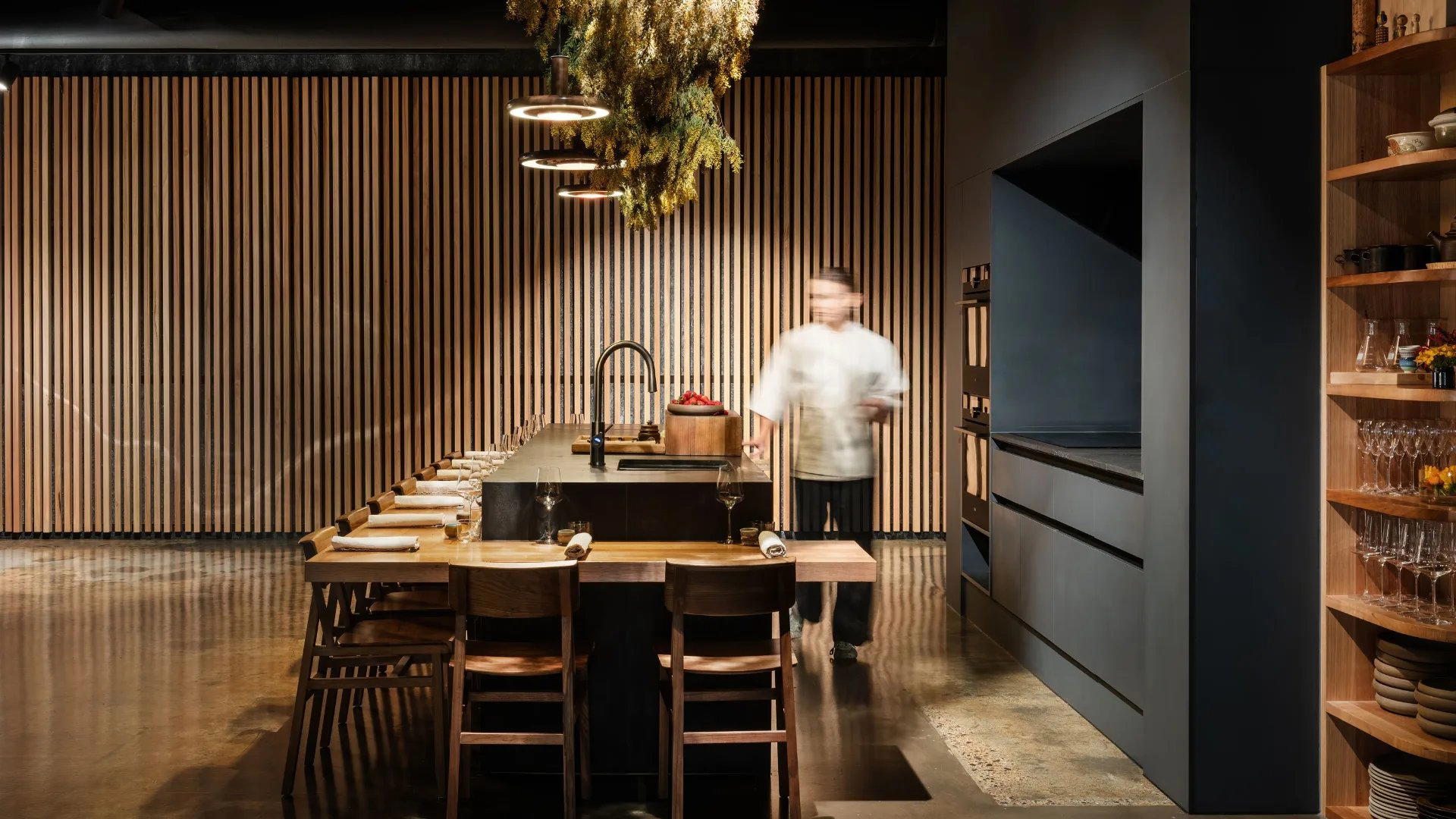
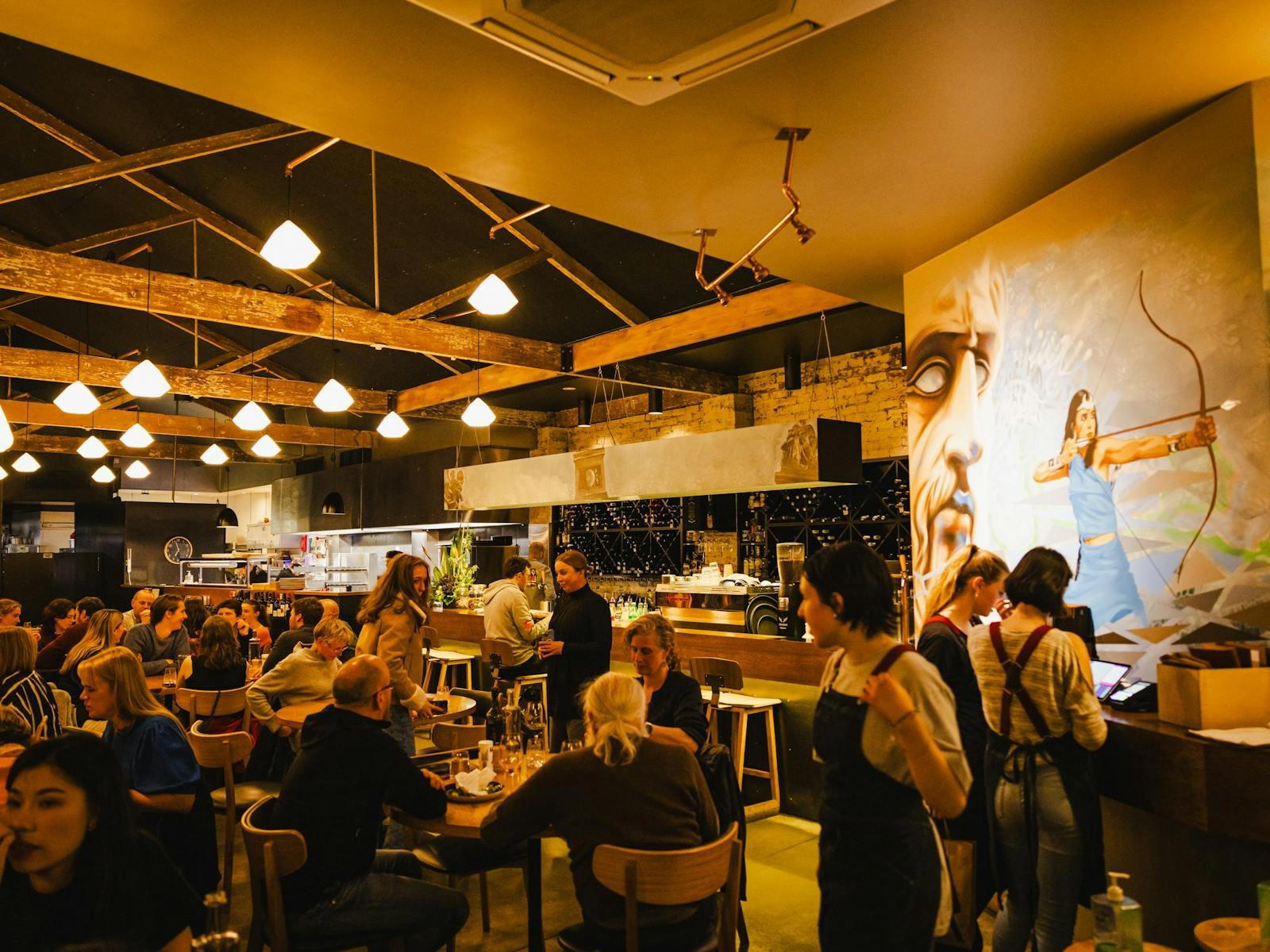
Bars in Hobart
All bars in Hobart →
Details
- Intimate
- Cozy
- Elegant
- Date Night
- Special Occasion
- Open Kitchen
- Natural Wine
- Local Sourcing
- Tasting Menu
- Small Plates
- Natural Wine
- Vegetarian Friendly
- Gluten Free Options
Current opening hours
- Monday
- 12 AM–2 PM
- Tuesday
- Closed
- Wednesday
- 5–10 PM
- Thursday
- 5–10 PM
- Friday
- 5–10 PM
- Saturday
- 5–10 PM
- Sunday
- 5–10 PM
Hours can change for holidays and private events. Hours as of .
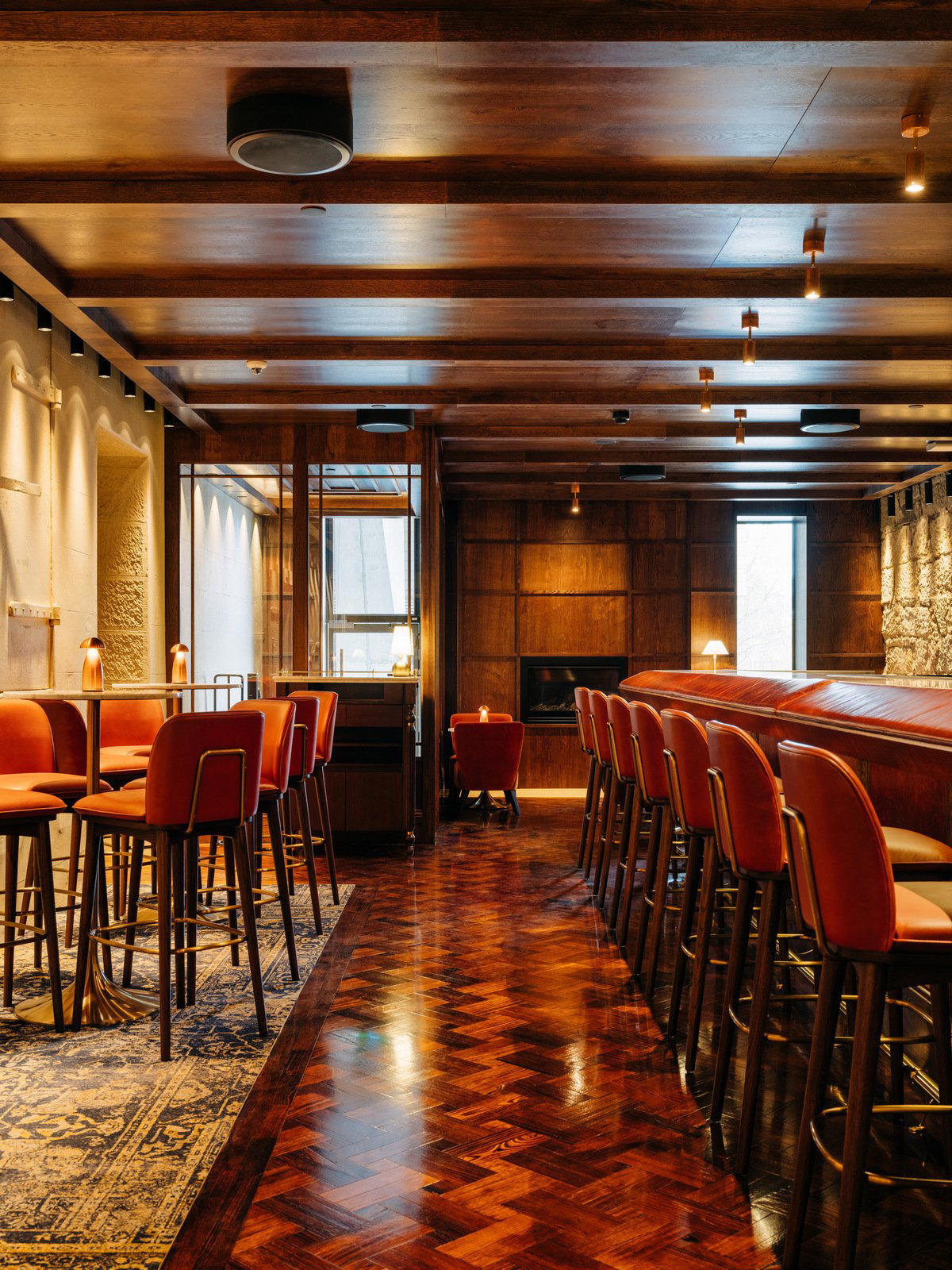
Cozy and intimate with bare brick walls, communal round table, kitchen views, and softly glowing atmosphere fostering close dining experiences.