
We're Smart World 2 Radishes
Our verdict
At Brooke Street Pier, Aloft puts Tasmanian seasonal produce at the centre of every decision on the plate. Christian Ryan and Glenn Byrnes run a kitchen that covers both omnivore and plant-based diners with equal seriousness, from tempura courgette with pickled fennel to wood ear mushroom dumplings. The waterfront address makes it one of Hobart's more consequential dining stops.

Pearl is the En Primeur Club membership app, where members save venues, book tables and use the concierge.
The menu
What to order
- Crisp_chilli_eggplant
- Wallaby_tartare
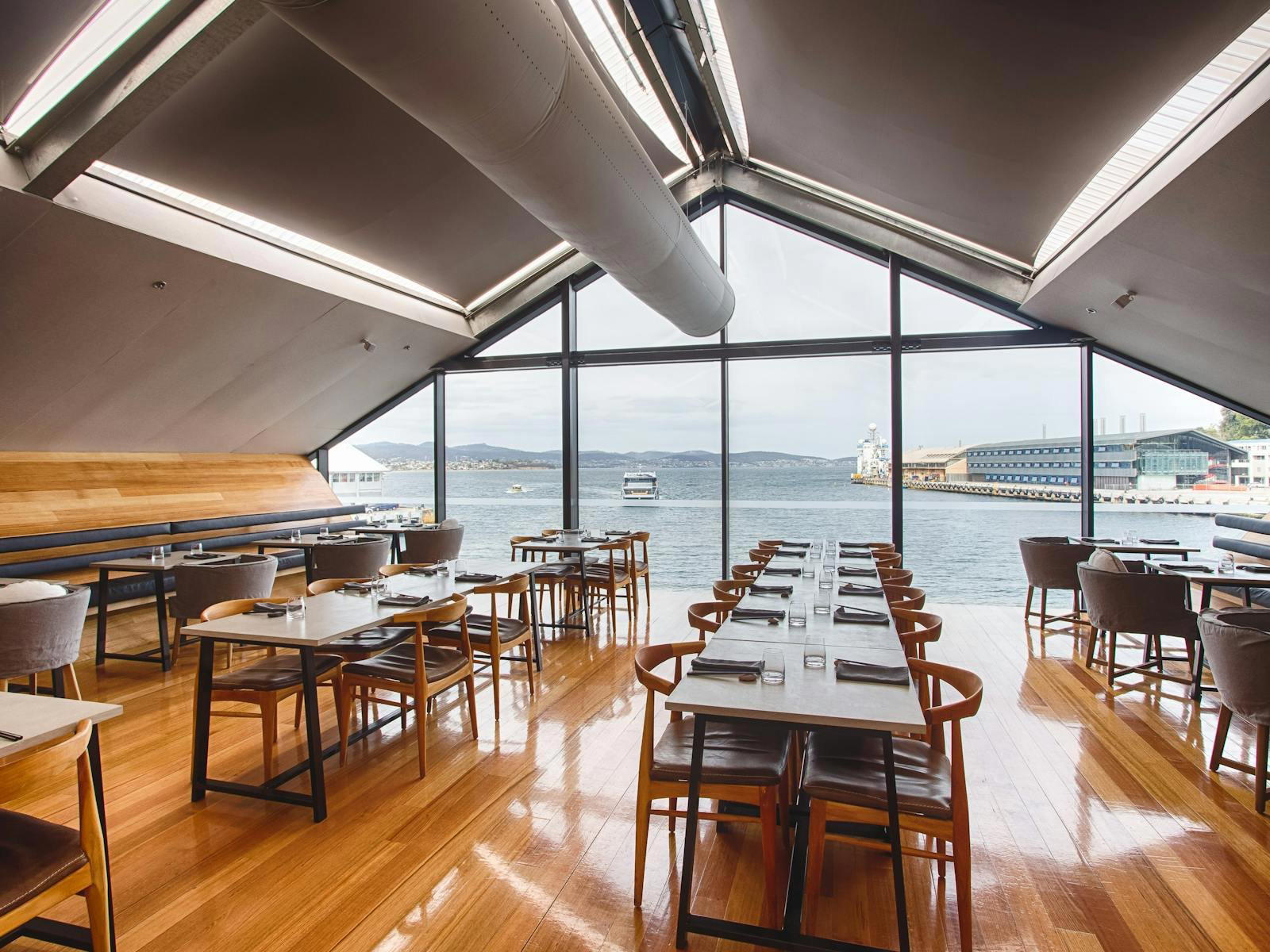
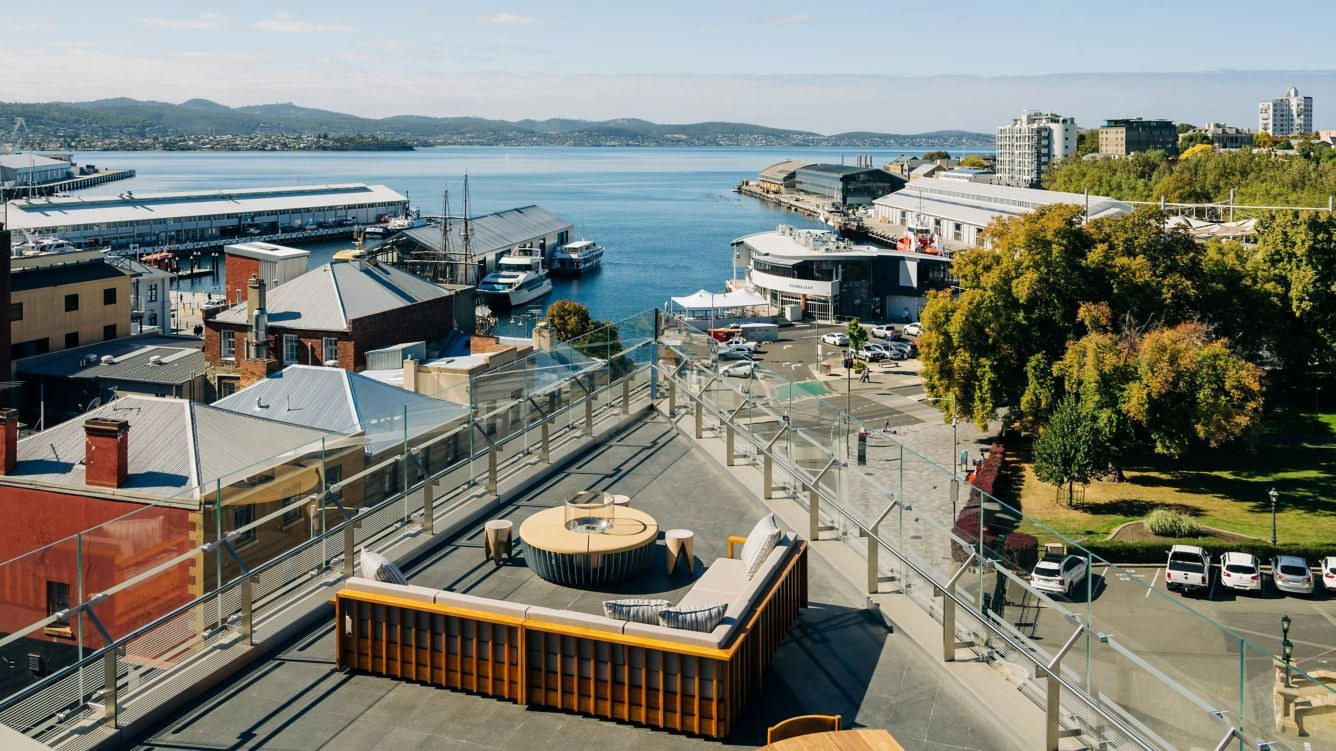
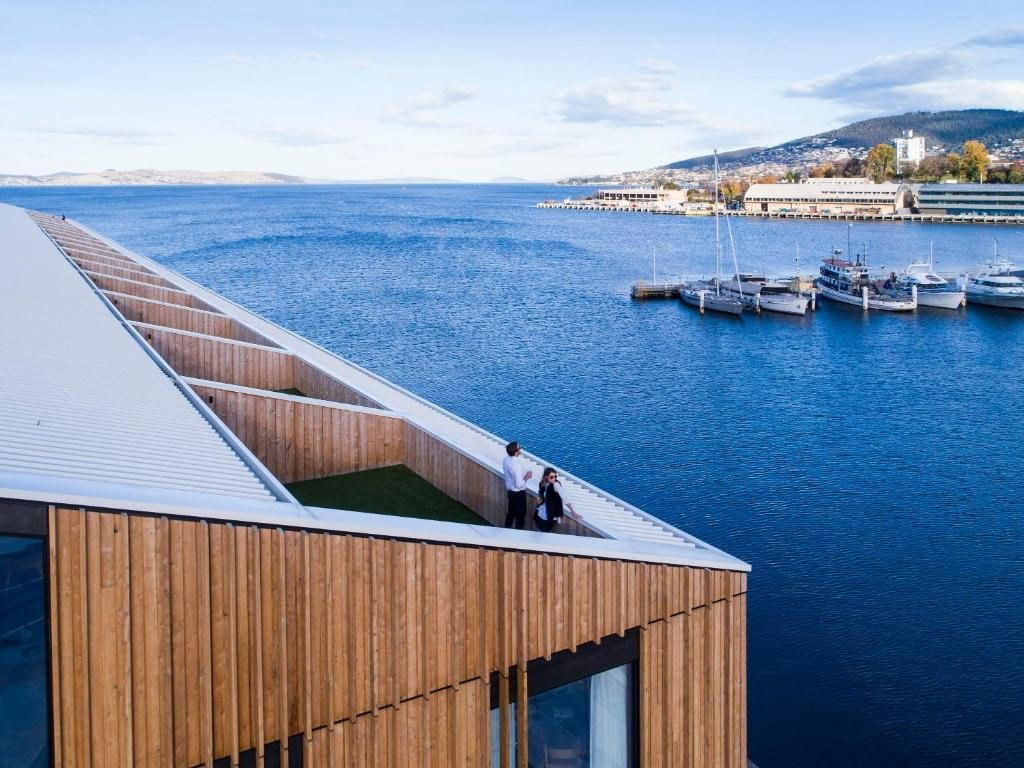
Brooke Street Pier sits at the edge of Sullivans Cove where the working harbour meets the tourist-facing waterfront, and the approach to Aloft sets expectations clearly: you are eating beside actual water, not a decorative approximation of it. The Derwent stretches out beyond the pier, fishing vessels and ferries pass at eye level, and the light off the water shifts through service in a way that most interior dining rooms cannot manufacture. In a city that has built considerable dining credibility over the past decade, the waterfront remains a competitive address, and Aloft holds its position there on the strength of what arrives on the plate rather than the view alone.
A Kitchen Built Around Tasmanian Seasons
The dominant pattern in serious Australian regional cooking over the past fifteen years has been a turn toward hyperlocal sourcing, where the supplier relationship and the season become the organising principle of a menu rather than a culinary style imported from elsewhere. In Tasmania, that logic is particularly well-grounded: the island's cooler climate, clean water systems, and established network of small producers give kitchens genuine material to work with. Christian Ryan and Glenn Byrnes have built Aloft's kitchen around exactly that premise. Regional products from the right season form the basis of what the kitchen produces, a commitment that places Aloft in the same broad sourcing tradition as properties like Agrarian Kitchen and, on the mainland, Brae in Birregurra, where the question of where an ingredient comes from is treated as inseparable from the question of what it tastes like.
This is not a modest or easily fulfilled commitment in practice. Seasonal sourcing at a restaurant on an active pier means the menu must move with genuine agricultural and oceanic rhythms rather than a fixed card revised twice a year. For the diner, it means what you eat in February will differ from what you eat in July, and both visits are oriented around what Tasmanian land and water are actually producing at that moment. That kind of kitchen discipline tends to show up in the coherence of a plate rather than in any single dramatic ingredient. It is the difference between a kitchen that talks about provenance and one that has structured itself around it.
Serious Plant-Based Cooking, Not an Afterthought
One of the more telling indicators of a kitchen's technical range is how it handles its vegetarian and vegan offer. At many restaurants, plant-based dishes are assembled from whatever the meat-focused kitchen has to spare, arriving as textural afterthoughts beside more considered omnivore plates. Aloft addresses this differently. The vegan and vegetarian menu runs as a genuine parallel program, with dishes built from ingredients that reward the format: tempura of courgette with pickled fennel and black beans, and dumplings of wood ear mushrooms and alliums. Both dishes reflect the same seasonal sourcing logic that governs the wider menu. Courgette in tempura batter requires precision on fry temperature and timing to hold its structure; fermented or pickled fennel brings acidity that functions as seasoning in the absence of animal fat. The wood ear mushroom dumplings suggest a kitchen thinking about texture and umami depth through plant-based pathways rather than defaulting to protein substitutes.
Across Australian restaurant dining, the separation between omnivore and plant-based menus at this level of seriousness is relatively recent, and it remains uneven. Restaurants like Saint Peter in Sydney have built reputations on a single-ingredient obsession (in that case, Australian seafood), while others manage breadth across dietary categories. Aloft's approach to the vegan menu suggests the kitchen is not treating dietary diversity as a liability to be managed but as a technical brief worth meeting properly.
The Brooke Street Pier Address
Location in Hobart's dining scene carries weight in a way that differs from larger Australian cities. Sydney's restaurant geography spreads across dozens of suburbs and inner-city precincts; Melbourne's density means no single address dominates. Hobart operates on a smaller, more concentrated scale, which means certain locations accumulate significance quickly. Brooke Street Pier has become one of those addresses: proximate to the Saturday Salamanca Market, close to the ferry terminal for MONA, and on the walking circuit that connects the waterfront to the CBD. For visitors, the pier is a logical centre of gravity. For locals, it is a dining precinct that has attracted operators willing to match the setting with serious food.
That concentration of culinary ambition along the Hobart waterfront reflects a broader pattern in Tasmanian hospitality over the past decade, where the state's identity as a food and wine destination has been actively built rather than inherited. If you are planning time around Hobart's restaurant scene more broadly, our full Hobart restaurants guide maps the current options across the city. For the complete picture of where to stay, drink, and explore, see also our Hobart hotels guide, our Hobart bars guide, our Hobart wineries guide, and our Hobart experiences guide.
Where Aloft Sits in the Broader Australian Dining Picture
Australian restaurant cooking at the upper regional tier has coalesced around a set of recognisable commitments: close supplier relationships, menus that move with the season, and a preference for letting primary ingredient quality carry the plate over heavy technique. Amaru in Armadale, Hentley Farm in Seppeltsfield, and Kadota in Daylesford each represent the regional end of this movement, where the local agricultural context shapes what the kitchen does rather than the kitchen imposing an external template onto local produce. Internationally, the sourcing-led model has precedents at restaurants like Le Bernardin in New York City, where ingredient provenance and quality are treated as non-negotiable starting points.
Within Tasmania specifically, the sourcing question is inseparable from what makes the island worth visiting for food. The cold-climate produce, the seafood from clean southern waters, the small-scale dairy and grain operations that have grown alongside the restaurant scene: these are not interchangeable with mainland equivalents, and kitchens that treat them as such tend to produce food that could be from anywhere. Aloft's explicit commitment to regional, seasonal product signals a kitchen that understands the difference.
Planning Your Visit
Aloft is located at Pier One, Brooke Street, Hobart, placing it directly on the waterfront within easy walking distance of the CBD and Salamanca. The pier address means it attracts both visitors moving through the waterfront precinct and locals seeking a dinner setting tied to the harbour. Given the seasonal menu orientation, it is worth checking current offerings before booking rather than arriving with fixed expectations about specific dishes. The vegan and vegetarian menu runs alongside the main program, making the kitchen accessible to mixed groups without compromise on either side. For visitors to Hobart combining dining with a wider regional itinerary, the pier location connects naturally to the ferry route to MONA and the Saturday Salamanca Market, both of which reward an early start followed by a considered lunch.
Frequently asked questions
Is Aloft child-friendly?
The venue data doesn't specify a children's policy, but Aloft's waterfront location at Pier One, Brooke Street gives the setting an openness that suits varied dining parties. The structured seasonal menu and serious plant-based offer lean toward an adult dining register, so a quiet midweek visit would be a better fit than a peak Friday service with younger children.
Is Aloft better for a quiet night or a lively one?
Brooke Street Pier is Hobart's most active dining address, which means the room can generate energy on its own terms. Aloft's focus on seasonal Tasmanian produce and a considered kitchen from Ryan and Byrnes tilts the experience toward deliberate dining rather than a rowdy night out. It functions well as a destination for a focused meal rather than a session.
What's Aloft known for in terms of accolades?
Aloft has received recognition including: The Brooke Street Pier is the place to be in Hobart and Aloft certainly is. Regional products from the right season are the basis of the kitchen that Christian Ryan and Glenn Byrnes bring. And there is also a vegan and vegetarian menu that ….
What should I eat at Aloft?
The kitchen is built around regional Tasmanian products sourced in season, so the menu shifts accordingly. The vegan and vegetarian side is worth attention regardless of dietary preference: documented dishes include tempura of courgette with pickled fennel and black beans, and dumplings of wood ear mushrooms and alliums, both of which reflect the kitchen's technical range beyond conventional protein-led plates.
At-a-Glance Comparison
Comparable venues nearby, for context on price, style, and recognition.
| Venue | Cuisine | Price | Awards | Notes |
|---|---|---|---|---|
| AloftThis venue (the venue you are viewing) | Modern Australasian Fine Dining | $100–150 | We're Smart World 2 Radishes | Not listed |
| Analiese Gregory’s anti-restaurant | Intimate seasonal fusion by Analiese Gregory | Not listed | Not listed | Hobart |
| The Glass House Hobart | Japanese-inspired Tasmanian Small Plates | Not listed | Not listed | Hobart CBD |
| Cugini Restaurant | Authentic Italian Pizza and Pasta | $20–30 | Not listed | Bellerive |
| Don Camillo Restaurant | Classic Italian Trattoria | $30–50 | Not listed | Sandy Bay |
| Templo | Italian-inspired Seasonal Tasting Menu | $100–150 | Not listed | West Hobart |
Recognition history
Dated appearances from independent guides and award organizations, with the underlying list record or original source where available.
We're Smart World 2 Radishes
We're Smart World
Continue exploring
More in Hobart
Restaurants in Hobart
All restaurants in Hobart →
Bars in Hobart
All bars in Hobart →
Details
- Modern
- Elegant
- Sophisticated
- Scenic
- Date Night
- Special Occasion
- Celebration
- Open Kitchen
- Waterfront
- Chefs Counter
- Extensive Wine List
- Sommelier Led
- Local Sourcing
- Waterfront
- Tasting Menu
- Set Menu
- Wine Pairing
- Vegetarian Friendly
- Vegan Options
- Allergy Accommodating
Current opening hours
- Monday
- Closed
- Tuesday
- 5:30–10 PM
- Wednesday
- 5:30–10 PM
- Thursday
- 5:30–10 PM
- Friday
- 5:30–10 PM
- Saturday
- 5:30–10 PM
- Sunday
- Closed
Hours can change for holidays and private events. Hours as of .
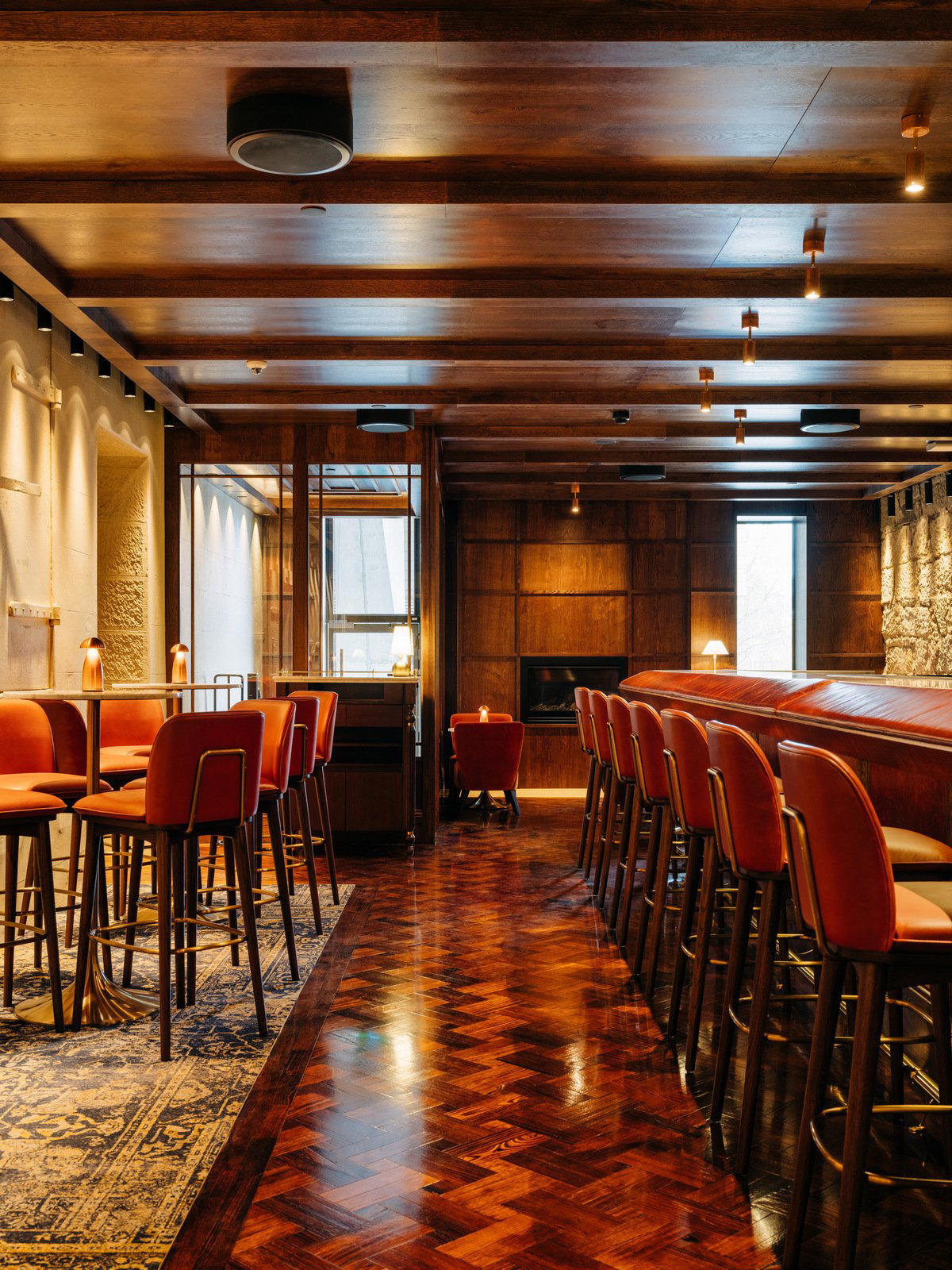
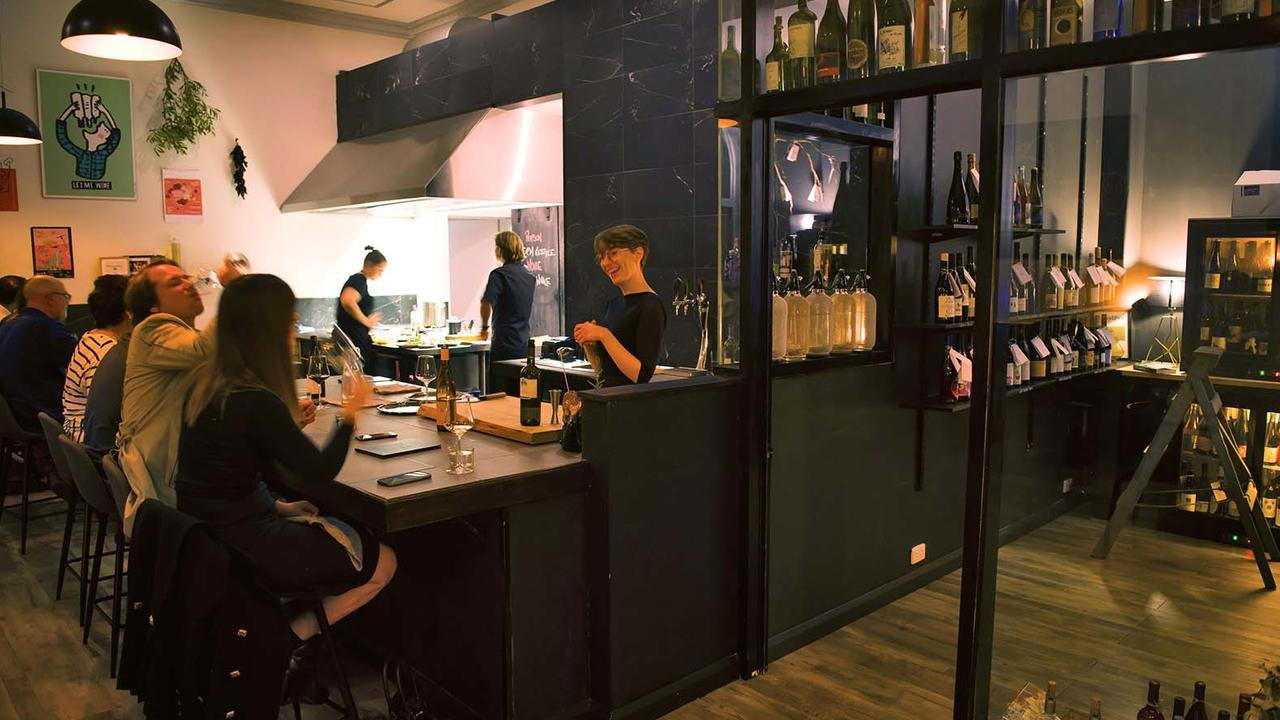
Artfully subtle lighting with a relaxed yet refined atmosphere overlooking the river and bay.