
Sullivans Cove Distillery sits at the sharper end of Australian single malt production, holding a Pearl 2 Star Prestige rating in 2025 and operating from Cambridge, just outside Hobart. Tasmania's cool climate and distinct water sources have made the island a reference point for Southern Hemisphere whisky, and Sullivans Cove remains among the producers that established that reputation internationally.
 Discover on Pearl
Pearl is the En Primeur Club membership app — saves, bookings, and concierge access live there. Same editors, same standards.
- Address
- 1/10 Lamb Pl, Cambridge TAS 7170
- Phone
- +61 3 6248 5399
- Website
- sullivanscove.com
Cambridge, Cold Air, and the Making of a Serious Whisky Region
The road out to Cambridge from Hobart's waterfront cuts through low scrub and flat agricultural land before the Derwent estuary comes back into view. It is not a dramatic approach in the way that, say, a Highland distillery drive might be, but that ordinariness is part of what makes the Tasmanian whisky story interesting. There is no invented heritage here, no tartan mythology. What exists instead is a relatively young industry that earned its credentials through the liquid itself, and Sullivans Cove Distillery, located at 1/10 Lamb Place in Cambridge, is a central chapter in that account.
Tasmania's case for single malt production rests on a convergence of practical conditions. The island sits far enough south that temperatures remain low throughout much of the year, slowing maturation and preserving delicate esters that would evaporate faster in warmer climates. Water sources are notably clean. Barley has been grown locally for generations. These are not marketing claims: they are the structural reasons why, when international whisky judges began awarding leading honours to Tasmanian expressions in the 2000s and 2010s, the results were repeatable rather than accidental. Sullivans Cove was among the first to demonstrate that repeatability at a global level, and the 2025 Pearl 2 Star Prestige rating from EP Club affirms that the distillery continues to operate in the upper tier of the category.
What the Prestige Rating Signals About Peer Position
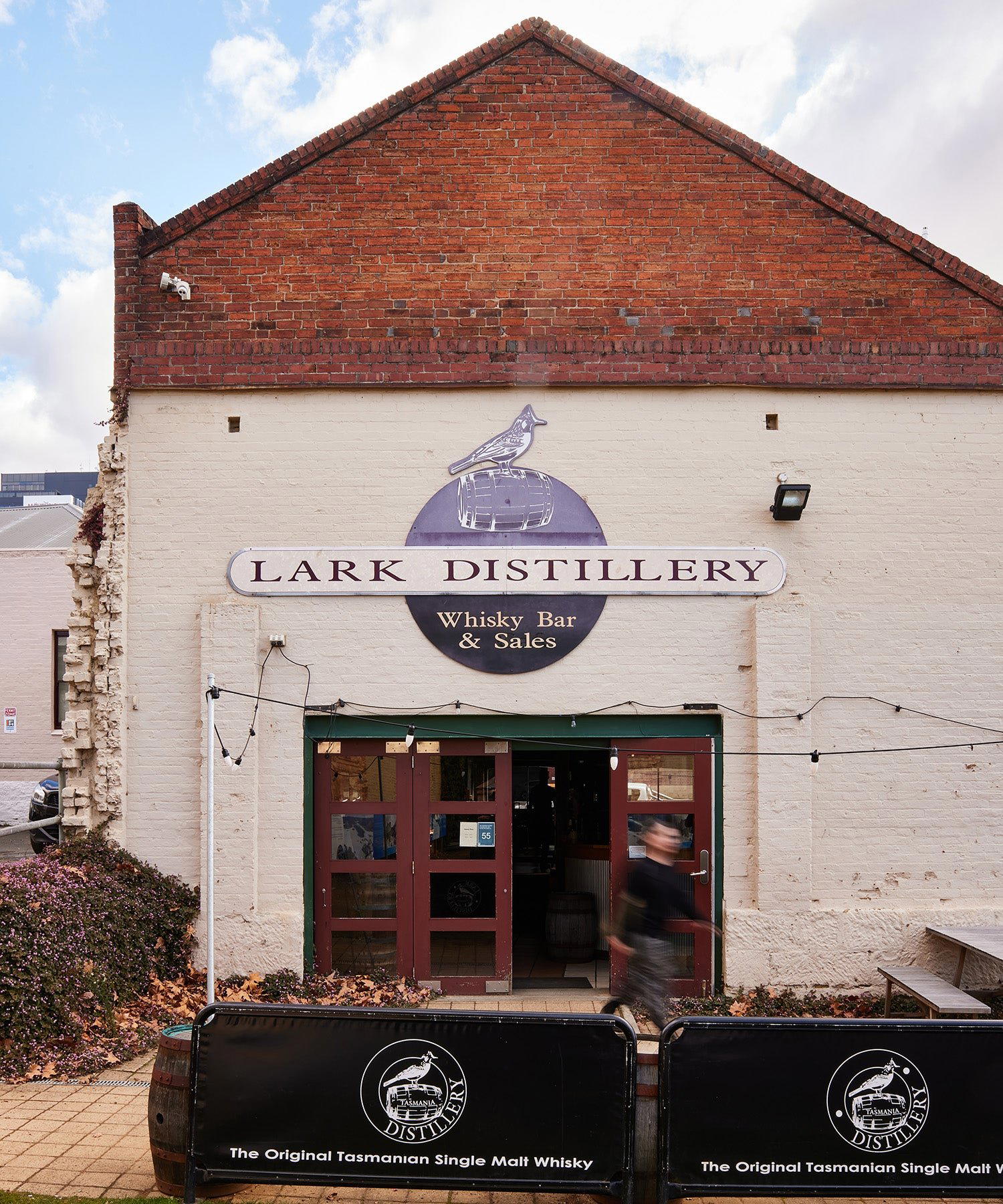
A Pearl 2 Star Prestige designation places Sullivans Cove within a narrow cohort of Australian producers recognised for sustained quality at the premium end. In the context of Australian craft distilling, where the number of operations has grown sharply since legislation eased in the early 2000s, a formal prestige-tier recognition functions as a meaningful differentiator. Not every Tasmanian distillery carries that weight. Lark Distillery and Overeem Distillery operate in the same island ecosystem and draw on comparable source materials, which means the competition among Hobart-adjacent producers is genuine rather than symbolic. In that context, consistent external validation across multiple years is the clearest signal a distillery can send about where it sits in the comparable set.
For comparison, the kind of recognition Sullivans Cove has accumulated over time is roughly analogous to what small-batch producers in established whisky regions work decades to achieve. The parallel to Scotch houses like Aberlour in Aberlour is instructive not because the styles are similar, but because both represent distilleries that built reputations through the bottle rather than through inherited prestige or large-scale marketing.
The Physical Setting and What It Tells You
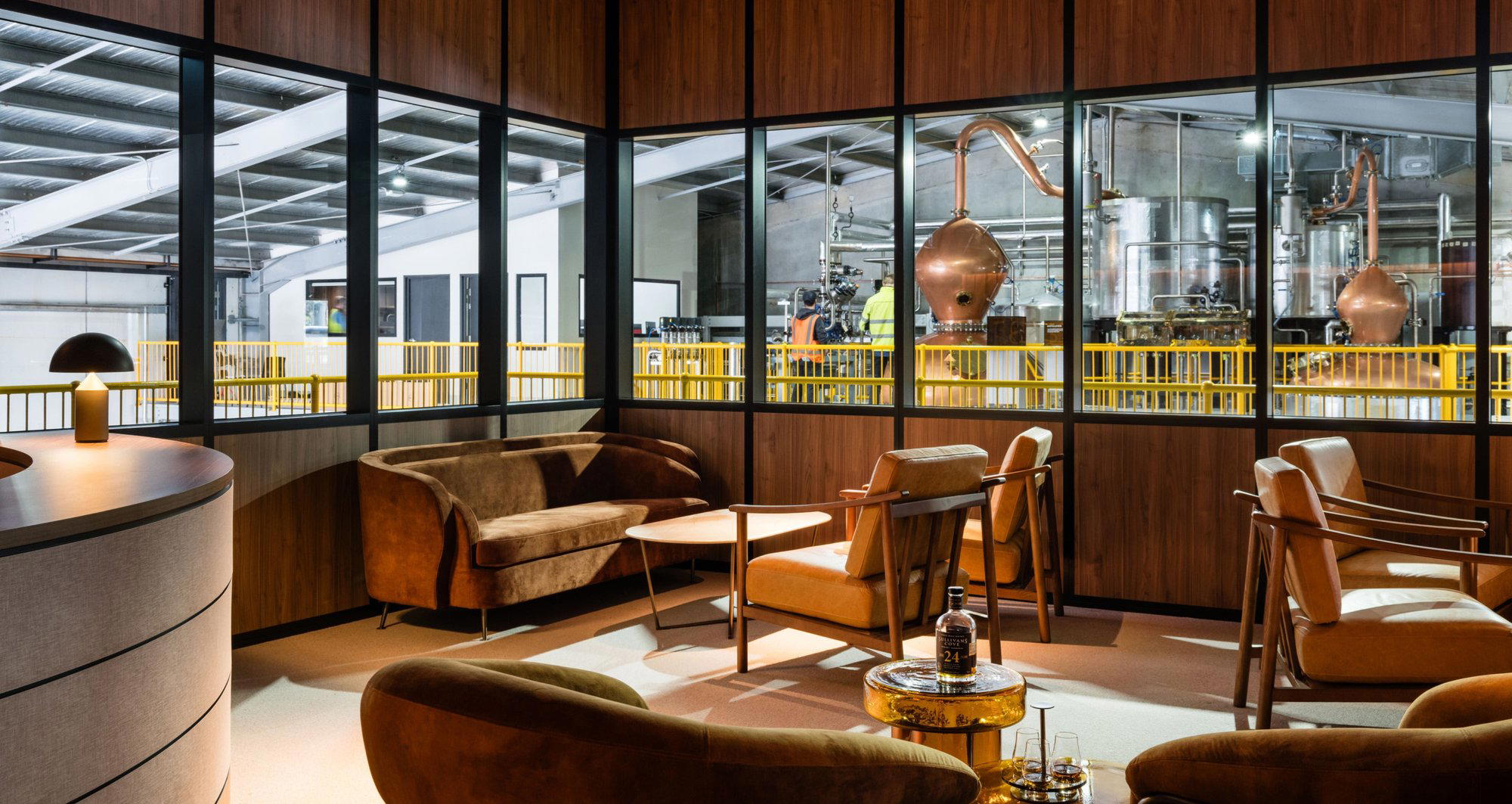
The Cambridge address places the distillery outside the tourist infrastructure of central Hobart, which has consequences for how the experience reads. This is not a heritage site packaged for casual visitors. The setting is functional and industrial in character, which, once you accept it, becomes part of the appeal. Australian craft distilling at the serious end tends not to drape itself in visitor-centre theatre. The focus is on production, and the physical environment reflects that priority.
What the location does offer is proximity to the broader Derwent Valley context. The river and its valley system have shaped agriculture and industry in southern Tasmania for two centuries, and that geography sits behind the whisky in a material sense. Water provenance, local grain supply, and the temperature patterns of a cool maritime climate are not decorative details. They are the conditions under which the spirit is made, and Cambridge sits squarely within them.
For visitors making a day of it in the Hobart region, the distillery pairs naturally with a visit to Moorilla Estate, which sits further up the Derwent on the Berriedale peninsula. The contrast is instructive: Moorilla represents the wine side of Tasmania's premium drinks story, while Sullivans Cove anchors the whisky chapter. Between the two, you get a reasonable cross-section of what southern Tasmania produces at the serious end of the drinks spectrum. For broader orientation across Hobart's food and drink scene, our full Hobart restaurants guide maps out the wider picture.
Tasmania in the Context of Australian Spirits More Broadly
The growth of Australian craft distilling over the past two decades has produced a genuinely varied national picture. On the mainland, Archie Rose Distilling Co in Sydney has built a strong urban craft identity, operating across gin, whisky, and white spirits with a different consumer positioning from the Tasmanian single malt houses. The approaches are not competing so much as occupying different parts of the same expanding category.
What distinguishes the Tasmanian producers, and Sullivans Cove specifically, is the decision to anchor the identity in single malt whisky at a time when that choice was genuinely uncertain commercially. Australian drinkers were not a reliable whisky audience when the island's distilleries were establishing themselves, and export credibility had to be built through international competition results rather than domestic brand recognition. That history gives the 2025 prestige rating additional weight: it reflects a track record rather than a recent pivot.
For those interested in how premium Australian producers have built reputations across different drink categories and regions, the range is broad. All Saints Estate in Rutherglen, Angove Family Winemakers in Renmark, Bass Phillip in Gippsland, Leading's Wines in Great Western, Bird in Hand in Adelaide Hills, Blue Pyrenees Estate in Pyrenees, Brokenwood in Hunter Valley, and Brown Brothers in King Valley each represent a regional producer that has built credibility over time in a specific category. The pattern across these cases is consistent: longevity combined with external validation is how premium reputations are built in the Australian drinks industry, and Sullivans Cove fits that template on the spirits side. For those drawn to single-estate producers in Napa, Accendo Cellars in St. Helena offers an instructive parallel from a completely different context: small-scale production, allocation-level demand, and credentials built through the bottle.
Planning a Visit
The distillery is located at 1/10 Lamb Place, Cambridge TAS 7170, a short drive from Hobart's city centre. Given the prestige-tier status and the distillery's reputation among whisky collectors, expressions sell through quickly, particularly limited releases and single-cask bottlings.
The Minimal Set
Comparable venues nearby, for context on price, style, and recognition.
| Venue | Cuisine | Price | Notes |
|---|---|---|---|
| Sullivans Cove DistilleryThis venue — the venue you are viewing | Cambridge, Tasmania | $$$ | |
| Overeem Distillery | Huntingfield, Hobart, Tasmania | $$$ | |
| Lark Distillery | Hobart Waterfront, Tasmania | $$$ | |
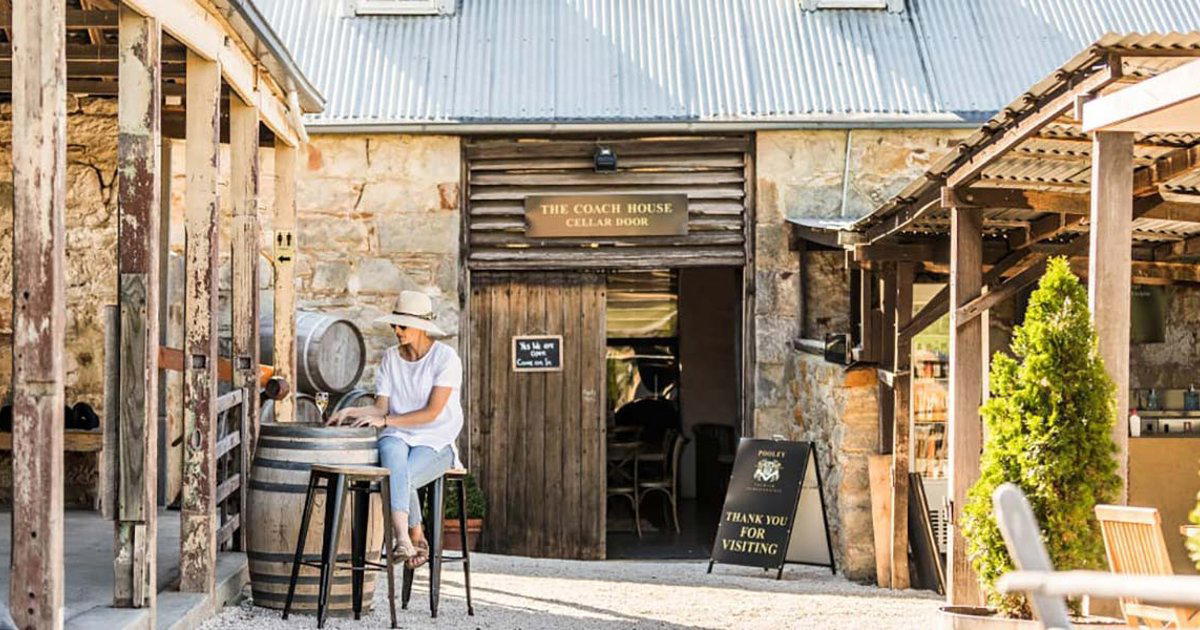
| Moorilla Estate | Berriedale, Winery | $$$ | |
| Tolpuddle Vineyard | $$$ | Coal River Valley, Chardonnay, Pinot Noir | |
| Hartshorn Distillery | Birchs Bay, Tasmania | $$$ |
Continue exploring
More in Hobart
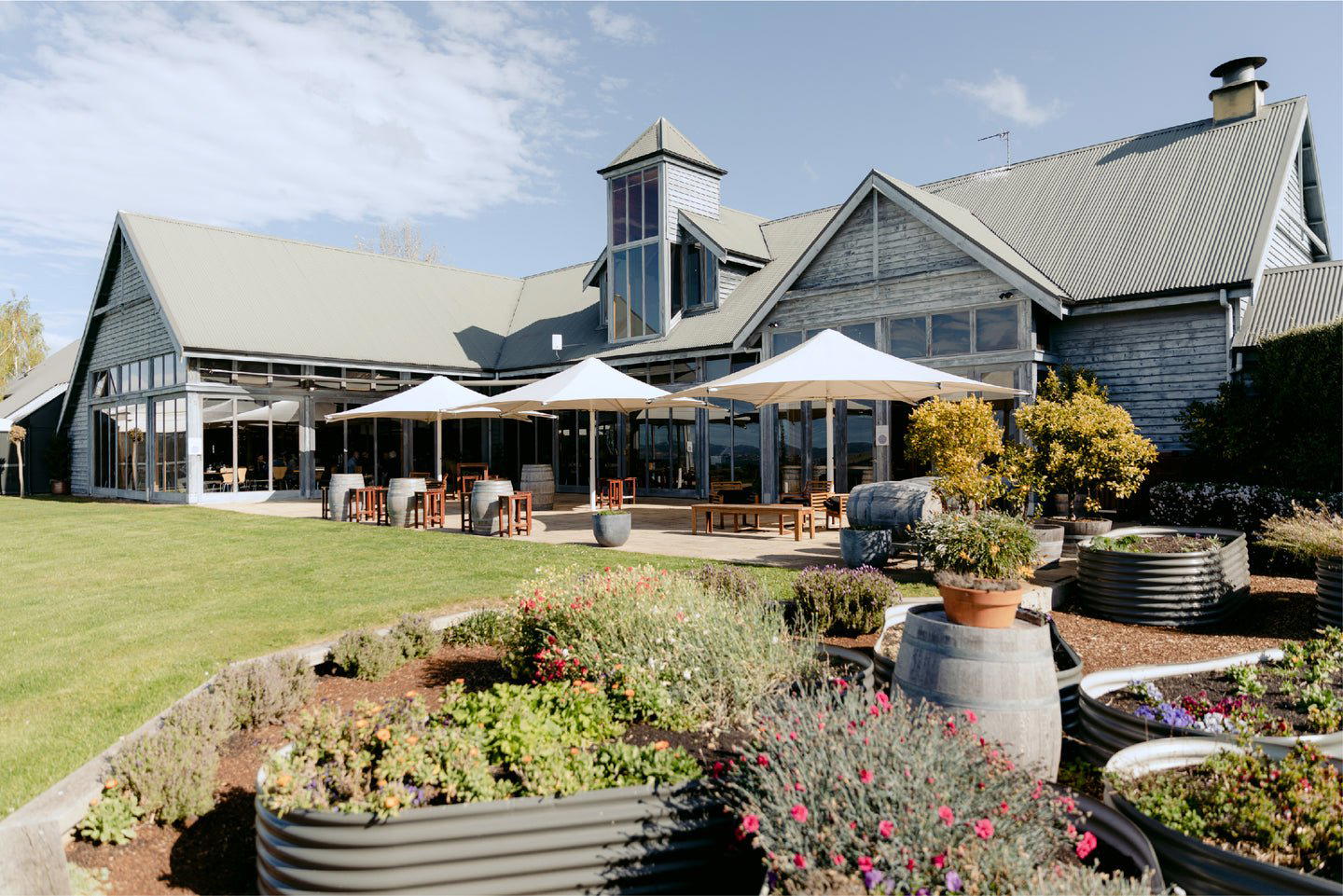
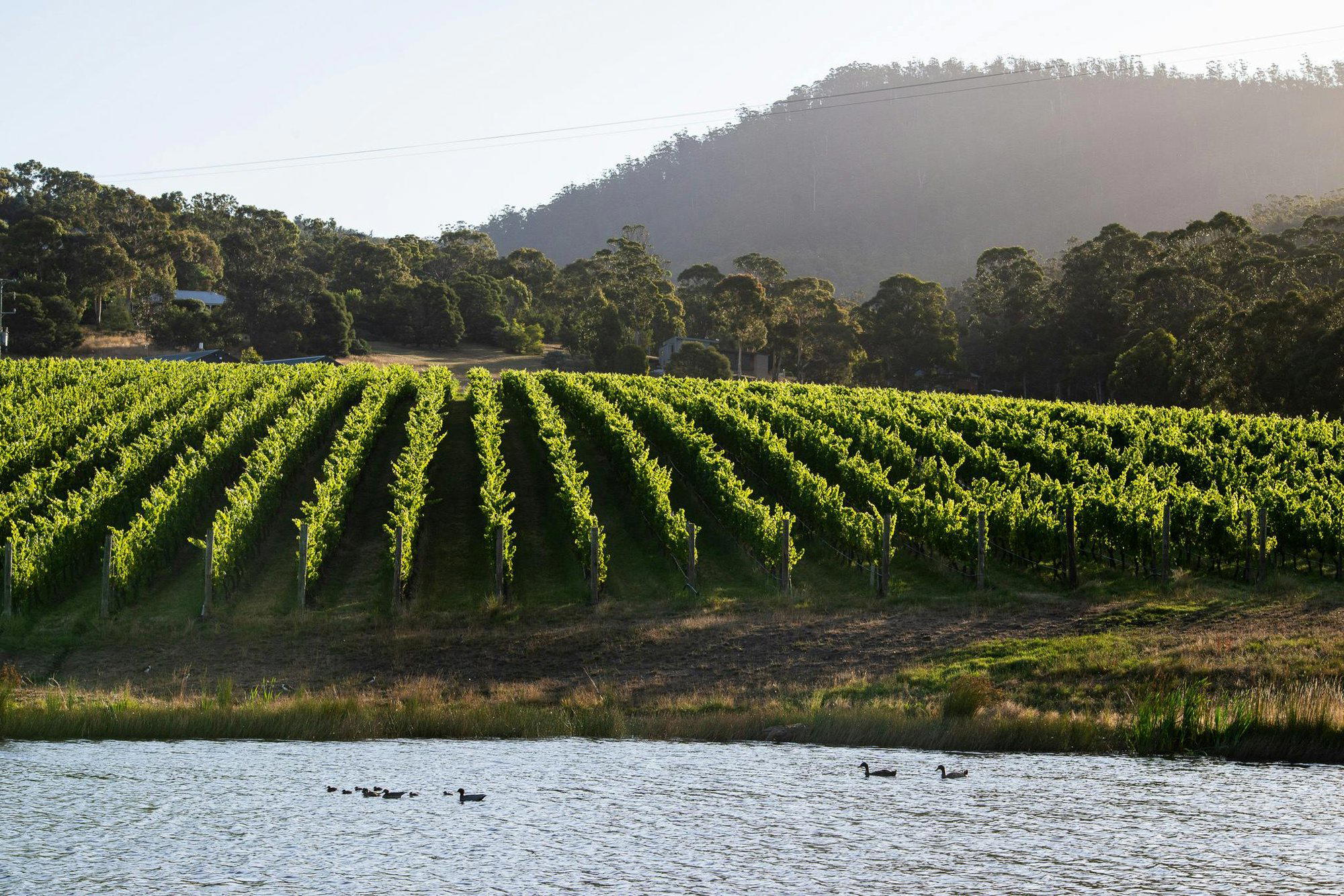
Wineries in Hobart
Browse all →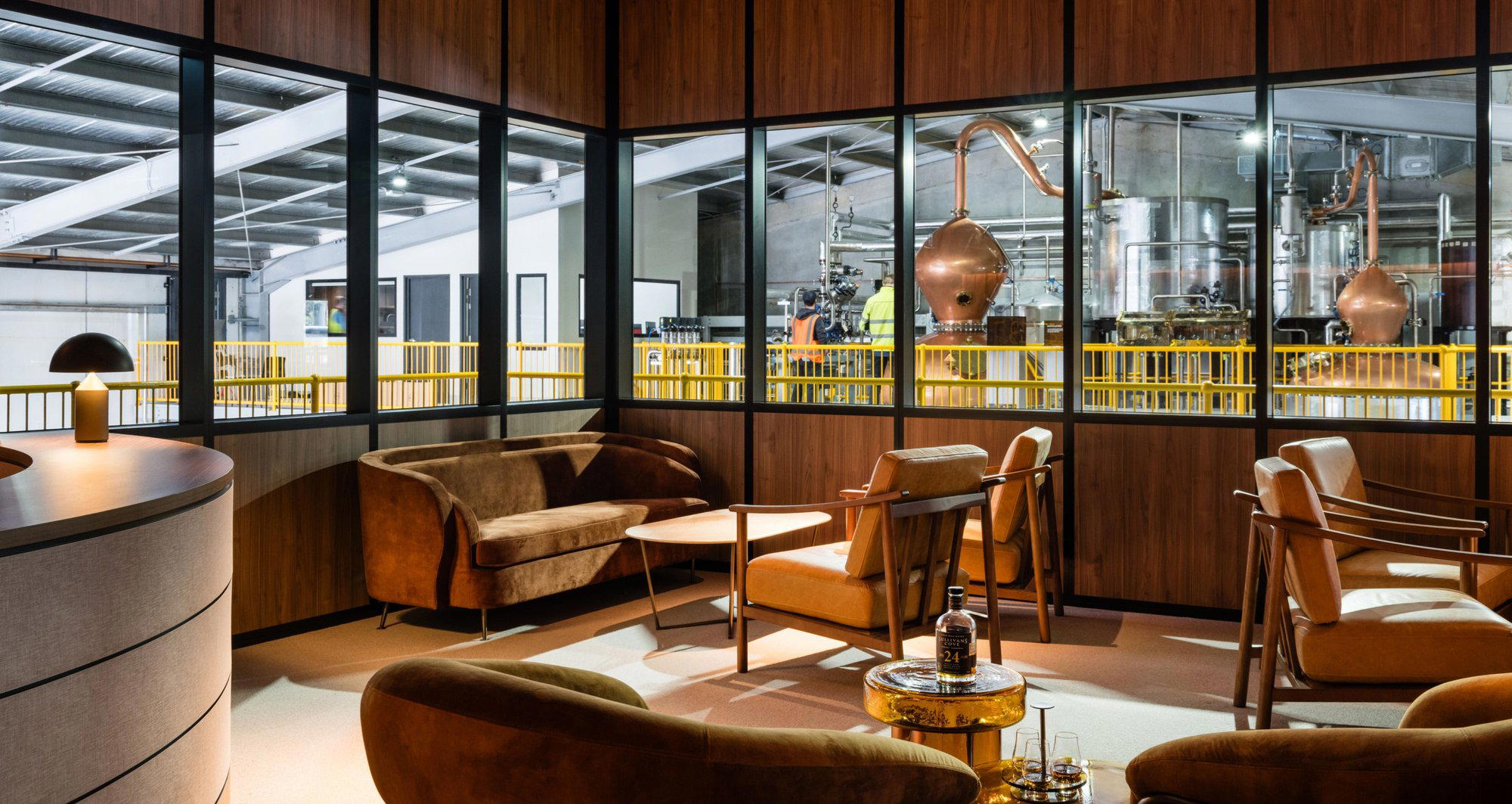
Bars in Hobart
Browse all →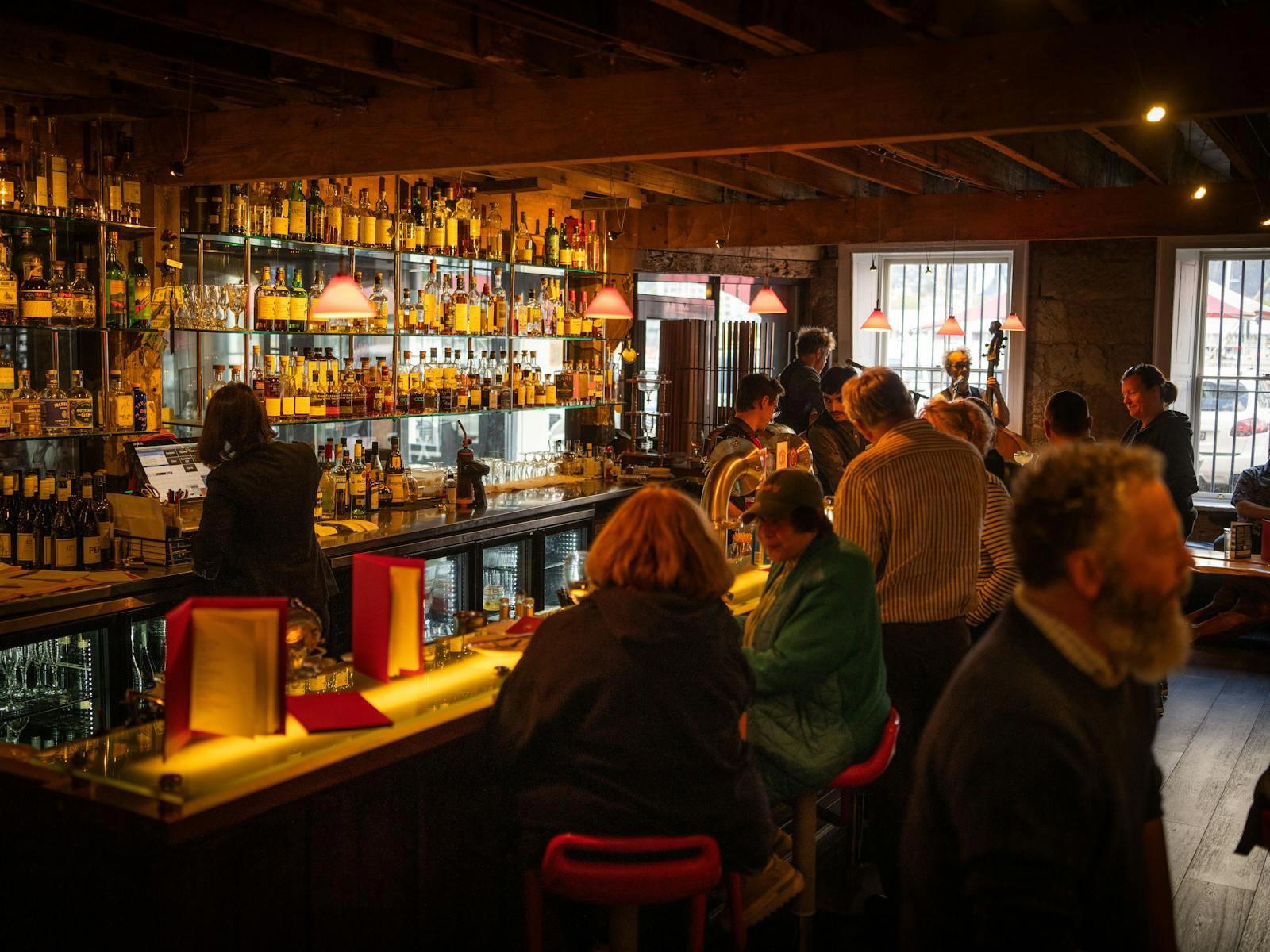
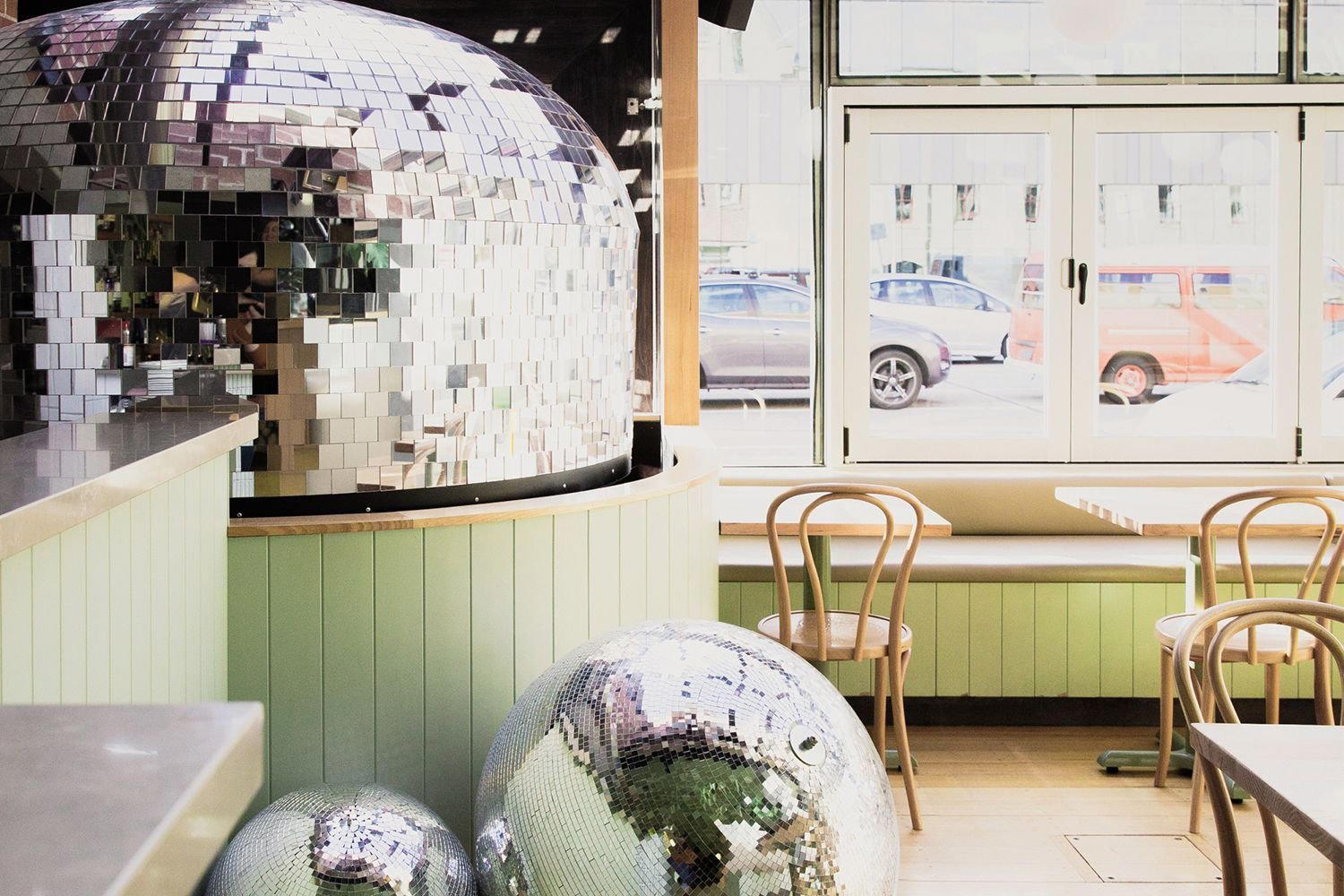
Restaurants in Hobart
Browse all →
At a Glance
- Industrial
- Classic
- Intimate
- Sophisticated
- Wine Education
- Special Occasion
- Historic Building
- Private Tasting
- Sustainable
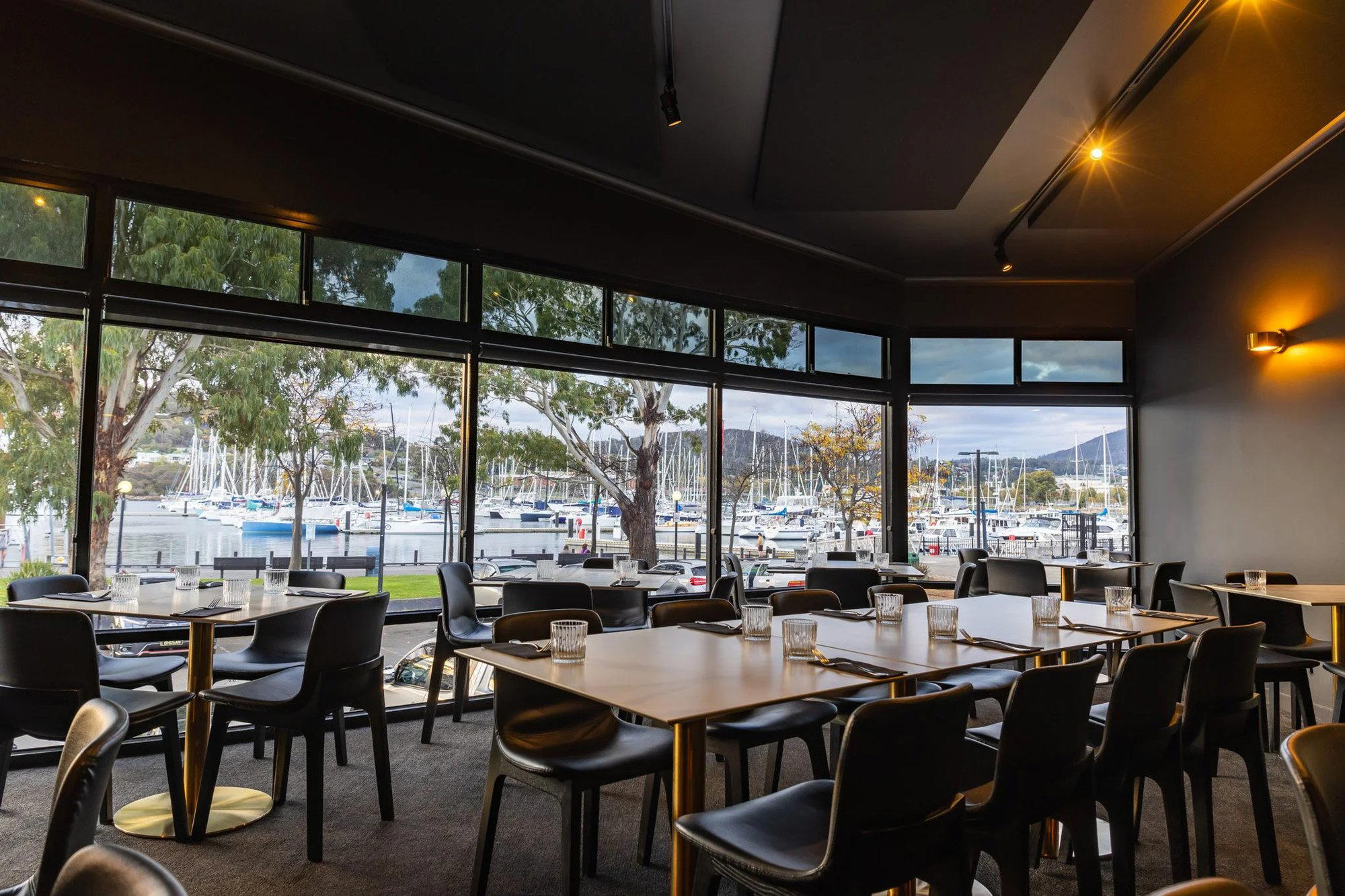
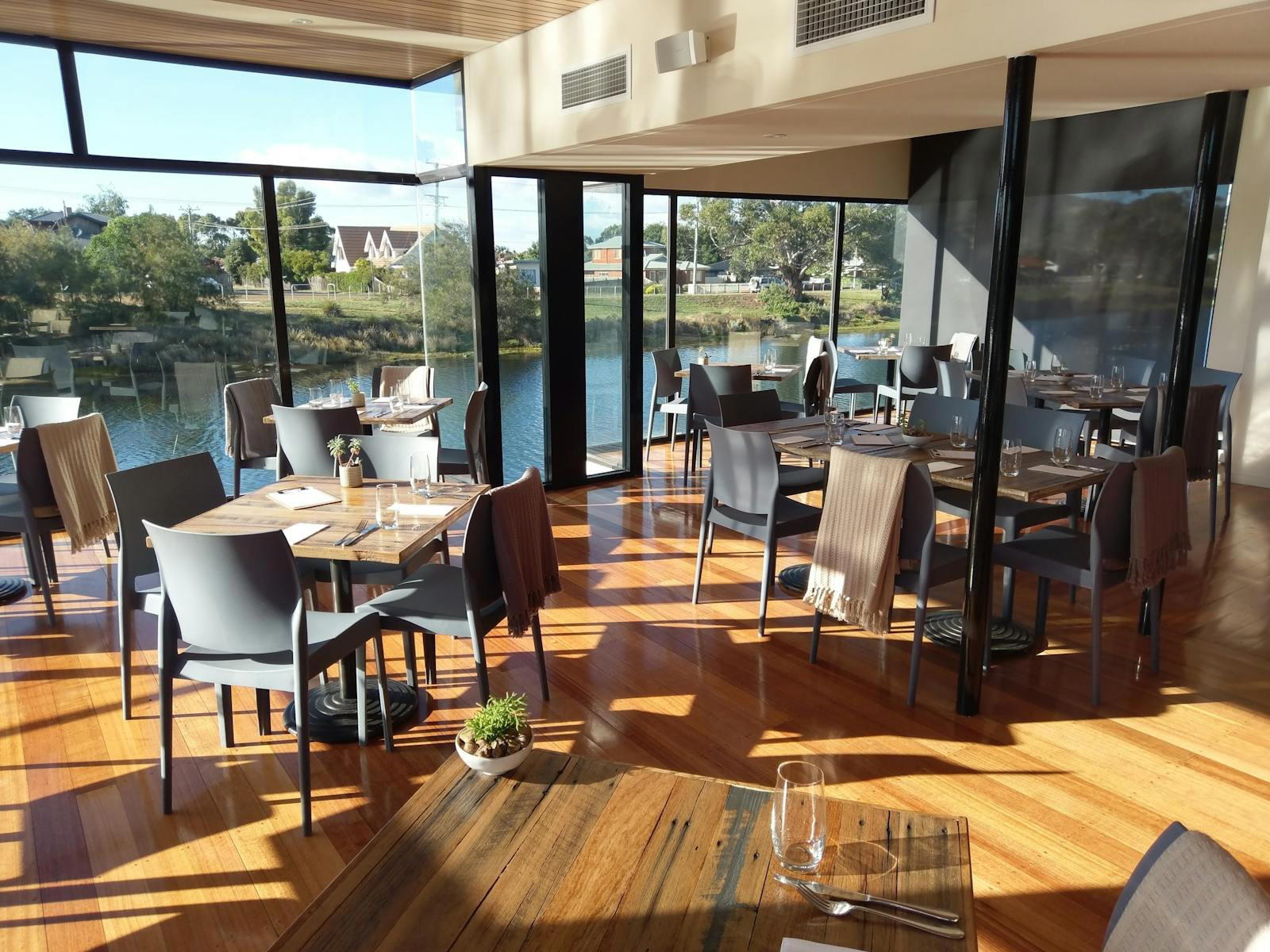
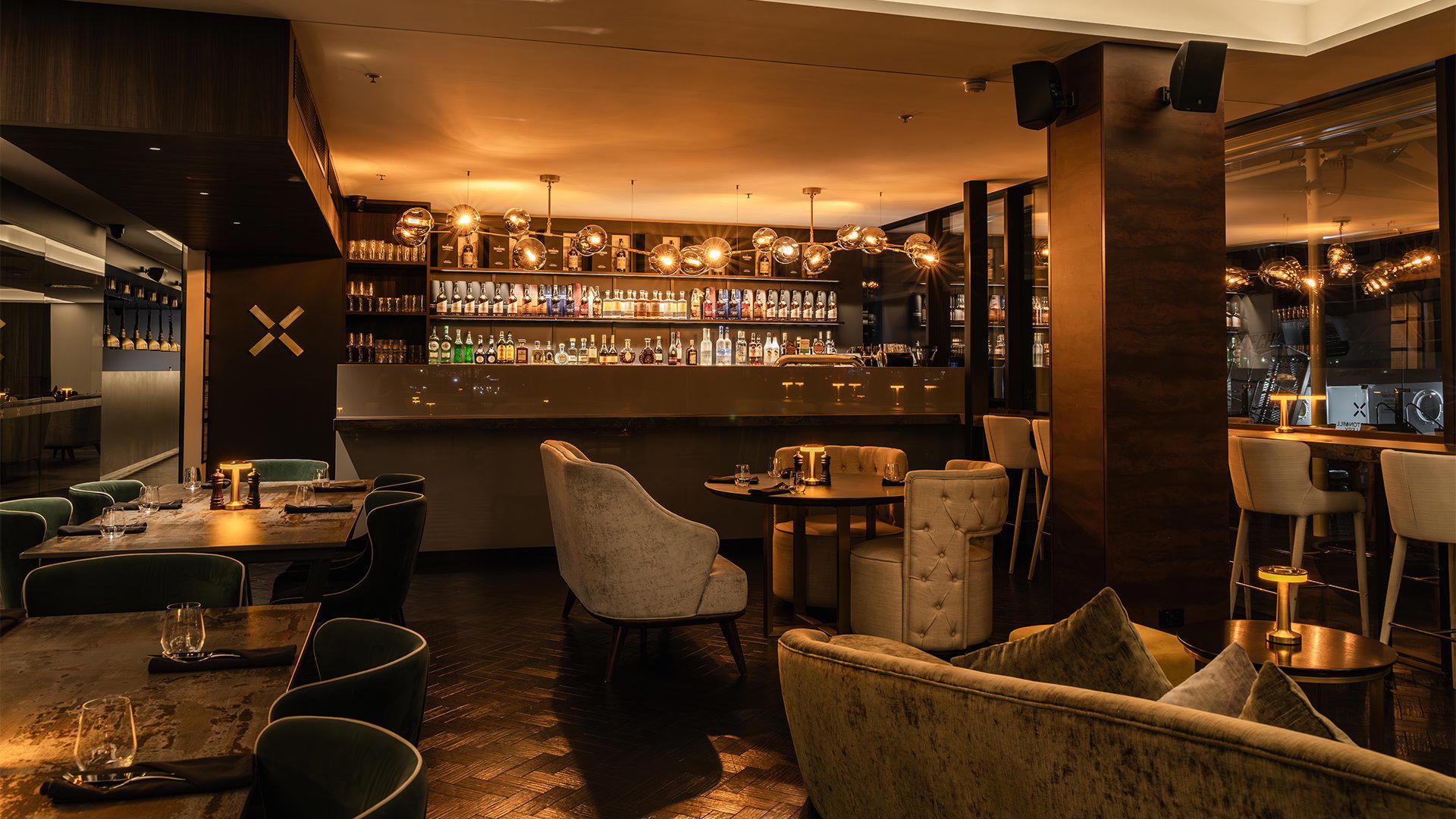
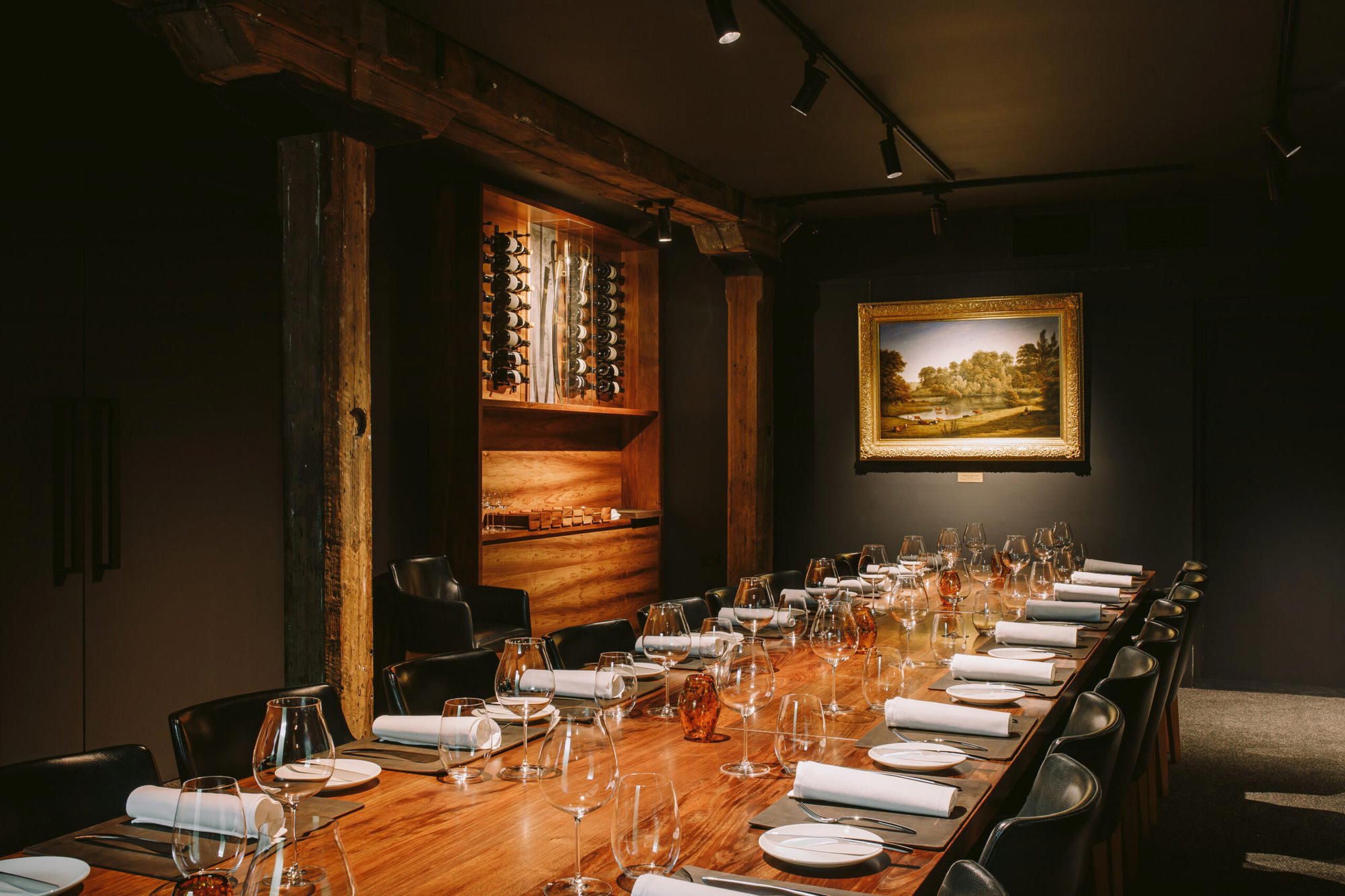
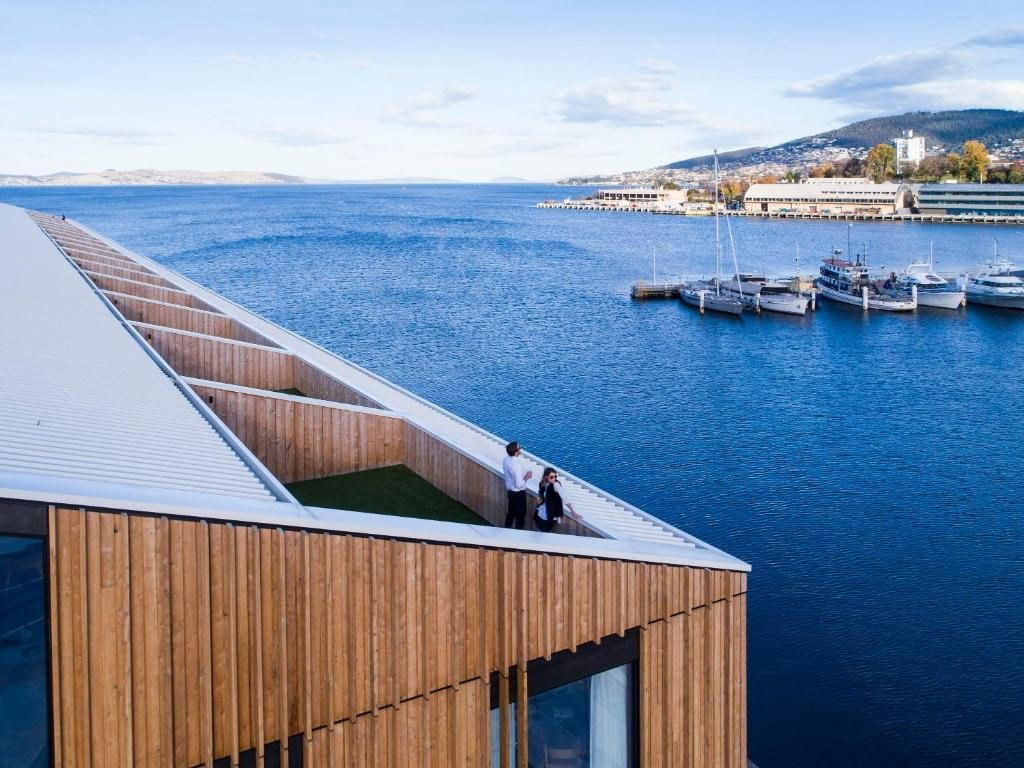
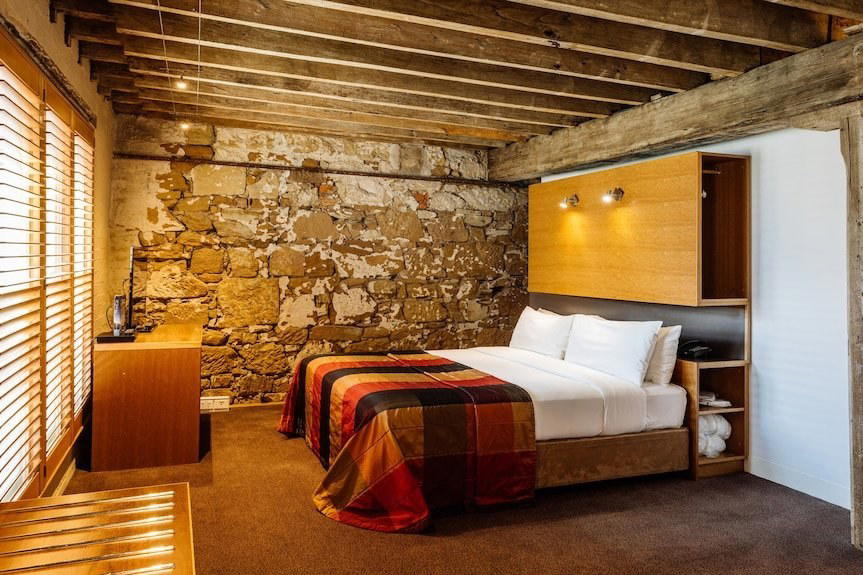
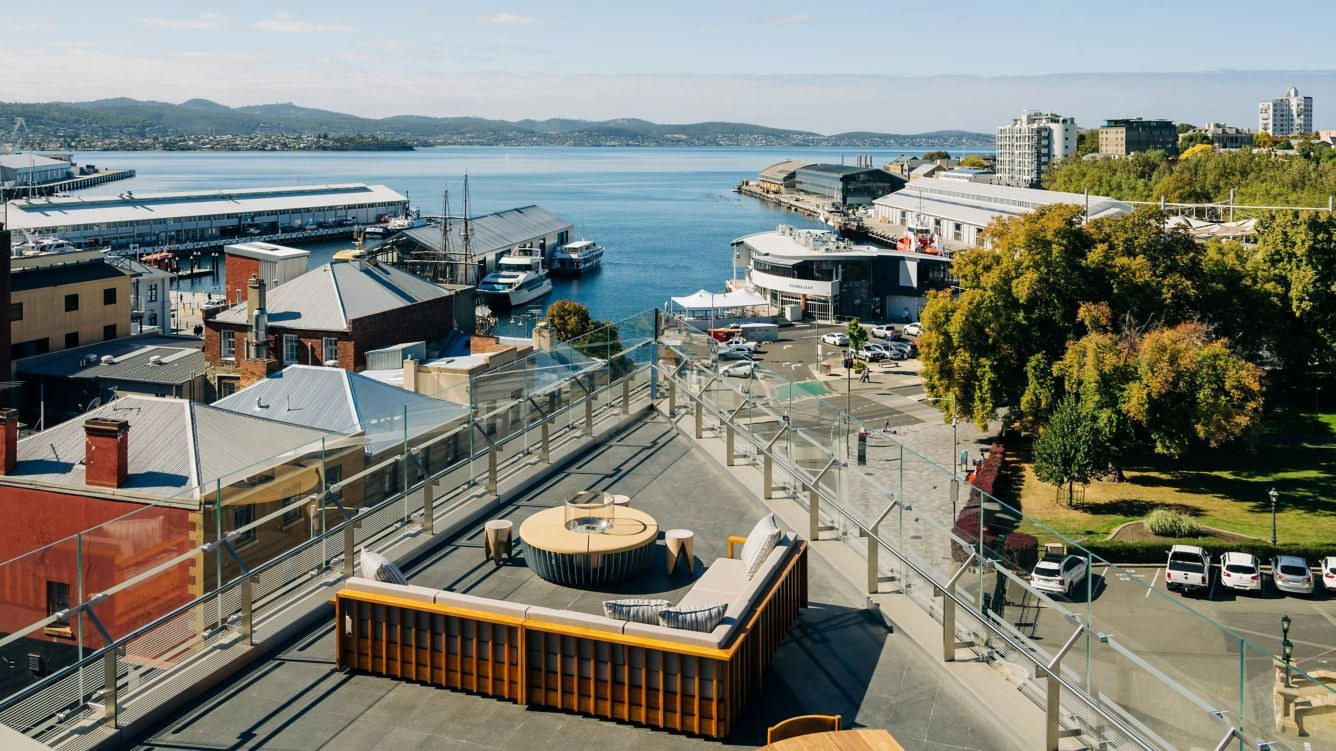
Classy and comfortable newly renovated tasting room with the fantastic aroma of oak barrels and ageing whisky.