Ti Ama occupies a measured corner of Battery Point's Castray Esplanade, where Hobart's waterfront character meets a bar programme built for deliberate drinking. The address places it within easy reach of Salamanca's busier strip, but the setting reads quieter and more considered. For those tracking Australia's serious cocktail scene beyond the mainland capitals, it warrants attention.

Pearl is the En Primeur Club membership app, where members save venues, book tables and use the concierge.
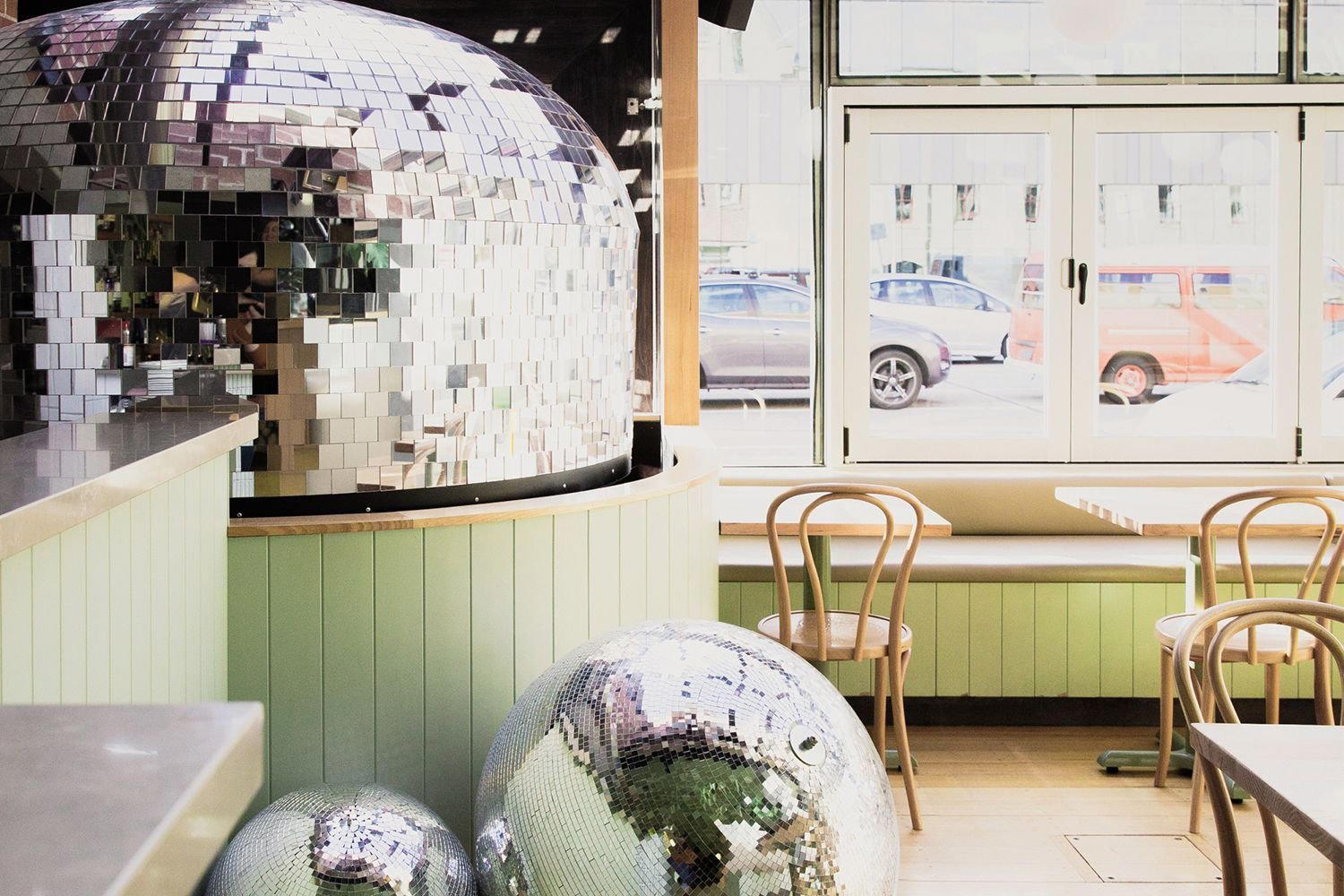
Battery Point and the Bar Beneath the Noise
Hobart's drinking culture has matured faster than most Australian cities anticipated. A decade ago, serious cocktail bars were a mainland proposition, Melbourne's 1806 and Sydney's Cantina OK! held the conversation, while Tasmania offered wine lists built around cool-climate Pinot and little else in the spirits department. That gap has closed considerably, and Battery Point is where Hobart's most considered drinking now tends to happen. The suburb sits just south of Salamanca Place, separated from the tourist circuit by a few streets of Georgian sandstone and the kind of quiet that makes a well-made drink feel intentional rather than incidental.
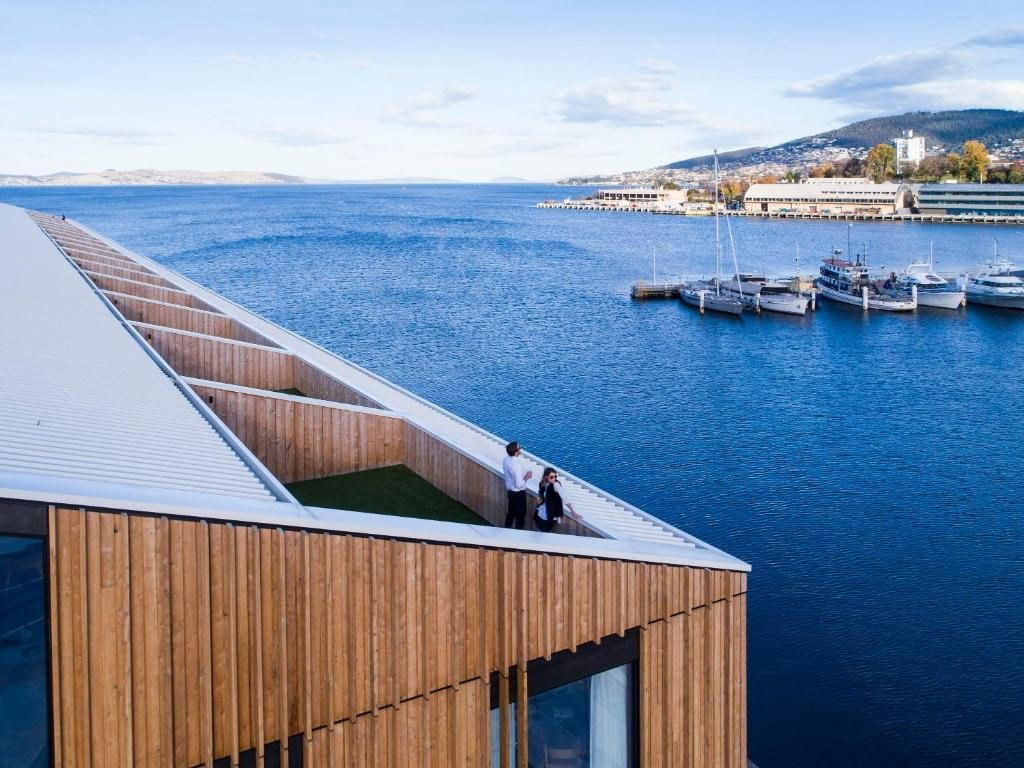
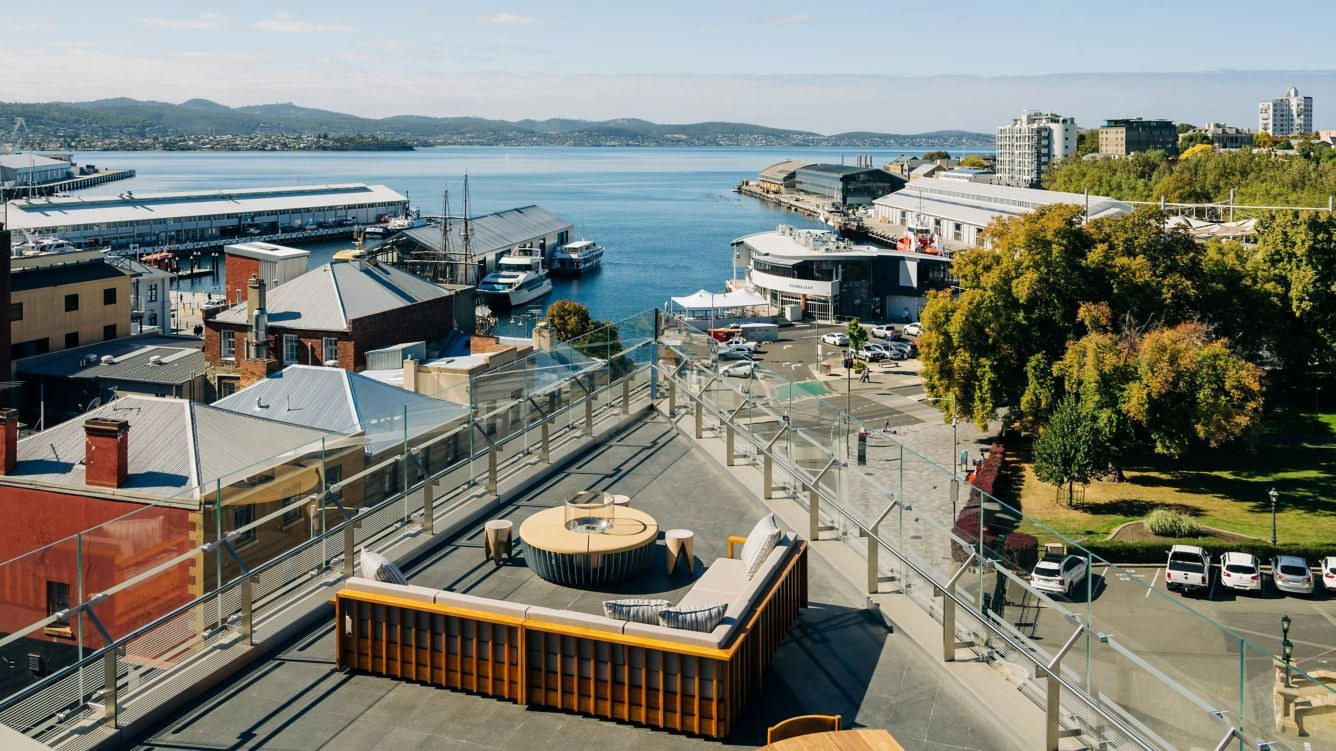
Ti Ama sits on Castray Esplanade at number 13, a position that keeps it adjacent to the waterfront without being swallowed by it. The address puts the bar in close proximity to the working harbour views that define this end of Hobart, but the atmosphere inside reads as something more interior-focused, a place where the programme matters more than the postcard outside the window. That orientation, towards craft over spectacle, places Ti Ama in a recognisable tier of Australian bar culture that has grown steadily since the early 2010s.
How the Cocktail Programme Reads Against the National Field
Australia's serious cocktail bars have largely converged on a few legible formats: the technique-forward programme built around clarification, fat-washing, and long fermentation; the spirits-led list that doubles as an education in distillation geography; and the hybrid model that uses a strong local ingredient story to anchor otherwise international technique. Brisbane's Bowery Bar and Sydney's Fratelli Paradiso each operate within variations of these models, as does La Cache à Vín in Spring Hill.
Tasmania's position in that field is distinctive. The island's produce story, stone fruit, cold-water seafood, dairy, foraged botanicals, gives a bar operating here access to ingredients that mainland programmes have to import or approximate. A cocktail programme rooted in Tasmanian sourcing is not a marketing exercise; it reflects genuine geographical advantage. The question for any bar in this position is whether it uses that advantage as a crutch or as a foundation for technique that would hold up regardless of postcode. The better programmes in cities like Perth, where Whipper Snapper Distillery has built a spirits identity around local grain, show that provenance and craft are not mutually exclusive, they compound.
Ti Ama's position on Castray Esplanade places it within a neighbourhood where the clientele skews local and returning rather than transient. That matters for a cocktail programme because it creates the conditions for a menu built around depth rather than accessibility. Bars that serve predominantly tourist trade tend towards shorter lists with wider appeal; bars with a reliable local audience can afford specificity, seasonal rotation, and the kind of house signatures that reward repeat visits. The comparison with Melbourne's Leonard's House of Love in South Yarra is instructive, neighbourhood bars with strong local followings often develop more coherent drinking identities than their higher-profile urban counterparts.
The Setting and What It Asks of You
Battery Point has the particular character of an Australian suburb that managed to avoid comprehensive redevelopment. The streetscape is human-scaled, two-storey buildings, narrow lots, the occasional corner that still reads as it might have a century ago. Castray Esplanade runs along the waterfront edge of the suburb, which means the approach to Ti Ama involves a walk past views that orient you towards the Derwent rather than towards the city's commercial centre. That physical transition is not incidental; it sets a pace that the bar's atmosphere appears to honour.
The contrast with high-floor venues like Blu Bar on 36 in The Rocks is clarifying. Elevation-dependent bars trade on panorama; ground-level bars on Hobart's waterfront trade on proximity and texture. Ti Ama belongs to the latter category, where the relationship to the surrounding neighbourhood is horizontal rather than theatrical. That format suits the kind of drinking that happens over conversation rather than in service of a view.
Tasmania's Bar Scene in Broader Context
Hobart's emergence as a serious drinking city follows a recognisable pattern: a sustained food scene creates the clientele and the critical culture that supports serious bars. The city's restaurant scene, built around produce-led cooking and a strong wine culture anchored by Tasmania's cool-climate regions, trained a local audience to pay attention to what's in the glass. That foundation matters. Cities with strong dining cultures consistently produce more coherent bar programmes because the audience already understands the value of restraint, sourcing, and technique.
The international comparison holds too. Programmes like Bar Leather Apron in Honolulu demonstrate that serious cocktail culture can take root in destinations that might not appear, from the outside, to be natural homes for it. What those bars share with Ti Ama's Battery Point position is a context that rewards specificity over volume, and a clientele that arrives with purpose. See Lucky Chan's in Northbridge for another example of how a strong neighbourhood identity can anchor a drinks programme that outpunches its postcode.
For the broader picture of what Hobart and Battery Point offer across restaurants and bars, the EP Club Battery Point guide covers the area's full range, with particular depth on the dining context that surrounds the bar scene.
Planning Your Visit
Ti Ama's address at 13 Castray Esplanade puts it at the waterfront edge of Battery Point, walkable from the Salamanca Place precinct in under ten minutes and accessible from central Hobart without requiring a taxi. The neighbourhood's compact geography means it pairs naturally with dinner elsewhere in Battery Point or Salamanca before or after, the area's dining density supports an evening structured around multiple stops. Given the bar's local-facing character, weeknights tend to offer a quieter register than weekend evenings, when the Salamanca area draws a broader crowd. Specific hours and booking requirements should be confirmed directly with the venue before visiting, as operational details were not available at time of writing.
Comparison Snapshot
Comparable venues nearby, for context on price, style, and recognition.
| Venue | Cuisine | Price | Notes |
|---|---|---|---|
| Ti AmaThis venue (the venue you are viewing) | lounge | Not listed | Not listed |
| Mirrorball Ministries | lounge | Not listed | West End |
| Big Easy | cocktail_bar | $20–30 | South Fremantle |
| Bar Bridge | cocktail_bar | $20–30 | Sydney CBD |
| Stan’s Lounge | lounge | Not listed | Howard Smith Wharves |
Continue exploring
More in Hobart
Bars in Hobart
All bars in Hobart →
Restaurants in Hobart
All restaurants in Hobart →
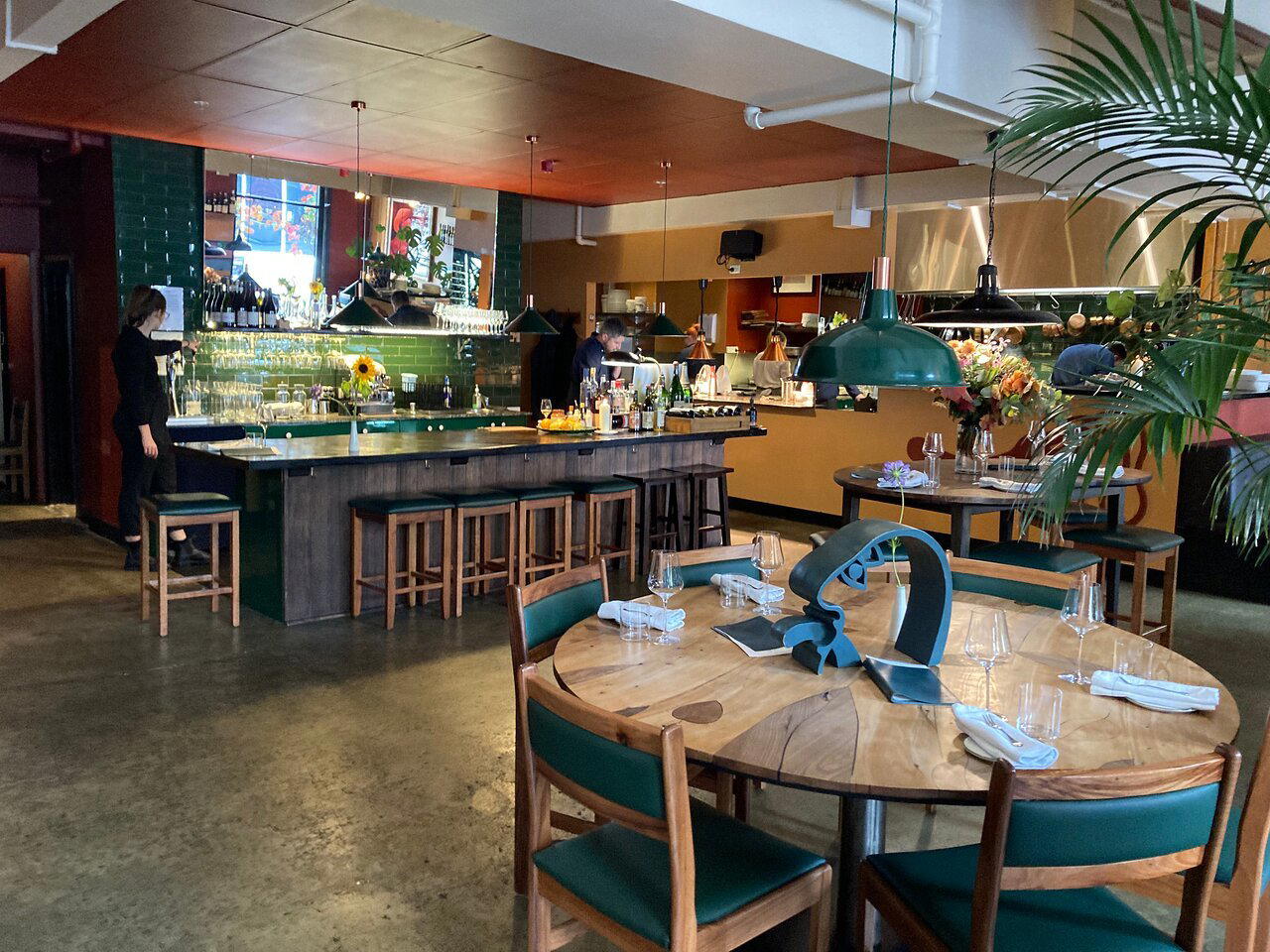
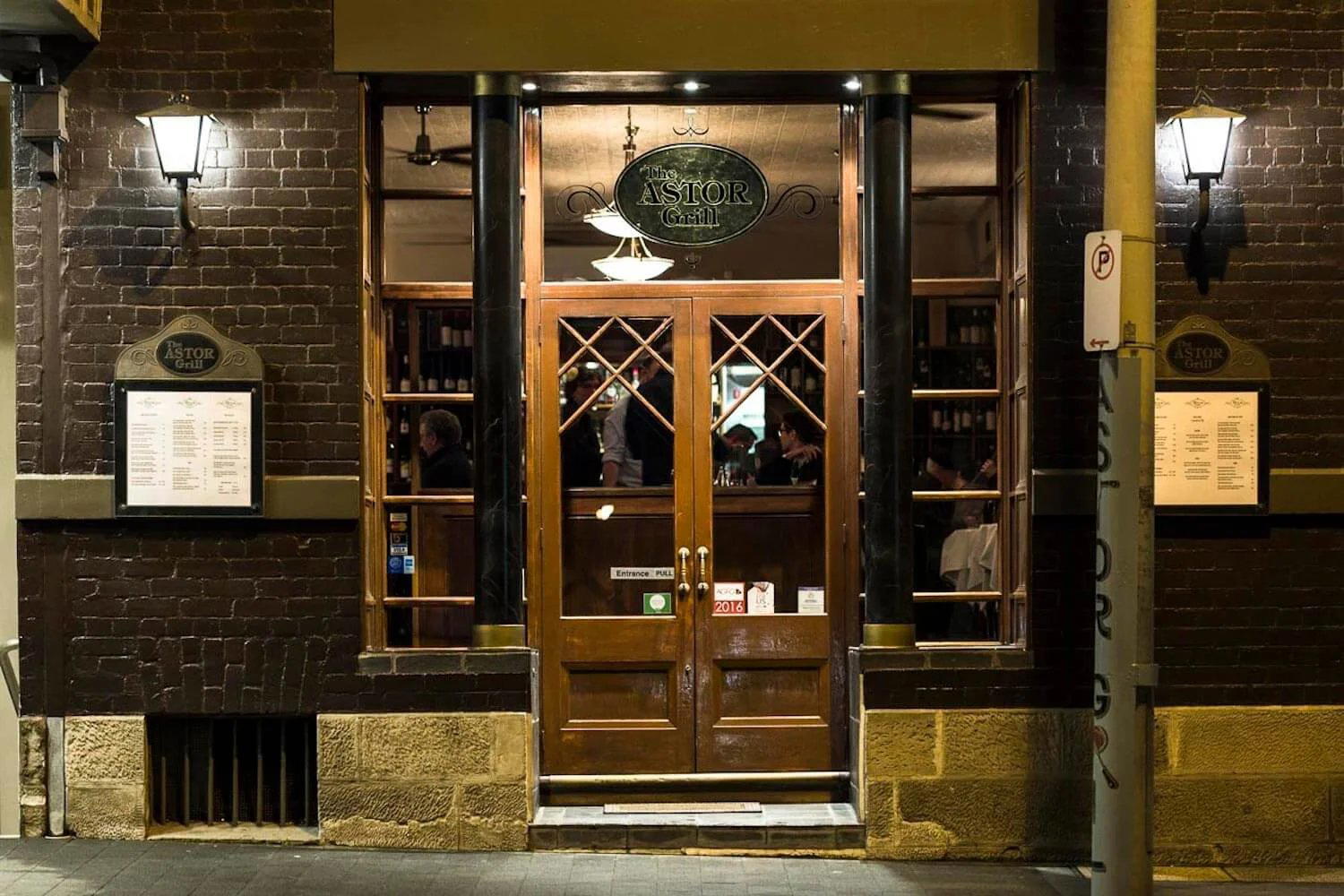
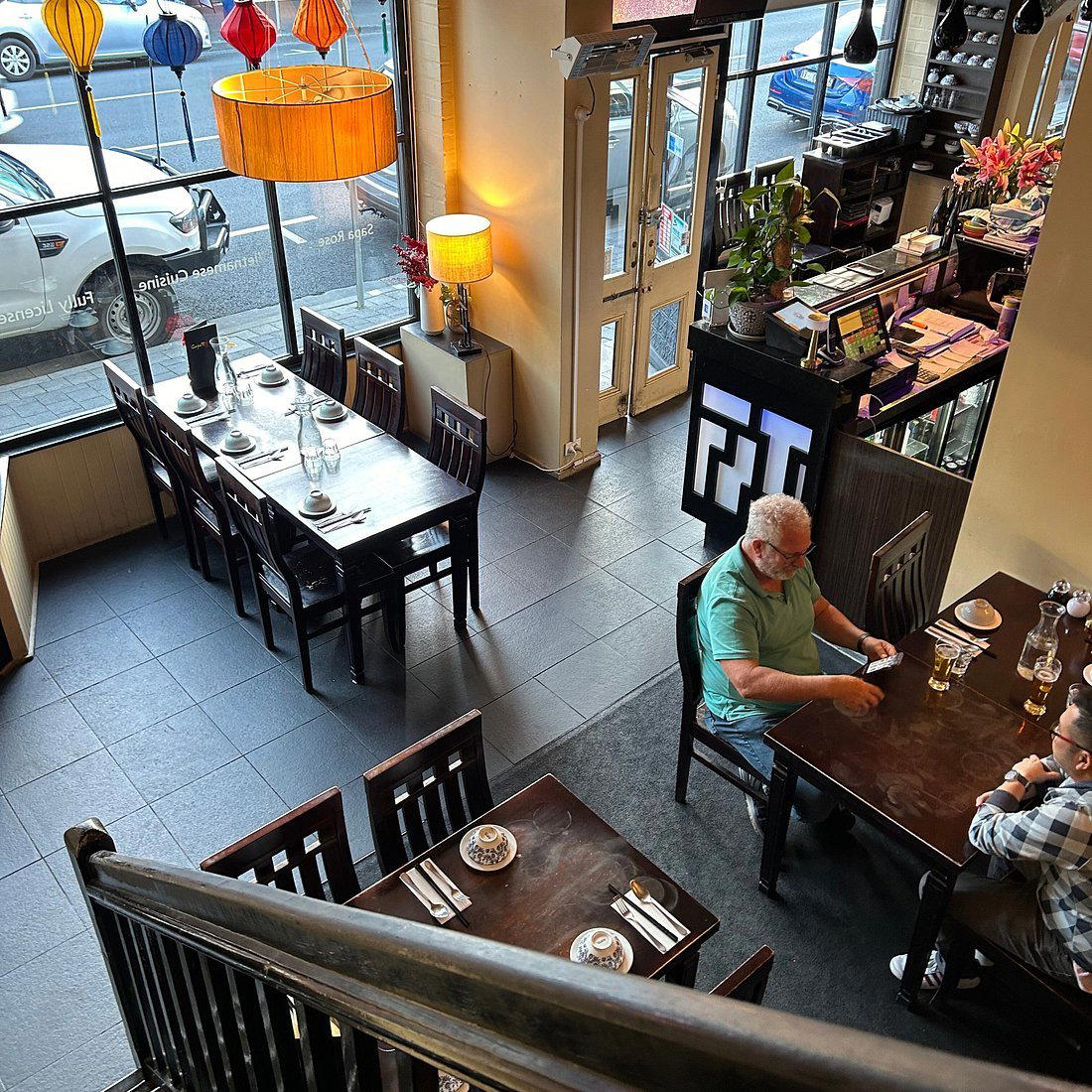
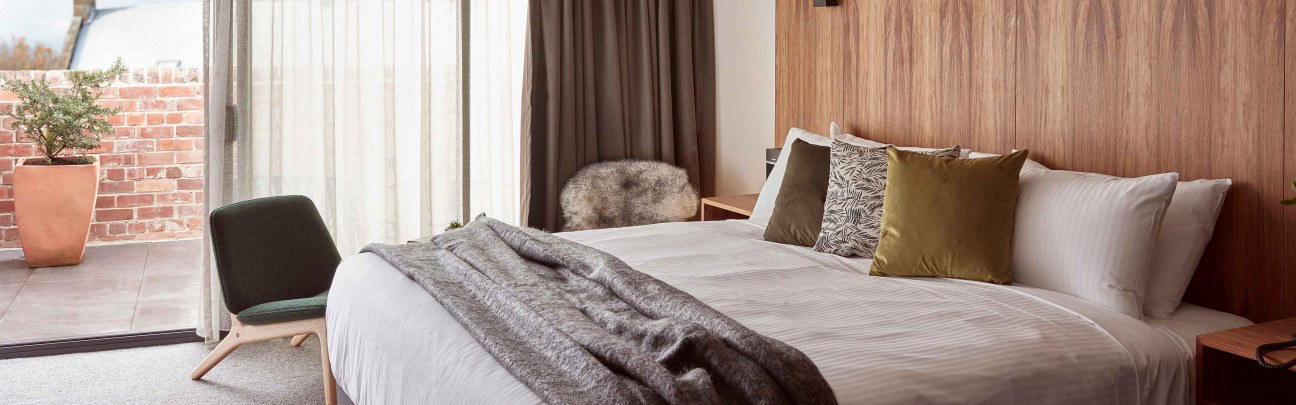
Ti Ama
The drinks
- Craft cocktails
- Craft beer
Signature drinks: Watermelon Spritz, Aperol Spritz, Malibu Barbie, Calippo Dream, Negroni.
Details
- Trendy
- Lively
- Modern
- Whimsical
- After Work
- Group Outing
- Casual Hangout
- Design Destination
- Standalone
- Seated Bar
- Lounge Seating
- Craft Cocktails
- Conventional Wine
- Craft Beer
- Low Abv
Current opening hours
- Monday
- Closed
- Tuesday
- 5:30–8:30 PM
- Wednesday
- 5:30–8:30 PM
- Thursday
- 5:30–8:30 PM
- Friday
- 5:30–9 PM
- Saturday
- 5:30–9 PM
- Sunday
- 5:30–8:30 PM
Hours can change for holidays and private events. Hours as of .
Lively and playful with trendy decor; music can be loud for some patrons.