



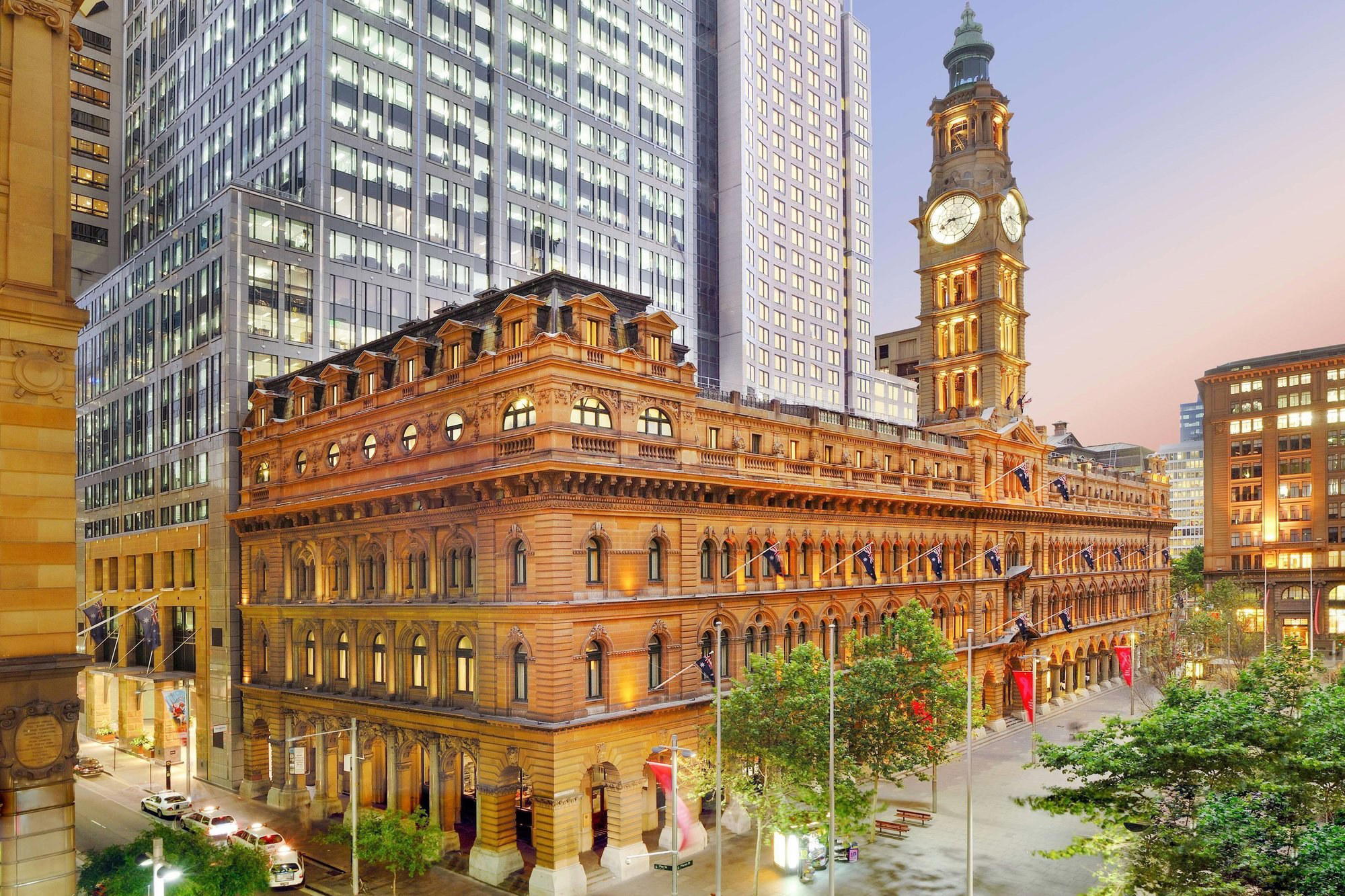
Housed in Sydney's City Mutual Building, Rockpool at 66 Hunter Street is one of Australia's most decorated fine dining addresses. Under Executive Chef Santiago Aristizábal, the kitchen centres on self dry-aged beef grilled over ironbark charcoal, alongside seafood and produce-led sides. Its World's 50 Best rankings, as high as #4 in 2002, place it in rare company on the Australian dining scene.
Pearl is the En Primeur Club membership app — saves, bookings, and concierge access live there. Same editors, same standards.
- Address
- 66 Hunter St, Sydney NSW 2000, Australia
- Phone
- +61 2 8099 7077
- Website
- rockpoolbarandgrill.com.au
- Directions
- Get directions
 Saves & bookings on Pearl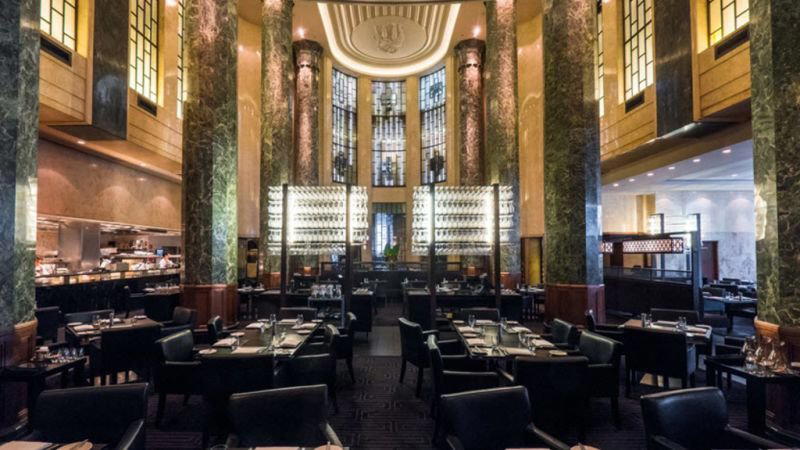
A Room That Sets the Stakes Before the Menu Arrives
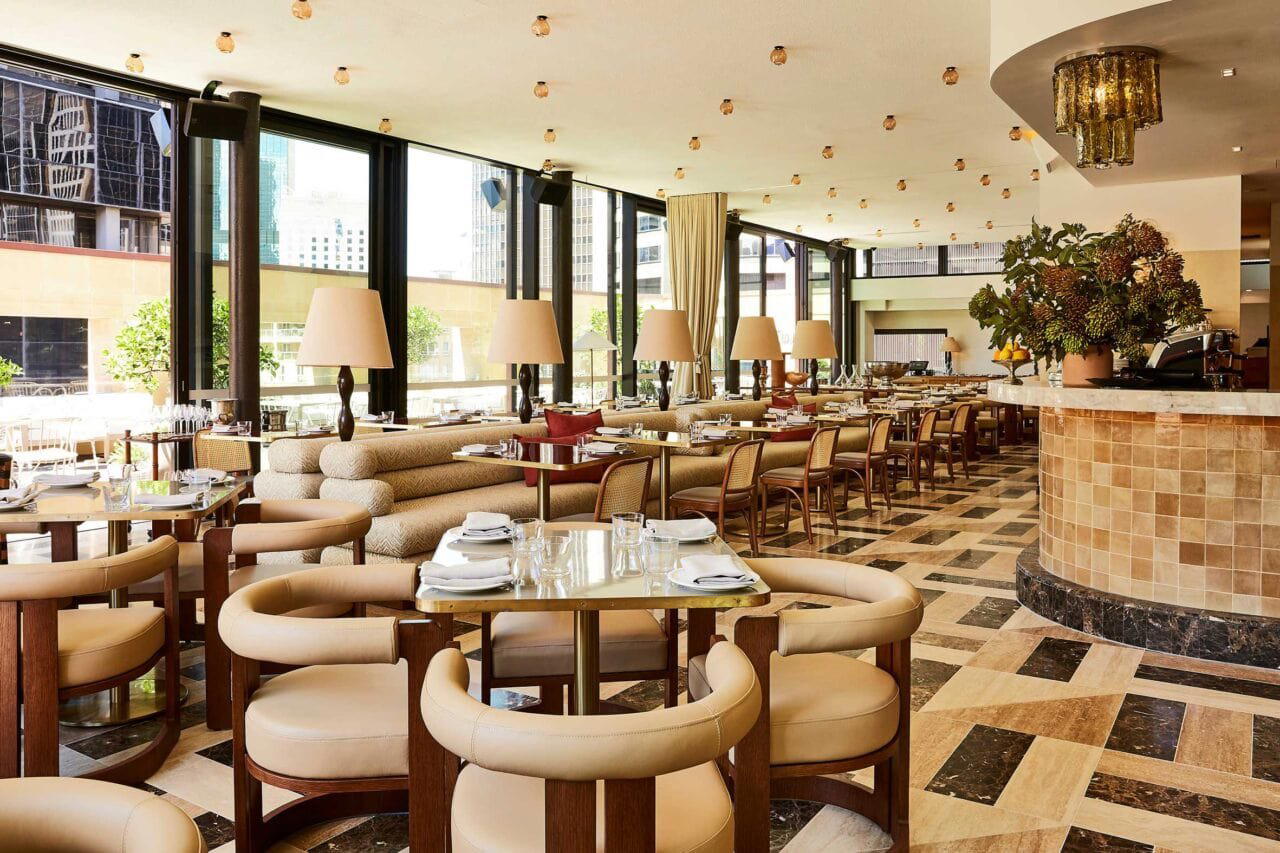
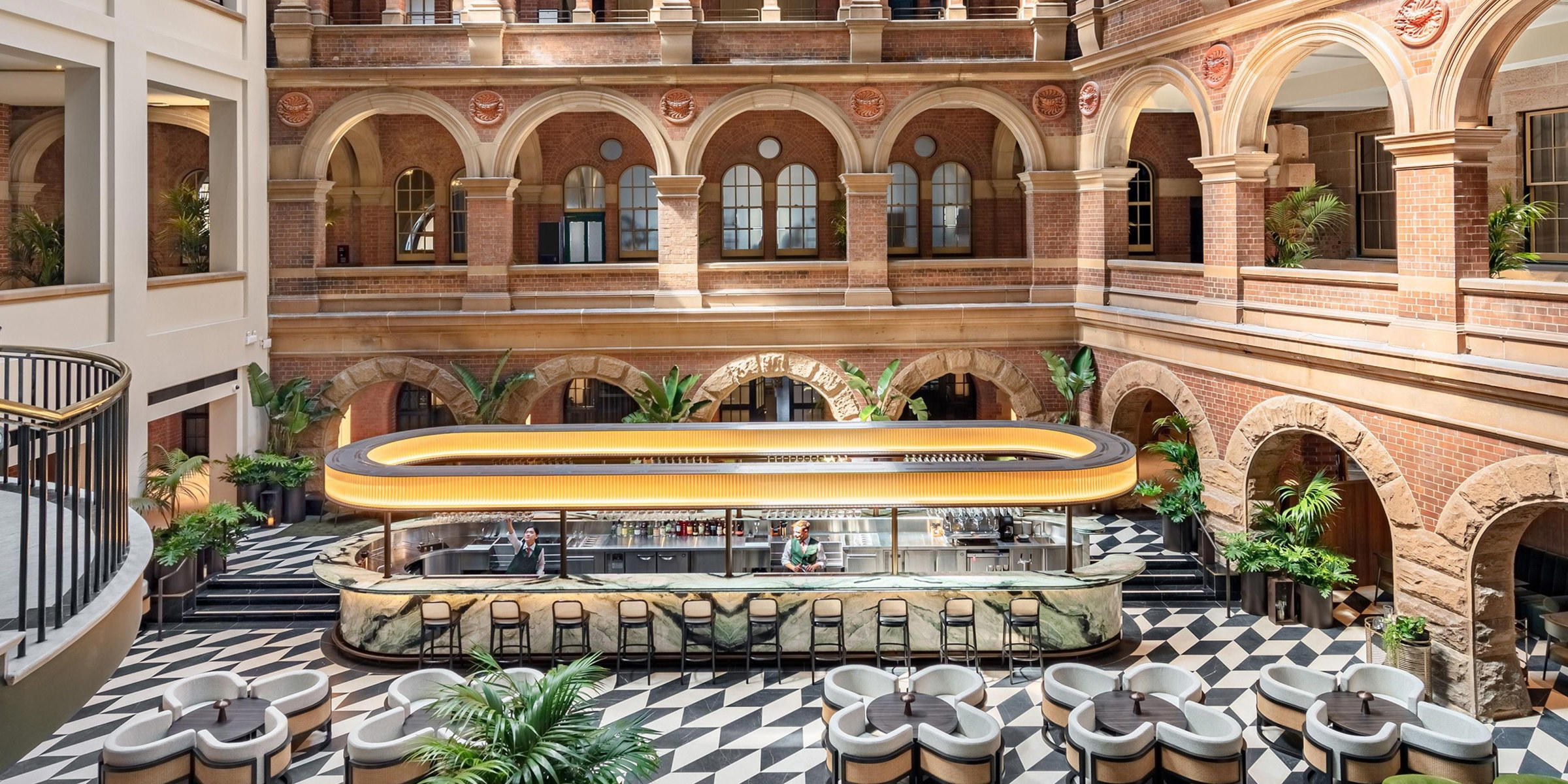
Walking into the City Mutual Building on Hunter Street, the first thing that registers is the scale. Cathedral ceilings, marble columns, and leather banquettes occupy a heritage art deco interior that was designed to project civic authority long before it housed one of Australia's most recognised dining rooms. The architecture does something useful for a restaurant: it announces that what follows will be taken seriously, without requiring the menu to make that argument first.
Sydney's fine dining tier has shifted considerably over the past two decades. The city now runs a wide spectrum from the harbour-framed ceremony of Bennelong to the tightly focused seafood programme at Saint Peter and the contemporary room at AALIA. Rockpool holds a different position in that comparable set: it is the address that has consistently placed Australian beef cookery within a fine dining frame, insisting that a wood-fired grill and a serious wine list belong in the same room as white tablecloths and sommelier service. That argument now has two decades of evidence behind it.
The Lunch Proposition
The lunch service at a restaurant of this format often functions as a value entry point into a more expensive evening experience. Here, the dynamic is worth understanding on its own terms. The room in the middle of the day, light filtering through high windows into a CBD dining room that fills with professionals from the surrounding financial district, carries a different charge than the dinner sitting. There is less ceremony, more efficiency, and the wine conversation tends to move faster. The kitchen output is the same, same grill, same dry-aged programme, same sourcing, but the pace and the social contract of the table shift considerably.
For readers comparing how to access this tier of restaurant, lunch at Rockpool offers a practical advantage: the cooking is identical, the room is the same space, and the rhythm suits those who want to be back at a desk by mid-afternoon. Sydney's CBD dining culture has long supported this model, and Rockpool's Hunter Street address sits squarely inside the financial district geography that makes a two-hour lunch logistically viable in a way it rarely is in suburban dining rooms.
Evening Service and the Grill as the Through-Line
Dinner resets the room's register. The banquettes fill with a different social mix: anniversaries, client entertainment, out-of-towners who have made the booking weeks ahead. The pace extends, the wine list opens up more deliberately, and the kitchen's dry-aging programme becomes the central narrative of the evening in a way that lunchtime efficiency does not always allow.
The grill specification matters here as context. The use of a bespoke wood and charcoal setup burning ironbark, a dense Australian hardwood that burns hotter and longer than most alternatives, is not a stylistic choice. It produces a distinct heat profile that affects crust formation and internal cooking in ways that gas or electric alternatives cannot replicate. The self dry-aged beef programme, applied to Australian Wagyu and grass-fed cuts including Cape Grim rib-eye and David Blackmore Wagyu striploin, places the kitchen in a provenance-first category that aligns with what Australian fine dining has moved toward across the board over the past decade.
That broader movement toward ingredient transparency and domestic sourcing has touched restaurants across the country, from Brae in Birregurra to Botanic in Adelaide and Laura at Pt Leo Estate. Rockpool's contribution to this conversation has been to hold that argument inside a format that is unapologetically grand, rather than retreating to the minimal-room aesthetic that often accompanies produce-driven cooking elsewhere.
Beyond the Beef: What the Kitchen Does With Everything Else
A steakhouse format that limits its ambition to beef tends to produce a predictable supporting cast. The kitchen here does not work that way. Raw seafood starters, including Hiramasa kingfish with citrus and herbs, and handmade pasta sit alongside vegetable side dishes that track seasonal availability rather than a fixed supporting menu. This is worth noting because it affects how the table reads for non-beef eaters, and because it changes what a repeat visit looks like: the menu has enough range that the full experience does not collapse into a single repeated protein narrative.
Sydney's seafood-forward restaurants, among them Saint Peter, operate from an entirely different premise, where fish is the central argument. Rockpool's position is that the grill is the central argument, but that argument extends to everything that passes over it or alongside it. The breadth is a competitive differentiator in a market where beef-only formats increasingly feel narrow.
The Wine Programme as a Separate Reason to Visit
Australia's fine dining wine culture has produced particularly technically ambitious lists in the Asia-Pacific region, and Rockpool's programme sits within that tradition. Thousands of bottles covering the world's major regions, with a strong weighting toward benchmark Australian estates, means the list functions as a serious document rather than a supporting gesture. The sommelier team operates as guides rather than gatekeepers, a distinction that matters in a room that mixes experienced collectors with guests who may be encountering this tier of list for the first time.
For context on how Australian wine culture maps onto dining of this register, Penfolds Magill Estate in Adelaide offers a different version of the same conversation: wine as the central frame, food as the supporting programme. Rockpool inverts that hierarchy, but the wine list is substantial enough to function independently as a reason to return.
Where Rockpool Sits in the Australian Fine Dining Map
Rockpool reached fourth place in the World's 50 Best in 2002. The restaurant's inclusion in the World's 101 Best Steak Restaurants reflects a more specialised credential that aligns more precisely with the current format.
Across Australian cities, the peer conversation is worth mapping. Flower Drum in Melbourne operates from a comparable heritage of institutional recognition and grand-room dining. Bacchus in Brisbane and Amaru in Armadale represent the more intimate end of the fine dining register. Rockpool's scale and format position it in the category of destination dining rooms that justify a trip from interstate, rather than neighbourhood restaurants that reward regular visits from local residents.
Within Sydney specifically, the comparison set includes Bathers Pavilion and 20 Chapel, both of which operate from different physical and tonal premises. The CBD address, the heritage room, and the grill programme make Rockpool's competitive identity specific enough that it does not overlap with much of the Sydney fine dining tier at all.
Planning a Visit
Rockpool Bar and Grill is located at 66 Hunter Street in the Sydney CBD, within walking distance of Wynyard and Martin Place stations. The City Mutual Building address means the restaurant is most naturally accessed as part of a city-based itinerary. Advance booking is advisable, particularly for dinner on Thursdays through Saturdays, when the room fills with a mix of corporate and leisure diners. Lunch service suits readers with afternoon commitments; dinner allows the longer format the kitchen and wine programme are designed around. The dress standard aligns with the room: the architecture makes a case for dressing accordingly, even if the service style does not enforce it formally.
What Regulars Order
Among guests with repeat visits, the ordering pattern tends to anchor on the dry-aged beef cuts, the Cape Grim rib-eye and David Blackmore Wagyu striploin are the two references that appear most consistently in public documentation of the menu. The Hiramasa kingfish raw starter functions as the standard opening for tables that want to span the kitchen's range before the grill takes over. The wine programme rewards pre-visit research: knowing the Australian estates on the list before arriving allows the sommelier conversation to move more quickly toward specific bottles rather than region-level orientation.
Accolades, Compared
Comparable venues nearby, for context on price, style, and recognition.
| Venue | Cuisine | Price | Awards | Notes |
|---|---|---|---|---|
| RockpoolThis venue — the venue you are viewing | Modern Australian Steakhouse | $$$$ | World's 50 Best #4 | Not listed |
| Tetsuya's | Dining | Not listed | World's 50 Best #4 | Sydney |
| Quay | Dining | Not listed | World's 50 Best #26 | The Rocks |
| Saint Peter | Modern Australian Seafood | $$$$ | World's 50 Best #66 | Paddington |
| The Grill at The International | Mediterranean Grill with Steak and Seafood | $$$$ | Not listed | Sydney |
| The Cut Bar & Grill | Modern Steakhouse | $$$ | Not listed | The Rocks |
Recognition history
Dated appearances from independent guides and award organizations, with the underlying list record or original source where available.
Star Wine List
Star Wine List
World's Best Steaks 101 Best Steak Restaurants #38
World's Best Steaks
La Liste Top Restaurants
La Liste
World's Best Steaks 101 Best Steak Restaurants #12
World's Best Steaks
World's 50 Best Best Restaurants #49
World's 50 Best
World's 50 Best Best Restaurants #33
World's 50 Best
World's 50 Best Best Restaurants #30
World's 50 Best
World's 50 Best Best Restaurants #42
World's 50 Best
World's 50 Best Best Restaurants #29
World's 50 Best
World's 50 Best Best Restaurants #8
World's 50 Best
World's 50 Best Best Restaurants #4
World's 50 Best
Continue exploring
More in Sydney
Restaurants in Sydney
Browse all →
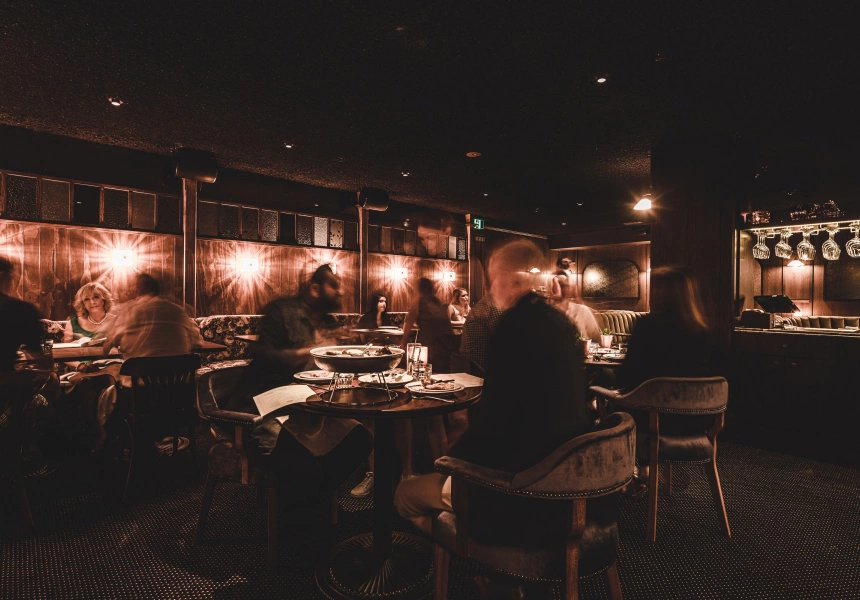
Bars in Sydney
Browse all →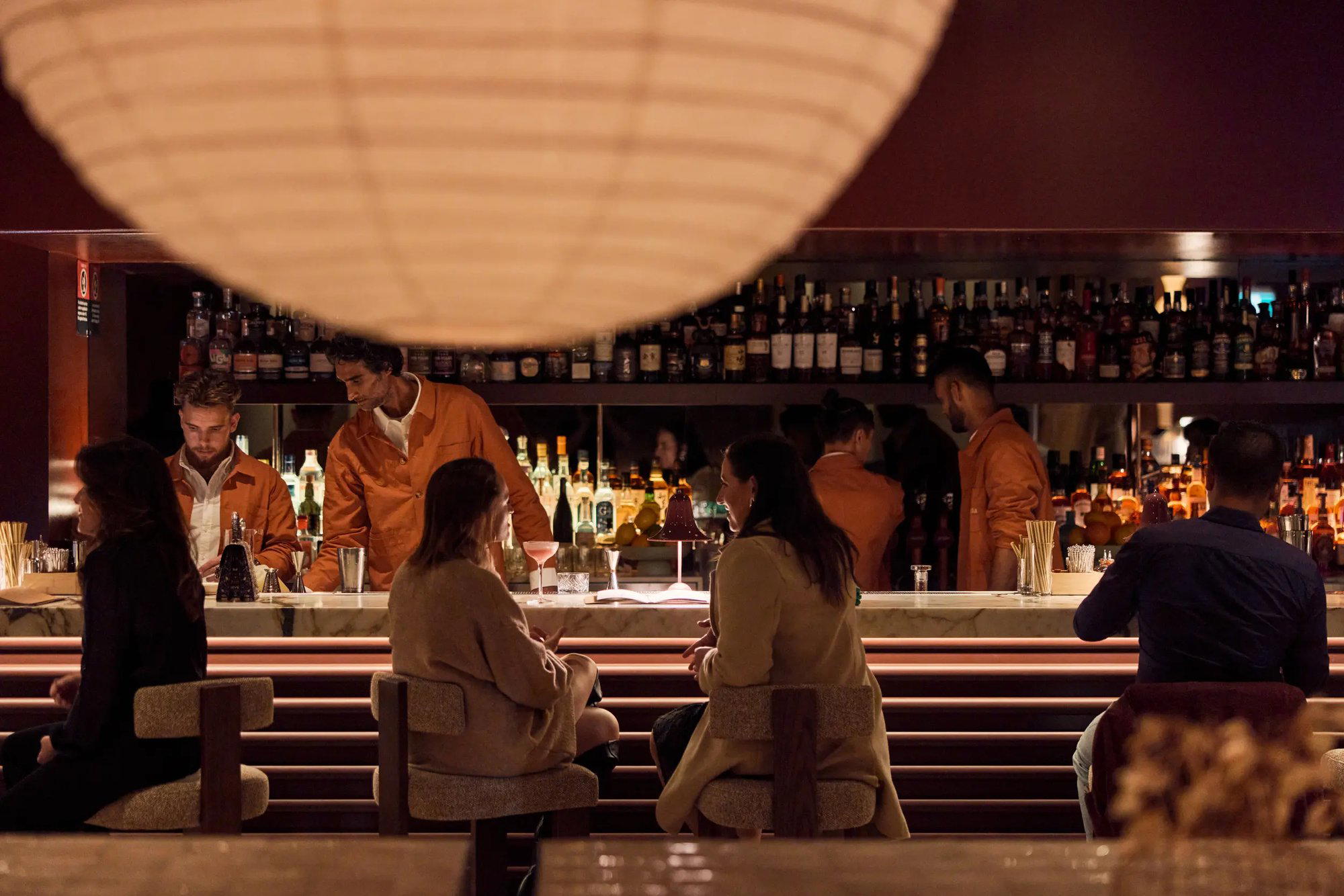
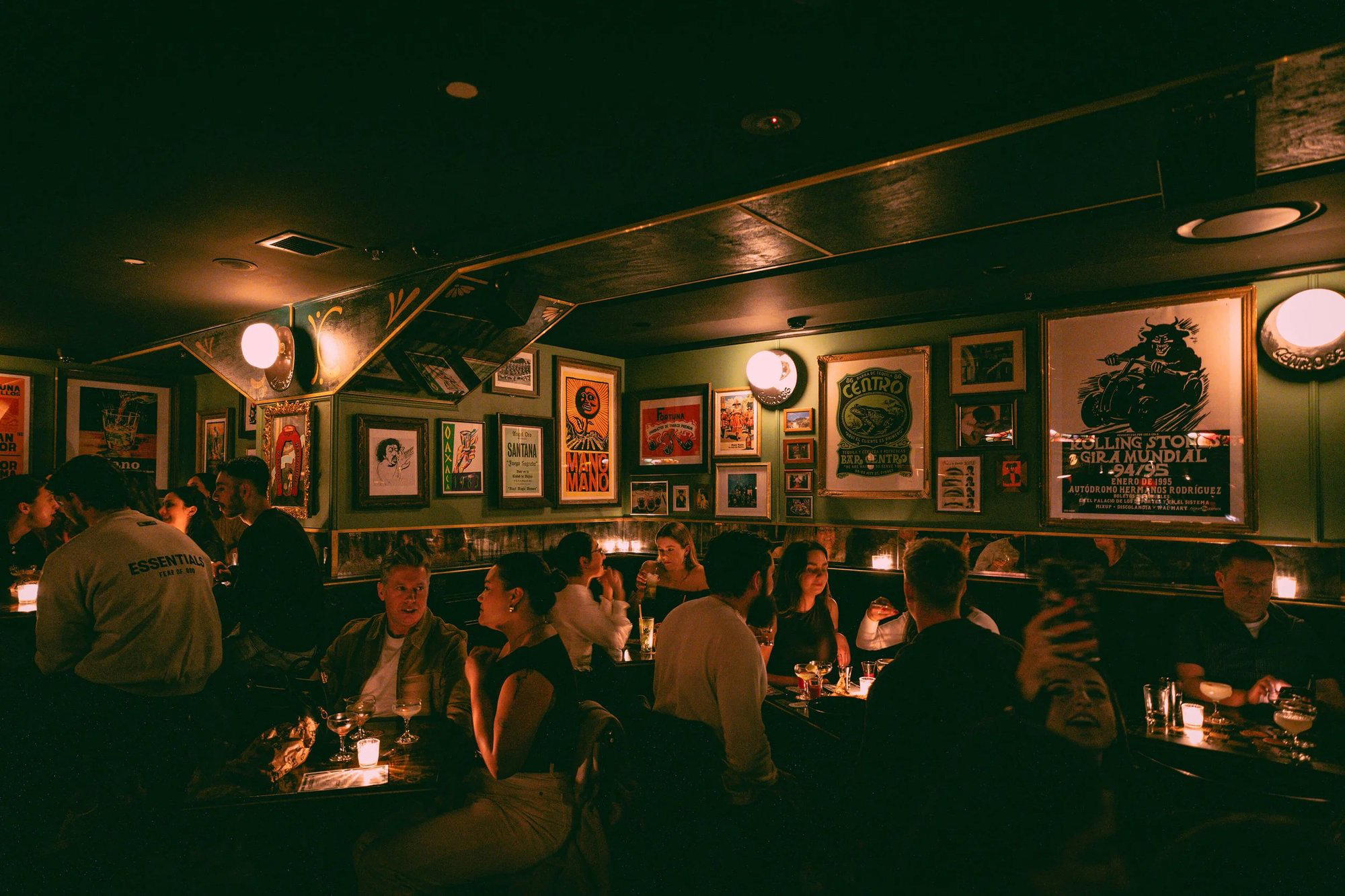
Hotels in Sydney
Browse all →

At a Glance
- Elegant
- Sophisticated
- Well Known
- Business Dinner
- Special Occasion
- Date Night
- Standalone
- Extensive Wine List
- Sommelier Led
- Craft Cocktails
- Sustainable Seafood
Current opening hours
- Monday
- 12–2 PM, 6–11:30 PM
- Tuesday
- 12–2 PM, 6–11:30 PM
- Wednesday
- 12–2 PM, 6–11:30 PM
- Thursday
- 12–2 PM, 6–11:30 PM
- Friday
- 12–2 PM, 6–11:30 PM
- Saturday
- 12–2 PM, 5:30–11:30 PM
- Sunday
- 12–2 PM, 5:30–11:30 PM
Hours can change for holidays and private events. Last verified .
Polished and professional atmosphere with nice decor, suitable for business dinners and special occasions.