On Salamanca Place, one of Hobart's most visited stretches of sandstone and weekend market bustle, Mary Mary operates as a bar with a serious cocktail program and the kind of address that puts it in direct conversation with the city's better-known drinking rooms. The bar sits at 2a Salamanca Pl, positioning it squarely within the precinct that has anchored Hobart's food and drink identity for decades.

Pearl is the En Primeur Club membership app, where members save venues, book tables and use the concierge.
Salamanca Place and What It Asks of a Bar
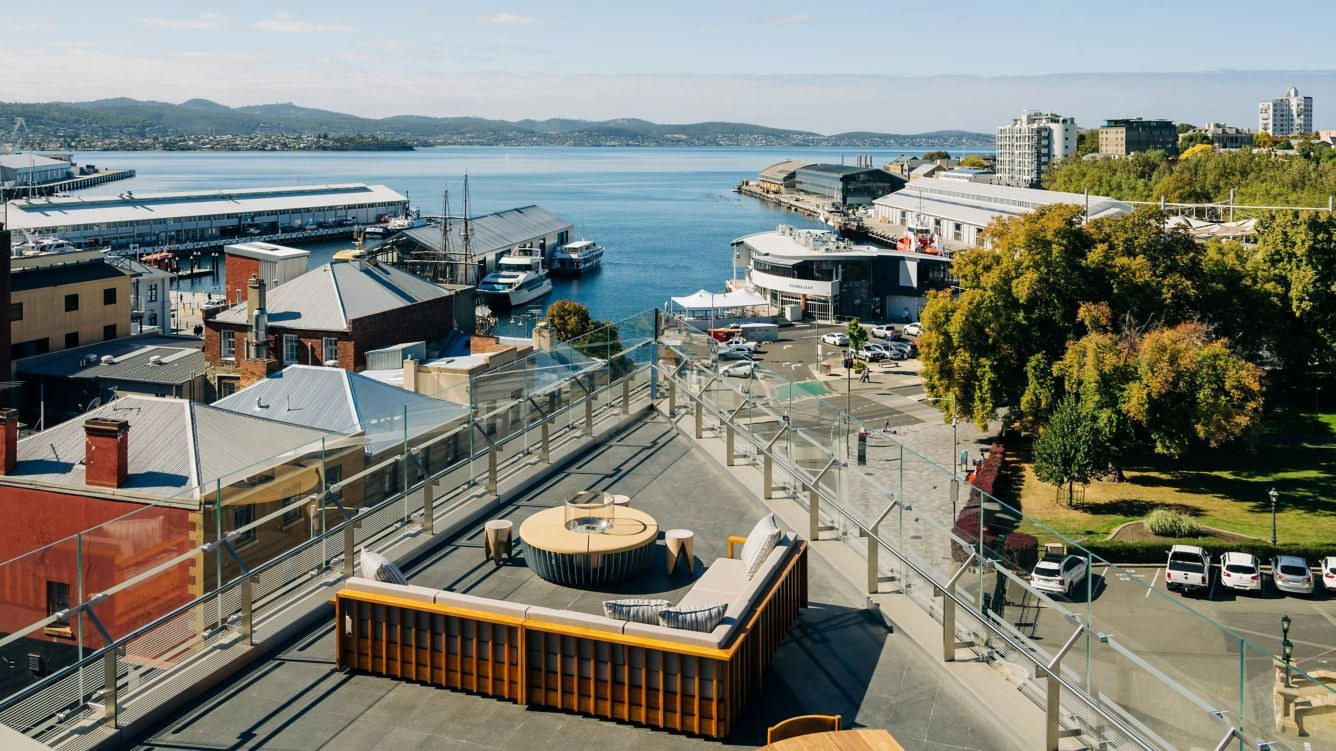
Salamanca Place is one of the most legible addresses in Australian bar culture. The sandstone warehouse row that lines the waterfront precinct has housed galleries, restaurants, and drinking rooms for long enough that any new opening here inherits both the foot traffic and the expectation. Saturday morning market crowds give way by afternoon to a different kind of visitor, one who has already done the oysters, already walked the waterfront, and is now looking for somewhere that can hold attention across several drinks rather than just one. Mary Mary, at 2a Salamanca Pl, sits in that context and must answer to it.
Hobart's bar scene has matured considerably over the past decade. Where once the city's drinking culture leaned heavily on pub formats and wine-by-the-glass programs anchored by local Tasmanian producers, a tier of venues has emerged that treats the cocktail as a primary creative output rather than an add-on to a food menu. Dier Makr, Franklin Bar & Restaurant, and Institut Polaire each represent a different approach to that shift, and Mary Mary enters the conversation from the most prominent possible address.
The Cocktail Program as Primary Language
In bars that take the cocktail seriously, the program tends to work as a statement of position. The clearest signals are whether seasonal and local ingredients are integrated into the build rather than deployed as garnish theatre, whether the spirit list shows curatorial intent beyond default-category brand placement, and whether the menu structure rewards regulars differently from first-timers. These are the structural questions worth asking of any bar operating in a city as seasonally distinct as Hobart, where the larder changes sharply between the cool months and the summer tourist surge.
Tasmania's proximity to producers of note, from cool-climate distilleries making whisky and gin through to stone fruit growers and small-batch fermenters, gives any thoughtful Hobart bar a different raw material base than its mainland counterparts. The bars that have made the most of this, like Institut Polaire with its Antarctic-inflected concept, demonstrate that the most compelling cocktail programs in the city tend to use Tasmanian provenance as a structural argument rather than a marketing note. Mary Mary's Salamanca address places it in a position to access that same conversation, given the precinct's proximity to the wholesale and artisan supply networks that feed the broader hospitality district.
Technically oriented cocktail programs across Australia have increasingly moved away from the visual-spectacle model, the smoke cloche and the edible glitter school, toward a more considered approach to dilution, temperature, and ingredient integration. You see this in the programs at 1806 in Melbourne and Cantina OK! in Sydney, both of which have built reputations on what ends up in the glass rather than what happens theatrically above it. For a bar in Hobart's premium tier to hold its own against this national reference set, the technical baseline needs to be consistent across service, not just at the flagship cocktails.
Where Mary Mary Sits in Hobart's Drinking Rooms
The Salamanca precinct creates a particular peer group for any bar that operates within it. New Sydney Hotel represents the older, more established end of Hobart's drinking culture, with a format and clientele that anchors the pub end of the spectrum. The newer wave of cocktail-focused venues has generally clustered closer to the CBD and the waterfront fringe, which means Mary Mary on Salamanca Place occupies an interesting middle ground: visible enough to capture the tourist and casual dining trade, but with an address that also draws the Hobart food and drink community that lives and works in the precinct.
For bars that operate in heritage-listed buildings on tourist-heavy streets, the challenge is consistently one of calibration. The format needs to be legible enough for a visitor who has no context, while still offering depth that keeps the local regular coming back. The most successful bars in comparable Australian precincts, including Bowery Bar in Brisbane and Fratelli Paradiso in Potts Point, have navigated this by building menus with clear entry points and a deeper layer for those who ask further questions.
Planning a Visit
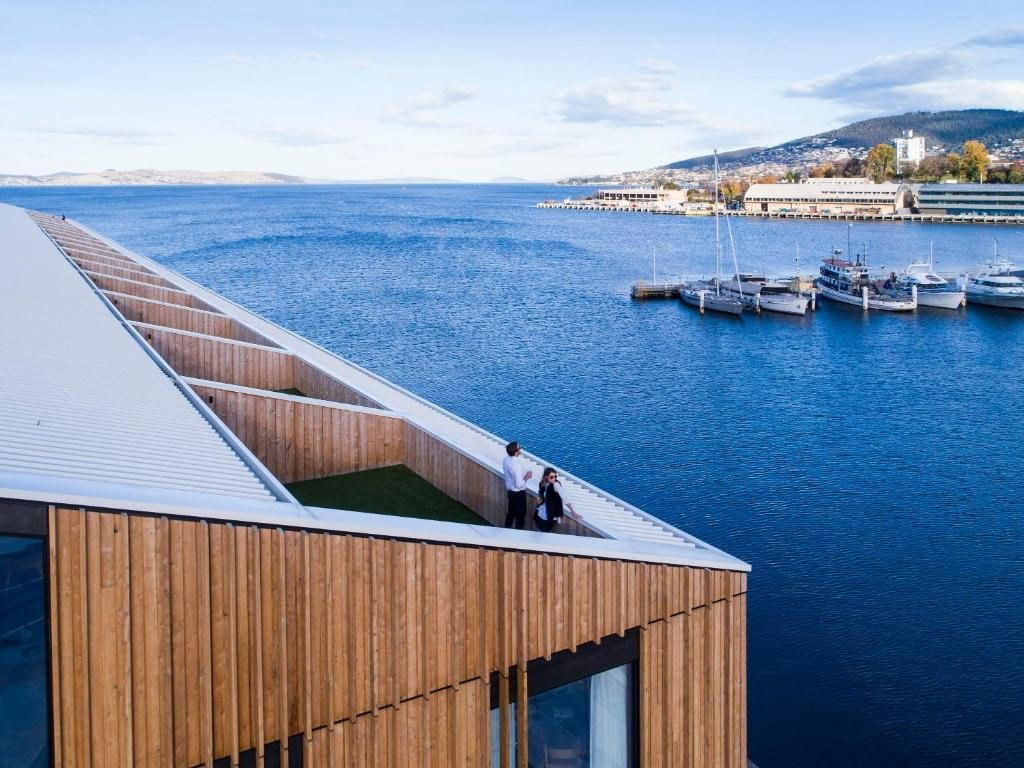
Salamanca Place is within walking distance of the Hobart waterfront and the broader CBD grid, making Mary Mary accessible on foot from most of the city's central accommodation. The precinct operates with high foot traffic on weekends, particularly Saturday mornings when the Salamanca Market draws significant numbers, so evening visits during the week tend to offer a more settled atmosphere for longer sessions. For those building an evening around Hobart's better drinking rooms, the Salamanca to waterfront corridor makes it practical to combine Mary Mary with stops at Franklin Bar & Restaurant or venues further into the CBD. Booking ahead for weekend evenings is advisable given the precinct's consistent demand from both locals and visitors. Full context on Hobart's bar and restaurant scene is available in our full Hobart restaurants guide.
Internationally, the model of a serious cocktail bar in a heritage waterfront precinct has parallels in programs like Bar Leather Apron in Honolulu and La Cache à Vín in Spring Hill, where the surrounding urban context adds a layer of complexity that the bar either works with or against. The bars that work with their context, using the neighbourhood's identity as creative input rather than backdrop, tend to build the more durable reputations. Blu Bar on 36 in The Rocks is another case study in how a prominent address can become an asset when the program has enough substance to match the setting.
Mary Mary is at 2a Salamanca Pl, Hobart TAS 7000.
Comparison Snapshot
| Venue | Cuisine | Price | Awards |
|---|---|---|---|
| Mary MaryThis venue (the venue you are viewing) | This venue | $30–50 | Not listed |
| Sonny | Not listed | $30–50 | Star Wine List |
| Dier Makr | Not listed | $100–150 | Not listed |
| Institut Polaire | Not listed | $50–100 | Not listed |
| New Sydney Hotel | Not listed | $20–30 | Not listed |
Recognition history
Dated appearances from independent guides and award organizations, with the underlying list record or original source where available.
Australian Bar Awards Hotel Bar of the Year Finalist
Australian Bar Awards · 2026 Australian Bar Awards Venue Finalists
Continue exploring
More in Hobart
Bars in Hobart
All bars in Hobart →
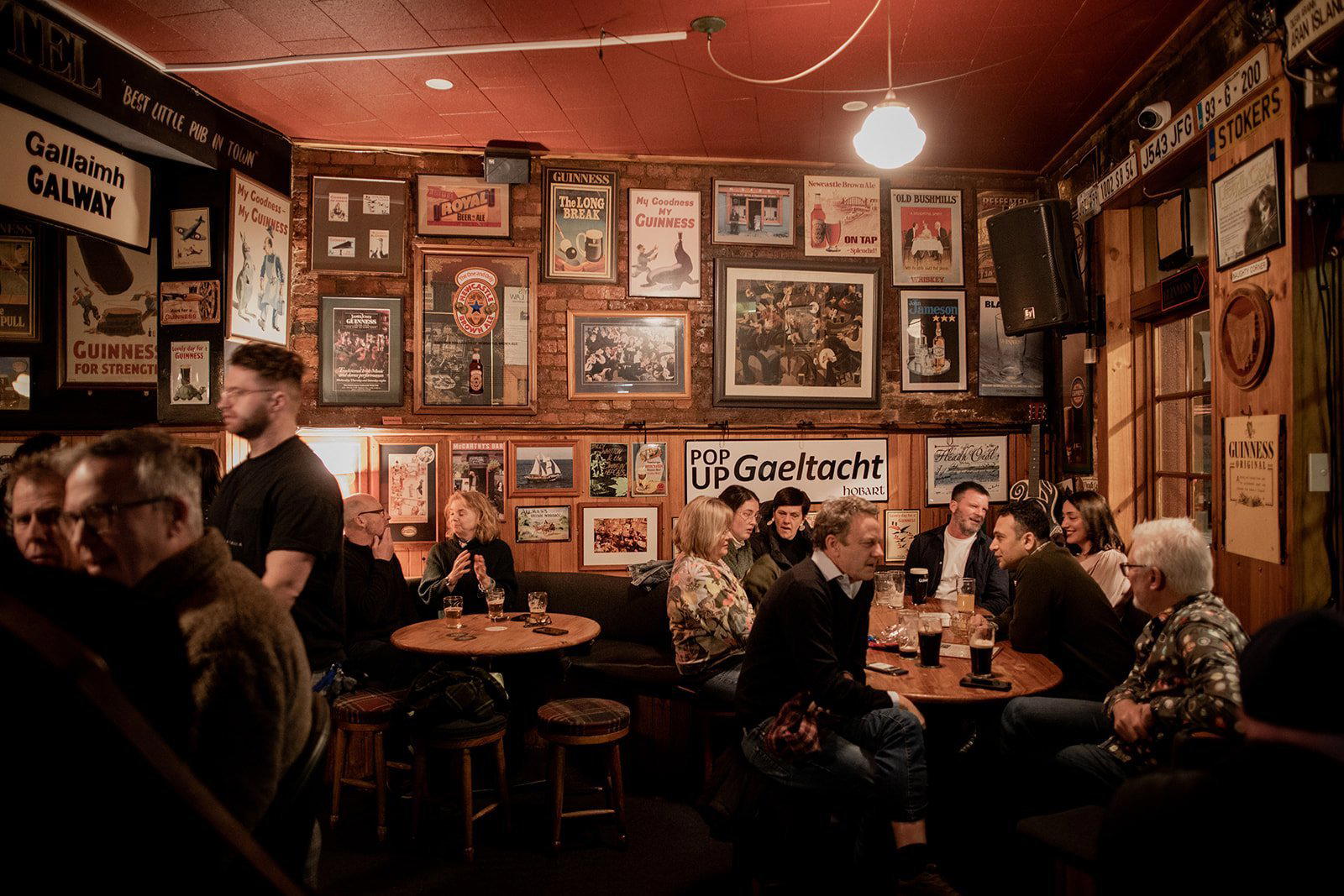
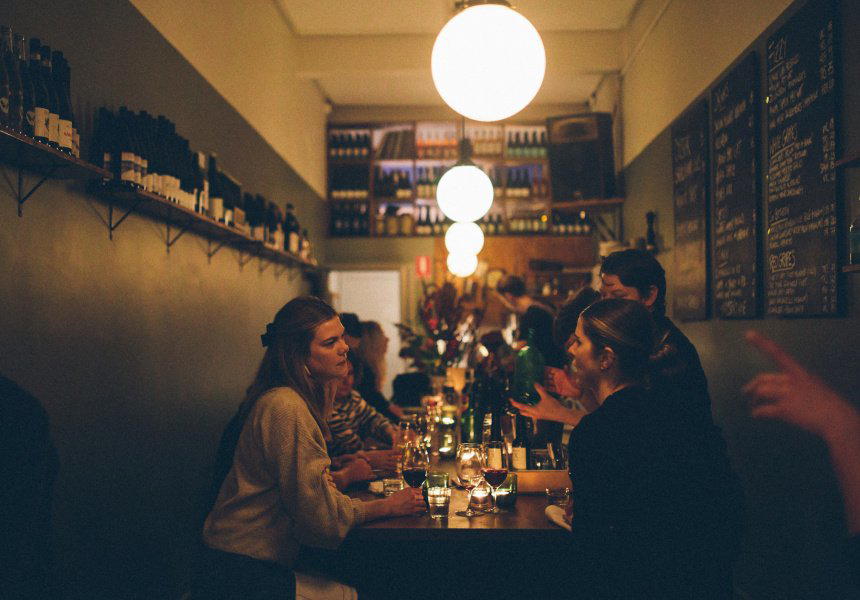
Restaurants in Hobart
All restaurants in Hobart →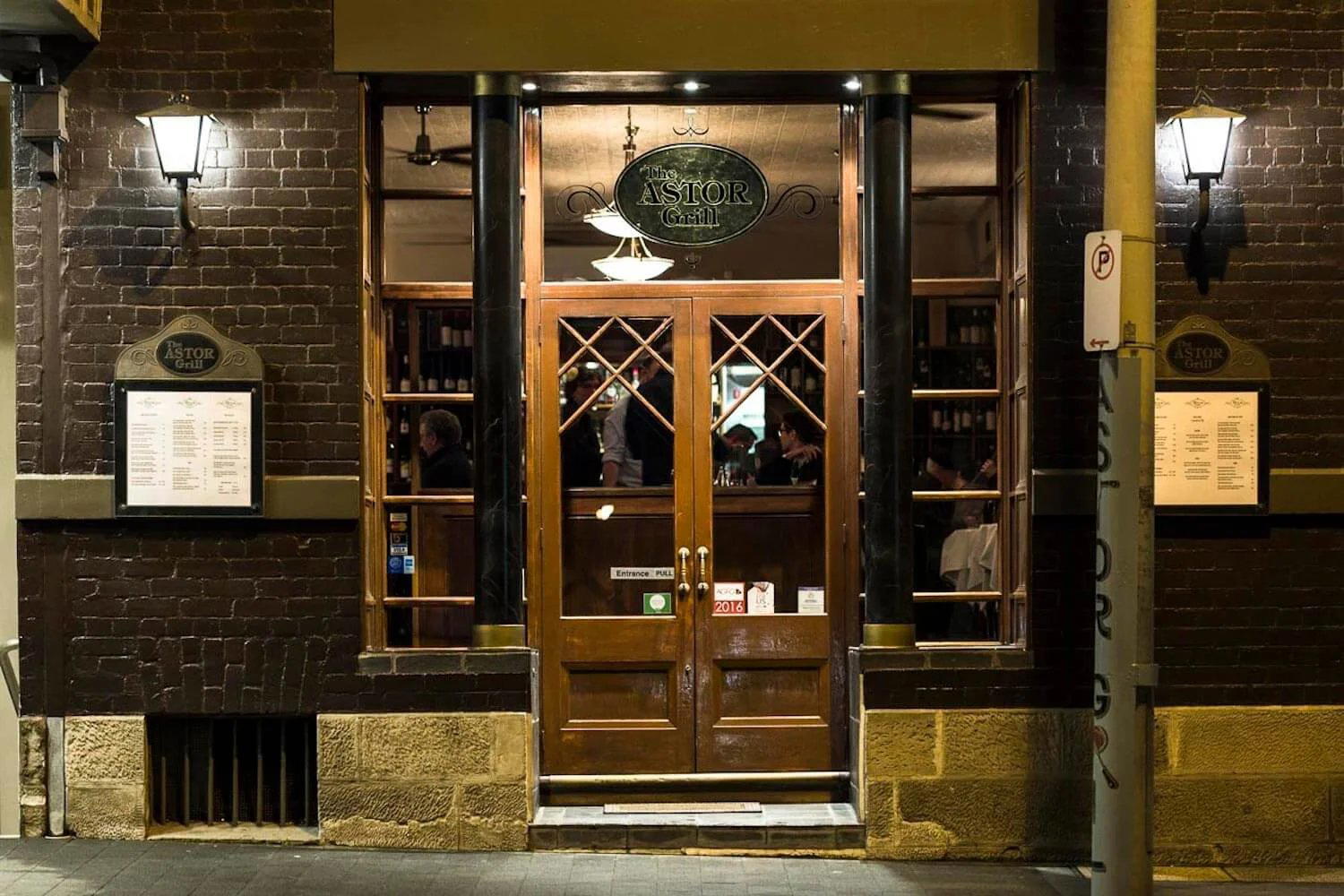
Mary Mary
The drinks
- Craft cocktails
- Classic cocktails
Signature drinks: Old Fashioned, Classic Martini.
Details
- Intimate
- Sophisticated
- Cozy
- Elegant
- Date Night
- Special Occasion
- Speakeasy
- Historic Building
- Seated Bar
- Booth Seating
- Craft Cocktails
- Classic Cocktails
Current opening hours
- Monday
- 5–10:30 PM
- Tuesday
- 5–10:30 PM
- Wednesday
- 5–10:30 PM
- Thursday
- 5 PM–12 AM
- Friday
- 4 PM–12 AM
- Saturday
- 4 PM–12 AM
- Sunday
- 5–10:30 PM
Hours can change for holidays and private events. Hours as of .
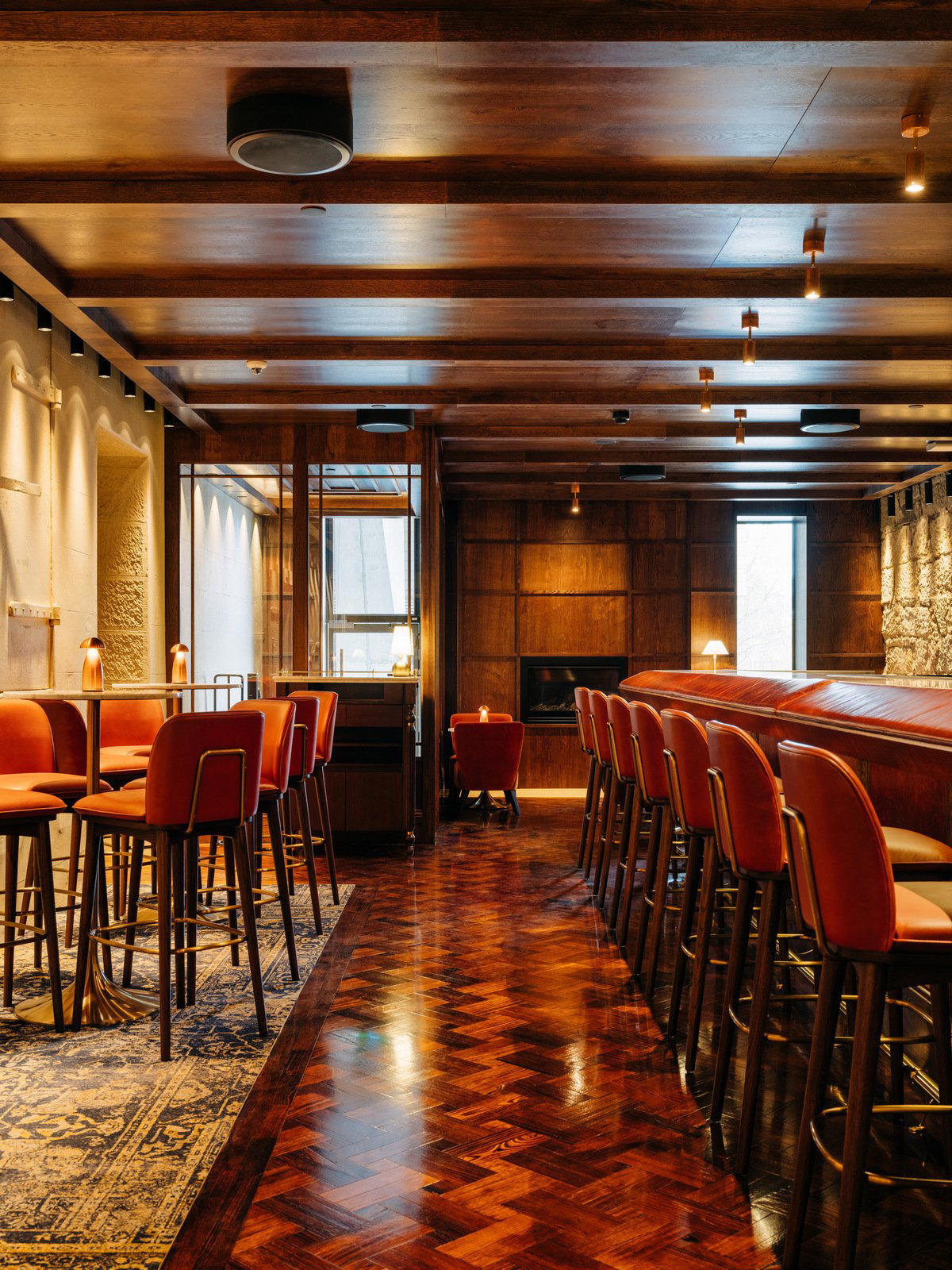
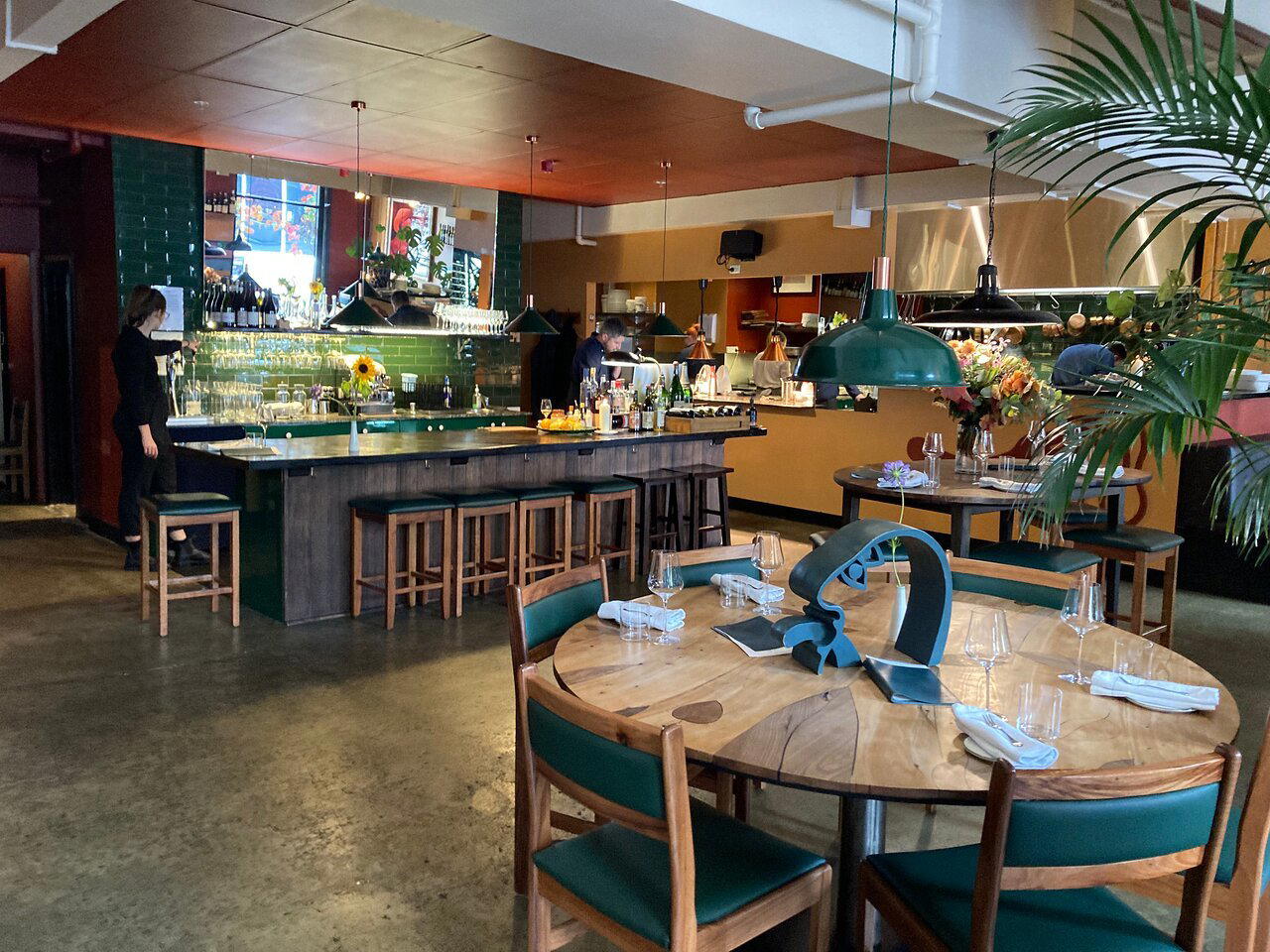
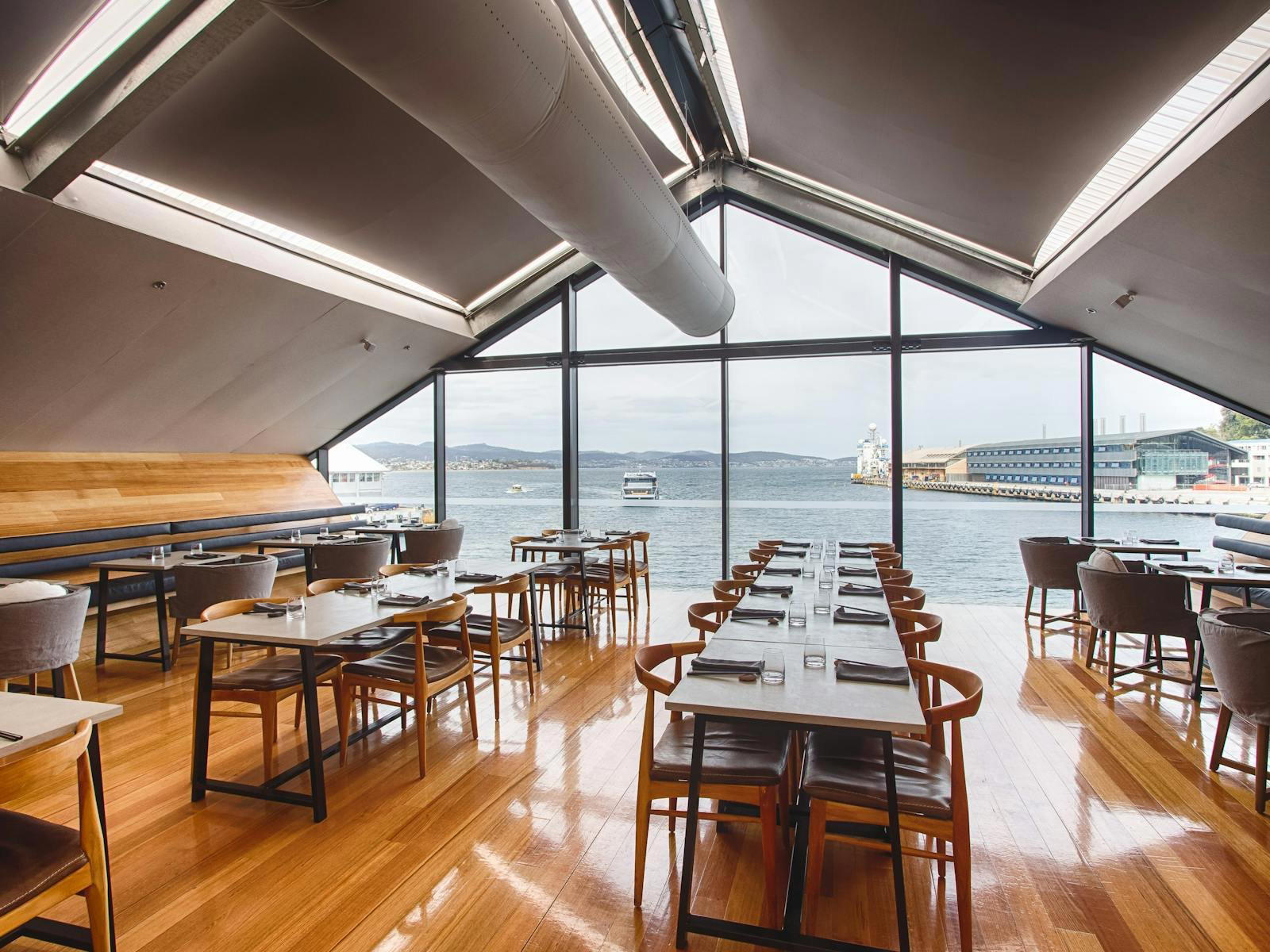
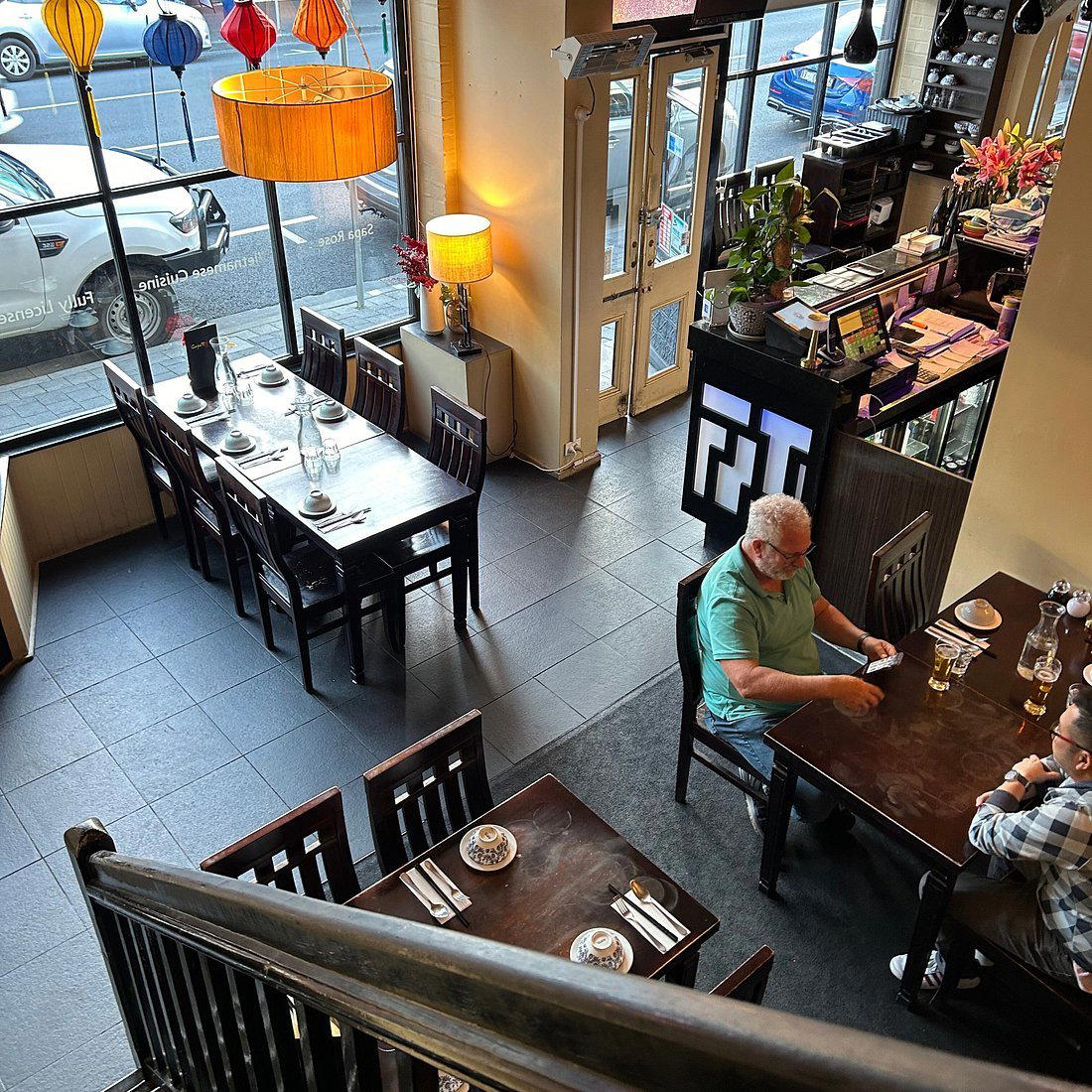
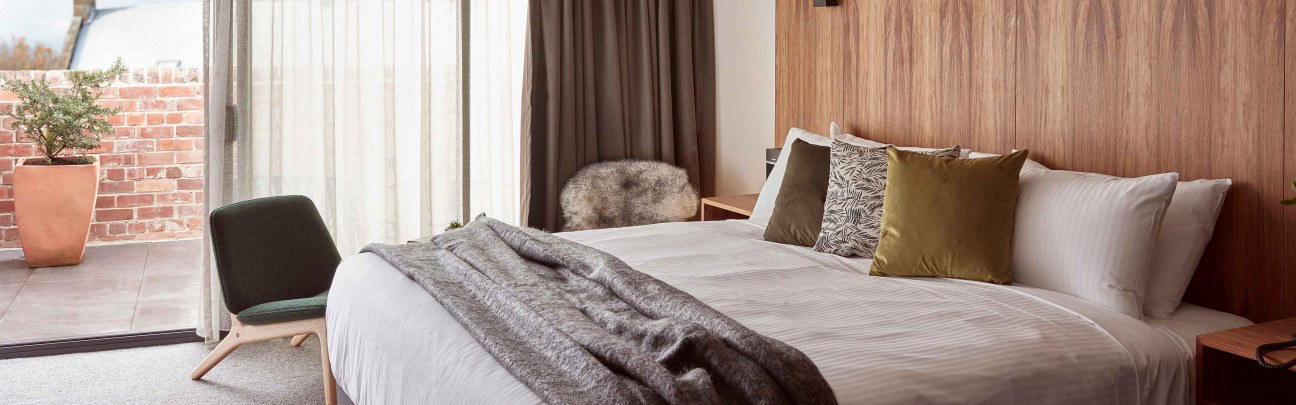
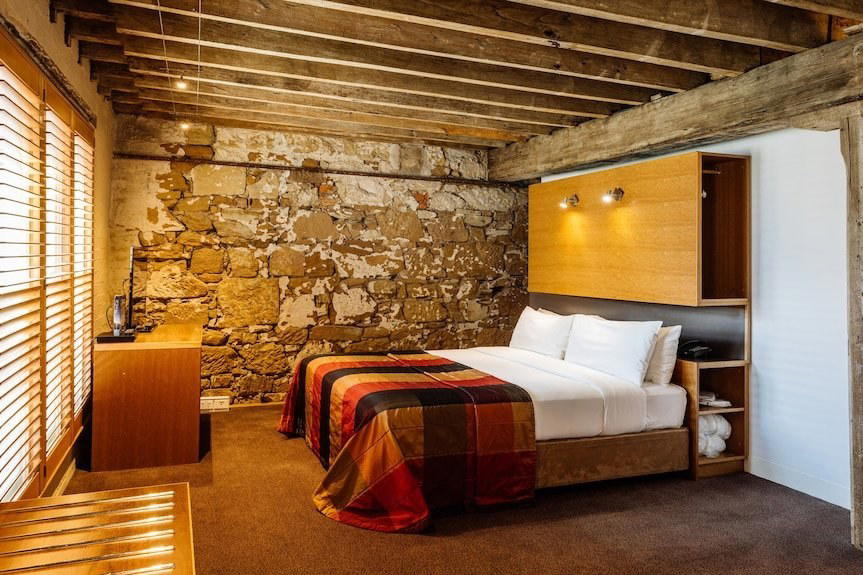
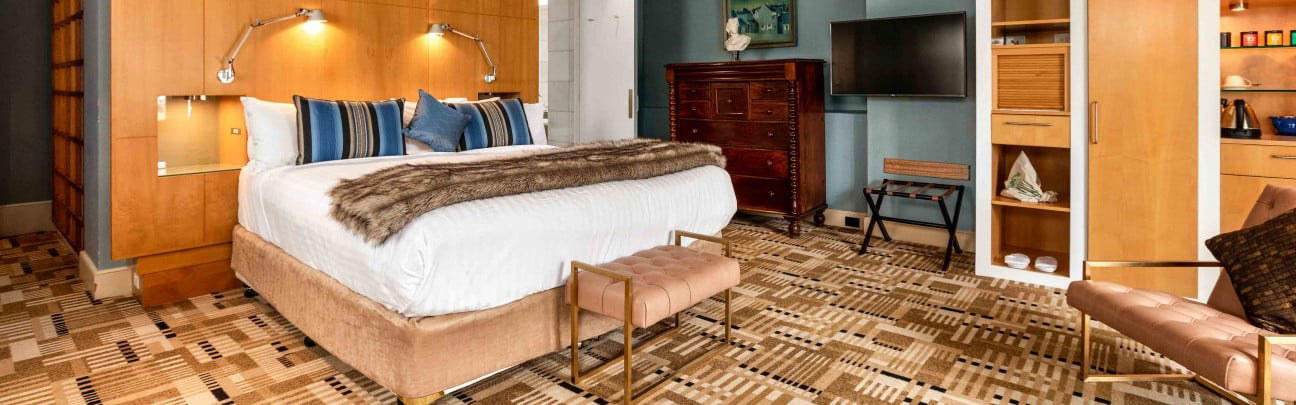
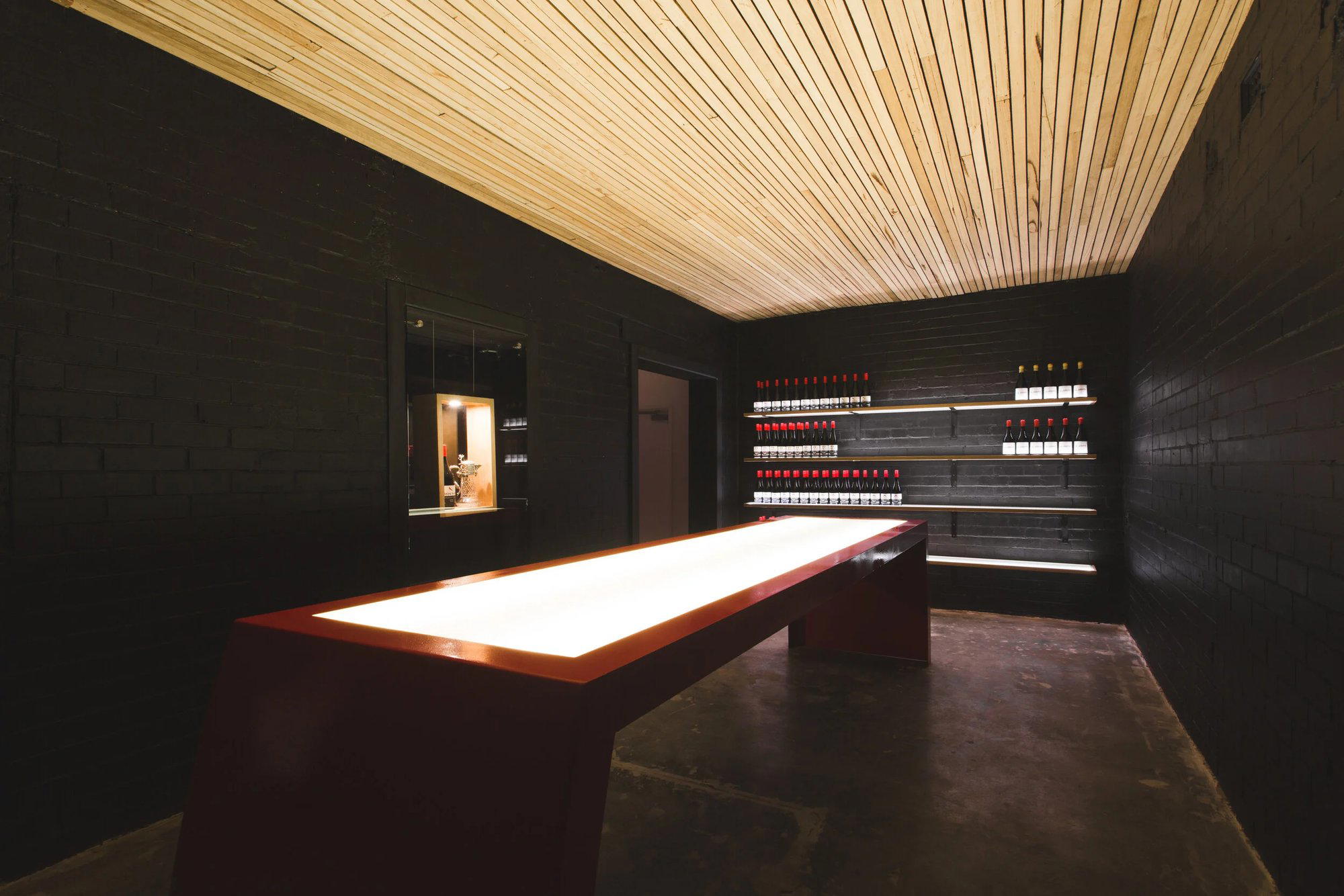
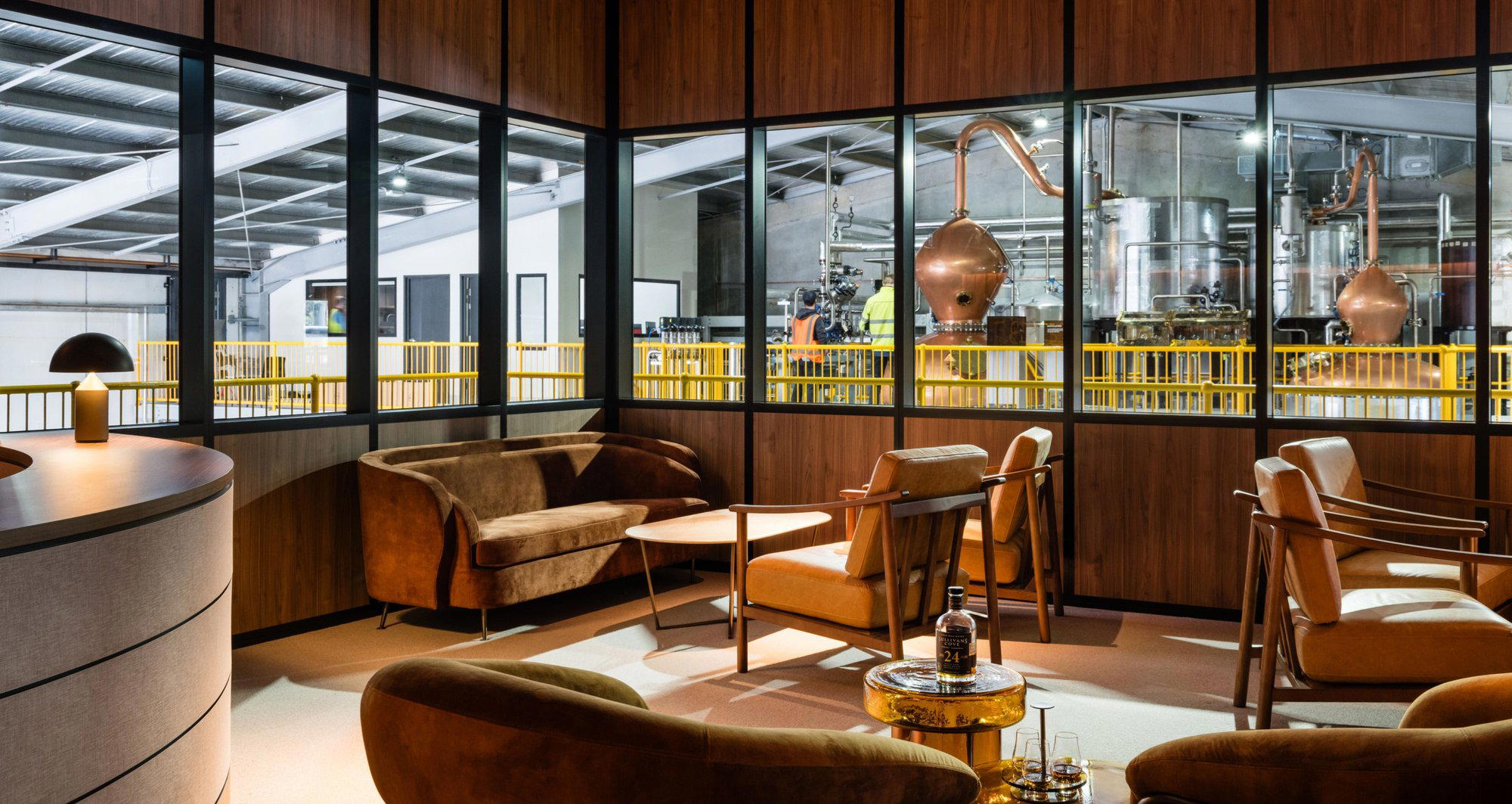
Dimmed lighting, warm brown hues, teak wood and brass decor, leather banquettes, cozy fireside seating in an intimate historic space.