





Attica sits in Ripponlea, south of Melbourne's CBD, where Ben Shewry's tasting menu draws on native Australian ingredients, from outback flora to local rivers and farms, in compositions that have placed the restaurant inside the World's 50 Best Restaurants list every year from 2013 to 2018. La Liste awarded 96 points in 2025 and 95 in 2026. The format is formal, the commitment to indigenous produce is foundational, and bookings require significant lead time.
Pearl is the En Primeur Club membership app — saves, bookings, and concierge access live there. Same editors, same standards.
- Address
- 74 Glen Eira Rd, Ripponlea VIC 3185, Australia
- Phone
- +61 3 9530 0111
- Website
- attica.com.au
- Directions
- Get directions
 Saves & bookings on Pearl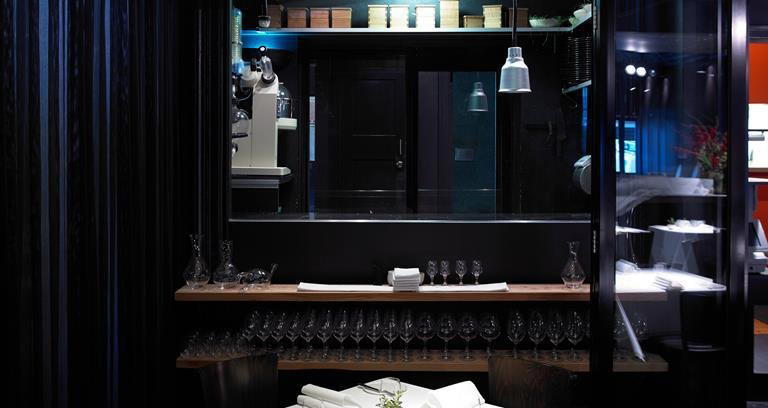
Ripponlea, Before You Arrive
The suburb of Ripponlea sits roughly six kilometres south of Melbourne's CBD, in a stretch of inner Melbourne that trades the dense café culture of Fitzroy or the polished terraces of Armadale for something quieter and more residential. Glen Eira Road is not a dining precinct. There is no cluster of restaurants to orient around, no strip of wine bars suggesting a scene. Attica occupies this address deliberately, and the contrast between the surroundings and what happens inside is part of the experience. Arriving here, you understand that the restaurant is not performing for a neighbourhood; it is drawing people out toward it.
What Australian Ingredients Actually Mean at This Level
The argument for native Australian produce in fine dining is now well-established across the country's leading tables, but Attica has been central to that argument for over a decade. The kitchen works with ingredients sourced from the Australian outback, local rivers, and farms around Melbourne, a sourcing framework that is as much archival as it is agricultural. Many of the plants, seeds, and proteins that appear in the tasting menu come from traditions predating European settlement, and their presence is not decorative. Indigenous plants, river seafood, and proteins such as wallaby are incorporated because they are genuinely part of the ecological and cultural record of the continent, not because they signal novelty.
This is where Attica separates itself from the broader Australian Modern category. Restaurants like Cutler & Co. in Fitzroy and Amaru in Armadale work within Australian Modern frameworks, but the depth of engagement with pre-colonial ingredients at Attica is a different register. Comparable ambition in ingredient sourcing appears at Brae in Birregurra, where the kitchen draws from an on-site farm, but Brae's sourcing logic is rooted in agricultural self-sufficiency rather than indigenous ecological knowledge. The two restaurants sit in the same broad tier of Australian fine dining without doing the same thing.
Vegetables appear throughout the Attica menu, but they are deployed with precision rather than volume. The kitchen treats restraint as a compositional principle: fewer elements, each with a traceable reason for being on the plate. This is a different approach from the maximalist tasting menus that dominated international fine dining in the 2010s, and it places Attica in closer conversation with Nordic and Japanese models of ingredient-led cooking than with the produce-abundance style of, say, a contemporary California counter.
The Awards Record as a Calibration Tool
Attica's position in the World's 50 Best Restaurants, peaking at number 20 in 2018, provides a useful benchmark for where the restaurant sits globally. That ranking history places it in a cohort that includes some of Australia's most scrutinised fine dining addresses. Rockpool in Sydney represents a different strain of Australian fine dining, anchored in European technique and premium protein, while Attica's trajectory has been more explicitly tied to its indigenous sourcing identity. La Liste, which uses a different methodology than 50 Best and draws heavily on classical French critical frameworks, rated Attica at 95 points in 2026, a consistent placement in the upper tier of its Australian entries.
The Netflix Chef's Table feature (Volume 1, Episode 5) expanded the restaurant's international profile significantly. That kind of exposure changes the composition of a dining room: a higher proportion of international travellers, a longer booking horizon, and a different kind of expectation management required from the front-of-house team. For context, Botanic in Adelaide and Bacchus in Brisbane operate at the summit of their respective city's fine dining tier without equivalent international visibility, which means Attica is now partly functioning as a destination restaurant for visitors to Australia, not only for Melbourne's own dining public.
The Format and the Room
The tasting menu format at Attica is fixed in the sense that it reflects a considered sequence rather than an à la carte selection. The room in the Ripponlea house is not large, and the atmosphere operates at a register closer to concentrated and considered than to theatrical. There is no performative kitchen counter, no tableside spectacle as the primary event. The work happens in the food: compositions that carry cultural and ecological references without requiring the diner to have done preparatory reading, but that reward it if they have.
6 across 1,094 reviews is notable for a restaurant at this price tier and format. Tasting menu restaurants with a strong conceptual identity often polarise: the scoring reflects either enthusiastic conversion or a sense that expectations were miscalibrated. The volume of reviews at a consistent score suggests a high proportion of diners arriving with appropriate context.
For those building a broader Melbourne itinerary around fine dining, the city offers a diverse upper tier. Flower Drum represents a different tradition entirely, long-form Cantonese hospitality with a Melbourne-specific history that no other restaurant in the country replicates. Florentino anchors the CBD's Modern Italian bracket. Chin Chin and 48h Pizza e Gnocchi Bar sit at a different price point and energy level entirely. Charrd represents Melbourne's appetite for fire-led cooking. BENTLEY Restaurant & Bar in Sydney is worth cross-referencing for those comparing the Australian Modern category across cities. And for anyone planning the full picture, our full Melbourne restaurants guide, hotels guide, bars guide, wineries guide, and experiences guide cover the city comprehensively.
Planning the Visit
Attica is located at 74 Glen Eira Road, Ripponlea, approximately six kilometres from Melbourne's CBD. The suburb is accessible by tram from the city centre. Given the restaurant's international profile following the Chef's Table exposure and its sustained awards presence, booking well in advance is advisable, this is a restaurant where demand exceeds supply across most of the year, not only during peak travel periods. Specific hours, pricing, and booking methods are best confirmed directly through Attica's official channels, as this information changes and is not reflected in the current public sources record. Dress code is smart casual.
Booking and Cost Snapshot
Comparable venues nearby, for context on price, style, and recognition.
| Venue | Cuisine | Price | Awards |
|---|---|---|---|
| AtticaThis venue — the venue you are viewing | Australian Modern | $$$$ | World's 50 Best #20 |
| Flower Drum | Melbourne, Cantonese | Not listed | World's 50 Best #20 |
| Gimlet | Melbourne, Modern French Bistro | $$$$ | Not listed |
| Vue de Monde | Melbourne, Modern Australian Fine Dining | $$$$ | Not listed |
| Embla | Melbourne, Modern Wine Bar Small Plates | $$$ | Not listed |
| The Ritz-Carlton, Melbourne | Melbourne, Modern Australian Fine Dining | $$$$ | Not listed |
Recognition history
Dated appearances from independent guides and award organizations, with the underlying list record or original source where available.
La Liste Top Restaurants
La Liste
Chef's Table Featured on Chef's Table
Chef's Table
La Liste Top Restaurants
La Liste
We're Smart World 2 Radishes
We're Smart World
World Culinary Awards Oceania's Best Fine Dining Experience 2025 #1
World Culinary Awards
World's Best Wine Lists Awards WBWL 3-Star
World's Best Wine Lists Awards
World's 50 Best Best Restaurants #20
World's 50 Best
World's 50 Best Best Restaurants #32
World's 50 Best
World's 50 Best Best Restaurants #33
World's 50 Best
World's 50 Best Best Restaurants #32
World's 50 Best
World's 50 Best Best Restaurants #32
World's 50 Best
World's 50 Best Best Restaurants #21
World's 50 Best
Continue exploring
More in Melbourne
Restaurants in Melbourne
Browse all →
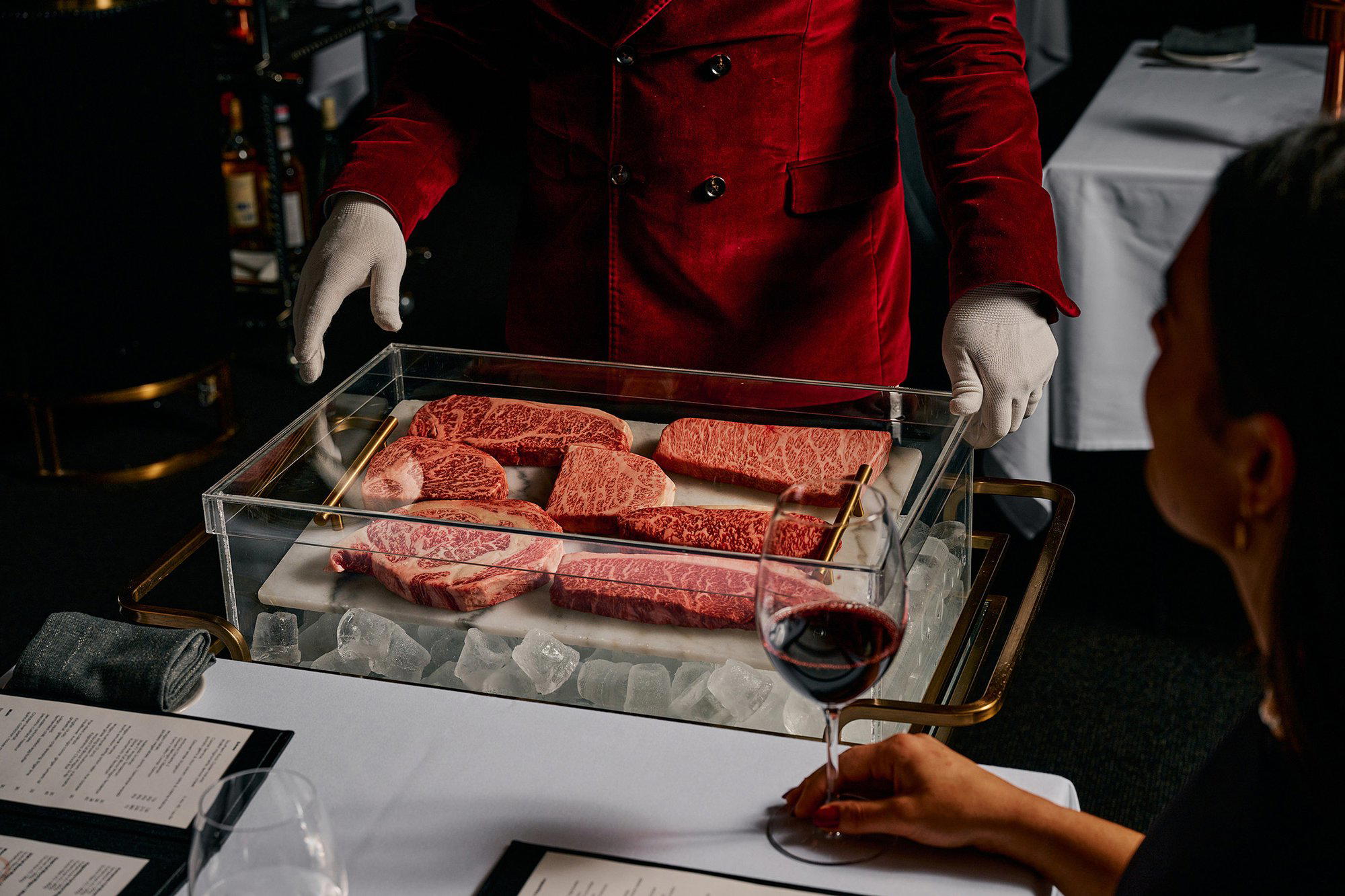
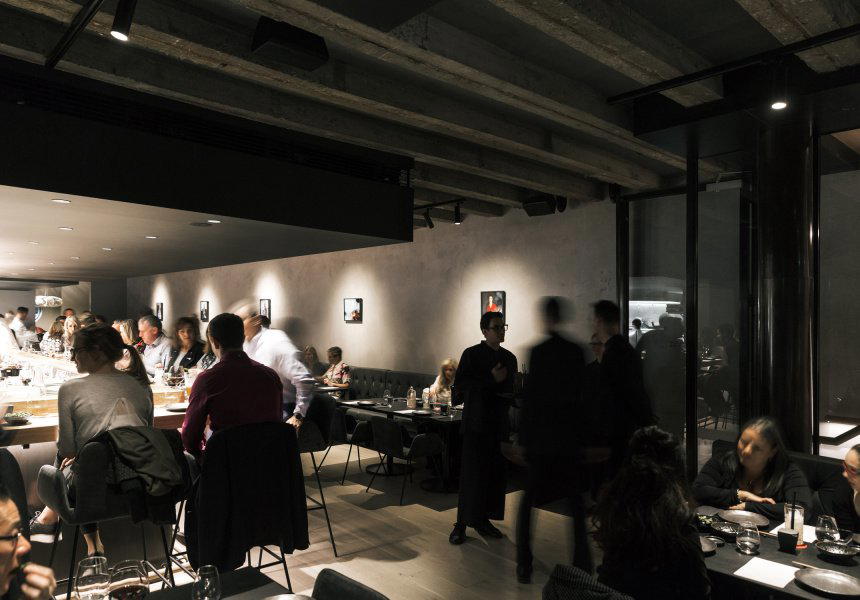
Bars in Melbourne
Browse all →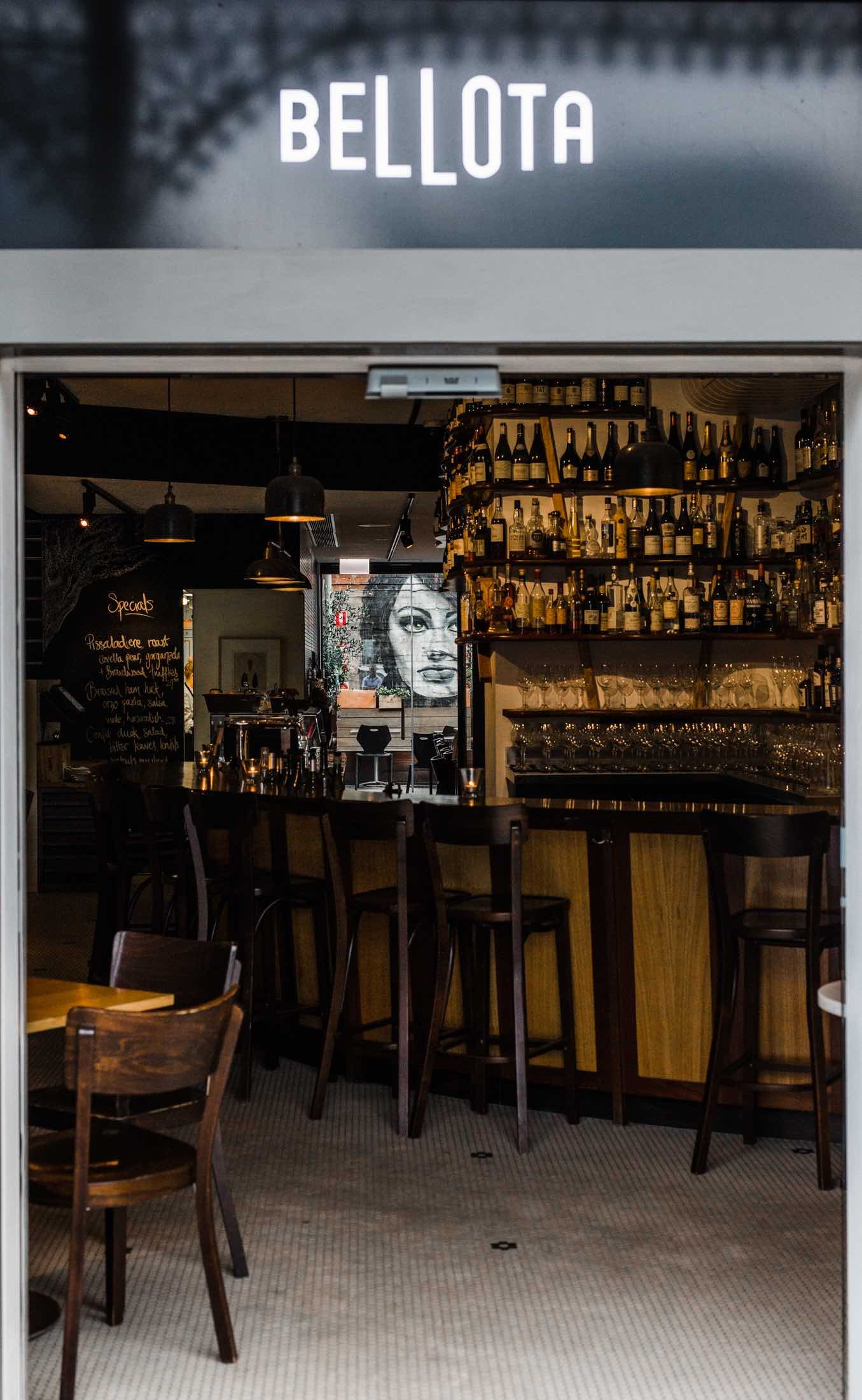
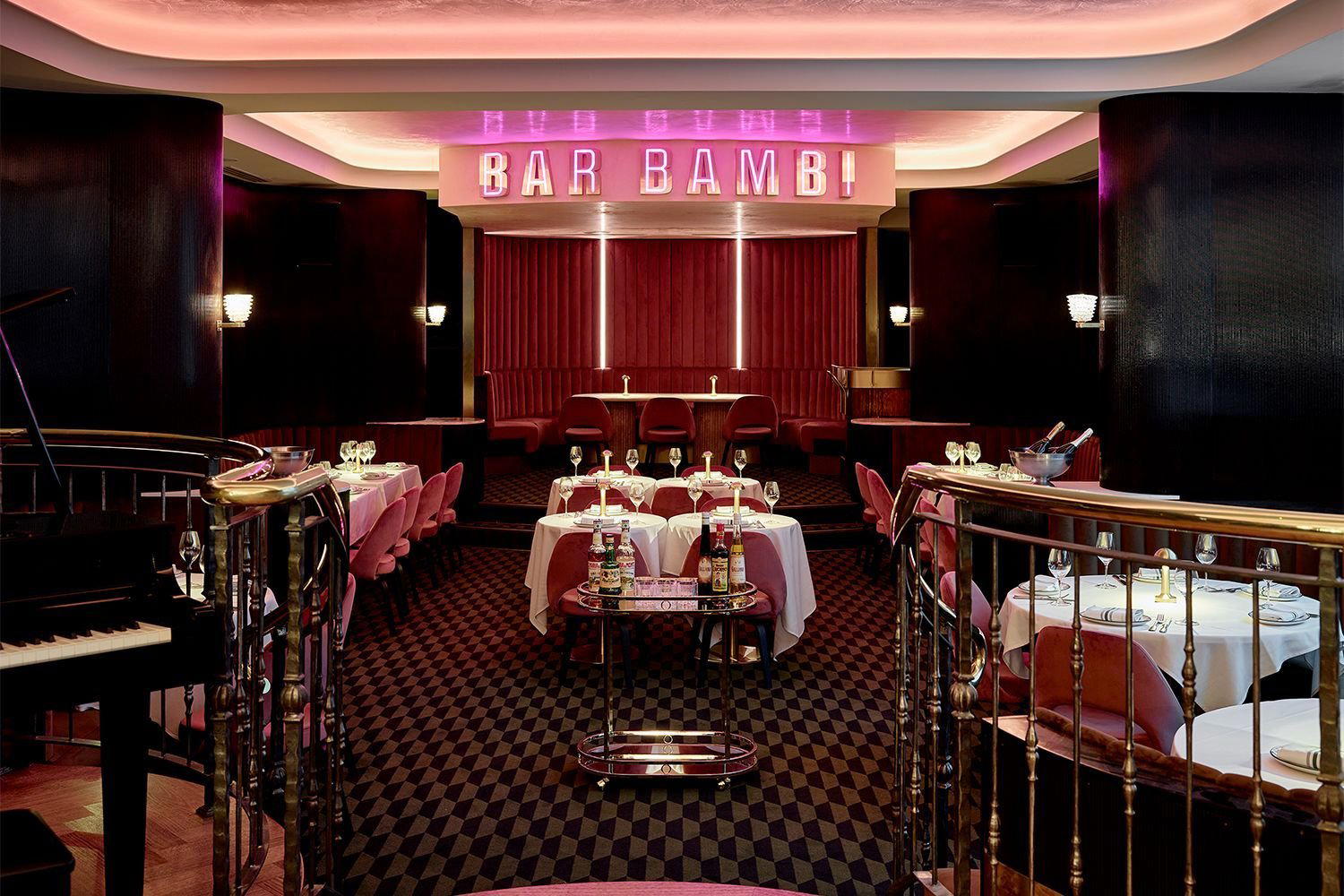
Hotels in Melbourne
Browse all →
At a Glance
- Elegant
- Sophisticated
- Modern
- Intimate
- Special Occasion
- Celebration
- Date Night
- Garden
- Open Kitchen
- Design Destination
- Standalone
- Extensive Wine List
- Craft Cocktails
- Sommelier Led
- Local Sourcing
- Farm To Table
- Garden
Current opening hours
- Monday
- Closed
- Tuesday
- 6 p.m.–12 a.m.
- Wednesday
- 6 p.m.–12 a.m.
- Thursday
- 6 p.m.–12 a.m.
- Friday
- 6 p.m.–12 a.m.
- Saturday
- 6 p.m.–12 a.m.
- Sunday
- Closed
Hours can change for holidays and private events. Last verified .
Coolly elegant yet accessible and relaxed atmosphere with understated, refined decor that feels sophisticated without pretension.