A converted nineteenth-century jam factory on Hobart's Sullivan's Cove waterfront, The Henry Jones Art Hotel sits at the intersection of industrial heritage and contemporary Tasmanian culture. The property's sandstone bones and rotating art program place it inside a niche of design-led boutique accommodation that has defined the city's hospitality identity for two decades. Visitors book it as much for its waterfront position as for its role anchoring Hobart's cultural precinct.
Pearl is the En Primeur Club membership app — saves, bookings, and concierge access live there. Same editors, same standards.
- Address
- 25 Hunter St, Hobart TAS 7000, Australia
- Phone
- +61 3 6210 7700
- Website
- thehenryjones.com
- Directions
- Get directions
 Saves & bookings on Pearl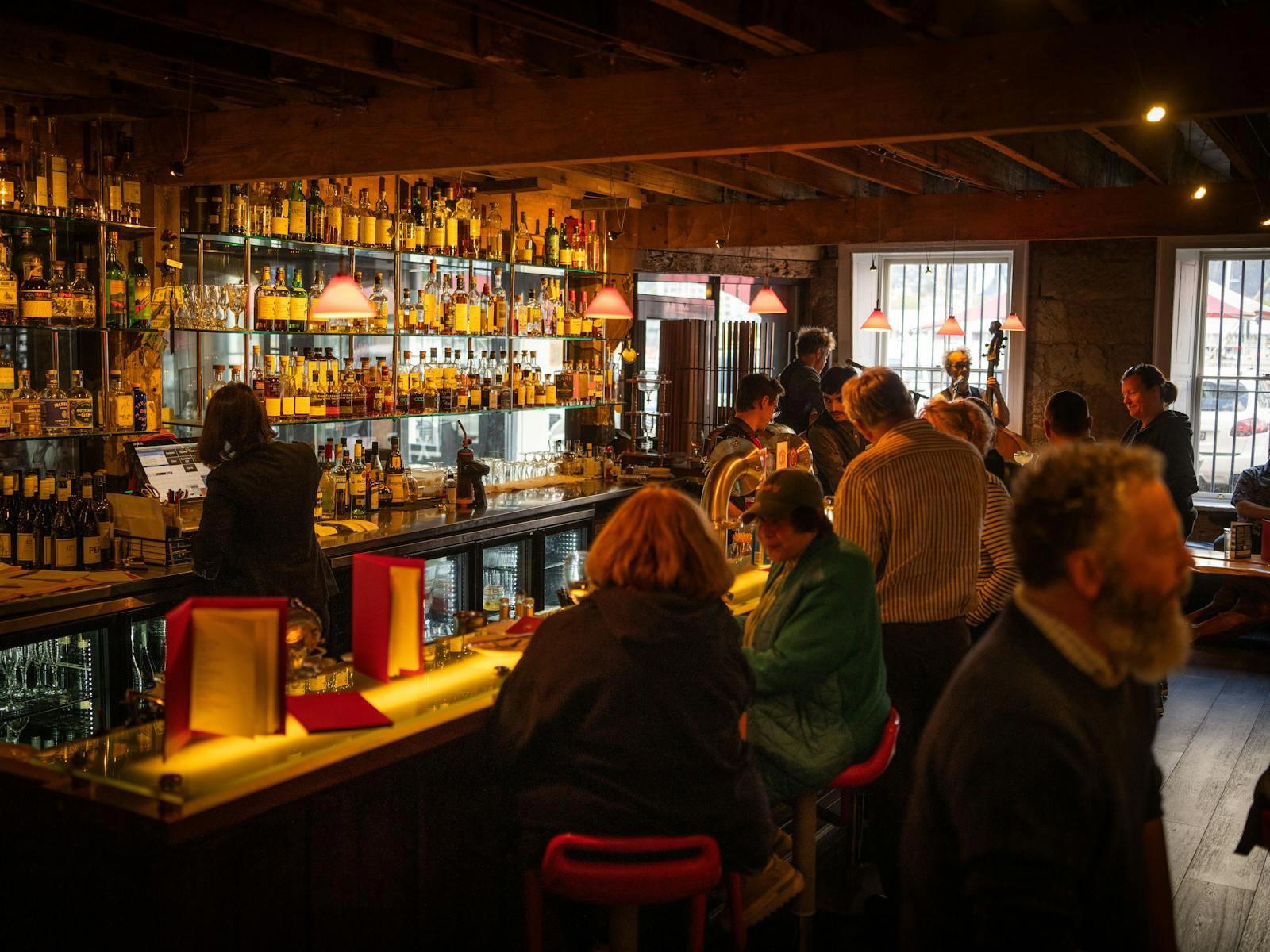
A Waterfront Building With a Long Memory
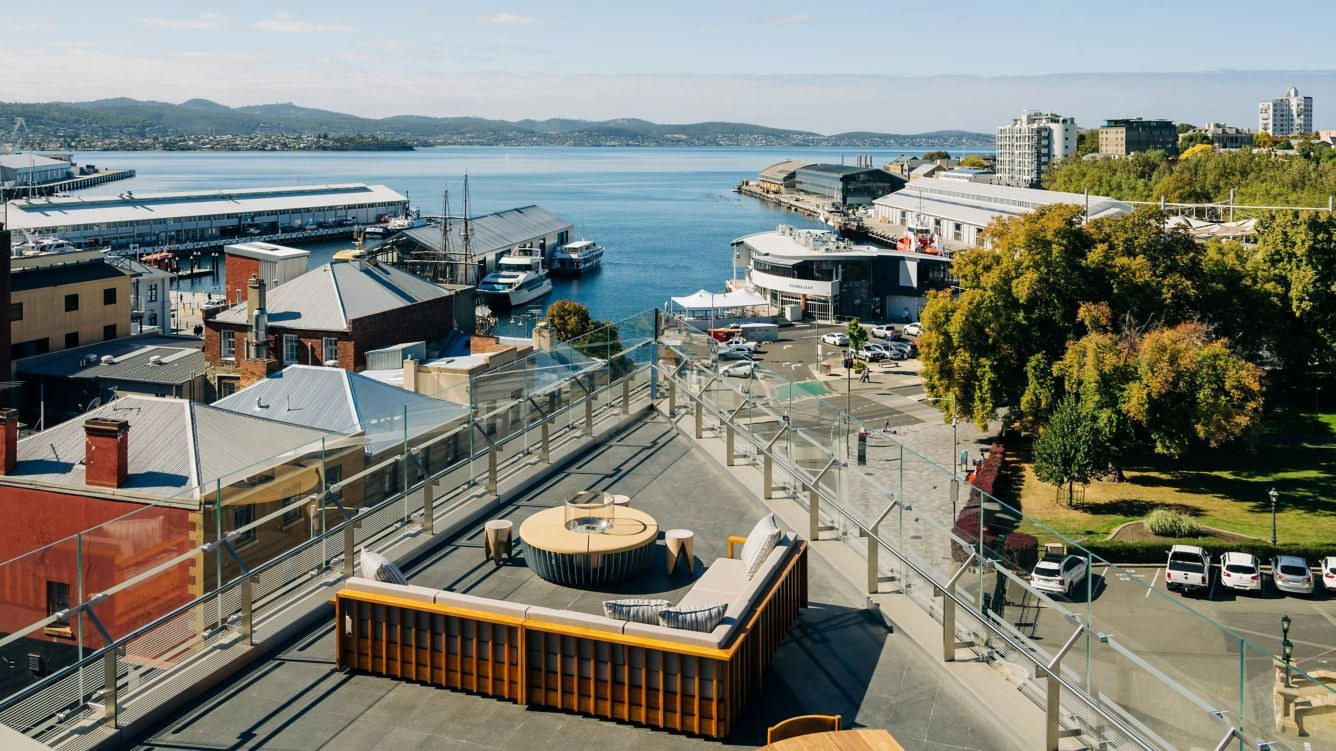
Sullivan's Cove has changed more in the past twenty years than in the century before it. Where bulk cargo and fishing vessels once defined the precinct, the finger wharves and sandstone warehouses now house restaurants, galleries, and accommodation that collectively form Hobart's most concentrated hospitality district. The Henry Jones Art Hotel, at 25 Hunter Street, occupies a converted jam factory that dates to the mid-1800s, and the building's age is not incidental. It is the editorial argument. Hobart's premium accommodation tier has largely resisted the blank-slate approach that defines so many design hotels elsewhere in Australia; here, the industrial substrate, the exposed brick, the original timber joinery, is the aesthetic, not a veneer applied over it.
That decision carries cultural weight. Tasmania has spent two decades repositioning itself around a specific identity: craft, provenance, and the idea that the island's physical history is an asset rather than a liability. The Henry Jones sits inside that broader movement as one of its early institutional expressions, predating the wave of small-batch producers, farm-to-table restaurants, and warehouse conversions that now populate the tourism conversation around the state.
Art as Infrastructure, Not Decoration
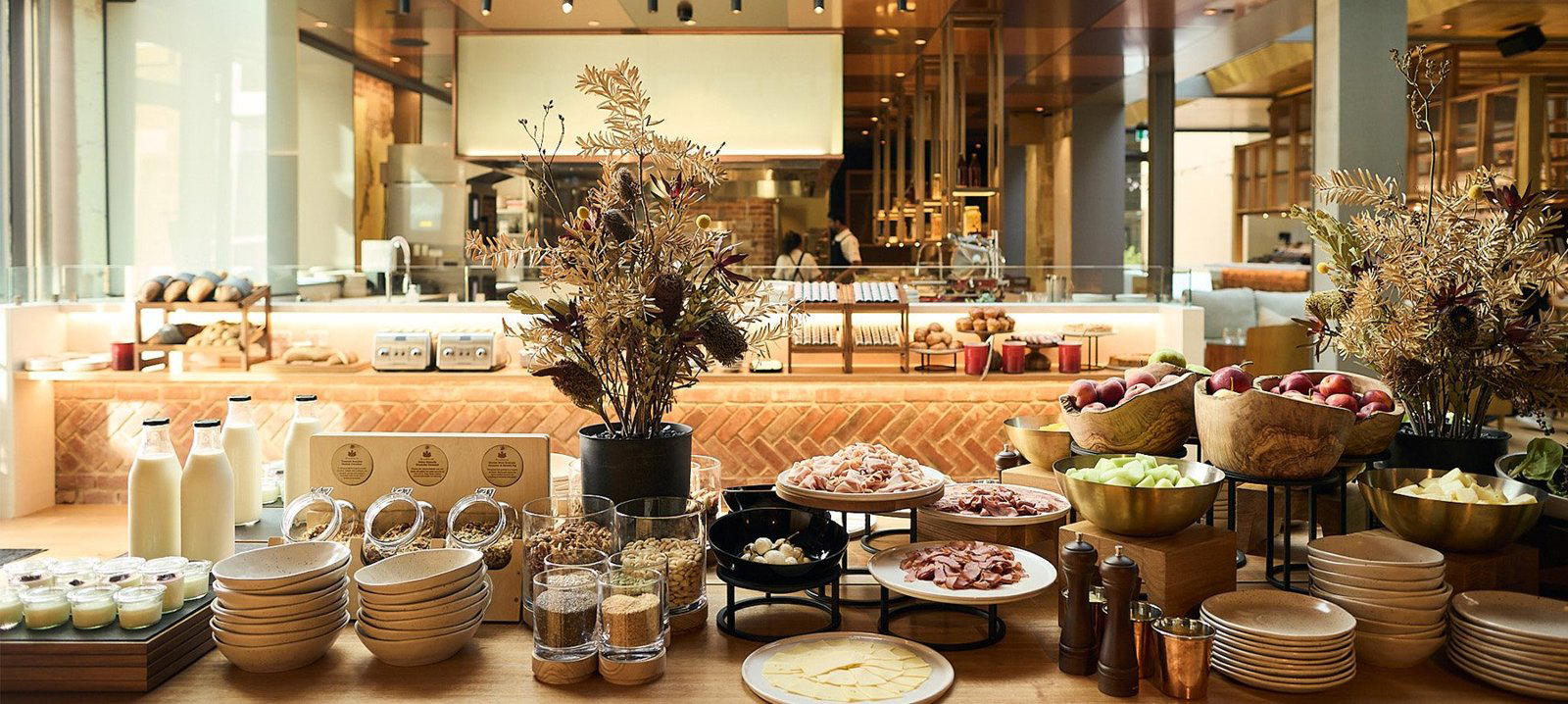
The relationship between premium hotels and art programs is rarely direct. In most cases, the art is sourced by committee, hung for scale, and changed infrequently. What distinguishes the approach at properties like The Henry Jones is the decision to treat the art program as something closer to a curatorial residency than a decoration budget. The hotel holds a substantial collection focused on Tasmanian and Australian artists, and the works are integrated throughout the building rather than corralled into a gallery annex. For a guest, this means the art is unavoidable in the productive sense: you encounter it in corridors, at breakfast, in the rooms themselves.
This positions the property in a peer group that includes a small number of art-hotel concepts in Australia, though few of them share the same combination of heritage building, focused regional collection, and working waterfront address. The logic of the format is that the art gives repeat visitors a reason to return, and gives first-time visitors a framework for engaging with Tasmanian creative culture beyond the obvious entry points.
Where The Henry Jones Sits in Hobart's Dining Scene
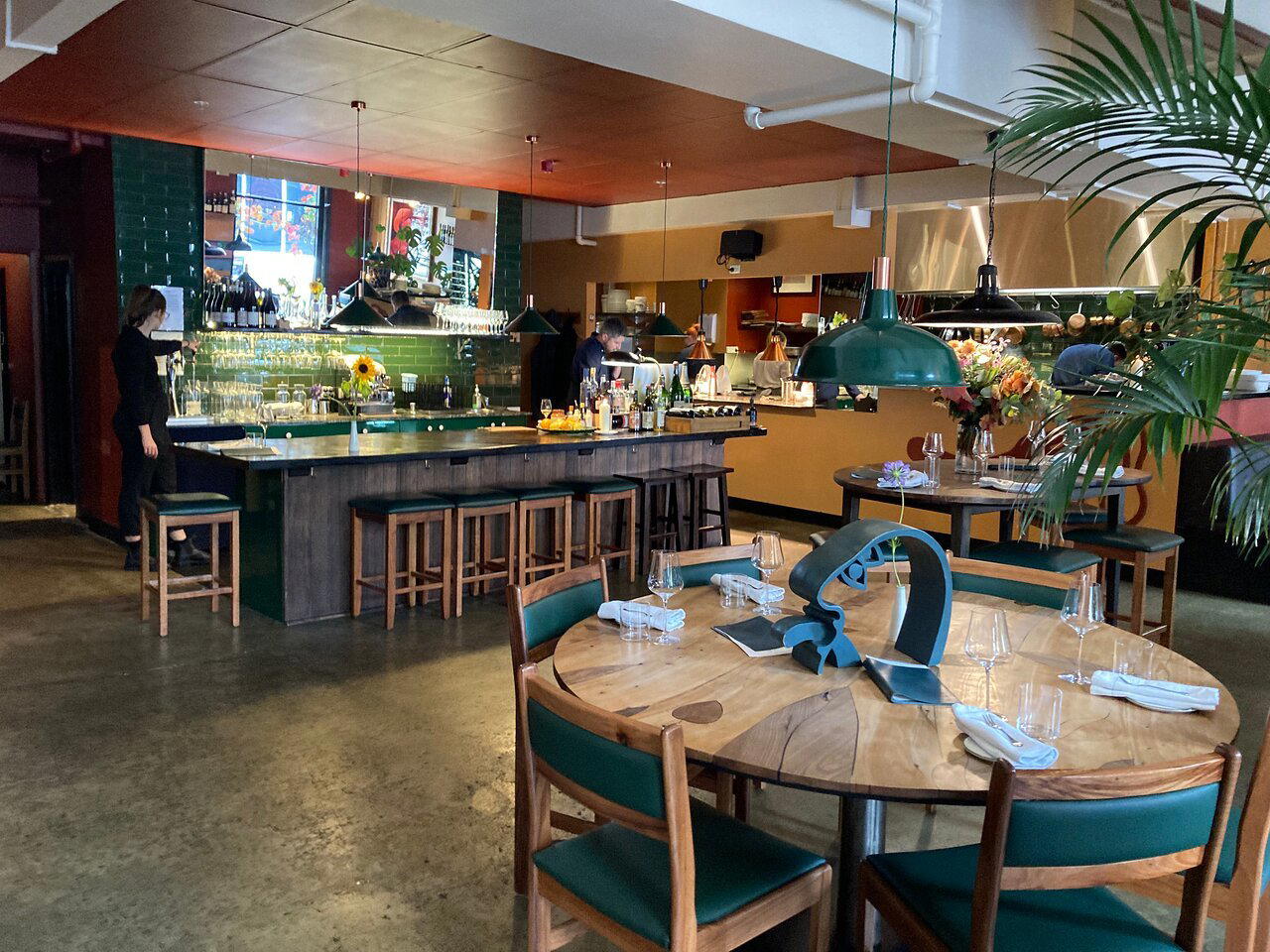
The Sullivan's Cove precinct around The Henry Jones has developed into Hobart's most accessible fine-dining corridor. The hotel's own bar anchors one end of a strip that extends toward Salamanca Market and the newer restaurant cluster around Elizabeth Street. For guests choosing to eat within the property, the kitchen draws on the same Tasmanian produce networks that supply the city's most-discussed independent restaurants.
The broader Hobart dining scene rewards some navigation. A short walk from the hotel, Franklin Bar & Restaurant represents the wood-fire, produce-forward format that Tasmania's restaurant culture has made its signature: open flames, vegetables treated as seriously as protein, and a wine list that reflects the island's own cool-climate production. Dier Makr sits further along the spectrum toward an intimate counter-dining format, where the boundary between kitchen and dining room is effectively erased. Both venues illustrate how far Hobart's restaurant culture has travelled from its previous reputation as a city passed over by serious food travelers.
For drinks, the hotel's position in the precinct gives guests quick access to Hobart's most considered bar programs. Mary Mary and Institut Polaire both operate with the kind of ingredient-led, locally-anchored philosophy that fits the broader Tasmanian narrative: native botanicals, small-batch Tasmanian spirits, and menus that change with seasonal availability rather than on a fixed calendar.
The Waterfront Position and What It Actually Means
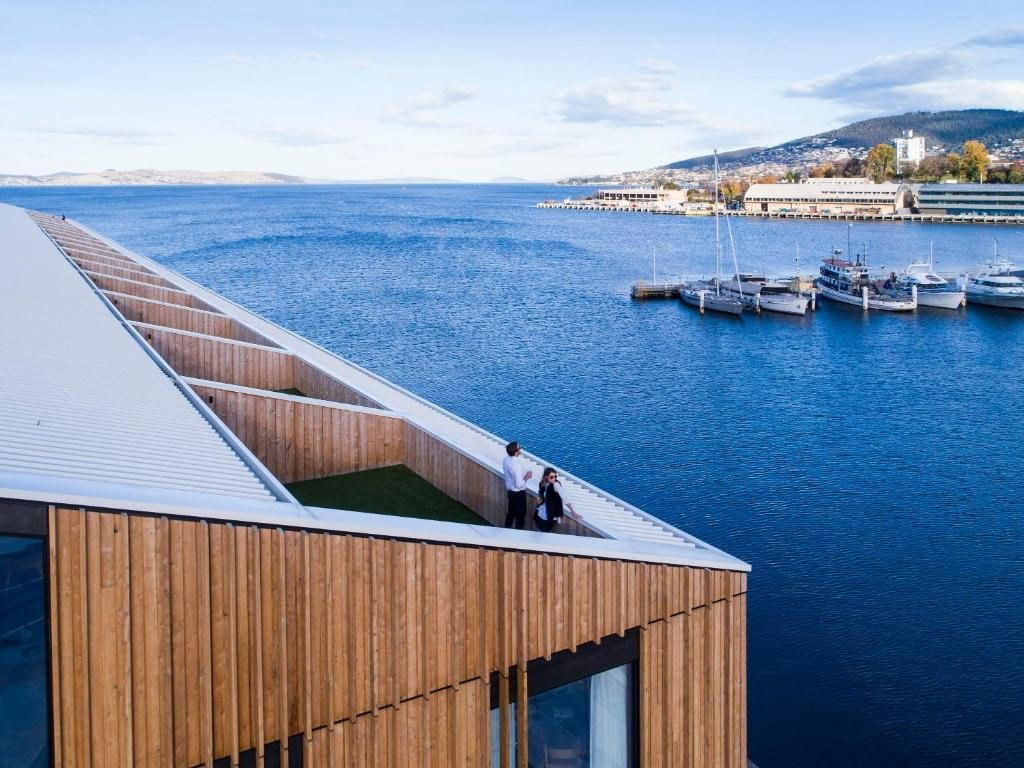
Location claims in hotel marketing are almost always overstated. In the case of The Henry Jones, the Sullivan's Cove address is worth examining concretely. The hotel sits on the working waterfront, which means the view is active rather than decorative: the Antarctic research vessels that use Hobart as their southern staging point, the fishing fleet, and the weekend market traffic on the sandstone apron below Salamanca Place all contribute to a scene that changes by season and by day. Hobart is one of the few cities in Australia where a waterfront hotel room looks out at something genuinely operational rather than a managed marina of leisure craft.
Seasonally, the Cove shifts significantly. The Sydney to Hobart Yacht Race typically brings the fleet to Constitution Dock in late December and early January, transforming the precinct into one of the more charged moments in Australian sailing culture. MONA FOMA, the music and arts festival associated with the Museum of Old and New Art, runs in January. Dark Mofo, MONA's winter festival, anchors June. Each of these draws a different visitor profile to the same waterfront precinct where The Henry Jones sits, and booking windows shift accordingly.
Planning Your Stay
The Henry Jones Art Hotel is located at 25 Hunter Street, a short walk from the Brooke Street Pier ferry terminal, which provides connections to MONA and other waterfront destinations. The Salamanca Market runs Saturday mornings and is walkable from the hotel, as are the Elizabeth Street and Hampden Road dining precincts. Hobart's compact geography means that most of what the city offers at a food and hospitality level is accessible without a car, which is relatively unusual for a Tasmanian itinerary that extends beyond the waterfront.
1806 in Melbourne, Cantina OK! in Sydney, and Bowery Bar in Brisbane. Hobart operates at a smaller scale than any of these cities, but the concentration of considered operators in a compact area gives the city's hospitality scene a density that larger footprints sometimes dilute. Further afield, Fratelli Paradiso in Potts Point, La Cache à Vín in Spring Hill, Blu Bar on 36 in The Rocks, and Bar Leather Apron in Honolulu each illustrate how regional identity shapes what a premium bar program chooses to emphasise. Hobart's version of that story runs through Tasmanian whisky, native botanicals, and cool-climate wine rather than tropical or metropolitan frameworks.
Booking and Cost Snapshot
Comparable venues nearby, for context on price, style, and recognition.
| Venue | Cuisine | Price | Notes |
|---|---|---|---|
| The Henry Jones Art HotelThis venue — the venue you are viewing | Not listed | $$$ | Not listed |
| Mary Mary | Not listed | $$$ | Salamanca Place, cocktail_bar |
| Dier Makr | Not listed | $$$ | Hobart CBD, wine_bar |
| New Sydney Hotel | North Hobart, pub | $$ | Not listed |
| Franklin Bar & Restaurant | Hobart CBD, lounge | $$ | Not listed |
| Institut Polaire | Not listed | $$$ | Central Hobart, wine_bar |
Continue exploring
More in Hobart
Bars in Hobart
Browse all →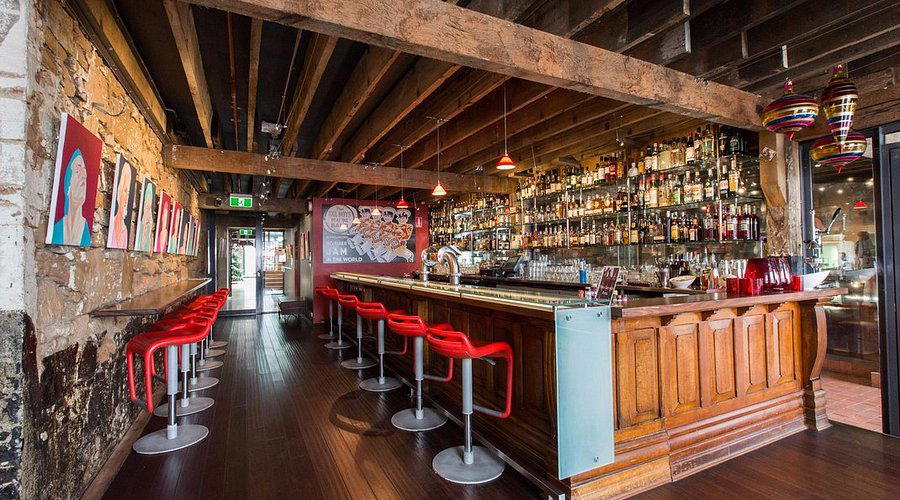

Restaurants in Hobart
Browse all →
Hotels in Hobart
Browse all →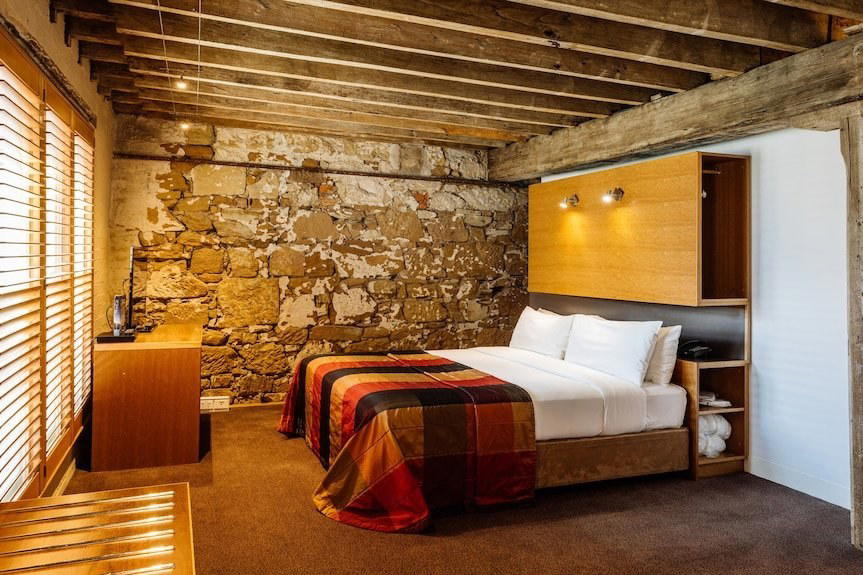

At a Glance
- Sophisticated
- Elegant
- Intimate
- Historic
- Cozy
- Date Night
- Special Occasion
- Casual Hangout
- Live Music
- Waterfront
- Historic Building
- Hotel Bar
- Lounge Seating
- Seated Bar
- Craft Cocktails
- Classic Cocktails
- Waterfront
- Street Scene
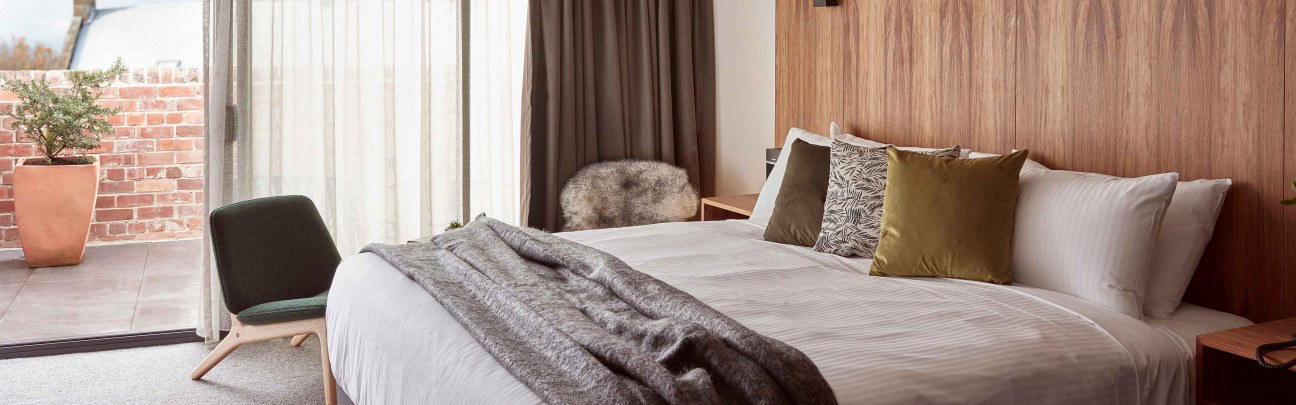
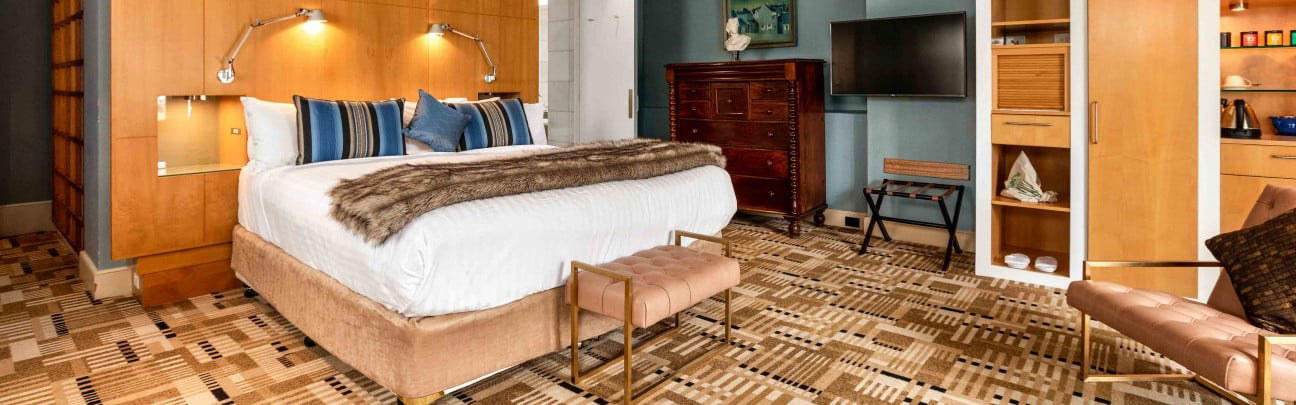
Refined heritage charm blended with contemporary elegance, featuring moody lighting, local art, and waterfront views.