Our verdict
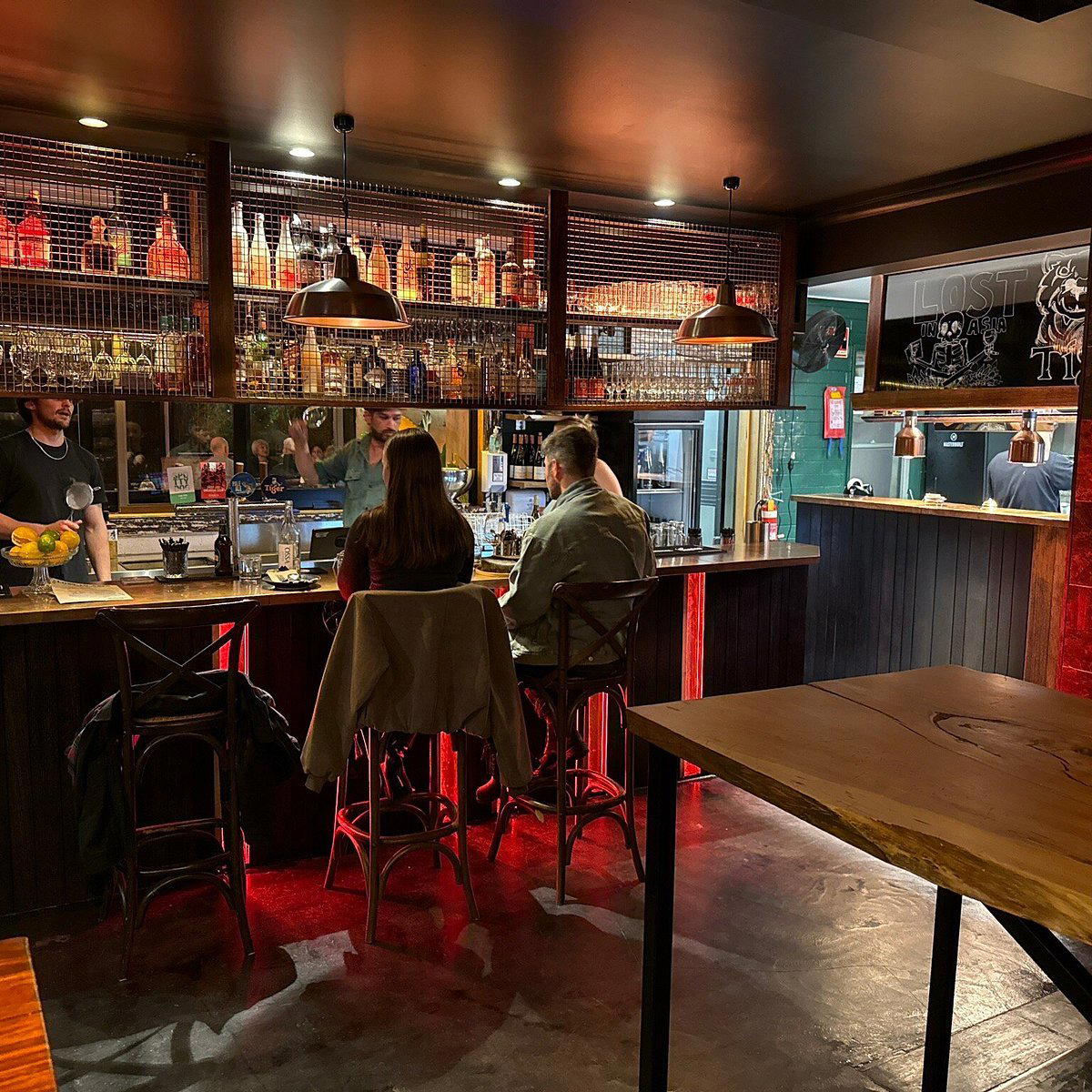
South-East Asian cooking on Murray Street in central Hobart, where the flavours of the region, from Vietnamese pho to Thai curries and Indonesian sambals, find a foothold in a city more often associated with Tasmanian produce and European technique. Lost in Asia brings a different register to Hobart's dining scene, one built on the layered spice traditions of multiple South-East Asian cuisines rather than a single national identity.

Pearl is the En Primeur Club membership app, where members save venues, book tables and use the concierge.
The menu
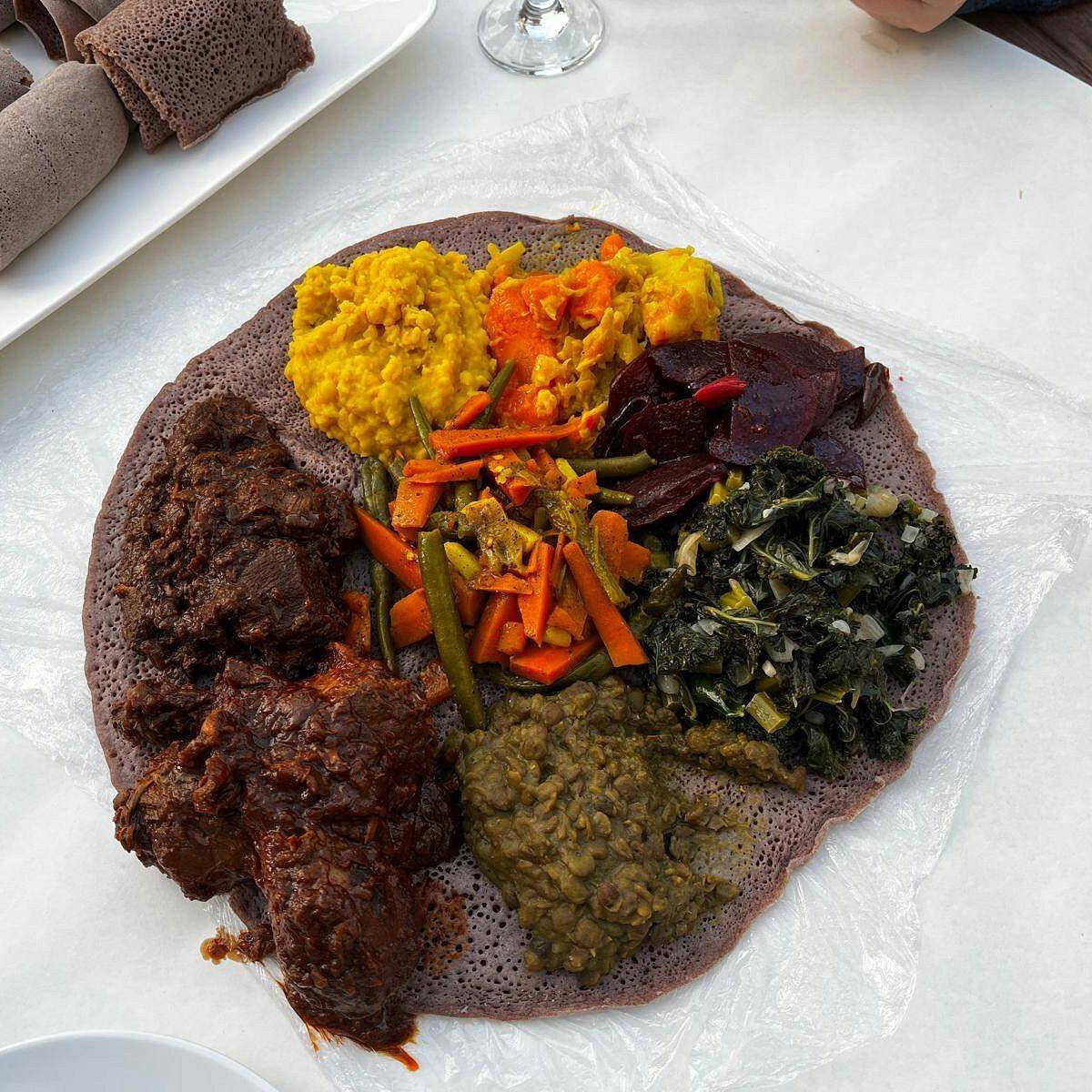
What to order
- Crispy pork
- Chicken rice paper rolls
- Ayam goreng
South-East Asia on Murray Street
Murray Street runs through the commercial core of Hobart with the kind of density that a city this size rarely sustains. Restaurants, bars, and late-night venues press up against each other between the waterfront and the lower end of the CBD, and it is in this stretch that South-East Asian cooking occupies a particular niche. In a city whose restaurant identity is shaped overwhelmingly by Tasmanian produce, European technique, and the gravitational pull of the waterfront dining precinct, a kitchen that draws from the spice traditions of Vietnam, Thailand, Indonesia, Malaysia, and their neighbours operates as a genuine counterpoint. Lost in Asia, at 131–133 Murray Street, sits inside that counterpoint.
South-East Asian cuisine is not a single tradition but a family of overlapping ones, each shaped by distinct geography, religion, trade history, and agricultural base. The fish sauce-forward brightness of Vietnamese cooking sits apart from the coconut-heavy richness of Malaysian and Indonesian preparations, which in turn differ from the herb-and-chilli intensity of Thai regional food. Restaurants that draw across this entire family rather than committing to a single country's culinary logic make a particular editorial argument: that the connective tissue between these traditions, aromatics, balance of sweet, sour, salty, and heat, and the use of fresh herbs as structural elements rather than garnish, is itself worth presenting as a category.
Where This Fits in Hobart's Dining Scene
Hobart's dining scene over the past decade has developed around two poles. The first is the fine dining and produce-driven category, represented by restaurants with deep connections to Tasmanian farming and fishing, including institutions like Agrarian Kitchen, which has built its reputation on farm-to-table discipline. The second is a broader casual dining tier that includes European-leaning venues like Don Camillo Restaurant and Cugini Restaurant, which reflect the Italian-Australian culinary presence in the city. What sits less prominently in that structure is South-East Asian cooking at any point on the price spectrum, which gives venues like Lost in Asia a distinct position by default rather than by design.
This matters because Hobart draws a visitor base that is increasingly international, partly driven by MONA's cultural reach and partly by Australia-wide interest in the island's food and nature tourism credentials. Visitors who arrive from Sydney, Melbourne, or overseas carry reference points from South-East Asian restaurants in those cities, from the Vietnamese strips of Cabramatta to Melbourne's Malaysian dining precincts, and they assess what they find in Hobart against those benchmarks. For context, the broader Australian conversation about ambitious dining includes venues like Attica in Melbourne and Brae in Birregurra, while Sydney's Rockpool represents a different tier entirely. Lost in Asia operates at a different scale and price register from all of those, but the comparison is useful for locating where South-East Asian cooking in a smaller Australian city tends to sit: outside the prestige tier, often casual in format, and reliant on the authenticity of technique and sourcing rather than the scaffolding of awards recognition.
The Cultural Register of the Cuisine
South-East Asian cooking arrived in Australian cities through immigration waves that shaped specific urban precincts, but in smaller cities like Hobart the same concentrated community presence was never established at scale. This means that South-East Asian restaurants in Hobart have historically served a mixed audience of residents with varying familiarity with the cuisines, rather than the home-cook diaspora clientele that tends to enforce authenticity in larger city precincts. The implication for any kitchen in this position is a calibration question: how much do you adapt spice levels and flavour intensity to a broader palate, and how much do you hold to the structural logic of the source cuisines?
This is a question that runs through South-East Asian restaurants across the English-speaking world. The better ones, wherever they operate, tend to preserve the functional role of heat and acidity as structural rather than decorative elements. The lemongrass, galangal, and kaffir lime that form the aromatic base of Thai and Malaysian preparations are not interchangeable with generic herbs; their specific flavour compounds are load-bearing in the dish. The same applies to the fermented shrimp paste that underpins certain Indonesian and Malaysian sambals, or the precise balance of fish sauce, lime, palm sugar, and fresh chilli that defines Vietnamese dipping sauces. These are not finishing touches but the actual architecture of the food.
For diners arriving from Melbourne or Sydney, where South-East Asian cooking has reached a high level of technical confidence in multiple precincts, the interest in a Hobart venue of this type lies partly in how it handles those fundamentals. For locally-based diners with less comparative reference, the cuisine offers a register that Tasmanian produce-driven cooking does not: layered spice, fermented depth, and herb-forward freshness that reads very differently from the European technique dominant elsewhere in the city.
The Murray Street Context
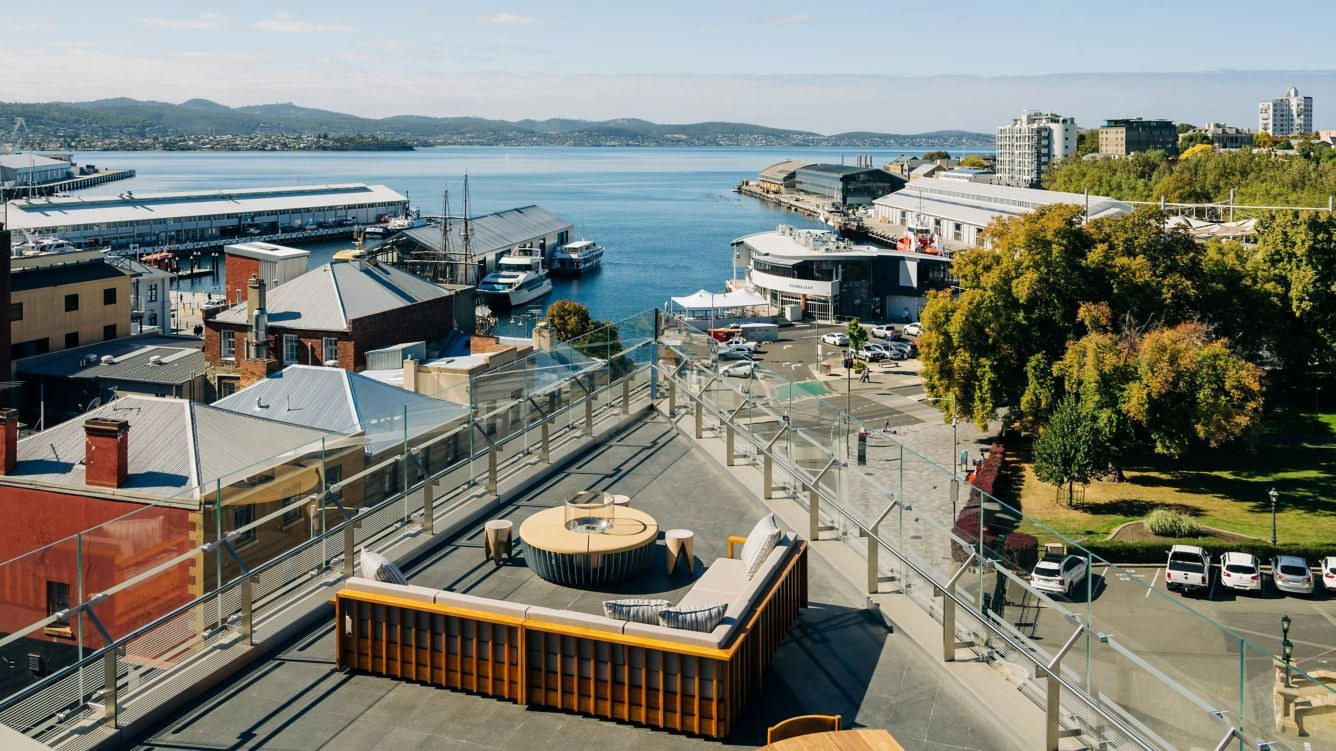
The address at 131–133 Murray Street places Lost in Asia in walking distance of Hobart's central accommodation stock and the waterfront precinct. This is a practical asset for a cuisine category that tends to perform well as a dinner destination for travellers who have spent the afternoon at the museum or the Salamanca market. The CBD corridor around Murray Street has a different character from the Salamanca Place strip, less tourist-facing infrastructure, more functional urban dining, which suits a South-East Asian kitchen whose appeal is the food rather than the setting.
Other venues in Hobart's central zone that occupy the casual dining and bar space include Aloft and Callington Mill Distillery at MACq 01, which represent different points in the hospitality offer around the waterfront. Murray Street itself connects them in a walkable strip that allows a multi-venue evening without the need for transport, a structural advantage for visitors on short stays. You can review the full picture in our Hobart restaurants guide.
For visitors building an itinerary that reaches beyond Hobart, the contrast between South-East Asian cooking of this type and the European-leaning casual dining of venues like Bar Carolina in South Yarra, Barry Cafe in Northcote, or the pub-adjacent register of Bayly's Bistro in Kirribilli is instructive. Australian casual dining is genuinely diverse, and South-East Asian cooking in smaller cities like Hobart sits at the point where regional diversity meets limited supply. Other reference points across the country include Jaani Street Food in Ballarat, which operates a similar South Asian register in another regional city context, and Johnny Bird in Crows Nest, which represents a different tier of casual dining in Sydney's north. Bills in Bondi Beach and Hungry Wolfs in Newcastle round out the picture of how casual dining spans Australian cities.
At the international end of the spectrum, the precision cooking of venues like Le Bernardin in New York City or the Korean fine dining of Atomix belongs to a completely different tier, but they illustrate how Asian-rooted cooking can operate across the full range of formality and price when a city's dining infrastructure is deep enough to support it.
Planning a Visit
Lost in Asia is located at 131–133 Murray Street in central Hobart, within walking distance of the waterfront and the majority of the city's central accommodation. For context on what to expect from South-East Asian dining in a city of Hobart's scale, the price tier tends to sit in the casual-to-mid-range bracket, making it accessible for most travellers without requiring the advance planning that Hobart's produce-driven fine dining venues typically demand.
Frequently asked questions
What's Lost in Asia's location?
Lost in Asia is located at 131-133 Murray St, Hobart TAS 7000, Australia, Hobart.
How hard is it to get a table at Lost in Asia?
No awards recognition or booking data that would indicate high demand are on record. In Hobart's casual dining tier at 131–133 Murray Street, walk-in availability is generally reasonable outside peak weekend hours. Checking ahead during summer or during MONA FOMA and Dark Mofo periods is a sensible precaution, when the city's restaurant capacity tightens across the board.
A Pricing-First Comparison
Comparable venues nearby, for context on price, style, and recognition.
| Venue | Cuisine | Price | Notes |
|---|---|---|---|
| Lost in AsiaThis venue (the venue you are viewing) | Pan-Asian Share Plates | Not listed | Not listed |
| Fico | Contemporary Italian Fine Dining | $200–300 | Macquarie Street, Contemporary Italian Fine Dining |
| Driftwood Restaurant | Modern Seasonal Coastal | $50–100 | Lauderdale, Modern Seasonal Coastal |
| The Astor Grill | Contemporary Australian Grill | $50–100 | Hobart CBD, Contemporary Australian Grill |
| Callington Mill Distillery at MACq 01 Hobart | Not listed | $50–100 | Hobart Waterfront, Modern Australian Whisky Dining |
| The Glass House Hobart | Not listed | Not listed | Hobart CBD, Japanese-inspired Tasmanian Small Plates |
Continue exploring
More in Hobart
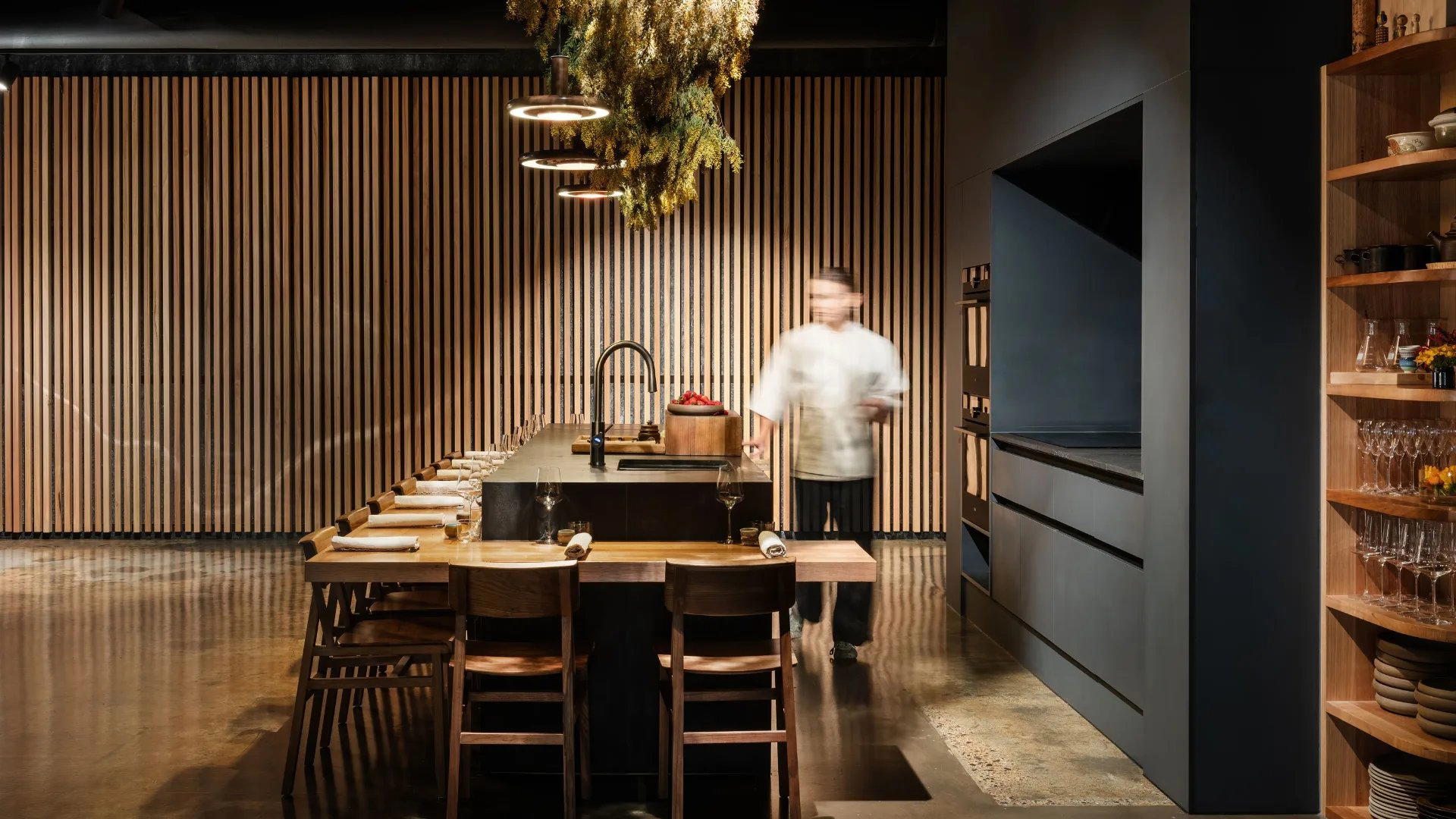
Restaurants in Hobart
All restaurants in Hobart →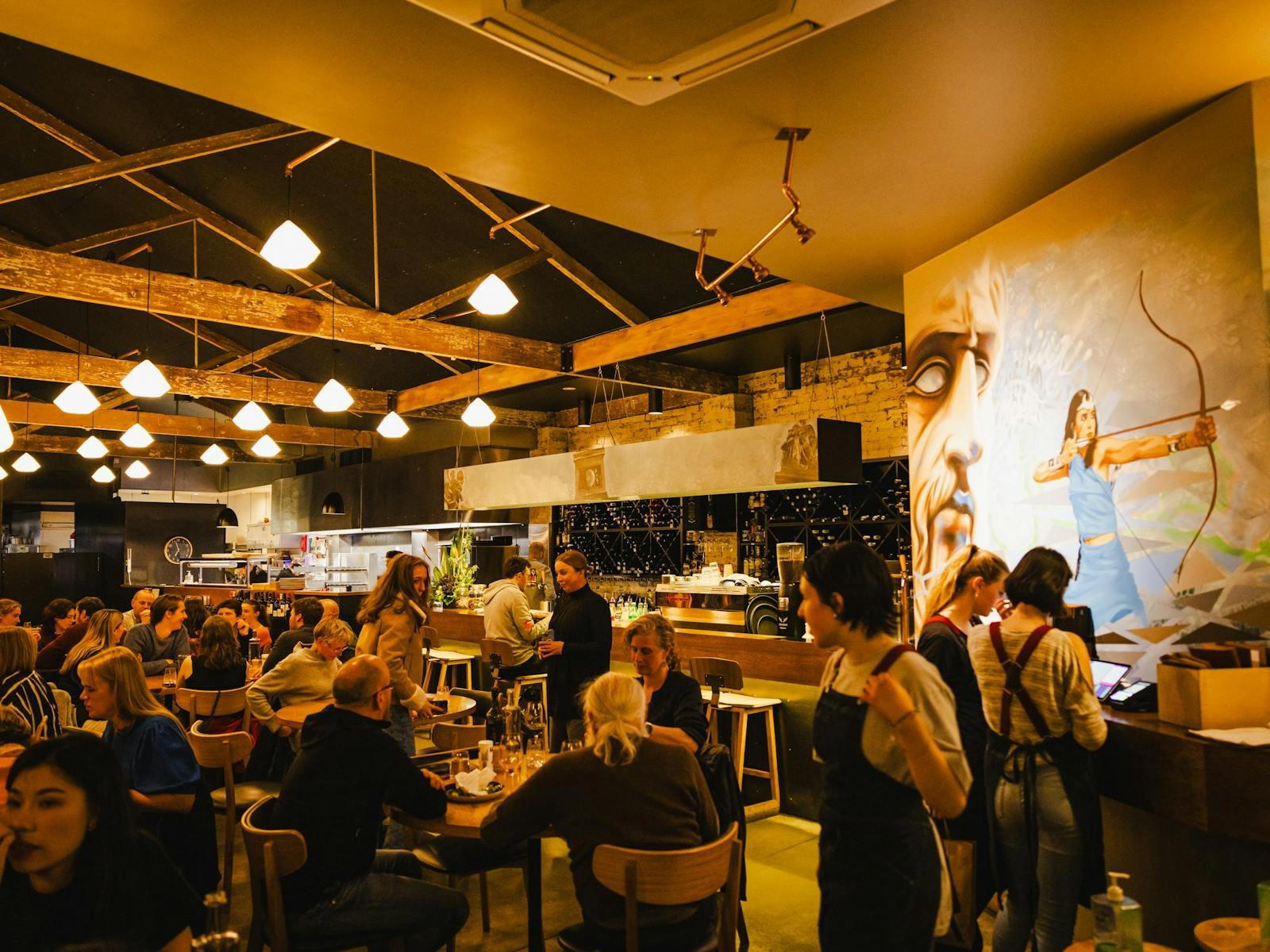
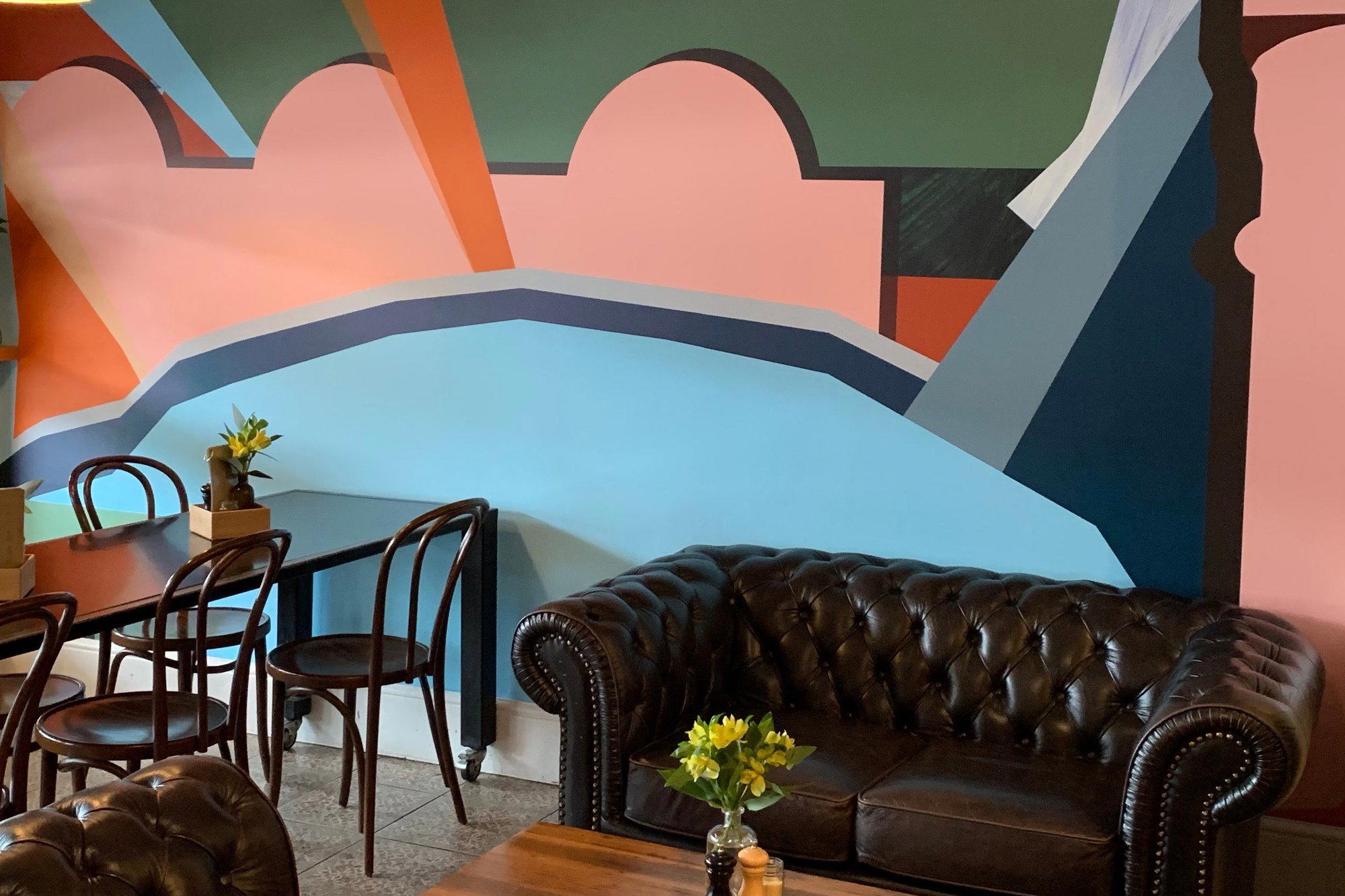
Bars in Hobart
All bars in Hobart →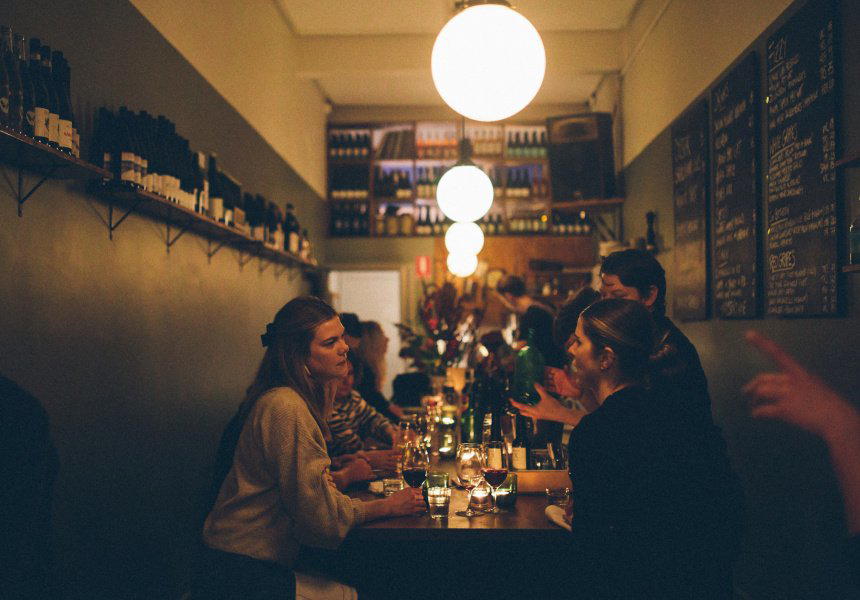
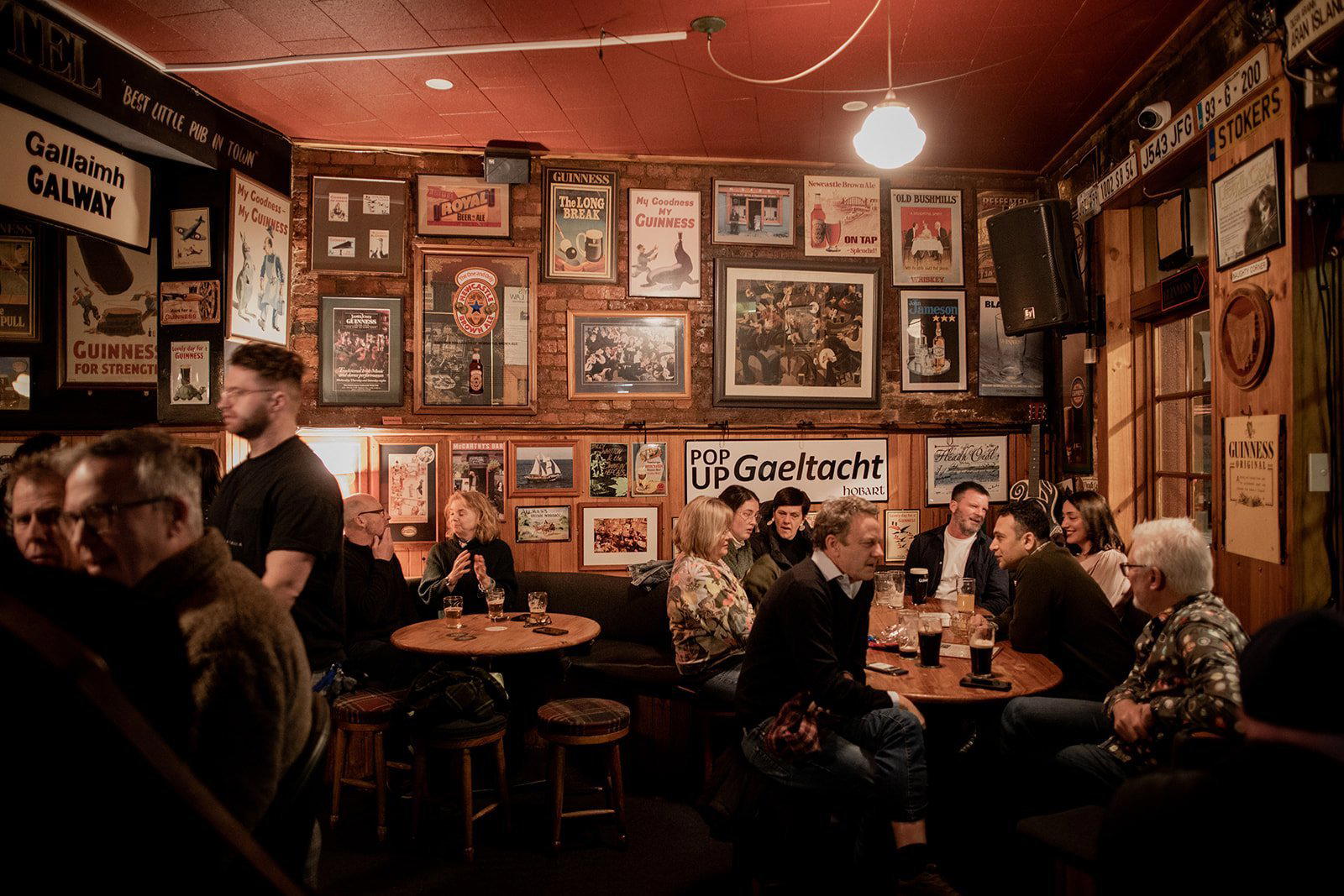
Details
- Cozy
- Rustic
- Trendy
- Date Night
- Group Dining
- Casual Hangout
- Garden
- Open Kitchen
- Craft Cocktails
- Local Sourcing
- Garden
- Small Plates
- A La Carte
- Craft Cocktails
- Vegetarian Friendly
Current opening hours
- Monday
- 12 PM–12 AM
- Tuesday
- Closed
- Wednesday
- Closed
- Thursday
- 12 PM–12 AM
- Friday
- 12 PM–12 AM
- Saturday
- 12 PM–12 AM
- Sunday
- 12 PM–12 AM
Hours can change for holidays and private events. Hours as of .
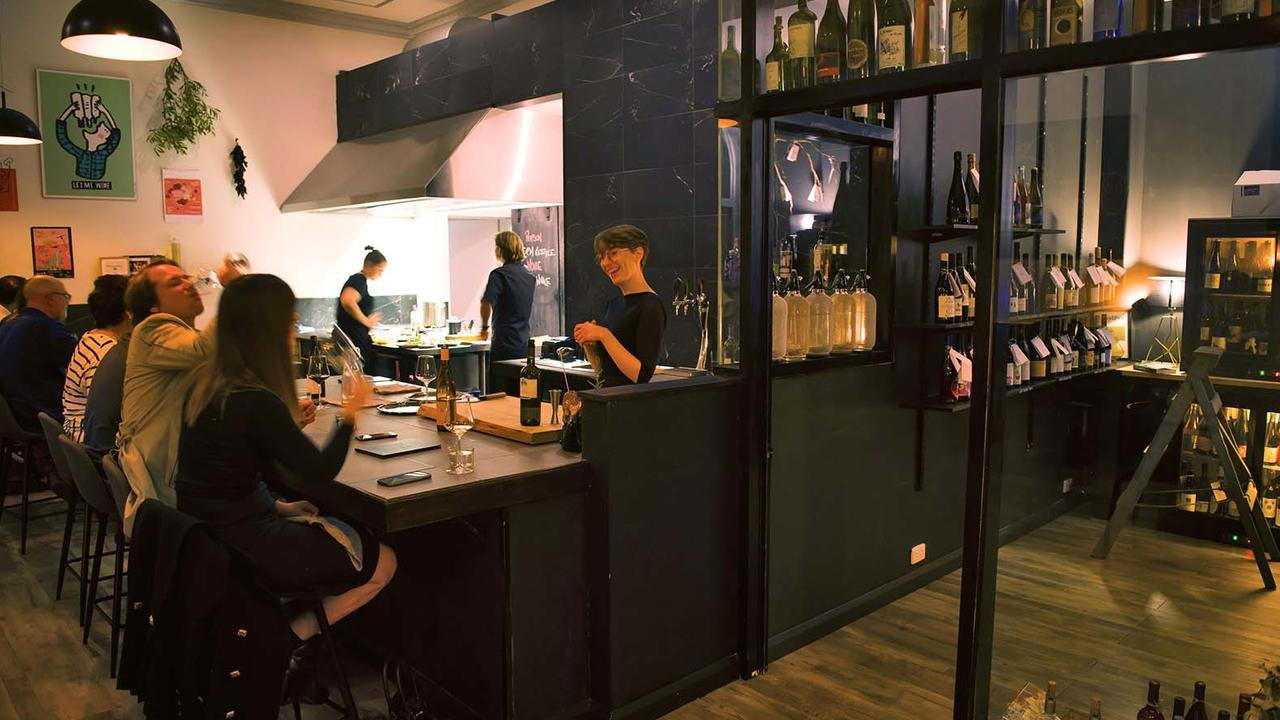
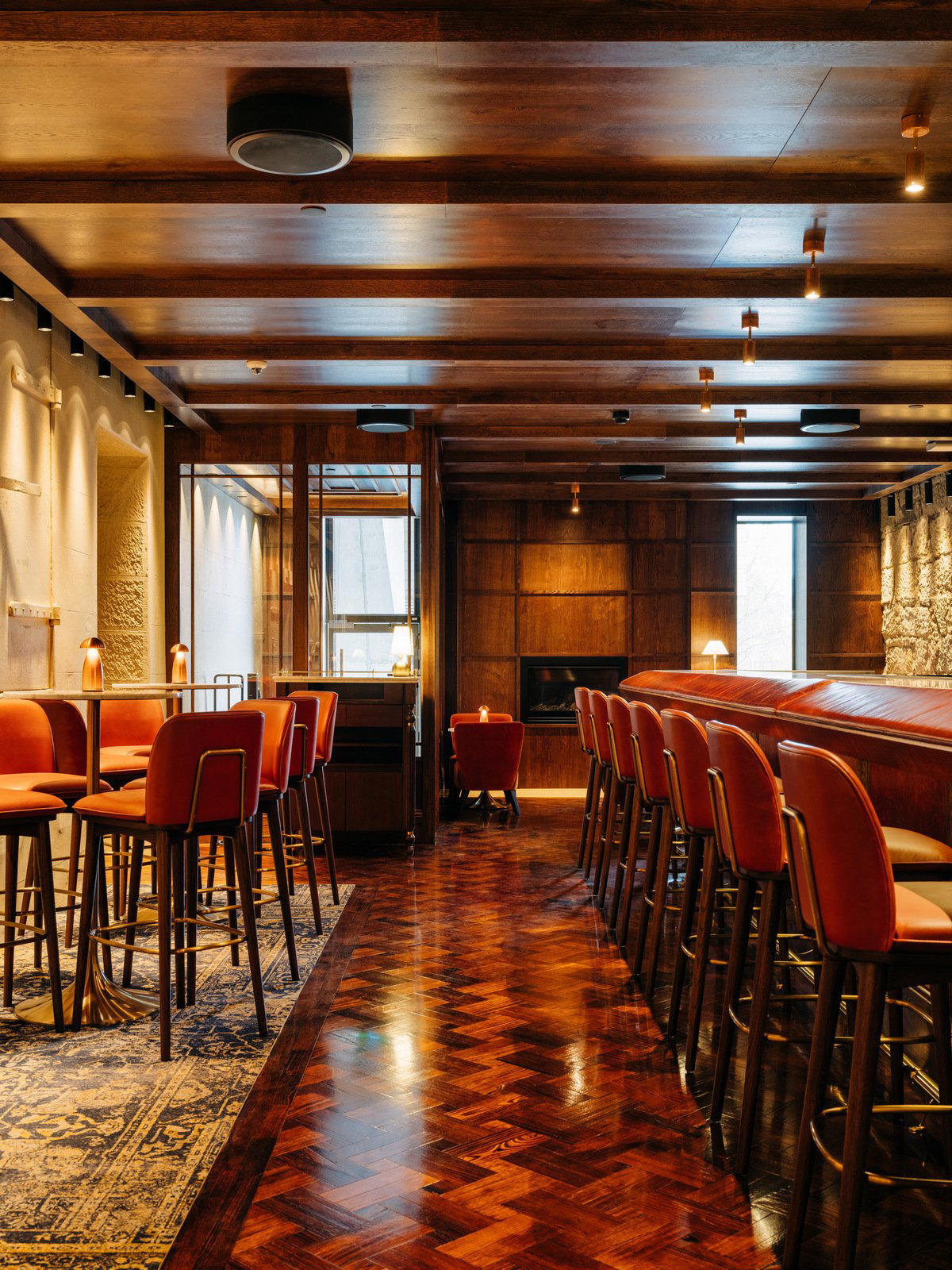
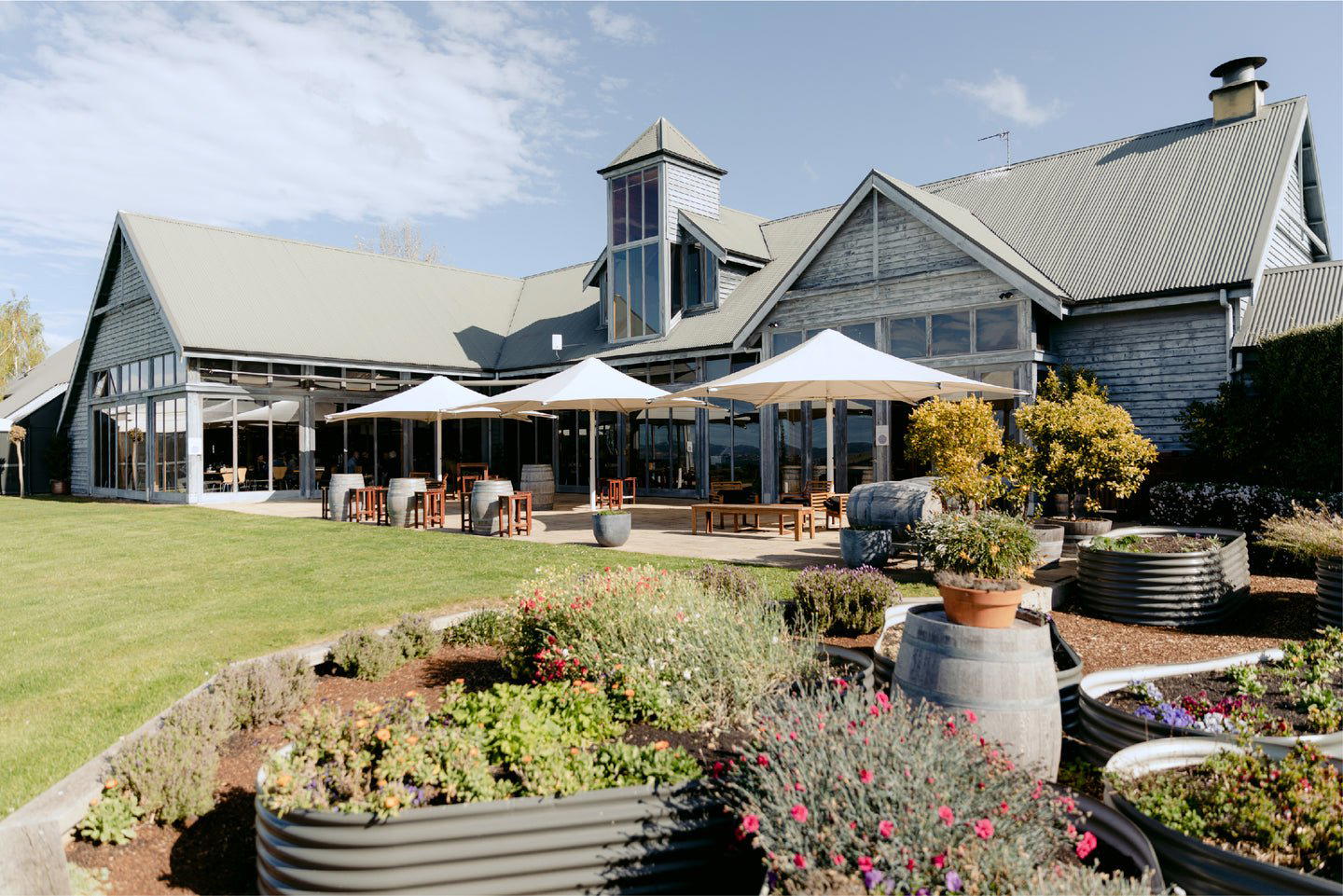
Leafy courtyard garden and plant-filled historic space blending old-world charm with breezy, laid-back Southeast Asian atmosphere.