Frogmore Creek sits on Richmond Road in Cambridge, on Tasmania's Coal River Valley floor, where the island's cool continental climate produces wines of notable precision and restraint..

Pearl is the En Primeur Club membership app — saves, bookings, and concierge access live there. Same editors, same standards.
- Address
- 699 Richmond Rd, Cambridge TAS 7170
- Phone
- +61 3 6274 5844
- Website
- frogmorecreek.com.au
- Directions
- Get directions
What the Coal River Valley Tells You Before You Open a Bottle
Tasmania's wine credentials have shifted considerably in the past two decades. Where the island was once treated as a curiosity on the Australian wine map, a handful of Coal River Valley producers have forced a more serious reassessment. The valley's geology — a dry, low-rainfall corridor flanked by dolerite-capped ranges — creates conditions that are as close to a cool continental extreme as Australian viticulture reaches. The diurnal temperature swings here are sharp enough to slow phenolic development and preserve natural acidity in ways that mainland regions simply cannot replicate.
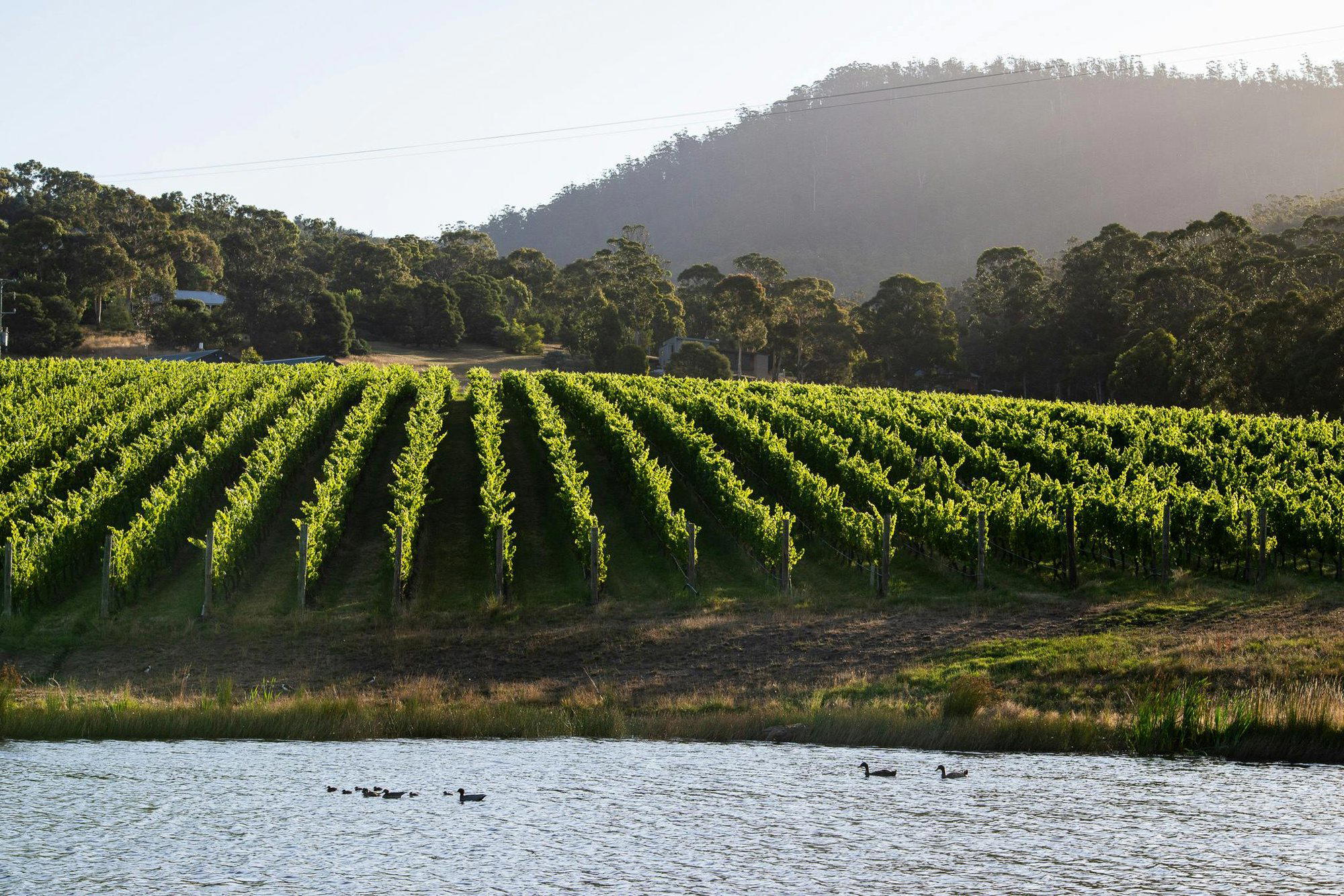
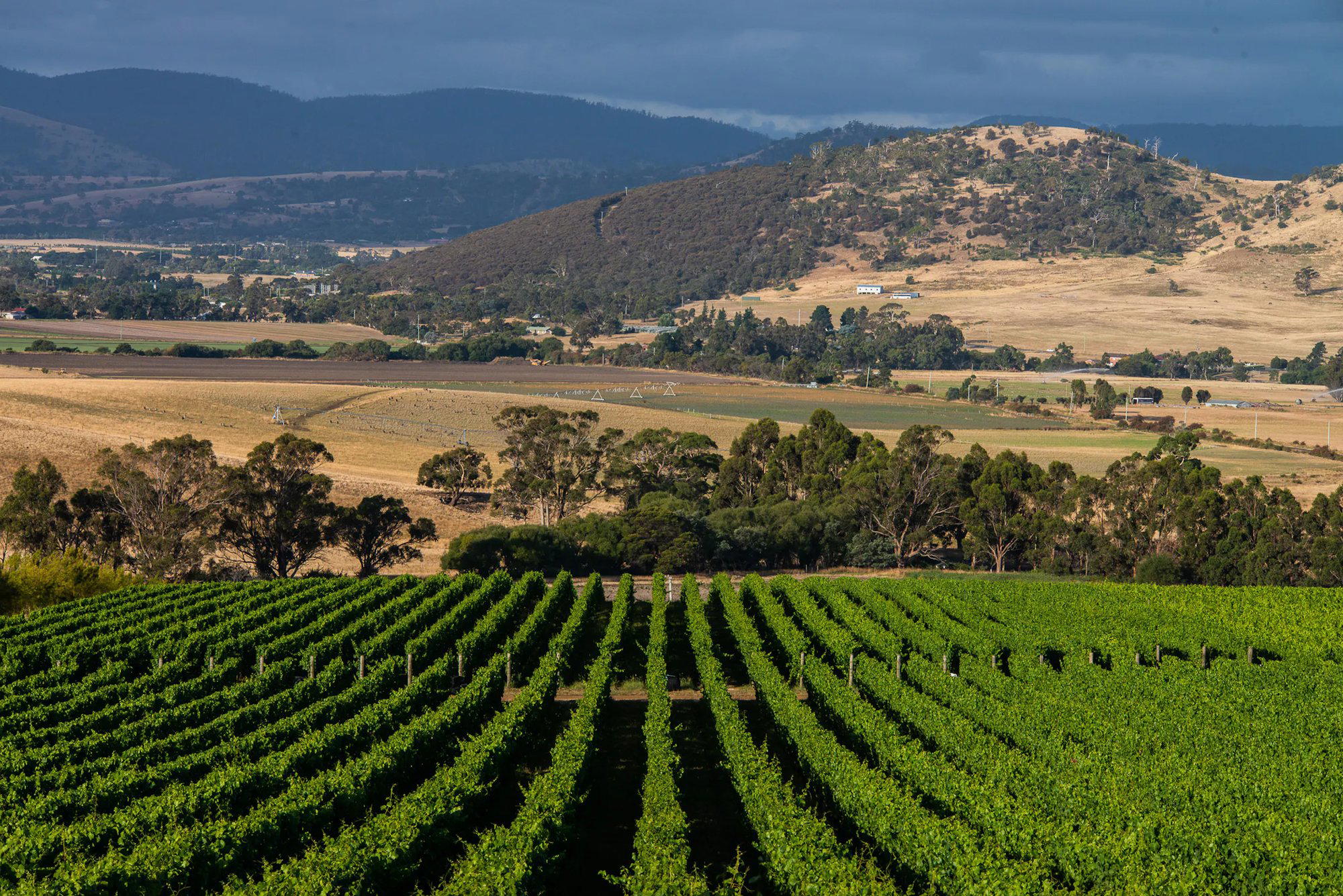
Arriving at the property, the Coal River plain opens around you in a way that makes the site's logic immediate. The valley is broad and exposed, with none of the sheltered romanticism of Yarra or McLaren Vale. The light here is particular to Tasmania, low-angle, clarifying, and the landscape reads as agricultural rather than theatrical. That directness extends to the wines themselves. The Coal River's reputation rests on varieties that respond well to a slow, cool ripening season: sparkling base wines from Chardonnay and Pinot Noir, still Pinot of genuine structural discipline, and aromatic varieties like Riesling that hold tension across their whole palate profile. These are not wines that announce themselves through concentration or oak extraction. They earn attention differently.
Terroir in a Dry Southern Valley
To understand what Frogmore Creek is expressing in the glass, it helps to understand the geology and climate it works with. The Coal River Valley averages around 500mm of annual rainfall, low by Tasmanian standards and markedly lower than the Tamar Valley to the north. The soils carry a significant clay and loam component over older sedimentary and alluvial bases, giving good water retention in a dry season without the waterlogging that heavier clay-dominated profiles can produce. Vine stress in summer is real but managed, and the result is grapes that mature slowly with measured sugar accumulation. Alcohol levels across well-made Coal River wines tend to land at the lower end of Australian norms, which is precisely the point.
Producers working this climate know that the asset is not warmth but cool exposure. Frogmore Creek's position on the valley floor puts it in direct dialogue with that exposure. The cool nights that other Australian wine regions try to approximate through altitude are simply the default condition here from February onward. That temperature differential, warm afternoons, cold nights, is what locks in aromatic precision and allows grapes to build complexity without losing freshness. The pattern is common to high-performing cool-climate regions globally: it is why Pinot and Chardonnay from this part of Tasmania draw comparisons with Burgundy's structural logic rather than New World ripeness conventions, and why sparkling wine production in the Coal River has attracted increasing serious attention from producers and collectors alike.
For broader context on how Tasmanian producers fit within the Australian fine wine conversation, the nearby Sullivan's Cove offers a useful comparison. Both estates operate from Cambridge and both carry recognition at the prestige level, but they approach different aspects of what the island's climate and terroir can produce.
How Frogmore Creek Fits the Australian Fine Wine Conversation
That context matters. It sits instead in the company of producers like Bass Phillip in Gippsland, whose Pinot work similarly operates in a cool-climate, low-yield register, or Bird in Hand in Adelaide Hills, where elevation-driven cool conditions shape a different expression of similar varieties.
The broader Australian fine wine field has diversified its prestige geography considerably. Estates like Henschke and Penfolds in warmer South Australian zones built their reputations on power and longevity in Shiraz and Cabernet. The Tasmanian argument is built on something structurally different: restraint, precision, and site expression in cool-season varieties. That is not a lesser ambition, it is a different one, and collectors who follow the shift in Australian fine wine toward cooler latitudes and more delicate variety profiles are tracking producers like Frogmore Creek with the same attention they give to Cape Mentelle in Margaret River or Brokenwood in Hunter Valley, each a regional anchor for a distinct climate argument.
Internationally framed comparisons deepen the picture further. The Coal River's sparkling program invites comparison with established cool-climate sparkling regions in ways that other Australian zones cannot credibly claim. And still Pinot Noir from this valley has begun appearing on international sommelier lists as the expression Australian cool-climate Pinot has been building toward for thirty years. The recognition Frogmore Creek holds is part of a broader regional validation, not merely an individual achievement.
Planning a Visit to the Coal River Valley
Cambridge sits east of Hobart, accessible in under twenty minutes from the city centre along the Tasman Highway. The Coal River Valley wine route is compact by mainland Australian standards, making it manageable in a half or full day without the long drives that define visits to, say, All Saints Estate in Rutherglen or Angove Family Winemakers in Renmark. Frogmore Creek's address at 699 Richmond Rd places it on the valley's main artery, with clear signage from the highway. For visitors building a broader Tasmanian itinerary, pairing a Coal River day with Hobart's restaurant scene and the MONA precinct makes for a program that doesn't require a car beyond the valley itself.
The Coal River Valley tends to be quieter in winter, with cellar door traffic concentrating in the spring and autumn shoulder seasons when the vineyard is at its most visually communicative. Summer visits bring the longest days and warmest afternoons, but the valley's exposure means even January carries a coolness in the air that reminds you why the wines taste the way they do. For a complete view of what the Cambridge wine scene offers, our full Cambridge restaurants and wine guide maps the regional options with the same editorial scrutiny applied here. Those planning broader Australian itineraries that include distillery stops might also note Archie Rose in Sydney and Bundaberg Rum Distillery as contrasting producer types for a more varied Australian drinks itinerary. For those whose travels extend beyond Australia, Aberlour in Scotland and Accendo Cellars in St. Helena represent the kind of prestige-tier, site-specific producer philosophy that parallels what the Coal River Valley's better estates are working toward.
A Quick Peer Check
Comparable venues nearby, for context on price, style, and recognition.
| Venue | Cuisine | Price | Notes |
|---|---|---|---|
| Frogmore CreekThis venue — the venue you are viewing | Chardonnay, Pinot Noir | $50–100 | Not listed |
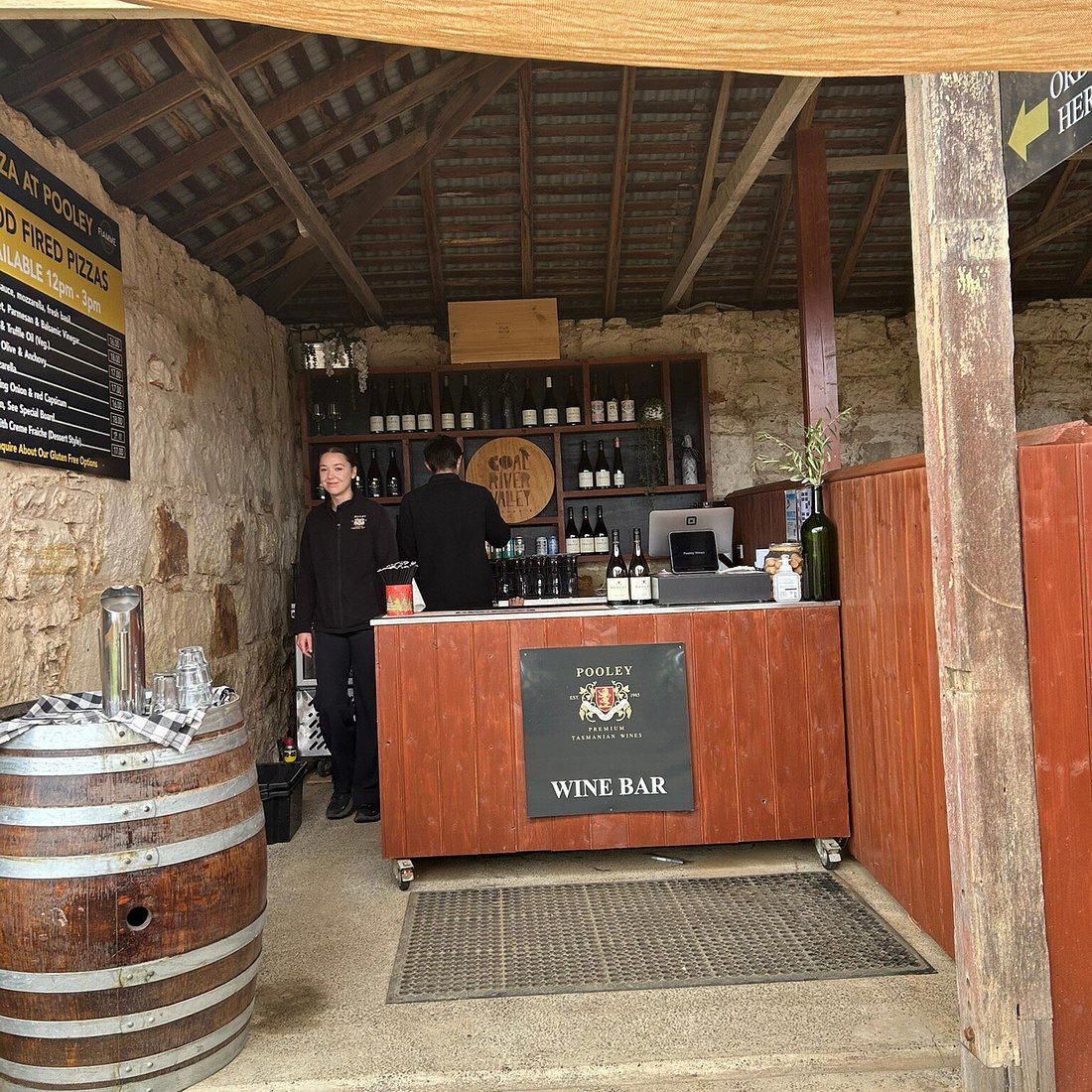
| Pooley | Pinot Noir, Chardonnay | $10–20 | Richmond |
| Joshua Cooper Wines | Winery | Not listed | Heathcote |
| Belgrove Distillery | rye, oat | Not listed | Kempton |
| Hartshorn Distillery | Tasmania | Not listed | Birchs Bay |
| Overeem Distillery | Hobart, Tasmania | Not listed | Huntingfield |
Continue exploring
More in Cambridge
Wineries in Cambridge
Browse all →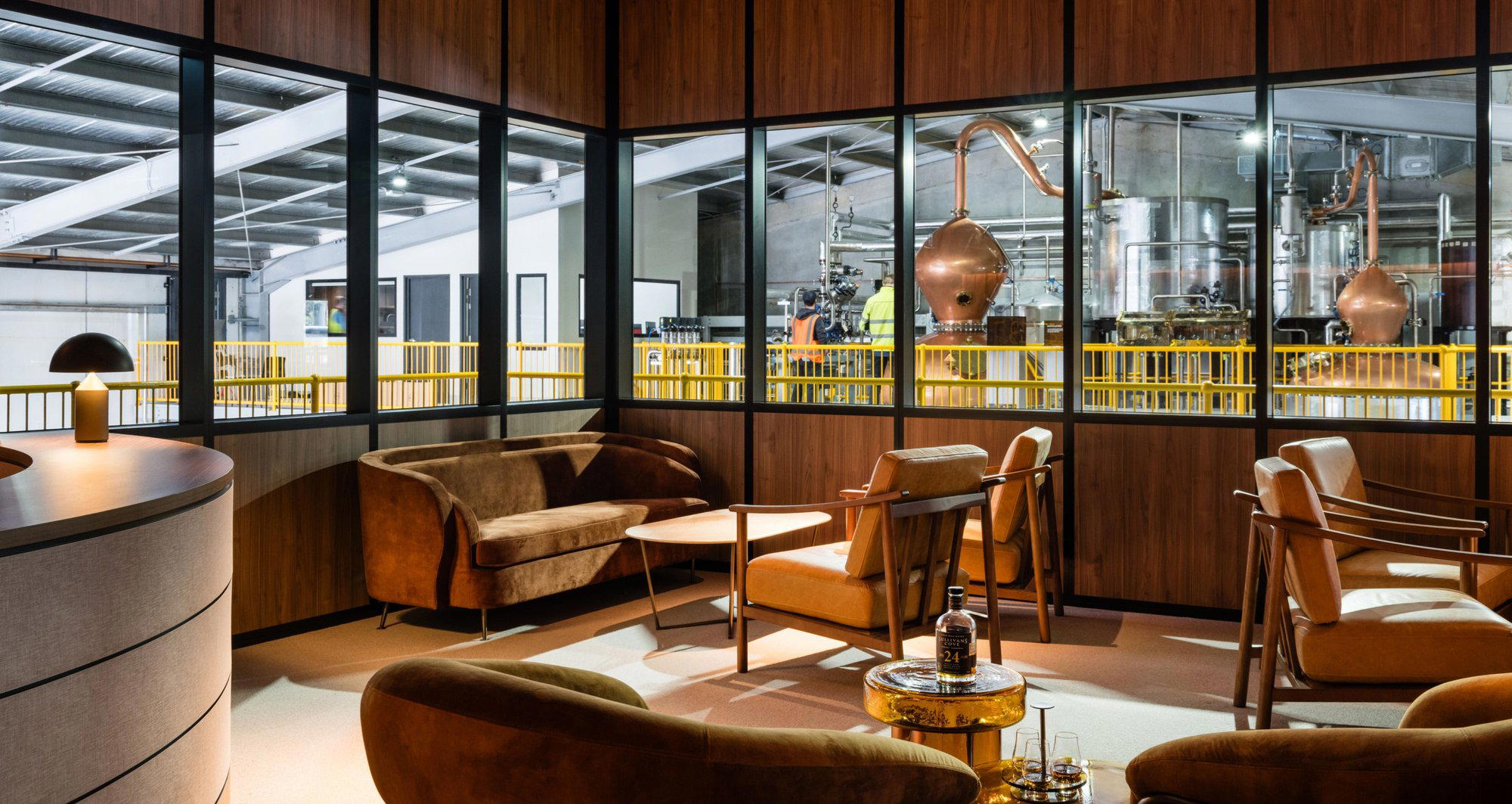

Bars in Cambridge
Browse all →

Restaurants in Cambridge
Browse all →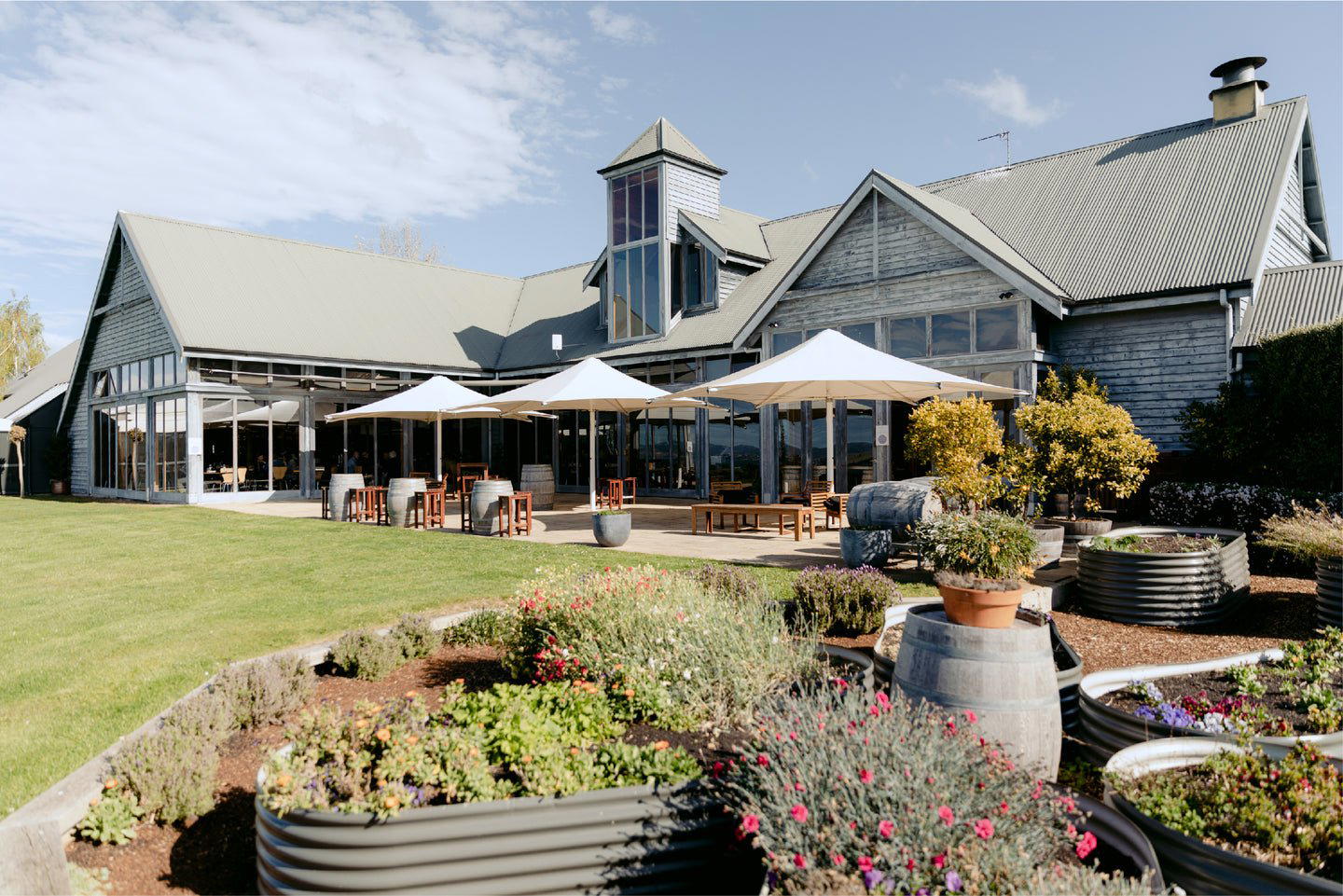


Details
- Scenic
- Elegant
- Rustic
- Relaxed
- Romantic Getaway
- Group Outing
- Celebration
- Wine Education
- Vineyard Tour
- Estate Grounds
- Terrace
- Panoramic View
- Vineyard
- Waterfront
- Chardonnay
- Pinot Noir
- Pinot Gris
- Riesling
- Sauvignon Blanc
- Merlot
- Still White
- Still Red
- Sparkling
- Walk In Tasting
- Private Tasting
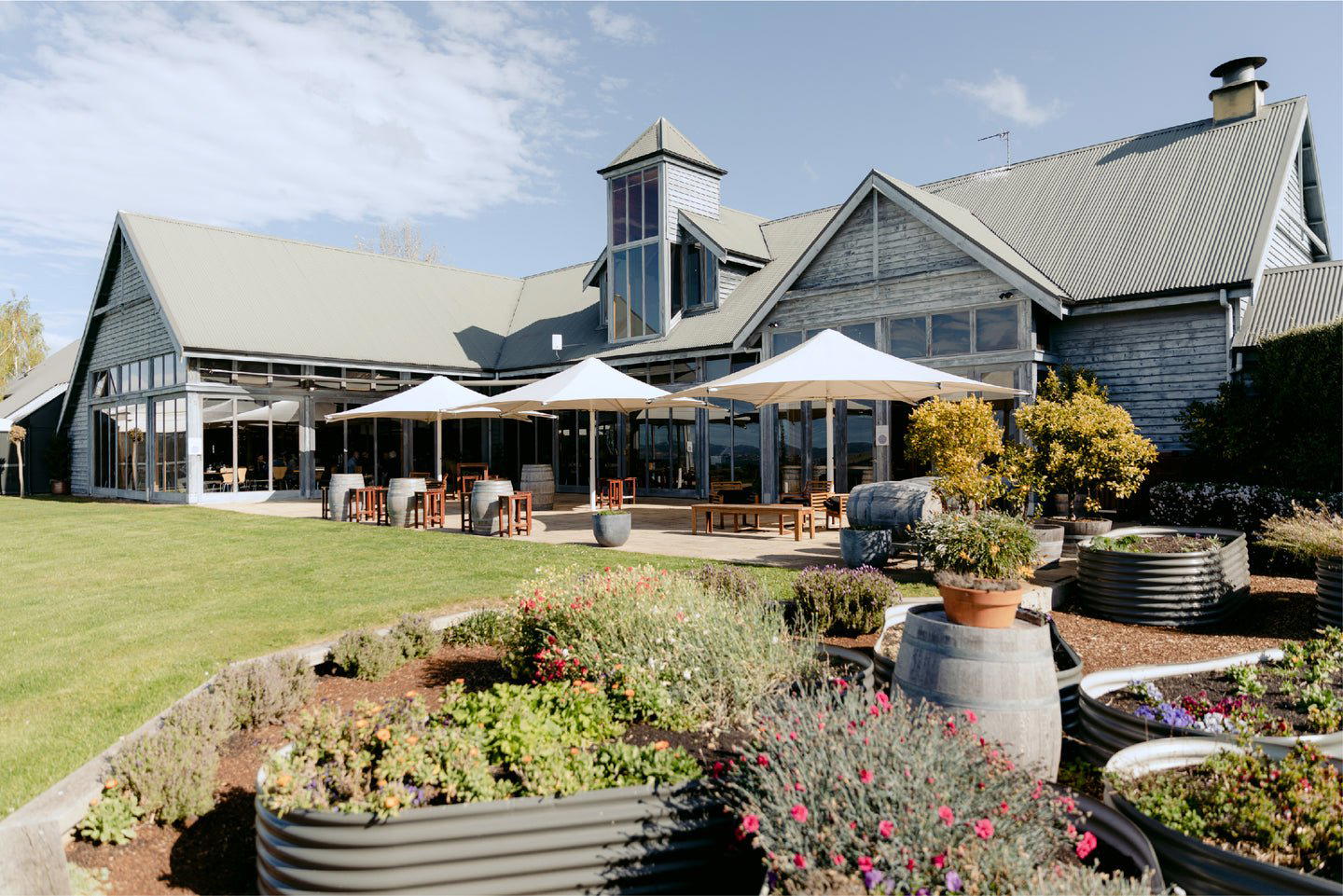
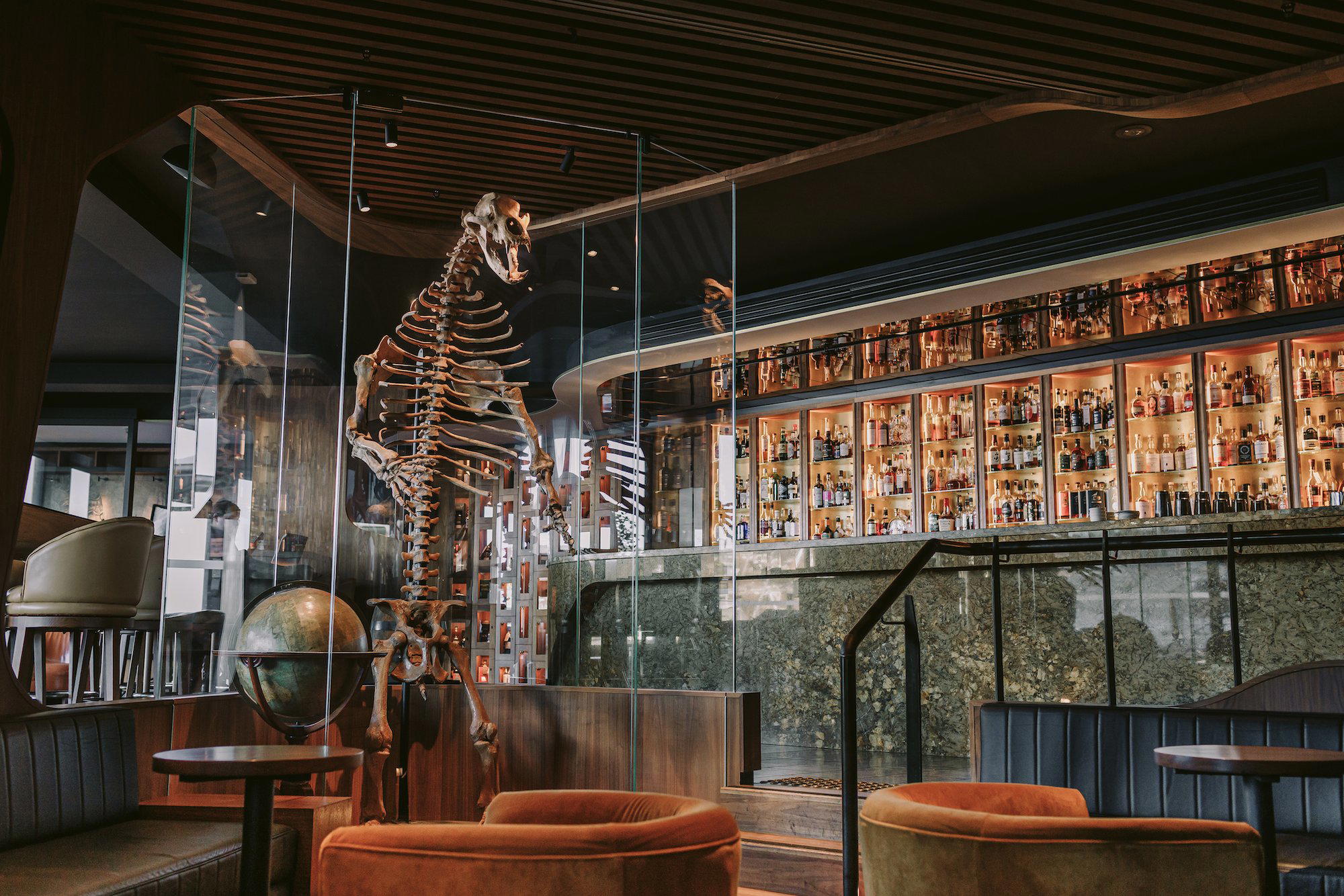
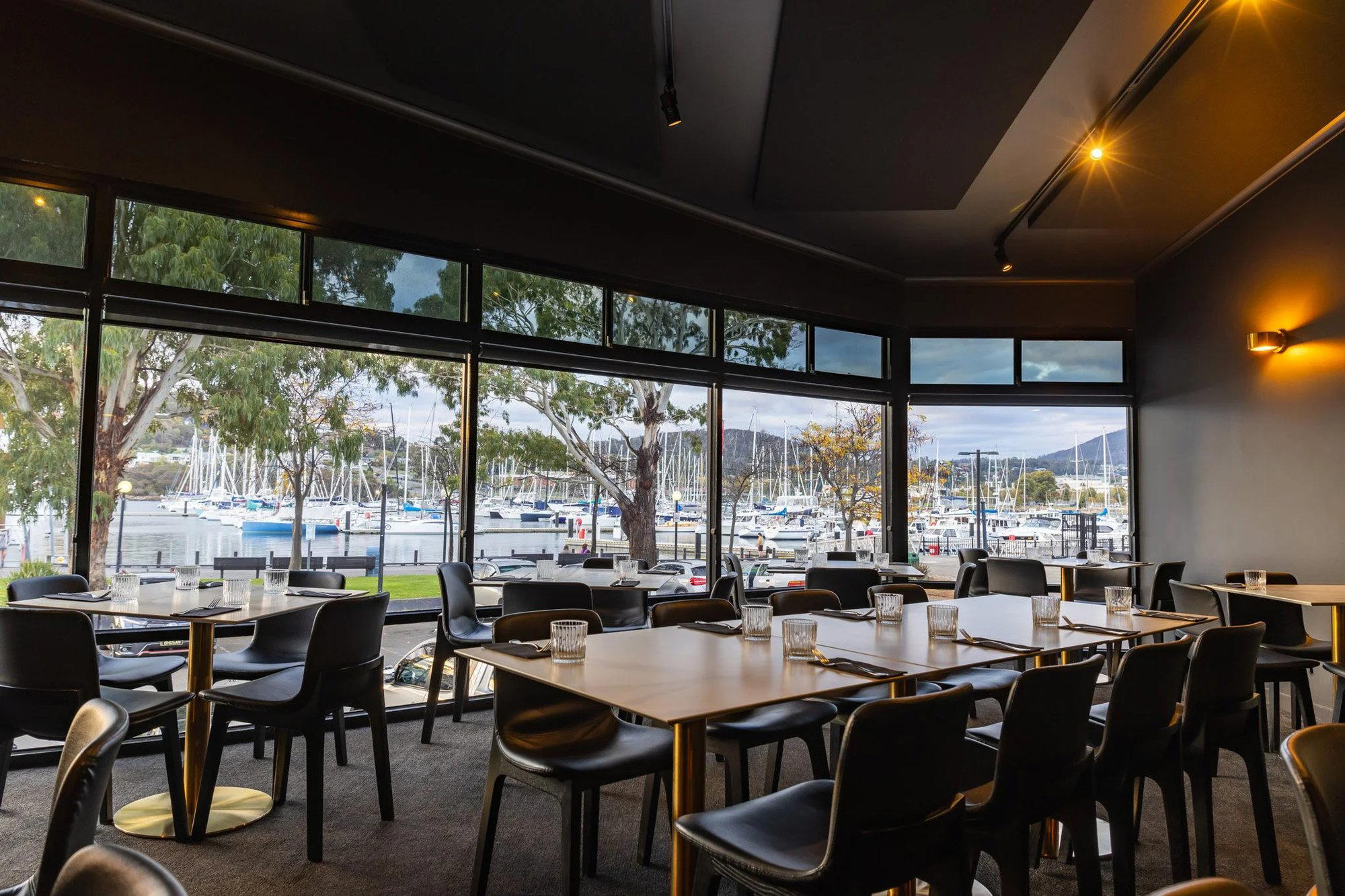
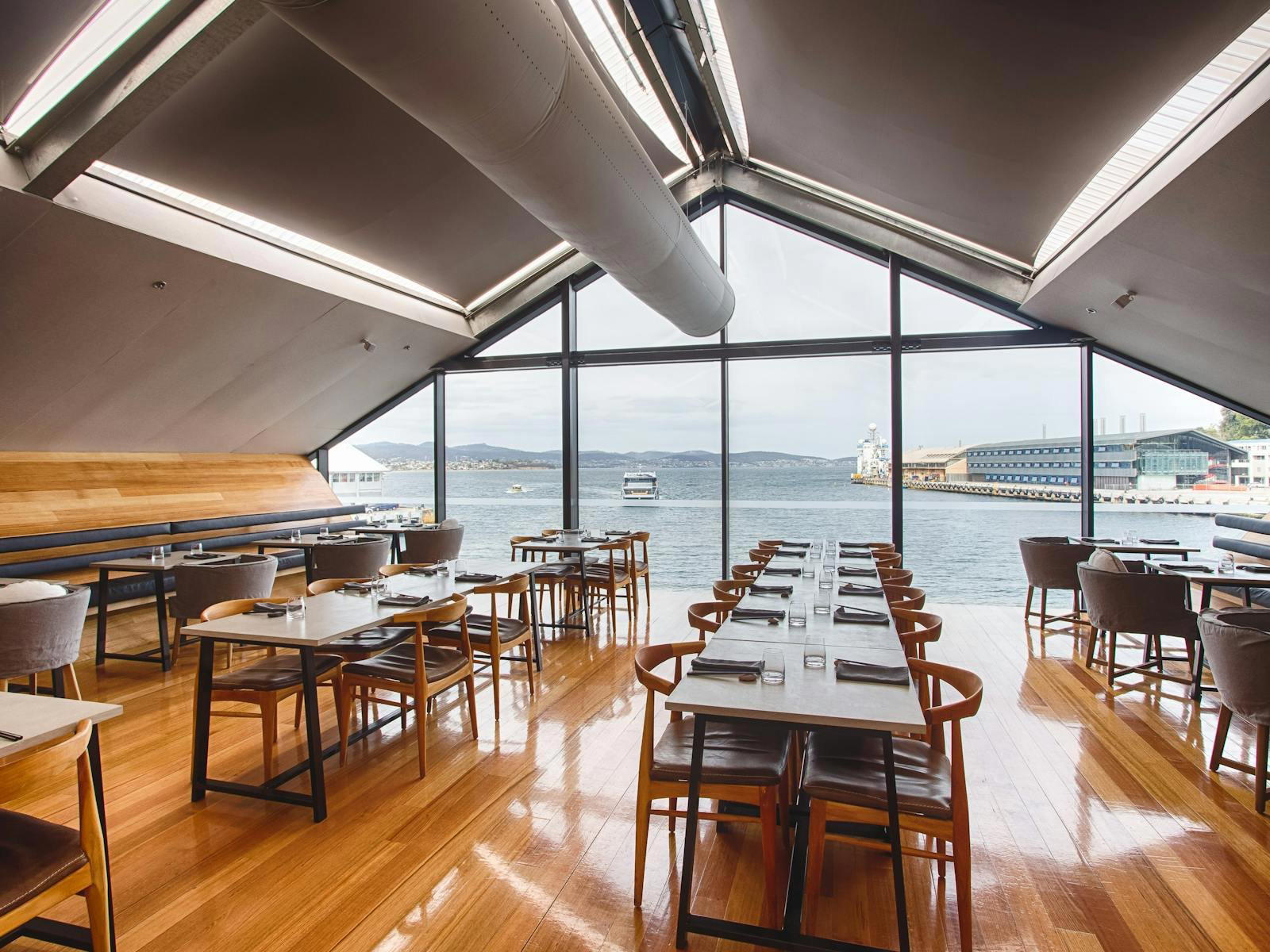
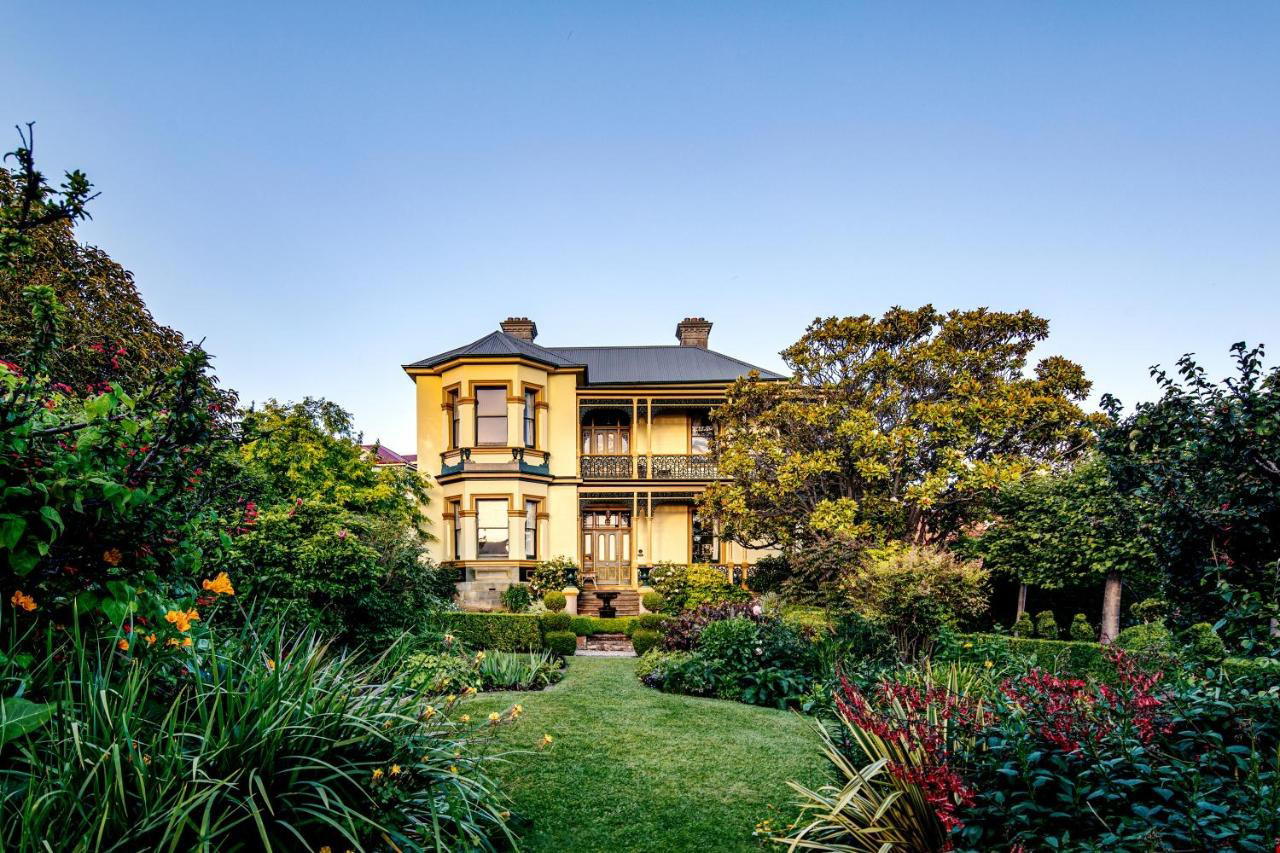
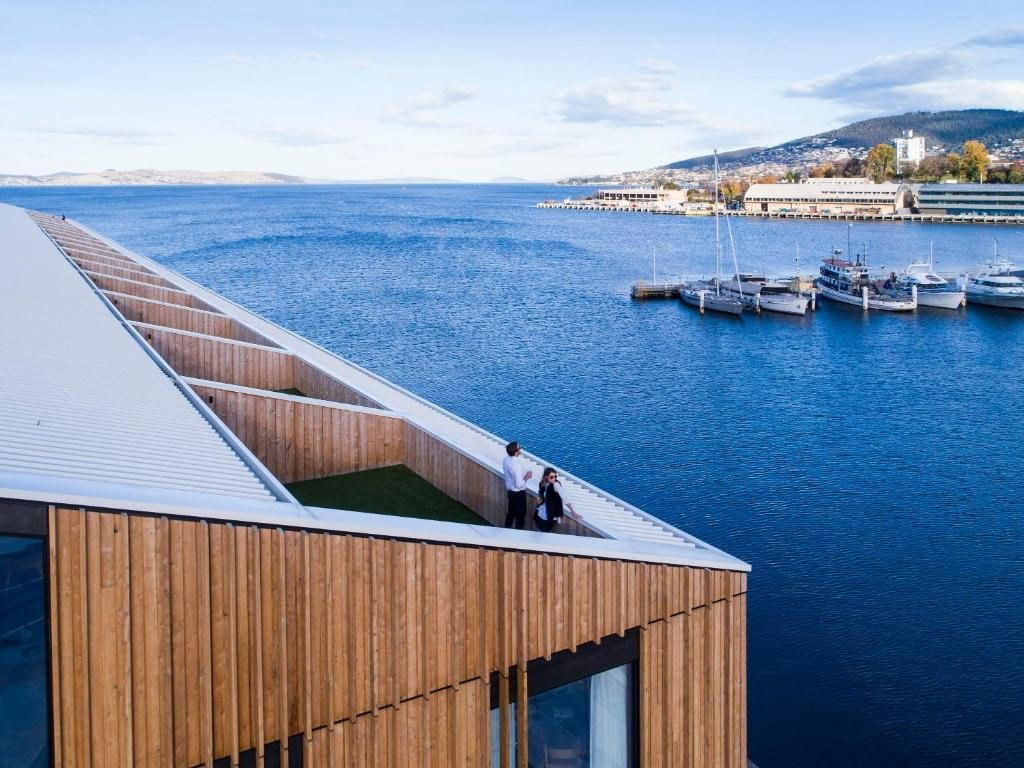
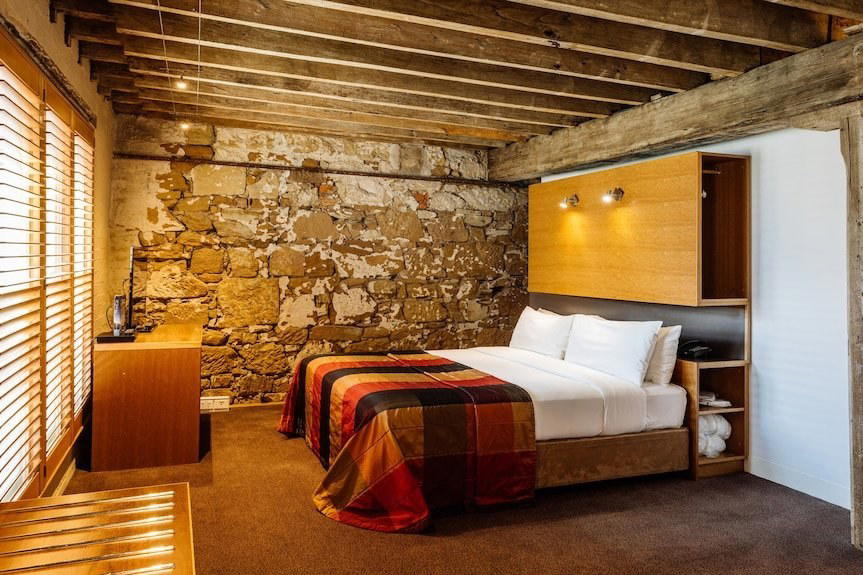
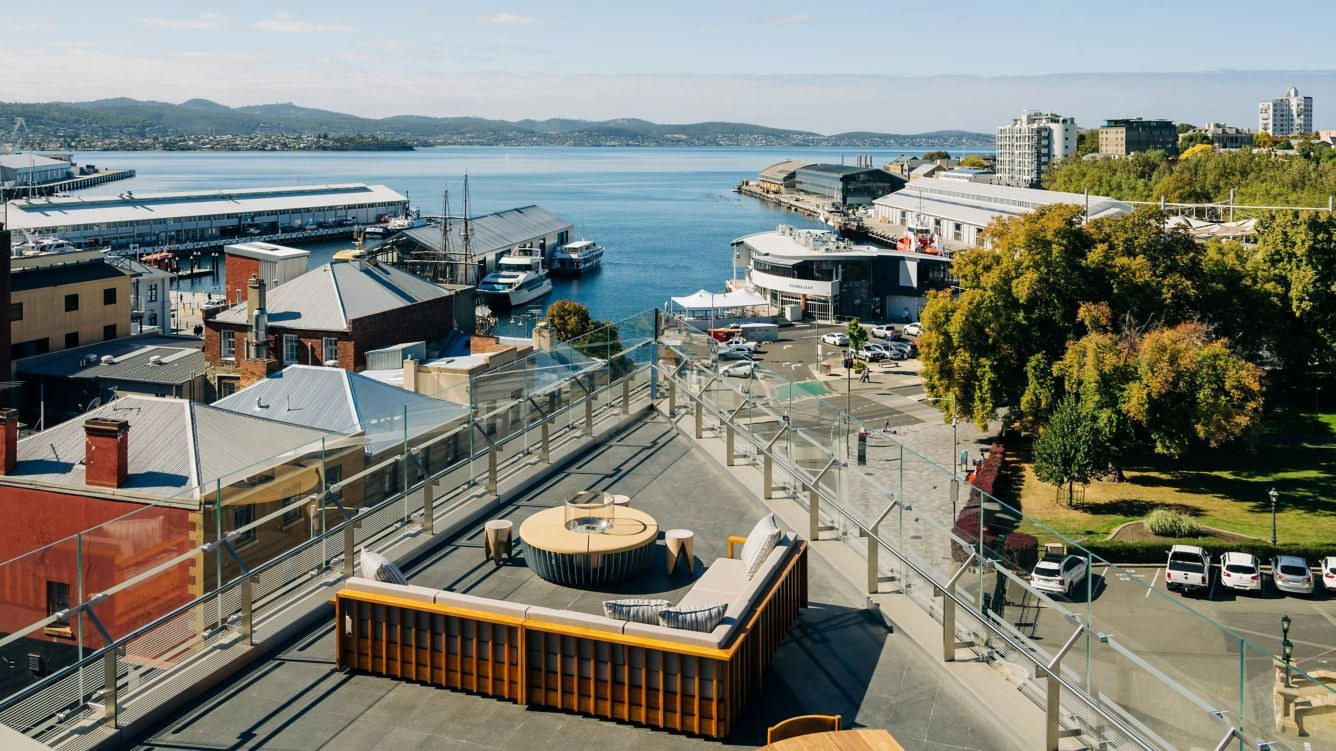
Bright, open dining spaces with north-facing floor-to-ceiling glass maximizing magnificent vineyard and valley views, modern log chalet style with Tasmanian timbers, relaxed yet sophisticated atmosphere.