

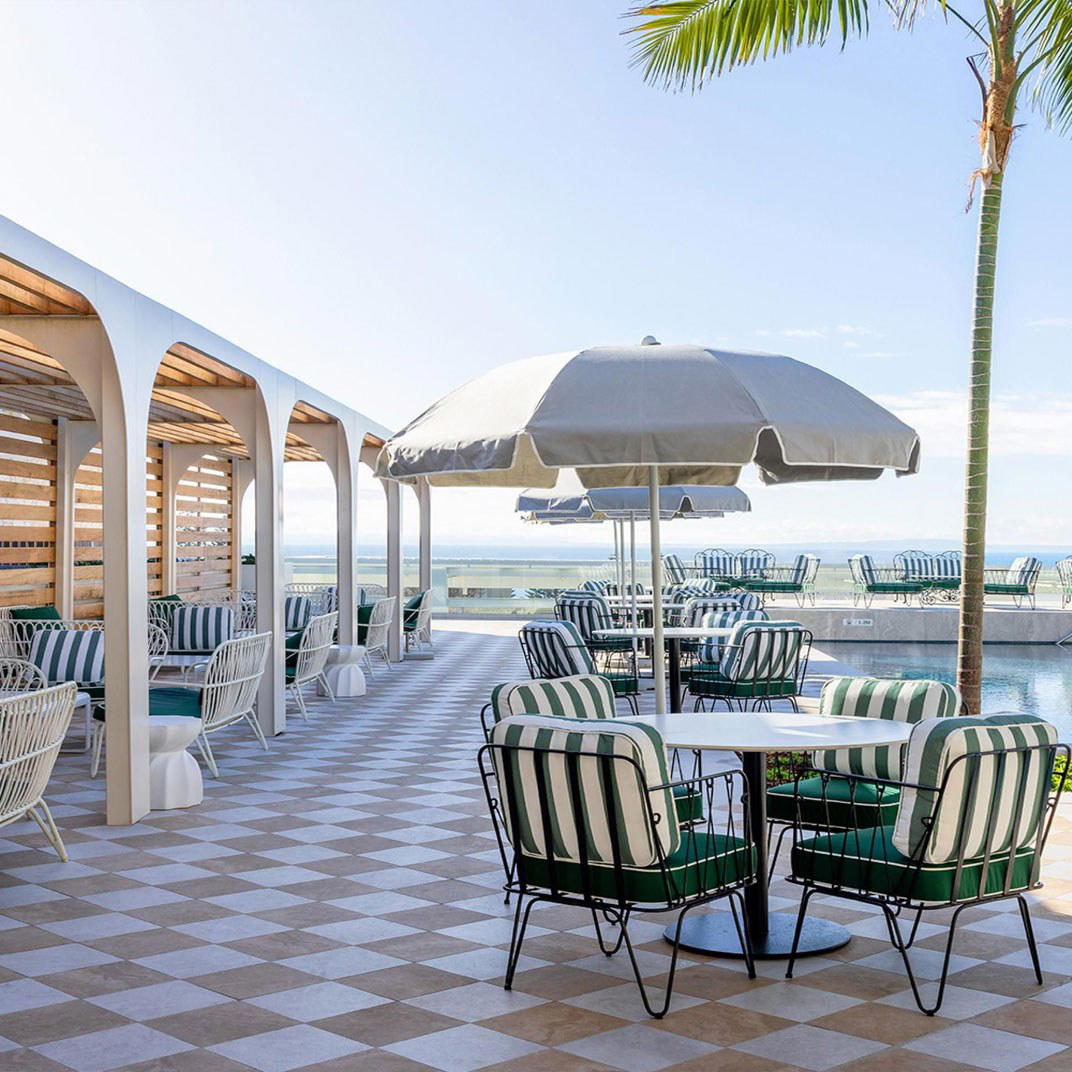
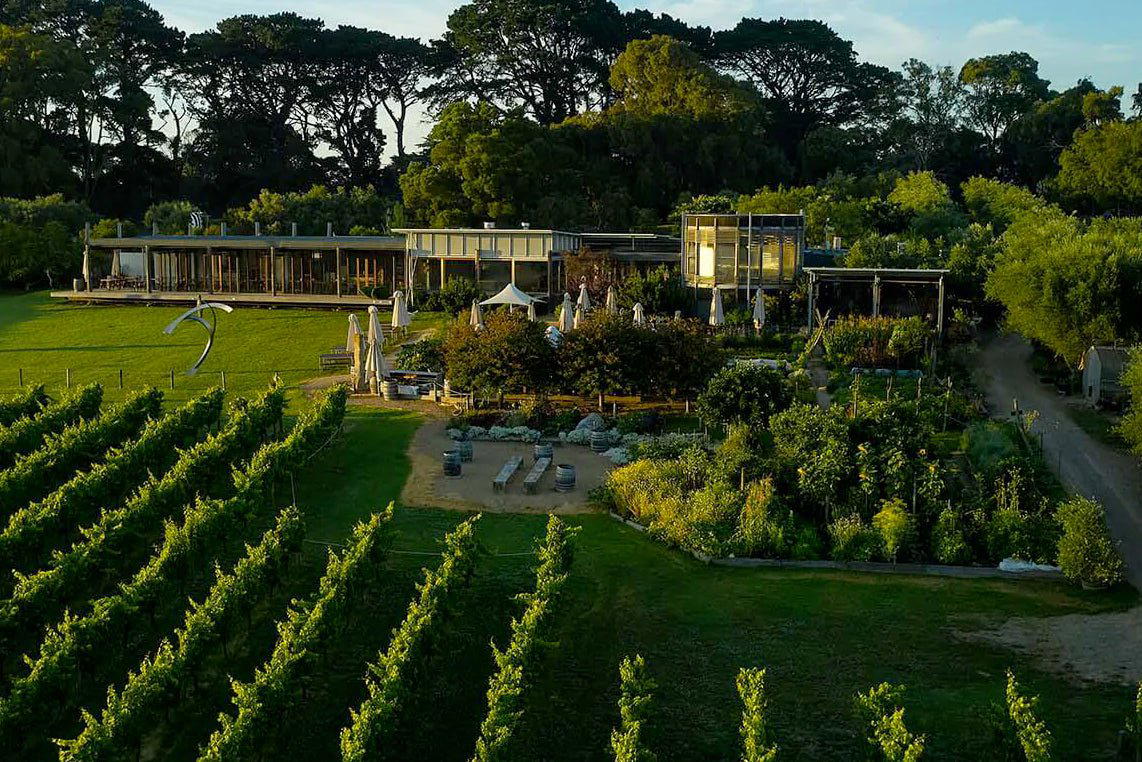
Laura at Pt Leo Estate sits within a working farm and sculpture park on the Mornington Peninsula, presenting creative local cuisine shaped by Chef Josep Espuga and backed by a wine list that has placed first on Star Wine List three times since 2021. The setting, a sweep of pasture and coastal air above Western Port Bay, frames a dining format where the Peninsula's produce and its wine culture arrive at the table together.
Pearl is the En Primeur Club membership app — saves, bookings, and concierge access live there. Same editors, same standards.
- Address
- 3649 Frankston - Flinders Rd, Merricks VIC 3916, Australia
- Phone
- +61 3 5989 9011
- Website
- ptleoestate.com.au
- Directions
- Get directions
 Saves & bookings on Pearl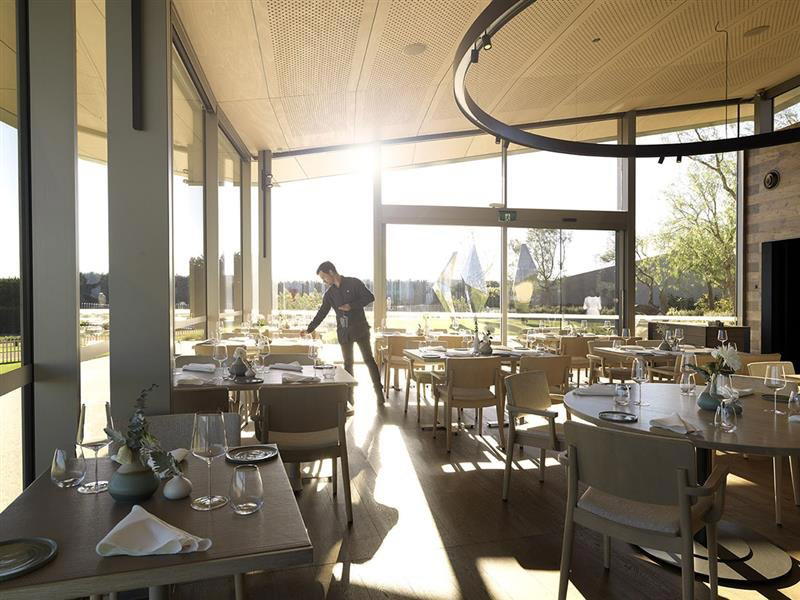
Where the Paddock Meets the Plate
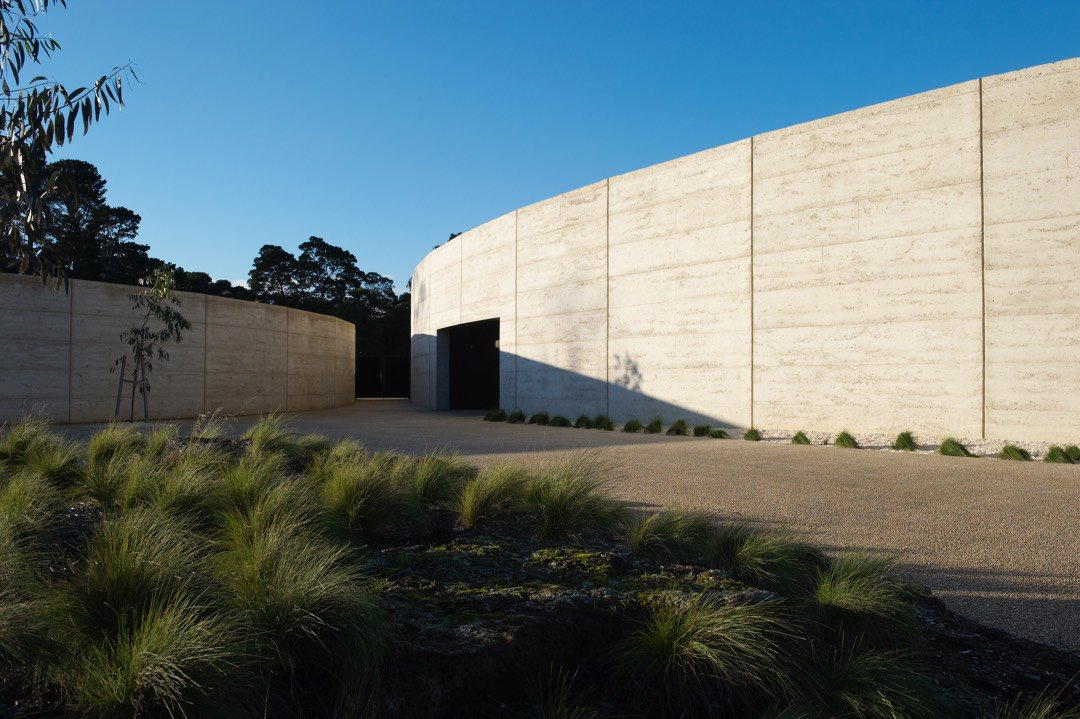
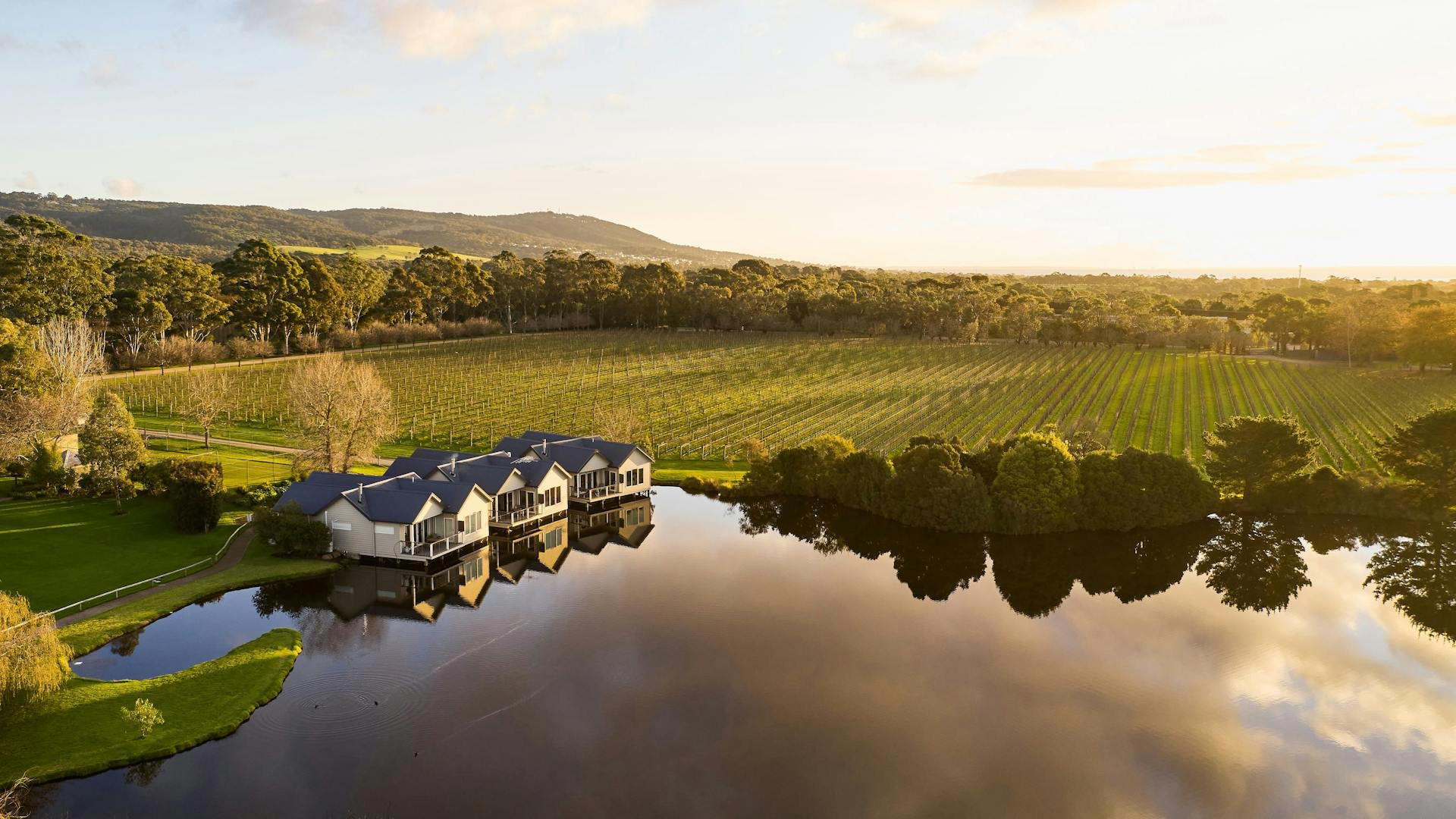
Arriving at Pt Leo Estate along Frankston-Flinders Road, the context announces itself before you reach the door: sculpture installed across open pasture, Pinot Noir and Chardonnay vines in mid-distance, and a farmhouse scale that sits at odds with the precision on the plate inside. This is a corner of regional Australia where the estate-restaurant model has taken root convincingly, and Laura shows what that model can achieve.
The broader pattern across Australian fine dining has seen a generation of kitchens move toward tighter producer relationships and shorter menus built around what a specific landscape yields in a specific season. Brae in Birregurra runs its own farm as primary supplier. Bennelong in Sydney uses the theatre of its harbourside address to amplify the ingredient story. Laura's version of the same premise is the estate itself: a working property where what arrives on the table can be traced, in many instances, to the land outside the dining room window. That specificity is a harder argument to fake than clever sourcing language, and it shows in how the menu reads.
Josep Espuga and the European Framework
Josep Espuga brings a disciplined European framework to the kitchen. The generation of Australian chefs who trained or staged in European kitchens during the 2000s and early 2010s returned carrying a specific technical framework: classical structure, respect for fermentation and preservation, and a preference for restraint over spectacle. Espuga's work at Laura sits inside that lineage. The cuisine reads as Australian in its ingredients and seasonal orientation but European in its internal logic, its plating discipline, and its approach to how flavour builds across a tasting sequence.
This is the tension that makes considered Australian fine dining interesting right now. The country has strong primary produce, a serious wine industry, and a dining public that has grown more informed over the past fifteen years. Kitchens like Laura's are where those three factors converge with a trained European sensibility to produce something that belongs to neither tradition completely. Compare that to Amaru in Armadale or Cutler and Co. in Fitzroy, both of which operate within a similar Melbourne-region fine dining register, and Laura's estate context becomes the distinguishing variable. The kitchen isn't the only thing working here; the setting does active editorial work.
The Wine List as a Structural Argument
Laura's wine program has earned Star Wine List's leading ranking three times: first place in both 2021 and 2022, and a second-place position also in 2022, alongside its White Star designation awarded in October 2021. These are not marketing credentials; they are signals about the seriousness and depth of the cellar relative to Australia's broader wine restaurant field. For context, Star Wine List evaluates programs across volume, depth of back vintages, regional breadth, and sommelier competency. Placing first twice in succession is a consistent performance result, not an anomaly.
The Mornington Peninsula's wine identity is built principally on Pinot Noir and Chardonnay, both of which respond well to the region's maritime climate and relatively cool growing season. An estate list that draws on the home vineyard while reaching into Burgundy, broader Victoria, and the national cellar creates a layered argument for the meal's progression. The wine list at Laura is not an accessory to the food; it is a co-equal element of the experience, and the Star Wine List rankings confirm that the industry assesses it in those terms. For wine-focused diners who might also explore Carlton Wine Rooms in Carlton or Penfolds Magill Estate in Adelaide, Laura belongs in the same tier of Australian wine-destination dining.
The Peninsula Context
The Mornington Peninsula sits roughly 70 kilometres south of Melbourne's CBD and is reachable in under 90 minutes by car. It is not a destination you stumble into; the drive is part of the deliberate choice to make a day or weekend of it. The region has built an infrastructure around exactly that decision: cellar doors, providores, small accommodation properties, and an arts scene that the Pt Leo Estate sculpture park is part of.
Staying on or near the estate takes full advantage of the visit. Afternoon arrivals that allow time in the sculpture park before a dinner reservation make the geography work most coherently. The views across Western Port Bay shift considerably through the afternoon light, and arriving at the table already oriented to the landscape changes how the local-produce argument reads on the menu.
Where Laura Sits in the Australian Fine Dining Field
Australia's premium restaurant tier has been sorting itself into legible sub-categories over the past decade. The urban flagship model, represented by Rockpool in Sydney, Flower Drum in Melbourne, or Firedoor in Surry Hills, operates on density, volume, and the energy of a city dining room. The regional estate model that Laura occupies is a different proposition: it asks the diner to travel, to commit an afternoon or a full day, and in return offers an environmental coherence that no city room can replicate. The food is better understood when the landscape it comes from is visible. The wine is better understood when the vineyard producing some of it is 200 metres away.
That volume at that score, for a regional fine dining property on the Mornington Peninsula, indicates sustained consistent performance rather than a narrow audience of enthusiasts. The Star Wine List rankings add a peer-reviewed dimension that confirms the wine program is not simply benefiting from the estate's novelty. The combination positions Laura within a small comparable set of Australian restaurants where the setting, the food, and the cellar all operate at the same level simultaneously. For comparable ambition in other Australian cities, Botanic in Adelaide and Bacchus in Brisbane pursue a related logic, though without the estate context that gives Laura its particular grounding.
Planning Your Visit
The address is 3649 Frankston-Flinders Road, Merricks VIC 3916. Given the property's scale and the integration of the sculpture park, arriving with time before your reservation is the practical recommendation. Bookings for dinner services at properties of this type in the Peninsula region tend to move quickly on weekends, particularly through the warmer months from October to April when the outdoor environment is at its most legible. Those planning a broader Victorian regional dining itinerary might also consider Dan Arnold in Fortitude Valley and 400 Gradi in Brunswick East as part of a wider sweep through Australia's current fine dining conversation.
Comparable Venues
Comparable venues nearby, for context on price, style, and recognition.
| Venue | Cuisine | Price | Notes |
|---|---|---|---|
| Laura at Pt Leo EstateThis venue — the venue you are viewing | Modern Australian Fine Dining | $$$$ | Not listed |
| Society | Modern Fine Dining | $$$$ | Melbourne |
| Vue de Monde | Modern Australian Fine Dining | $$$$ | Melbourne |
| Bar Mary | Whisky Bar with Japanese-Style Drinking Snacks | $$$ | Stirling |
| Florentino | Classic Italian Fine Dining | $$$$ | Melbourne |
| Yiaga | Modern Australian tasting menu | $$$$ | East Melbourne |
Recognition history
Dated appearances from independent guides and award organizations, with the underlying list record or original source where available.
Relais Chateaux Award
Relais Chateaux
Star Wine List
Star Wine List
Relais Chateaux Award
Relais Chateaux
Star Wine List
Star Wine List
Star Wine List
Star Wine List
Continue exploring
More in Merricks
More from Chef Josep Espuga
Browse all →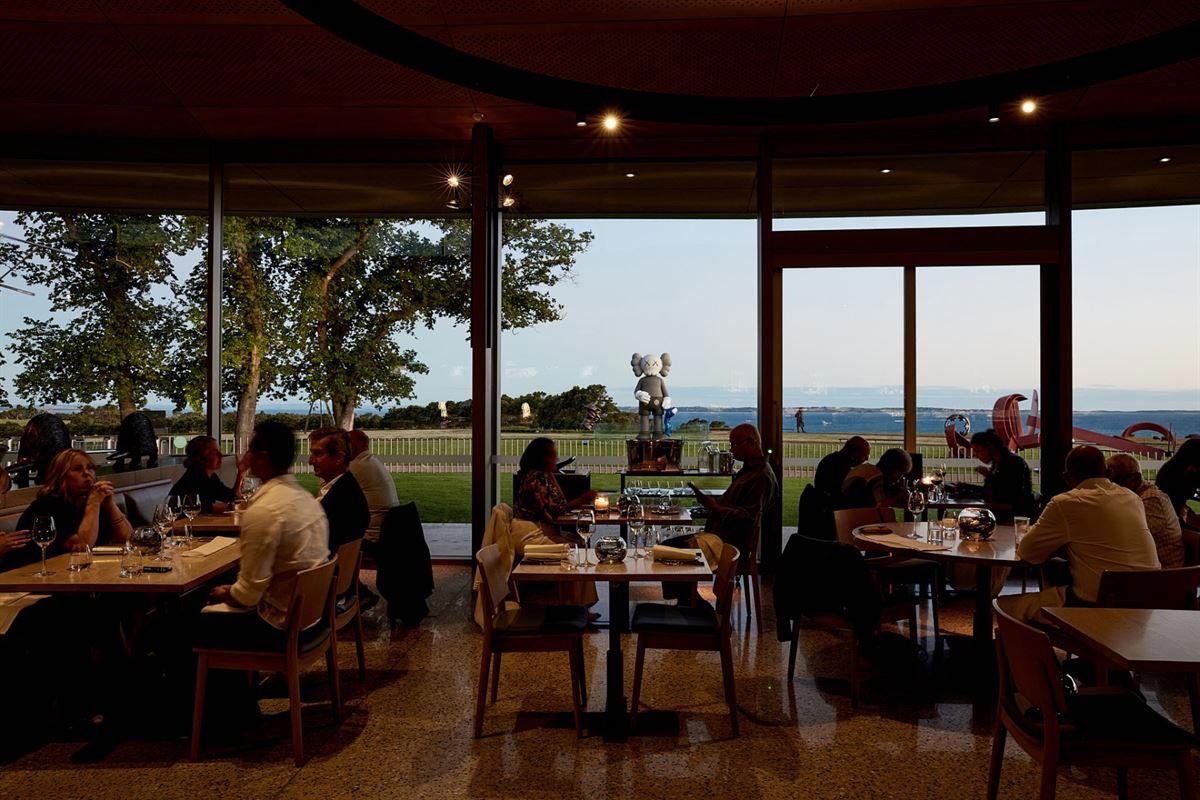
Restaurants in Merricks
Browse all →
Bars in Merricks
Browse all →
Hotels in Merricks
Browse all →
At a Glance
- Elegant
- Sophisticated
- Scenic
- Intimate
- Special Occasion
- Date Night
- Celebration
- Panoramic View
- Private Dining
- Extensive Wine List
- Sommelier Led
- Local Sourcing
- Farm To Table
- Waterfront
- Vineyard
Current opening hours
- Monday
- 11 AM–5 PM
- Tuesday
- 11 AM–5 PM
- Wednesday
- 11 AM–5 PM
- Thursday
- 11 AM–5 PM
- Friday
- 11 AM–9:30 PM
- Saturday
- 11 AM–9:30 PM
- Sunday
- 11 AM–9:30 PM
Hours can change for holidays and private events. Last verified .
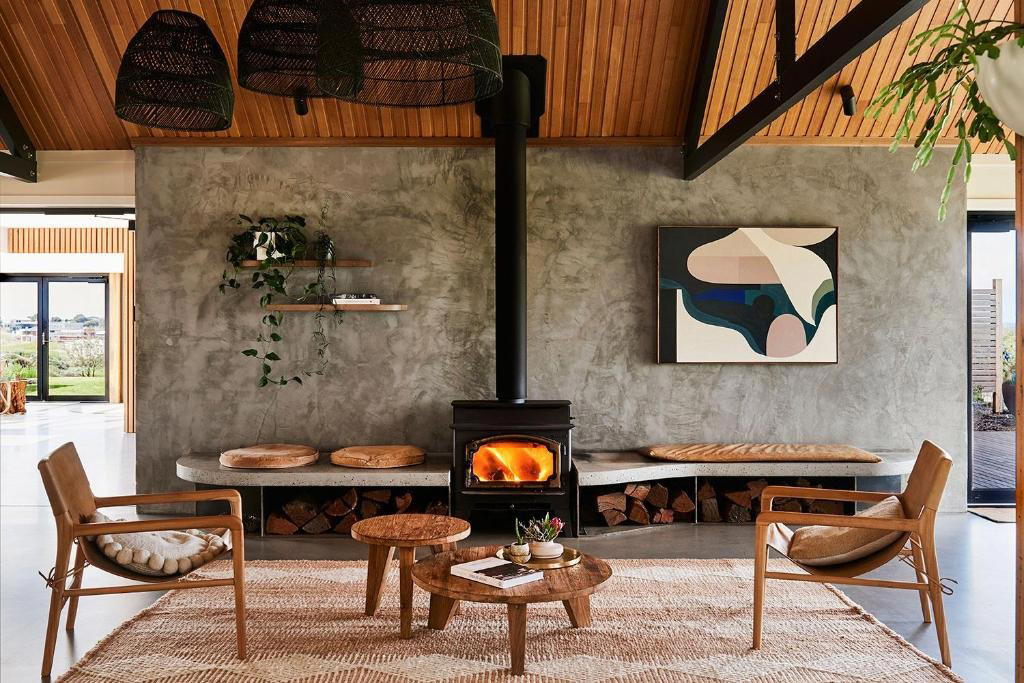
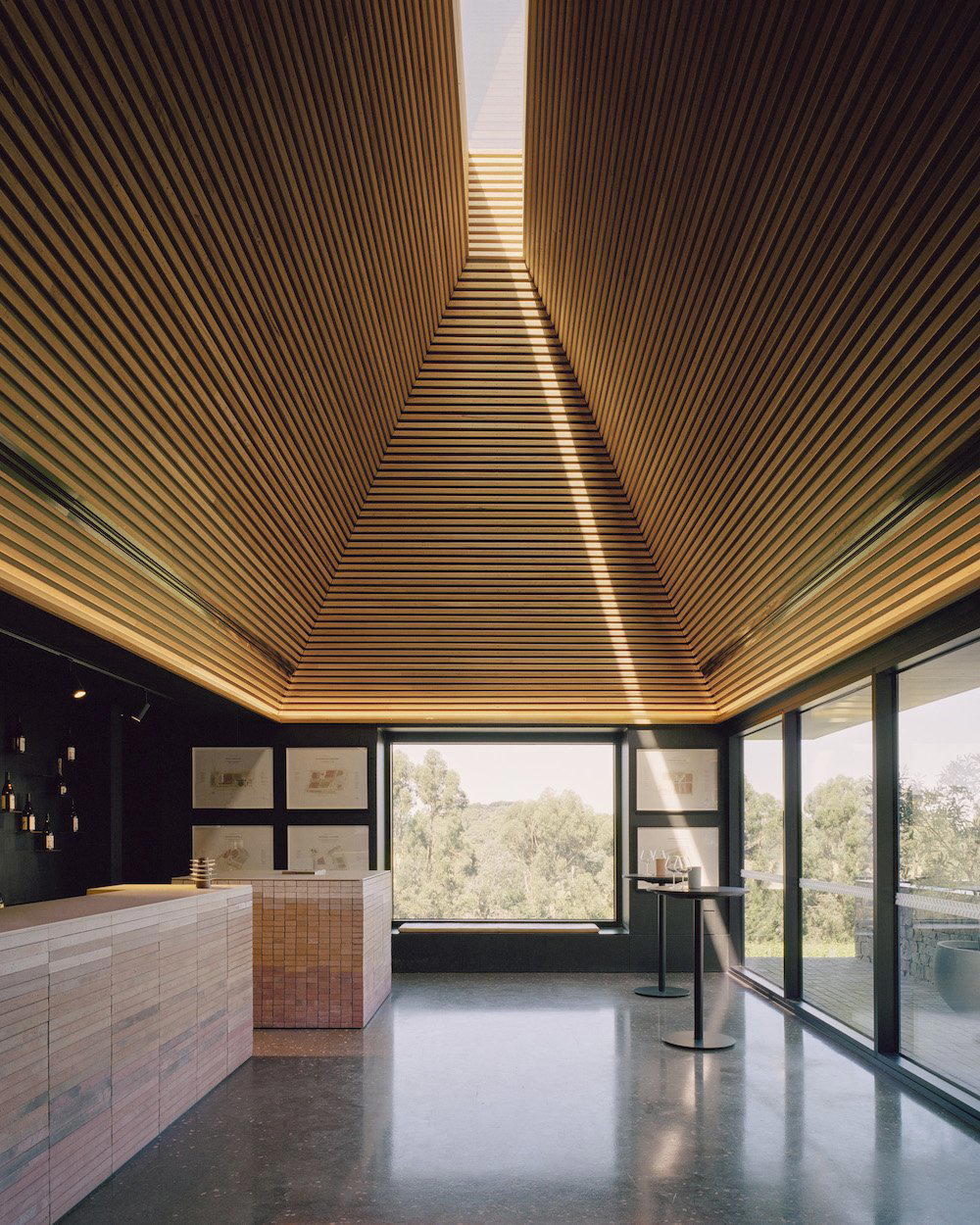
Light and tranquil dining room with timber detailing, leather tables, native flora, and panoramic sea and sculpture views creating urbane elegance.