
Lark Distillery on Davey Street is the address most responsible for putting Tasmanian whisky on the world map. Holding a Pearl 3 Star Prestige rating in 2025, it operates at the upper tier of Australia's craft spirits scene, where island geography, clean water, and cool maritime air do the heavy lifting long before the cask is opened.
 Discover on Pearl
Pearl is the En Primeur Club membership app — saves, bookings, and concierge access live there. Same editors, same standards.
- Address
- 14 Davey St, Hobart TAS 7000
- Phone
- +61 3 6231 9088
- Website
- larkdistillery.com
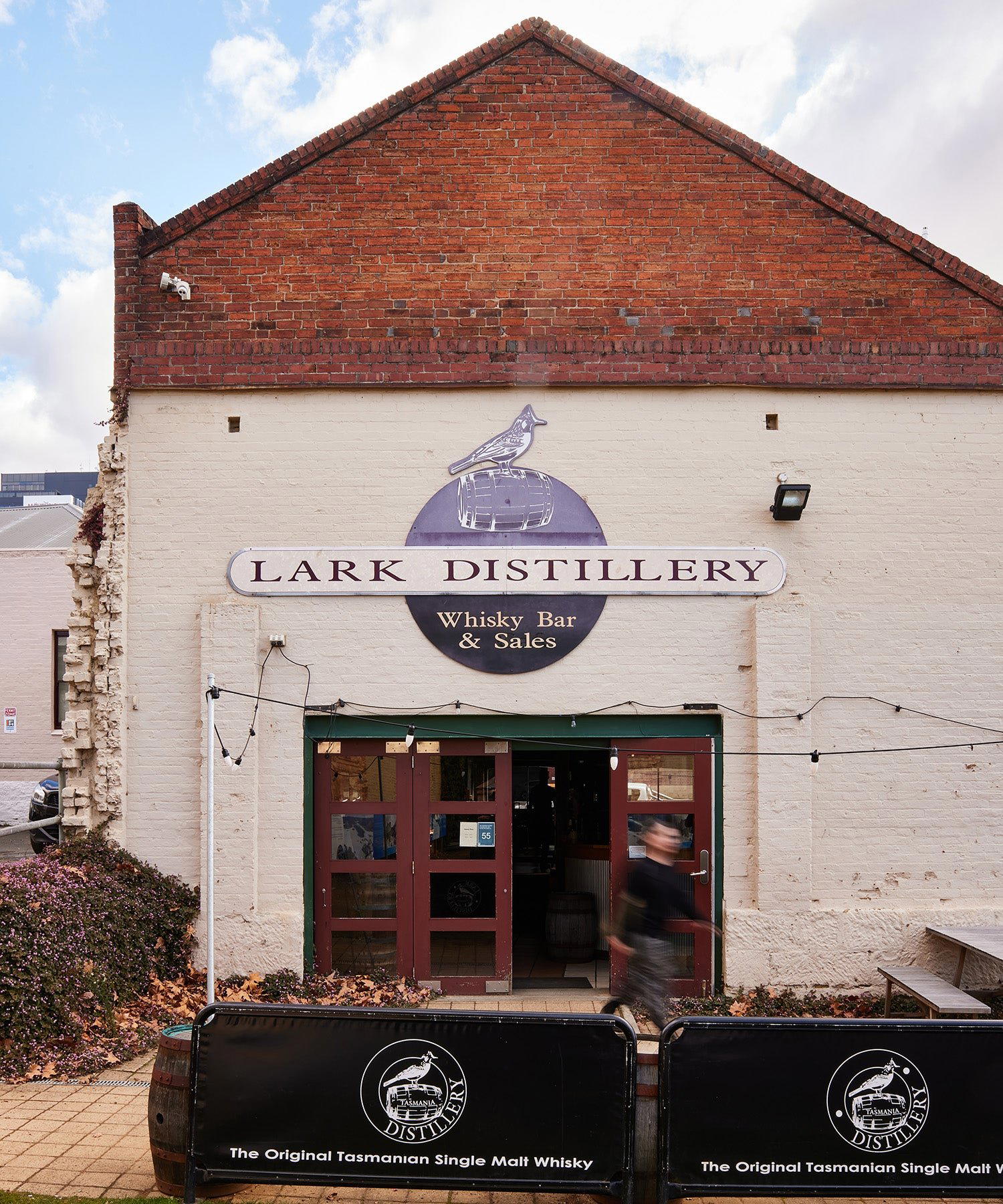
Where Tasmanian Terrain Becomes Spirit
There is a particular quality of cold in Hobart that producers in warmer climates cannot replicate in the lab. The city sits at 42 degrees south, close enough to the Southern Ocean that its air carries a mineral sharpness, and its water sources draw from catchments largely untouched by industrial agriculture. For whisky, those conditions are not incidental atmosphere. They are production variables, encoded into every cask that ages through a Tasmanian winter. Lark Distillery, at 14 Davey Street in central Hobart, occupies the position that most visitors and serious collectors associate with the origin of that story.
Tasmania's whisky identity rests on a specific tension: the island is cold enough for slow maturation, yet its casks cycle through enough seasonal variation to drive genuine spirit movement through the wood. The result is a maturation profile that differs structurally from Scottish or Kentucky baselines, not as a marketing claim but as a measurable consequence of climate. When Lark holds a Pearl 3 Star Prestige rating in 2025, that recognition reflects a body of output assessed against international peers, not against the softer standard of a regional category.
The Architecture of Island Terroir
To understand what Lark represents in its comparable set, it helps to see Tasmanian whisky as a distinct category within Australian craft spirits rather than as a minor regional outpost. The island's distilling revival has produced a concentration of serious producers operating within roughly the same climatic and water-source constraints. Overeem Distillery and Sullivans Cove Distillery represent the peer tier in Hobart, and comparing them illustrates how closely the shared terroir creates a recognisable family character across producers, even as individual cask choices and still configurations introduce variation.
The terroir argument for whisky is more contested than for wine, but Tasmania makes a stronger case than most regions. Barley sourced from the island's agricultural heartland, water from high-altitude catchments, and air that is among the cleanest measured in the Southern Hemisphere each contribute measurable inputs. At mainland producers like Archie Rose Distilling Co in Sydney, the conversation shifts toward grain sourcing and still design rather than ambient climate, which illustrates by contrast how much of the Tasmanian identity is genuinely site-specific.
Davey Street and the Hobart Spirits Quarter
The address at 14 Davey Street places Lark within the central Hobart zone that has consolidated much of the city's premium food and drink offer. Davey Street runs from the waterfront precinct toward the residential hillside suburbs, and its lower stretch has become associated with the kind of deliberate, producer-focused hospitality that defines Hobart's current character. Visiting the distillery is a practical proposition from most central accommodation: the Salamanca Place precinct and Battery Point are walkable, and the broader Hobart food circuit detailed in our full Hobart restaurants guide maps the connections between the distillery and the city's other premium addresses.
For visitors building a tasting-focused day, the geography rewards a structured approach. Moorilla Estate, which operates at the northern end of the Derwent River on the Mona peninsula, sits far enough from Davey Street that combining it with the Lark experience in a single afternoon requires planning. The two properties represent different expressions of Tasmanian hospitality: Moorilla through wine and an art museum, Lark through spirits and the distillery visit format.
What the 2025 Pearl 3 Star Prestige Rating Signals
Awards in the craft spirits sector function as comparative instruments, and Lark's recognition places it in the upper bracket of assessed producers. Its recognition indicates consistent output quality assessed across multiple expressions, rather than a single exceptional release that might inflate a producer's apparent standing.
Within the Australian craft spirits category, this tier of recognition aligns Lark with the cohort of producers that collectors treat as allocation targets rather than casual retail purchases. The pattern mirrors what has happened in Australian fine wine, where estate-level recognition at producers like Bass Phillip in Gippsland or Brokenwood in Hunter Valley creates a secondary market dynamic that shifts buying behaviour toward forward purchasing and cellar allocation rather than walk-in retail. For Tasmanian whisky at Lark's recognition level, the same logic applies: limited annual production combined with strong international demand means that certain expressions sell before they reach open shelves.
Comparing the Category: Tasmania in the Global Craft Spirits Map
The global craft spirits movement has produced compelling regional clusters, from the Speyside tradition at producers like Aberlour in Aberlour to the single-vineyard spirits ambition emerging from Napa-adjacent projects such as Accendo Cellars in St. Helena. Within that map, Tasmania holds a defensible position as a terroir-driven outlier with a track record now spanning three decades, rather than a recent entrant riding a marketing wave.
The comparison with Speyside is instructive. Both regions use cool, wet climates and clean water sources as production foundations. The structural difference is that Tasmania's isolation means its distillers have had to develop independent supply chains for grain, wood, and technical knowledge, which has produced a slightly wilder, more heterogeneous set of flavour profiles across the category than the more codified Speyside style. Lark sits at the more refined end of that Tasmanian spectrum, which is partly what the Prestige designation confirms.
Producers outside spirits who have built comparable regional identities through estate discipline include All Saints Estate in Rutherglen, where the fortified wine tradition has created an international reference point from a small Australian appellation. The mechanism is identical: climate specificity plus generational commitment to a production style produces something that cannot be replicated by scale.
Planning a Visit
Lark Distillery's central Hobart address means access is direct from the city's accommodation core. The distillery at 14 Davey Street operates as both a production facility and a visitor experience space. Walk-ins are friendly, and its casual dress code makes visits straightforward. Travellers comparing Lark to other distillery experiences in the region should note that Sullivans Cove and Overeem each offer distinct visitor formats, making a multi-distillery day plausible for those specifically focused on the Tasmanian whisky category rather than a broader food and wine circuit.
The broader Australian craft drinks context includes mainland producers such as Angove Family Winemakers in Renmark, Bird in Hand in Adelaide Hills, Blue Pyrenees Estate in Pyrenees, Leading's Wines in Great Western, and Brown Brothers in King Valley, but none of those addresses deliver what Lark delivers: a specific cold-climate maritime terroir expressed in spirit form at a recognised Prestige level from the southern edge of the continent.
A Quick Peer Check
Comparable venues nearby, for context on price, style, and recognition.
| Venue | Cuisine | Price | Awards | Notes |
|---|---|---|---|---|
| Lark DistilleryThis venue — the venue you are viewing | Tasmania | $$$ | 1 recognition | |
| Overeem Distillery | Hobart, Tasmania | $$$ | 1 recognition | Huntingfield |
| Sullivans Cove Distillery | Tasmania | $$$ | 1 recognition | Cambridge |
| Moorilla Estate | Winery | $$$ | 1 recognition | Berriedale |
| Tolpuddle Vineyard | Chardonnay, Pinot Noir | $$$ | 1 recognition | Coal River Valley |
| Stefano Lubiana | Pinot Noir, Chardonnay | $$$ | 1 recognition | Granton |
Continue exploring
More in Hobart
Wineries in Hobart
Browse all →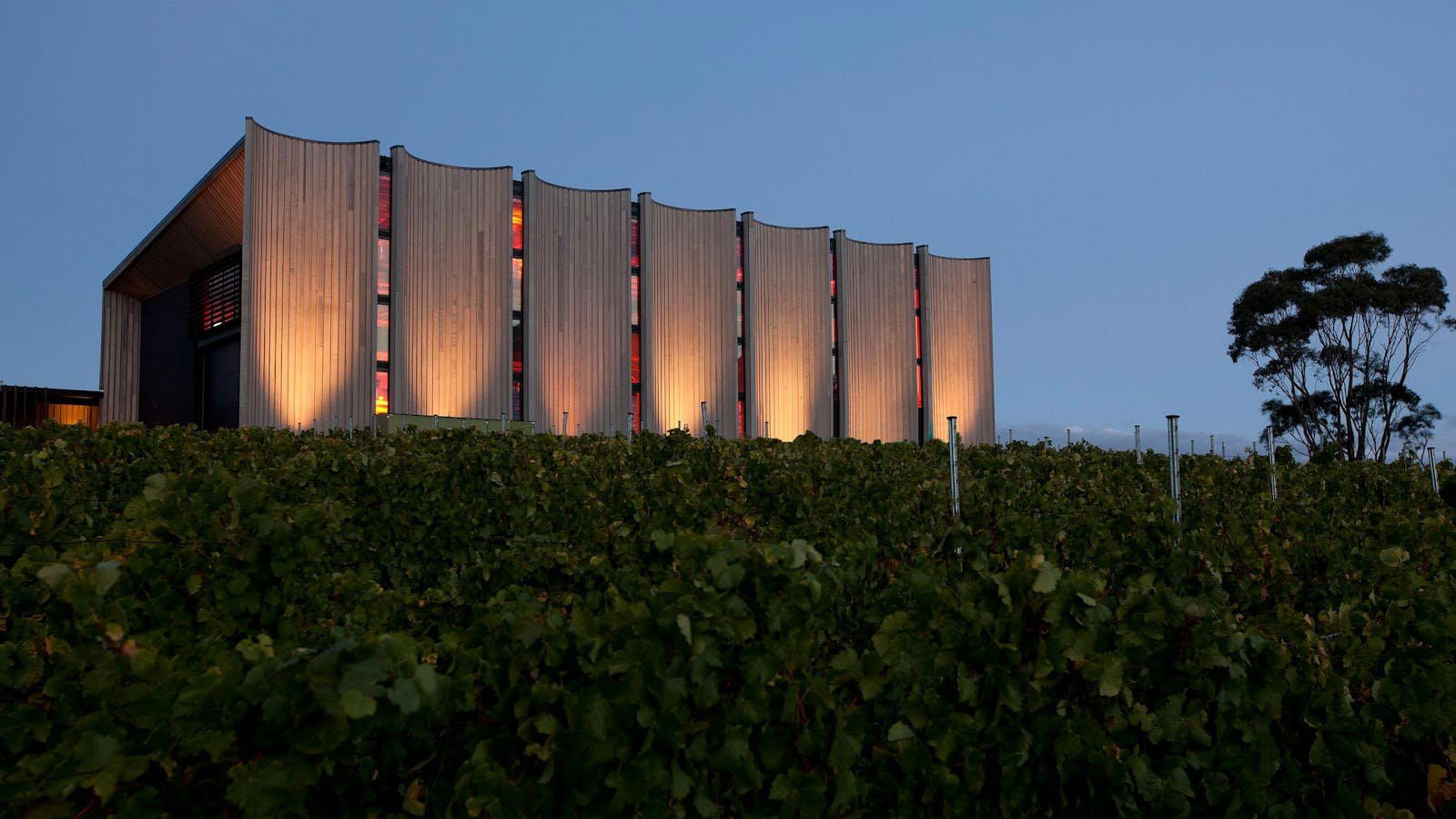
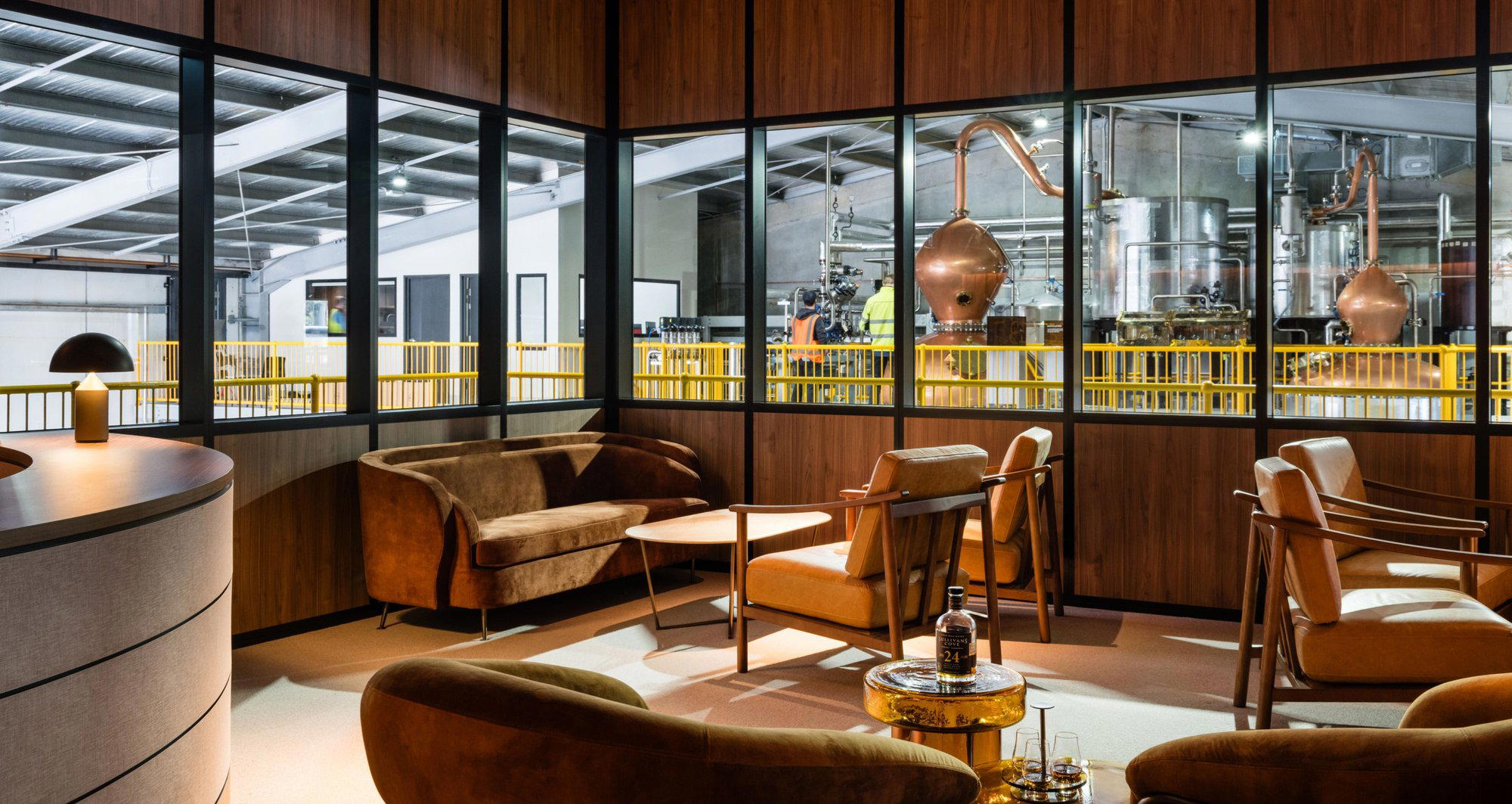
Bars in Hobart
Browse all →
Restaurants in Hobart
Browse all →
At a Glance
- Iconic
- Rustic
- Cozy
- Elegant
- Group Outing
- Solo Exploration
- Special Occasion
- Celebration
- Barrel Room
- Estate Grounds
- Waterfront
- Historic Building
- Private Tasting
- Sustainable
- Waterfront
- Mountain
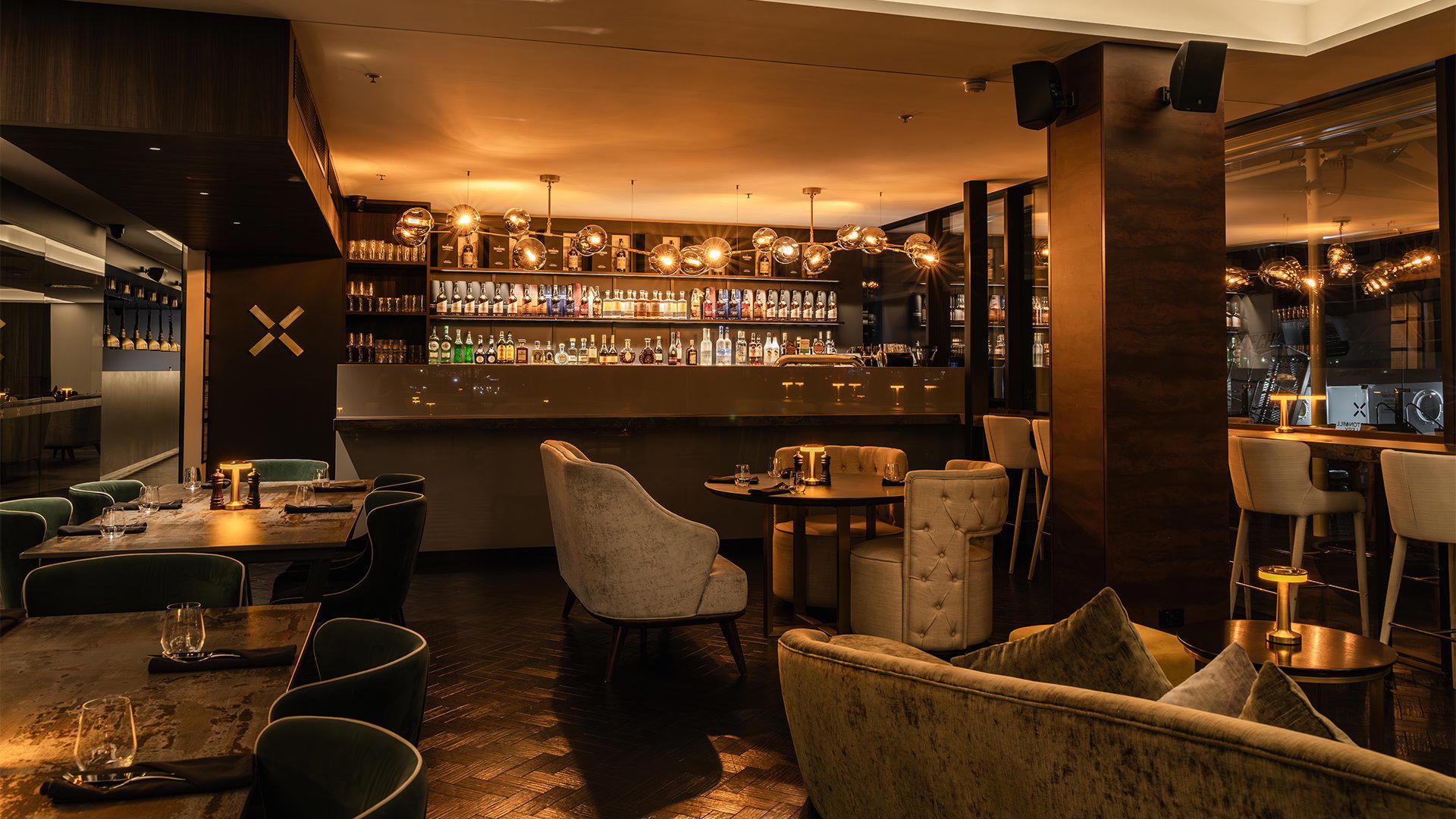
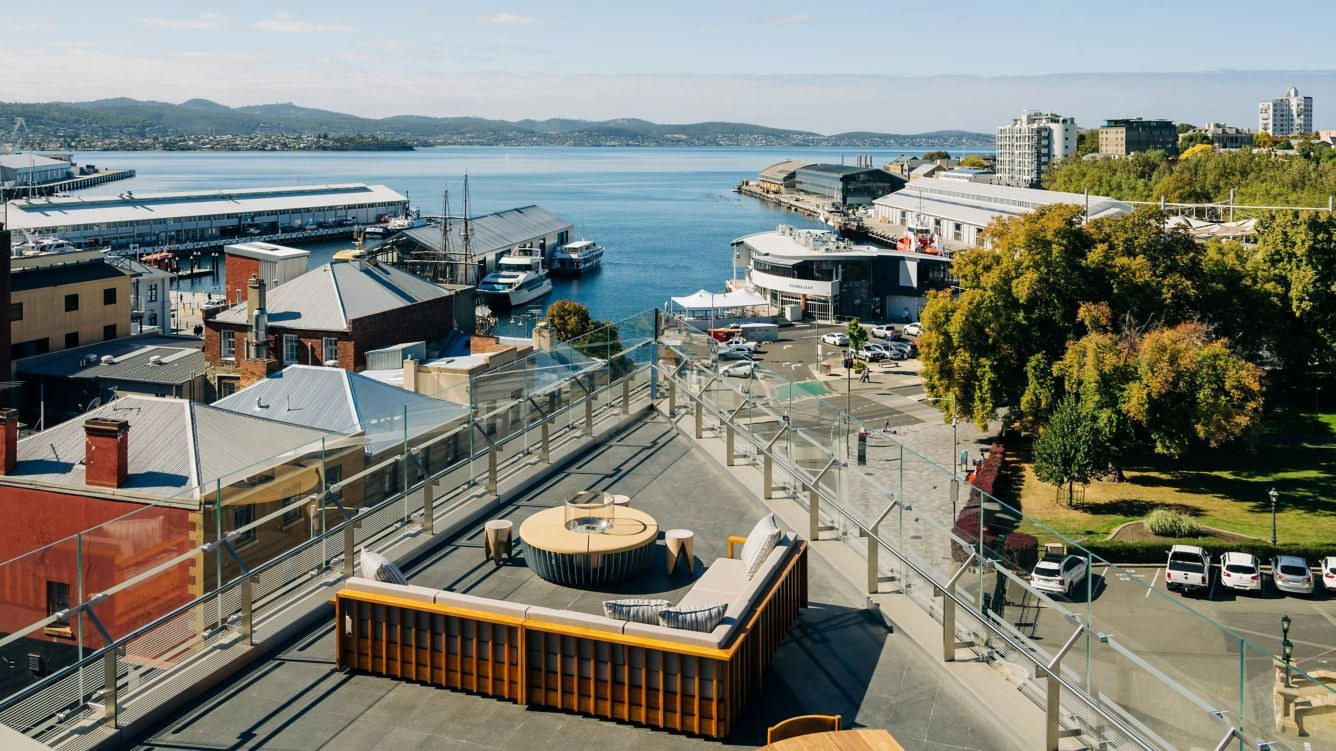
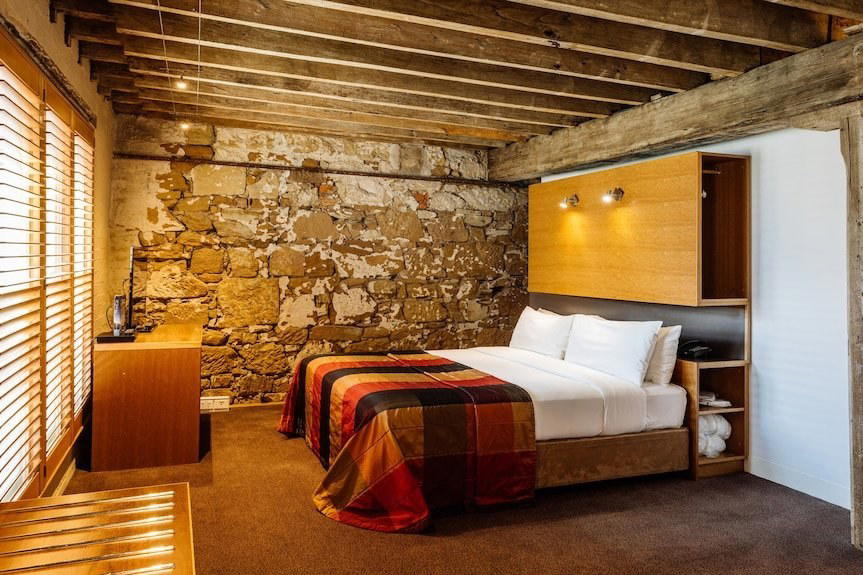
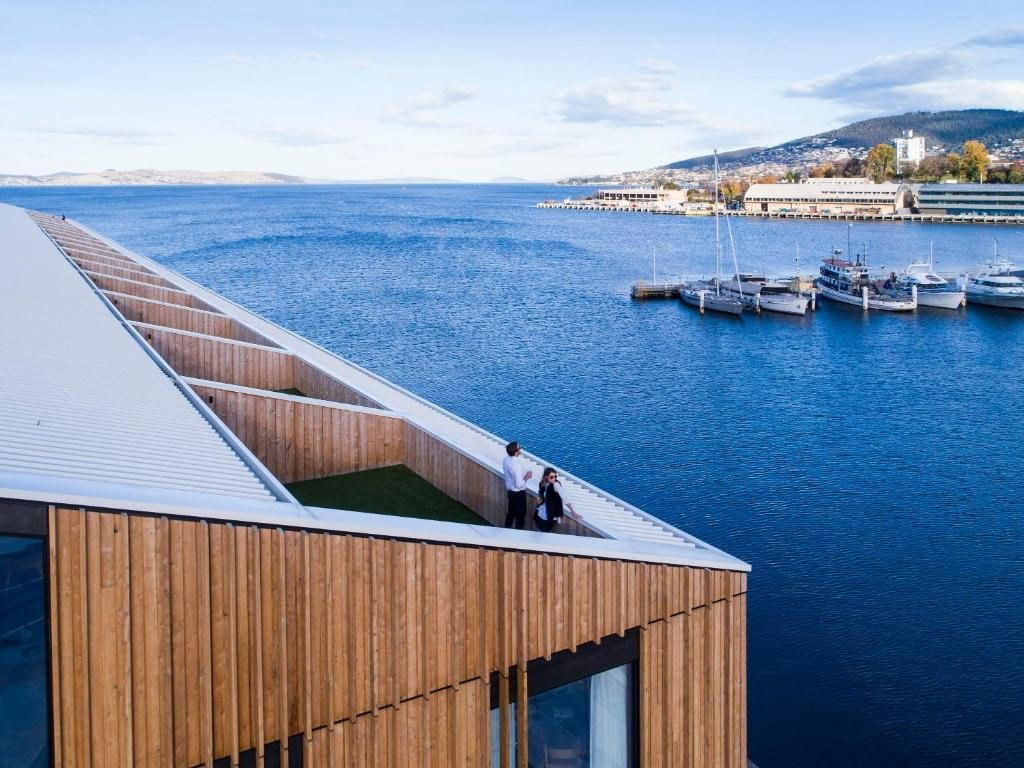
Warm and inviting historic setting with comfortable chesterfield seating, intimate bar atmosphere, and views of Hobart's waterfront and Mount Wellington.