
Falstaff Winery - Listed
Moorilla Estate sits at Berriedale on the Derwent River, operating as one of Tasmania's oldest and most closely watched wine estates. Plan ahead — the estate draws visitors year-round and combines wine tasting with the MONA museum complex on the same grounds.

Pearl is the En Primeur Club membership app — saves, bookings, and concierge access live there. Same editors, same standards.
- Address
- 655 Main Road, Berriedale, Tasmania, 7011, Australia
- Phone
- +61362779960
- Hours
- Mon 11 AM–5 PMTue–Wed ClosedThu–Sun 11 AM–5 PM
- Website
- moorilla.com.au
- Directions
- Get directions
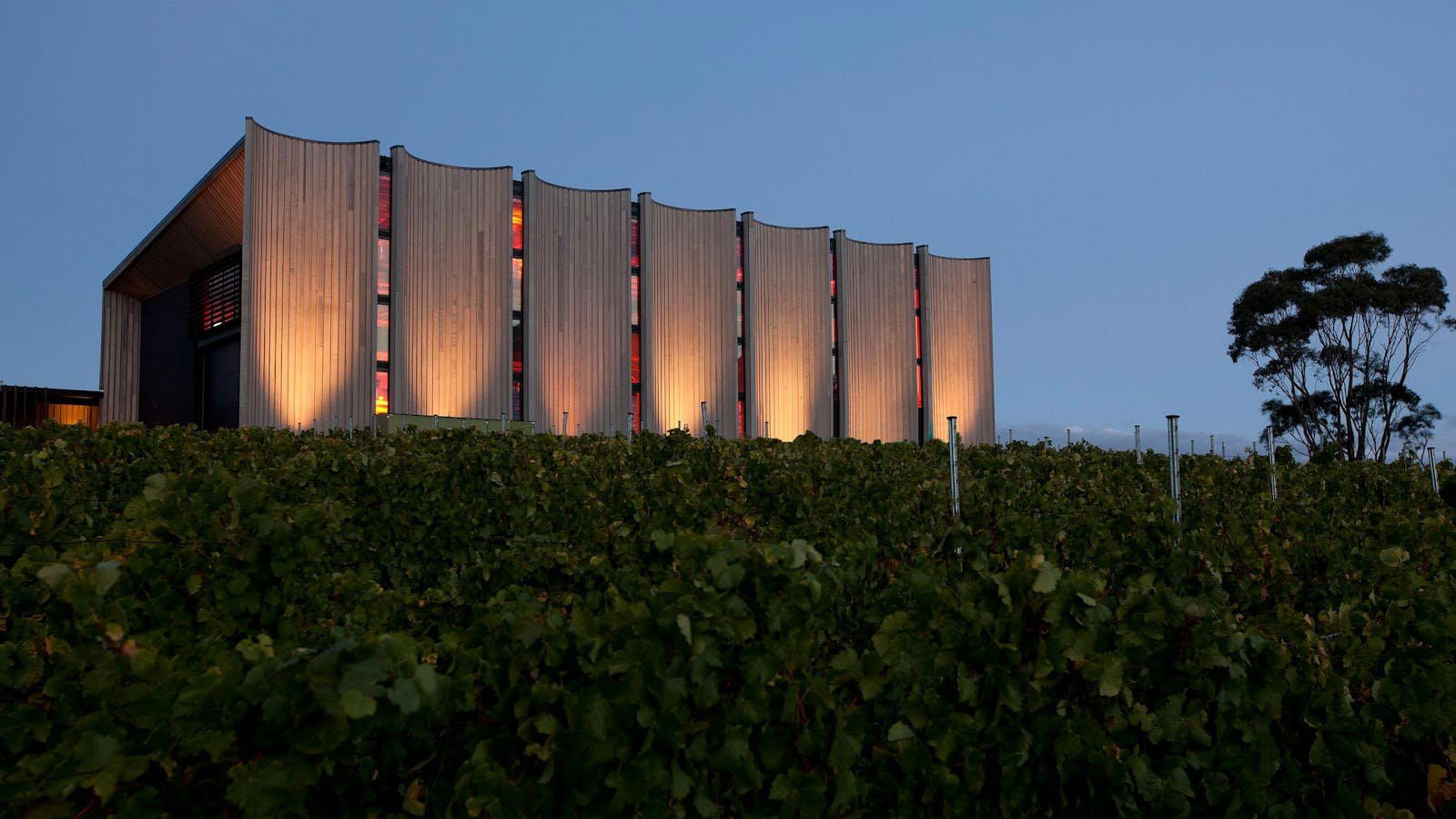
Where the Derwent Shapes the Wine
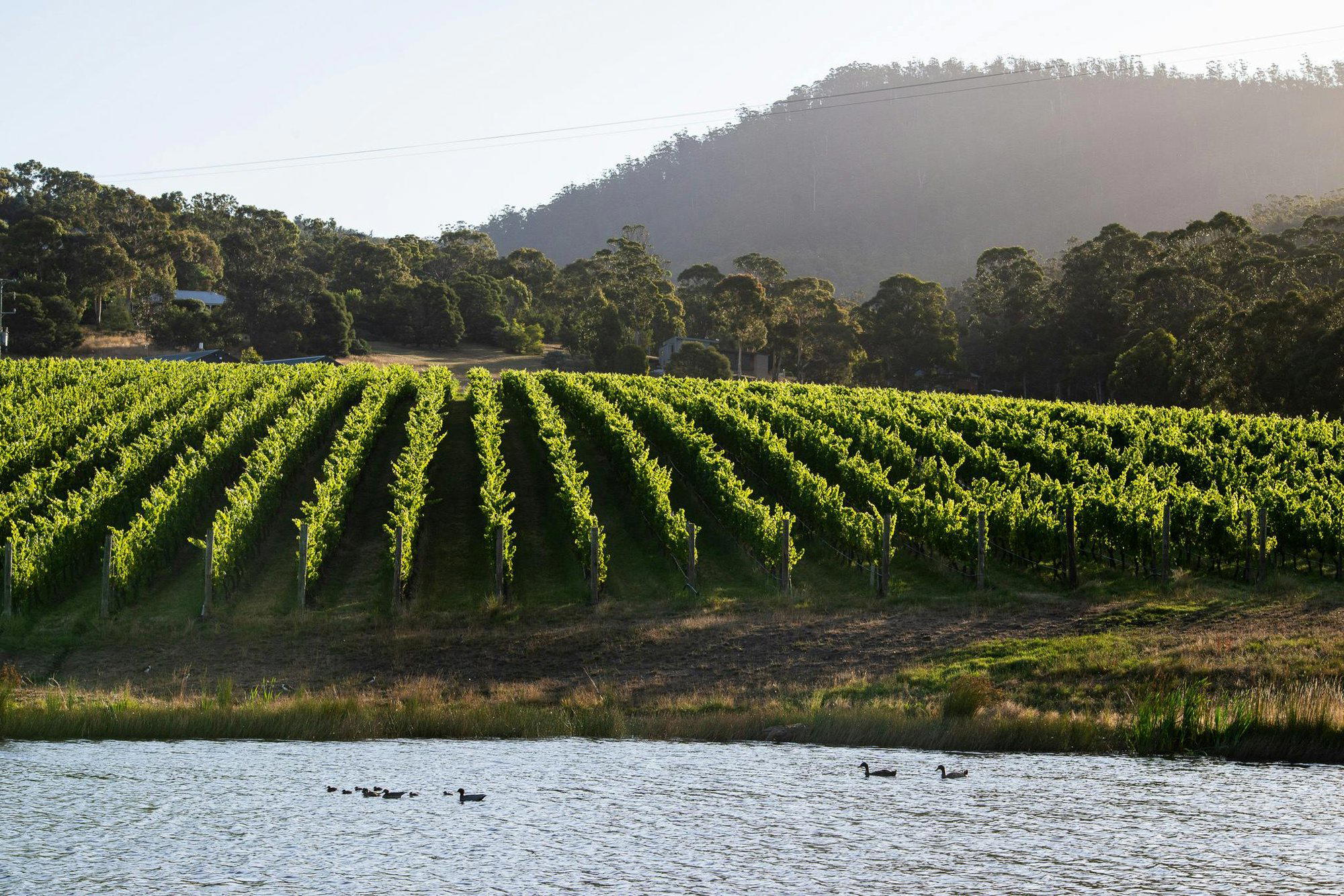
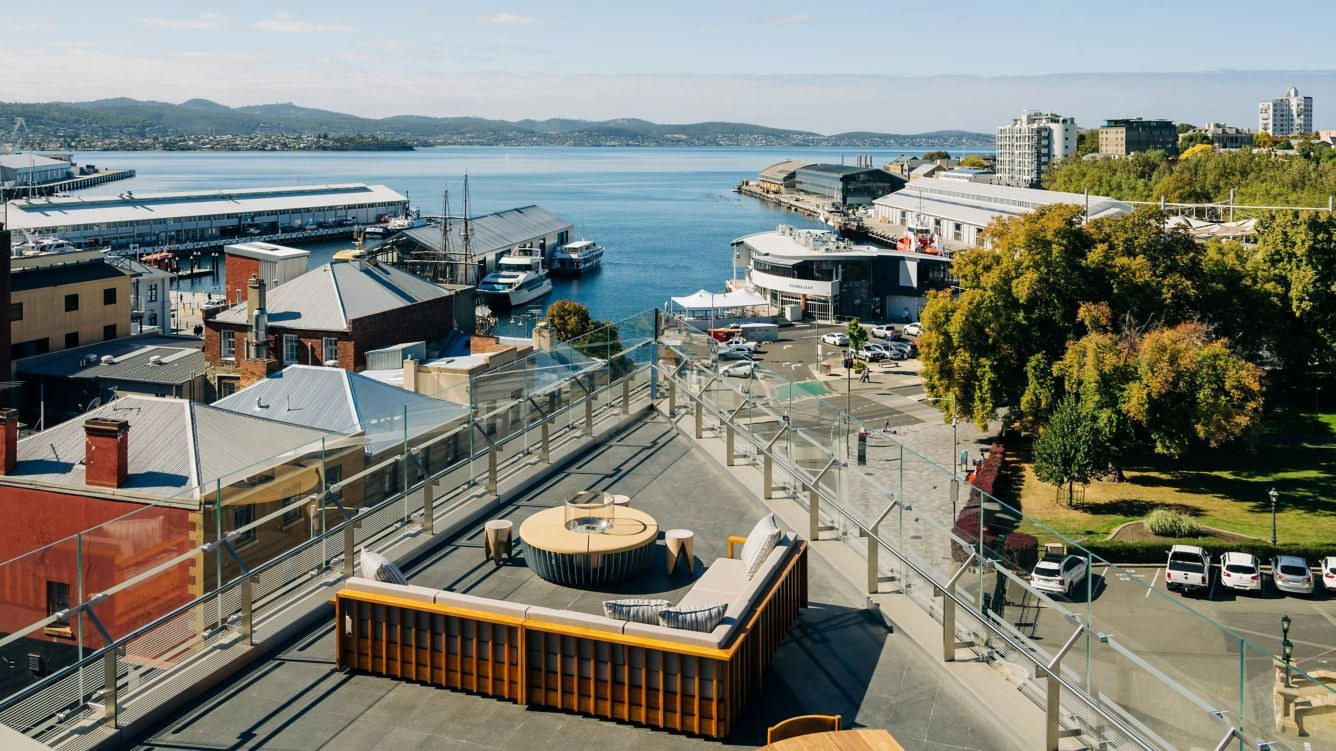
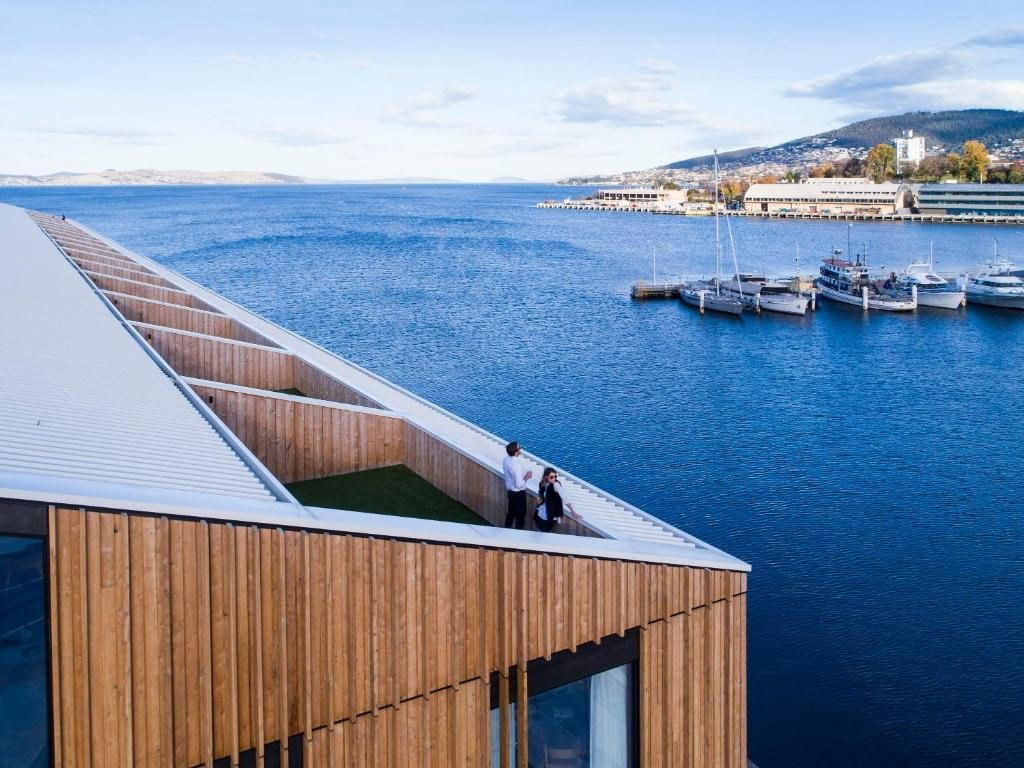
The drive north out of Hobart along the Derwent River corridor passes through a stretch of suburbia before the land opens and the city's industrial edge softens into riverbank scrub. Moorilla Estate sits at Berriedale, roughly twelve kilometres from the Hobart CBD, on a peninsula that juts into the river. The approach sets expectations: water on three sides, the low-slung geometry of the MONA museum cutting into the sandstone below, and above it, vines that have been here since the 1950s. This is not a winery that arrived recently to capitalise on Tasmania's wine moment. It helped create it.
Tasmania's cool-climate credentials now circulate widely in Australian fine wine conversations, but the island's serious wine history is shorter than its reputation sometimes implies. Moorilla was among the first to demonstrate that the Derwent Valley could produce wines of genuine complexity, particularly in varieties that struggle in warmer mainland climates. That early-mover position matters when reading the estate's current identity: it operates with the confidence of a place that proved a point before proving points became fashionable.
A Cool-Climate Template, Not a Trend
The Derwent Valley sits at the cool end of Tasmania's already-cool wine spectrum. Summers are long and dry by local standards, but the river moderates temperature swings, and the altitude of the surrounding terrain extends ripening windows in ways that favour aromatic whites and Pinot Noir over heavier-extracted red varieties. This is the environment that Tasmania's most discussed producers — from the Huon Valley to the Coal River — have spent decades learning to read, and Moorilla's estate vineyards at Berriedale sit inside the same climatic logic.
For comparative context, Australian estates working at this level of cool-climate precision tend to benchmark against a small peer group rather than the broader national market. Bass Phillip in Gippsland operates on a similar model of estate-grown, low-yield Pinot Noir in a cool southern Victorian corridor. Bird in Hand in Adelaide Hills pursues altitude-driven restraint in South Australia. Moorilla's Tasmanian position is distinct from both, but the underlying winemaking logic, let the site speak at the expense of volume, connects them within a broader movement toward place-specific Australian fine wine.
Ratings at this level are not awarded on single-vintage performance; they reflect a track record that gives the estate credibility across different release types and formats.
That credential matters in practical terms for the traveller making decisions about where to spend time and money in a region with no shortage of wine experiences competing for attention. Tasmania's wine tourism sector has grown substantially in the past decade, and not every cellar door operates at the same level of seriousness. Moorilla's prestige rating is a navigational signal: this is a producer whose wines and hospitality infrastructure have been assessed and ranked at the top of the EP Club scale.
The Estate as Cultural Site
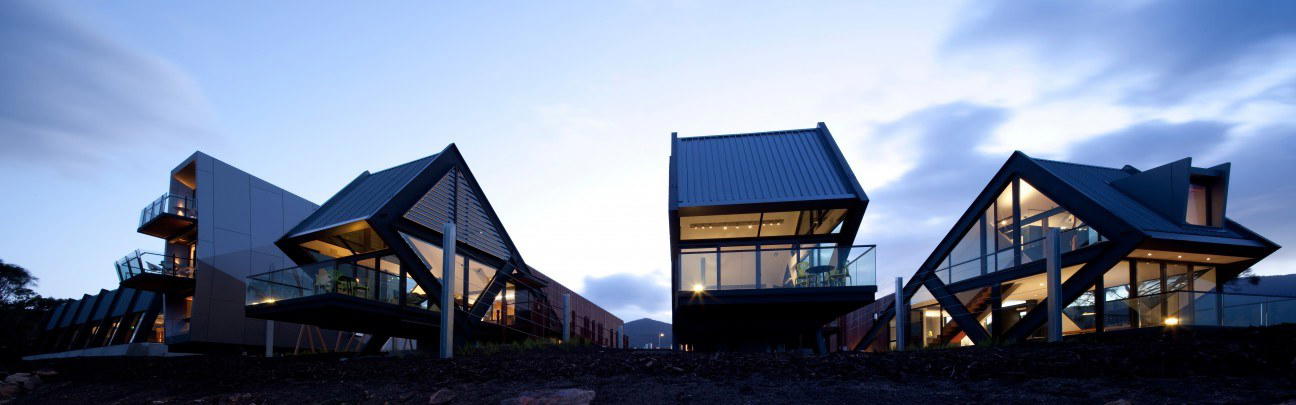
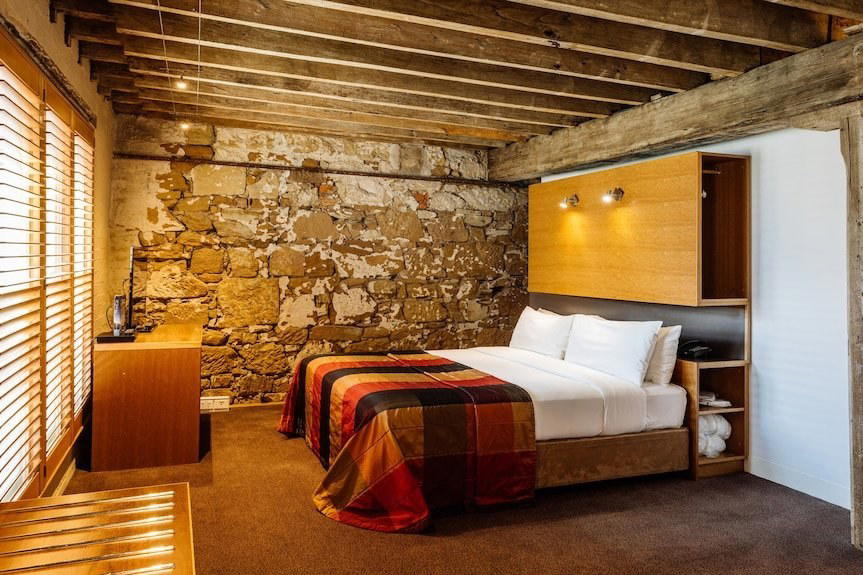
Moorilla's identity is inseparable from MONA, the Museum of Old and New Art that opened on the same peninsula in 2011. MONA changed the cultural coordinates of Hobart and, by extension, of the estate. The winery had existed for decades before the museum arrived, but the combination created something that doesn't have many parallels in Australian wine tourism: a site where serious contemporary art, underground architecture, a winery, a brewery, and accommodation occupy the same peninsula with genuine programmatic integration rather than superficial lifestyle branding.
This matters editorially because it changes who visits and why. Moorilla's visitors are not exclusively wine-focused; many arrive primarily for MONA and encounter the wine program as part of a broader cultural day or stay. That cross-audience dynamic has produced a hospitality model with more depth than a standalone cellar door typically develops. The food offering, the accommodation, and the wine program all operate at a level calibrated for visitors who have made a considered decision to spend serious time on the peninsula rather than passing through.
Tasmania's Wider Drinks Scene
Wine is not the only reason serious drinkers make their way to this part of Australia. Tasmania has developed one of the world's most closely watched whisky industries over the past three decades, built on access to clean water, cool air, and barley grown in conditions that produce spirit with a recognisable regional character. Lark Distillery, Overeem Distillery, and Sullivans Cove Distillery all operate from Hobart and collectively represent a whisky program that has drawn international attention well beyond the scale of the producers involved. For visitors building a drinks-focused itinerary around Hobart, the combination of Moorilla's wine program with the city's distillery scene creates a two-category argument for the destination that few Australian cities can match.
Further afield, the Australian fine wine field Moorilla sits within includes producers across very different geographies. Brokenwood in Hunter Valley, Brown Brothers in King Valley, Leading's Wines in Great Western, All Saints Estate in Rutherglen, Angove Family Winemakers in Renmark, and Blue Pyrenees Estate in Pyrenees each operate in warmer or differently configured climates that produce a useful contrast with what Tasmania's conditions generate. Those regional comparisons are worth keeping in mind when tasting Moorilla's wines: the acidity levels, the aromatic lift, and the structural restraint that appear in cool-climate Tasmanian bottles are functions of geography as much as winemaking decision.
For spirits comparisons beyond Australia, Aberlour in Aberlour represents the Scottish tradition that Tasmania's distillers initially benchmarked against before developing their own regional identity. Archie Rose Distilling Co in Sydney offers a mainland Australian contrast, operating in a warmer climate with a different flavour register. And Accendo Cellars in St. Helena sits at the opposite end of the cool-climate spectrum in Napa, where precision viticulture serves a very different market, worth knowing if you're building a broader picture of how estate-focused producers at the prestige level operate across hemispheres.
Planning Your Visit
Moorilla Estate is located at 655 Main Road, Berriedale, approximately twelve kilometres north of central Hobart by road. The most efficient approach from the city is by car, though MONA also operates the MR-1 ferry from Hobart's waterfront, which docks directly at the estate's jetty and transforms the arrival into its own experience. Given that the estate combines wine, food, accommodation, and access to MONA, a single afternoon visit rarely does it justice; visitors who want to engage seriously with the wine program while also spending time in the museum typically find a full day or an overnight stay more appropriate than a few hours. Specific hours, booking requirements, and current pricing should be confirmed directly with the estate before travel, as these details change seasonally. For a wider picture of what Hobart's food and drink scene offers around the estate, see our full Hobart restaurants guide.
Price and Recognition
Comparable venues nearby, for context on price, style, and recognition.
| Venue | Cuisine | Price | Awards | Notes |
|---|---|---|---|---|
| Moorilla EstateThis venue — the venue you are viewing | Berriedale, Winery | $100–150 | Falstaff Winery - Listed | Not listed |
| Thistledown Wines | McLaren Vale, Grenache, Shiraz | $50–100 | Not listed | Not listed |
| Tolpuddle Vineyard | Not listed | $50–100 | Falstaff Winery - Listed | Coal River Valley, Chardonnay, Pinot Noir |
Recognition history
Dated appearances from independent guides and award organizations, with the underlying list record or original source where available.
Falstaff Winery - Listed
Falstaff
Continue exploring
More in Hobart
Wineries in Hobart
Browse all →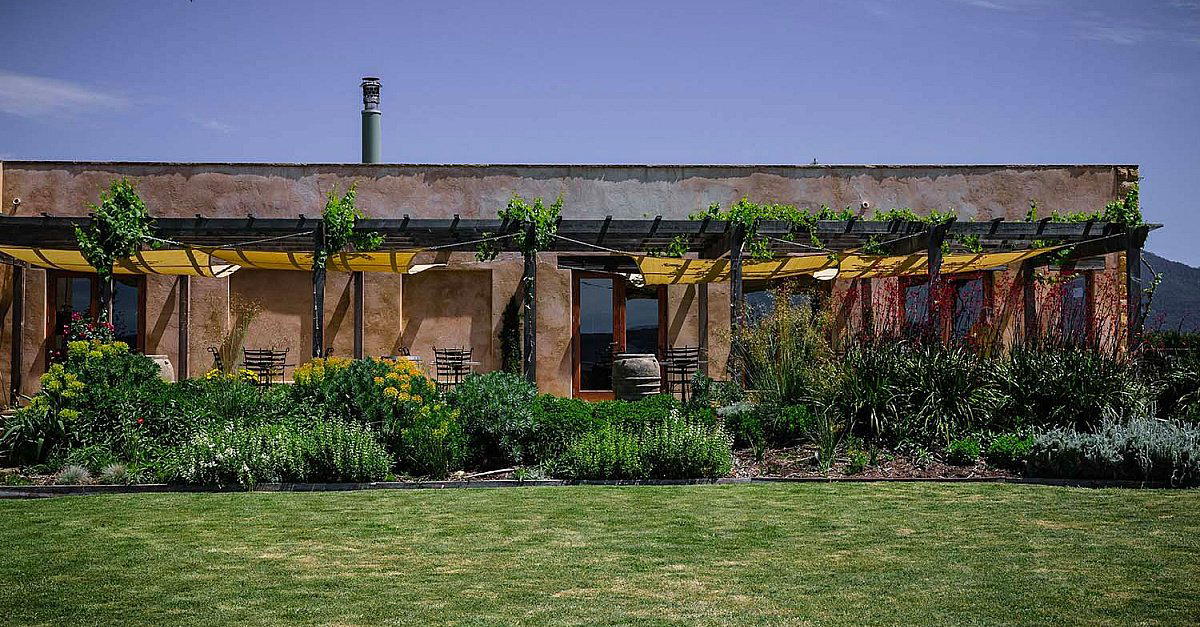
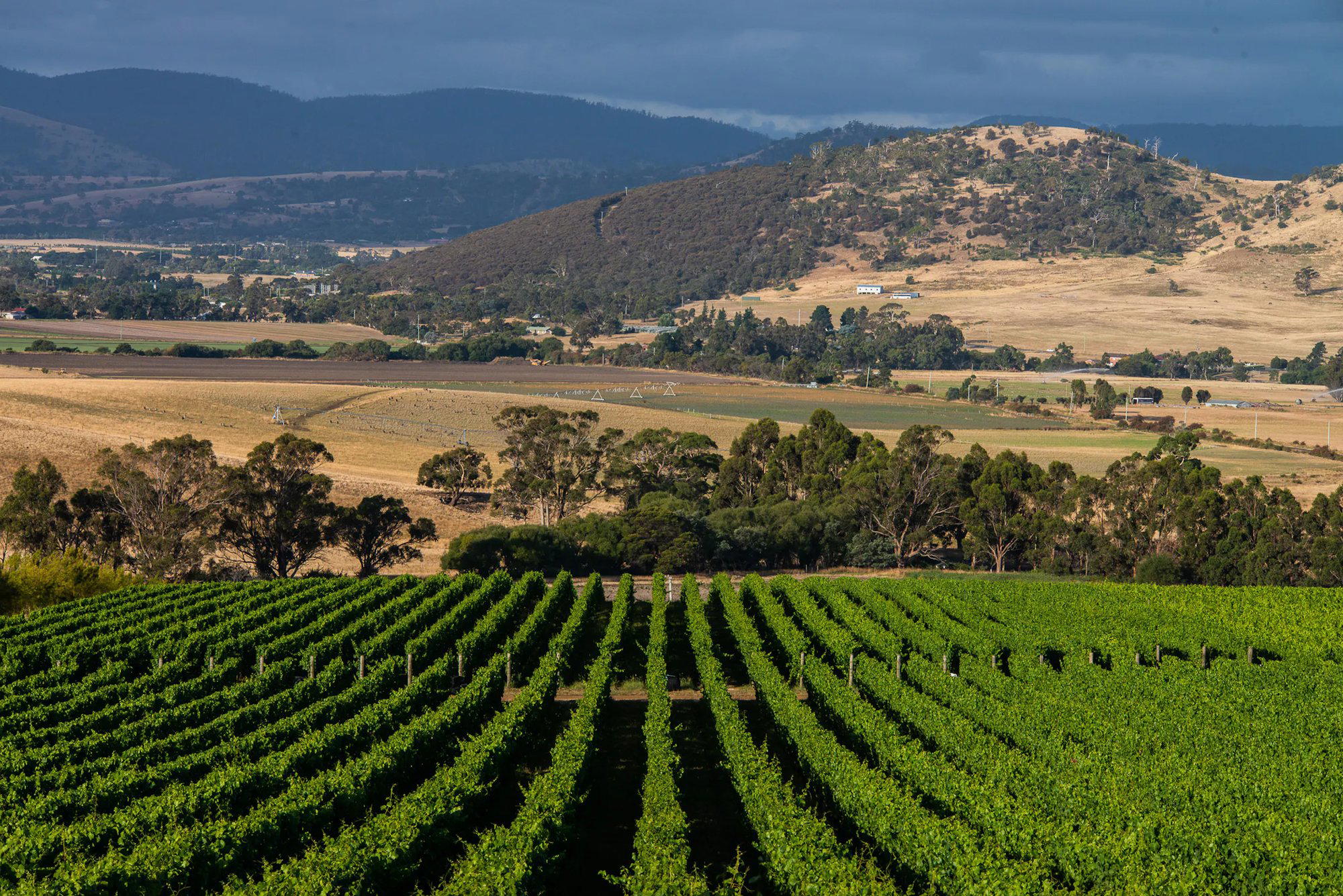

Bars in Hobart
Browse all →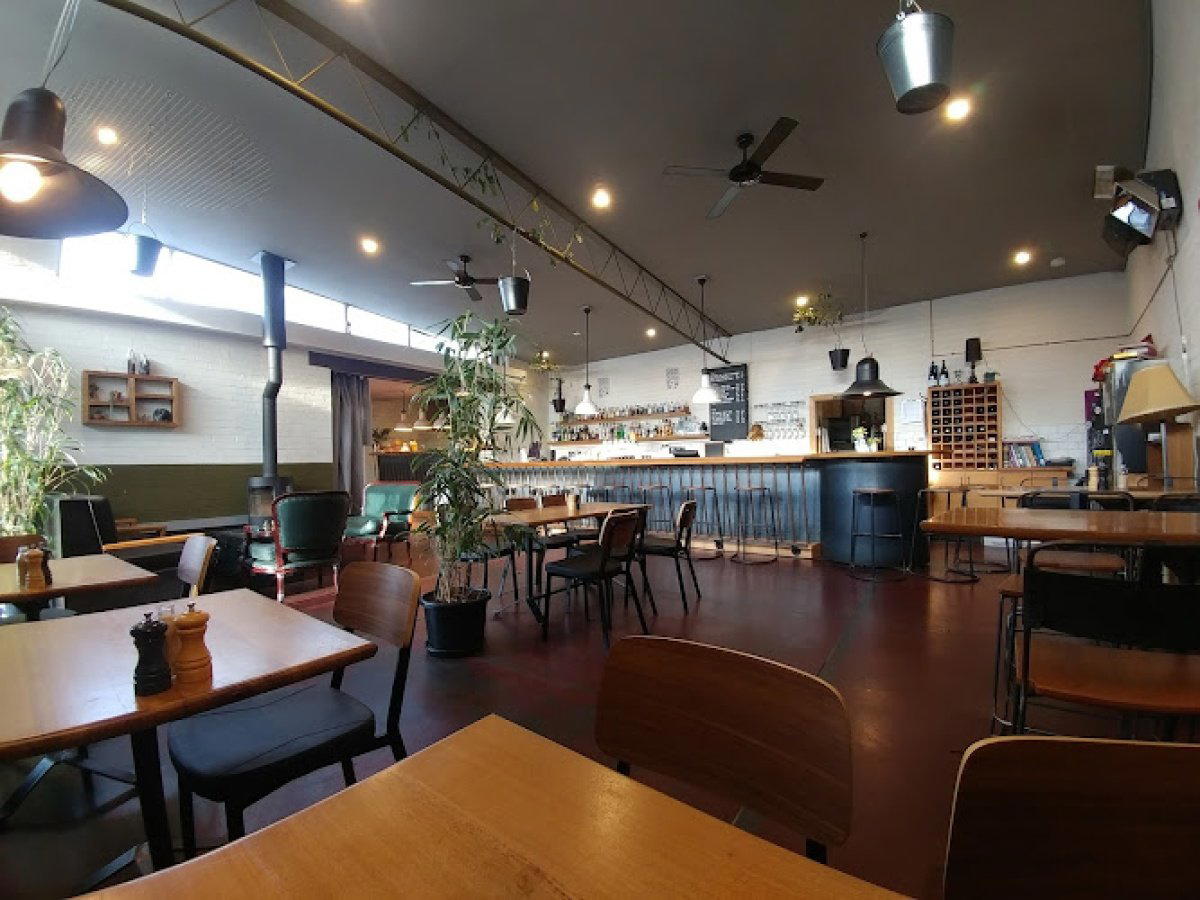
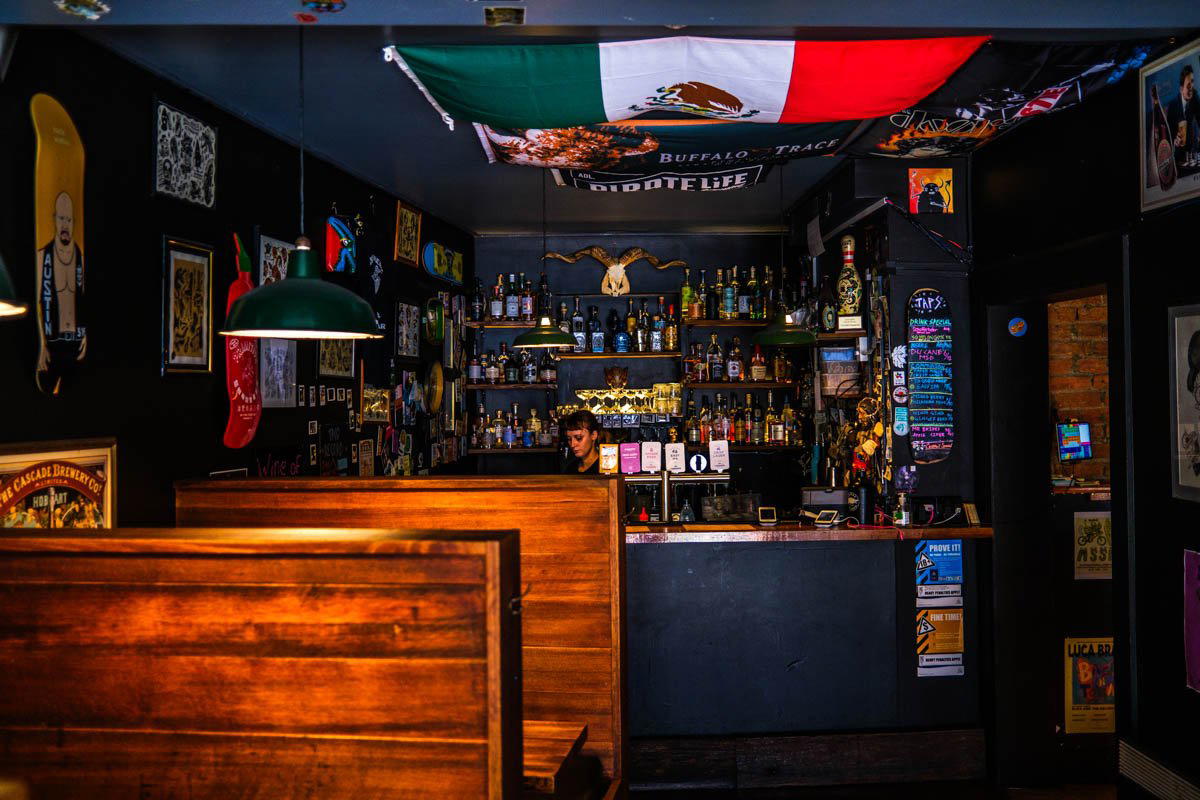
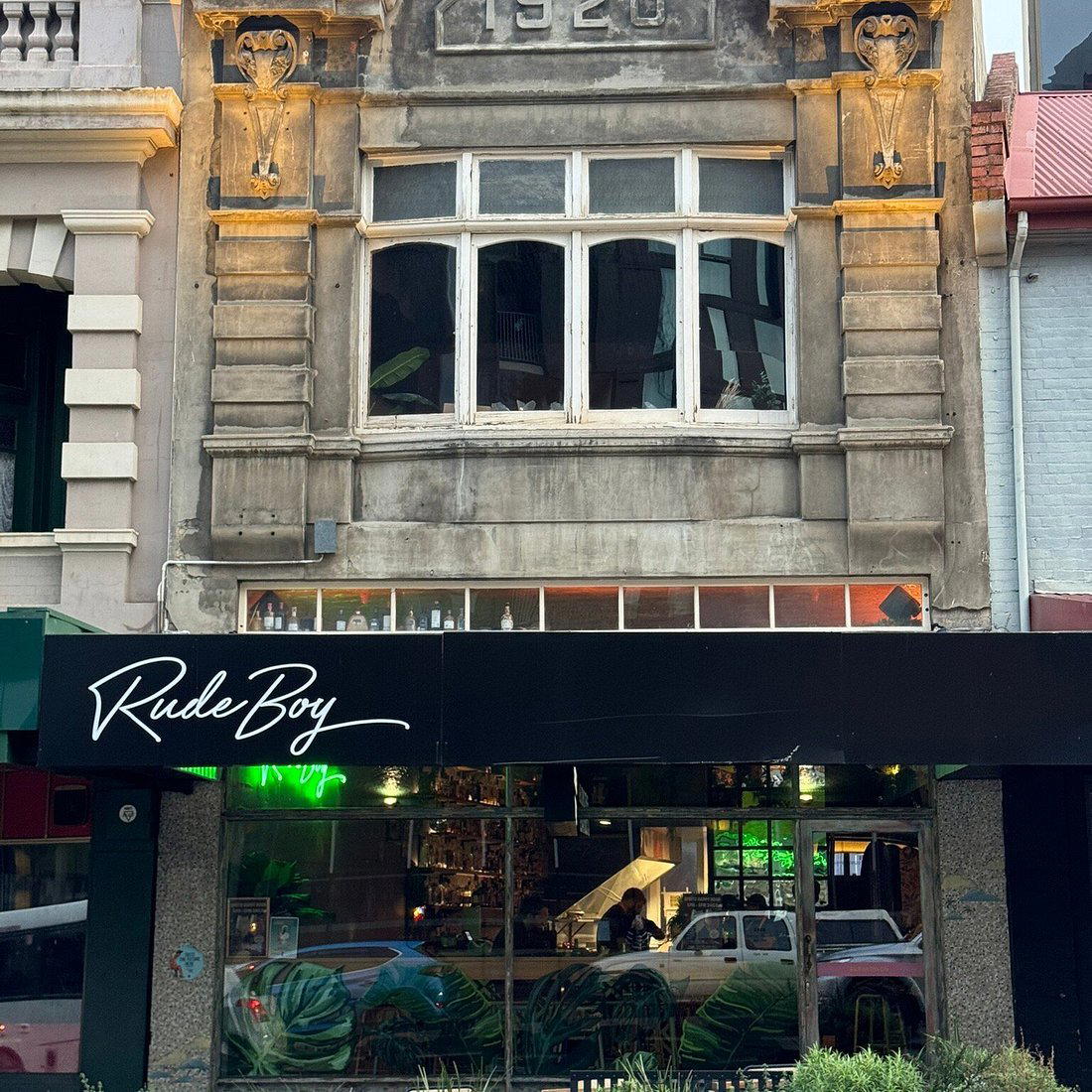
Restaurants in Hobart
Browse all →
Details
- Scenic
- Elegant
- Sophisticated
- Rustic
- Wine Education
- Special Occasion
- Vineyard Tour
- Estate Grounds
- Panoramic View
- Waterfront
- Vineyard
- Mountain
- Still Red
- Still White
- Sparkling
- Tutored Tasting
- English
Current opening hours
- Monday
- 11 AM–5 PM
- Tuesday
- Closed
- Wednesday
- Closed
- Thursday
- 11 AM–5 PM
- Friday
- 11 AM–5 PM
- Saturday
- 11 AM–5 PM
- Sunday
- 11 AM–5 PM
Hours can change for holidays and private events. Last verified .
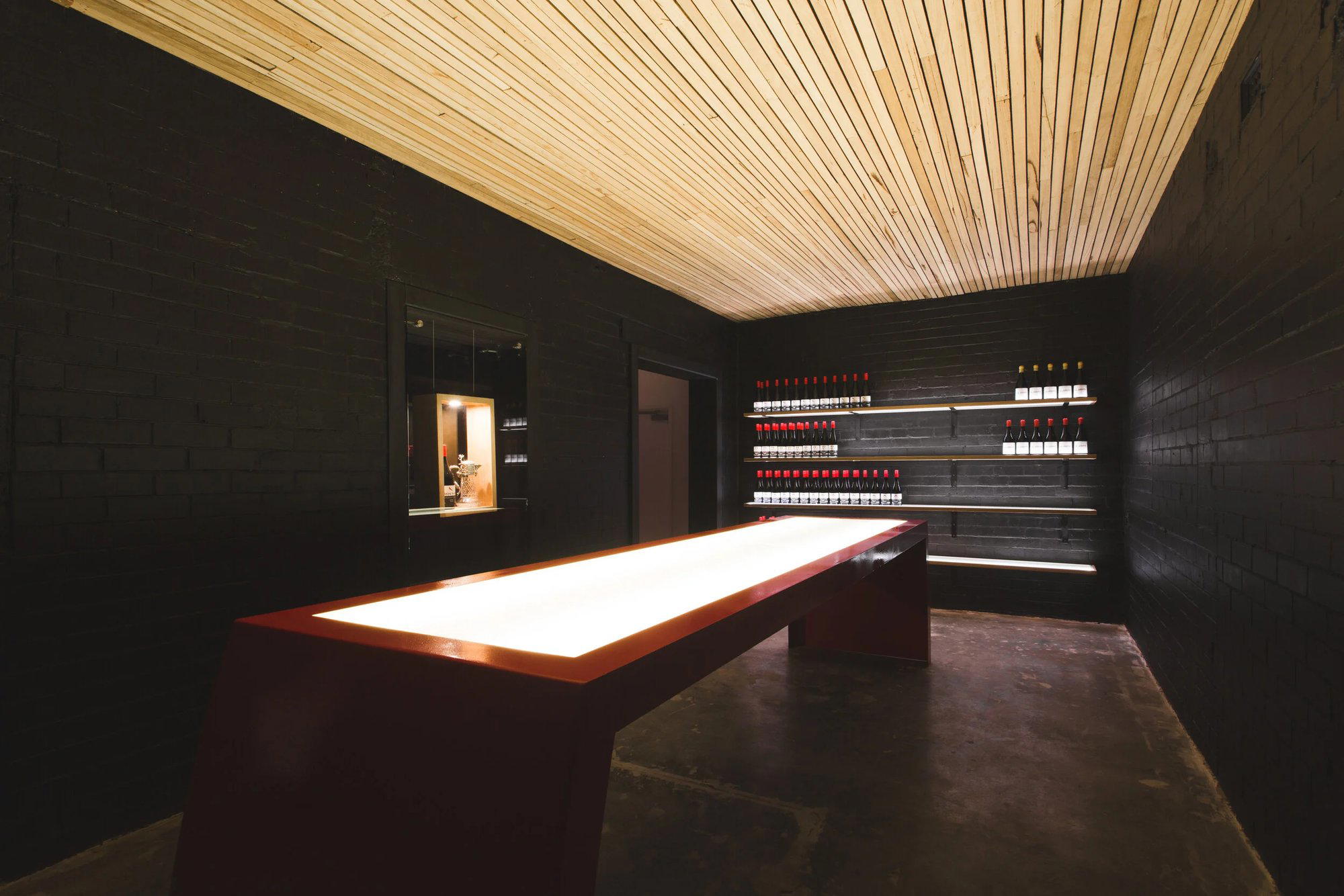
Sophisticated and scenic with vineyard and river views, blending modern architecture and rustic winery charm.