Our verdict
Cugini Restaurant sits in Bellerive on Hobart's eastern shore, representing the city's quieter tradition of neighbourhood Italian dining away from the waterfront tourist corridor. The address at 38 Cambridge Road places it firmly in suburban territory, where local regulars rather than passing visitors tend to set the tone. For travellers willing to cross the Derwent, it offers a different register of Hobart hospitality.

Pearl is the En Primeur Club membership app, where members save venues, book tables and use the concierge.
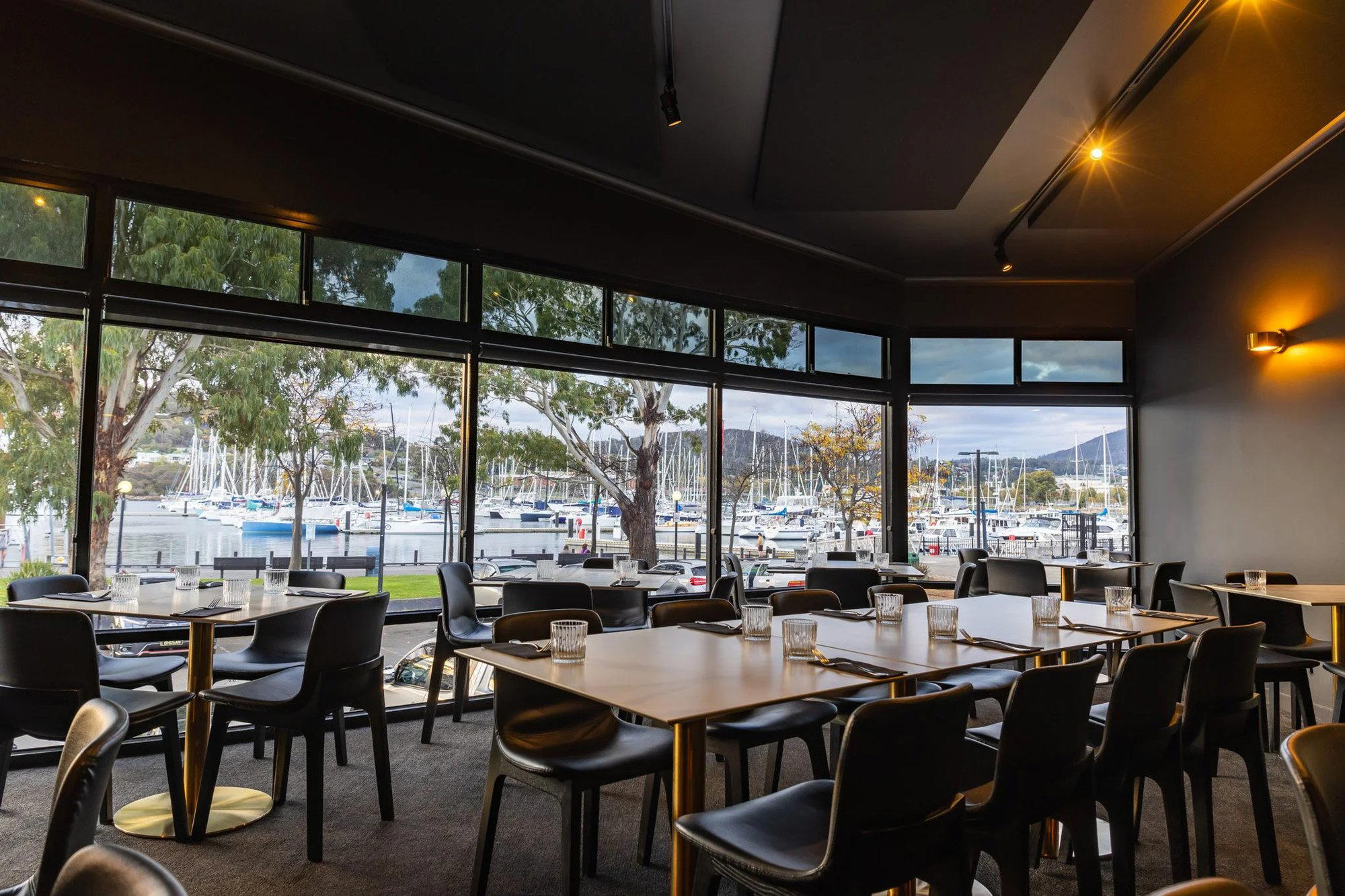
The Eastern Shore, Before the Crowds
Hobart's dining conversation tends to collapse onto the waterfront: Salamanca, the Sullivans Cove sheds, the heritage laneways threading back from the docks. That concentration is understandable, but it leaves the city's eastern shore underexamined. Bellerive sits across the Derwent River from the CBD, connected by the Tasman Bridge and, in warmer months, a ferry that deposits passengers a short walk from the suburb's low-slung main strip. The neighbourhood has a different tempo to it, residential, unhurried, shaped more by local habit than destination traffic. It is in this context that Cugini Restaurant, at 38 Cambridge Road, makes most sense.
Italian restaurants occupy a particular structural role in Australian suburban dining. They absorb the loyalty of neighbourhoods in a way that few other cuisines manage, functioning less as occasions and more as standing arrangements, the table you return to on a Wednesday because the welcome is consistent and the room feels like yours. Hobart has a handful of these operations. Don Camillo Restaurant in the city centre is perhaps the most established in that Italian-institution bracket. Cugini, from its position in Bellerive, represents something slightly different: the neighbourhood satellite rather than the civic institution, pitched at local regulars before anyone else.
What the Room Says Before the Menu Arrives
The opening strategy for any suburban Italian is atmospheric before it is gastronomic. The physical signals matter, the light level, whether the tablecloths absorb sound, whether the room feels like it has been used for decades or assembled recently. Bellerive's suburban strip gives Cugini a setting without the compressed energy of central Hobart, and that separation is part of the proposition. Diners arriving from across the bridge are already, by the act of crossing it, opting out of the main event in favour of something quieter.
Australia's neighbourhood Italian tradition stretches back to the postwar immigration waves that shaped cities like Melbourne, Sydney, and even smaller capitals like Hobart. The cuisine that arrived was practical and generous rather than technically fragile, pasta, slow-cooked proteins, shared antipasto, wine by the carafe. That tradition has been refined in different directions depending on who is operating the kitchen, but the underlying grammar remains legible. Venues like Ormeggio at The Spit in Mosman have pulled Italian cooking into technically sophisticated territory; the neighbourhood bracket, by contrast, tends to stay closer to the original compact with its regulars.
Hobart's Italian Register in Context
Tasmania's dining scene has been reshaped significantly over the past decade by produce-led restaurants drawing on the island's cool-climate agriculture, seafood, and small-farm supply chains. That wave brought venues with serious culinary ambitions, places whose menus read as arguments about place and seasonality. The Agrarian Kitchen is the clearest expression of that philosophy in the greater Hobart area. Against that backdrop, a traditional Italian suburban restaurant occupies a different register entirely: it is not making the same argument, and probably not competing for the same diner on the same night.
That distinction matters editorially. Hobart now supports both tiers, the destination-dining venues that attract visitors specifically for the food, and the neighbourhood restaurants that serve the city's own residents across routine occasions. The leading comparable scenes are in cities like Adelaide, where Botanic represents the aspirational tier while Italian and Greek neighbourhood operators in the suburbs maintain a parallel and largely separate audience. Cugini sits in that suburban-loyal bracket rather than the destination bracket.
For a broader sense of how Italian cooking has been refined at higher price points across Australia, Aloft in Hobart or venues like Provenance in Beechworth offer useful comparison points, both apply European culinary frameworks to Australian produce with a different level of technical investment. The contrast with Cugini's neighbourhood positioning is not a criticism; it is a category distinction. Different diners, different nights, different expectations about what a meal is supposed to accomplish.
Getting There and Planning the Visit
Reaching Bellerive from central Hobart requires either a short drive across the Tasman Bridge or, during operating seasons, a passenger ferry from Brooke Street Pier. The Cambridge Road address places Cugini within Bellerive's walkable strip, making it accessible without a car if the ferry connection aligns. Neighbourhood restaurants of this type in Australian suburbs typically operate dinner-centric hours from Wednesday or Thursday through Sunday, though confirmation is necessary.
Visitors spending several days in Hobart and wanting to build a coherent dining itinerary should treat Cugini as the eastern-shore option within a broader programme. The our full Hobart restaurants guide maps the city's dining options by neighbourhood and price tier, which is a useful starting point for building out multiple evenings. Other venues worth considering in the broader Hobart orbit include Driftwood Restaurant and Callington Mill Distillery at MACq 01 Hobart, both of which operate in different registers and serve different purposes within a multi-day stay.
For Australian travellers who move between regional dining circuits, Hobart sits in an increasingly credible position. The island's produce supply has made it a draw for chefs in the same way that regional Victoria has attracted operators to places like Birregurra, where Brae operates at the far end of the ambition spectrum, or coastal New South Wales towns like Pottsville, where Pipit demonstrates what a small regional restaurant can achieve with focused sourcing. Cugini's role in this landscape is the stable neighbourhood presence rather than the destination proposition, which is a legitimate and undervalued function in any city's dining ecosystem.
Frequently asked questions
What part of town is Cugini Restaurant in?
Cugini Restaurant is located at 38 Cambridge Rd, Bellerive TAS 7018, Australia, Hobart.
Is Cugini Restaurant a good option for dining on Hobart's eastern shore?
Cugini at 38 Cambridge Road sits in Bellerive, one of the few established dining pockets on the eastern shore of Hobart, a neighbourhood that remains largely outside the concentrated restaurant strip around Salamanca and Sullivan's Cove. For visitors staying east of the Tasman Bridge, or locals seeking Italian without crossing into the CBD, its location gives it a practical relevance that few other sit-down restaurants in the area match.
What's the signature dish at Cugini Restaurant?
The kitchen's positioning on Cambridge Road in Bellerive suggests a focus on Italian staples suited to a local, repeat-visit clientele rather than a rotating tasting format. Visiting directly or calling ahead is the practical way to find out what's current.
Should I book Cugini Restaurant in advance?
For a suburban Italian in Bellerive at 38 Cambridge Road, weekend evenings typically fill faster than the venue's low-key profile might suggest, eastern shore restaurants draw a loyal local crowd without the tourist churn that keeps Salamanca tables turning. Booking ahead for Friday and Saturday is a reasonable precaution.
What do critics highlight about Cugini Restaurant?
Cugini does not appear in the major award indexes, no Michelin recognition applies in Australia, and it has not surfaced in documented Good Food Guide or 50 Best listings. That absence tells its own story: this is a neighbourhood-scale Italian in Bellerive operating outside the critical spotlight that tends to fall on Hobart's waterfront and CBD venues. Its reputation runs on local return trade rather than editorial momentum.
Comparable Options
Comparable venues nearby, for context on price, style, and recognition.
| Venue | Cuisine | Price | Notes |
|---|---|---|---|
| Cugini RestaurantThis venue (the venue you are viewing) | Authentic Italian Pizza and Pasta | $20–30 | Not listed |
| Templo | Italian-inspired Seasonal Tasting Menu | $100–150 | West Hobart |
| Sapa Rose | Modern Traditional Vietnamese | $20–30 | Hobart CBD |
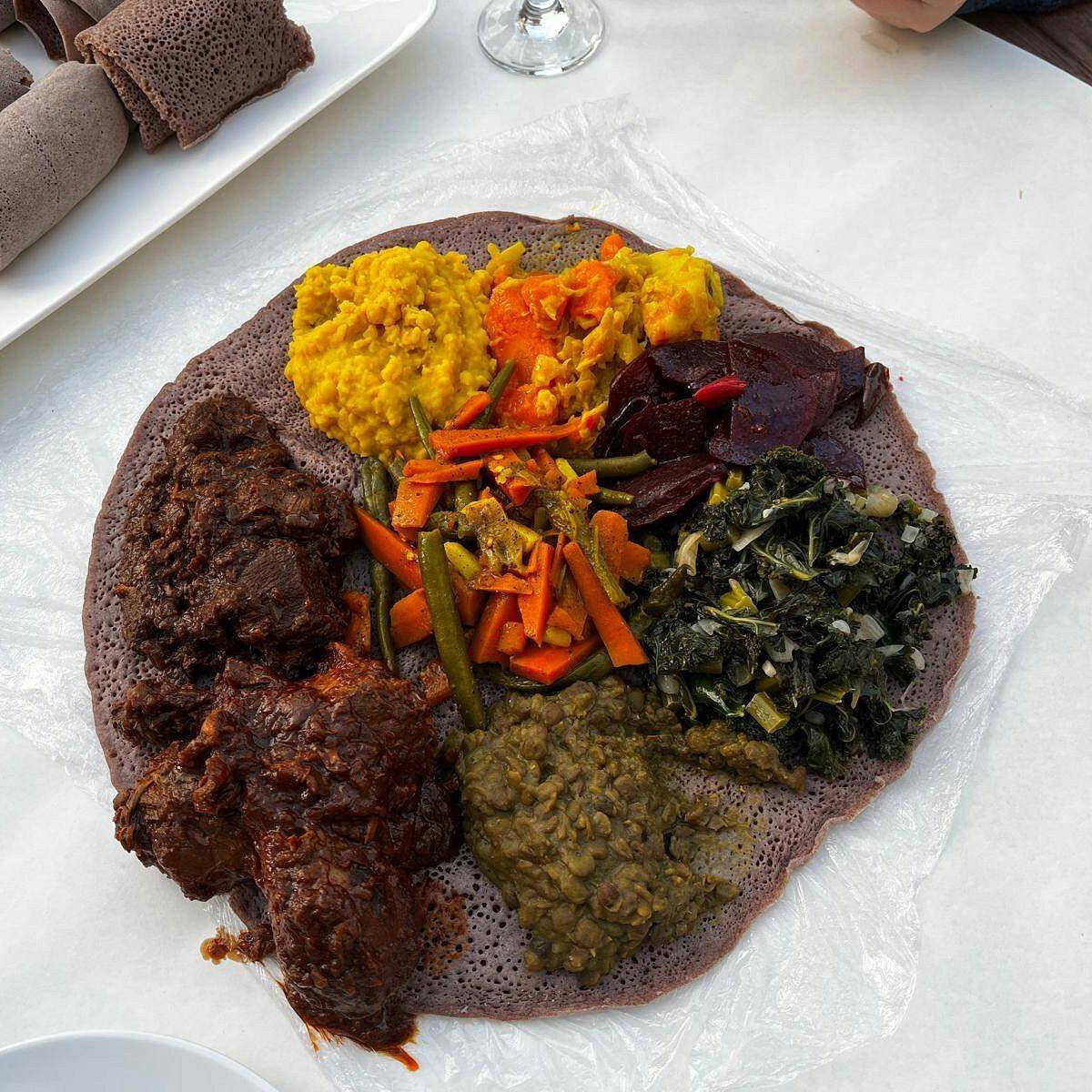
| Queen Sheba Injera | Authentic Ethiopian | $20–30 | North Hobart |
| The Tasmanian Juice Press | Healthy Cold-Pressed Juices & Light Eats | $10–20 | Hobart |
| Driftwood Restaurant | Modern Seasonal Coastal | $50–100 | Lauderdale |
Continue exploring
More in Hobart
Restaurants in Hobart
All restaurants in Hobart →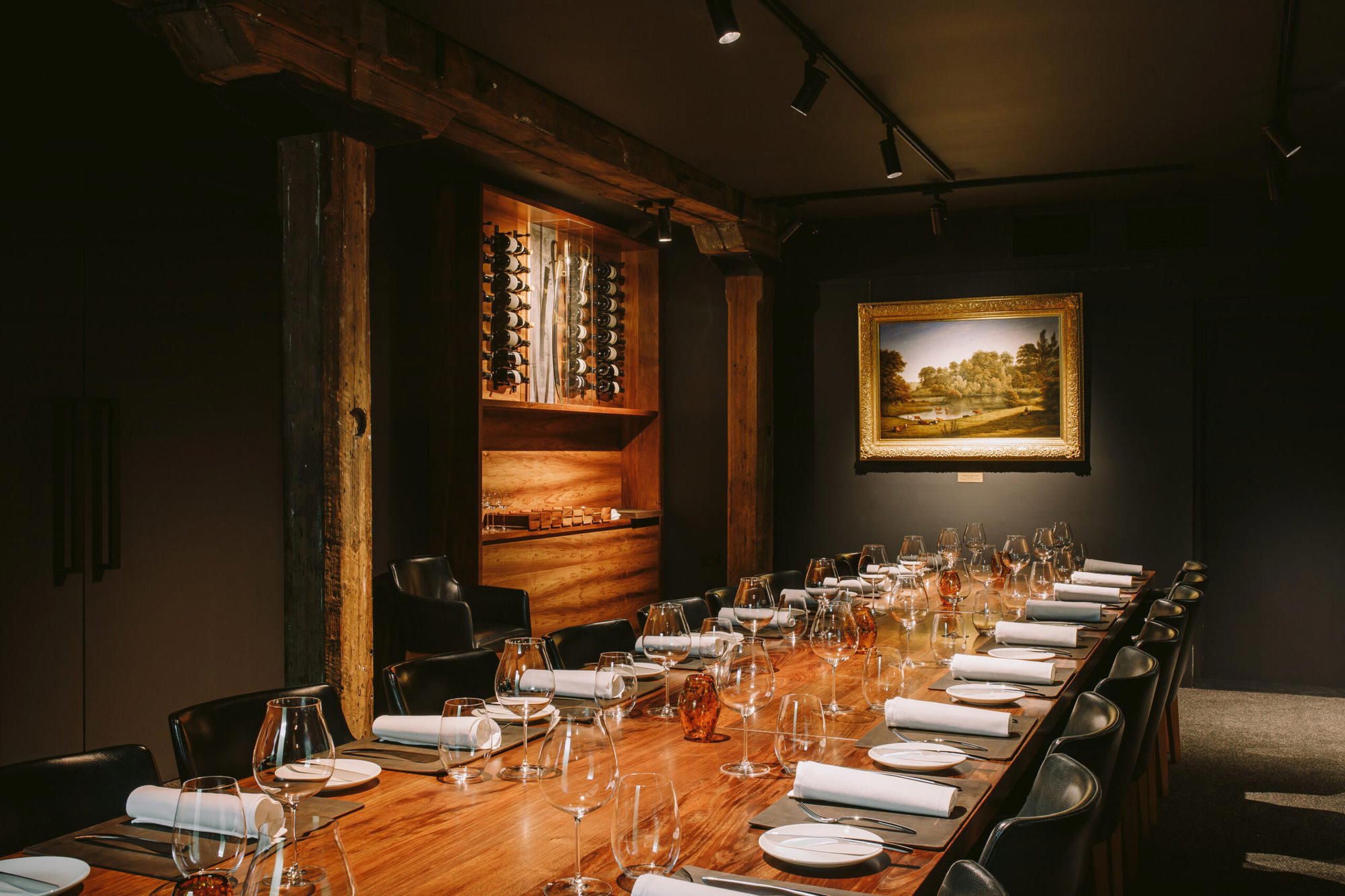
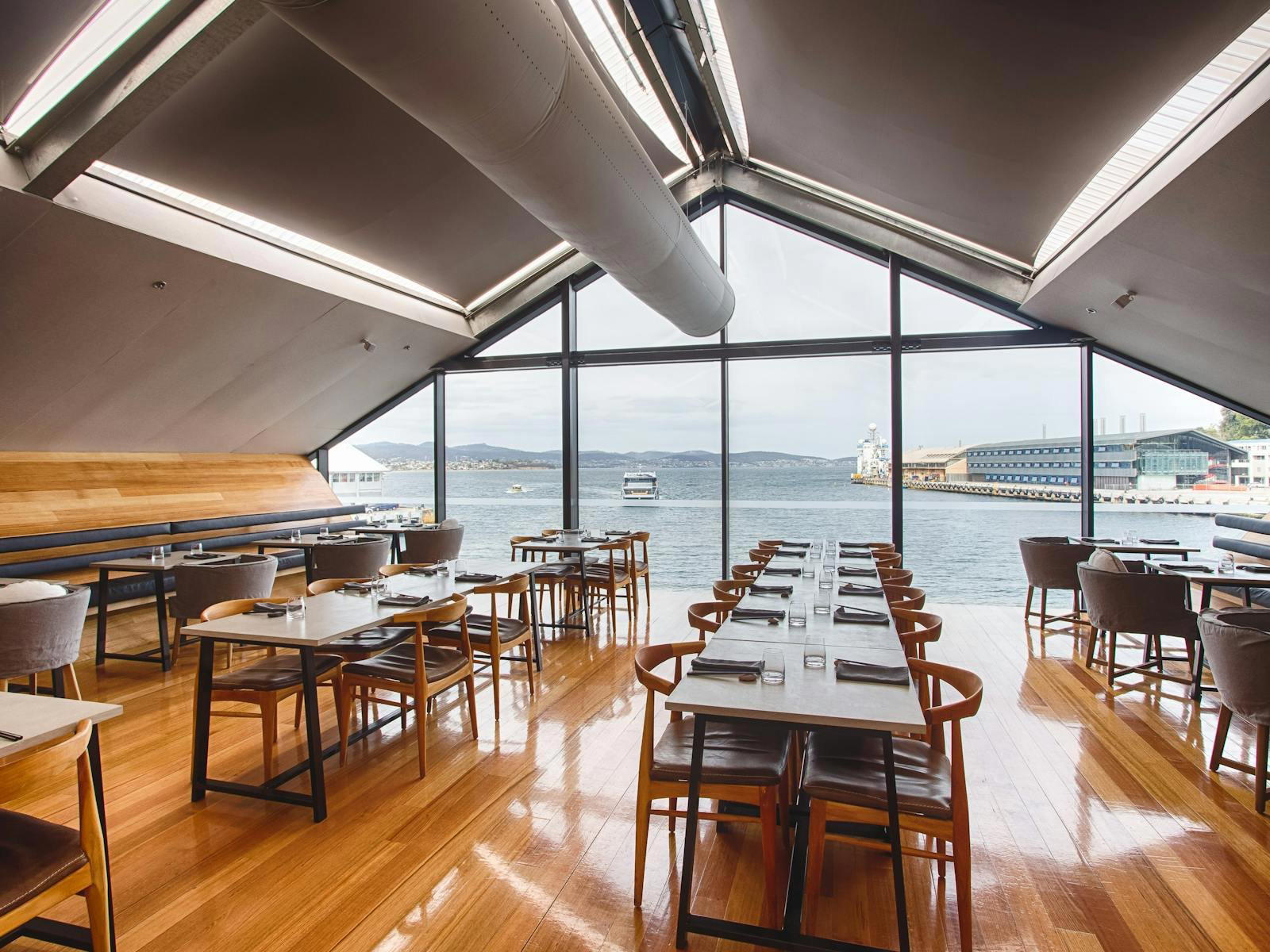
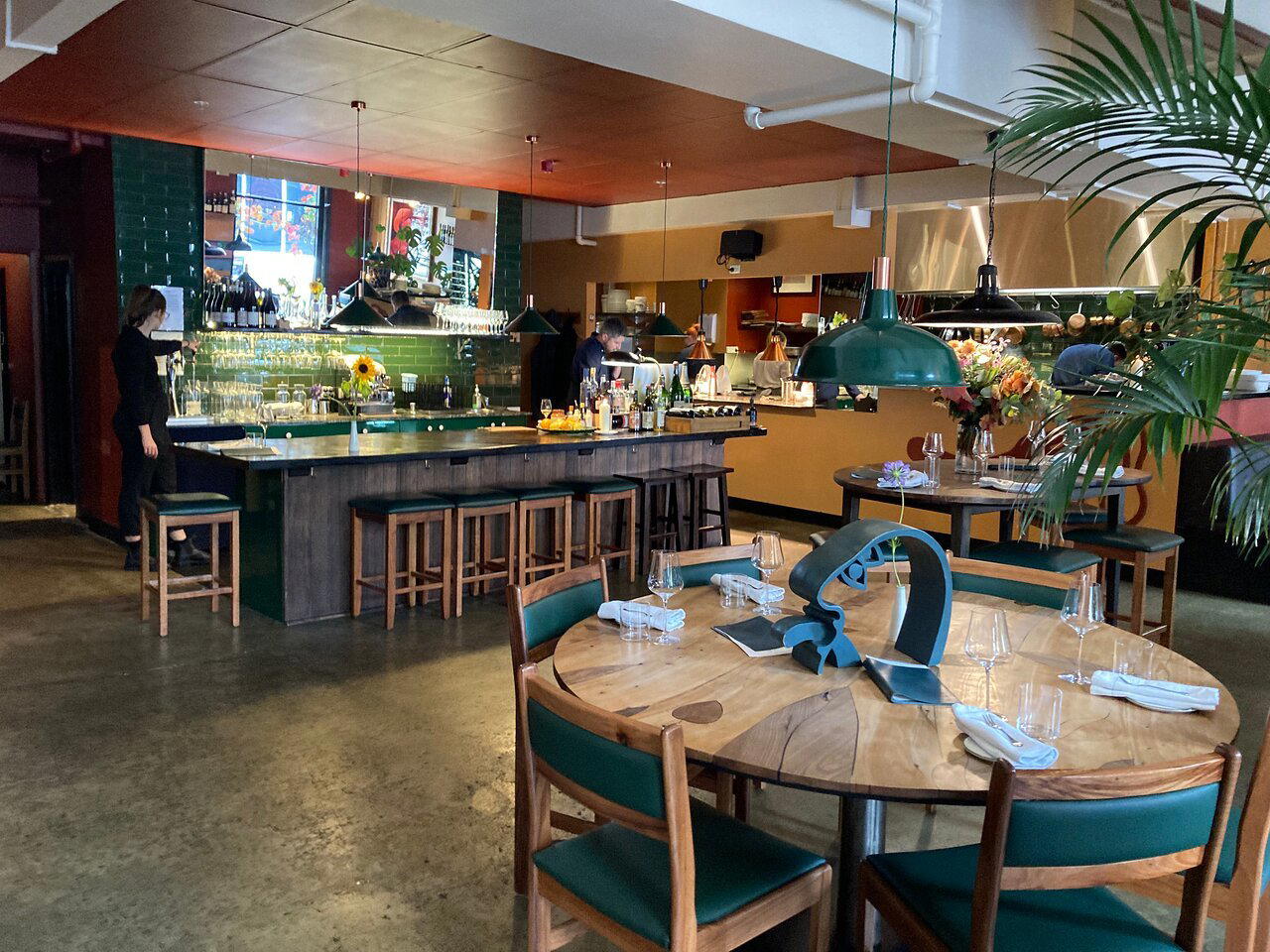
Bars in Hobart
All bars in Hobart →

Details
- Cozy
- Elegant
- Family
- Date Night
- Group Dining
- Waterfront
- Extensive Wine List
- Local Sourcing
- Waterfront
- A La Carte
- Vegetarian Friendly
- Vegan Options
- Gluten Free Options
Current opening hours
- Monday
- Closed
- Tuesday
- 5–9 PM
- Wednesday
- 5–9 PM
- Thursday
- 5–9 PM
- Friday
- 5–9 PM
- Saturday
- 5–9 PM
- Sunday
- 5–9 PM
Hours can change for holidays and private events. Hours as of .
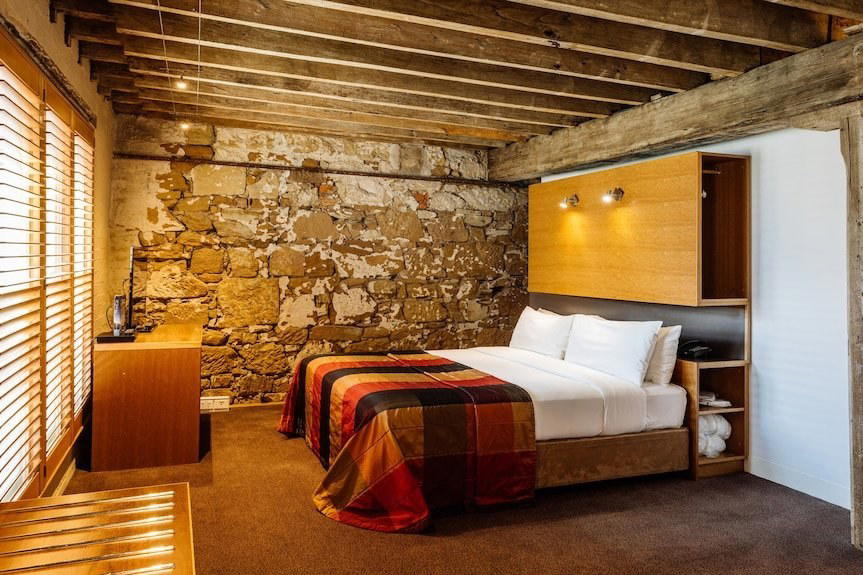
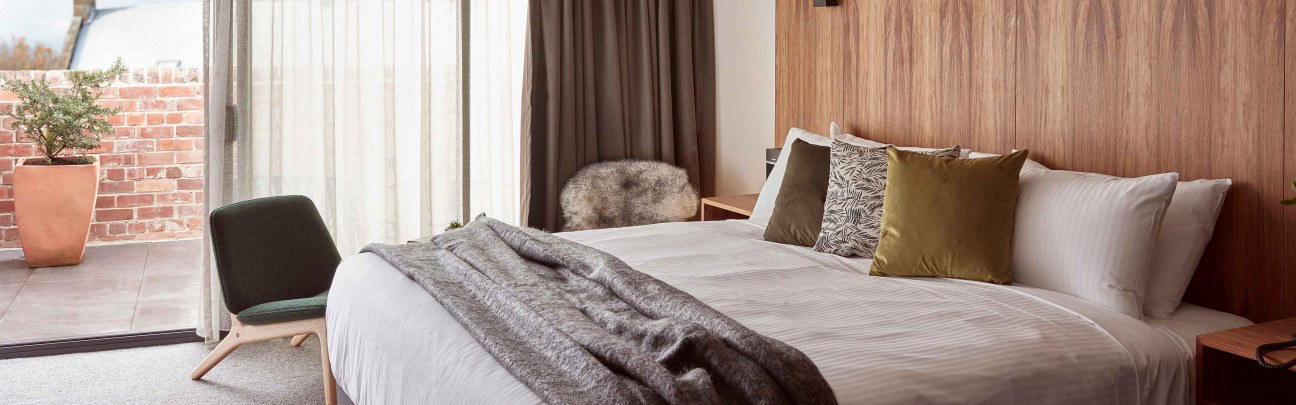
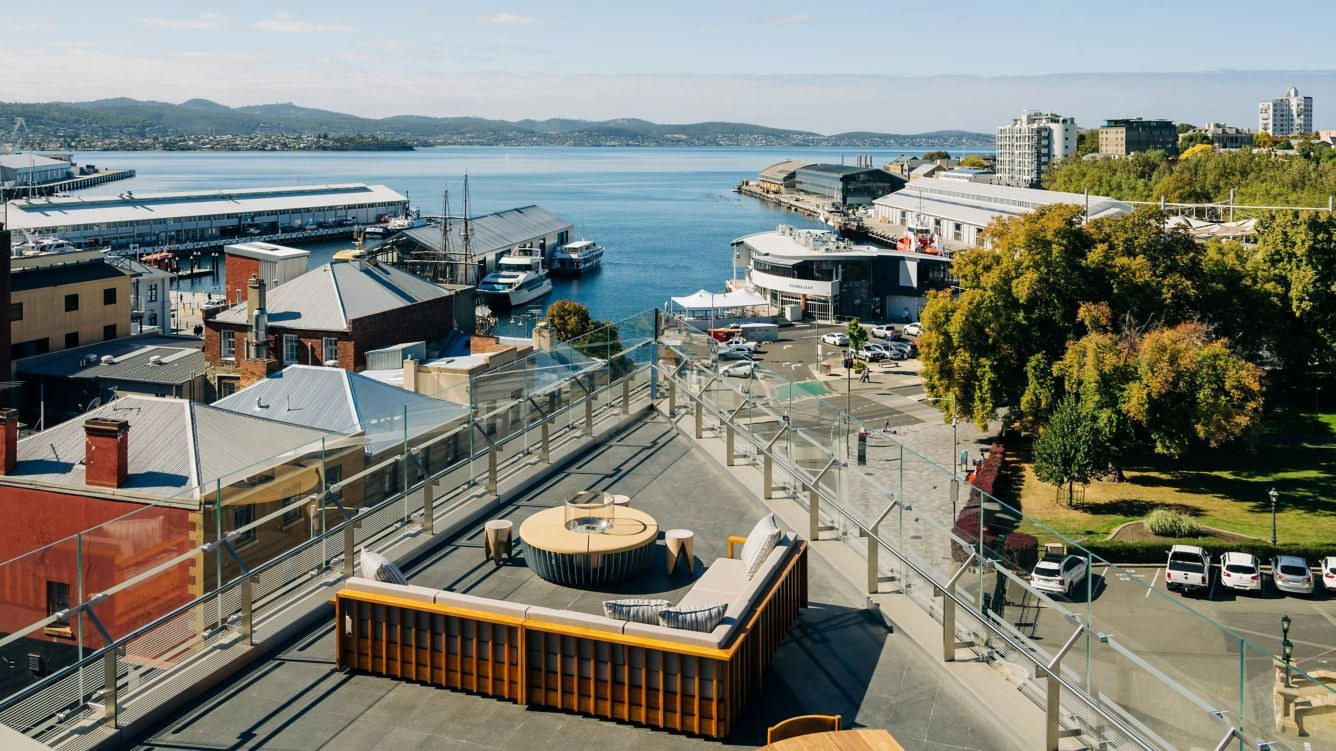
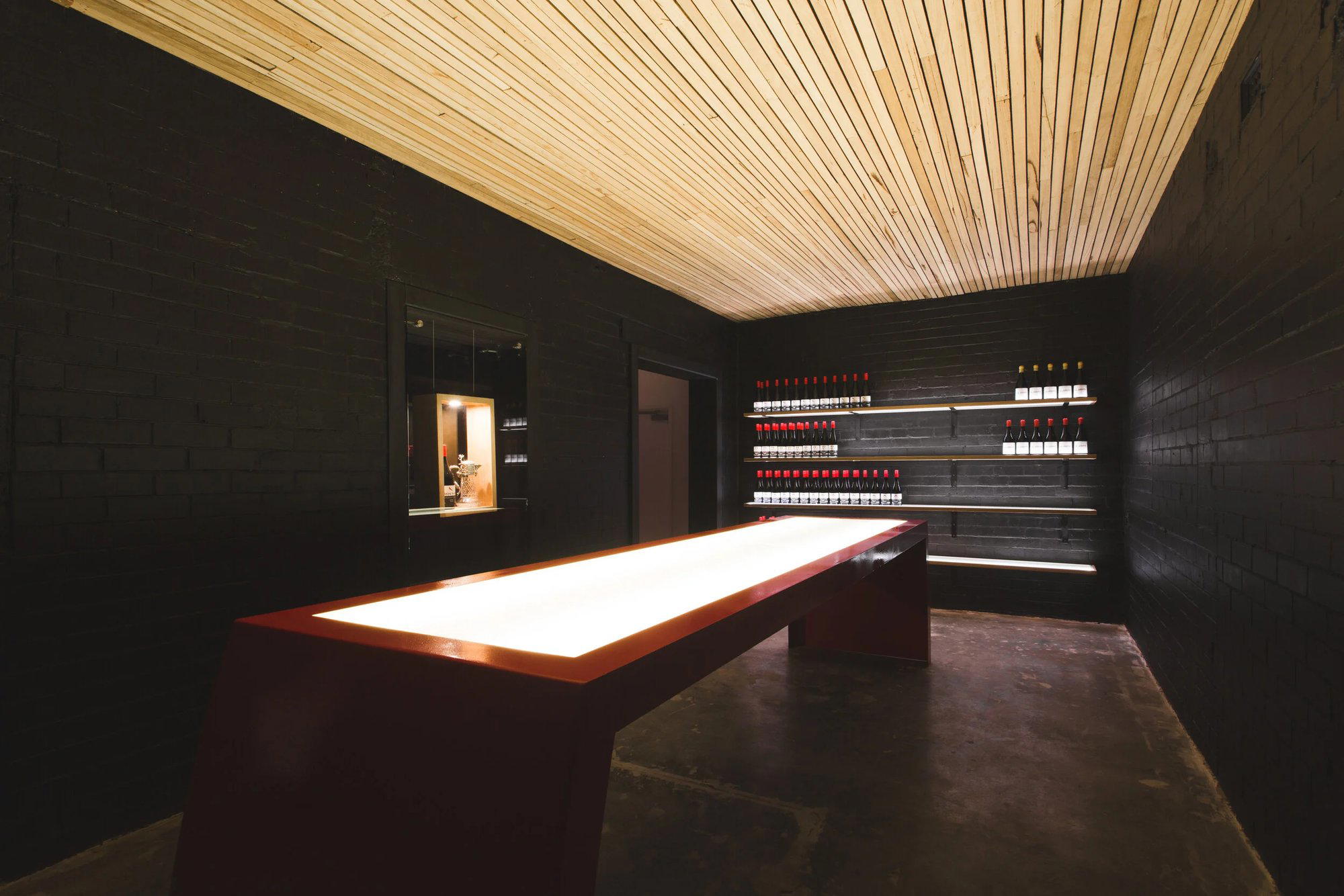
Warm and comfortable atmosphere blending class and coziness, reasonably noisy with patrons enjoying meals, enhanced by evening water views.