Institut Polaire sits on Murray Street in Hobart's central district, positioning itself within a bar scene that has grown considerably more technically focused over the past decade. Among Hobart's craft-forward venues, it occupies the specialist end of the spectrum, where the craft behind the bar takes precedence over volume or spectacle. For a city this size, that level of focus is telling.

Pearl is the En Primeur Club membership app, where members save venues, book tables and use the concierge.
Where Hobart's Bar Scene Gets Serious
Murray Street runs parallel to the waterfront and sits inside the denser commercial block of Hobart's CBD, close enough to the Salamanca strip to draw from its foot traffic but distinct enough in character to attract a different kind of drinker. The bars along this corridor tend to reward deliberate visits over passing impulse, and Institut Polaire, at Unit 1/7 Murray Street, fits that pattern. The name itself signals an orientation: cold, precise, exploratory. Whether that promise extends through every pour is what earns or loses a repeat visit.
Hobart's bar culture has undergone a meaningful shift over the past decade. The city's isolation from Sydney and Melbourne circuits historically meant it lagged behind on international spirits programmes and technical cocktail development. That has changed. A cluster of venues, including Dier Makr, Franklin Bar & Restaurant, and Mary Mary, has pushed the conversation toward programme depth, local provenance sourcing, and format discipline. The competitive context matters: Hobart now has enough serious options that any newcomer is measured against them.
The Craft Behind the Counter
The editorial angle on Institut Polaire begins behind the bar rather than on the plate. In cities with maturing cocktail scenes, the distinction between bars with technically proficient programmes and those that simply stock premium bottles has become the defining divide. The former group invests in method: house-made syrups, fat-washing, controlled dilution, ingredient seasonality. The latter replicates from a supply catalogue. Where Institut Polaire sits on that spectrum defines what kind of evening a visitor should expect.
Across Australian bar culture broadly, the movement has tracked from international-spirits-first programming toward local ingredient integration. Tasmanian spirits production has grown rapidly, with distilleries across the state producing whisky, gin, and vodka at a scale that gives Hobart bartenders genuine local alternatives to import-led lists. A bar on Murray Street in 2024 that is not engaging with that supply chain is making a deliberate choice; one that does is aligning itself with a regional identity that gives its programme a specificity that no amount of premium international labels can replicate. The craft conversation in Hobart is increasingly a local-sourcing conversation.
This mirrors patterns visible at technically focused bars in larger Australian cities. 1806 in Melbourne built its reputation on encyclopaedic spirits knowledge and historical reference. Cantina OK! in Sydney operates from a narrow-format, high-repetition model. Both represent the specialist-bar approach applied at scale. Institut Polaire operates in a smaller market, which means its margin for error is narrower but its ability to build regulars through consistency is proportionally greater.
Any assessment of Institut Polaire requires placing it within Hobart's specific competitive set. New Sydney Hotel holds a long-standing place in the city's drinking culture as an institution with depth of character earned over decades. Franklin operates as a bar-restaurant hybrid where the drinks programme integrates with a serious food offer. Mary Mary sits at the more playful, accessible end of the craft spectrum. Institut Polaire, from its name and address positioning, suggests a different register: cooler, more deliberate, programme-first.
This kind of specialism has a clear precedent in comparable markets. Bowery Bar in Brisbane occupies a similar niche in a larger city: a bar where the drinks are the primary text, not a supporting feature. Bar Leather Apron in Honolulu demonstrates what happens when technical rigour is applied in a city not typically associated with serious cocktail culture. The lesson from both: format discipline and sourcing integrity can create a genuinely differentiated offer regardless of market size. In Hobart, where the bar population is smaller but the quality bar among the leading venues is meaningfully high, a bar that commits to that discipline finds its audience.
What to Know Before You Go
Institut Polaire is located at Unit 1/7 Murray Street, placing it within easy walking distance of Hobart's waterfront and Salamanca precinct. The Murray Street address suggests a venue that sits slightly off the main dining-and-drinking corridor, a positioning that in most cities correlates with a more deliberate visit rather than walk-in discovery traffic. Confirmed booking information is not available at time of publication, so contacting the venue directly before arrival is the pragmatic approach, particularly on weekend evenings when the more focused Hobart bars fill early.
For visitors constructing a broader Hobart drinking itinerary, Murray Street and the surrounding blocks support a progressive evening across multiple venues. Dier Makr sits within the same general orbit and offers a different programme register. Fratelli Paradiso in Potts Point, La Cache à Vín in Spring Hill, and Blu Bar on 36 in The Rocks each illustrate how different Australian bar formats calibrate the trade-off between programme depth and accessibility. Institut Polaire, based on its positioning, skews toward programme depth. Visitors who arrive expecting a direct spirits list should recalibrate expectations accordingly. See our full Hobart restaurants and bars guide for a wider picture of the city's current scene.
The Essentials
| Venue | Price | Awards |
|---|---|---|
| Institut PolaireThis venue (the venue you are viewing) | $50–100 | Not listed |
| Sonny | $30–50 | Star Wine List |
| Mary Mary | $30–50 | Not listed |
| Dier Makr | $100–150 | Not listed |
| New Sydney Hotel | $20–30 | Not listed |
Continue exploring
More in Hobart
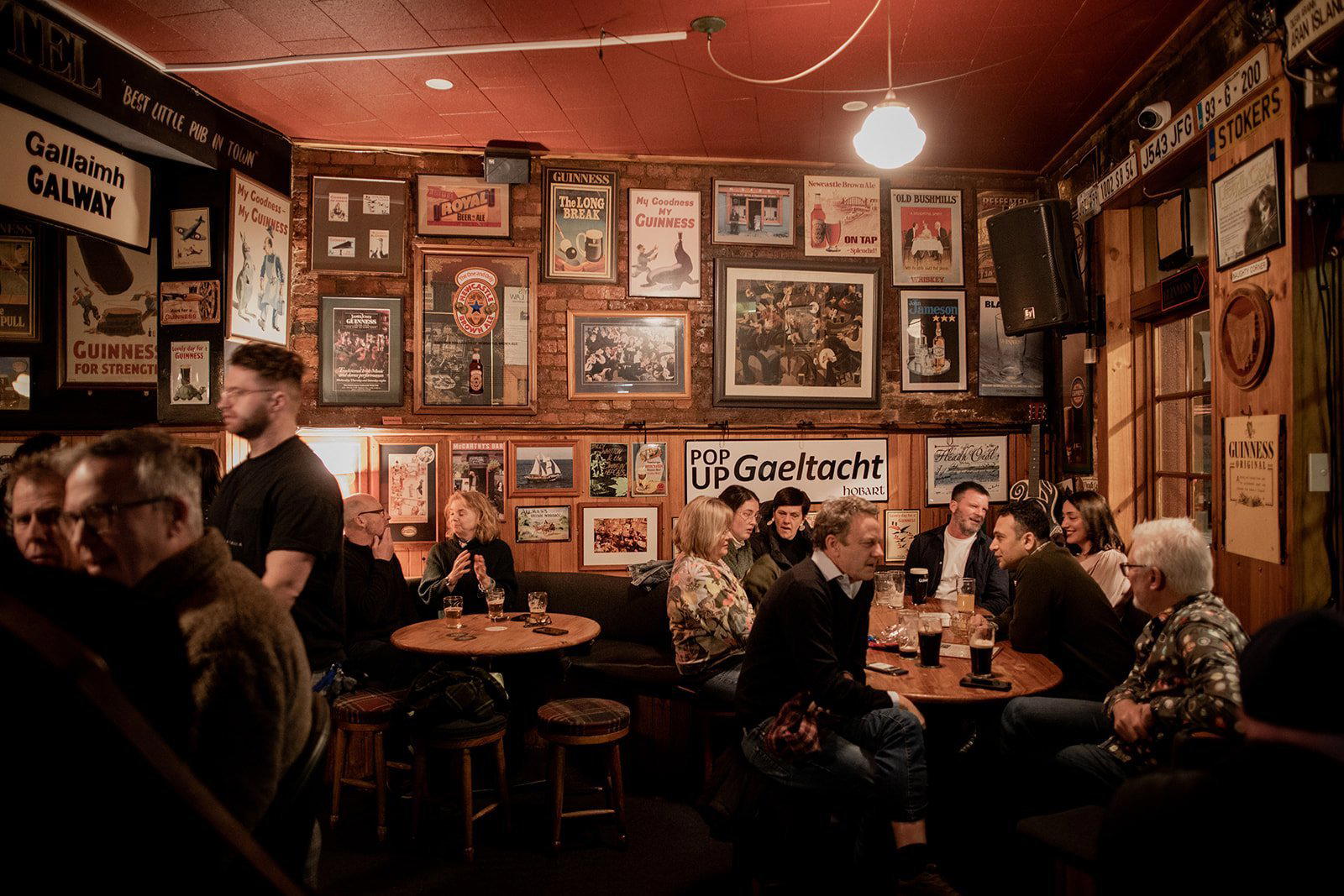
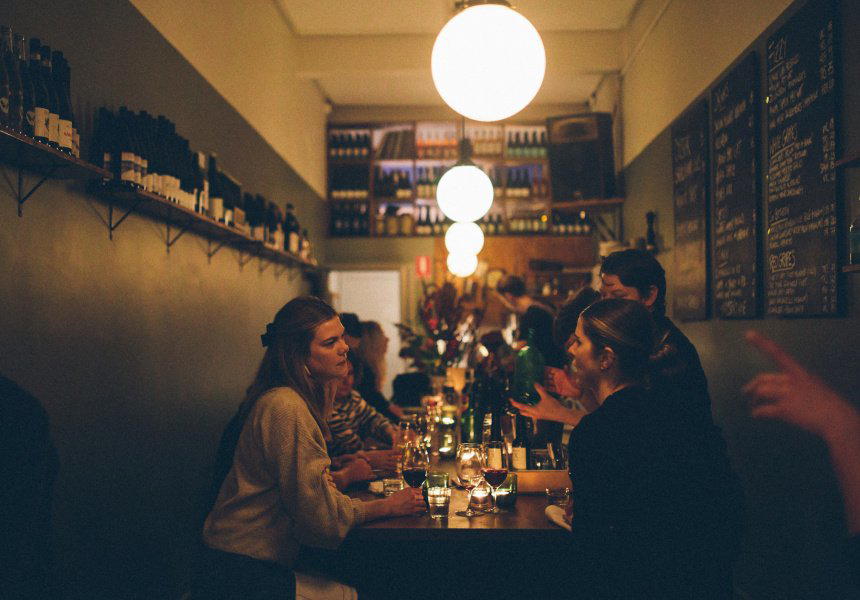
Bars in Hobart
All bars in Hobart →
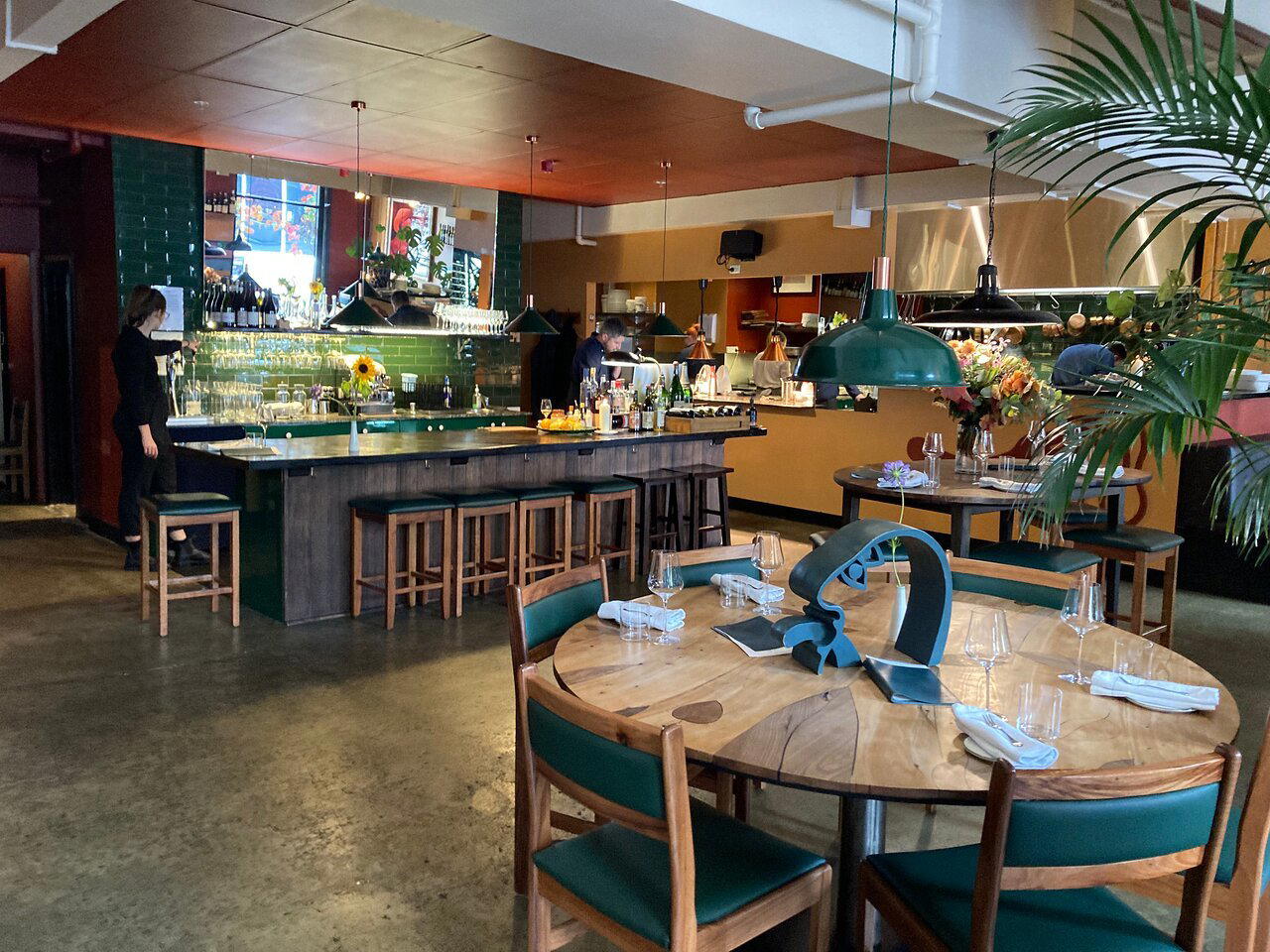
Restaurants in Hobart
All restaurants in Hobart →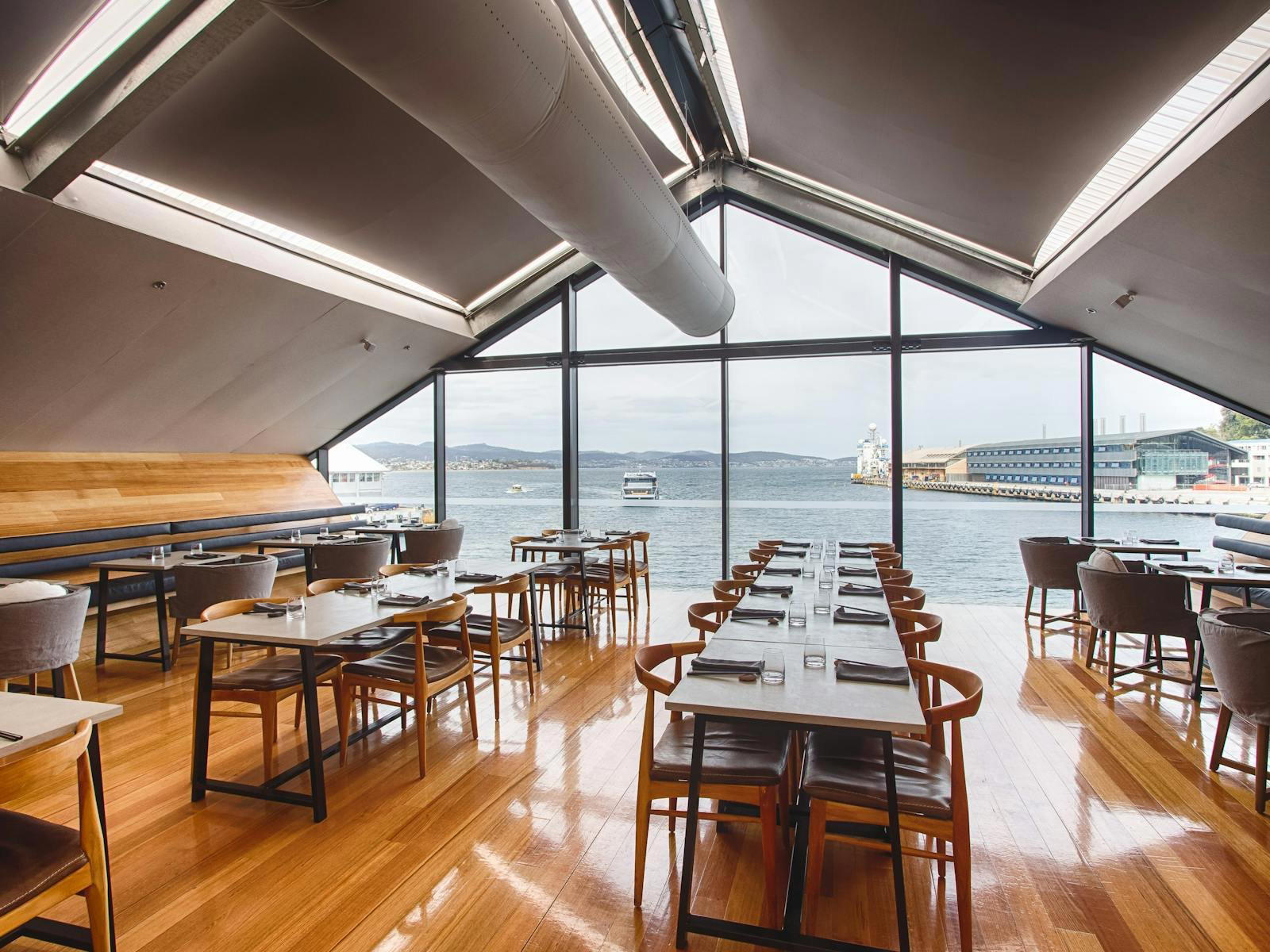
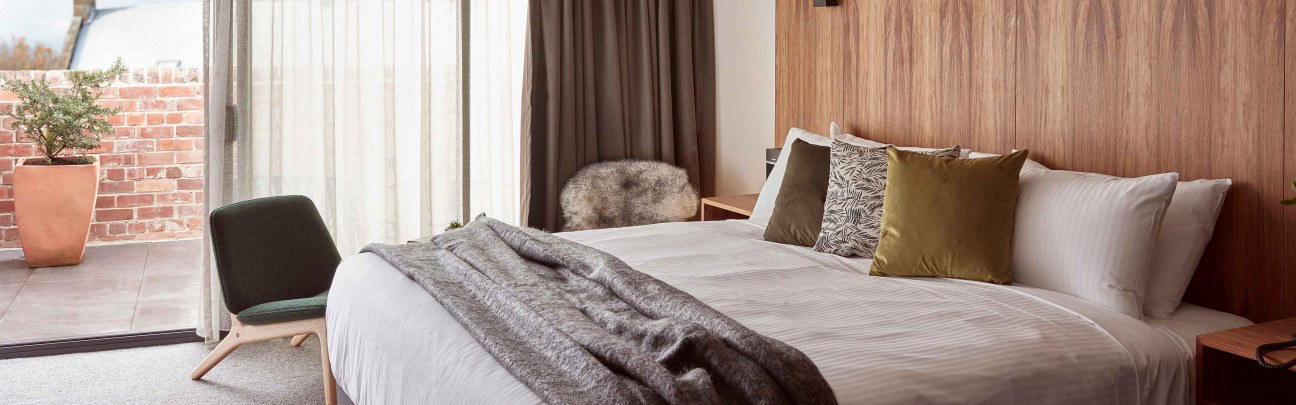
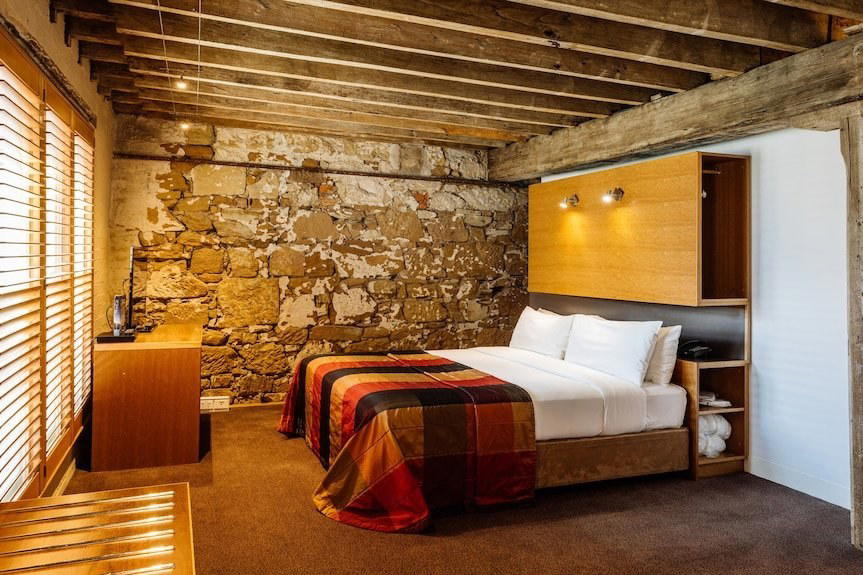
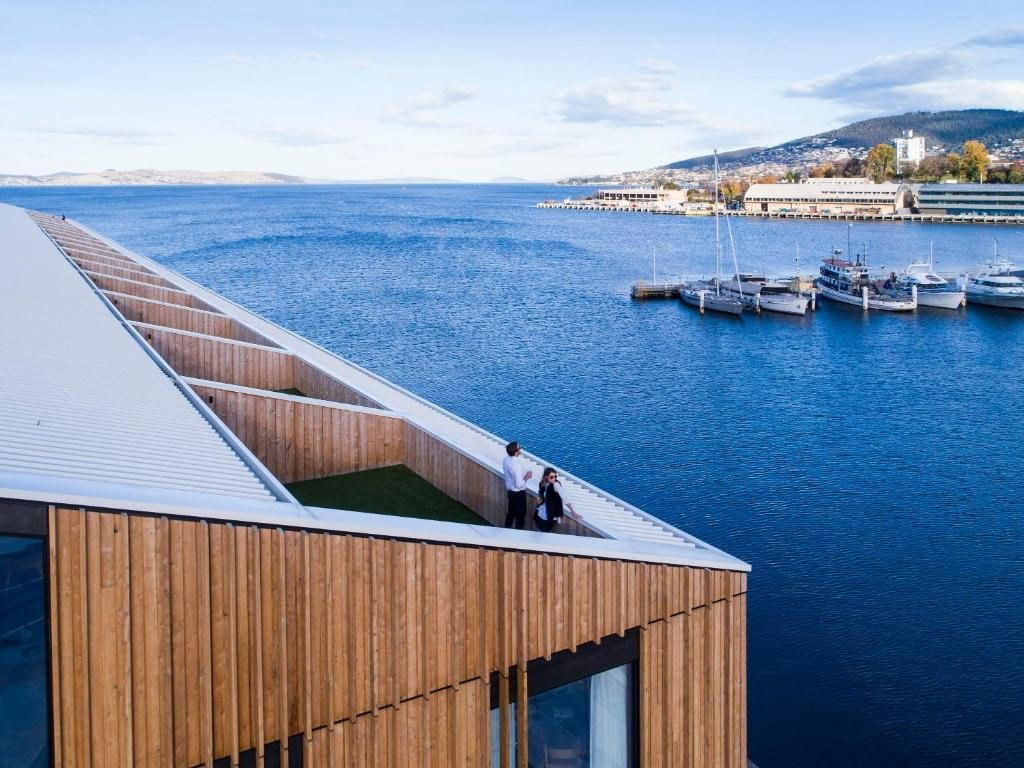
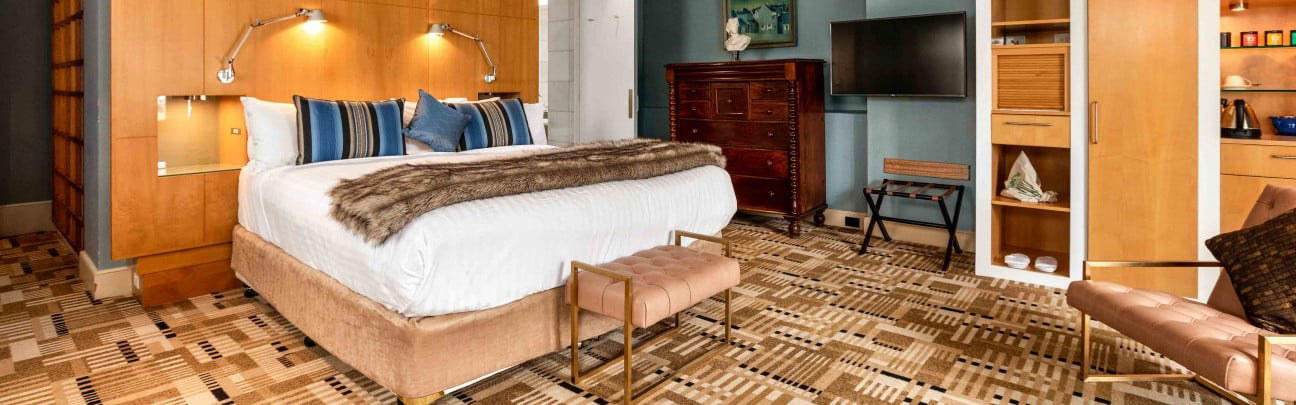
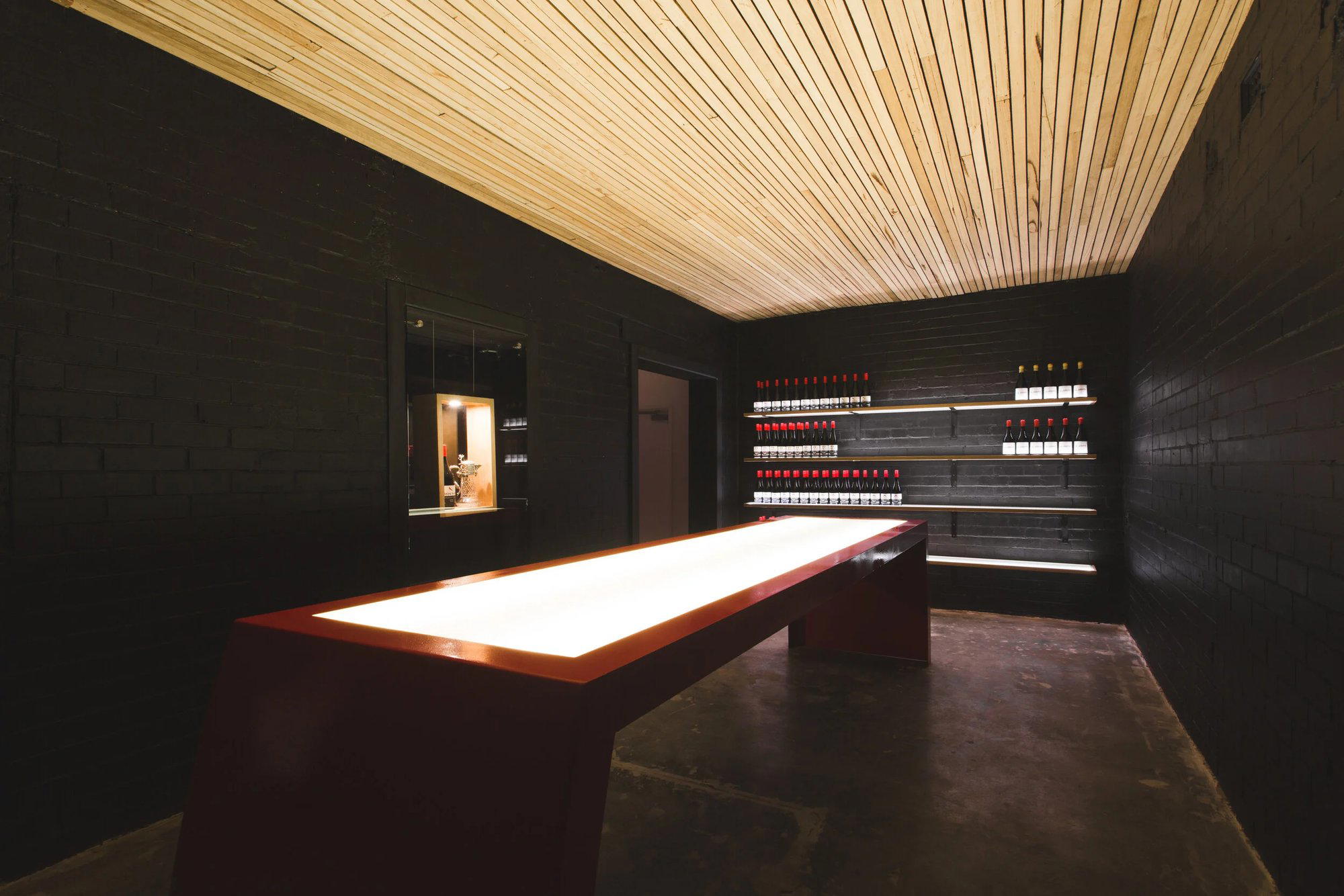
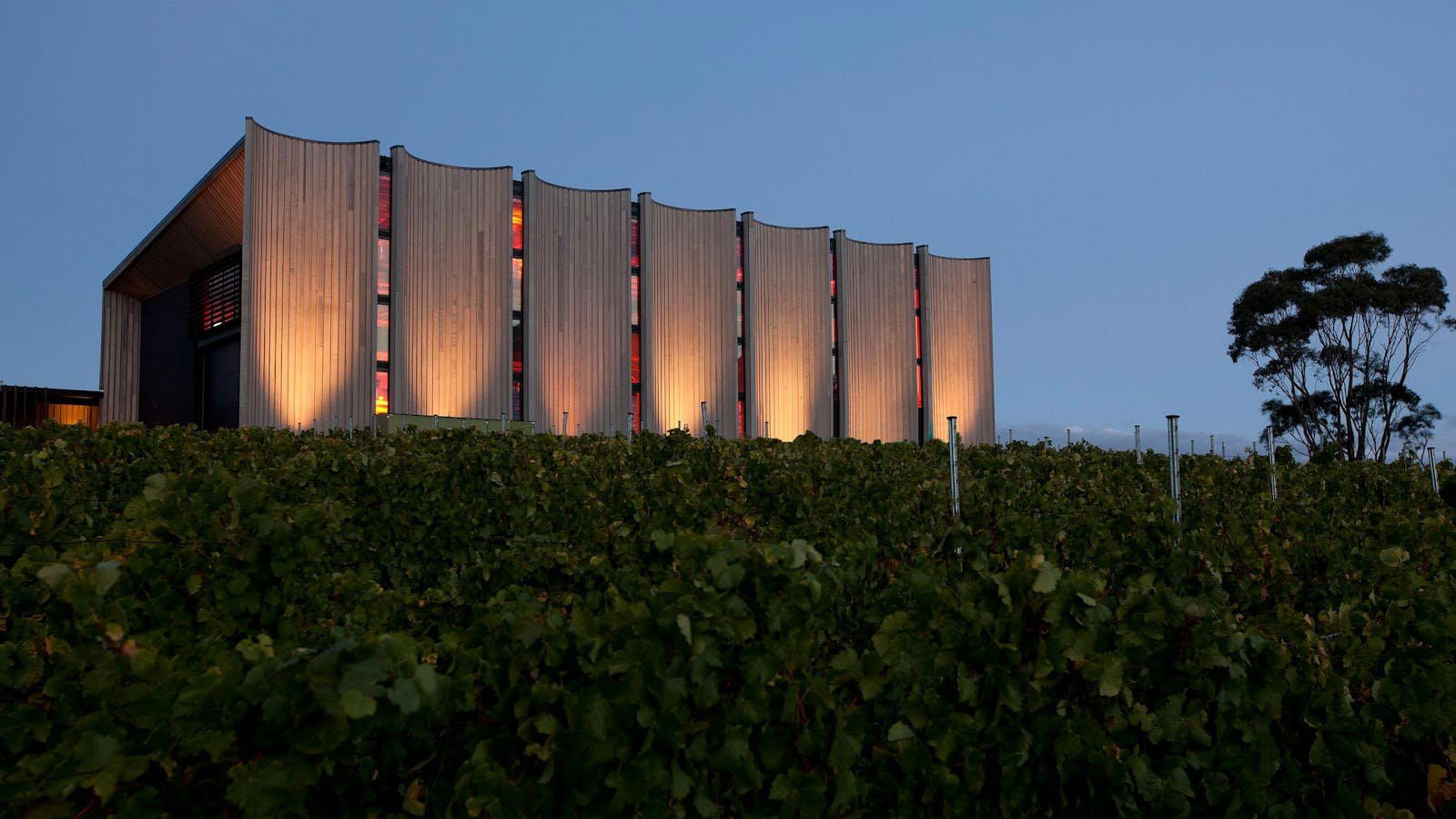
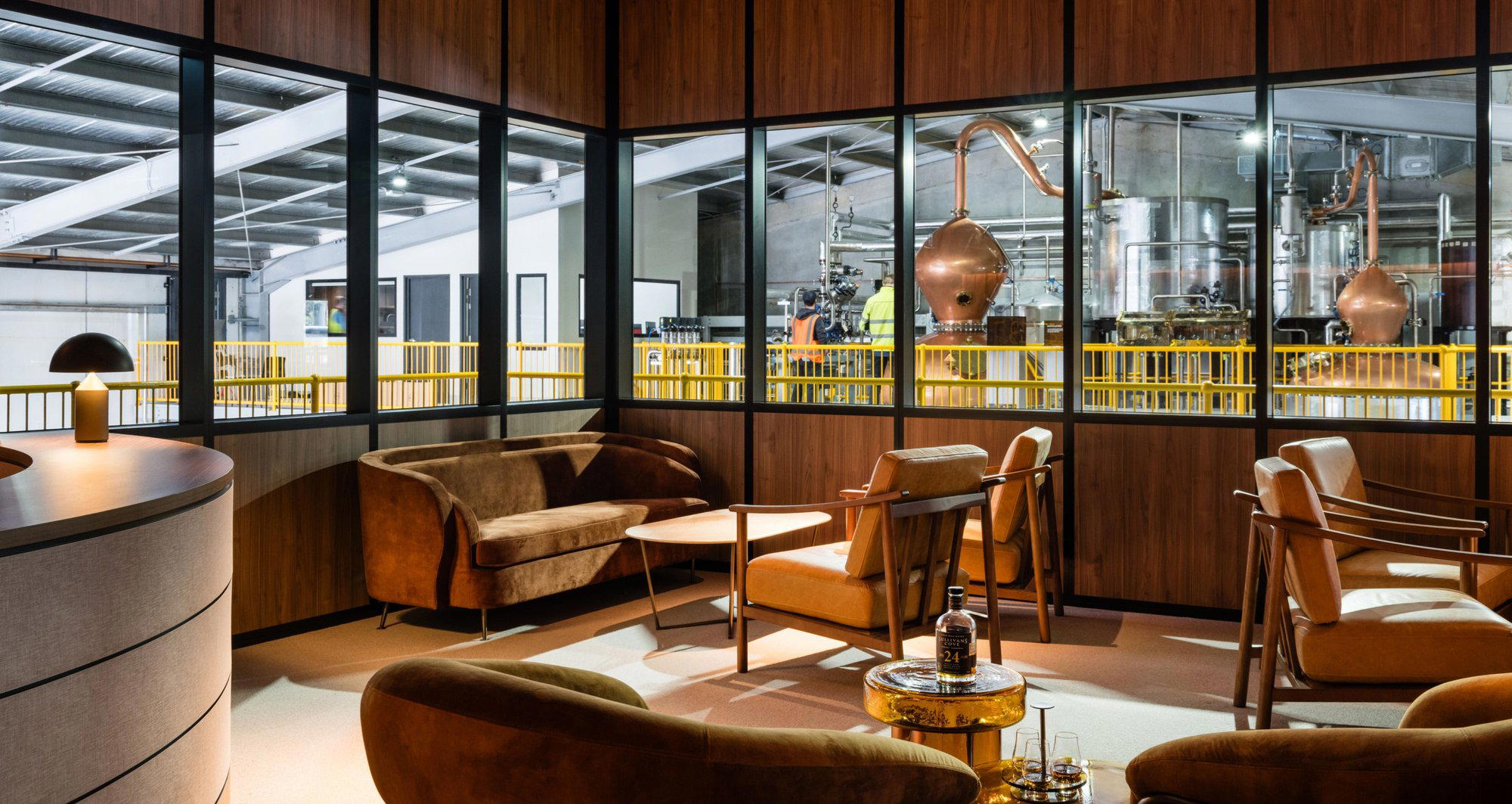
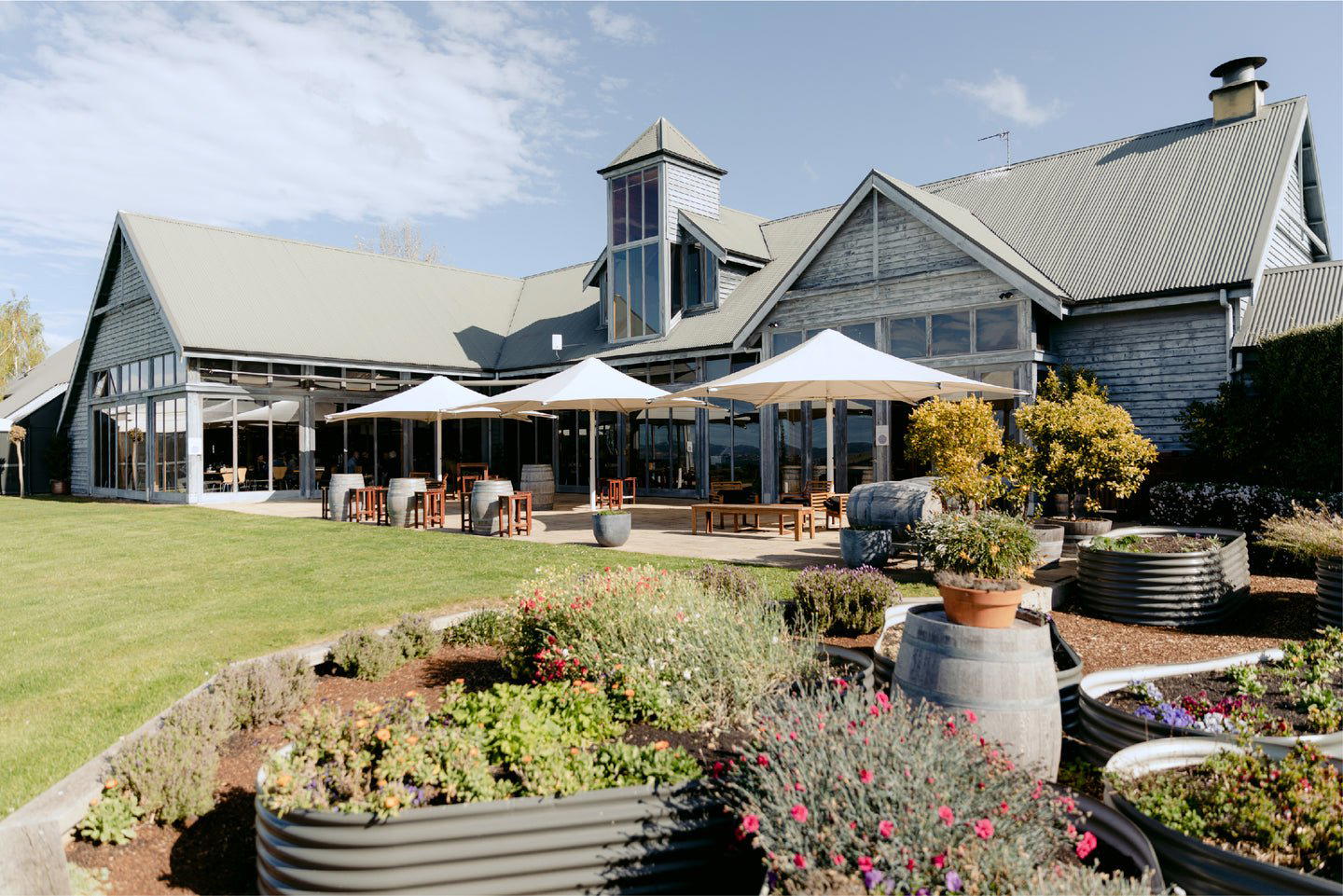
Institut Polaire
The drinks
- Craft cocktails
Signature drinks: Antarctic Dry Martini.
Details
- Elegant
- Cozy
- Sophisticated
- Modern
- Intimate
- Date Night
- Special Occasion
- Design Destination
- Seated Bar
- Lounge Seating
- Craft Cocktails
- Conventional Wine
- Gin
Current opening hours
- Monday
- Closed
- Tuesday
- Closed
- Wednesday
- Closed
- Thursday
- 4 PM–12 AM
- Friday
- 4 PM–12 AM
- Saturday
- 4 PM–12 AM
- Sunday
- 4–10 PM
Hours can change for holidays and private events. Hours as of .
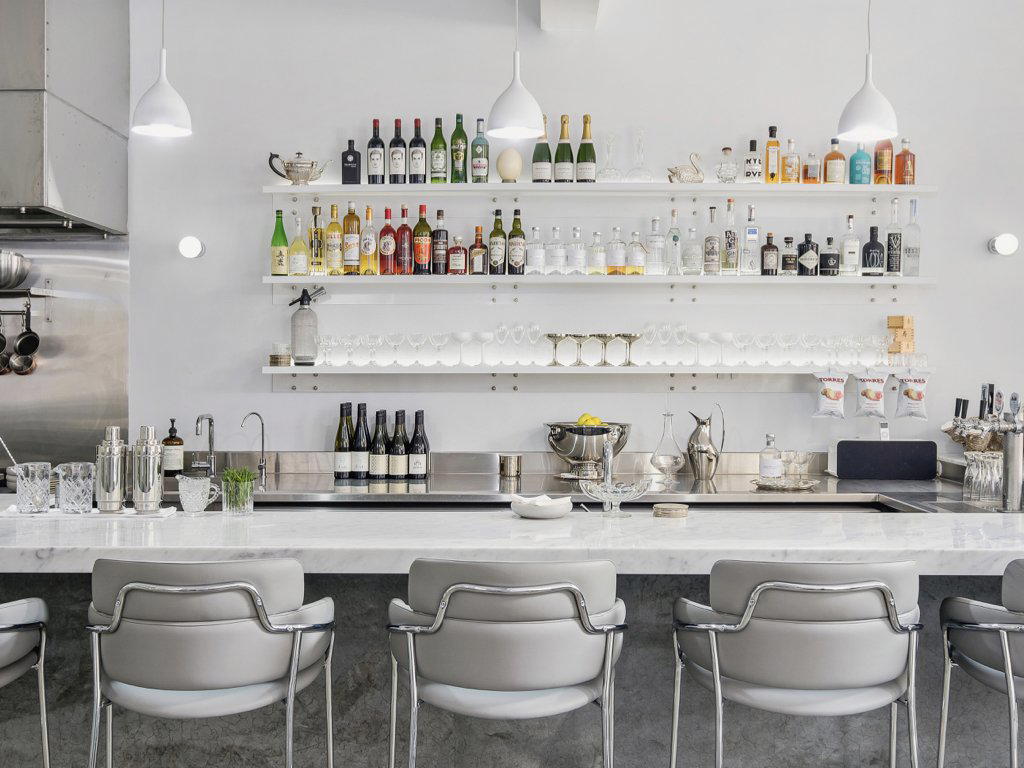
Snowy luxe interior of marble, plush grey leather, and fireside seating creating a cool yet warm, elegant atmosphere.