Dier Makr occupies a considered space in Hobart's tightening bar scene, where the cocktail programme draws on Tasmania's produce-led identity rather than mimicking mainland trends. The room rewards slow evenings and unhurried ordering. For visitors building a serious itinerary through the island's food and drink culture, it belongs on the shortlist alongside the city's most credible venues.

Pearl is the En Primeur Club membership app, where members save venues, book tables and use the concierge.
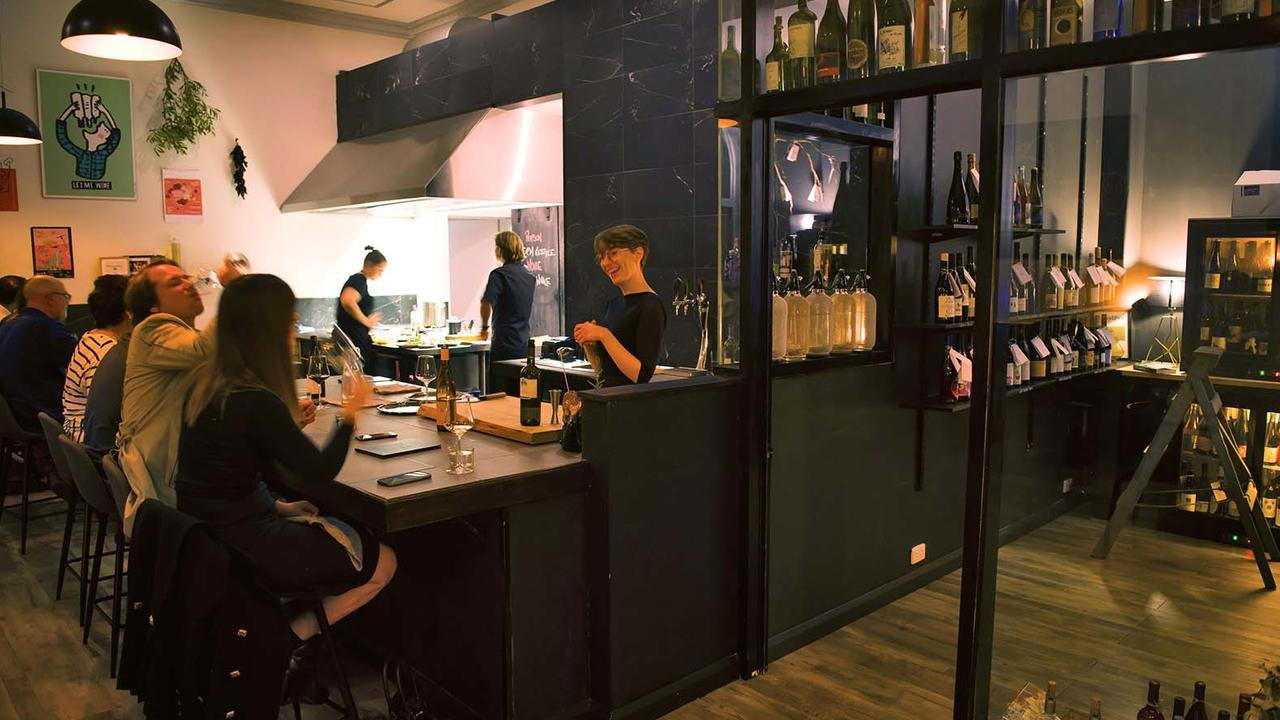
Collins Street, After Dark
Hobart's bar scene has undergone a quiet but consequential shift over the past decade. Where the city once leaned on its pub heritage and wine-bar defaults, a smaller cohort of drinks-led venues has emerged, defined less by volume than by the depth of what sits behind the counter. Collins Street sits within the dense grid of central Hobart, close enough to Salamanca and the waterfront to attract passing trade, but removed enough that the crowd arriving at Dier Makr tends to have come with purpose rather than proximity.
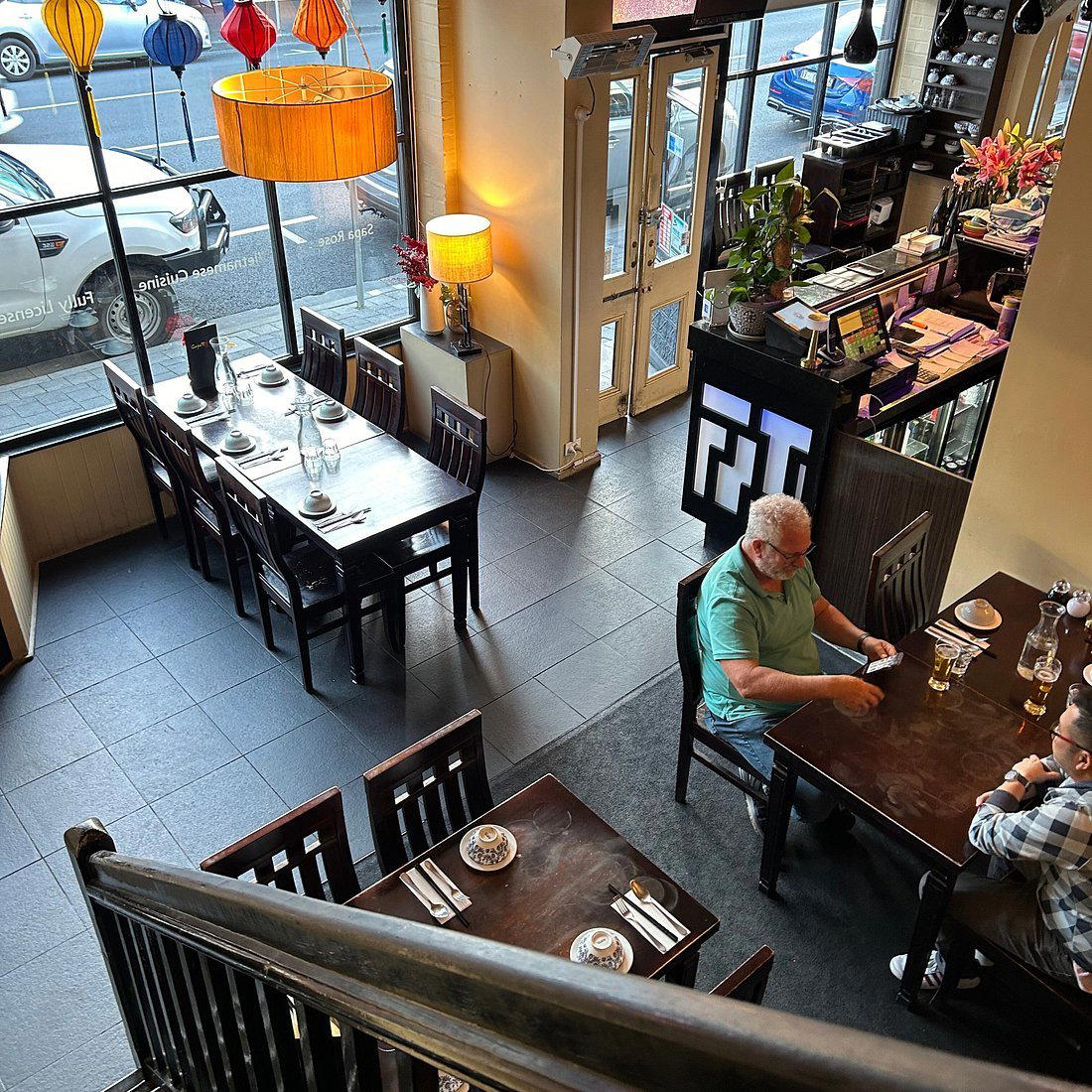
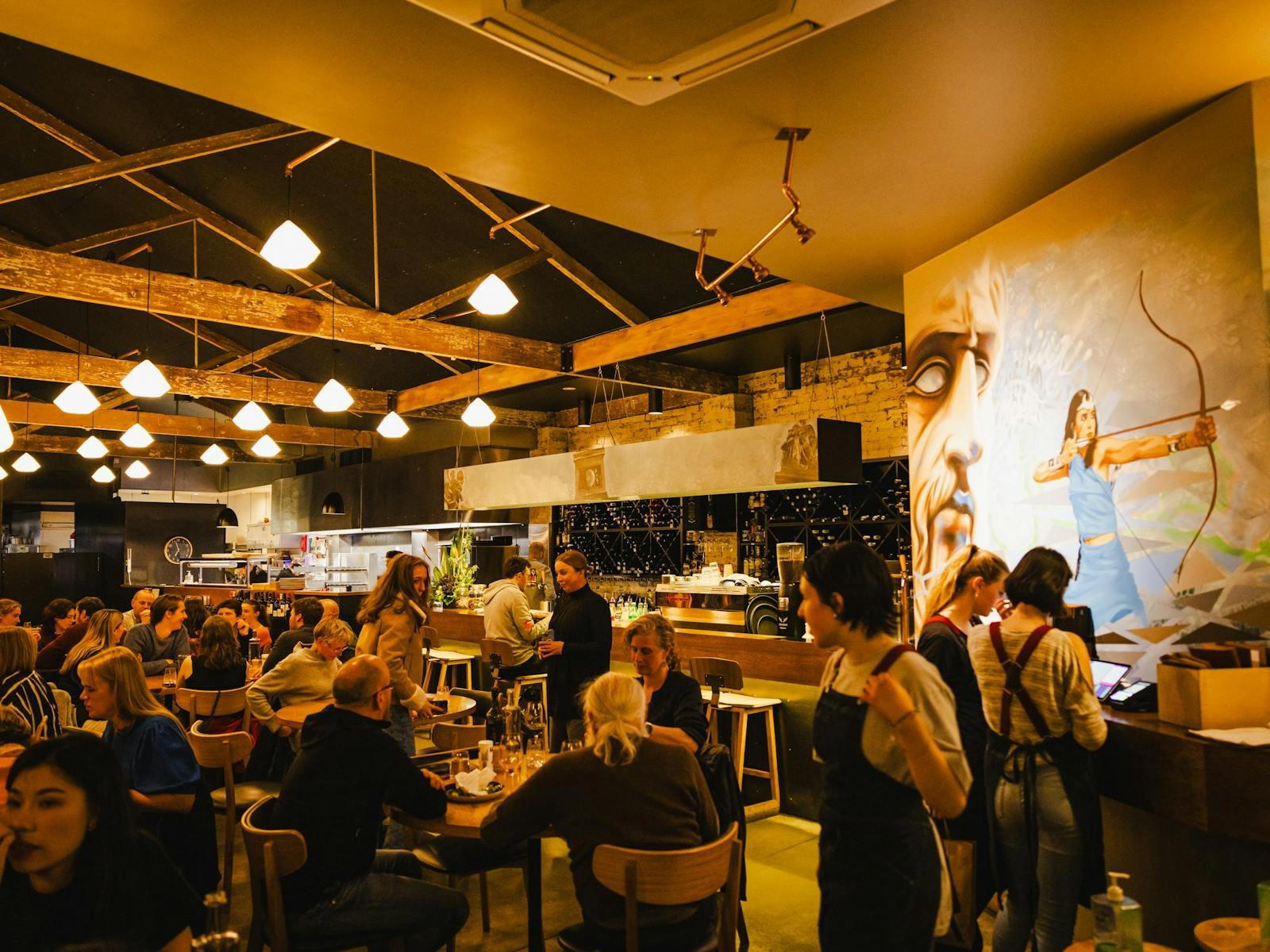
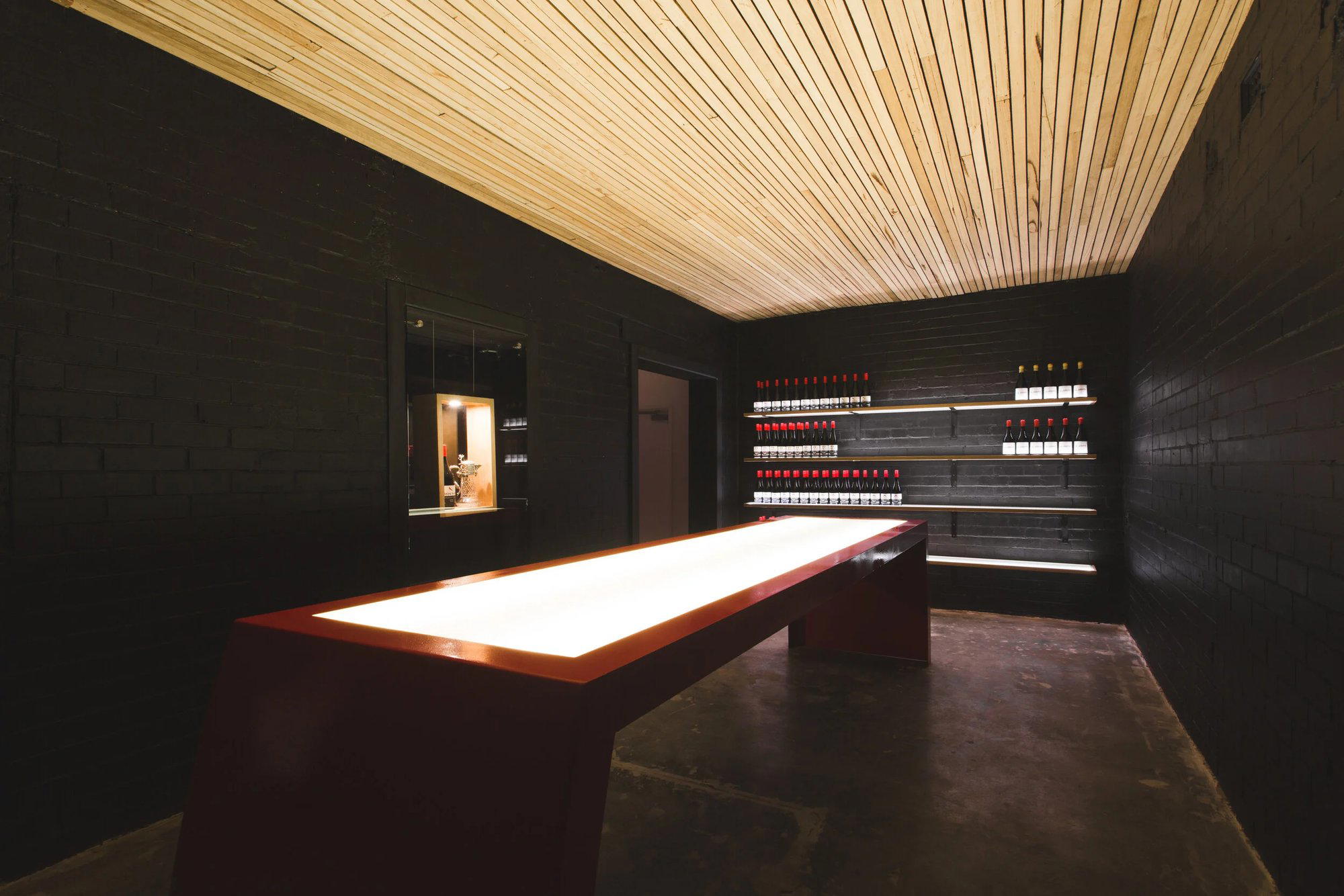
Walking in, the physical register is closer to a considered private dining room than a conventional bar. Hobart's serious drinking venues have generally resisted the Melbourne playbook of high-volume, high-turnover formats, and Dier Makr reflects that local instinct. The scale is intimate, the pace deliberate. These are the conditions under which a back bar can actually function as an editorial statement rather than decoration.
The Back Bar as Argument
In the current Australian bar scene, the depth of a spirits collection has become one of the more reliable signals of a venue's actual ambition. Lists are easy to compile; coherent curation is harder. The distinction matters because a curated collection implies a point of view: someone has decided what belongs and what does not, and that selectivity shapes every interaction at the counter.
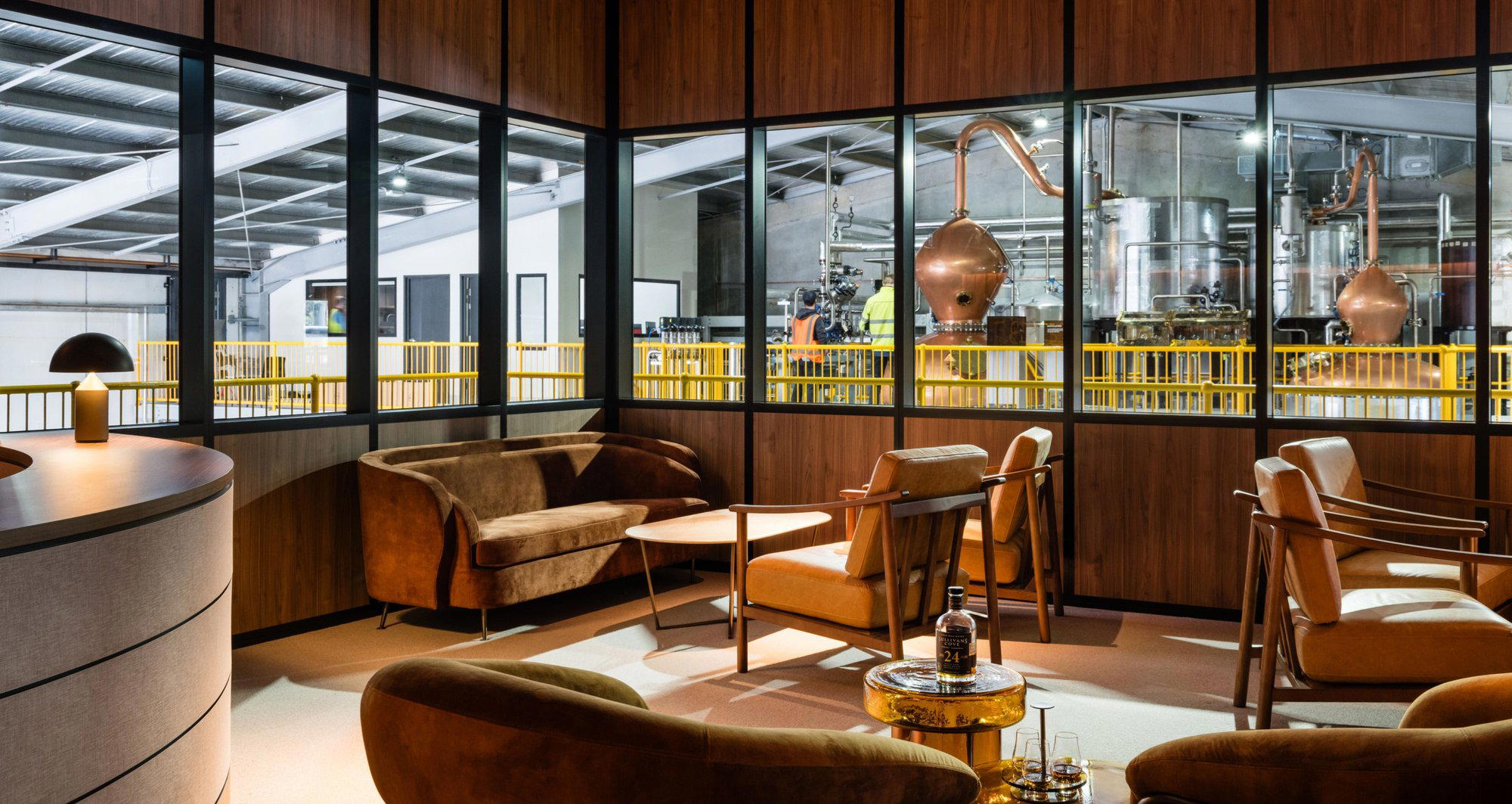
Dier Makr's approach to spirits sits within a broader Hobart pattern of taking provenance seriously. Tasmania's own distilling industry has expanded considerably since the mid-2010s, with producers including Lark, Sullivans Cove, and Overeem establishing a credible regional whisky identity that now commands international attention. A bar operating on Collins Street in this environment faces a choice: treat local spirits as a novelty category or integrate them into a collection that can stand alongside international benchmarks. The latter is the more demanding standard, and it is the one that separates the city's stronger programs from those that merely gesture at regionality.
Beyond Tasmanian whisky, the category that defines a serious back bar in 2024 tends to be aged rum and single-malt Scotch, with mezcal increasingly appearing as a marker of technical literacy. Amari and bitters collections, less visible to the casual drinker, often reveal as much about a bar's depth as the headline spirits. Venues like 1806 in Melbourne have built their entire identity around the breadth of a vermouth and aperitif program; in Brisbane, Bowery Bar anchors its offer around American whiskey depth. Dier Makr occupies a different geography but a comparable tier of intent.
Where Dier Makr Sits in Hobart's Drinking Circuit
Hobart's serious bar options are concentrated enough that the competitive set is legible. Franklin Bar and Restaurant operates as the city's best-known drinks-and-food hybrid, with a wine program that draws regional and natural producers. Institut Polaire pitches toward the absinthe and rare spirits end of the spectrum, with a format that rewards patience and specificity. Mary Mary and the New Sydney Hotel represent different points on the spectrum from accessible neighbourhood drinking to historic pub character.
Dier Makr sits closer to the specialist end of that range. The venue draws comparisons to what a well-travelled drinker might encounter at Bar Leather Apron in Honolulu or Cantina OK in Sydney: a focused format with a clear point of view on spirits, where the conversation at the bar carries as much weight as the liquid in the glass. For those arriving from interstate, it belongs on the same itinerary as Fratelli Paradiso in Potts Point or La Cache a Vin in Spring Hill as a venue where the drinks program has its own editorial logic.
What to Drink, and How to Think About the List
The format speaks through a short, spirit-forward list built to show the collection clearly. In bars operating at this register, the cocktail list is typically short, seasonally adjusted, and built to showcase specific spirits rather than mask them. The tell is usually in the stirred section: a venue confident in its collection will feature Old Fashioned variants or spirit-forward builds that require the base to carry the drink. Where the sour section appears, watch for fresh citrus rather than premixed juice, and for egg white or aquafaba used as texture rather than novelty.
For visitors uncertain where to start, ask the bartender what is currently interesting on the shelf. The answer reveals more about the program's depth than any printed menu item.
Planning the Visit
Dier Makr is on Collins Street in central Hobart, reachable on foot from most of the city's central accommodation. Hobart operates on a smaller hospitality clock than Sydney or Melbourne: venues at this tier tend to fill earlier in the evening, and late arrivals can find the bar at capacity. Booking ahead is essential.
Pricing, Compared
A quick peer reference to anchor this venue in its category.
| Venue | Price | Awards |
|---|---|---|
| Dier MakrThis venue (the venue you are viewing) | $100–150 | Not listed |
| Sonny | $30–50 | Star Wine List |
| Mary Mary | $30–50 | Not listed |
| Institut Polaire | $50–100 | Not listed |
| New Sydney Hotel | $20–30 | Not listed |
Continue exploring
More in Hobart
Bars in Hobart
All bars in Hobart →
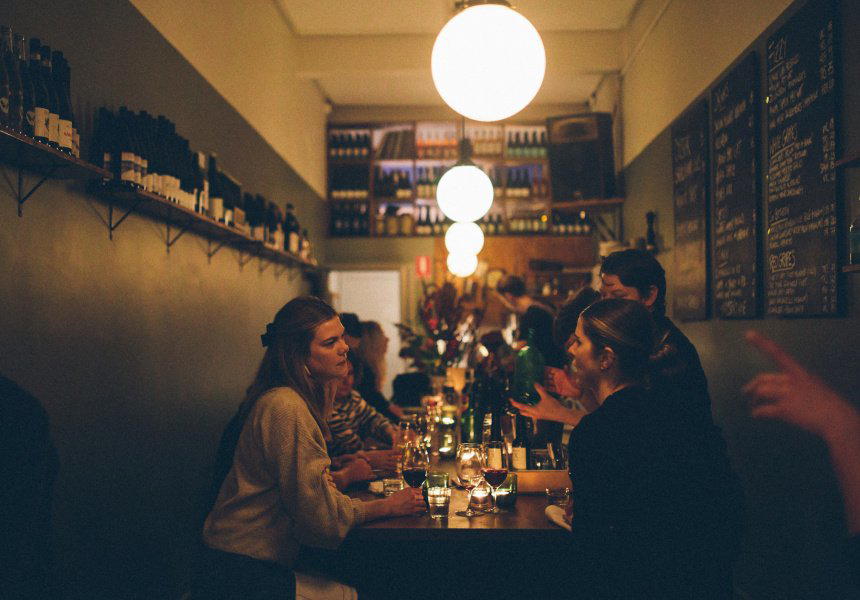
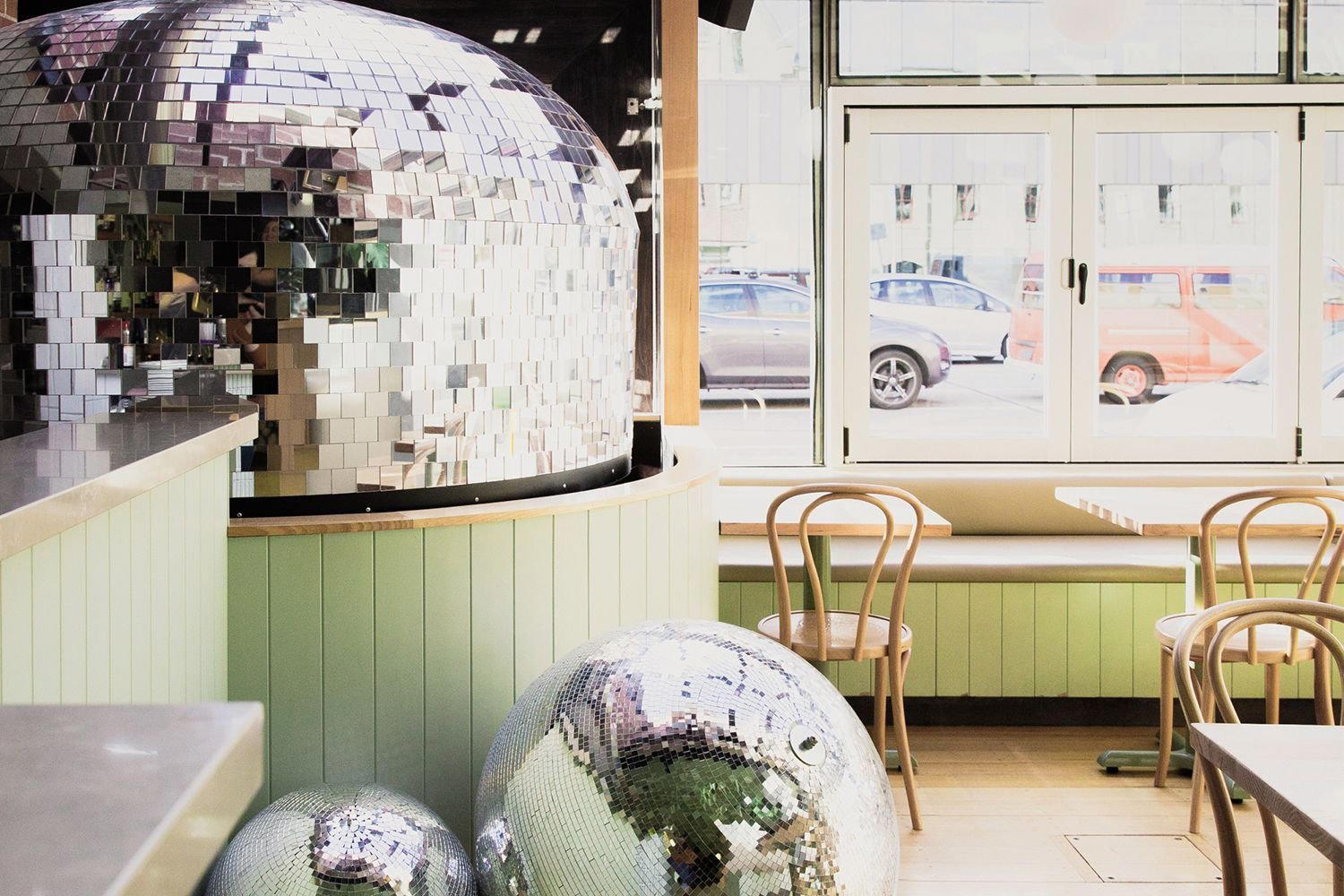
Restaurants in Hobart
All restaurants in Hobart →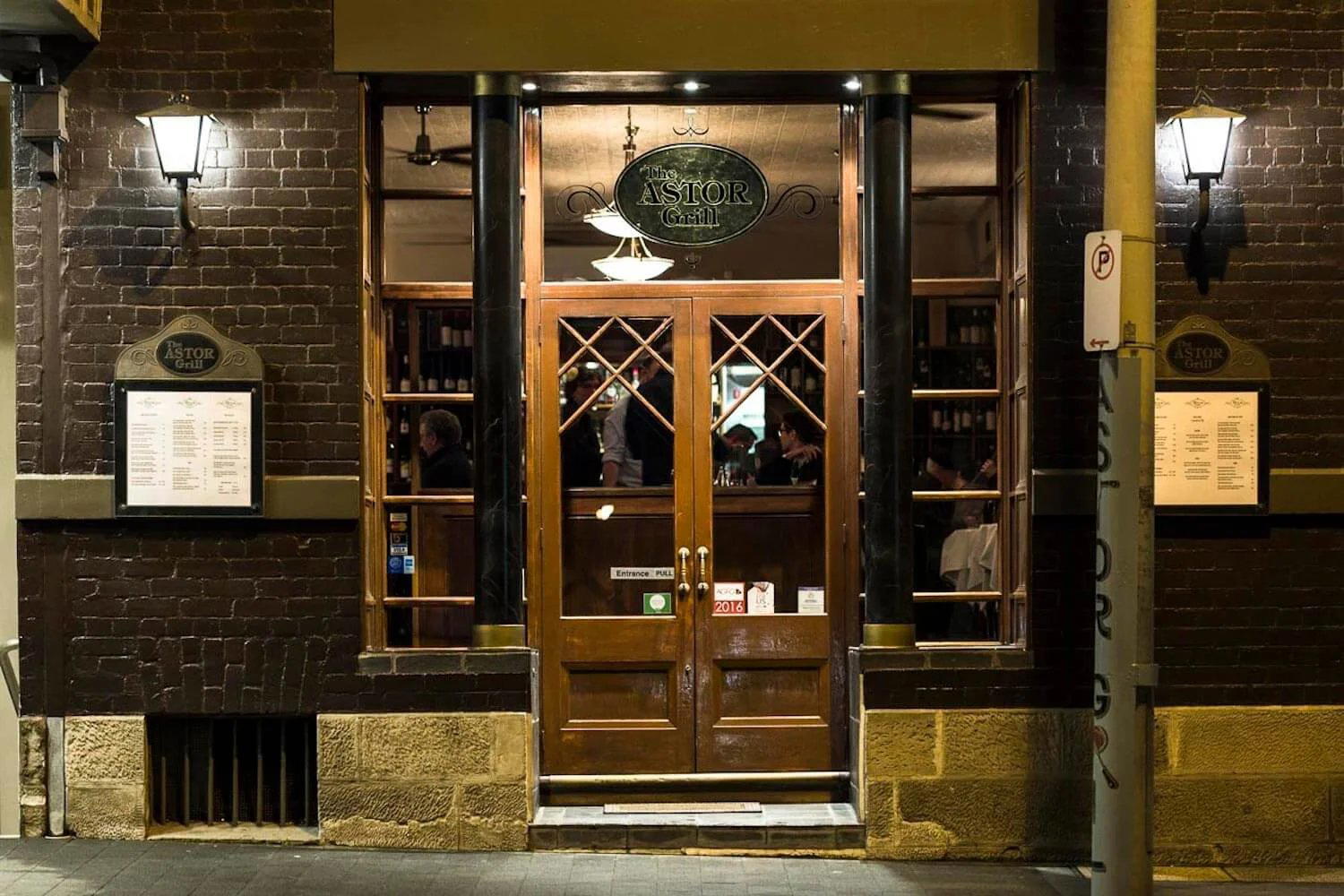
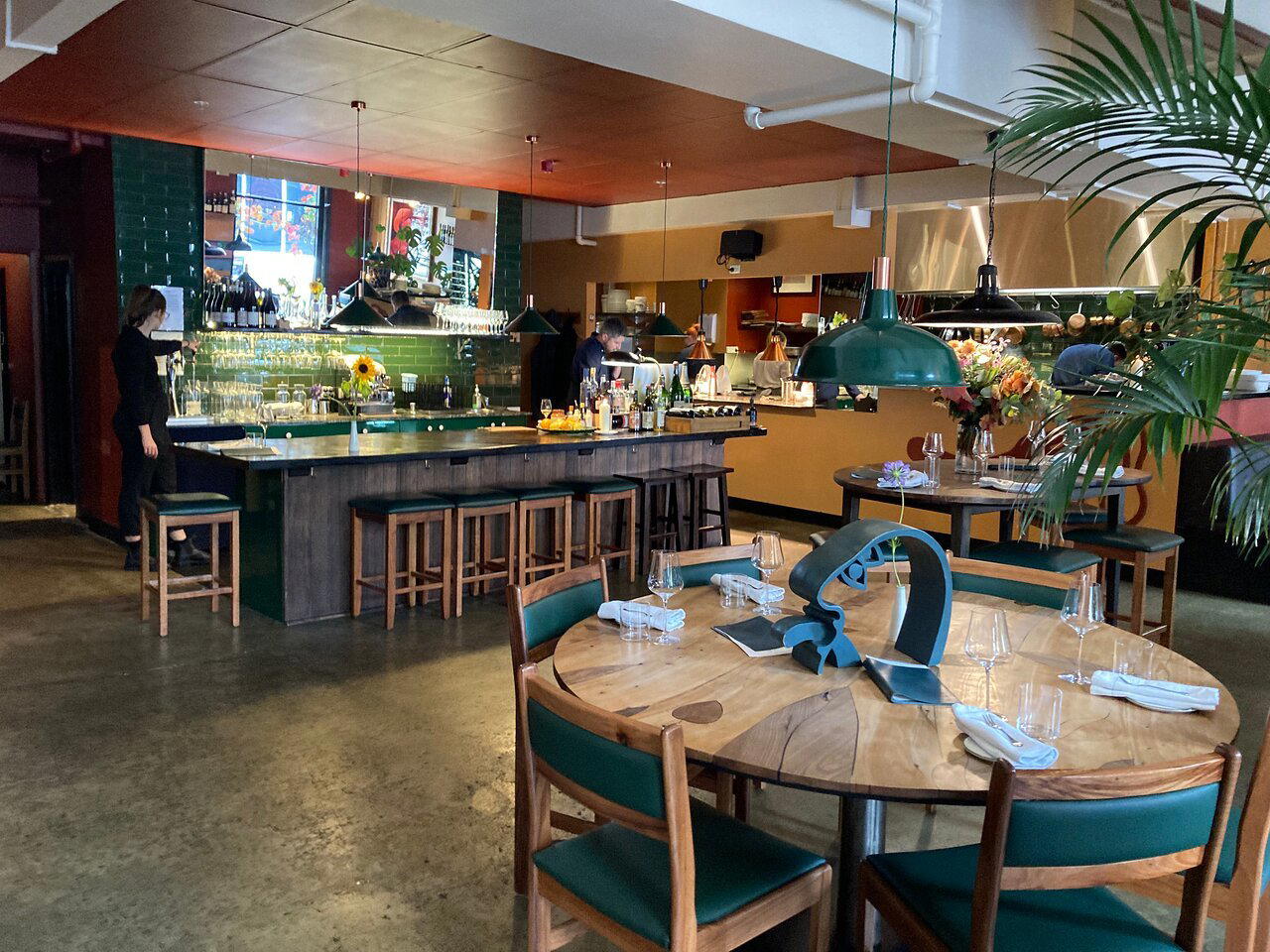
Details
- Intimate
- Elegant
- Modern
- Sophisticated
- Date Night
- Special Occasion
- Design Destination
- Historic Building
- Seated Bar
- Booth Seating
- Natural Wine
Current opening hours
- Monday
- Closed
- Tuesday
- Closed
- Wednesday
- Closed
- Thursday
- 6:45–11 PM
- Friday
- 6–11 PM
- Saturday
- 6–11 PM
- Sunday
- Closed
Hours can change for holidays and private events. Hours as of .
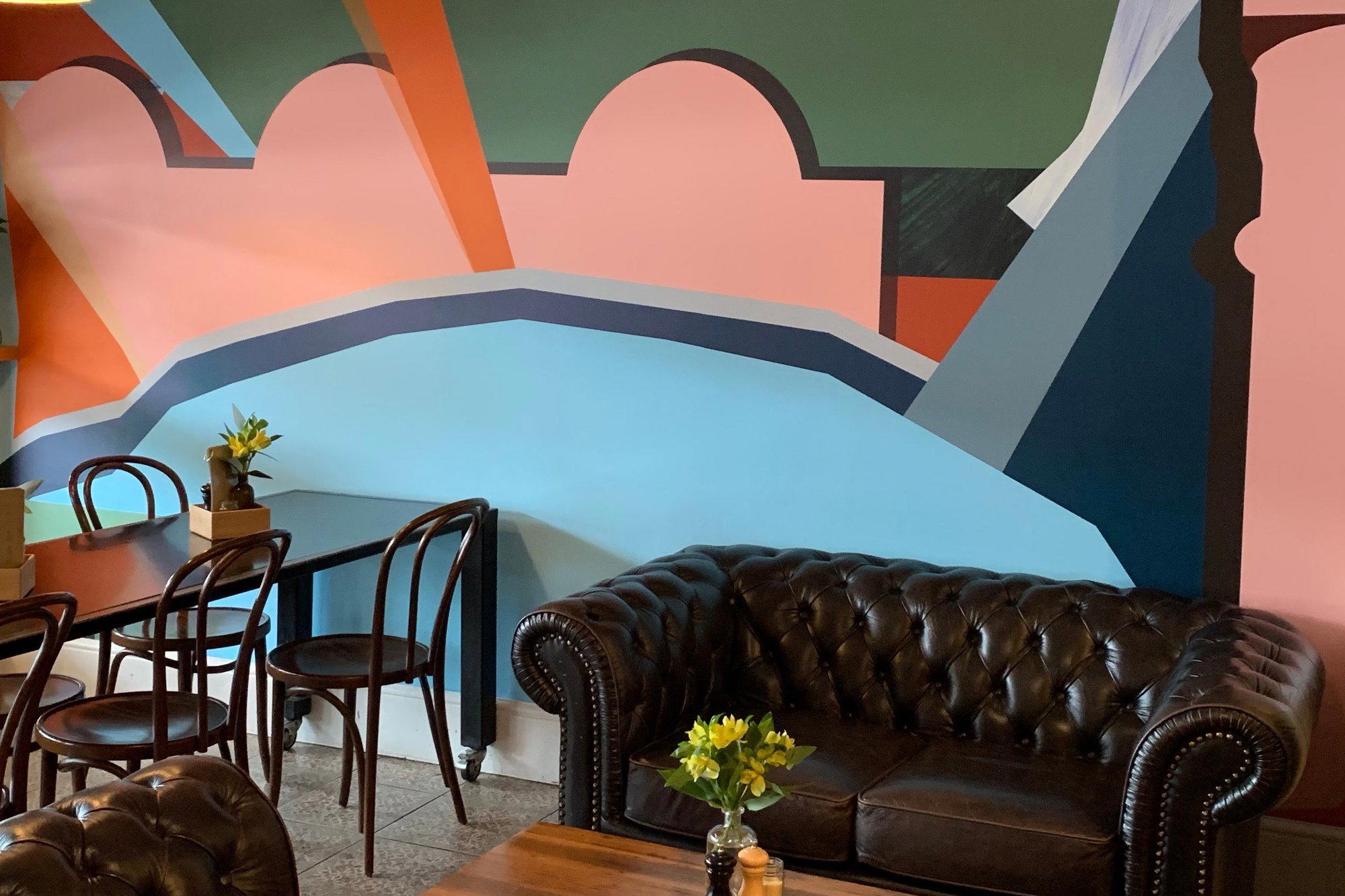
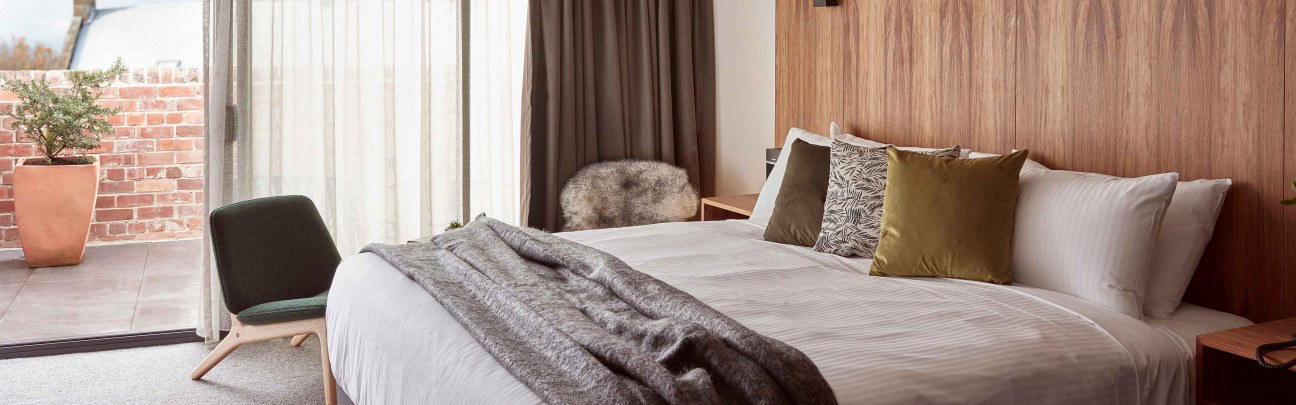
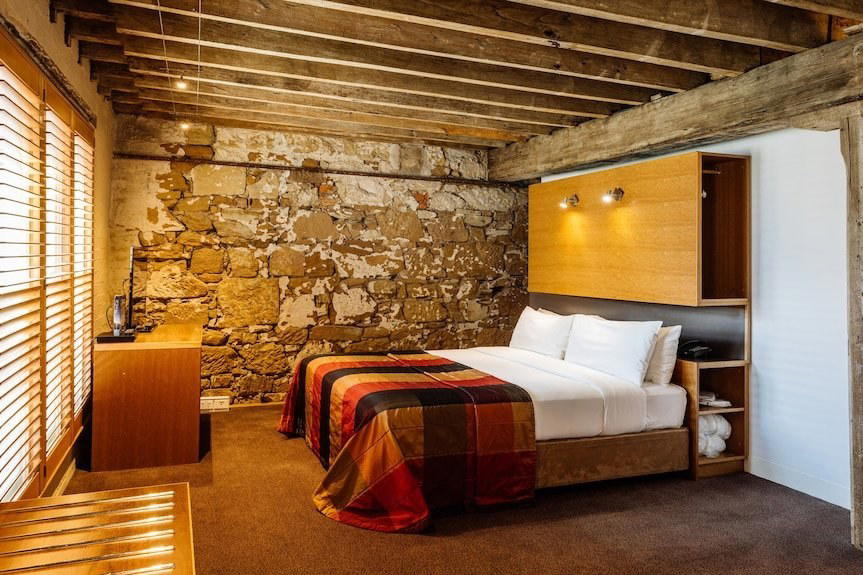
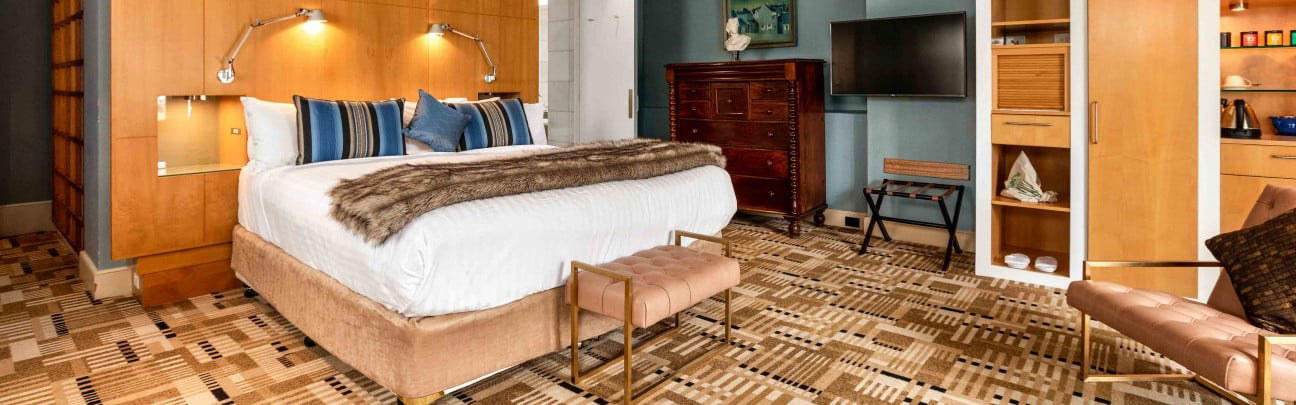
Cozy historic Edwardian building with blackwood interiors, open kitchen, and club-style layout creating an immersive, produce-driven atmosphere.