Sapa Rose occupies a Harrington Street address in central Hobart, placing it within easy reach of the waterfront dining corridor that has defined the city's restaurant identity over the past decade. The restaurant draws on Vietnamese culinary traditions in a city where South-East Asian cooking remains a smaller, more specialist niche than European formats. For Hobart diners looking beyond the established Italian and modern Australian tier, it represents a distinct alternative.
Pearl is the En Primeur Club membership app — saves, bookings, and concierge access live there. Same editors, same standards.
- Address
- 77-81 Harrington St, Hobart TAS 7000, Australia
- Phone
- +61 3 6234 3806
- Website
- saparose.com.au
- Directions
- Get directions
 Saves & bookings on Pearl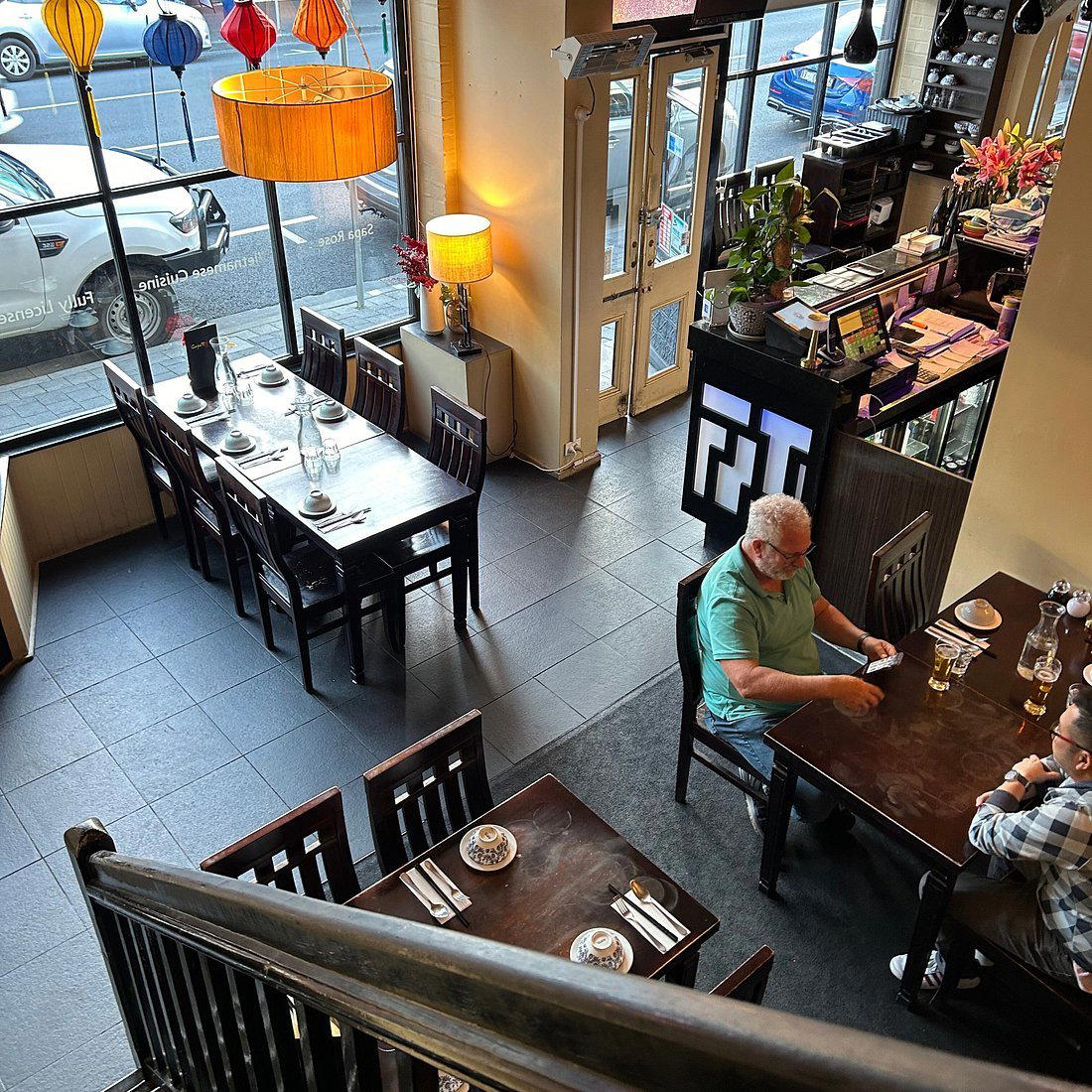
Where Harrington Street Meets the Mekong Delta
Hobart's central dining corridor runs roughly from the waterfront up through Harrington and Elizabeth streets, a compact stretch where the city's restaurant identity has consolidated around modern Australian cooking, Italian heritage rooms, and a growing wine-bar culture. Sapa Rose is a modern traditional Vietnamese restaurant in Hobart at 77-81 Harrington St, with a casual dress code and reservations recommended. South-East Asian restaurants occupy a narrower lane within that ecosystem. Vietnamese cooking in particular sits at an interesting inflection point in Australian cities right now: it has moved well beyond the pho-and-banh-mi shorthand of earlier decades, and in Melbourne and Sydney, serious Vietnamese kitchens are reframing what the cuisine can look like at the table. Hobart is catching up, and Sapa Rose at 77-81 Harrington St sits inside that broader shift.
The address itself matters for context. Harrington Street places the restaurant close to Salamanca and the waterfront, which means it competes in a dining precinct where Don Camillo Restaurant and Cugini Restaurant have long anchored the Italian tradition, and where venues like Aloft represent the newer wave of contemporary Australian formats.
How the Menu Is Built, and What It Signals
Vietnamese cooking, at its structural core, is a cuisine of contrast and layering: the interplay of fresh herbs against rich braise, the crunch of something fried against something silked in coconut, the brightness of lime and fish sauce calibrating everything else on the plate. A well-constructed Vietnamese menu is not simply a list of dishes but a kind of argument about balance. The regional dimension adds further complexity: northern Vietnamese cooking tends toward restraint and salty depth, while southern styles push toward sweetness, more herbs, and a broader pantry of accompaniments. Sapa, the mountainous northern province from which the restaurant draws its name, signals a lean toward the northern tradition, which is a deliberate choice in a market where southern Vietnamese flavours tend to dominate Australian menus.
That regional framing, if the kitchen honours it, separates Sapa Rose from the more generic Vietnamese format that has become common across Australian high streets. It positions the restaurant closer to the specialist end of the South-East Asian dining spectrum in Hobart, alongside the city's other more focused international kitchens. Comparison venues in the local scene include Lost in Asia, which covers a broader South-East Asian range, making Sapa Rose's narrower regional focus a meaningful distinction rather than a marketing gesture.
The menu architecture question for any Vietnamese restaurant operating at the quality tier implied by a central Harrington Street location is how it balances accessibility with specificity. Pho remains a reference dish for the cuisine in the way that pasta holds a reference position in Italian cooking: it is both a test of fundamentals and the dish most diners reach for first. But a kitchen serious about northern Vietnamese tradition will also offer dishes that most Australians have less familiarity with, building the menu in a way that rewards return visits and rewards the curious diner who moves past the first page.
Hobart's International Restaurant Scene in 2024
The MONA effect, as it has been called in food media, drew a different kind of traveller and accelerated the city's appetite for more ambitious dining. The farm-to-table movement found fertile ground here, with venues like Agrarian Kitchen building a national reputation on produce provenance and cooking that takes the Tasmanian larder seriously. Against that backdrop, international kitchens occupy a specific role: they offer the contrast, the reprieve from local product-led cooking, and the reminder that a city's dining identity is always a mix of the rooted and the imported.
Vietnamese cooking fits that role well in Hobart because it brings a set of flavour references that are genuinely different from what the dominant modern Australian and European kitchens offer. Where Callington Mill Distillery at MACq 01 anchors one end of the Hobart dining experience in Tasmanian craft tradition, a Vietnamese kitchen at the other end of the spectrum is doing different but equally valid work: it is connecting the city to a broader culinary world.
The influence of chefs like Tonka's Scott Pickett on the broader Melbourne scene, or the way contemporary Australian restaurants like Attica and Brae have shifted expectations about what regional specificity means on a plate, creates a more demanding diner. Hobart's proximity to that Melbourne dining culture, and the frequency with which the city's visitors arrive from there, means the standard of comparison is higher than the population size might suggest.
Placing Sapa Rose in the comparable set
The city does not have the volume of Vietnamese restaurants that Melbourne or Sydney carry, which means each kitchen in the category carries more representative weight. A single well-run Vietnamese restaurant in Hobart does more to define what the cuisine means to local diners than its equivalent would in Richmond or Marrickville, where the density of options creates its own calibration mechanism.
That concentration of representative weight is both an opportunity and a pressure. It means the restaurant is, for many Hobart diners, the primary reference point for northern Vietnamese cooking in the city. The menu architecture, the quality of the broth, the herb selection, the rice paper work: these details land with more consequence here than they would in a city where the cuisine has fifty other practitioners operating in parallel. Whether the kitchen meets that responsibility is something the diner has to judge at the table, but the structural position of the restaurant in the local scene is clear.
Rockpool in Sydney built its reputation partly by taking a position within the seafood and fine dining tier and defending it with consistency. A Vietnamese kitchen operating in a smaller city does the same work at a different scale: it takes a position within the South-East Asian niche and earns its place through execution rather than volume.
Planning a Visit
The restaurant is at 77-81 Harrington Street, Hobart, placing it within walking distance of Salamanca Place and the waterfront. For visitors exploring the full range of what Hobart's dining scene offers, the restaurant sits in a useful part of the central precinct.
Diners interested in how Vietnamese and South-East Asian cooking fits into Australia's broader international restaurant scene may also find useful context in looking at how kitchens in other cities are handling similar positioning questions. Jaani Street Food in Ballarat represents one model for how a specialist international kitchen operates in a smaller Australian city. At the other end of the scale, benchmark kitchens like Le Bernardin in New York City and Atomix in New York City illustrate what happens when a cuisine's leading practitioners operate at full altitude, a useful calibration point for thinking about what any specialist kitchen is reaching toward.
Recognition, Side-by-Side
Comparable venues nearby, for context on price, style, and recognition.
| Venue | Cuisine | Price | Notes |
|---|---|---|---|
| Sapa RoseThis venue — the venue you are viewing | Modern Traditional Vietnamese | $$ | Not listed |
| The Hangout Cafe and Restaurant | Nepalese Fusion Cafe | $$ | Moonah |
| The Tasmanian Juice Press | Healthy Cold-Pressed Juices & Light Eats | $$ | Hobart |
| Urban Greek Restaurant | Authentic Cretan Greek | $$ | Hobart CBD |
| Bird in Hand | Wine-led modern Australian fine dining in the Royal Tasmanian Botanical Gardens | $$$ | Royal Tasmanian Botanical Gardens |
| Cugini Restaurant | Authentic Italian Pizza and Pasta | $$ | Bellerive |
Continue exploring
More in Hobart
Restaurants in Hobart
Browse all →
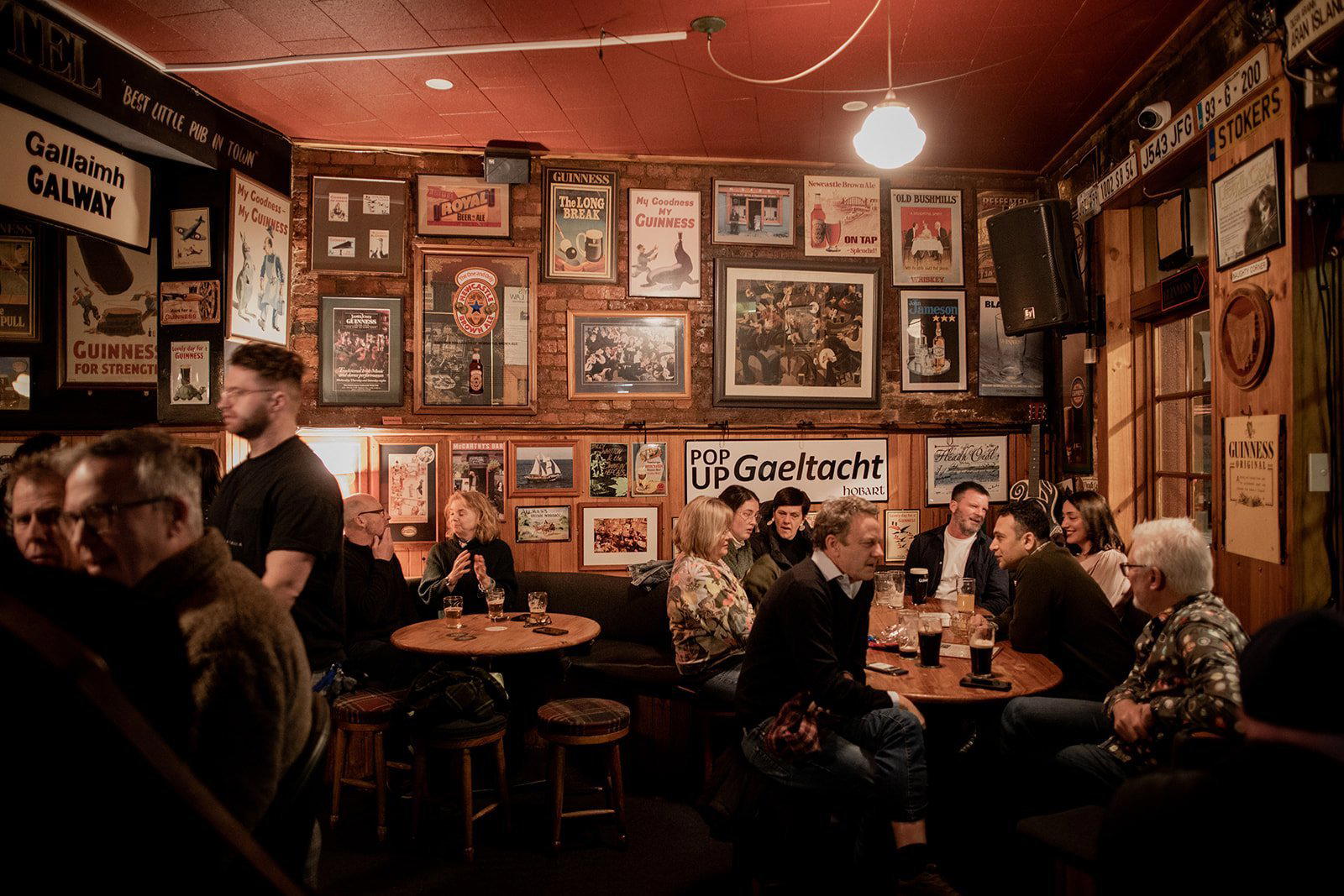
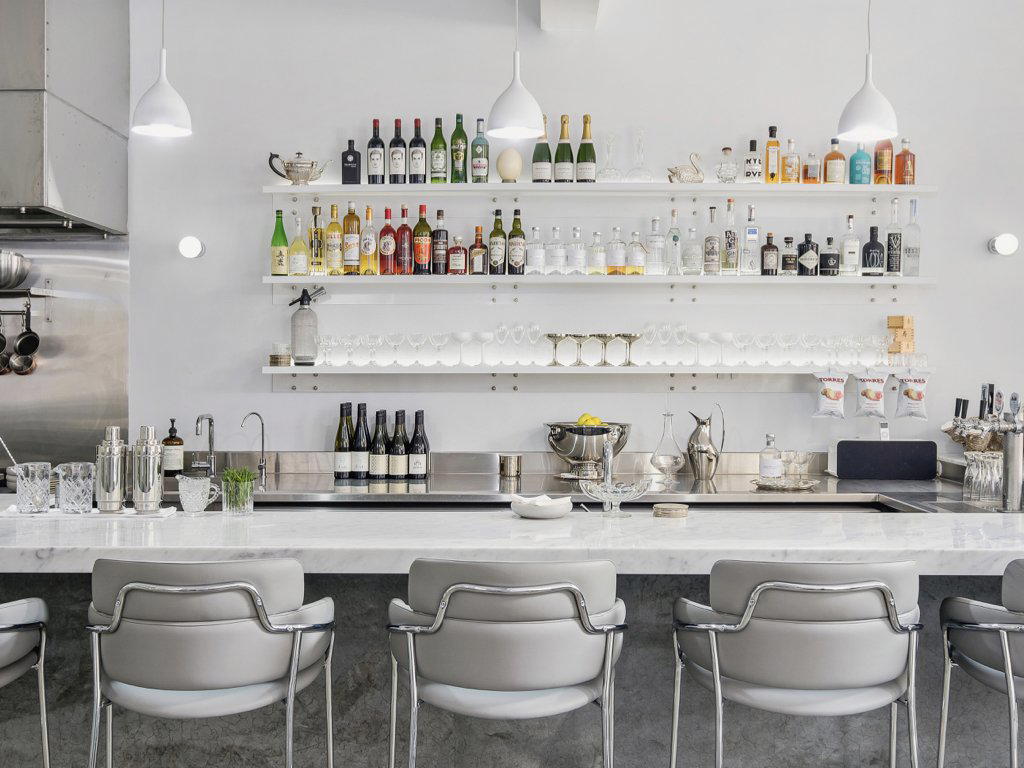
Bars in Hobart
Browse all →
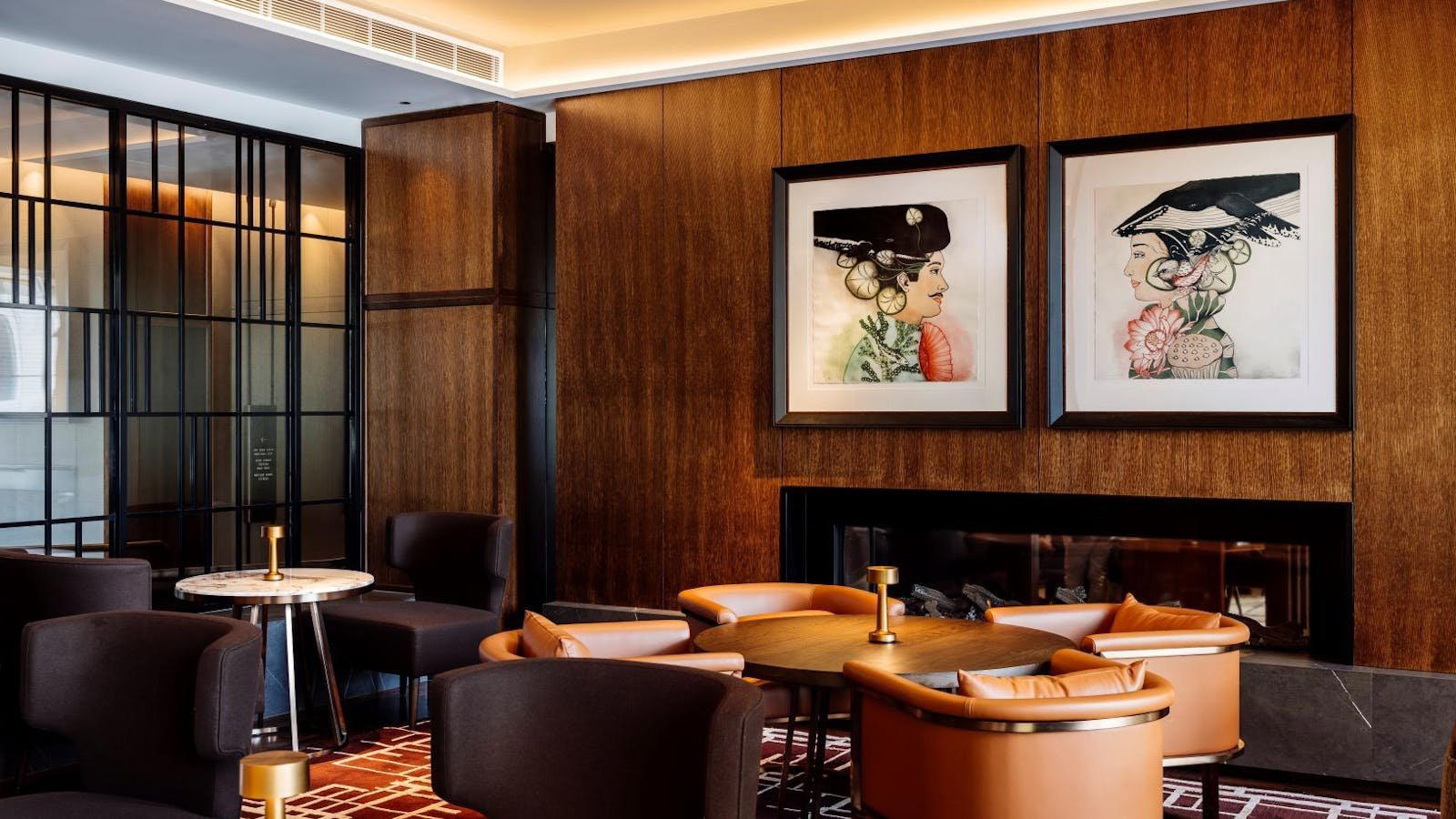
Hotels in Hobart
Browse all →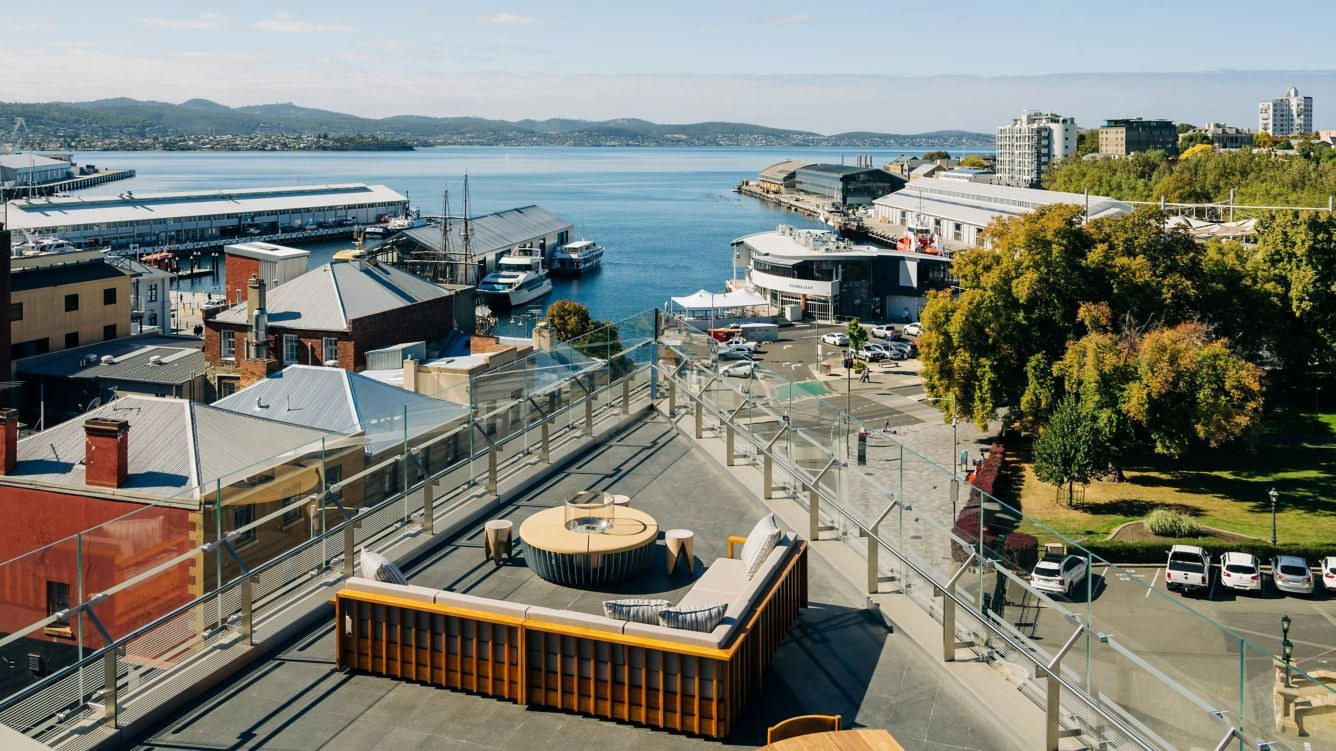
At a Glance
- Modern
- Cozy
- Late Night
- Local Sourcing
Current opening hours
- Monday
- 11:30 AM–2:30 PM, 5–9 PM
- Tuesday
- 11:30 AM–2:30 PM, 5–9 PM
- Wednesday
- 11:30 AM–2:30 PM, 5–9 PM
- Thursday
- 11:30 AM–2:30 PM, 5–9 PM
- Friday
- 11:30 AM–2:30 PM, 5–9 PM
- Saturday
- 5–9 PM
- Sunday
- Closed
Hours can change for holidays and private events. Last verified .
Warm and charming atmosphere with lively Vietnamese culinary presentation.