Our verdict
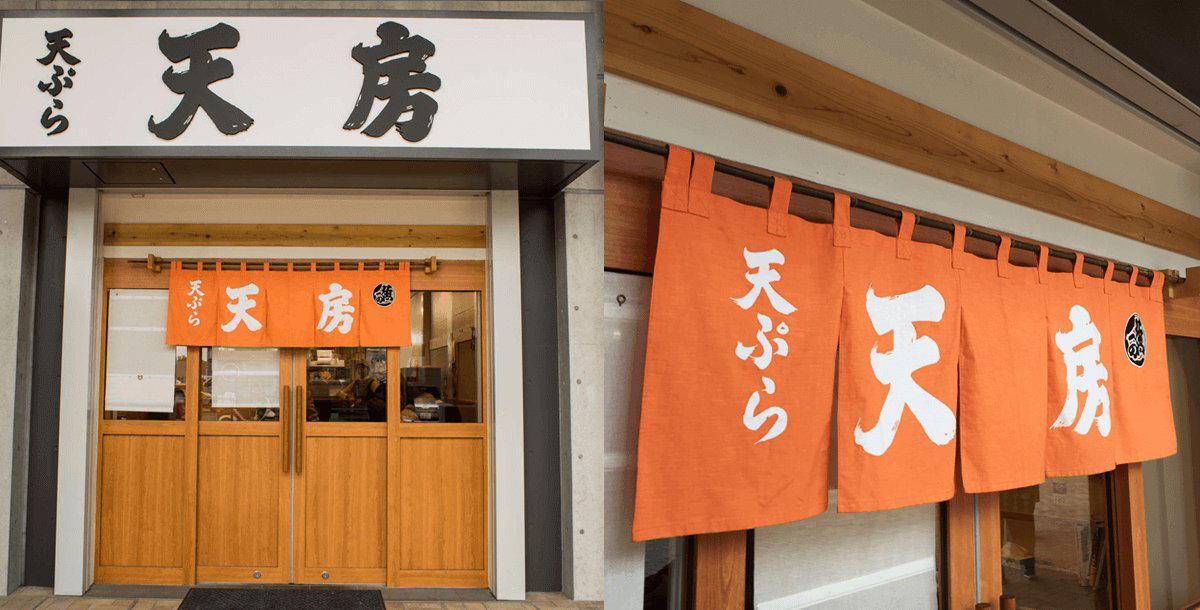
Tenfusa (天房) occupies a rare address inside the Tsukiji wholesale market complex in Chuo, Tokyo — one of the few dining rooms with direct proximity to the source of the city's seafood supply. The location places it inside a tradition of market-adjacent eating that runs parallel to, and often ahead of, the restaurant industry proper. Booking details and current hours should be confirmed directly before visiting.

Pearl is the En Primeur Club membership app — saves, bookings, and concierge access live there. Same editors, same standards.
- Address
- 築地5-2-1 (築地卸売市場6号館), 中央区, 東京都, 104-0045
- Directions
- Get directions
The menu
What to order
- Tempura bowl
- Tuna sashimi
- Assorted tempura
Inside the Market: What Tsukiji's Address Actually Means
Tokyo's relationship with Tsukiji is more layered than the standard tourist narrative suggests. The outer market — the retail strip that survived when the wholesale operations relocated to Toyosu in 2018 — draws visitors looking for tuna breakfast sets and tamagoyaki on a stick. The inner market, Building 6 of the old wholesale complex at 築地5-2-1, is a different story. That address is where Tenfusa (天房) sits, and the distinction matters considerably for understanding what kind of eating this is.
Market-adjacent dining in Japan occupies a specific tier in the food culture. It is not the same as restaurant dining, even when the quality is equivalent or higher. The setting imposes its own logic: hours tied to supply rhythms, formats built around what arrived that morning, and a clientele that skews toward professionals with early schedules rather than dinner-circuit regulars. Venues in this position compete less against the ¥¥¥¥ counter restaurants of Ginza or Nishiazabu, places like Harutaka or RyuGin, and more against the inherited knowledge that Tsukiji insiders have always had about where to eat well without ceremony.
That context is the frame for Tenfusa. The name combines the characters for tempura (天, ten) and room or house (房, fusa), which positions it clearly within the tempura discipline rather than the sushi or kaiseki formats that dominate Tokyo's high-recognition restaurant tier. Tempura at this level, market-proximate, supplied by the surrounding wholesale infrastructure, operates on different inputs than the same dish served in a purpose-built counter restaurant across town.
Tsukiji's Inner Market and the Tempura Tradition
Tempura in Tokyo sits in an interesting competitive position. It receives less international press attention than omakase sushi, and fewer Michelin three-star designations than kaiseki, yet the discipline demands equivalent precision: oil temperature management across successive pieces, batter chemistry that changes with humidity, and sequencing logic that mirrors a tasting menu. The leading tempura counters in Tokyo, a small group that operates mostly at the ¥¥¥¥ tier, share those technical demands with the city's most recognised fine-dining formats.
What Tsukiji proximity adds is input quality and timing. Seafood that travels from the auction floor to the prep kitchen within hours rather than days changes the working material. This is not a claim specific to Tenfusa, it applies to any serious cooking operation inside the old market buildings, but it is the structural advantage that explains why market-embedded venues in Tokyo can sustain reputations that would be harder to build elsewhere in the city.
For comparison points beyond Tokyo, the pattern recurs: Gion Sasaki in Kyoto operates on a similar logic of ingredient proximity and format discipline, and Goh in Fukuoka draws on that city's direct access to northern Kyushu seafood supply chains. Market geography shapes the cooking before the chef makes a single decision.
The Neighbourhood Frame: Chuo and the Old Market Grid
Chuo ward in central Tokyo is not a dining neighbourhood in the way that Minami-Aoyama or Ginza function as destinations. Its identity is commercial, rooted in wholesale trade, print industries, and the financial district rather than the restaurant scene. That makes Tenfusa's address genuinely off the dining circuit, not because the area lacks food culture, but because its food culture is oriented toward the trade rather than the visitor.
Reaching the Tsukiji market complex requires navigating a grid that does not reward casual wandering. The wholesale buildings are utilitarian structures, not dressed for foot traffic. Visitors who arrive expecting the atmosphere of the outer market, the covered shopping lanes, the retail stalls, will need to recalibrate. Building 6 of the inner complex is a working environment, and the experience of eating there carries that texture.
This is the tradeoff that the address imposes, and it is not incidental. Venues in working market environments across Japan, and in comparable settings at HAJIME in Osaka or smaller regional operations like those in Nanao on the Noto Peninsula, tend to filter their clientele by willingness to engage with the context rather than by price point alone. The setting does some of the selection.
Placing Tenfusa in Tokyo's Broader Dining Map
Tokyo's restaurant tier at the leading end has become increasingly codified. The ¥¥¥¥ counter segment, sushi, kaiseki, and a handful of French-influenced rooms like L'Effervescence, Sézanne, and Crony, operates through advance booking systems, prix-fixe formats, and Michelin-cycle recognition. Tenfusa's position outside that codified system is part of its identity. Comparable market-embedded formats at the international level, such as Le Bernardin in New York City for seafood-focused precision cooking, show that supply-chain proximity can anchor serious culinary work without requiring the full apparatus of the fine-dining format.
For visitors building a Tokyo itinerary that goes beyond the standard recognition list, the city's market-adjacent eating, and Tenfusa as one representative of it, fills a specific gap. It connects the supply infrastructure that makes Tokyo's sushi and seafood counters possible to an actual dining experience, rather than keeping that infrastructure invisible behind polished counter surfaces. See our full Tokyo restaurants guide for further context across formats and price tiers.
Elsewhere in Japan, the regional equivalents worth tracking alongside this type of experience include akordu in Nara, 湖邸荘 in Takashima, 夙川山乃 in Sapporo, 鳶羽屋 in Nishikawa Machi, Birdland in Sakai, and Bistro Ange in Toyohashi, each operating in a regional context that shapes the ingredient sourcing as directly as geography shapes Tsukiji.
For international reference, Atomix in New York City represents a comparable commitment to format discipline and sourcing rigour within a completely different urban context, illustrating how supply-conscious cooking is not a purely Japanese phenomenon but a recurring pattern among serious operators globally.
Planning Your Visit
Tenfusa is located inside the old Tsukiji wholesale market at 築地5-2-1, Building 6 (6号館), Chuo, Tokyo 104-0045. As a market-embedded venue operating within the inner complex, hours and booking logistics are best confirmed through direct contact or via the outer market's visitor information resources before travel. Dietary requirements and allergy information should be communicated at the point of booking given the set-format nature of tempura counter dining.
Quick reference: Tsukiji inner market, Building 6, Chuo, Tokyo, confirm hours and reservations directly before visiting.
Frequently asked questions
What's the must-try dish at Tenfusa (天房)?
The name points directly to tempura as the defining format. In market-adjacent tempura counters of this kind, the sequencing of seafood pieces, particularly whatever arrived from the auction floor that morning, tends to be the most instructive eating. For cross-reference on what Tokyo's seafood-forward cooking looks like at peer counters, Harutaka provides a useful comparison point for the city's top-tier approach to similar ingredients.
Can I walk in to Tenfusa (天房)?
Market-embedded venues in Tokyo's inner Tsukiji complex have historically operated on early-morning or lunchtime schedules tied to wholesale trading rhythms, which means walk-in access depends heavily on timing. Given the location inside a working market building rather than a public-facing street, arriving without prior confirmation carries meaningful risk. Checking current access conditions before travelling is advisable for any Tokyo visit built around this address.
What makes Tenfusa (天房) worth seeking out?
The address inside the old Tsukiji wholesale complex is the primary reason to make the effort. Few dining formats in Tokyo offer the direct connection between supply infrastructure and the plate that this kind of market-embedded setting provides. The tempura discipline, when executed at a market counter with same-day seafood, operates at a different input level than the same format served in a restaurant district. For visitors who have covered the Michelin-listed sushi and kaiseki counters, RyuGin, L'Effervescence, and their peers, Tenfusa represents a different kind of access to what makes Tokyo's food supply exceptional.
What if I have allergies at Tenfusa (天房)?
Tempura counter formats in Tokyo typically involve a set sequence with limited ability to substitute individual pieces mid-service. Given that Tenfusa operates inside a seafood-dominant market environment, shellfish and crustacean content is a likely presence throughout the meal. Do not assume dietary accommodations are available without prior confirmation.
Should I splurge on Tenfusa (天房)?
What the location implies, structurally, is that the cost model may differ from purpose-built fine-dining rooms: market venues in Japan often price closer to their supply costs than to the room and service overhead of a Ginza counter. If the tempura format and Tsukiji setting are the specific draw, rather than the prestige signals of a Michelin-listed room, this type of venue tends to represent stronger value-to-input ratios than its recognition level might suggest. Confirm current pricing directly before visiting.
Is Tenfusa a good option for a first-time visitor to Tsukiji's inner market?
The inner market at Tsukiji operates on a different register from the outer market retail lanes that most visitors encounter. Building 6 is a working wholesale environment, not a curated food experience, which means first-time visitors will need to arrive with clear logistics rather than relying on the area's general atmosphere to guide them. That said, eating inside the market complex, particularly at a tempura counter with direct sourcing from the adjacent auction operations, offers a more grounded understanding of how Tokyo's seafood supply actually works than any restaurant in the city's dining districts can provide. Treat the navigation as part of the experience rather than an obstacle to it.
Price Lens
| Venue | Cuisine | Price | Awards | Notes |
|---|---|---|---|---|
| Tenfusa (天房)This venue — the venue you are viewing | Tempura | $20–30 | Not listed | Not listed |
| Harutaka | Edo-Style Omakase Sushi | $200–300 | 3 Michelin Stars · World's 50 Best #76 | Sushi |
| L'Effervescence | Modern French with Japanese Influences | $200–300 | 3 Michelin Stars · World's 50 Best #69 | French |
| RyuGin | Modern Kaiseki | $500+ | 3 Michelin Stars · World's 50 Best #41 | Kaiseki, Japanese |
| Crony | Modern French with Japanese Influences | $150–200 | 2 Michelin Stars · World's 50 Best #34 | Innovative, French |
| Florilège | Modern French-Japanese Plant-Based Fine Dining | $50–100 | 2 Michelin Stars · World's 50 Best #31 | French |






Details
- Cozy
- Classic
- Intimate
- Casual Hangout
- Solo
- Group Dining
- Standalone
- Sake Program
- Local Sourcing
- A La Carte
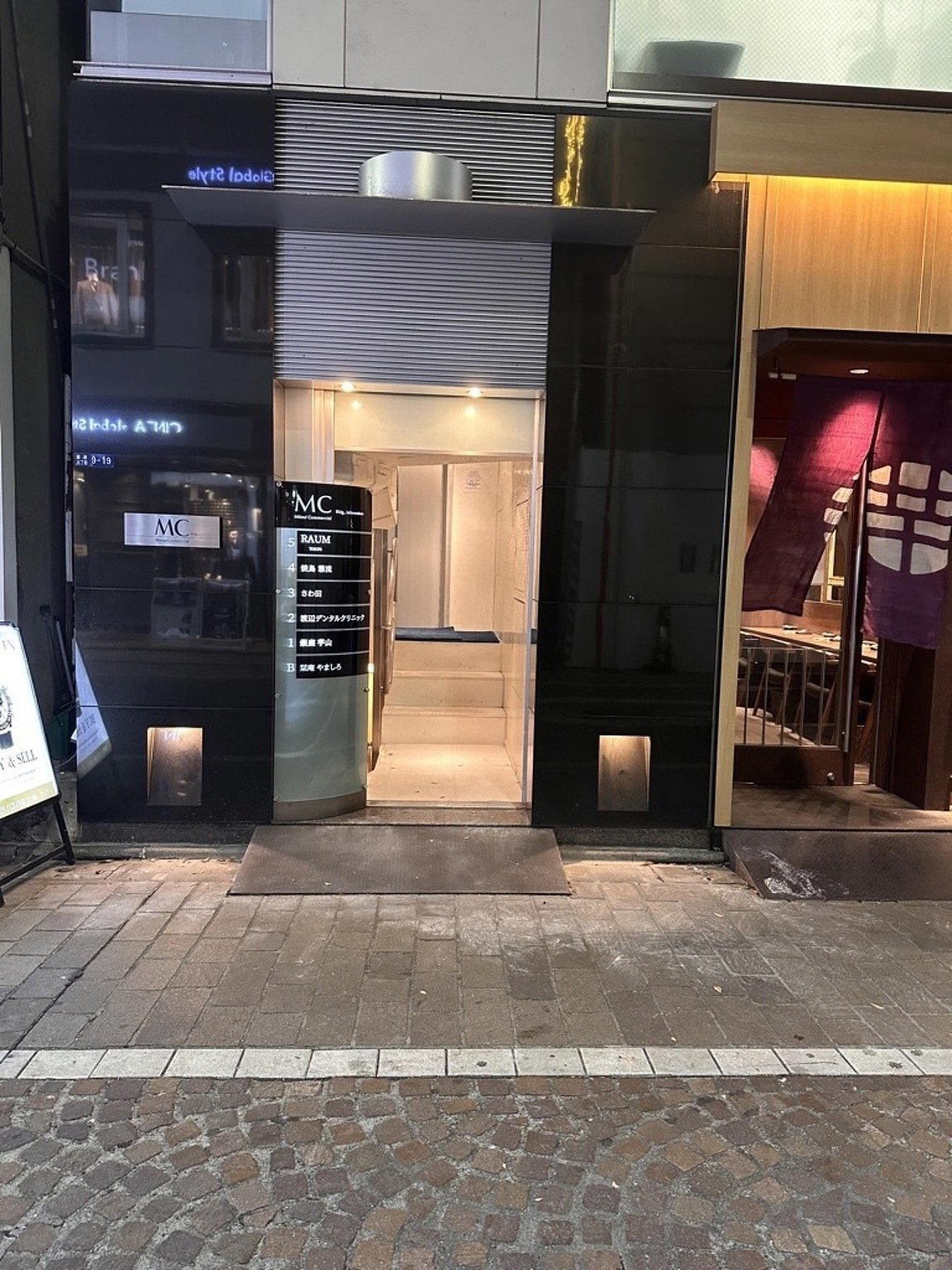
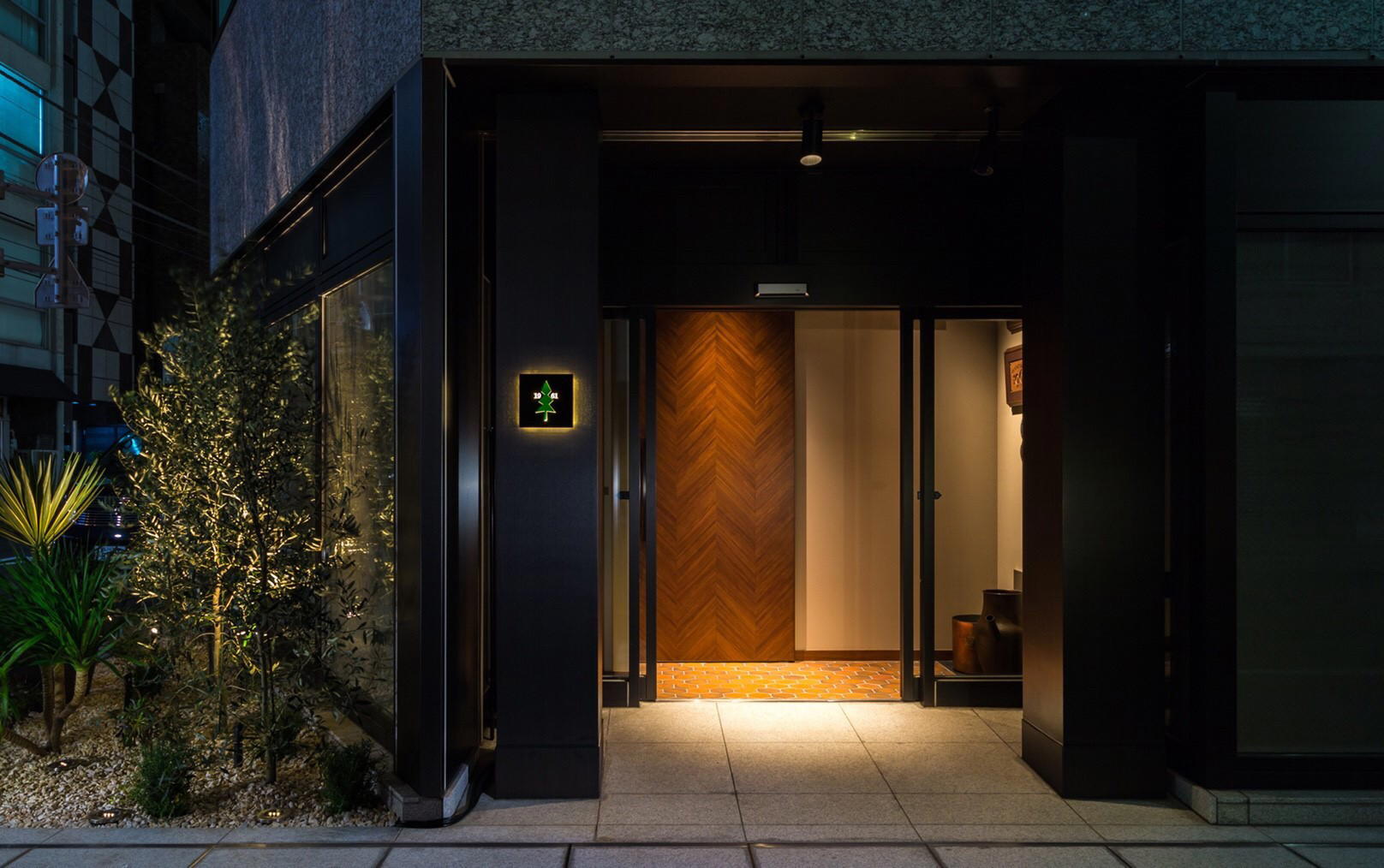
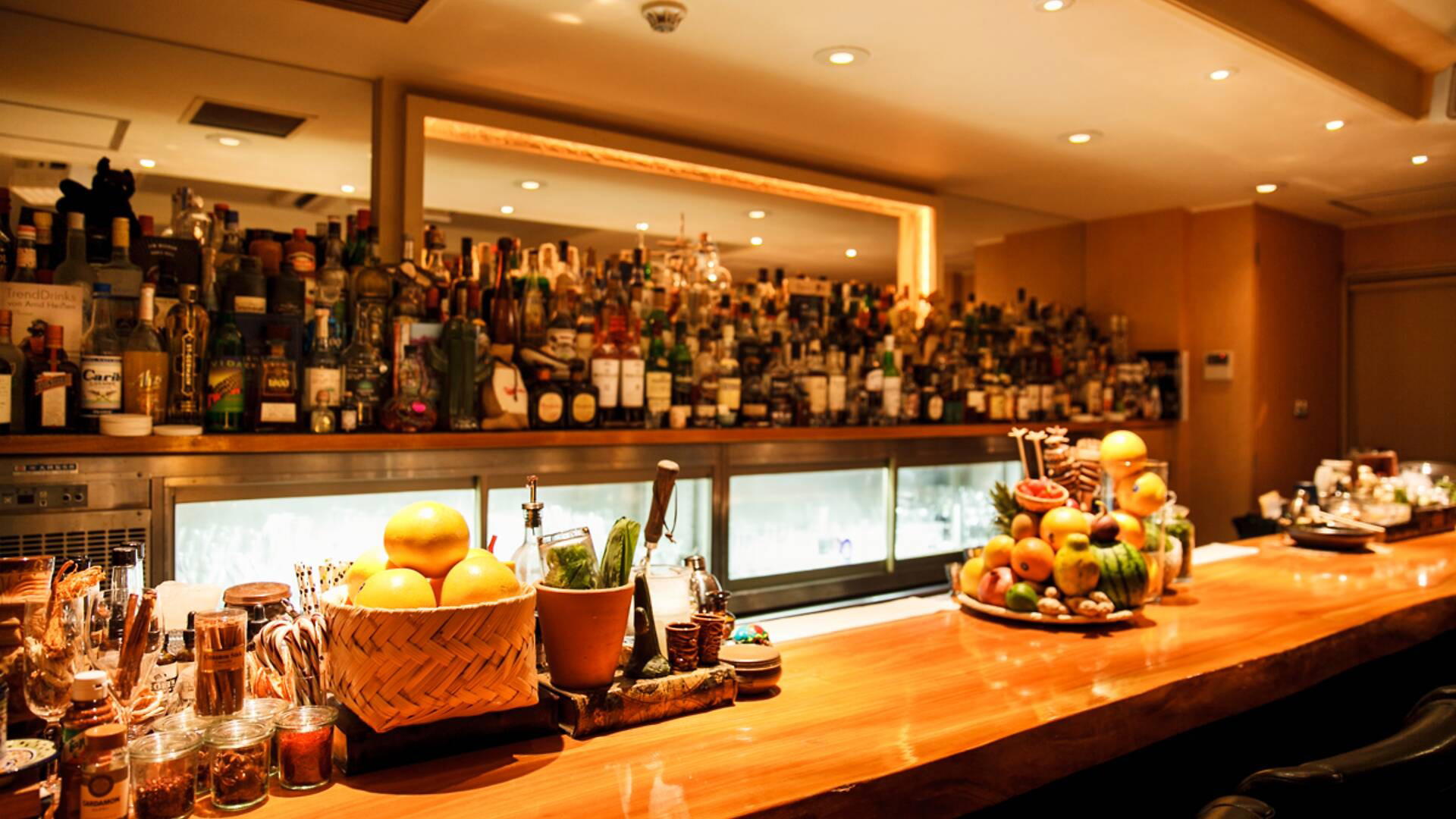
Old, small, and bustling with a narrow-market feel; intimate rather than polished, with a conversational atmosphere.