In Ginza's grid of high-stakes dining, Kagari occupies a distinct position: a soba counter where the simplicity of buckwheat noodles is taken with the same seriousness as the neighbourhood's omakase rooms. The queue that forms outside most days signals something Tokyo diners already know, that disciplined, single-focus cooking at this address has earned a following that outpaces the seat count.
Pearl is the En Primeur Club membership app — saves, bookings, and concierge access live there. Same editors, same standards.
- Address
- 6 Chome-4-12 Ginza, Chuo City, Tokyo 104-0061, Japan
- Phone
- +81 3 6263 8900
- Website
- instagram.com
- Directions
- Get directions
 Saves & bookings on Pearl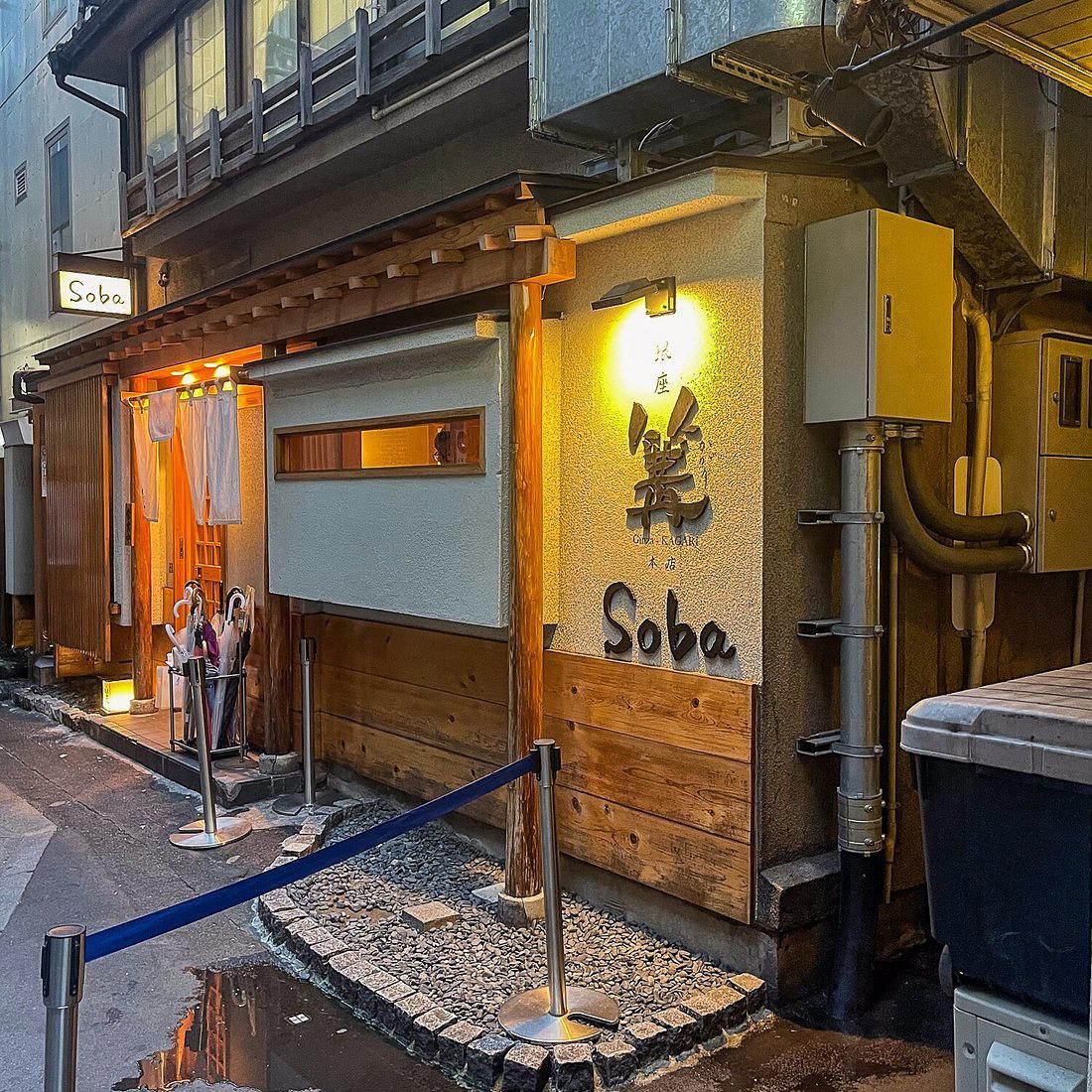
A Ginza Side Street and the Weight of a Bowl
Ginza is a district that tends toward ceremony. The neighbourhood's dining rooms run from white-tablecloth French in the mode of L'Effervescence to the hushed precision of counter sushi at places like Harutaka. Against that backdrop, Ginza Kagari - Soba serves Chicken Tori Paitan Ramen. The format, buckwheat noodles, clear or enriched broth, minimal garnish, strips away everything the surrounding neighbourhood prizes in terms of spectacle. What remains is the craft itself, and in Tokyo that is often sufficient to build a serious reputation.
Ginza Kagari sits on a side address within that 6-chome block, and the queue that forms outside on most days is the first piece of information a visitor receives. It is a physical argument for why the place matters: Tokyo diners are not given to lining up without reason, and the patience on display here reflects the kind of word-of-mouth that accumulates over years rather than weeks. The line is also a scheduling consideration worth factoring into any visit.
Soba in a City That Treats Noodles as Discipline
To understand what Ginza Kagari represents, it helps to place soba within Tokyo's broader noodle culture. The city has long maintained a distinction between soba as a convenience food, available at standing bars in train stations, priced at a few hundred yen, and soba as craft, where the origin of the buckwheat, the ratio of wheat flour to grain, the temperature of the water, and the resting time of the dough each carry significance. The latter category is smaller, populated by counters where the chef-to-seat ratio suggests a different kind of attention.
Kagari occupies that more serious tier. The format here is focused rather than expansive: a short menu built around noodles and broth, without the elaborate kaiseki progressions that define evening dining at places like RyuGin or the inventive French frameworks at Sézanne. That narrowness is deliberate. Single-discipline restaurants in Tokyo frequently outperform generalists at whatever their chosen craft is, and soba counters that commit fully to buckwheat tend to produce bowls that are technically superior to those served as an afterthought within a larger menu.
The sensory register of a good soba counter is different from the drama of high-end kaiseki or the taut formality of an omakase room. The sounds are quieter: the soft movement of noodles in water, the click of ceramic on a wooden counter, conversations at a lower register than you'd find at a convivial izakaya. The smell is clean, grain and dashi, with the slight earthiness that well-sourced buckwheat carries in a way that commercial blends do not. These are not incidental details. In a city where Crony and its peers work hard to construct theatrical dining environments, a soba counter's restraint functions as its own kind of atmosphere.
Ginza's Position in the Tokyo Dining Hierarchy
Ginza remains one of Tokyo's most address-sensitive districts for food. Real estate costs push average meal prices upward, and the clientele, a mix of business lunches, international visitors, and Tokyo residents who treat the area as an occasional splurge, sustains a density of serious restaurants that few neighbourhoods outside of Roppongi and certain Shinjuku blocks can match. A soba counter holding its own here, against the premium omakase and European fine dining options, says something specific about the quality of the offering.
For visitors building a broader Japan itinerary, Ginza makes a logical anchor point for a Tokyo dining day before travelling onward. The Shinkansen connections from Tokyo Station, a short distance from the 6-chome address, put HAJIME in Osaka, Gion Sasaki in Kyoto, and akordu in Nara within practical reach of the same trip. Japan's dining geography rewards this kind of structured planning; the concentration of serious restaurants across the Kansai-Tokyo corridor means that a week spent eating well here requires less transit than a comparable trip across, say, the United States, where Lazy Bear in San Francisco and Le Bernardin in New York City sit on opposite coasts.
Further afield, Japan's regional dining scene has depth that often surprises visitors focused on Tokyo: Goh in Fukuoka, aki nagao in Sapporo, and smaller-city addresses like Aji Arai in Oita, Akakichi in Imabari, Abon in Ashiya, affetto akita in Akita, and Ajidocoro in Yubari District each represent the kind of regional focus that makes Japan's food infrastructure genuinely distributed rather than Tokyo-centric.
Planning a Visit
The practical shape of a visit to Ginza Kagari is defined by a few realities. The queue is a constant, and the seat count is small, which means service turns over at a pace that keeps waits moving. This is not a restaurant designed for a long, leisurely afternoon, the format suits those who want a focused, technically precise meal before moving on to the rest of a day in Ginza. The 6-chome address sits within walking distance of Ginza Station. Seasonal timing also affects the experience.
Similar Picks
Comparable venues nearby, for context on price, style, and recognition.
| Venue | Cuisine | Price | Notes |
|---|---|---|---|
| Ginza Kagari - SobaThis venue — the venue you are viewing | Chicken Tori Paitan Ramen | $$ | Not listed |
| Shibata | Classic Tokyo Ramen | $$ | Komae |
| Kusa Makura | Japanese Kissaten / Coffee Shop | $$ | Minato |
| 焼肉あたご 虎ノ門 | Casual Counter Yakiniku | $$ | Minato |
| Tonkatsu Iwai | Tonkatsu | $$ | Minato |
| Umatama Ya | Omurice-focused Yoshoku (Japanese-style Western) counter | $$ | Chiyoda |










At a Glance
- Cozy
- Intimate
- Casual Hangout
- Solo
- Sake Program
Current opening hours
- Monday
- 11 AM–10 PM
- Tuesday
- 11 AM–10 PM
- Wednesday
- 11 AM–10 PM
- Thursday
- 11 AM–10 PM
- Friday
- 11 AM–10 PM
- Saturday
- 11 AM–9:30 PM
- Sunday
- 11 AM–9:30 PM
Hours can change for holidays and private events. Last verified .
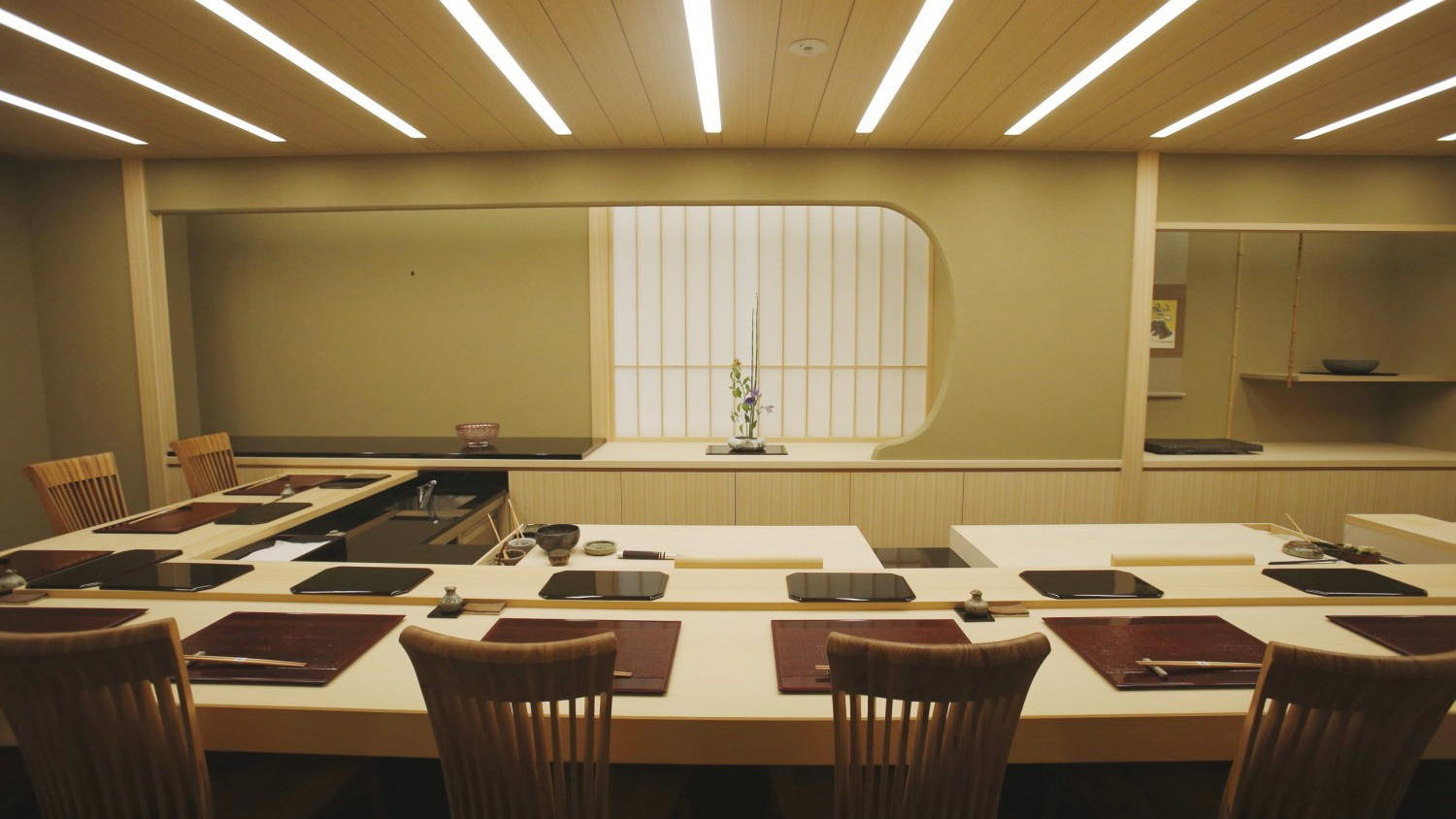
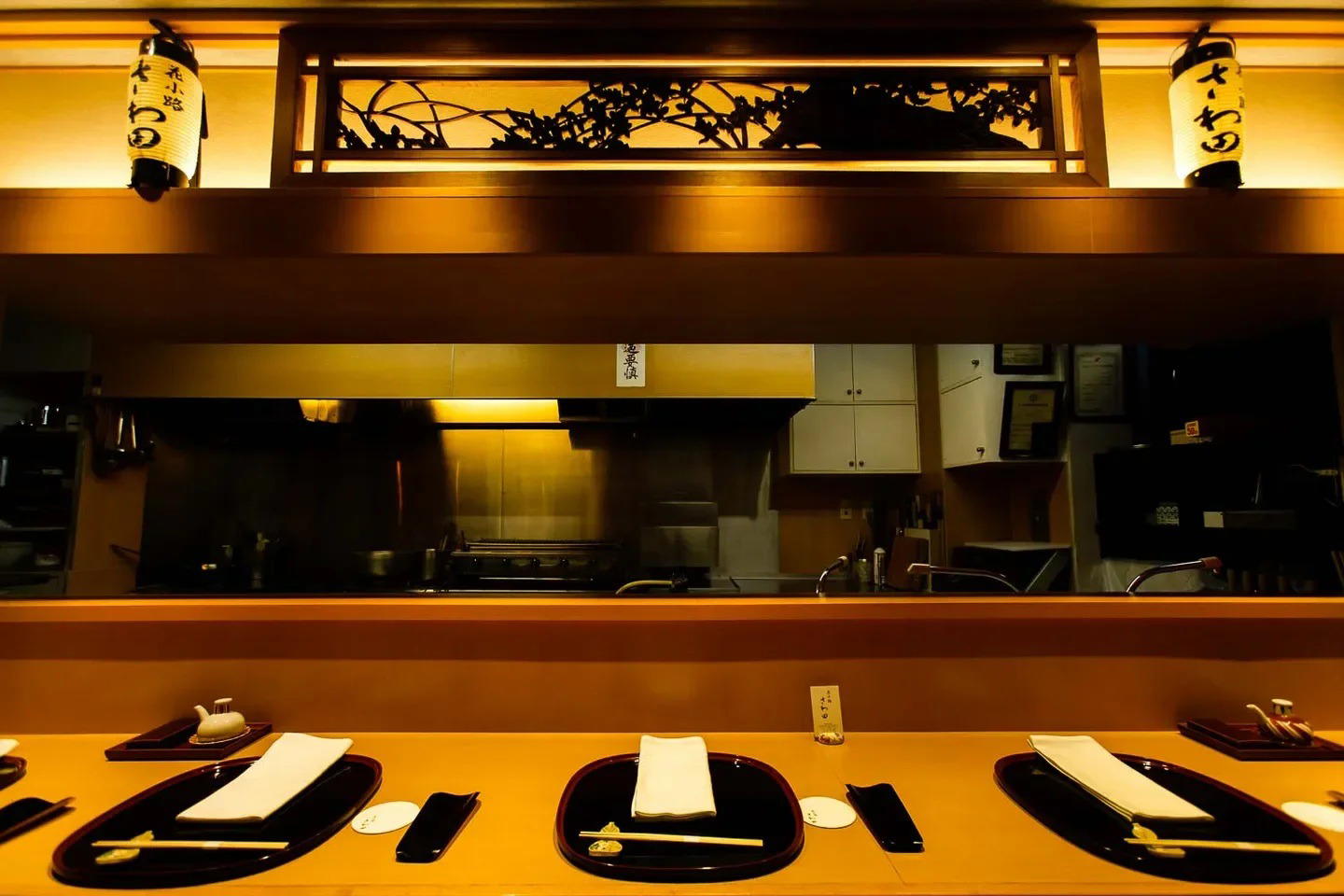
Compact counter seating in a hidden Ginza alley creates an intimate, no-frills atmosphere focused on the ramen experience.