
Takenoshita Soba places a small Harajuku soba room inside Tokyo’s broader return to grain, milling, vegetables, sake, and disciplined service. Its Tabelog 100 Soba EAST 2025 selection gives it a clear credential, while the cooking sits closer to specialist Japanese craft than casual noodle culture.
Pearl is the En Primeur Club membership app — saves, bookings, and concierge access live there. Same editors, same standards.
- Address
- 東京都渋谷区神宮前1-20-12
- Phone
- +81364471032
- Website
- takenoshita.studio.site
 Saves & bookings on Pearl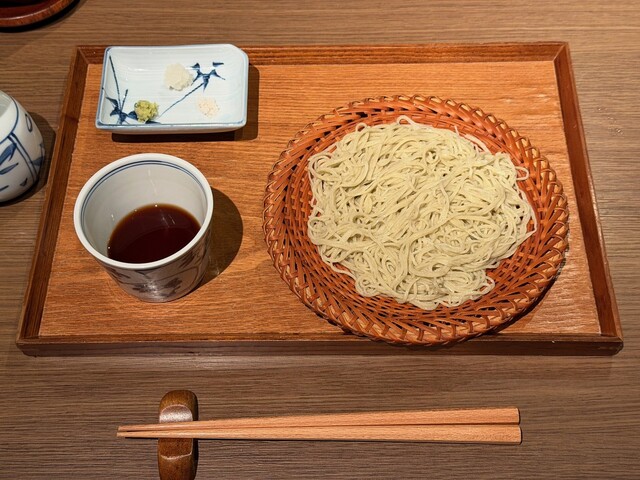
Harajuku is better known for foot traffic, fashion queues, and dessert shops than for quiet soba rooms, which is exactly why the category feels sharper here. Step away from the station-side churn and the signal changes: fewer visual tricks, more attention to grain, broth, vegetable work, and the pacing of a small dining room. Tokyo soba has always rewarded restraint, but the newer specialist tier asks more from the guest. It treats buckwheat not as a quick lunch carbohydrate, but as a product with origin, season, milling, aroma, and texture at stake.
Takenoshita Soba belongs to that specialist tier. Its selection for Tabelog 100 Soba EAST 2025 places it among the region’s notable soba addresses, but the more interesting point is what that recognition says about Tokyo dining in 2026. The city’s high-end Japanese restaurants no longer need a long tasting-menu vocabulary to command attention. A compact soba counter can now compete for serious diners by tightening the relationship between local ingredients, drink pairings, and technique borrowed from more formal formats.
Harajuku soba, treated with the seriousness of a specialist counter
Soba in Tokyo carries two identities. One is democratic: station counters, lunch sets, slurped noodles before the next train. The other is exacting: buckwheat ratios, water control, knife work, dipping broth, seasonal vegetables, and the quiet choreography of a room that does not rush. Takenoshita Soba sits in the second camp, with a small-format setup that includes counter seating and a style of service better matched to a planned meal than an improvised refuel.
The room’s scale matters because soba exposes shortcuts. Unlike ramen, it does not hide behind emulsified fat, heavy seasoning, or maximal toppings. Buckwheat has to carry the argument. That is why a soba-focused address with attention to vegetables, sake, and wine reads differently from a noodle shop built around speed. The food culture here is Japanese at its core, yet the structure feels closer to global counter dining: limited seats, controlled pacing, drinks considered as part of the meal, and a level of ingredient focus that belongs in the same conversation as sushi, tempura, and kappo.
That local-ingredient, global-technique tension is the useful lens. The product language remains Japanese: buckwheat noodles, sake, vegetables, a non-smoking room, and the solo-diner comfort that Tokyo handles with unusual grace. The operating grammar, however, reflects the wider international movement toward small, reservation-led restaurants where a narrow category is treated with tasting-menu discipline. Harajuku gives that format a particular edge because the neighbourhood’s commercial noise makes a restrained soba room feel more deliberate, not less.
Why the Tabelog soba recognition matters
Tabelog’s category lists carry weight in Japan because they reward depth inside specific genres rather than flattening restaurants into a single luxury hierarchy. A soba selection is not the same signal as a Michelin star or a general fine-dining award. It tells the reader that the restaurant is being judged inside a craft with its own rules: noodle texture, broth balance, sourcing discipline, side dishes, and the way drinks support the meal without overwhelming it.
That distinction helps separate this address from the surrounding Harajuku field. AFURI Harajuku works in a far more casual ramen register; Minoringo and Enseigne d'angle Harajuku ten sit in lower-priced everyday categories; Ristorante Hamasaki pulls the area toward Italian dining; 重よし represents a separate Japanese fine-dining lineage. Takenoshita Soba is narrower and more obsessive. It does not need the breadth of a multi-cuisine menu because the point is focus: buckwheat as the anchor, vegetables and drinks as supporting structure, and a room small enough for the format to stay controlled.
There is also a useful caution for travellers. Serious soba is not designed for haste. The meal’s appeal lies in sequence, temperature, texture, and the difference between a noodle served as craft and a noodle served as convenience. Tokyo has many places for speed; this is not the category to choose when the schedule is built around shopping bags and a hard museum slot. It is the category to choose when a diner wants to understand why buckwheat, in Japan, can carry the same cultural seriousness that pasta carries in parts of Italy or bread carries in France.
Where it fits in a Tokyo itinerary
The sharper way to use this restaurant is as a counterweight to Tokyo’s louder dining experiences. Pairing soba with sushi, yakitori, curry, cafés, and bars over several days gives a clearer reading of the city than chasing only luxury rooms. For broader planning, see Our full Tokyo restaurants guide, then triangulate the city through specialists such as . 鮪と炭火焼き うお炭 秋葉原店, 12/10 Shinjuku ten, 124. KAGURAZAKA (Yakitori), 2D Cafe, and 3 Chome no Curry Ya San.
Tokyo works better when restaurants are not planned in isolation. Hotels shape neighbourhood rhythm, bars decide how late the evening can stretch, and cultural bookings determine how much appetite is left for a serious meal. Cross-check Our full Tokyo hotels guide, Our full Tokyo bars guide, Our full Tokyo wineries guide, and Our full Tokyo experiences guide before locking the day around Harajuku.
For readers building a wider Japan food map, the useful comparison is not another soba room but the range of formats that show how tightly Japanese dining can specialize: -Grilled beef Sukiyaki- KAMAKURA TANUKIAN 鎌倉 たぬき庵 in Kamakura.cafe in Osaka.know in Kumamoto, (Shoku) Vietnam in Kawasaki, [Curry Senmon Ten] Maruyama Kyoju. in Sapporo, and [ki:] in Kyoto. Outside Japan, Jōdo Saké Bar in Los Angeles and Onigiri Time in Pasadena show how Japanese categories change when transplanted, which makes the Harajuku original context more instructive.
Reputation Context
Comparable venues at similar price and category levels.
| Venue | Cuisine | Price | Notes |
|---|---|---|---|
| Takenoshita SobaThis venue — the venue you are viewing | Traditional Japanese Soba | $$ | Not listed |
| 麺処くるり 市ヶ谷本店 | Miso Ramen Specialist | $$ | Ichigaya |
| Mendokoro Honda | Shoyu Ramen Specialist | $$ | Akihabara |
| MOKUBAZA | Modern Japanese keema curry & bar | $$ | Shibuya |
| HIGASHIYA man | Traditional Japanese wagashi & manju shop | $$ | Minato |
| Yakiniku Hiromiya Shin honten | Yakiniku (Japanese BBQ) Omakase | $$ | Shinjuku |
Recognition history
Dated appearances from independent guides and award organizations, with the underlying list record or original source where available.
Tabelog 100 #50 · No. 50
Tabelog · Tabelog 100 - Soba - EAST - 2025













At a Glance
- Quiet
- Cozy
- Classic
- Solo
- Casual Hangout
- Business Dinner
- Standalone
- Street Scene
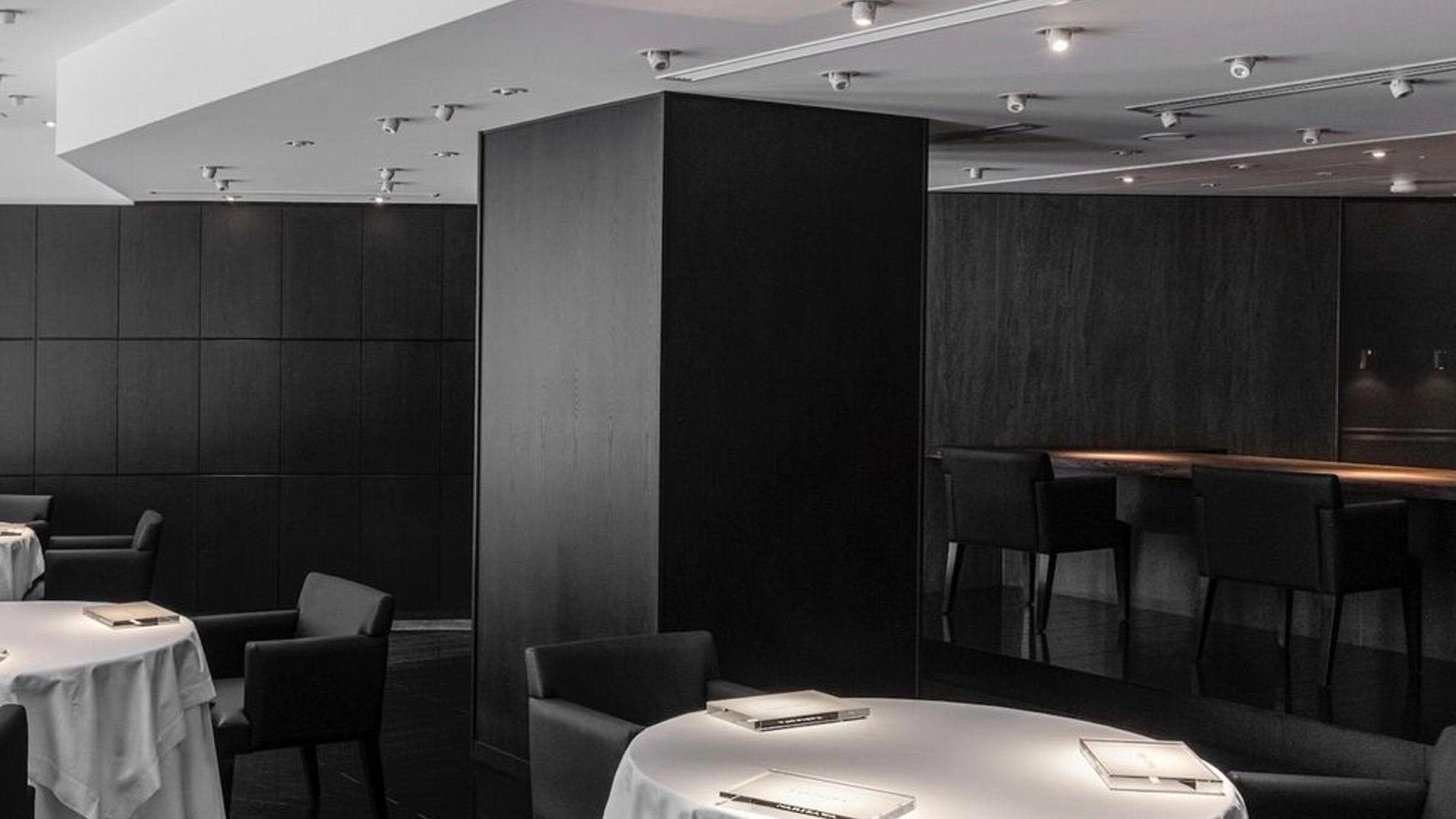
Dark, quiet, cozy, and clean, with a tranquil atmosphere that suits a slow meal rather than a rushed visit.