
A Michelin Plate-recognised tempura counter in Nishiazabu, TEMPURA & WINE SHINO positions itself at the intersection of classical Japanese frying technique and a deliberately curated wine program. Sitting within the ¥¥¥ tier, it occupies a mid-to-upper bracket in Tokyo's tempura hierarchy, serious enough for the Michelin guide to have flagged it in both 2024 and 2025, accessible enough to contrast with the city's most rarefied counters.
Pearl is the En Primeur Club membership app — saves, bookings, and concierge access live there. Same editors, same standards.
- Address
- Japan, 〒106-0031 Tokyo, Minato City, Nishiazabu, 4 Chome−2−15 水野ビル 2F
- Phone
- +81 3-6689-8733
- Website
- instagram.com
- Directions
- Get directions
 Saves & bookings on Pearl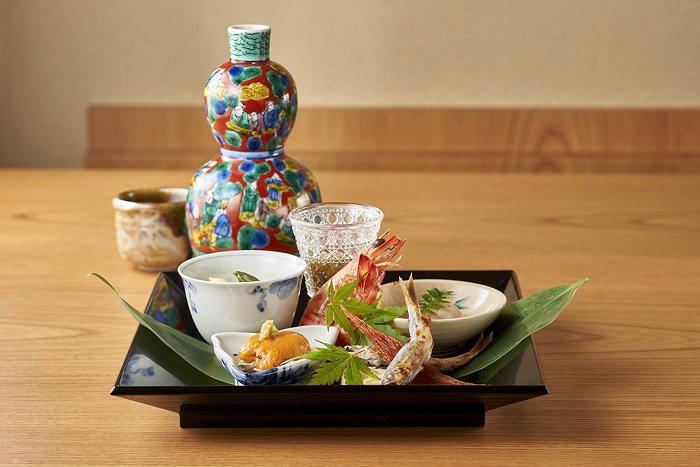
Where Tokyo's Tempura Tradition Meets the Wine Question
The pairing of tempura with wine rather than sake or beer is a considered structural choice, not a novelty gesture. Across Tokyo's mid-to-upper tempura tier, a small number of counters have begun treating beverage pairing as an architectural element of the meal itself, positioning the wine list as a lens through which the sequence of fried courses is designed to be read. TEMPURA & WINE SHINO, operating from the second floor of a building in Nishiazabu's quieter residential-commercial corridor, is recognized in the Michelin Guide for 2024 and 2025, placing it among Tokyo's noted tempura addresses without a star. Tempura Kondo or Tempura Motoyoshi.
That positioning matters editorially. The Michelin Plate bracket in Tokyo is not a consolation category, it identifies kitchens where the fundamentals are sound and the value proposition is often sharper than in the starred tier. At the ¥¥¥¥ price tier, SHINO sits among Tokyo's higher-priced dining rooms, from kaiseki rooms like Edomae Shinsaku to sushi-led experiences. Within the tempura sub-category specifically, that price band positions the restaurant closer to Tempura Ginya and Fukamachi than to the more expensive counters where omakase courses stretch into the upper ranges of Tokyo fine dining.
The Architecture of a Tempura Menu
Classical tempura omakase follows a loose logic: vegetables and lighter seafood tend to open the sequence, with heavier or more intensely flavoured ingredients arriving later, and the meal closing on something starchy or sweet. The sequencing is not decorative, it reflects the oil's behaviour over time, the chef's management of temperature, and the diner's palate fatigue across a long sitting. What distinguishes counters that add a wine dimension to this structure is that the beverage pacing has to work against the grain of a cuisine that Japanese tradition pairs with cold, neutral drinks precisely because fat and batter require a clean palate reset between pieces.
The integration of wine into that sequence represents a genuine editorial problem for a tempura kitchen. High-acid whites, Champagne, Chablis, certain Alsatian varieties, have a logical case to be made alongside lightly battered vegetables and delicate seafood, where the wine's cut can substitute for the astringency that green tea or cold beer would otherwise provide. The challenge arrives mid-sequence, when richer ingredients demand something with weight, and at that point a wine-forward counter must have thought carefully about whether the list can track the kitchen's escalation. That the Michelin guide has returned to note SHINO in consecutive years implies that the answer, at least to the inspectors who visited, is credible.
Nishiazabu and the Quiet-Pocket Dining Model
Nishiazabu has operated for decades as one of Tokyo's most reliable addresses for serious eating without the theatre of Ginza or the density of Shinjuku. The neighbourhood's mix of low-rise buildings, narrow side streets, and a largely non-tourist foot traffic pattern creates conditions in which a small specialist counter can build a local and word-of-mouth audience without relying on visibility from passing trade. A second-floor address deepens that logic: the restaurant is findable by those who have already decided to go, not by those wandering past a ground-floor window.
This model, quieter neighbourhood, refined floor, no signage dependence, has become a recognisable operating pattern among Tokyo's mid-tier specialist restaurants. It keeps overheads at a level where a ¥¥¥ price point remains viable, and it selects for a guest who has done some prior research. For visitors building a Tokyo itinerary across multiple restaurant styles, Nishiazabu functions as a sensible anchor for an evening; it is close enough to Roppongi to combine with earlier drinks, and the neighbourhood's general character suits a quieter, longer meal.
Tempura in the Wider Japan Context
Tokyo remains the reference city for tempura in Japan, but the category has spread credibly across the country. Numata in Osaka operates in a city whose dining culture is structurally different from Tokyo's, more informal, more ingredient-led, less ceremonial about counter-based service, and provides a useful comparison point for understanding how the same cooking technique reads in a different culinary register. Beyond Japan, Mudan Tempura in Taipei illustrates how the form has travelled into East Asian cities where Japanese culinary influence has taken root in premium restaurant culture.
For travellers planning a broader Japan route, the contrast between Tokyo's tempura counters and the kaiseki and French-influenced kitchens in other cities is instructive. HAJIME in Osaka and Gion Sasaki in Kyoto represent entirely different culinary frameworks from SHINO's single-technique focus. akordu in Nara, Goh in Fukuoka, 1000 in Yokohama, and 6 in Okinawa extend that range across regions, each operating within local culinary logics that a single Tokyo dinner cannot represent.
Planning a Visit
TEMPURA & WINE SHINO operates at the ¥¥¥ price tier, placing it within reach of most mid-to-upper restaurant budgets in Tokyo without requiring the advance planning that the city's most allocation-controlled counters demand. The Nishiazabu address, 4 Chome-2-15, Nishiazabu, Minato City, second floor of the Mizuno Building, is accessible from both Roppongi and Hiroo stations. Given its specialist format and wine program, advance reservation is recommended.
Compact Comparison
Comparable venues nearby, for context on price, style, and recognition.
| Venue | Cuisine | Price |
|---|---|---|
| TEMPURA & WINE SHINOThis venue — the venue you are viewing | Minato, Modern Tempura and Wine | $$$$ |
| Usukifugu Yamadaya | Minato, Traditional Fugu Omakase | $$$$ |
| Ginza kitafuku | Chūō, Premium Hokkaido Crab Kaiseki | $$$$ |
| Kimoto | Shinjuku, Modern Kaiseki | $$$$ |
| Hashiguchi | Minato, Edomae Sushi Omakase | $$$$ |
| Sumibiyakiniku Nakahara | Chiyoda, Premium Wagyu Yakiniku Omakase | $$$$ |
Recognition history
Dated appearances from independent guides and award organizations, with the underlying list record or original source where available.
Michelin Plate
Michelin
Michelin Plate
Michelin













At a Glance
- Cozy
- Elegant
- Intimate
- Sophisticated
- Minimalist
- Date Night
- Business Dinner
- Special Occasion
- Chefs Counter
- Open Kitchen
- Extensive Wine List
- Sake Program
- Sommelier Led
Current opening hours
- Monday
- 6–11 PM
- Tuesday
- 6–11 PM
- Wednesday
- 6–11 PM
- Thursday
- 6–11 PM
- Friday
- 6–11 PM
- Saturday
- 12–2:30 PM, 6–11 PM
- Sunday
- Closed
Hours can change for holidays and private events. Last verified .
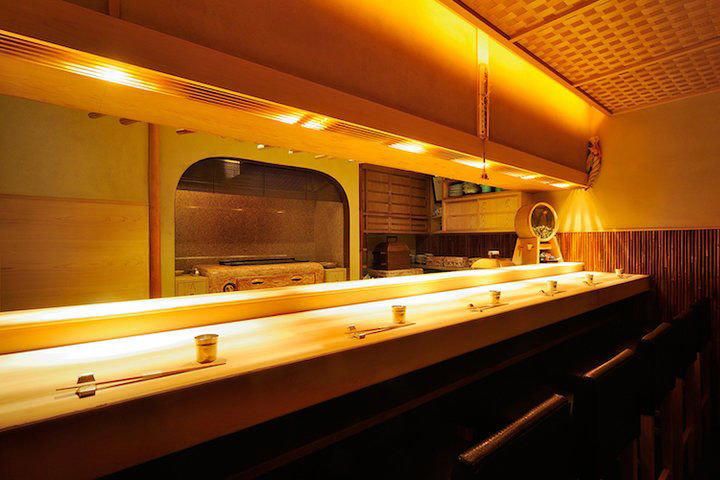
Relaxing stylish space with minimalistic interior, open kitchen, and full moon-inspired lighting, offering a cozy hideaway atmosphere.