

Tabelog Bronze #83
Our verdict
Ginza kitafuku treats crab as a full kaiseki subject rather than a seasonal garnish, placing live-crab preparation inside Ginza’s high-spend private-room dining culture. The restaurant carries Tabelog Bronze recognition for 2026, a 3.88 Tabelog score, and OAD Recommended status in its 2026 Japan restaurant list, making it a serious address for travelers tracking Tokyo seafood beyond sushi counters.

Pearl is the En Primeur Club membership app, where members save venues, book tables and use the concierge.
The menu
What to order
- Red King Crab Course
- King-size Hair Crab Course
- Live Hairy Crab and King Crab Course
- Sea Urchin & Crab Course
- Matsuzaka Beef & Crab Course
Ginza’s upper floors are part of the district’s dining grammar: polished elevators, narrow landings, hushed rooms, and the sense that the serious eating happens above street level rather than in full view. In that setting, crab kaiseki has a different rhythm from sushi or tempura. The drama is not the speed of a counter handoff; it is the controlled dismantling of a prized crustacean, the meal structured around one ingredient and its changing textures, temperatures, and preparations.
Tokyo’s seafood conversation is often dominated by tuna, uni, and counter sushi, but crab sits in a colder, more seasonal register. Japan’s appetite for kani draws cultural weight from northern waters, especially the cold seas associated with Hokkaido and the Sea of Japan, where snow crab, king crab, and hairy crab are treated less as luxury garnish than as the reason for the meal. In Ginza, that northern seafood tradition is filtered through private-room service, formal pacing, and a bill level that places the category squarely in special-occasion dining.
Crab kaiseki shifts the focus from counter speed to ingredient control
Ginza kitafuku is useful because it clarifies what crab kaiseki asks of a diner. The format is narrower than a broad seafood tasting menu and more ceremonious than a casual kani specialist. The point is concentration: one animal, broken down across a sequence, with the kitchen’s work visible enough to make preparation part of the evening without turning the room into theatre for its own sake. Tabelog classifies the cooking across crab, Japanese cuisine, and suppon, which places the restaurant in a traditional Japanese luxury register rather than a modern seafood-bar lane.
That focus matters in Tokyo because the city’s premium dining economy rewards specialization. Sushi counters compete on sourcing, rice temperature, aging, and chef lineage. Tempura rooms compete on oil, batter, and timing. Crab houses compete on procurement and handling, and that is a more volatile business: crab pricing changes sharply with season, catch, and market conditions. A course built around crab cannot hide weak product behind breadth. The ingredient carries the meal.
The restaurant’s recognition reinforces that category position without needing Michelin shorthand. It holds The Tabelog Award 2026 Bronze and a 3.88 Tabelog score, following Bronze recognition across multiple prior years. Opinionated About Dining also lists it in the 2026 Japan Recommended selection, after ranked appearances in earlier OAD Japan lists. Those signals point to a restaurant with sustained domestic and international attention, not a recent social-media spike.
Ginza private-room dining suits the economics of live crab
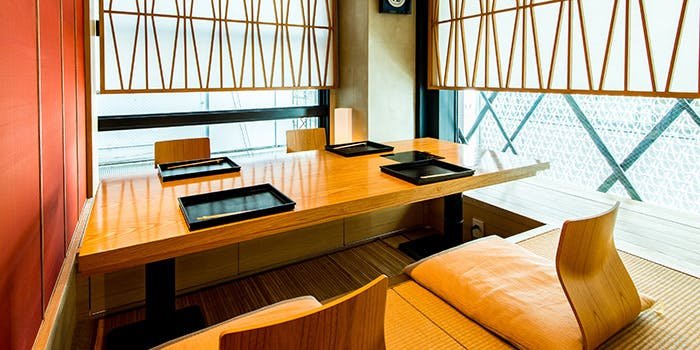
Crab kaiseki also fits Ginza’s preference for controlled rooms. The restaurant runs 16 seats across three private rooms, a small footprint that suits diners who want seafood ceremony without the exposure of a counter. Private rooms for two, four, six, and eight people change the social meaning of the meal: this is a format for business dinners, family occasions, and travelers who want a quiet, ingredient-led dinner rather than the public choreography of omakase.
Chef Keitaro Suzuki’s name gives the page a human anchor, but the stronger story is the discipline of the category. Live-crab restaurants depend on the intersection of sourcing, timing, and service pace. The preparation has to preserve sweetness and texture across multiple courses, while the room has to keep the diner’s attention on a single marine product for the length of a formal meal. That is harder than a varied tasting menu, where novelty can reset the palate every few minutes.
The drinks program follows the expected Japanese seafood logic: sake, shochu, and wine are listed, which gives the room enough range for saline, sweet, and richer crab preparations without forcing a single pairing lane. The restaurant is non-smoking, children are accepted, and children’s meals are listed for guests under 10, details that make the private-room format more flexible than many Ginza luxury rooms. That said, the dining style remains formal in price and pacing, so the practical question is less whether families are allowed and more whether the group wants a long, ingredient-specific meal.
How to place it within a Tokyo food itinerary
For travelers building a Tokyo dining plan, this is not a substitute for sushi, yakitori, or kappo. It occupies a colder-water, provenance-driven lane: the meal is about crab as a Japanese luxury ingredient, handled through kaiseki structure in Ginza. That makes it a sharper choice for diners who have already done the obvious Tokyo counter formats and want a seafood dinner with a different center of gravity.
The wider city itinerary should balance that intensity. Akihabara’s charcoal and tuna side can be explored through . 鮪と炭火焼き うお炭 秋葉原店, while Shinjuku gives a more urban casual contrast at 12/10 Shinjuku ten. For skewers and neighborhood rhythm, 124. KAGURAZAKA (Yakitori) sits in a different Japanese dining tradition, and lighter Tokyo stops such as 2D Cafe or 3 Chome no Curry Ya San help reset the itinerary between high-commitment meals.
Use the broader city guides to keep the meal in context rather than treating it as an isolated reservation. Our full Tokyo restaurants guide maps the city’s dining range, while Our full Tokyo hotels guide, Our full Tokyo bars guide, Our full Tokyo wineries guide, and Our full Tokyo experiences guide help place Ginza within a broader stay. For Japan-wide contrasts, compare regional comfort and specialist formats through -Grilled beef Sukiyaki- KAMAKURA TANUKIAN 鎌倉 たぬき庵 in Kamakura.cafe in Osaka.know in Kumamoto, (Shoku) Vietnam in Kawasaki, [Curry Senmon Ten] Maruyama Kyoju. in Sapporo, and [ki:] in Kyoto. Outside Japan, Jōdo Saké Bar in Los Angeles and Onigiri Time in Pasadena show how Japanese food culture translates when provenance and format shift across the Pacific.
The editorial case is simple: Ginza kitafuku is for diners who want Tokyo seafood without defaulting to sushi. Its value lies in concentration, private-room pacing, and a crab-first structure that makes northern-water luxury feel central rather than decorative. In a city dense with high-price counters, that narrower focus is the reason to pay attention.
Frequently asked questions
How do I find Ginza kitafuku?
Ginza kitafuku is located in Tokyo.
When is Ginza kitafuku open?
Hours at Ginza kitafuku: Hours: Monday 5–11:30 pm Tuesday 5–11:30 pm Wednesday 5–11:30 pm Thursday 5–11:30 pm Friday 5–11:30 pm Saturday 5–11:30 pm Sunday 5–11:30 pm.
What's the cuisine at Ginza kitafuku?
Ginza kitafuku serves Crab House cuisine.
Who runs the kitchen at Ginza kitafuku?
The chef associated with Ginza kitafuku is Keitaro Suzuki.
What's Ginza kitafuku best at?
Its strongest case is crab kaiseki, served from a 16-seat room with three private rooms in Ginza, Tokyo. The restaurant also carries a 2026 Tabelog Bronze award and an OAD 2026 Recommended listing, which places it firmly in the conversation for serious crab dining.
Cost Snapshot
Comparable venues nearby, for context on price, style, and recognition.
| Venue | Cuisine | Price | Awards | Notes |
|---|---|---|---|---|
| Ginza kitafukuThis venue (the venue you are viewing) | Premium Hokkaido Crab Kaiseki | $200–300 | Tabelog Bronze #83 | Not listed |
| Suetomi | Classic Kaiseki | Not listed | Tabelog Silver #127 | Minato, Classic Kaiseki |
| Kaiseki Ohara | Traditional Kaiseki | $100–150 | Michelin Plate | Shinjuku, Traditional Kaiseki |
| Iyuki | Kyoto-style Kaiseki | $50–100 | Tabelog Silver #46 | Chūō, Kyoto-style Kaiseki |
| NANAHIRO | Modern Japanese Tasting Menu | $30–50 | Michelin Plate | Minato, Modern Japanese Tasting Menu |
| Tasogare | Modern Japanese Bistro with European Influences | $150–200 | Michelin Plate | Minato, Modern Japanese Bistro with European Influences |
Recognition history
Dated appearances from independent guides and award organizations, with the underlying list record or original source where available.
Opinionated About Dining Top Restaurants in Japan Recommended
Opinionated About Dining
Tabelog Bronze #83
Tabelog
Full recognition history (6 entries)
Opinionated About Dining Top Restaurants in Japan Ranked #270
Opinionated About Dining
Tabelog Bronze
Tabelog
Opinionated About Dining Top Restaurants in Japan Ranked #266
Opinionated About Dining
Opinionated About Dining Top Restaurants in Japan Recommended
Opinionated About Dining
Continue exploring
More in Tokyo
Restaurants in Tokyo
All restaurants in Tokyo →


Bars in Tokyo
All bars in Tokyo →



Details
- Elegant
- Intimate
- Sophisticated
- Quiet
- Special Occasion
- Celebration
- Date Night
- Business Dinner
- Private Event
- Private Dining
- Open Kitchen
- Chefs Counter
- Sake Program
- Extensive Wine List
- Sustainable Seafood
- Local Sourcing
- Tasting Menu
- Set Menu
- Counter Dining
- Sake
- Wine
- Shochu
- Pescatarian Friendly
- Allergy Accommodating
Current opening hours
- Monday
- 5–11:30 PM
- Tuesday
- 5–11:30 PM
- Wednesday
- 5–11:30 PM
- Thursday
- 5–11:30 PM
- Friday
- 5–11:30 PM
- Saturday
- 5–11:30 PM
- Sunday
- 5–11:30 PM
Hours can change for holidays and private events. Hours as of .
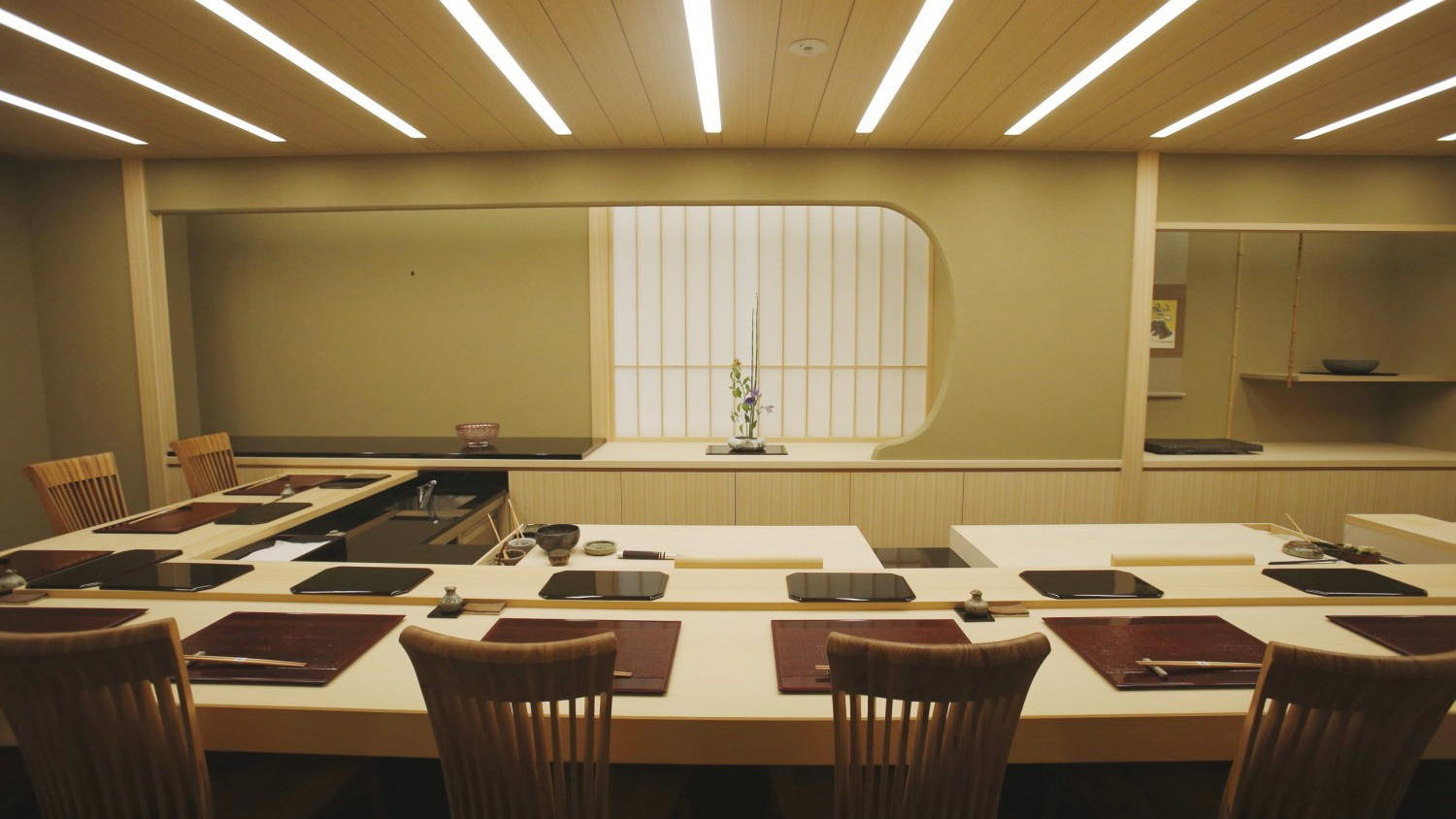
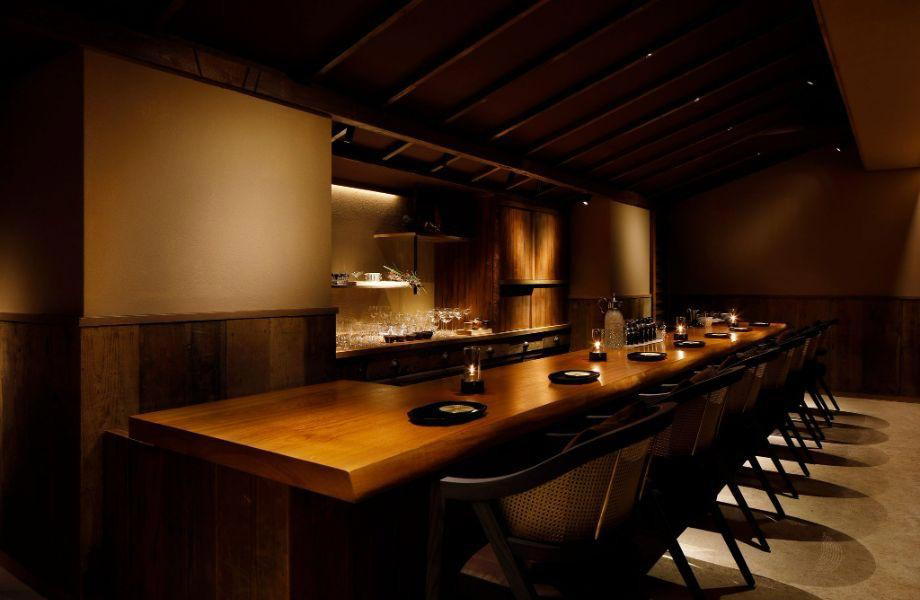
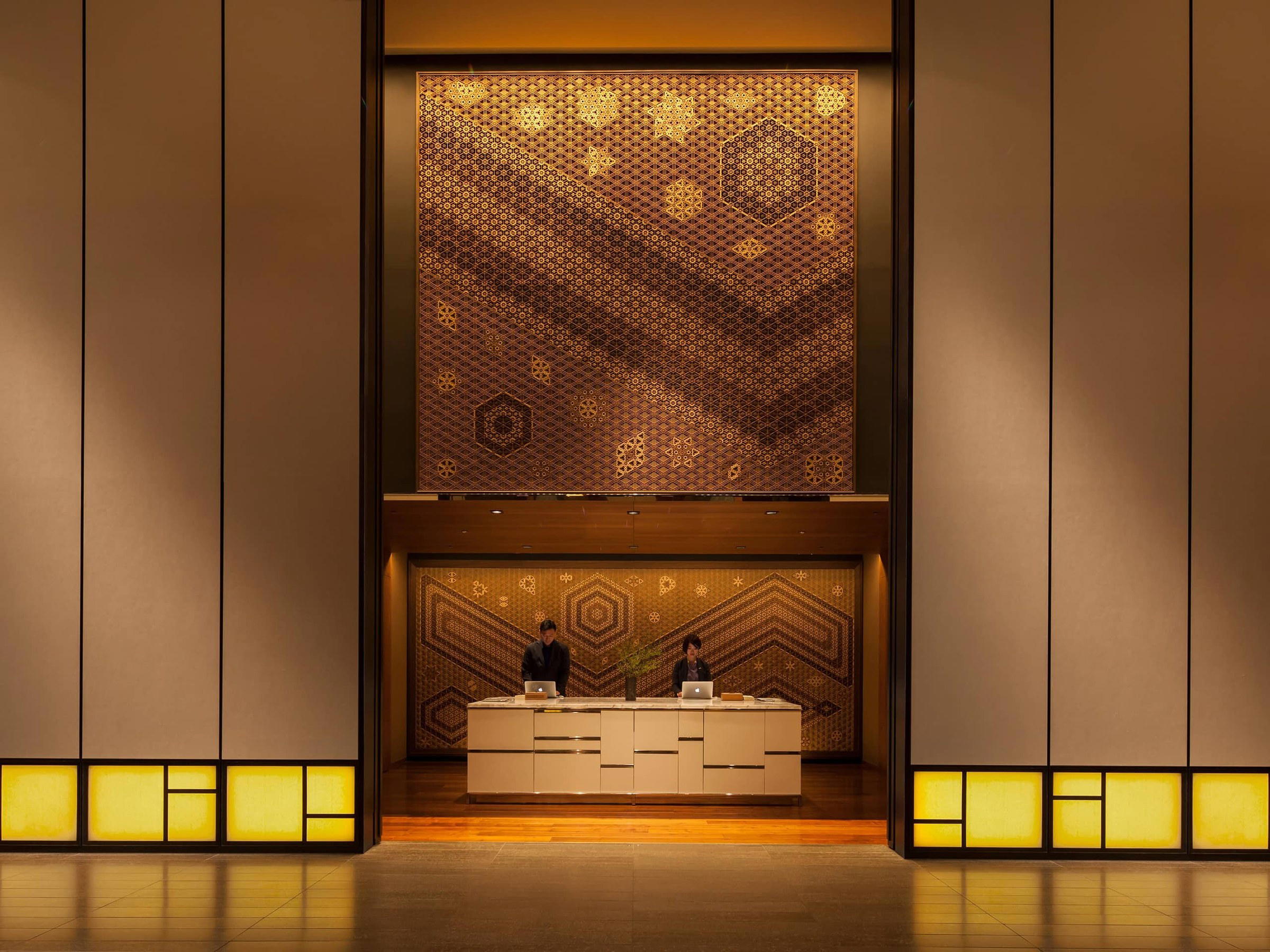
Serene and refined with smooth timber, soft diffused lighting, and an elegant counter framing the chef's performance; designed for intimate conversation and quiet wonder with no superfluous artifice.