

Tabelog Bronze #98
Our verdict
An eight-seat counter in Motoakasaka that has earned Tabelog Silver and Bronze recognition continuously since 2017 and appeared in Opinionated About Dining's Japan rankings through 2025. Dinner runs JPY 50,000–59,999 and operates six evenings a week, Sunday closed. The format is counter-only omakase with no private rooms, phone prohibited at the table, and sake as the primary drink pairing.

Pearl is the En Primeur Club membership app, where members save venues, book tables and use the concierge.
The menu
What to order
- Anago Nigiri
- Chutoro Nigiri
- Otoro Nigiri
- Kohada
- Abalone
A Counter That Asks for Your Full Attention
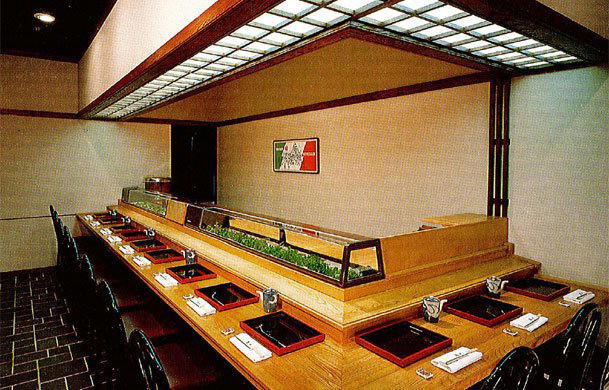
Motoakasaka sits at the quieter edge of the Akasaka district, close enough to the political and corporate density of central Minato to draw that clientele, yet a seven-minute walk from Akasaka-mitsuke Station separates it from street-level foot traffic. The ground floor of Royal Akasaka Saloon is not signposted the way tourist-facing restaurants are. You arrive because someone told you to, or because you already know the Tabelog score. That arrangement suits the format: an eight-seat counter, no private rooms, no parallel dining room, and a rule against mobile phones once you sit down. The city disappears at the door.
This kind of compression, a single counter, a single seating, a single chef directing every stage of service, is what serious Tokyo omakase has always been at its furthest extreme. It differs from the larger kaiseki counters that seat twelve or fifteen with a support team filling in sections of the meal, and it differs from the high-volume operations that run two seatings nightly. At eight seats, the kitchen and the dining room are the same room, and the pacing of the meal belongs to the chef.
Where Hashiguchi Sits in the Tokyo Omakase Tier
Tokyo's premium sushi counter market is not uniform. It stratifies by Tabelog score, by Michelin star count, by access model, and by price bracket. Hashiguchi, operating under chef Toshiro Hashiguchi since opening in November 2011, has accumulated Tabelog recognition continuously across nearly a decade: Silver awards in 2017, 2018, 2019, 2021, and 2022; Bronze in 2020, 2023, 2024, 2025, and 2026; and selection to the Tabelog Sushi Tokyo "100" list in 2021, 2022, and 2025. The Tabelog score as of 2026 sits at 4.10. Opinionated About Dining placed the restaurant at #141 in Japan in 2025 and #140 in 2024, with a Highly Recommended citation in 2023.
That award arc, consistent Tabelog Silver and Bronze across eight years with repeat Tabelog 100 inclusions, locates Hashiguchi in the tier below the highest-profile three-Michelin-star counters, but well within the stratum that serious Tokyo sushi visitors treat as a primary destination rather than a backup option. Counters like Harutaka and Sushi Kanesaka operate with Michelin recognition and similar intimacy of format; Sukiyabashi Jiro Roppongiten carries three Michelin stars and a different kind of cultural weight. Hashiguchi's peer position is defined by sustained Tabelog authority rather than Michelin classification, which in Tokyo's sushi world represents a coherent and respected alternative ranking system with a larger domestic review base.
The dinner price of JPY 50,000–59,999 per person places this counter at the same bracket as many three-Michelin-star omakase experiences in the city. Guests are not paying a premium for a famous address or a celebrity chef's media profile; they are paying for access to a counter with a documented track record across consecutive award cycles. Other serious Tokyo sushi counters worth knowing at adjacent price points include Edomae Sushi Hanabusa and Hiroo Ishizaka, each operating within the same framework of intimate, fish-focused counter service.
The Structure of the Meal
Omakase at this level does not present a printed menu. The progression is constructed by the kitchen, and at a counter this small, every element of pacing is deliberate. The Tabelog record notes the kitchen as being particularly attentive to fish sourcing, a standard that at this price and this seat count suggests careful market relationships rather than a standing commodity order. Sake (nihonshu) is the listed drink, aligning the counter with a specifically Japanese pairing logic rather than the wine-heavy format some international visitors expect.
The tasting arc at a counter like this typically moves from lighter, cleaner preparations toward richer, more aged or fermented material, following the Edomae tradition of building intensity across a sequence rather than distributing it evenly. Early courses establish the knife work and rice temperature as reference points; mid-sequence nigiri begins to use aged or cured fish alongside fresh market cuts; the close of the meal usually arrives at something fatty, something vinegared, or a tamago that signals the kitchen's foundational craft. None of that sequencing is confirmed specifically for Hashiguchi from the venue data, but it describes the tradition this counter operates within.
The counter-only format, with no private rooms and no telephone use permitted at the table, sets a particular behavioral contract. This is not a venue for a working dinner or a celebration that needs to stay connected to the outside world. The prohibition on mobile phones at the counter is the rule that makes the format legible: the meal is the event.
Getting There and Booking
Address is 1 Chome-5-20 Motoakasaka, Minato City, the ground floor of Royal Akasaka Saloon. Access is approximately a seven-minute walk from Akasaka-mitsuke Station. Reservations are available and required given the eight-seat capacity; the contact number is 03-3478-3588. The restaurant carries no official website, which is consistent with the local, repeat-clientele model that high-end Tokyo sushi counters often operate on. Credit cards are accepted (Visa, Mastercard, JCB, Amex, Diners); electronic money and QR code payments are not. The restaurant is non-smoking throughout and has no parking on site.
Hours run Monday through Saturday, 6pm to 10pm; closed Sunday and public holidays. A single dinner seating in that window, at a per-person spend of JPY 50,000–59,999, means the practical planning question is simply whether you can secure a reservation. The absence of a walk-in option at a counter this size is not a policy quirk but a structural reality.
How It Compares Logistically to Nearby Peer Counters
| Venue | Cuisine | Seats | Price Range (Dinner) | Michelin | Tabelog Award (2026) |
|---|---|---|---|---|---|
| Hashiguchi | Sushi | 8 | JPY 50,000–59,999 | Not listed | Bronze / Score 4.10 |
| Harutaka | Sushi | Small counter | ¥¥¥¥ | 3 Stars | — |
| Sushi Kanesaka | Sushi | Small counter | ¥¥¥¥ | — | |
| Edomae Sushi Hanabusa | Sushi | Small counter | ¥¥¥¥ |
Tokyo, Elsewhere in Japan, and the Region
For visitors building a broader Japan itinerary around serious dining, the omakase counter tradition does not exist in isolation. HAJIME in Osaka and Gion Sasaki in Kyoto represent the equivalent concentration of formal cooking attention in their respective cities, while akordu in Nara, Goh in Fukuoka, 1000 in Yokohama, and 6 in Okinawa each demonstrate how Japan's premium dining energy extends well beyond the Tokyo metropolitan area. For those interested in how Tokyo-trained omakase sushi has translated to other Asian cities, Sushi Shikon in Hong Kong and Shoukouwa in Singapore are the most discussed reference points.
Within Tokyo, the full scope of dining, drinking, and hotel options is covered across our guides: our full Tokyo restaurants guide, our full Tokyo hotels guide, our full Tokyo bars guide, our full Tokyo wineries guide, and our full Tokyo experiences guide.
Frequently asked questions
What's the signature dish at Hashiguchi?
What the record does confirm is that the kitchen places particular emphasis on fish sourcing, which at this price and seat count signals careful selection from premium market sources rather than a fixed house specialty. The Edomae tradition Hashiguchi operates within means the emphasis is on nigiri progression and rice craft rather than a single showpiece item. The Tabelog score of 4.10, sustained Tabelog Silver and Bronze recognition from 2017 through 2026, and repeated Tabelog Sushi Tokyo 100 selection indicate a counter where the overall sequence, not one course, is the argument. Chef Toshiro Hashiguchi has run this counter since its November 2011 opening, and the consistency of that award record across a decade reflects accumulated kitchen discipline rather than any single preparation.
What It’s Closest To
Comparable venues nearby, for context on price, style, and recognition.
| Venue | Cuisine | Price | Awards | Notes |
|---|---|---|---|---|
| HashiguchiThis venue (the venue you are viewing) | Edomae Sushi Omakase | $300–500 | Tabelog Bronze #98 | Not listed |
| Mikawa Zezankyo | Edo-style Tempura Omakase | $200–300 | Tabelog Bronze #274 | Kōtō |
| Ajiman | Fugu Specialist | $300–500 | Tabelog Silver #3 | Minato |
| Arakicho Kintsugi | Michelin-Recognized Seasonal Kaiseki Omakase | $100–150 | Michelin Plate | Shinjuku |
| Kaiseki Ohara | Traditional Kaiseki | $100–150 | Michelin Plate | Shinjuku |
| Ginza Adachi Naoto | Traditional Kaiseki Omakase | $150–200 | Michelin Plate | Chūō |
Recognition history
Dated appearances from independent guides and award organizations, with the underlying list record or original source where available.
Opinionated About Dining Top Restaurants in Japan Highly Recommended
Opinionated About Dining
Tabelog Bronze #98
Tabelog
Full recognition history (7 entries)
Opinionated About Dining Top Restaurants in Japan Ranked #141
Opinionated About Dining
Tabelog Bronze
Tabelog
Tabelog 100 #66 · No. 66
Tabelog · Tabelog 100 - Sushi - TOKYO - 2025
Opinionated About Dining Top Restaurants in Japan Ranked #140
Opinionated About Dining
Opinionated About Dining Top Restaurants in Japan Highly Recommended
Opinionated About Dining
Continue exploring
More in Tokyo
Restaurants in Tokyo
All restaurants in Tokyo →
Bars in Tokyo
All bars in Tokyo →





Details
- Minimalist
- Elegant
- Intimate
- Quiet
- Special Occasion
- Chefs Counter
- Sake Program
- Omakase
- Counter Dining
Current opening hours
- Monday
- 6–10 PM
- Tuesday
- 6–10 PM
- Wednesday
- 6–10 PM
- Thursday
- 6–10 PM
- Friday
- 6–10 PM
- Saturday
- 6–10 PM
- Sunday
- Closed
Hours can change for holidays and private events. Last verified .
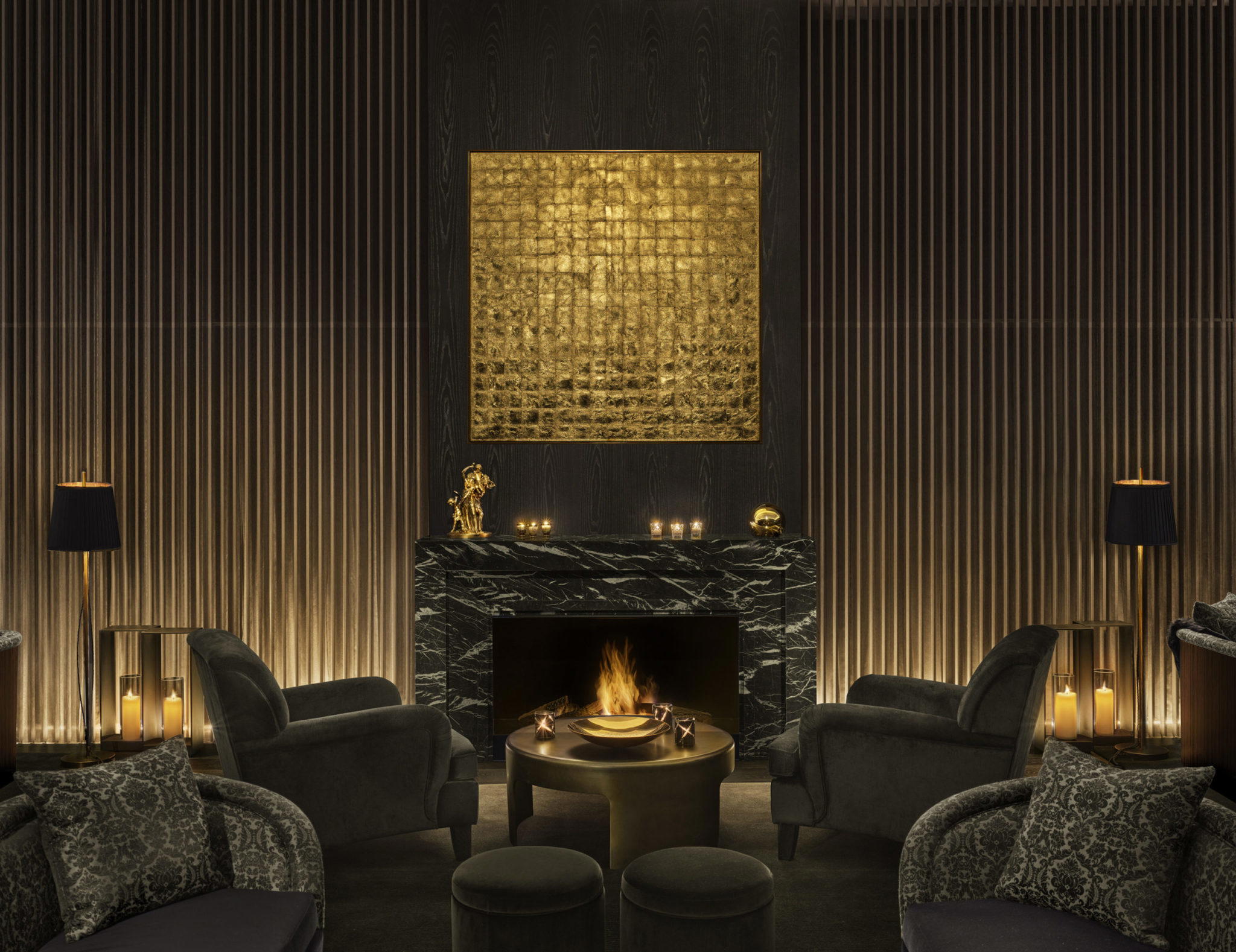
Minimalist Japanese design with a huge Hinoki wood counter, simplistic and elegant atmosphere, quiet and dignified with a sense of purification.