

Michelin Plate
Our verdict
A high-grade izakaya in Nishiazabu occupying the tier between kappo and ryotei, Tanakada Nishiazabuten brings Hakata dialect warmth and Rosanjin crockery to one of Tokyo's most quietly serious dining streets. Michelin Plate recognition in both 2024 and 2025, plus an Opinionated About Dining recommendation, confirm its position in the upper register of Tokyo's izakaya scene.

Pearl is the En Primeur Club membership app, where members save venues, book tables and use the concierge.
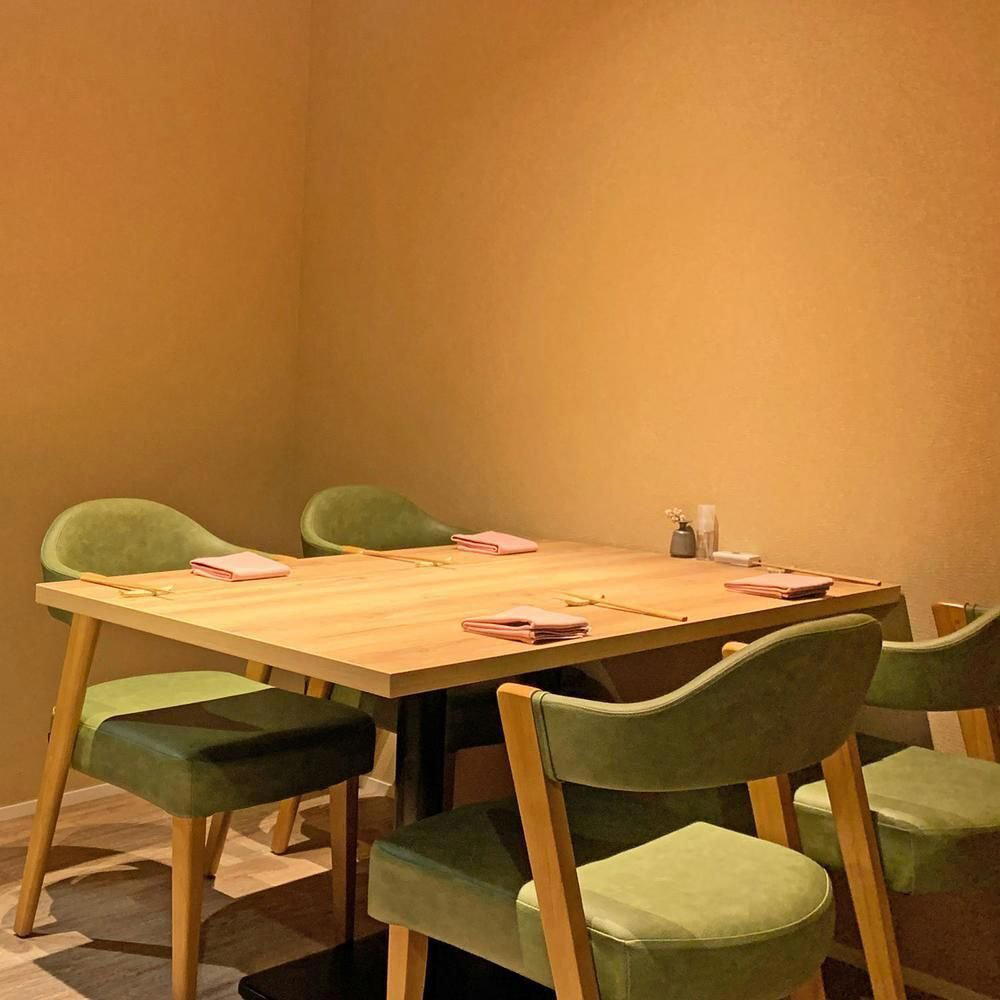
Nishiazabu has a particular kind of seriousness. The neighbourhood sits just west of Roppongi's noise, and the restaurants that line its back streets tend not to announce themselves loudly. They earn their reputations through the same channels that have always worked in Tokyo: word of mouth, repeat customers, and the gradual accumulation of critical recognition. Tanakada Nishiazabuten, on the ground floor of a low-rise building at 2 Chome-2-2 NK Aoyama Homes, belongs to that pattern. The address is residential-adjacent, the kind of spot that rewards the visitor who already knows where they're going.
Between Kappo and Ryotei: An Izakaya That Plays Its Own Game
Tokyo's izakaya scene covers a wide range. At one end, standing bars and chain formats serve quick pours and grilled skewers to the after-work crowd. At the other, a small number of high-grade establishments have borrowed the izakaya's social logic, eat what you want, as much as you want, drink alongside the food, and applied it with the material discipline of a much more formal genre. Tanakada Nishiazabuten sits in the latter tier, positioned by its own award record as a step above kappo but short of ryotei formality. That gap is meaningful. Kappo demands a certain technical performance at the counter; ryotei wraps the meal in ceremony and seasonal kaiseki structure. The high-grade izakaya in between offers something neither does cleanly: informed casualness, serious ingredients, and permission to eat without a script.
For context on how different izakaya formats read across Japan's cities, Benikurage in Osaka and Berangkat in Kyoto operate in adjacent registers, each adapting the format to their city's particular hospitality culture.
Rosanjin Crockery, Showa Coasters, and the Register They Set
The first signal of the register at Tanakada Nishiazabuten is the crockery. Rosanjin ware, associated with the early twentieth-century artist-chef Kitaoji Rosanjin, who produced ceramics specifically to serve food at its finest, appears here as a material statement about how seriously the kitchen takes presentation. Rosanjin believed that the vessel and the dish were inseparable; using his work in a contemporary izakaya context is a deliberate alignment with that philosophy, not a decorative choice. Alongside it, retro Showa-era coasters introduce a counterpoint: the playfulness that keeps the atmosphere from tipping into self-importance. That interplay, between authenticity and wit, defines the room's tone before the first dish arrives.
The menu text reinforces the approach. Where many high-grade Japanese restaurants present their menus with minimal annotation, leaving the diner to ask or simply trust, the menu here carries descriptions that actively entice. And when chef Tadaaki Tanaka calls out "Tabetenshai", Hakata dialect for something close to "eat what you like", the effect is deliberate. Hakata, the merchant district of Fukuoka, has a hospitality culture built around directness and generosity. Importing that dialect into a Nishiazabu dining room does specific cultural work: it signals where the kitchen's warmth comes from, and it gives the guest permission to be greedy without embarrassment.
Fukuoka's dining scene, if you want the source material, is explored through venues like Hakata Hotaru, Hakata Issou, and Goh in Fukuoka.
What the Award Record Confirms
Tanakada Nishiazabuten holds Michelin Plate recognition for both 2024 and 2025 and an Opinionated About Dining recommendation for 2023. The Michelin Plate, in Tokyo's context, is not a consolation signal. The guide's Japan coverage is among the densest in the world, and inclusion at any level requires consistent kitchen quality. The OAD recommendation adds a different dimension: that database skews toward serious food enthusiasts and professional critics, and its Japan list is competitive enough that a recommendation carries weight.
Across the city's full dining range, the contrast is clear. Venues like Ginza Shimada and Ginza Nominokoji Yamagishi operate at the formal end of the spectrum, while Daikanyama Issai Kassai represents another angle on the city's premium casual registers. Tanakada Nishiazabuten competes with none of those directly; it occupies its own lane.
The Nishiazabu Neighbourhood Logic
The neighbourhood matters to how this restaurant functions. Nishiazabu, more than Ginza or Roppongi Hills, attracts a crowd that is already self-selecting for quality. The area's residential character means the restaurants here serve regulars, and regulars in this postcode tend to know what they're paying for. A high-grade izakaya at ¥¥¥ pricing (a mid-to-upper tier by Tokyo standards, a category below the ¥¥¥¥ occupied by venues such as RyuGin or L'Effervescence) is not undercutting the market. It is pricing into an informed local clientele that values the format's flexibility over the rigidity of kaiseki or the theatre of a tasting menu counter.
That positioning makes Tanakada Nishiazabuten a different kind of destination than the foreign-facing fine dining addresses that dominate Tokyo's international press. It is not engineered for the once-a-trip visit. It is built for the kind of evening where you sit down, order across the menu, and stay as long as the food and drink justify it. The courteous staff, noted consistently in the venue's recognition record, are part of that proposition.
Planning Your Visit
Tanakada Nishiazabuten is located at 2 Chome-2-2 NK Aoyama Homes, Nishiazabu, Minato City, Tokyo. The price point at ¥¥¥ positions it in a range that reflects the ingredient quality and service level without extending to the top tier of Tokyo fine dining. Reservations are advisable given the neighbourhood's demand dynamics and the venue's sustained award recognition; the restaurant's profile as a locals' favourite means tables fill from within the regular customer base. Given its Michelin Plate status and OAD presence, international visitors should treat advance planning as standard. For broader planning across the city, see our full Tokyo restaurants guide, our full Tokyo hotels guide, our full Tokyo bars guide, our full Tokyo wineries guide, and our full Tokyo experiences guide. For reference points elsewhere in Japan, HAJIME in Osaka, Gion Sasaki in Kyoto, akordu in Nara, 1000 in Yokohama, and 6 in Okinawa each represent the premium dining registers of their respective cities.
Frequently asked questions
Where is Tanakada Nishiazabuten in Tokyo?
Tanakada Nishiazabuten is located at Japan, 〒106-0031 Tokyo, Minato City, Nishiazabu, 2 Chome−2−2 NK 青山ホームズ 1F, Tokyo.
Is Tanakada Nishiazabuten Michelin-listed?
Tanakada Nishiazabuten has received recognition including: From the Rosanjin crockery to the retro Showa-era coasters, Tadaaki Tanaka’s restaurant is an interplay between authenticity and playfulness. The comments on the menu are easy to understand, enticing with delicious descriptions. When the ch….
What's the best thing to order at Tanakada Nishiazabuten?
The menu is written to guide you through the choices, with annotations described as actively enticing rather than neutral listings. Chef Tadaaki Tanaka's Hakata-dialect call of 'Tabetenshai!' sets the tone: order what appeals and follow the menu's own cues. The ¥¥¥ price point places this above a standard izakaya, so the kitchen is operating at a level where most choices on the card are worth exploring.
What should I budget for a meal at Tanakada Nishiazabuten?
Pricing at Tanakada Nishiazabuten is listed as ¥¥¥.
How hard is it to get a table at Tanakada Nishiazabuten?
Tanakada Nishiazabuten holds Michelin Plate recognition for both 2024 and 2025 alongside an Opinionated About Dining recommendation for 2023, which sustains consistent demand from a self-selecting Nishiazabu crowd. Reservations are advisable well in advance, particularly for evenings. No booking phone or online system is listed publicly, so approaching via the restaurant directly or through a concierge is the practical route.
A Tight Comparison
| Venue | Cuisine | Price | Awards | Notes |
|---|---|---|---|---|
| Tanakada NishiazabutenThis venue (the venue you are viewing) | High-end Hakata Izakaya | $100–150 | Michelin Plate | Not listed |
| Harutaka | Edo-Style Omakase Sushi | $200–300 | 3 Michelin Stars · World's 50 Best #76 | Sushi |
| RyuGin | Modern Kaiseki | $500+ | 3 Michelin Stars · World's 50 Best #41 | Kaiseki, Japanese |
| L'Effervescence | Modern French with Japanese Influences | $200–300 | 3 Michelin Stars · World's 50 Best #69 | French |
| HOMMAGE | Modern French with Japanese Influences | $150–200 | 2 Michelin Stars · World's 50 Best #78 | Innovtive French, French |
| MAZ | Innovative Peruvian-Japanese Fusion | $150–200 | 2 Michelin Stars · World's 50 Best #28 | Innovative |
Recognition history
Dated appearances from independent guides and award organizations, with the underlying list record or original source where available.
Michelin Plate
Michelin
Opinionated About Dining Top Restaurants in Japan Recommended
Opinionated About Dining
Full recognition history (5 entries)
Michelin Plate
Michelin
Michelin Plate
Michelin
Opinionated About Dining Top Restaurants in Japan Recommended
Opinionated About Dining
Continue exploring
More in Tokyo
Restaurants in Tokyo
All restaurants in Tokyo →


Bars in Tokyo
All bars in Tokyo →





Details
- Elegant
- Sophisticated
- Intimate
- Date Night
- Business Dinner
- Group Dining
- Special Occasion
- Private Dining
- Sake Program
- A La Carte
- Small Plates
- Sake Program
Current opening hours
- Monday
- 5 PM–12 AM
- Tuesday
- 5 PM–12 AM
- Wednesday
- 5 PM–12 AM
- Thursday
- 5 PM–12 AM
- Friday
- 5 PM–12 AM
- Saturday
- 5 PM–12 AM
- Sunday
- 5 PM–12 AM
Hours can change for holidays and private events. Hours as of .
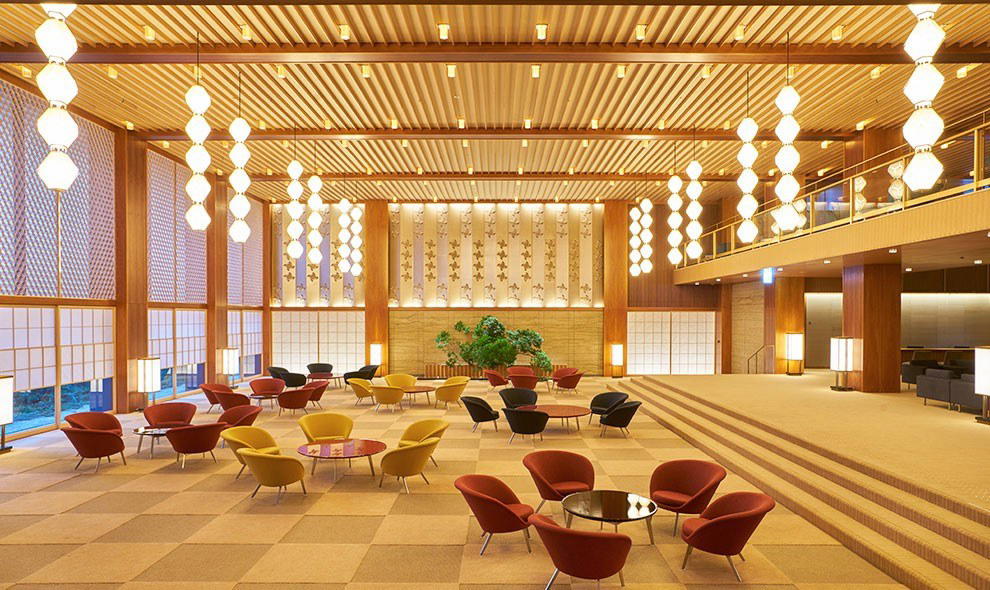
Upscale and refined atmosphere with spacious interior, Rosanjin crockery, retro Showa-era coasters, and a harmonious balance of traditional authenticity and modern sophistication.