

Hakata Issou is a consistently recognised izakaya in Fukuoka's Hakata Ward, ranked among Japan's top casual dining addresses by Opinionated About Dining in both 2024 and 2025. Open daily from 11am to midnight, it operates as a neighbourhood anchor rather than a destination restaurant, the kind of place where the city eats, not where tourists come to perform eating.
Pearl is the En Primeur Club membership app — saves, bookings, and concierge access live there. Same editors, same standards.
- Address
- 3 Chome-1-6 Hakataekihigashi, Hakata Ward, Fukuoka, 812-0013, Japan
- Phone
- +81 92-472-7739
- Website
- tabelog.com
- Directions
- Get directions
 Saves & bookings on Pearl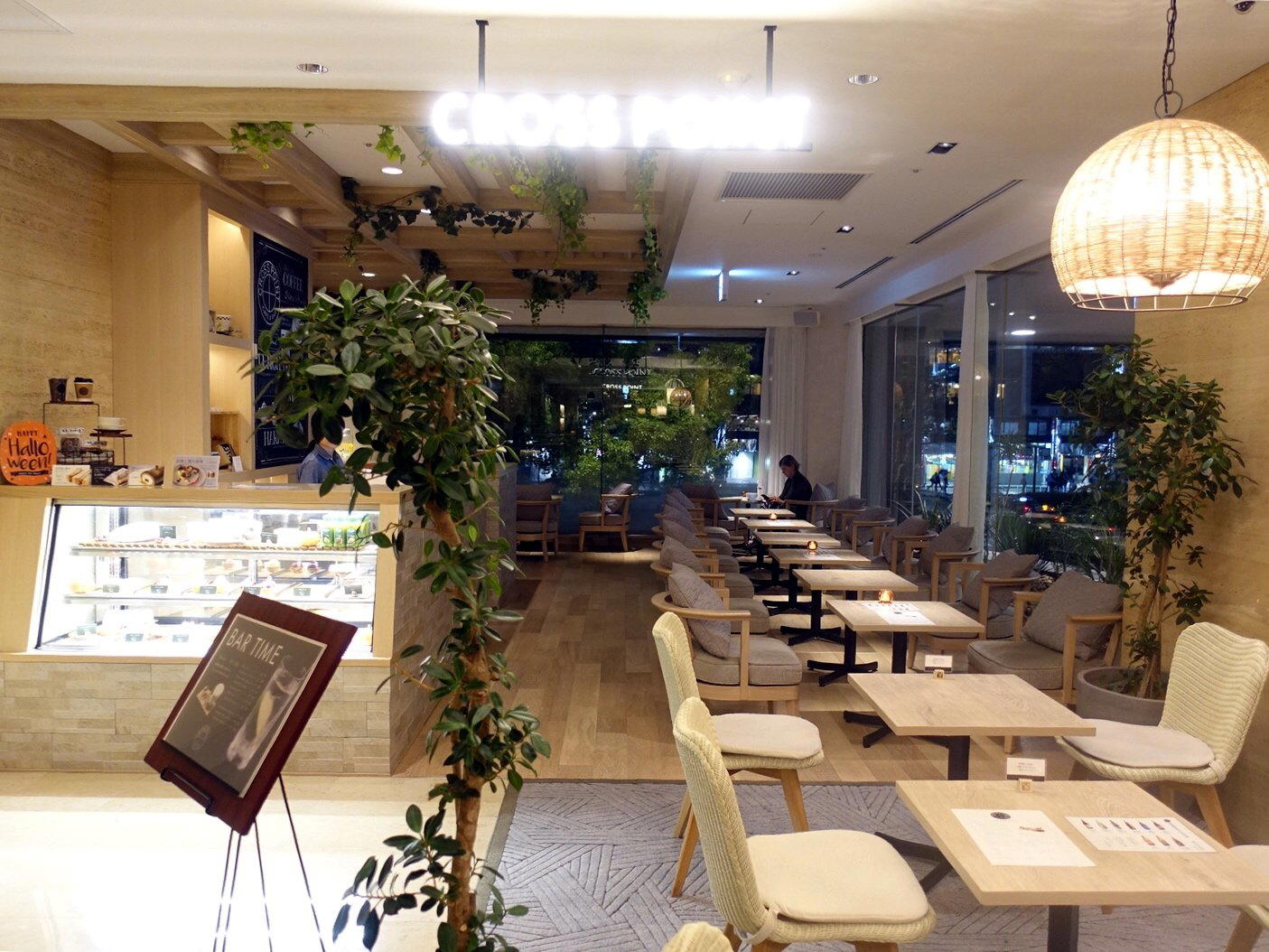
Hakata Ward After Dark: The Izakaya as Local Institution
Where Tokyo's dining identity is built on specialisation, the single-purpose counter, the omakase format, the tasting menu that demands full attention, Fukuoka's eating culture runs on convivial repetition. The izakaya is not a fallback here; it is the primary format. Hakata Issou operates squarely within that tradition, located in Hakataekihigashi, the working grid of streets east of Hakata Station where the city's residents eat on weeknights, not weekends reserved for occasion dining.
The address itself carries editorial weight. Hakataekihigashi is not the tourist-facing side of the station precinct. It is the side with the commuters, the covered arcades, the ramen counters that have been open since before most contemporary food guides existed. An izakaya that holds its footing in this neighbourhood does so by serving the people who live and work nearby, not by cultivating an audience of first-time visitors. That dynamic shapes everything about how a place like this operates: the hours, the pace, the expectation that you will return.
What OAD Recognition Means for a Casual Venue
Opinionated About Dining's Casual Japan list operates differently from Michelin's framework. Where Michelin grades technical achievement and consistency of execution at the upper end of formality, OAD's casual tier is crowd-sourced from a self-selecting group of serious eaters who make a point of eating widely and critically. Recognition in 2025 and 2024 is a signal that the people who eat most deliberately in Japan keep returning to this address and recording it as significant.
That kind of recognition is harder to accumulate than a star. It requires consistency across multiple visits from multiple diners over multiple years, not a single polished service. Hakata Issou has maintained its position in consecutive years, which implies the kitchen and front-of-house are not coasting on an early reputation. For a casual format operating daily from 11am to midnight, that consistency carries its own weight as a credential. Benikurage in Osaka and Berangkat in Kyoto represent comparable izakaya-adjacent formats that have attracted similar critical attention in their respective cities.
The Izakaya Format and What It Demands of the Kitchen
The izakaya sits in an interesting competitive position relative to Japan's more formally celebrated dining formats. The comparison venues in Tokyo's upper tier represent a different mode entirely. The izakaya makes no claim to that register. Its legitimacy comes from a different set of values: range over depth, approachability over ceremony, the ability to sustain a table for two hours of ordered-as-you-go eating without the sequence feeling arbitrary.
That format demands a kitchen that can hold quality across a broad menu under continuous service pressure. The OAD casual ranking rewards exactly this: not the single extraordinary dish, but the reliable execution of a wide card across a full evening. In the context of Hakata specifically, where food culture is both intensely local and intensely competitive, the city's ramen, mentaiko, and yakitori traditions each have their own demanding standards, an izakaya that earns national recognition is doing something technically and editorially noteworthy.
Hakata Station's Eastern Flank: Reading the Neighbourhood
The streets of Hakataekihigashi function as a barometer for how Fukuoka actually eats. This is not the curated restaurant district of Nakasu or the self-conscious food culture of Daimyo. It is denser, more transactional, and more honest about its purpose.
In this context, the izakaya-as-neighbourhood-anchor framing matters. Hakata Issou's operating hours, 11am to midnight every day of the week, align with how a venue serves a community rather than curates an experience. It is open when the lunch crowd spills out of offices, open when the evening commute ends, open late enough to function as the second or third stop of a night. That temporal breadth is a structural commitment to the people who live nearby. Goh in Fukuoka operates in a different register entirely, formal, tasting-menu-led, destination-facing, and the two venues are not in competition. They represent different answers to the same city's appetite.
Positioning Within Fukuoka and Across Japan
Fukuoka's broader dining scene has attracted growing critical attention over the past decade as food media has expanded its coverage beyond Tokyo and Osaka. HAJIME in Osaka and Gion Sasaki in Kyoto represent the formal end of Kansai dining; akordu in Nara and 6 in Okinawa demonstrate how smaller Japanese cities are developing distinct dining identities. The restaurant's national OAD ranking places it in conversation with this broader map of serious eating outside Tokyo, where the casual format is often where the city's actual food identity lives most clearly.
Within Tokyo's own izakaya tradition, venues like Daikanyama Issai Kassai and Hakata Hotaru represent the category's presence in the capital. Ginza Nominokoji Yamagishi and Ginza Shimada operate in adjacent Japanese dining traditions in Ginza, while Kan Coffee Fujifuji represents an entirely different register of casual but considered dining. For readers building an itinerary across the country, 1000 in Yokohama offers a further data point on how serious eating organises itself outside the capital. Our full Tokyo restaurants guide, alongside guides to hotels, bars, wineries, and experiences in Tokyo, provides broader context for planning across the region.
Planning Your Visit
| Detail | The restaurant | Formal Fukuoka peer (e.g. Goh) | Tokyo casual peer (e.g. The venue is within walking distance of Hakata Station. The thirteen-hour daily window means timing flexibility is high relative to most critically regarded Japanese venues, but arriving earlier in the evening is advisable given the volume of regular trade this neighbourhood generates.What to Order at Hakata IssouIn an izakaya format, this typically means a broad card covering grilled items, small plates, and drinking food suited to the shochu and beer that anchor Fukuoka's drinking culture. For specific current menu guidance, visiting the venue directly or checking recent diner reports through OAD's platform is one reliable approach. The awards data referenced here, OAD Casual Japan #23 in 2025, and the cuisine context of the Hakata izakaya tradition are the anchors for any ordering decision. |
|---|
Price and Recognition
Comparable venues nearby, for context on price, style, and recognition.
| Venue | Cuisine | Price | Notes |
|---|---|---|---|
| Hakata Issou | Hakata, Hakata-style Tonkotsu Ramen | $$ | Not listed |
| tonkatsu.jp表参道 | Omotesando, Premium Tonkatsu Specialist | $$ | Not listed |
| Kooriya Peace | Kichijoji, Japanese Kakigori Shaved Ice | $$ | Not listed |
| 鮨・四季創作 心陽 (こはる) | Not listed | $$ | Harajuku / Kita-Sando, Fresh Sushi & Seafood Bowls |
| Tengoku | Asakusa, Retro Japanese Cafe | $$ | Not listed |
| Hana Goori Kakigori | Not listed | $$ | Roppongi, Japanese Kakigori (Shaved Ice) |
Recognition history
Dated appearances from independent guides and award organizations, with the underlying list record or original source where available.
Opinionated About Dining Casual in Japan Ranked #22
Opinionated About Dining
Opinionated About Dining Casual in Japan Ranked #23
Opinionated About Dining
Tabelog 100 #55 · No. 55
Tabelog · Tabelog 100 - Ramen - WEST - 2025
Opinionated About Dining Casual in Japan Ranked #24
Opinionated About Dining
At a Glance
- Modern
- Cozy
- Intimate
- Casual Hangout
- Solo
- Late Night
- Open Kitchen
- Sake Program
- Local Sourcing
Current opening hours
- Monday
- 11 AM–12 AM
- Tuesday
- 11 AM–12 AM
- Wednesday
- 11 AM–12 AM
- Thursday
- 11 AM–12 AM
- Friday
- 11 AM–12 AM
- Saturday
- 11 AM–12 AM
- Sunday
- 11 AM–12 AM
Hours can change for holidays and private events. Last verified .
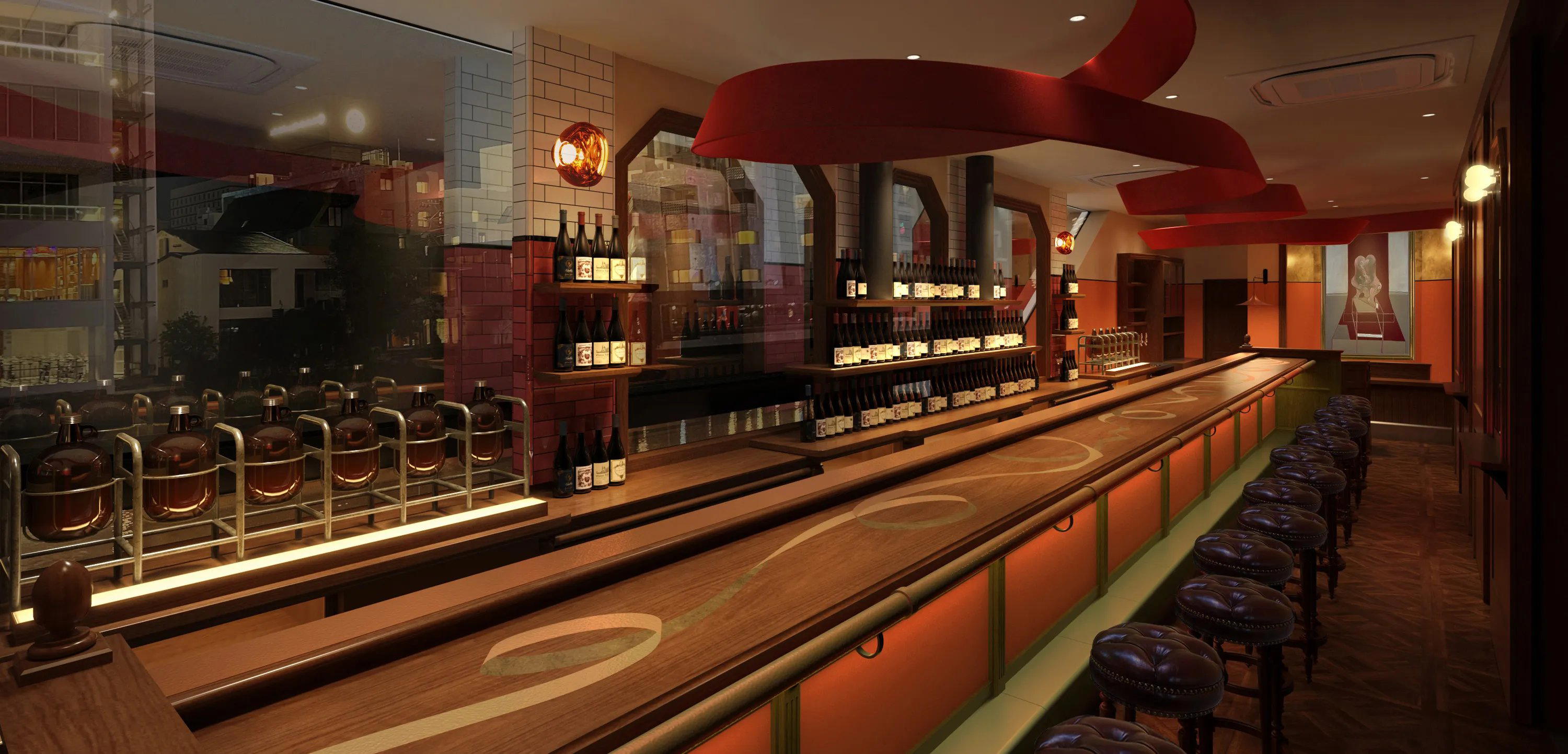
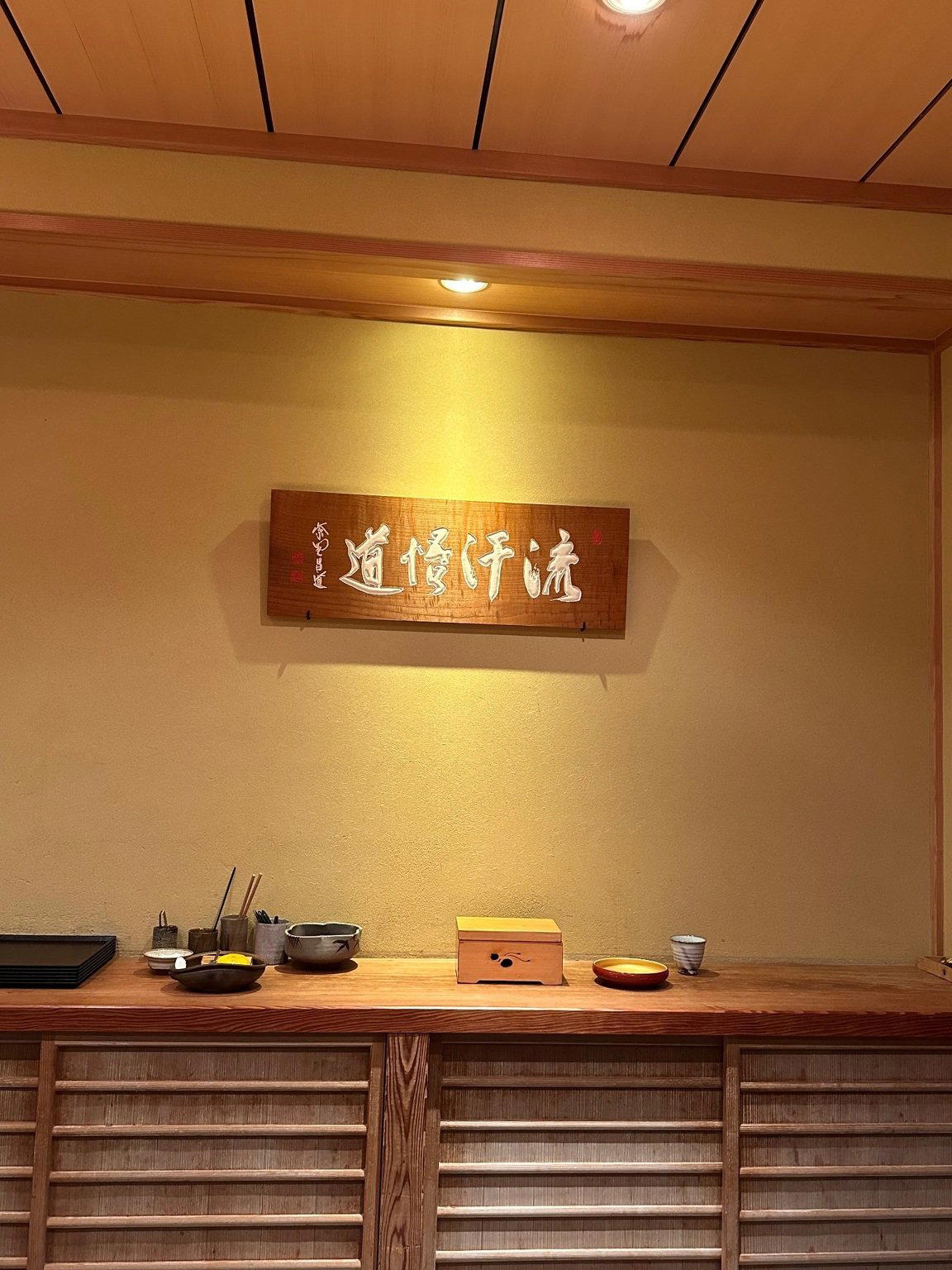
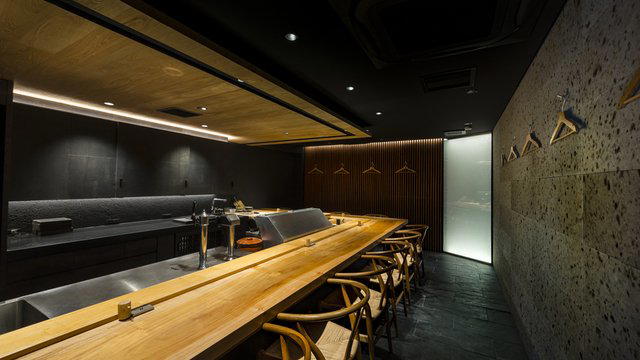
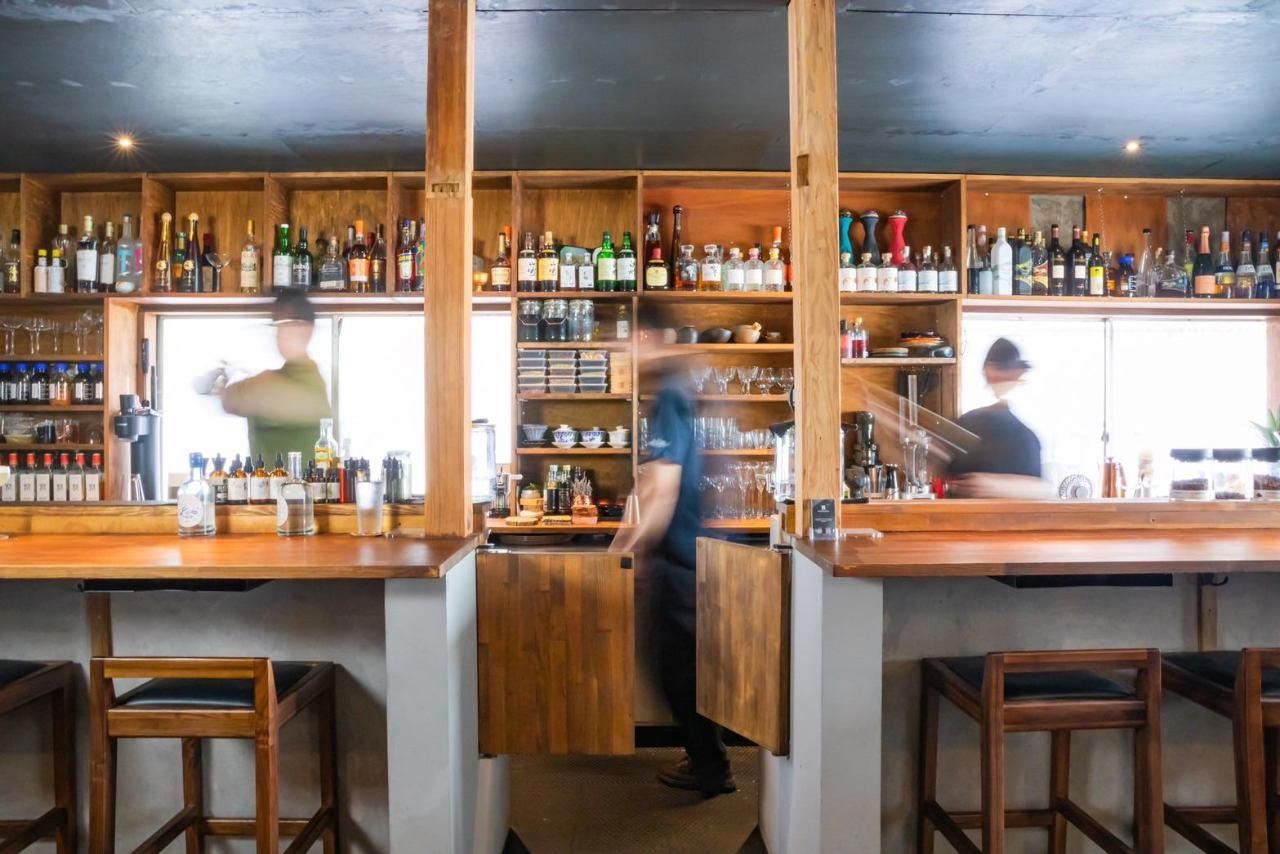
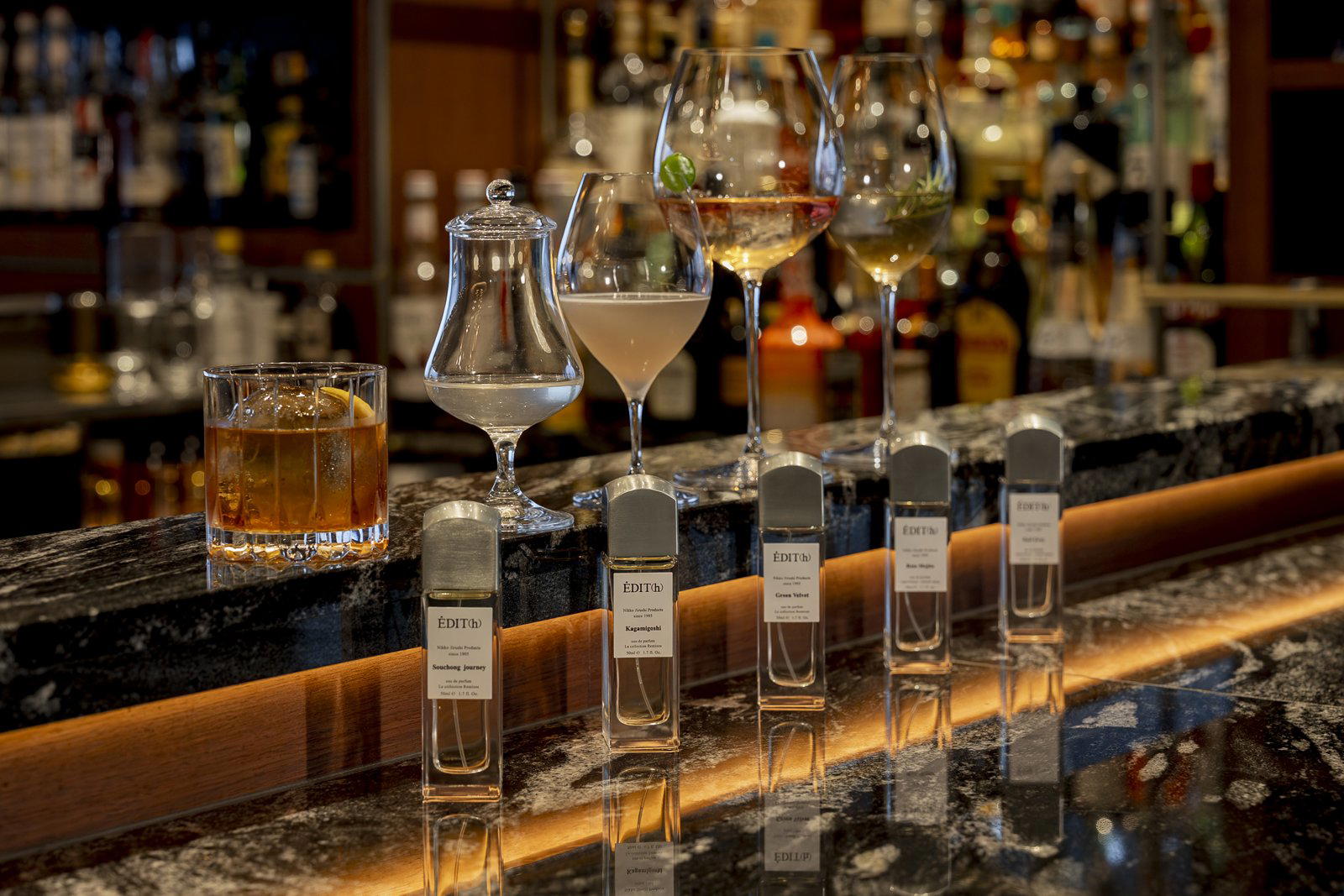
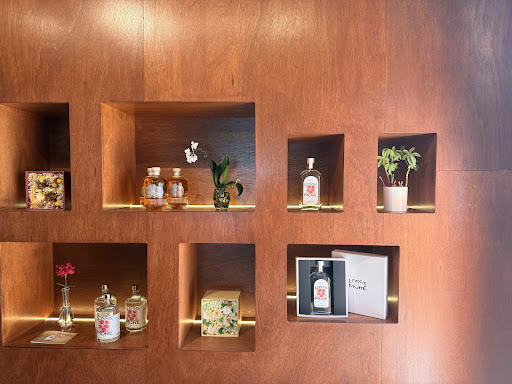
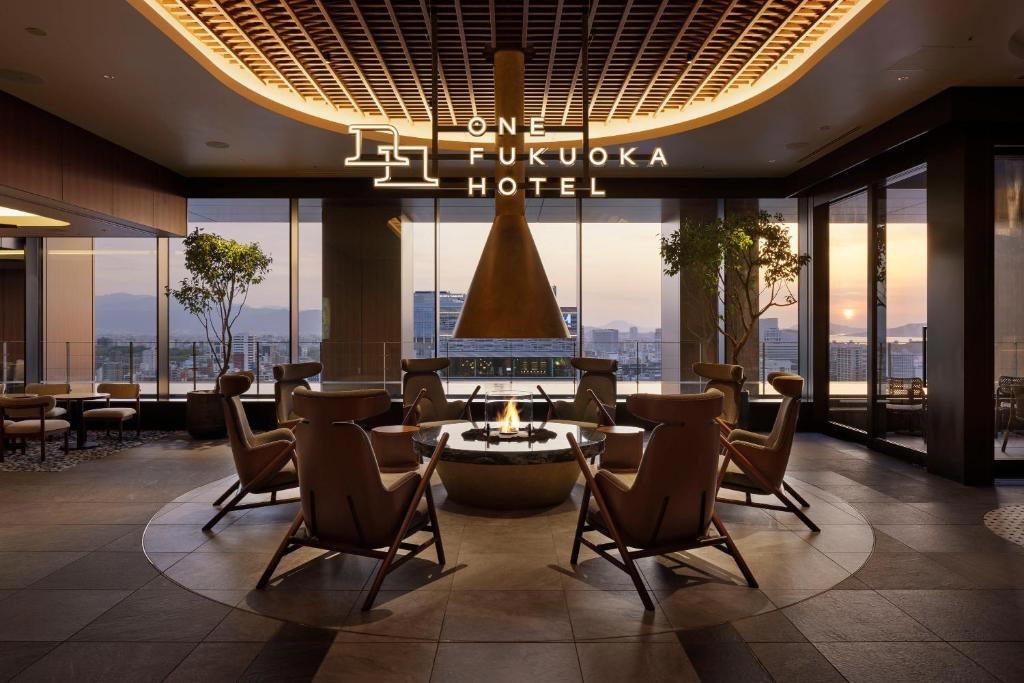
Minimalist interior with clean lines, natural materials, and open kitchen counter seating focused on the chefs' precise craft in a relaxing, modern atmosphere.