



La Liste Top Restaurants · Tabelog Gold #16 · Black Pearl 1 Diamond
Our verdict
Tokyo sushi at this tier is defined less by spectacle than by sourcing discipline, counter scale, and the ability to make provenance feel inevitable rather than announced. Mitani belongs to the city’s rarefied Yotsuya sushi bracket, with six counter seats, Yasuhiko Mitani at the center of the format, and recognition from Tabelog, La Liste, Black Pearl, and Opinionated About Dining anchoring its reputation.

Pearl is the En Primeur Club membership app, where members save venues, book tables and use the concierge.
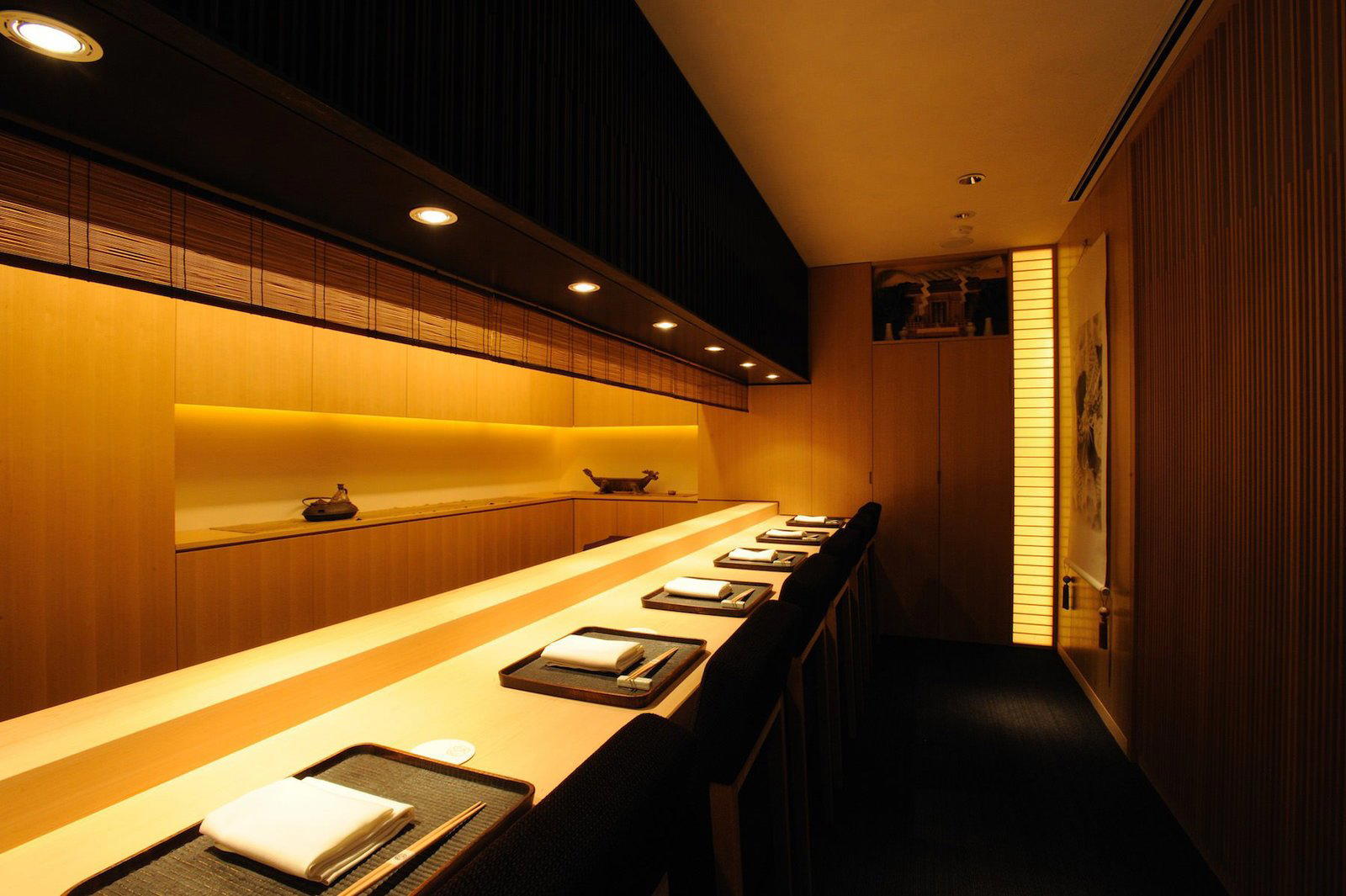
Yotsuya does not perform luxury like Ginza. Its signals are quieter: office blocks, residential lanes, old Tokyo rhythms, and dining rooms where access matters more than frontage. In that setting, serious sushi sharpens: a small counter, a short sightline between chef and guest, and a sequence built around fish condition rather than menu theater. Mitani works inside this high-level Tokyo grammar with unusually compressed intensity.
The comparison is not casual neighborhood sushi or hotel-counter polish, but the small, reservation-led room where sourcing, rice temperature, knife work, and drink pairing set the hierarchy. Tokyo has many Edomae-speaking counters; fewer sustain national-list recognition at this scale. The Tabelog Award 2026 Gold, a 4.52 Tabelog score, La Liste’s 92-point 2026 placement, Black ’s 2026 one-diamond recognition, and Opinionated About Dining’s 2026 Japan ranking at No. 25 put Mitani in the city’s serious conversation without decorative claims.
Fish condition, not ornament, drives the Yotsuya counter
Tokyo sushi has always been market cuisine, even in austere rooms. Tsukiji’s inner market moved to Toyosu, changing procurement geography but not the chef’s central pressure: access to fish is only the start. The decisive work comes after purchase, in how tuna, shellfish, white fish, silver fish, and seasonal neta are rested, cut, seasoned, warmed, or left alone. At the top end, diners pay for judgment across time as much as product.
Mitani’s public profile supports that ingredient-led reading. The restaurant is categorized as sushi, with a stated focus on fish, and the drink program covers sake, shochu, and wine rather than treating beverage as an afterthought. In contemporary Tokyo sushi, that matters. Sake remains the traditional axis for umami, salt, and vinegar; wine adds acidity, texture, and temperature questions that expose weak sequencing. Counters taking both seriously usually think in progression, not isolated pieces.
Edomae technique is often reduced to nostalgia, but its original logic was practical: preserve, season, and calibrate seafood from Tokyo Bay and nearby waters before refrigeration made rawness easy. Modern Tokyo counters apply that logic to a wider sourcing map. Fish may arrive from Toyosu through national coastal networks; the chef decides whether to emphasize freshness, rest, curing, brushing, or temperature. Strong counters make those choices feel quiet. Weak ones explain them too loudly.
The six-seat format intensifies the test. In larger rooms, pacing can be softened by service choreography. Here, timing is exposed. Rice cannot sit. Fish cannot hide behind garnish. The chef’s hand, cut, pressure on the shari, and immediate beverage sequence become the experience. Yasuhiko Mitani’s name carries the counter, but the restaurant is best read within Tokyo’s micro-format sushi tradition, where the room is small because the craft does not scale cleanly.
Tokyo's sushi hierarchy is built on restraint and scarcity
Tokyo has several sushi ladders: approachable counters for regulars, polished mid-tier rooms for business dinners, and a rarer group where access, recognition, and format make the meal a planned event. Mitani sits in that last category. Comparison venues clarify the spread: Sushi Teru and Sushidokoro Shigeru occupy different price and accessibility bands; Hashiguchi and Kioicho Mitani sit closer to the small-counter tradition; Sushi Inomata broadens the lens beyond central Tokyo. Tokyo sushi rewards knowing which game a counter is playing.
Yotsuya’s context helps. A six-seat counter with repeated Tabelog Gold recognition and continued inclusion across national restaurant lists needs no theatrical room to establish rank. It works through compression: fewer seats, fewer distractions, higher consequence for every piece.
The awards record also indicates consistency. Tabelog Gold in 2026, Gold recognition in multiple earlier years, selection for Tabelog Sushi TOKYO 100 in 2025, and OAD placements across 2023, 2024, 2025, and 2026 suggest a reputation not built on one burst of attention. La Liste’s score adds an international assessment layer, while Black ’s one-diamond listing gives another Asia-facing signal. No measure captures the meal alone; together they place the restaurant in a narrow, heavily scrutinized band.
For travelers mapping Tokyo dining, the distinction is practical. A meal here belongs in a sushi-focused itinerary, not as a generic luxury dinner, and pairs better with the city’s counter cultures than with unrelated tasting menus. Readers comparing styles can use Edomae Sushi Hanabusa, Ebisu Endo, and 3110 as nearby editorial reference points across Tokyo’s broader restaurant field, while Our full Tokyo restaurants guide gives the wider map.
How to place this meal in a Tokyo trip
The strongest Tokyo itineraries avoid treating sushi as one category. A Ginza counter, a Yotsuya counter, a neighborhood kappo, a wine-led bistro, and a formal Japanese room teach different things. Mitani explains the high-control, low-capacity end of sushi: sourcing and handling are the architecture, and the counter is the stage, not the spectacle.
Build around that focus. Before or after this kind of sushi dinner, Tokyo’s range becomes clearer through contrast: Bistrot Dia for another expression of precision, Daikanyama Ogawaken for old-line Western-influenced dining culture, and the city guides to Tokyo hotels, Tokyo bars, Tokyo wineries, and Tokyo experiences for planning beyond the table.
Japan’s broader dining map also puts Tokyo sushi in perspective. Regional contrast runs from beef-centered formats such as -Grilled beef Sukiyaki- KAMAKURA TANUKIAN 鎌倉 たぬき庵 in Kamakura to small contemporary rooms like [ki:] in Kyoto, casual urban addresses such as.cafe in Osaka.know in Kumamoto, (Shoku) Vietnam in Kawasaki, and [Curry Senmon Ten] Maruyama Kyoju. in Sapporo. For sushi outside Tokyo’s frame, AKA to SHIRO, Sushi in Osaka and Akikos, Sushi in San Francisco show how the form changes when market systems, audience expectations, and beverage culture shift.
The verdict is simple: this is a counter for diners who care about sourcing consequences, not just the prestige of sushi in Tokyo. Its appeal lies in a demanding format, a recognized track record, and ingredient discipline that makes six seats feel less like scarcity for its own sake than the correct scale for the work.
Frequently asked questions
What are the operating hours at Mitani?
Hours at Mitani: Hours: Monday 12–3:30 pm, 5–8 pm Tuesday 12–3:30 pm, 5–8 pm Wednesday 12–3:30 pm, 5–8 pm Thursday 12–3:30 pm, 5–8 pm Friday 11:30 am–2 pm, 5–10 pm Saturday 11:30 am–2 pm, 5–10 pm Sunday 12–3:30 pm, 5–8 pm.
What type of food is Mitani known for?
Mitani serves Sushi cuisine.
What part of town is Mitani in?
Mitani is located in Tokyo.
What is Mitani known for?
Mitani is primarily known for Sushi in Tokyo.
Compact Comparison
Nearby venues at a similar price tier for orientation.
| Venue | Cuisine | Price | Awards | Notes |
|---|---|---|---|---|
| MitaniThis venue (the venue you are viewing) | Edomae Omakase | $200–300 | La Liste Top Restaurants · Tabelog Gold #16 | Not listed |
| Sushi Teru | Edomae Sushi Omakase | $150–200 | Michelin Plate | Sushi |
| Sushidokoro Shigeru | Traditional Sushi Omakase | $50–100 | Michelin Bib Gourmand | Sushi |
| Sushi Inomata | Sushi | Not listed | Not listed | Not listed |
| Hashiguchi | Edomae Sushi Omakase | $300–500 | Tabelog Bronze #98 | Sushi |
| Kioicho Mitani | Modern Sushi Omakase with Wine Pairing | $300–500 | Tabelog Bronze #179 | Sushi |
Recognition history
Dated appearances from independent guides and award organizations, with the underlying list record or original source where available.
La Liste Top Restaurants
La Liste
Black Pearl 1 Diamond
Black Pearl
Opinionated About Dining Top Restaurants in Japan Ranked #25
Opinionated About Dining
Tabelog Gold #16
Tabelog
Full recognition history (10 entries)
La Liste Top Restaurants
La Liste
Opinionated About Dining Top Restaurants in Japan Ranked #28
Opinionated About Dining
Tabelog 100 #25 · No. 25
Tabelog · Tabelog 100 - Sushi - TOKYO - 2025
Tabelog Silver
Tabelog
Opinionated About Dining Top Restaurants in Japan Ranked #26
Opinionated About Dining
Opinionated About Dining Top Restaurants in Japan Ranked #28
Opinionated About Dining
Continue exploring
More in Tokyo
Restaurants in Tokyo
All restaurants in Tokyo →



Bars in Tokyo
All bars in Tokyo →




Mitani
The wine
- Wine program
- Deep wine list
- Extensive wine list
- Sommelier-led
- Sake program
Details
- Intimate
- Elegant
- Sophisticated
- Special Occasion
- Celebration
- Chefs Counter
- Open Kitchen
- Sake Program
- Extensive Wine List
- Sommelier Led
- Sustainable Seafood
- Omakase
- Counter Dining
- Sake
- Wine
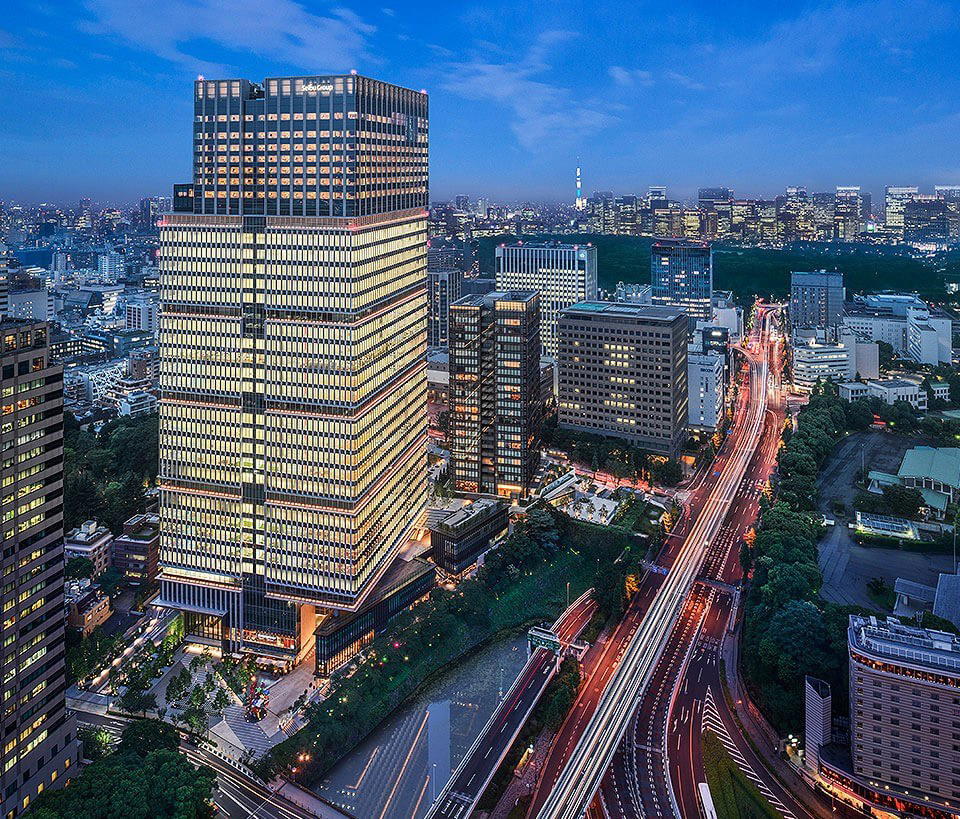
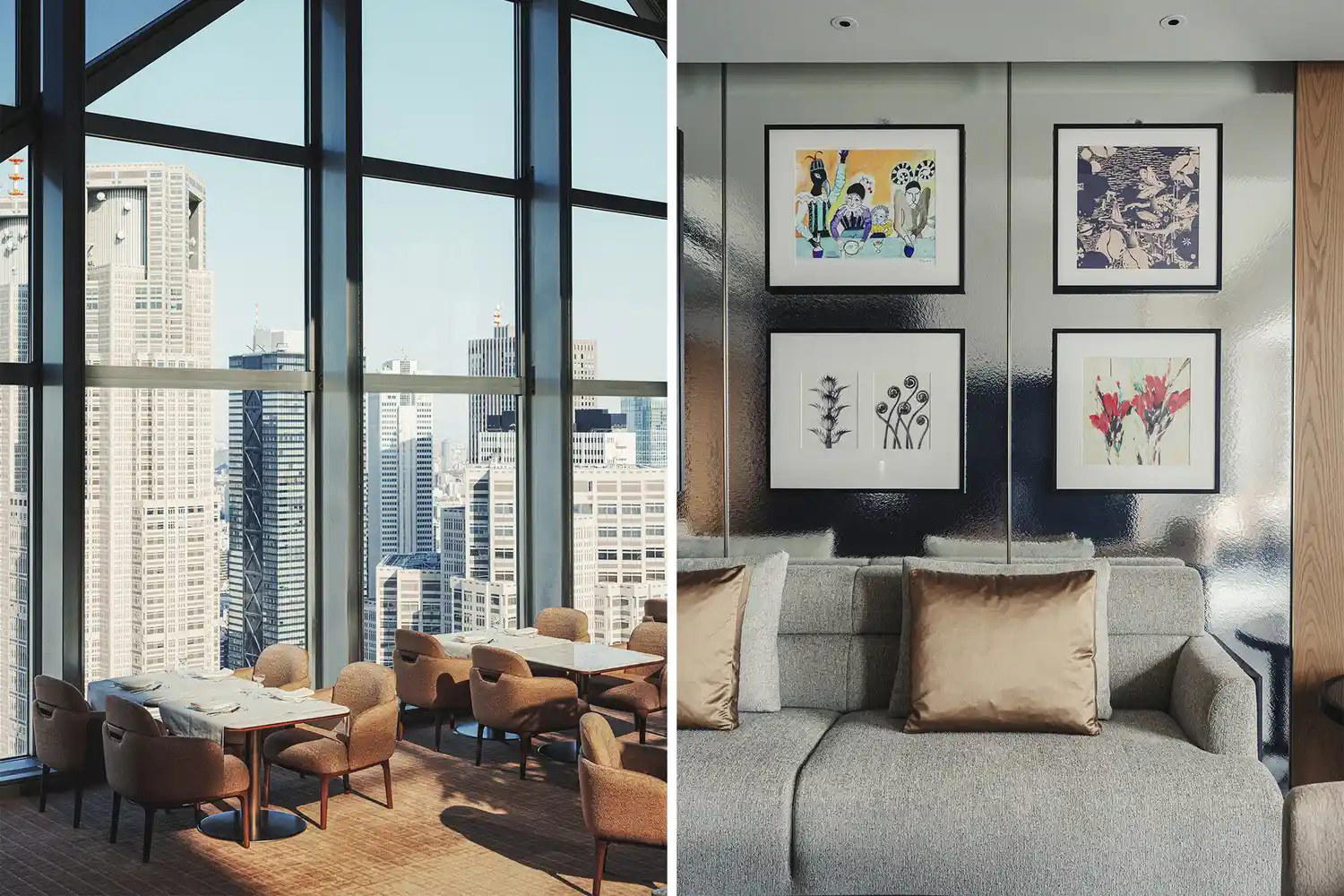
Minimalist and serene with a hidden, intimate counter setting behind an unmarked wooden door; soft lighting emphasizes the artistry of sushi preparation and creates a meditative dining experience.