
A Nihonbashiningyocho kaiseki address holding consecutive Michelin Plates for 2024 and 2025, Oryori Kokoroba works within the seasonal-market tradition of Tokyo's mid-tier kappo dining scene. The kitchen's hassun appetisers track the calendar with precision, while the chef's oyakodon — a dish carried since his apprenticeship — anchors the menu in something more personal than trend.
Pearl is the En Primeur Club membership app — saves, bookings, and concierge access live there. Same editors, same standards.
- Address
- Japan, 〒103-0013 Tokyo, Chuo City, Nihonbashiningyocho, 2 Chome−10−11 KYOE PLAZA 3階
- Phone
- +81 80-4320-3002
- Website
- kokoroba2022.com
- Directions
- Get directions
 Saves & bookings on Pearl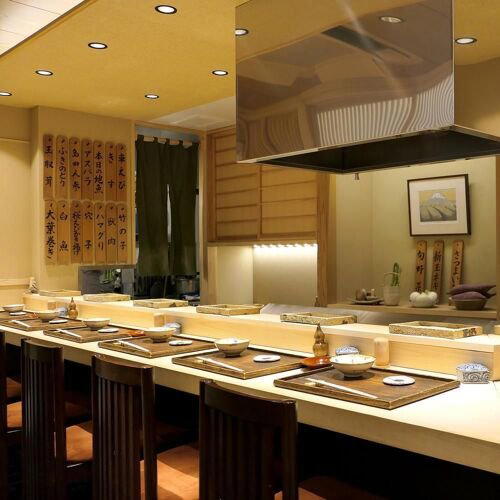
Nihonbashiningyocho and the Quiet Register of Tokyo Kappo
Tokyo's kaiseki and kappo dining scene concentrates most of its critical attention in Ginza, Roppongi, and Minami-Aoyama, where Michelin-starred counters compete at the ¥¥¥¥ tier against peers like Myojaku, Azabu Kadowaki, and Kagurazaka Ishikawa. The older merchant district of Nihonbashiningyocho, in Chuo City, operates at a different register. Its dining identity is shaped less by trophy-hunting and more by the kind of neighbourhood loyalty that keeps a room full without a social media presence. Oryori Kokoroba sits on the third floor of KYOE PLAZA on Nihonbashiningyocho's main residential spine, a placement that tells you something about its intended audience before you've read a single review.
The restaurant has held a Michelin Plate in both 2024 and 2025 — a recognition that signals consistent kitchen standards rather than the headline-driven ascent of a starred address. At the ¥¥¥ price tier, it occupies the productive middle ground of Tokyo's Japanese dining market: accessible relative to the four-symbol counters, but priced well above casual izakaya, suggesting a deliberate audience of returning local diners and informed visitors who know how to read a neighbourhood. Google's 195 reviewers place it at 4.6, a score that, at that volume, reflects genuine consistency rather than a curated sample.
A Meal Shaped by the Calendar
The structural logic of a traditional kappo or kaiseki progression is worth understanding before you sit down at Oryori Kokoroba. In Japanese cuisine, the multi-course format is not primarily about abundance — it is a controlled argument, with each stage changing the diner's relationship to temperature, texture, and season. The meal opens with a reading of time and place and closes with something grounding and domestic. Oryori Kokoroba follows that logic closely.
Hassun, the second course in a classic kaiseki sequence, which sets the seasonal mood through an arrangement of small, market-sourced items, is where the kitchen's philosophy becomes most legible. The practice of building a hassun from what is freshest at the market that morning is a discipline that separates kitchens genuinely committed to seasonality from those using it as a branding term. Here, the selection changes with the market, and the market changes with the week. What you eat in late autumn will not resemble what a diner in front of you ate in early spring, even if the structure of the meal looks identical on paper. This approach connects Oryori Kokoroba to a wider tradition of kappo cooking that runs through Ginza Fukuju and Jingumae Higuchi, though each kitchen interprets seasonal responsiveness in its own way.
Name of the restaurant itself carries meaning worth registering: it incorporates a character from the chef's name while signalling sincere devotion to the craft of cooking. That dual gesture, personal identity and professional commitment in a single compound phrase, is not unusual in Japanese restaurant naming, but it sets an expectation the kitchen then has to meet course by course.
The Oyakodon and the Weight of Repetition
Within the progression, one dish occupies a different category from the rest: the oyakodon. Chicken, egg, and freshly cooked rice is not a dish that announces itself in the way a sea bream preparation or a dashi-heavy soup might. It is humble in the leading Japanese culinary sense, a dish that rewards only when made with precision and genuine care. The chef has prepared this version continuously since his apprenticeship, a duration of practice that matters more than any single technique.
In the context of a kaiseki-influenced progression, serving oyakodon as a closing rice course is a considered choice. It reframes the dish from everyday comfort food into a statement about what cooking is actually for. The detail that the rice is freshly cooked, not held or reheated, points to the kind of kitchen discipline that doesn't photograph well but is always detectable in the eating. For a diner working through a multi-course meal, the arrival of a bowl this grounded in repetition and care is a different kind of finish than the elaborate architectural dessert that closes many high-end tasting menus. It's an argument, in bowl form, about sincerity over spectacle.
This sensibility connects Oryori Kokoroba to a broader conversation happening across Japan's serious dining scene. At Gion Sasaki in Kyoto, at Isshisoden Nakamura, and at Kashiwaya Osaka Senriyama, the most compelling kitchens are those where restraint is a technical commitment rather than an aesthetic posture. The meal at Oryori Kokoroba reads as part of that lineage.
Placing Kokoroba in Tokyo's Mid-Tier Japanese Dining Field
At ¥¥¥, Oryori Kokoroba prices into a tier where the competition is dense and the diner's expectations are calibrated. The ¥¥¥¥ counters, addresses like RyuGin, Harutaka, and the handful of starred kaiseki rooms that define Tokyo's international dining reputation, sit in a separate category both in price and in the kind of occasion they occasion. What the ¥¥¥ tier does, when it works, is preserve the structural integrity of Japanese multi-course cooking without the markup that comes with Michelin stars and international reservation traffic.
The consecutive Michelin Plates for 2024 and 2025 confirm that Kokoroba meets a threshold of kitchen seriousness the Michelin team considers worth flagging. A Plate does not carry the star's prestige, but it is a meaningful signal in Tokyo's market, where the guide covers hundreds of addresses and a Plate entry means the inspectors returned. For those building a Tokyo itinerary across multiple nights, Kokoroba makes sense as the meal that contextualises the higher-profile addresses: it shows what the tradition looks like when it is not performing for an international audience. You can find the broader field in our full Tokyo restaurants guide.
The restaurant's distance from Tokyo's more-trafficked dining districts also warrants noting. Nihonbashiningyocho is accessible, Ningyo-cho Station on the Hibiya and Asakusa lines is close, but it requires a short commitment away from the tourist circuits. Diners staying in the central hotel belt should consult our full Tokyo hotels guide for proximity options. Those building wider Japan itineraries can cross-reference HAJIME in Osaka, akordu in Nara, Goh in Fukuoka, 1000 in Yokohama, and 6 in Okinawa as part of a broader regional sweep.
Know Before You Go
- Address: 2 Chome-10-11 Nihonbashiningyocho, Chuo City, Tokyo 103-0013, KYOE PLAZA 3F
- Price range: ¥¥¥
- Awards: Michelin Plate 2024, Michelin Plate 2025
- Guest rating:
- Nearest station: Ningyo-cho (Hibiya Line / Asakusa Line)
- Booking: Reservations are advisable; specific booking method not confirmed, check current availability through restaurant discovery platforms
- Further reading: Tokyo bars | Tokyo wineries | Tokyo experiences
Style and Standing
| Venue | Cuisine | Price | Awards |
|---|---|---|---|
| Oryori KokorobaThis venue — the venue you are viewing | Japanese | ¥¥¥ | Not listed |
| Harutaka | Sushi | ¥¥¥¥ | Michelin 3 Star |
| RyuGin | Kaiseki, Japanese | ¥¥¥¥ | Michelin 3 Star |
| L'Effervescence | French | ¥¥¥¥ | Michelin 3 Star |
| HOMMAGE | Innovtive French, French | ¥¥¥¥ | Michelin 2 Star |
| MAZ | Innovative | ¥¥¥¥ | Michelin 2 Star |
Recognition history
Dated appearances from independent guides and award organizations, with the underlying list record or original source where available.
Michelin Plate
Michelin
Michelin Plate
Michelin
Michelin Plate
Michelin








At a Glance
- Intimate
- Elegant
- Cozy
- Date Night
- Solo
- Special Occasion
- Chefs Counter
- Sake Program
Small counter-only setting with heartfelt, home-like service from the chef and proprietress, offering a leisurely and intimate atmosphere.
Know Before You Go
- Getting there
- Japan, 〒103-0013 Tokyo, Chuo City, Nihonbashiningyocho, 2 Chome−10−11 KYOE PLAZA 3階