Takano Fruit Parlour has anchored Shinjuku's premium fruit culture since 1885, making it one of Tokyo's most enduring addresses for seasonal produce presented as dessert. The parlour sits within a broader Japanese tradition of gift-grade fruit that commands prices Western markets rarely see, where a single Yubari melon can exceed ¥10,000. Come during early summer for peak mango and melon season, when the short-menu rotation reaches its most concentrated form.

Pearl is the En Primeur Club membership app — saves, bookings, and concierge access live there. Same editors, same standards.
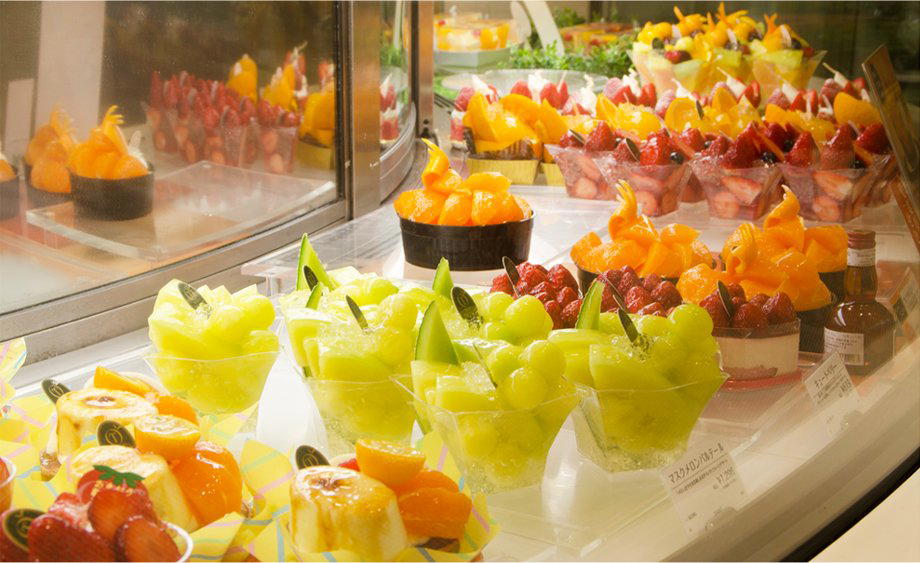
Where Seasonal Fruit Becomes the Measure of a City
In Tokyo, the price of a piece of fruit is a reliable index of cultural seriousness. Japan's gift-fruit tradition, in which a single Yubari cantaloupe changes hands for sums that would cover a tasting menu at RyuGin, is not a novelty or an anomaly. It is the downstream expression of a centuries-old philosophy that treats agricultural perfection as a form of craft, and craft as something worth paying for without apology. Shinjuku's Takano Fruit Parlour is a Japanese Fruit Parlor in Tokyo, priced around $40 per person, and sits inside that tradition, not as a decorative example of it, but as one of the establishments that has shaped what Tokyo expects from premium seasonal produce.
The building on Shinjuku-dori gives you the context before you even enter. The ground floor carries carefully graded whole fruit packaged for gifting, the kind of presentation where the box is part of the argument. The parlour floors above convert that same sourcing logic into plated desserts, parfaits, and fruit plates built around whatever is at seasonal peak. The physical separation of the two functions is itself a statement: the raw material is treated with the same gravity as the finished product.
The Fruit Calendar as Curation
Tokyo's premium fruit parlour category lives and dies by the seasonal calendar in a way that most dessert formats do not. At Takano, the menu rotates meaningfully with what is available at genuine quality, which means early summer brings the Miyazaki mango season, late spring introduces the high-grade strawberry window, and autumn shifts attention toward domestic pear and persimmon varieties that rarely appear in Western fine-dining contexts at comparable grade. This is not a cosmetic seasonal rotation. When the leading Miyazaki mangoes represent roughly 1% of the prefecture's harvest, access to them is a sourcing credential, not a menu note.
Framing this through the editorial angle of a cellar or drinks program is more instructive than it might first appear. A well-curated wine list and a well-curated fruit menu share the same underlying discipline: knowing which producers to source from, understanding vintage variation, and building a menu that reflects what is actually outstanding in a given season rather than what is available year-round at a consistent grade. Japan's leading fruit auction prices, which track extreme seasonal scarcity and agricultural precision in the same way Grand Cru Burgundy prices track terroir and harvest quality, function as the closest structural equivalent in the produce world to a serious cellar allocation. Takano's position within the Shinjuku retail and hospitality market implies a sourcing network that takes decades, not years, to build.
For comparison, the broader Tokyo fine-dining tier, venues like L'Effervescence or Sézanne at the ¥¥¥¥ level, incorporates domestic produce sourcing as a core part of their identity and pricing justification. Takano operates in a distinct category, where the produce itself is the final product rather than an ingredient in service of another dish, which demands a different but equally rigorous sourcing discipline.
The Parlour Format in a Changing Tokyo Dessert Scene
Tokyo's dessert culture has expanded considerably in the past decade. There are now crêpe specialists, patisseries with Michelin-adjacent credibility, and multi-course dessert omakase formats appearing in the same neighbourhoods as kaiseki counters. The fruit parlour, however, remains its own distinct category, one where the format predates most of what surrounds it and where the value proposition is clearly not fusion or novelty, but depth of sourcing and seasonal concentration.
Shinjuku suits this format. The area's layered commercial density, department store basement food halls, specialist food retailers, and multiple dining tiers stacked in the same blocks, means the fruit parlour sits in a neighbourhood where serious food retail has long been treated as destination-worthy. Comparisons across Japan's premium food culture are instructive: HAJIME in Osaka and Gion Sasaki in Kyoto represent the kaiseki discipline's most concentrated regional expressions; Takano operates in a parallel tradition in which the discipline is directed entirely at selecting and presenting produce at its agronomic apex, rather than cooking it into something else.
This also places it in a different relationship to the innovation curve than restaurants like Crony, where the culinary conversation is about technique and reference. At Takano, the conversation is about the produce itself, its origin, its grade, its exact seasonal moment. That is a more conservative but not less demanding form of curation.
Who Goes, and When to Go
The parlour attracts a wide visitor profile precisely because the format is accessible without being casual. There is no dress requirement, no omakase commitment, and no expectation of a two-hour table. But the price points for premium seasonal fruit presentations are not apologetic, this is not a café that happens to serve fruit. The peak season windows matter considerably. Visiting outside the Miyazaki mango season or the domestic strawberry period means encountering a menu built around whatever is currently at grade, which may or may not align with expectations shaped by the parlour's seasonal marketing. The early summer window, roughly May through July, represents the highest concentration of marquee seasonal fruit across the menu.
Internationally, the comparison points for this kind of produce-driven premium format are limited. Le Bernardin in New York City or Atomix operate at comparable price tiers in their categories, but there is no Western dessert format with quite the same structure as the Japanese gift-fruit parlour, where the sourcing provenance and agricultural pedigree of the raw material carries the same communicative weight as a wine's domaine and vintage. For visitors whose Tokyo itinerary already includes the Harutaka counter or similar high-commitment dining formats, the parlour offers a completely different register, shorter, lighter, and built around a tradition that does not exist in the same form in many major food cities.
Broader Japan context from the EP Club network: akordu in Nara, Goh in Fukuoka, and regional specialists like 一本杉 川嶋 in Nanao, 古代山乃 in Sapporo, 湖鄉庵 in Takashima, 庄羽屋 in Nishikawa Machi, Birdland in Sakai, and Bistro Ange in Toyohashi each represent distinct regional positions within Japan's layered food culture. The full picture of how Tokyo fits into that national context is in our full Tokyo restaurants guide.
Planning Your Visit
Takano Fruit Parlour is located in the Shinjuku area of Tokyo. Given the seasonal nature of the menu, timing around Japan's key domestic fruit harvests is the single most important planning variable. Peak seasonal windows, primarily late spring through midsummer, represent the periods when the menu's sourcing logic is most visible in the final product. Booking is recommended, and the menu changes with the harvest period.
Quick Reference: Takano Fruit Parlour, Shinjuku, Tokyo, Japanese Fruit Parlor; seasonal menu peaks early summer (May to July); booking recommended; about $40 per person.
Comparable Options
Comparable venues nearby, for context on price, style, and recognition.
| Venue | Cuisine | Price | Notes |
|---|---|---|---|
| Takano Fruit ParlourThis venue — the venue you are viewing | Japanese Fruit Parlor | $$$ | Not listed |
| Ebisu Kuroiwa | Kaiseki | $$$ | Shibuya |
| Shirogane Toritama Kagurazaka ten | Yakitori & Izakaya | $$$ | Shinjuku |
| kouenji yakiniku kokochi Honten | Yakiniku (Japanese BBQ) & Offal Grill | $$$ | Suginami |
| Kuni Teppanyaki Steak Restaurant | Teppanyaki Wagyu Steakhouse | $$$ | Kōtō |
| Tachinomi Todaka | Creative Japanese Izakaya Course | $$$ | Shinagawa |








At a Glance
- Elegant
- Classic
- Cozy
- Casual Hangout
- Special Occasion
- Standalone
- Sake Program
- Local Sourcing
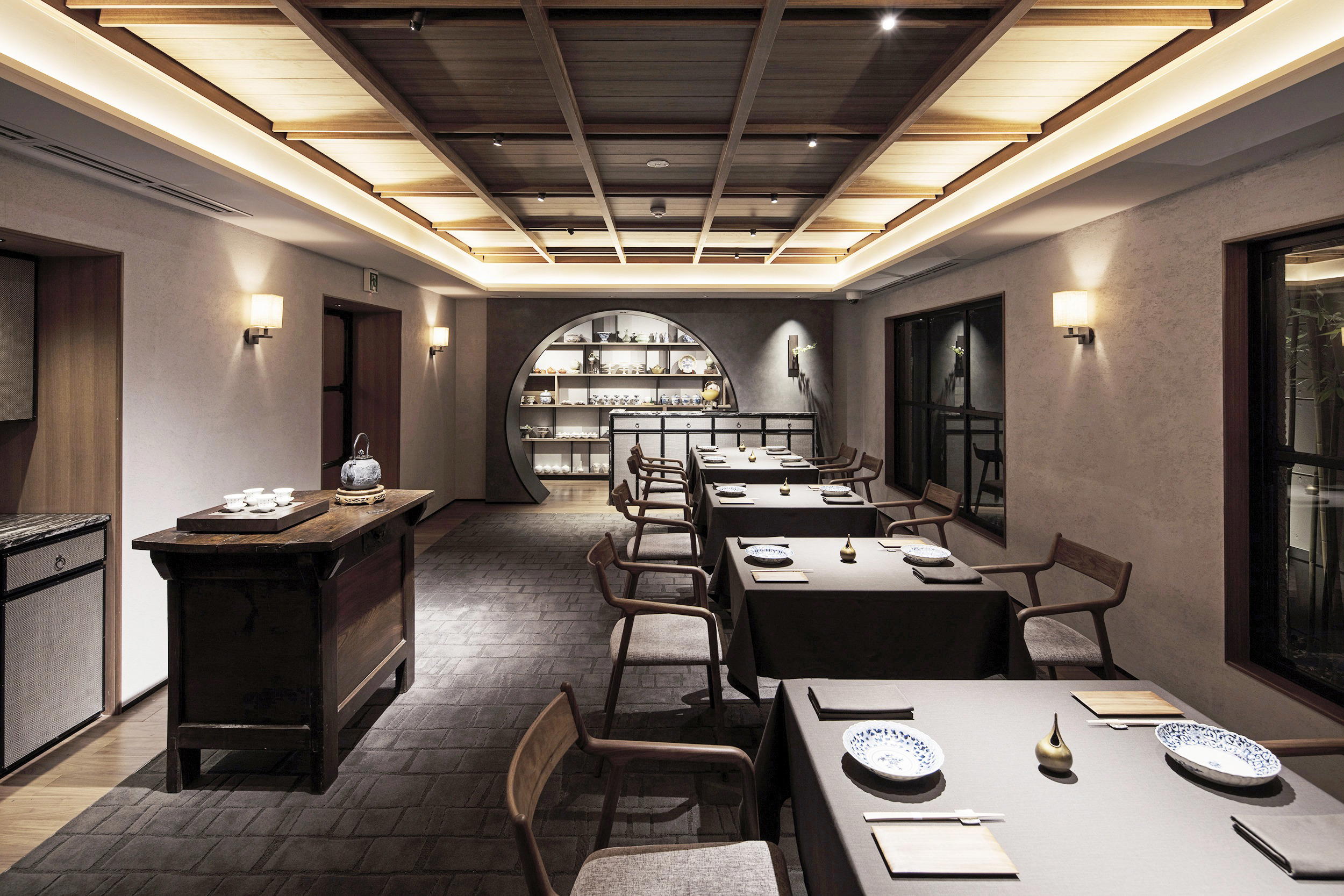
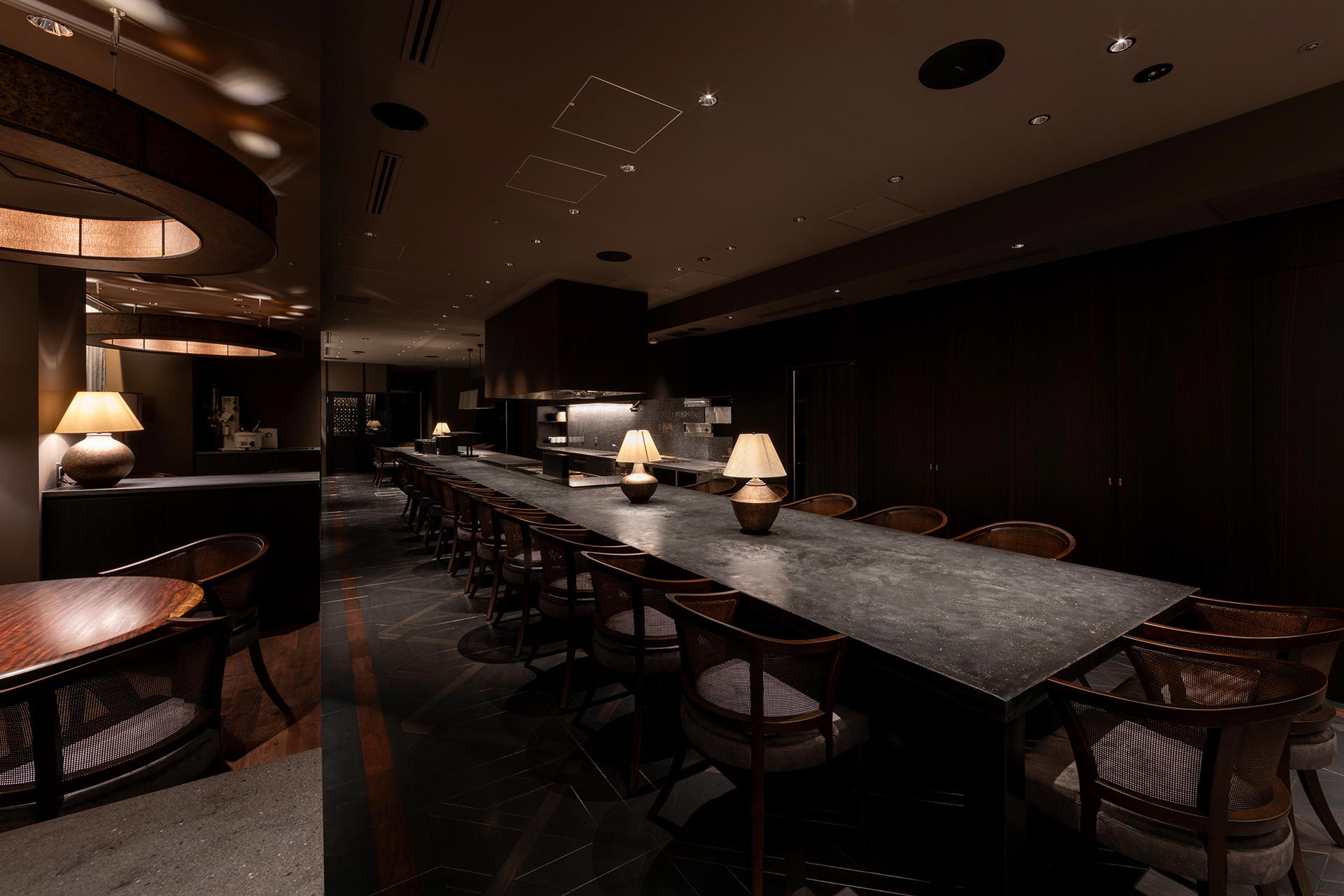
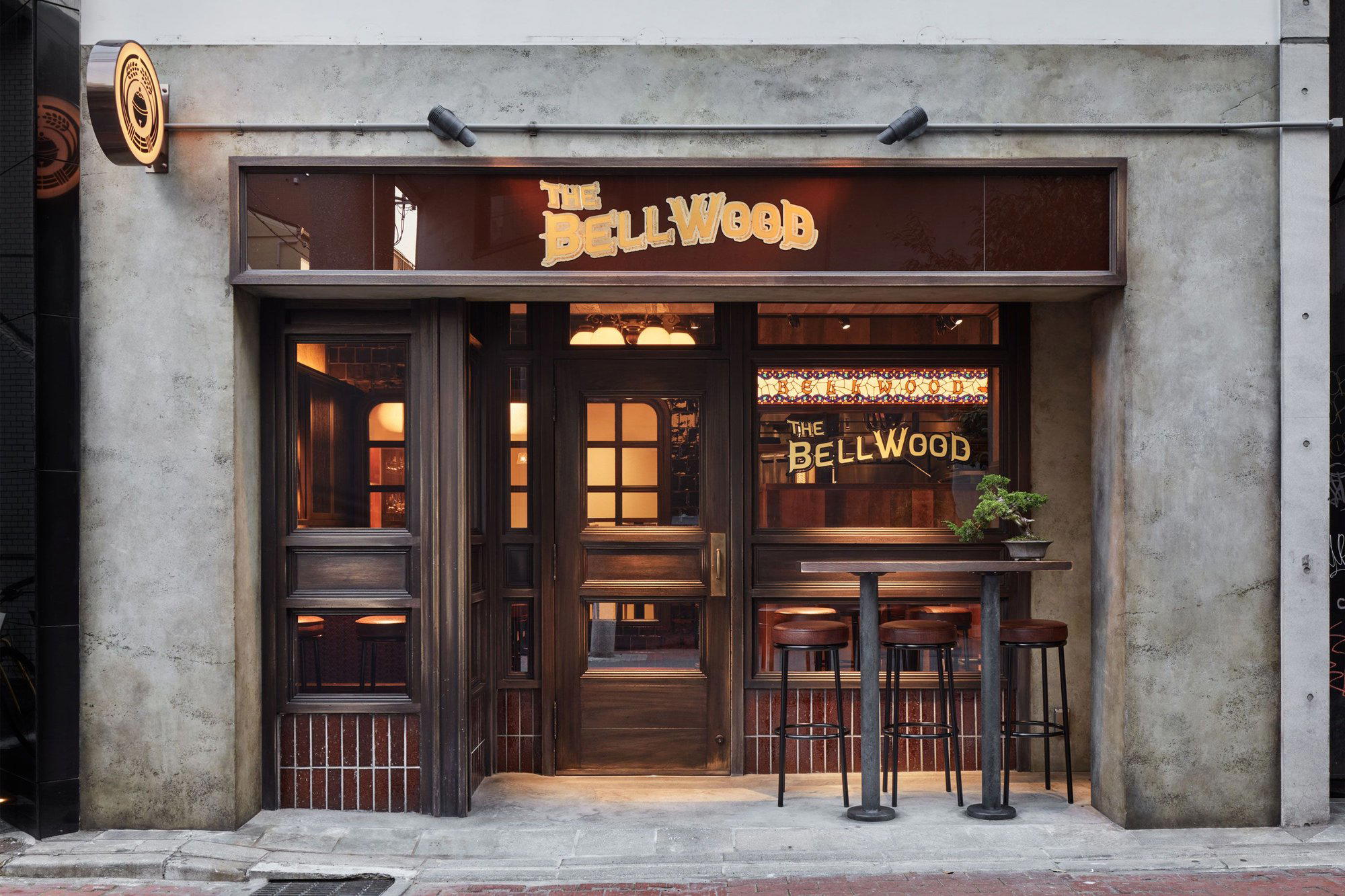
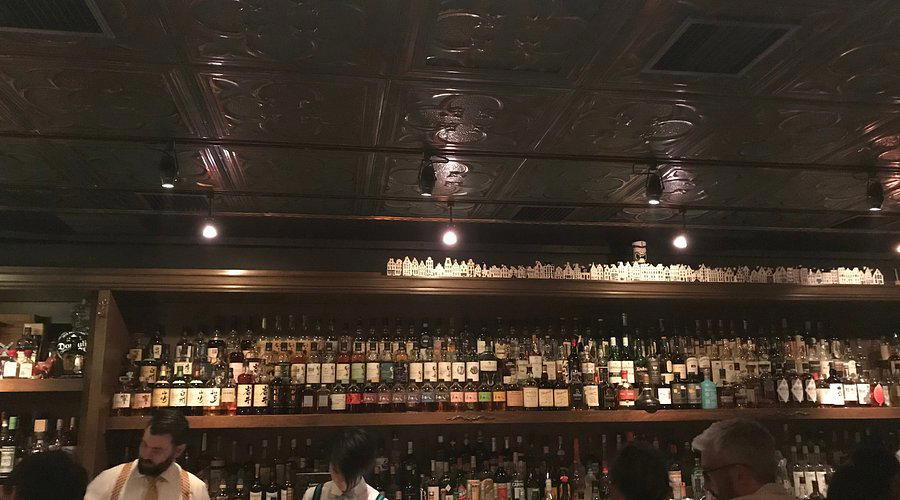
Refined and classic atmosphere with focus on visual presentation of fruits and desserts, evoking a sense of luxury tradition without fancy decor.