
Kagurazaka gives Tokyo yakitori a different register: less station-front hurry, more backstreet counter culture. Shirogane Toritama Kagurazaka ten fits that mood with 24 all-counter seats, a yakitori, kushiyaki and izakaya format, repeated Tabelog 100 Yakitori selections, and a dinner range of JPY 6,000 to JPY 7,999.
Pearl is the En Primeur Club membership app — saves, bookings, and concierge access live there. Same editors, same standards.
- Address
- 東京都新宿区神楽坂5-7 山桝ハウス B1F
- Phone
- +81364575131
- Website
- valuet.co.jp
 Saves & bookings on Pearl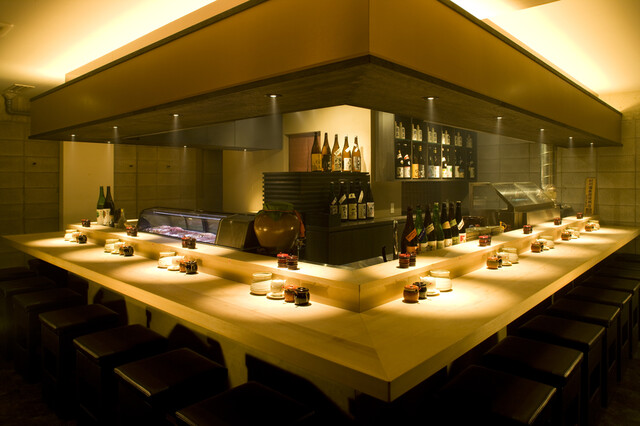
Kagurazaka shifts pace once the main slope gives way to side streets. Its old hanamachi grain, French inflection and compact dining rooms make it one of Tokyo’s sharper areas for a counter meal: local in scale, polished enough to draw diners across town. Shirogane Toritama Kagurazaka ten fits a specific Tokyo tradition rather than a generic skewer stop: yakitori as a seated, closely watched sequence, with the counter supplying much of the theatre.
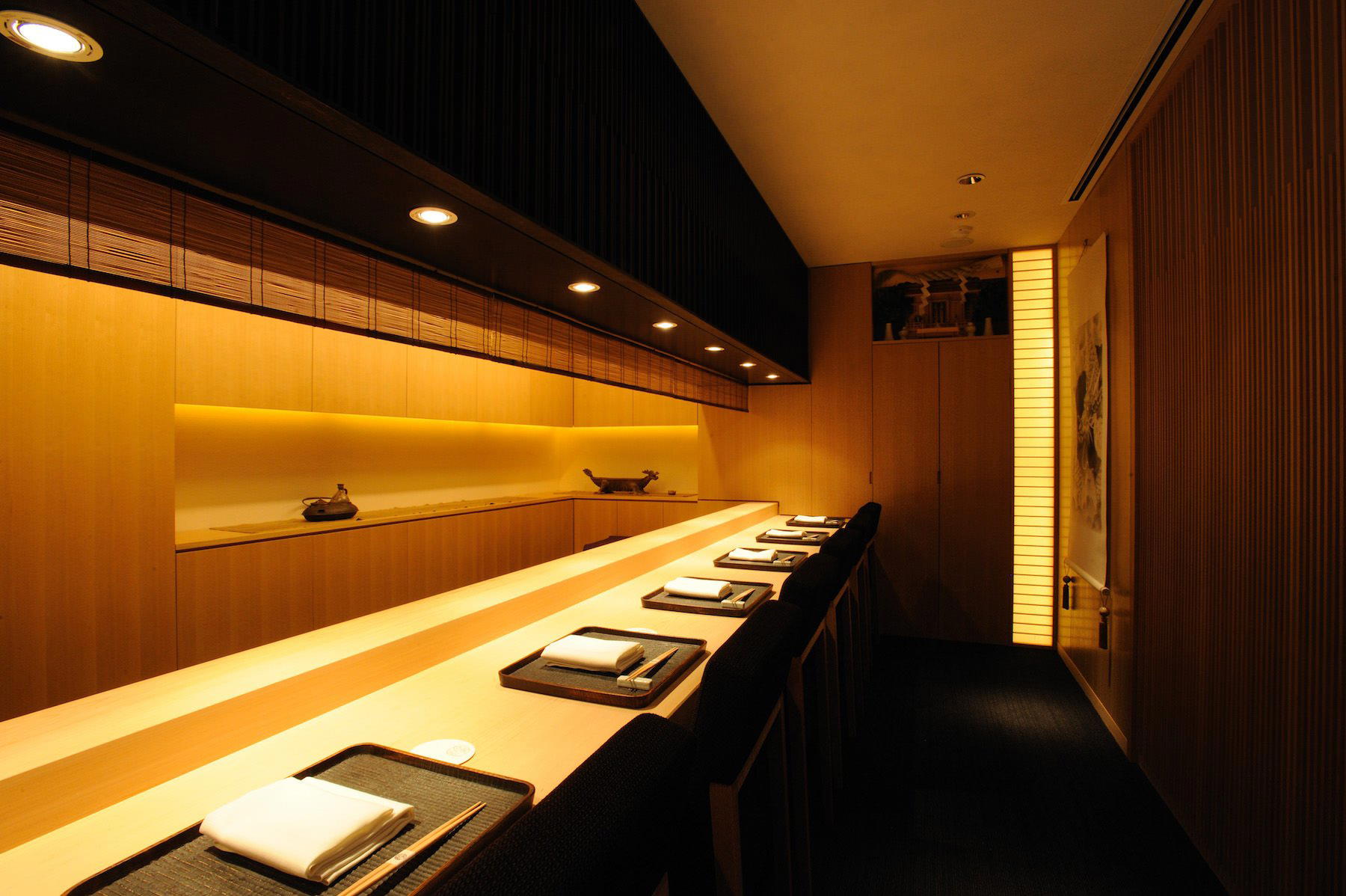
The address sits in the Ushigome-Kagurazaka orbit, where restaurants often trade on restraint rather than spectacle. That matters for yakitori, a form built on repetition, timing and quiet grill-station confidence more than elaborate plating. The category is yakitori, kushiyaki and izakaya, but the signals point to the serious counter end: 24 seats, all counter, with sake, shochu and wine. In Tokyo, that usually means pacing and proximity, not a sprawling table order.
Kagurazaka counter culture gives yakitori a sharper frame
Tokyo yakitori splits between casual after-work rooms, specialist counters and high-price destination formats. Kagurazaka gives the middle tier force because it rewards compact restaurants, careful service and repeat local use. Shirogane Toritama Kagurazaka ten sits there: more focused than a broad izakaya, less formal than ceremonial tasting counters, and priced for a serious dinner rather than a celebratory splurge.
The Tabelog 100 Yakitori EAST 2025 selection is the key trust signal, reinforced by selections in 2019, 2021, 2022 and 2023. Tabelog’s Hyakumeiten lists tend to reward category depth rather than general luxury, so a yakitori listing differs from a fine-dining trophy. It marks credibility among diners comparing grill technique, cut selection, seasoning and value across many small rooms. A 3.61 Tabelog score also matters in Japan’s rating culture, where specialists often sit below international-award restaurants numerically yet command strong local attention.
The comparison is not sushi formality at Hatou or the kaiseki gravity of 神楽坂 石かわ, both part of Tokyo’s higher-ceremony dining conversation. It is the neighbourhood question of where a focused dinner can be taken seriously without becoming a full-evening production. ENGINE, in a similar JPY 6,000 to JPY 7,999 range, reflects Kagurazaka’s mid-to-premium dinner band, while Yoshokudo Budo Kagurazaka Kagurazaka occupies a higher JPY 8,000 to JPY 9,999 bracket. Isuzu sits at the low-price end of local eating. Kagurazaka supports several registers within a few streets, and yakitori here competes on format discipline as much as price.
The appeal is the all-counter format, not a long chef mythology
Yakitori rewards diners who want a meal to unfold in direct view. An all-counter room changes the contract: the grill is not background labour, and the skewer sequence becomes easier to read. Without a named-chef narrative, the format supplies the hierarchy. Heat management, portion rhythm, salt or tare choices and the movement between chicken cuts and other skewers separate specialist yakitori from a casual tavern order.
The venue’s own description cites a chef’s selection of more than 20 rare cuts of yakitori, the meal’s clearest editorial angle. Tokyo has long treated chicken with anatomical seriousness, especially at specialist counters where liver, heart, gizzard, skin, cartilage and other parts become distinct textures rather than supporting players. For travellers used to yakitori as a short bar snack, Kagurazaka is a useful correction: the category can be a full dinner with progression, drinks rhythm and counter etiquette.
The drinks positioning also matters. Sake and shochu keep the meal in Japanese tavern lineage, while wine shows how Tokyo yakitori counters have absorbed broader pairing habits without shifting the grill from the centre. That flexibility suits Kagurazaka, where French restaurants, kappo rooms, sushi counters and izakaya sit close together. For a broader look at the city’s dining range, see Our full Tokyo restaurants guide; for nearby and cross-category contrasts, EP Club also tracks 124. KAGURAZAKA (Yakitori), 12/10 Shinjuku ten, . 鮪と炭火焼き うお炭 秋葉原店, 2D Cafe and 3 Chome no Curry Ya San.
Planning the night around Kagurazaka rather than around a checklist
Practical rhythm is simple. Dinner runs Tuesday through Sunday from 5:00 PM to 11:00 PM, with food last order at 10:00 PM and drinks at 10:30 PM; Monday is closed, with year-end and New Year closure from December 31 to January 5. The restaurant is five minutes on foot from Kagurazaka Station Exit A1 and five minutes from Iidabashi Station on the JR and Tokyo Metro Yurakucho lines, making it easy to start in Shinjuku or Marunouchi and finish in Kagurazaka’s lanes. Parking is unavailable, and the room is non-smoking.
Reservations are available, and advance planning is sensible for a 24-seat all-counter restaurant with repeated category recognition. The dinner budget is JPY 6,000 to JPY 7,999, while review-based spend is higher at JPY 8,000 to JPY 9,999, a reminder that drinks and ordering style can move the final bill. Credit cards are accepted, including Visa, Master, JCB, AMEX and Diners; electronic money and QR code payments are not. There are no private rooms, though private use is listed for 20 to 50 people, suiting groups that want the counter environment without dividing into tables.
The counter is the reason to choose it. Dates, friends and school-age children are all listed as suitable occasions, but the stronger fit is a small party wanting yakitori treated as dinner rather than a prelude. In a neighbourhood that swings from formal Japanese rooms to French-accented bistros in a few turns, Shirogane Toritama Kagurazaka ten gives Kagurazaka’s quieter side a clear grill-focused expression.
For wider trip planning around the city, see Our full Tokyo hotels guide, Our full Tokyo bars guide, Our full Tokyo wineries guide and Our full Tokyo experiences guide. For Japan and overseas contrasts in casual, specialist and counter-led eating, compare -Grilled beef Sukiyaki- KAMAKURA TANUKIAN 鎌倉 たぬき庵 in Kamakura.cafe in Osaka.know in Kumamoto, (Shoku) Vietnam in Kawasaki, [Curry Senmon Ten] Maruyama Kyoju. in Sapporo, [ki:] in Kyoto, Jōdo Saké Bar in Los Angeles and Onigiri Time in Pasadena.
Comparable Options
Comparable venues to place this listing in its category.
| Venue | Cuisine | Price | Notes |
|---|---|---|---|
| Shirogane Toritama Kagurazaka ten | Yakitori & Izakaya | $$$ | Shinjuku |
| Kuriya Kashi Kurogi | Artisanal Japanese Wagashi & Kakigori | $$$ | Hongo, Bunkyo-ku |
| Teppanyaki Iwakura | Japanese Teppanyaki | $$$ | Shinjuku |
| 荒木町たつや | Michelin-Starred Kaiseki | $$$ | Shinjuku |
| Nanban Ginen Tei | Ginza yoshoku (Japanese-style Western) restaurant | $$$ | Chūō |
| 焼肉トラジ新宿西口店 | Premium Yakiniku (Japanese Grilled Beef) | $$$ | Shinjuku |
Recognition history
Dated appearances from independent guides and award organizations, with the underlying list record or original source where available.
Tabelog 100 #21 · No. 21
Tabelog · Tabelog 100 - Yakitori - EAST - 2025





At a Glance
- Cozy
- Intimate
- Lively
- Date Night
- Business Dinner
- Group Dining
- Solo
- After Work
- Late Night
- Special Occasion
- Chefs Counter
- Standalone
- Sake Program
- Beer Program
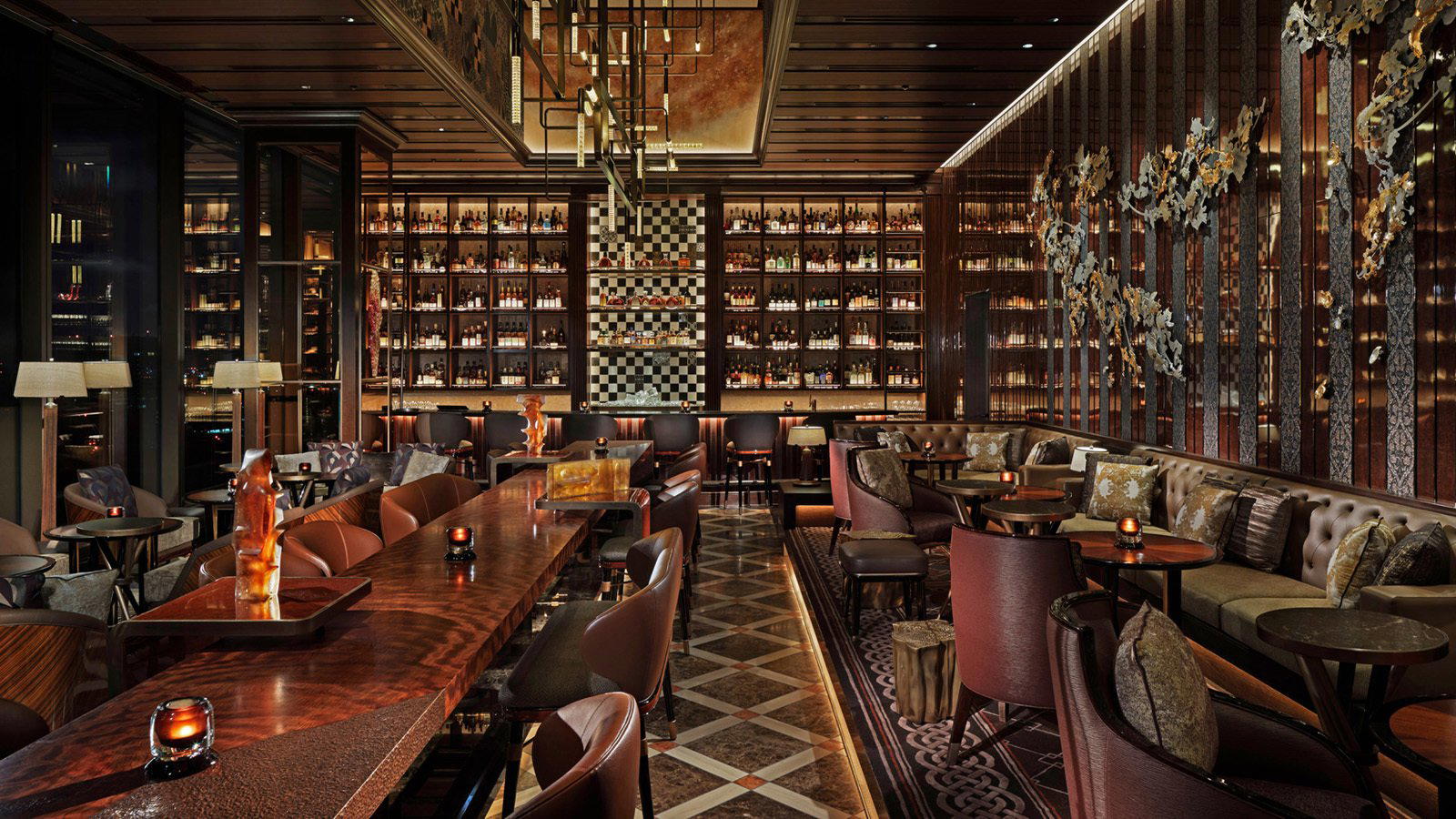
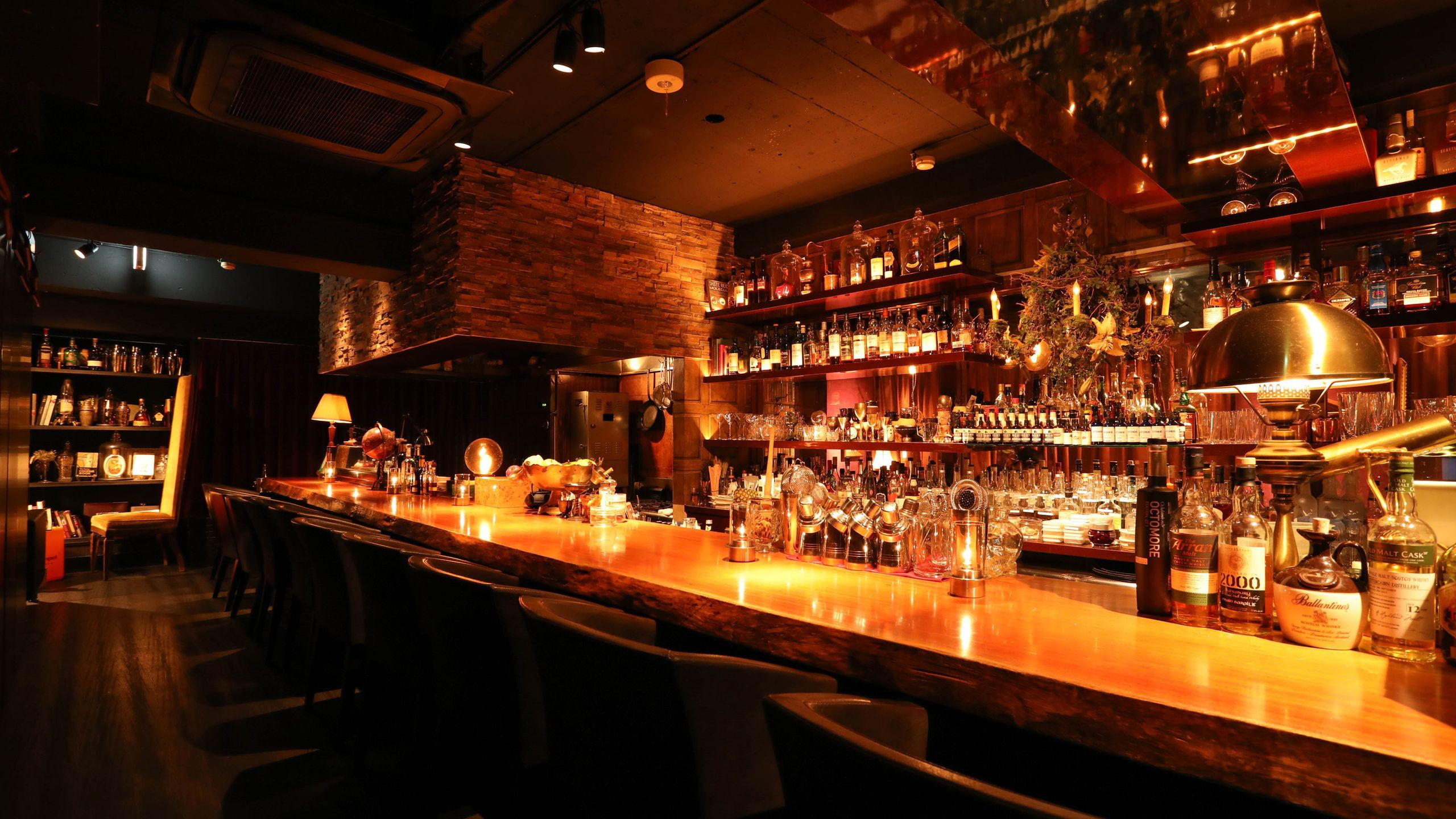
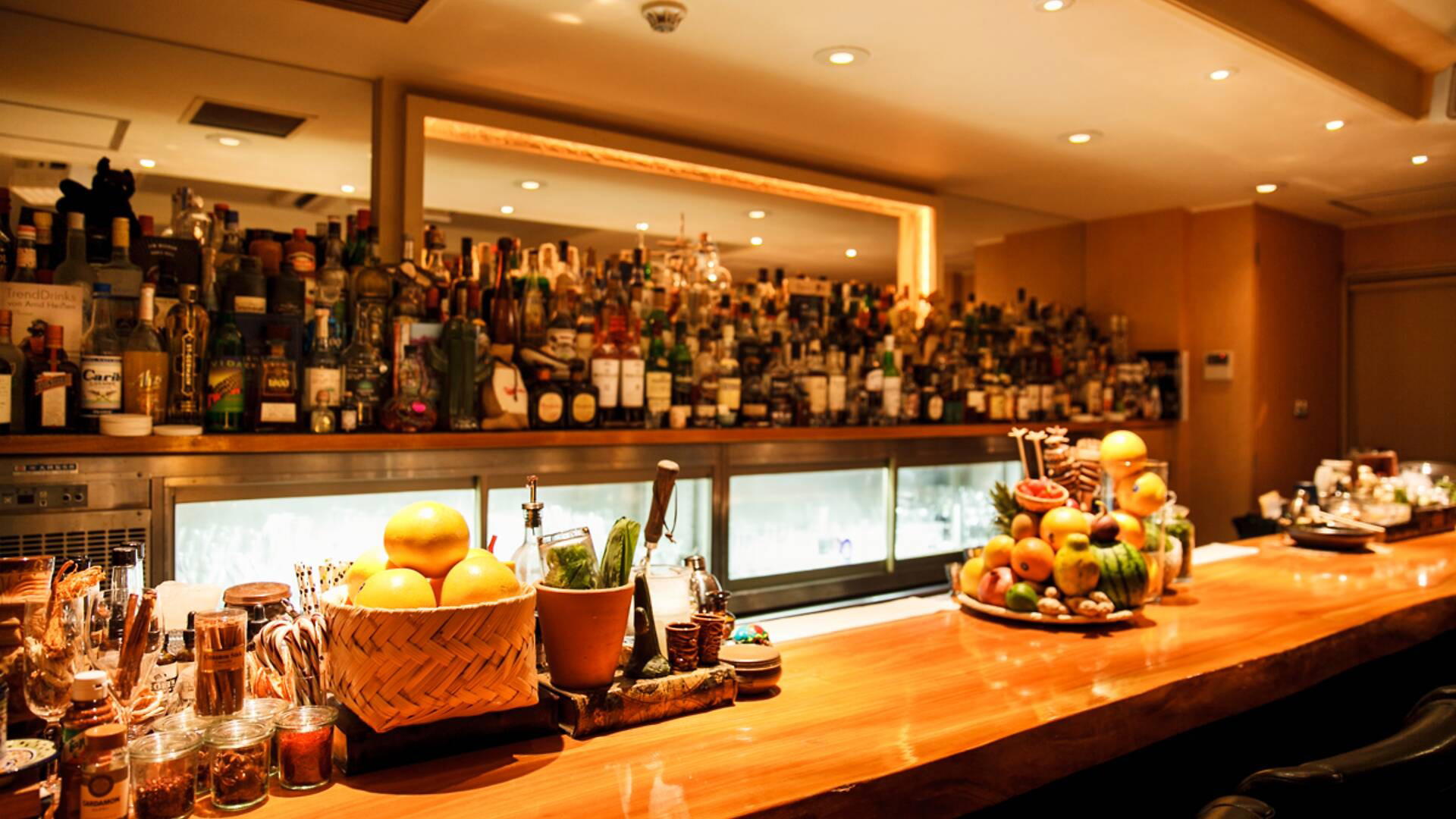
A small basement yakitori spot with counter-focused seating, warm charcoal aromas, and a lively yet relaxed atmosphere suited to dates, business dinners, and serious yakitori fans.