Tabelog 100 #58
Our verdict
In Ebisu's quieter residential grid, Kuroiwa occupies a format that Tokyo's more serious dining rooms have increasingly favoured: restrained interiors, counter-forward seating, and a focus on craft over spectacle. The physical space itself signals the dining register before a single dish arrives. For travellers working through Tokyo's mid-to-upper tier, it sits in a neighbourhood that rewards slower, more deliberate exploration.

Pearl is the En Primeur Club membership app, where members save venues, book tables and use the concierge.
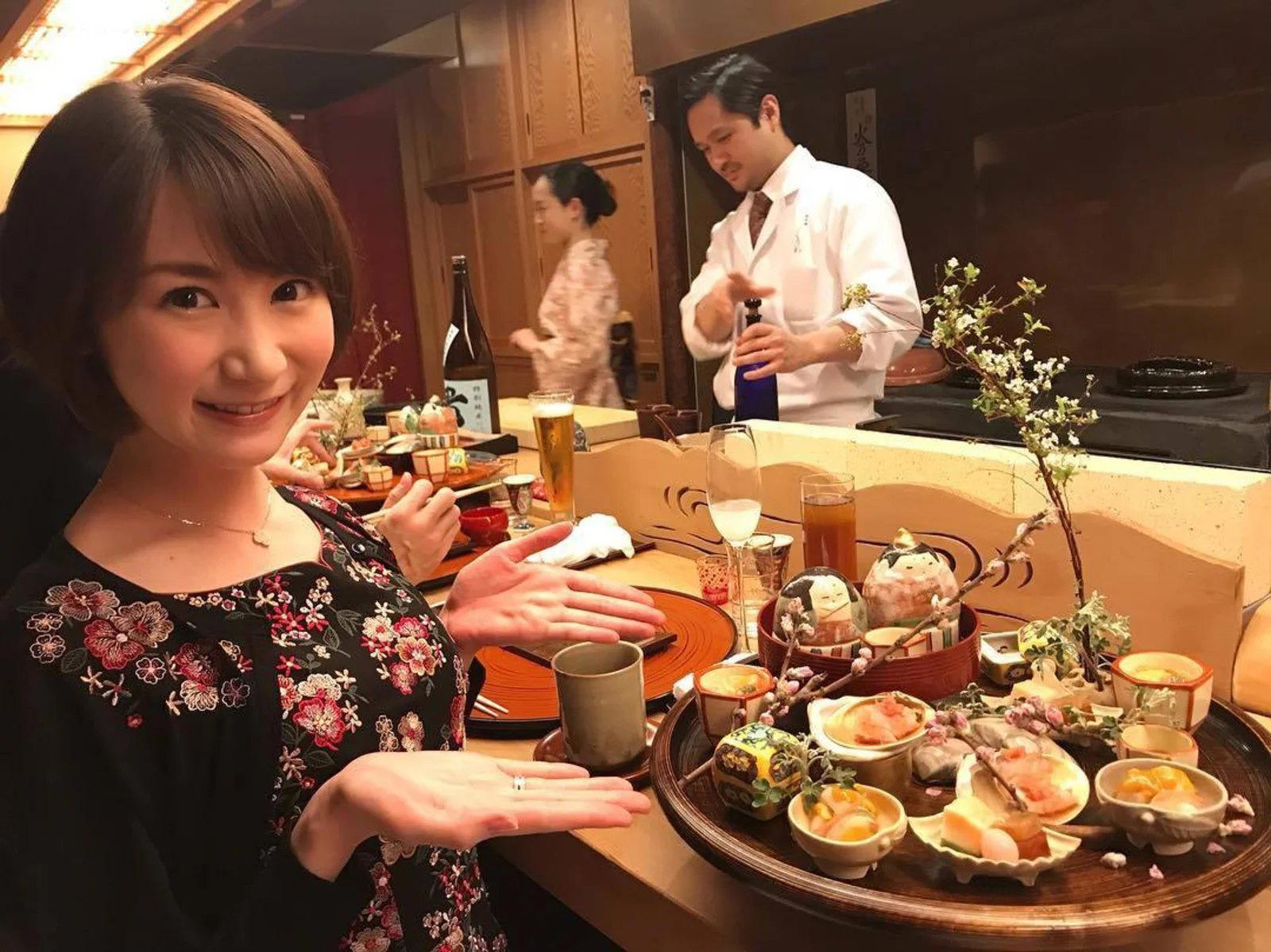
The Room Sets the Terms
Ebisu has never competed with Ginza or Roppongi on sheer density of starred addresses, and that is precisely what makes it interesting. The neighbourhood sits between the commercial intensity of Shibuya and the gallery-studded calm of Daikanyama, drawing a local crowd that tends to eat seriously without performing the act. Restaurants here do not need to announce themselves. Ebisu Kuroiwa follows that logic: the address in the 4-chome block places it inside a residential grid where foot traffic is modest and the room must justify the trip on its own terms.
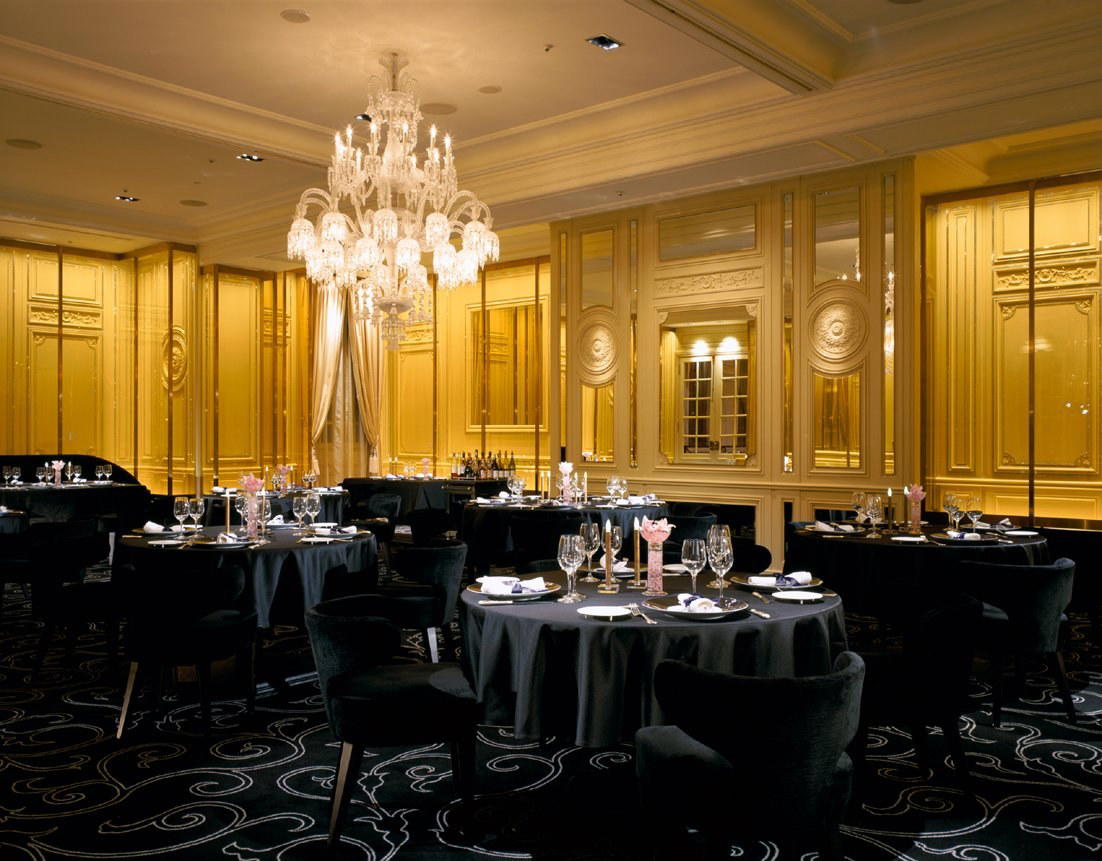
Tokyo's most compelling dining spaces of the past decade have largely abandoned the banquette-and-chandelier template in favour of materials that age visibly and seating arrangements that compress the distance between kitchen and guest. The counter format, long the default in sushi and yakitori, has migrated into broader Japanese dining as chefs have recognised that proximity to the kitchen changes not just the pacing but the attentiveness of the meal. Where a large dining room diffuses focus, a considered counter concentrates it. Ebisu Kuroiwa works within this architectural grammar.
Design as Editorial Statement
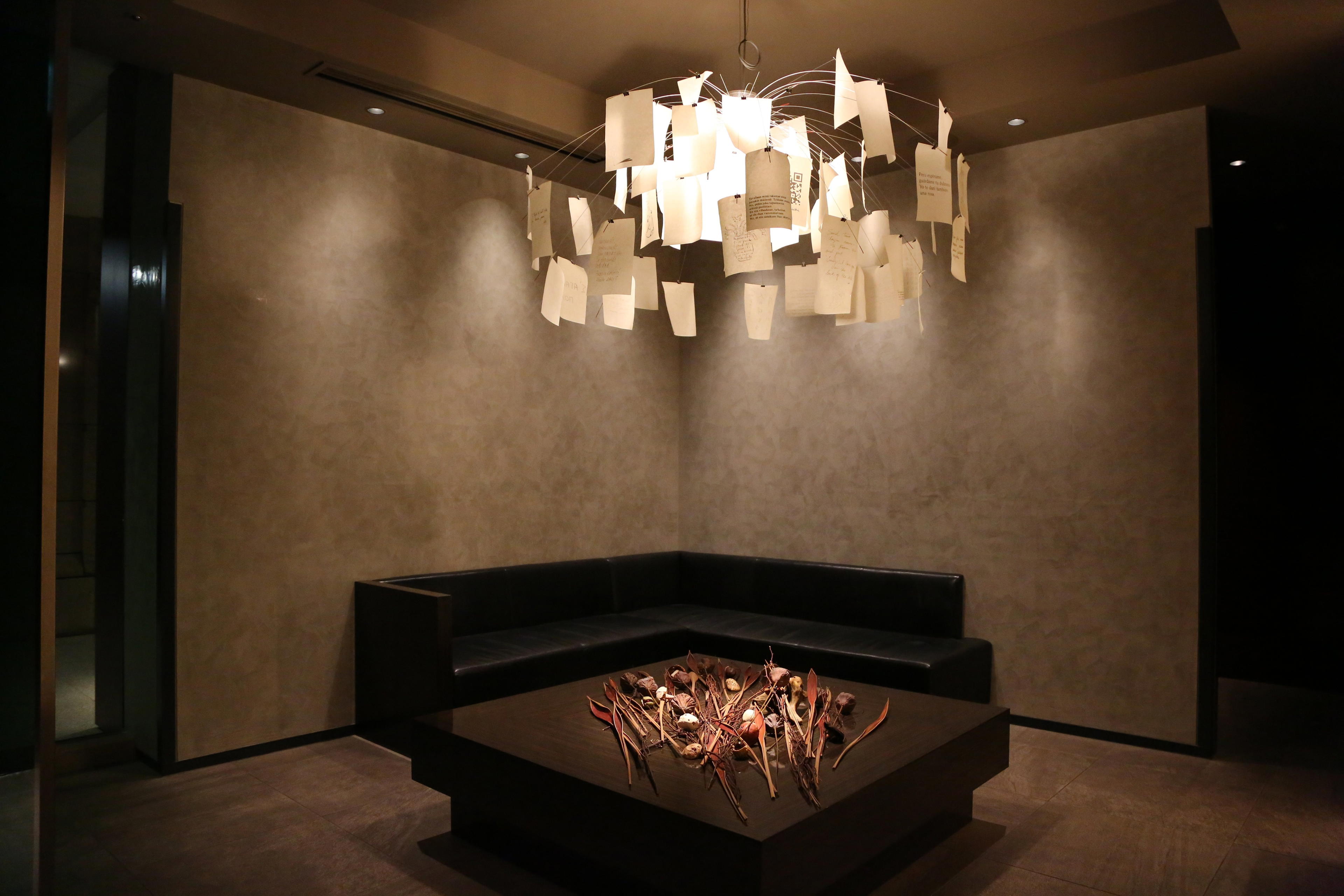
The interior architecture of a Tokyo dining room at this tier is rarely incidental. It is, in most cases, the first and most durable editorial statement a kitchen makes. The choice of wood grain over lacquer, of warm pendant light over recessed ceiling wash, of close seating over generous spacing: each decision reflects a position in the city's dining conversation. Rooms that read spare and handmade tend to signal a kitchen that is equally interested in restraint, in letting a single ingredient carry a course rather than building complexity through accumulation.
This is the design tradition Ebisu Kuroiwa operates within. The Ebisu address is notably different from, say, the compressed theatre of a Ginza counter like Harutaka, where the sushi counter format is freighted with decades of expectation, or the formal European register of L'Effervescence in Minami-Aoyama, where the room announces its ambition in every detail. In Ebisu, the physical container tends to work more quietly.
Where Ebisu Kuroiwa Sits in Tokyo's Dining Tier
Tokyo's restaurant market has stratified sharply over the past ten years. At the leading, omakase counters and kaiseki rooms compete on a global stage, with reservation windows of three to six months and price points that align with European fine dining. RyuGin in Roppongi and Sézanne in Marunouchi represent that tier: internationally recognised, heavily awarded, and priced accordingly. Below that, a more interesting and less trafficked band of addresses operates with comparable seriousness but fewer of the signals that attract international crowds.
Ebisu Kuroiwa occupies this middle band. It draws from the same city-wide interest in ingredient sourcing and kitchen precision without the reservation anxiety of the top tier. For a traveller who has already worked through the Crony tier of Tokyo's innovative dining or wants to cross-reference what Ebisu does against the kaiseki tradition, the room offers a different kind of access: less ceremonial, more immediate.
The Neighbourhood as Context
Ebisu's dining character has been shaped partly by its proximity to the creative industries that cluster in Daikanyama and Nakameguro. The clientele at better Ebisu restaurants skews toward professionals in design, film, and fashion who eat out regularly and expect their local rooms to keep pace with the city's leading. This is a more demanding local audience than the tourist-heavy crowds of central Ginza, and it tends to reward restaurants that improve incrementally rather than those that rely on an opening-year reputation.
The 4-chome block specifically is a quieter pocket of the neighbourhood, away from the main Ebisu Garden Place complex and its more commercial dining. Getting there on foot from Ebisu Station takes roughly five minutes through residential streets, a walk that functions as a kind of decompression from the station's retail density. The approach matters in a city where the transition from street to room is part of the experience.
Japan's Wider Dining Conversation
Placing Ebisu Kuroiwa in its national context means acknowledging that Tokyo is one part of a much broader Japanese dining argument. The kaiseki tradition that anchors Gion Sasaki in Kyoto or the ingredient-led intensity of HAJIME in Osaka represents different poles of what serious Japanese cooking can mean. Regionally, the country's appetite for precision extends to addresses like akordu in Nara, Goh in Fukuoka, and further into prefectures that have built their own dining identities away from the capital's density: affetto akita in Akita, Aji Arai in Oita, Abon in Ashiya, Ajidocoro in Yubari District, and Akakichi in Imabari.
What Tokyo rooms like Ebisu Kuroiwa offer is not the regional specificity of those addresses but a kind of metropolitan synthesis: the city pulls ingredient networks, technique traditions, and service conventions from across Japan and concentrates them in a relatively small geographic footprint. For an international visitor, a room in Ebisu can function as a readable cross-section of that synthesis, particularly when the physical space is designed to remove distraction rather than add it. See our full Tokyo restaurants guide for broader orientation across the city's tiers and neighbourhoods. International comparisons are also instructive: the counter-led precision that defines rooms like Ebisu Kuroiwa shares methodology with formats as different as Le Bernardin in New York City or the collaborative, open-kitchen format of Lazy Bear in San Francisco, and aki nagao in Sapporo extends the same northern Japanese ingredient conversation into a different register entirely.
Planning Your Visit
Given the neighbourhood's profile and the format implied by the address, confirming details directly before visiting is advisable. The table below positions Ebisu Kuroiwa against comparable Tokyo addresses to help calibrate expectations on format and tier.
| Venue | Neighbourhood | Cuisine | Price Tier | Booking Lead Time |
|---|---|---|---|---|
| Ebisu Kuroiwa | Ebisu, Shibuya | Confirm directly | Confirm directly | Confirm directly |
| Harutaka | Ginza | Sushi | ¥¥¥¥ | Several months |
| L'Effervescence | Minami-Aoyama | French | ¥¥¥¥ | Weeks to months |
| RyuGin | Roppongi | Kaiseki | ¥¥¥¥ | Several months |
| Crony | Minami-Aoyama | Innovative French | ¥¥¥¥ | Weeks |
Frequently asked questions
Where exactly is Ebisu Kuroiwa?
Ebisu Kuroiwa is located at 4 Chome-11-12 Ebisu, Shibuya, Tokyo 150-0013, Japan, Tokyo.
Is Ebisu Kuroiwa suitable for a solo dining experience in Tokyo?
Ebisu's restaurant character, shaped by the neighbourhood's proximity to Daikanyama, has historically supported counter-format and intimate room dining that suits solo visitors. Ebisu Kuroiwa is located at 4 Chome-11-12 Ebisu, Shibuya, a quieter setting than Ginza or Shinjuku, which typically translates to a lower-pressure environment for single diners.
What's the best thing to order at Ebisu Kuroiwa?
Given the venue's address in Ebisu, Shibuya, a neighbourhood that attracts a discerning local and creative-industry crowd rather than tourist traffic, the kitchen is likely to reflect a focused, seasonal approach. Confirm the current format directly when booking.
How hard is it to get a table at Ebisu Kuroiwa?
Ebisu Kuroiwa operates in one of Tokyo's more residential dining pockets, at 4 Chome-11-12 Ebisu, Shibuya. Venues at this address profile in Tokyo tend to build local regulars quickly, which can make walk-in access unreliable.
What has Ebisu Kuroiwa built its reputation on?
Its position in Ebisu, a neighbourhood shaped by proximity to Daikanyama and Nakameguro's creative industries, suggests a dining identity built on consistency and neighbourhood loyalty rather than Ginza-tier spectacle.
Can Ebisu Kuroiwa accommodate dietary restrictions?
As with most Tokyo restaurants operating outside large hotel groups, communicating dietary requirements in advance is strongly advised. Reaching the venue directly at their Ebisu, Shibuya address is the most reliable route to confirming what is possible.
Category Peers
| Venue | Cuisine | Price | Awards | Notes |
|---|---|---|---|---|
| Ebisu KuroiwaThis venue (the venue you are viewing) | Kaiseki | $200–300 | Tabelog 100 #58 | Not listed |
| Harutaka | Edo-Style Omakase Sushi | $200–300 | 3 Michelin Stars · World's 50 Best #76 | Sushi |
| L'Effervescence | Modern French with Japanese Influences | $200–300 | 3 Michelin Stars · World's 50 Best #69 | French |
| RyuGin | Modern Kaiseki | $500+ | 3 Michelin Stars · World's 50 Best #41 | Kaiseki, Japanese |
| Crony | Modern French with Japanese Influences | $150–200 | 2 Michelin Stars · World's 50 Best #34 | Innovative, French |
| Den | Modern Japanese Kaiseki | $150–200 | 2 Michelin Stars · World's 50 Best #51 | Innovative, Japanese |
Recognition history
Dated appearances from independent guides and award organizations, with the underlying list record or original source where available.
Tabelog 100 #58 · No. 58
Tabelog · Tabelog 100 - Japanese cuisine - TOKYO - 2025