
Tokyo yakiniku has become increasingly bifurcated between luxury beef counters and casual grill rooms; kouenji yakiniku kokochi Honten occupies the serious small-room lane in Koenji. Its Tabelog 100 Yakiniku Tokyo 2025 selection, 16-seat scale, and focus on black wagyu red meat and offal make it a useful marker for how nose-to-tail grilling is moving beyond central Tokyo dining districts.
Pearl is the En Primeur Club membership app — saves, bookings, and concierge access live there. Same editors, same standards.
- Address
- 東京都杉並区高円寺北2-18-9 ベルテンポ 1F
- Phone
- +81353569444
- Website
- tabelog.com
 Saves & bookings on Pearl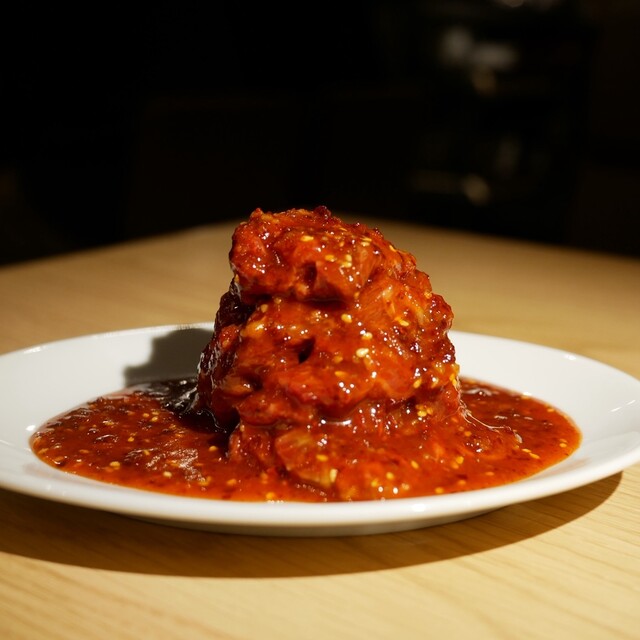
Koenji shifts the temperature of Tokyo dining before the first grill is lit. Its north-side streets carry less ceremony than Ginza or Nishi-Azabu, which suits yakiniku: smoke, rice, sauce, and close seating feel natural in a district of music bars, small restaurants, and regulars who do not need luxury performed. In that setting, kouenji yakiniku kokochi Honten belongs to a Tokyo category more interesting than premium-beef shorthand: compact yakiniku rooms treating offal, red meat, rice, and seasoning as one system, not a procession of expensive cuts.
That also gives the sustainability angle substance. Yakiniku has always had practical intelligence around whole-animal eating, especially hormone-yaki and tripe, while contemporary Tokyo often separates prestige from thrift by pushing marbling above all. A kitchen placing offal beside black wagyu red meat keeps the tradition’s less wasteful logic visible. The point is not austerity, but a broader reading of beef culture, where value comes from sourcing, trimming, seasoning, and heat control as much as luxury labeling.
Koenji's serious yakiniku lane is smaller, tighter, and less ceremonial
Tokyo beef restaurants usually fall into three modes: polished wagyu rooms built for entertaining, casual neighbourhood grills built for volume, and a narrower middle tier where intimate cooking meets sourcing and recognition that raise expectations. kouenji yakiniku kokochi Honten sits in that middle tier, with a 2025 Tabelog 100 Yakiniku Tokyo selection and a Tabelog score of 4.12 placing it inside a competitive Tokyo field without turning dinner into a formal tasting-menu exercise.
Scale matters. Sixteen seats create a rhythm unlike a large grill hall: fewer tables, less distance between staff and diners, and little room for a menu padded with distractions. In yakiniku, restraint is not minimalism. It gives the grill format discipline. Rice must matter. Sauces should frame fat, not bury it. Offal needs to be central, not an appendix for specialists. This is where the style earns attention from diners who know Tokyo sushi counters and kaiseki rooms but want more heat, conversation, and less scripted reverence.
Koenji sharpens the comparison. Nearby, ERICK SOUTH KOENJI CURRY&BIRYANI CENTRE and CURRY SHOP Kujira Kouenji show the neighbourhood’s lower-priced, daily-use appetite, while Sushi Hayashi occupies another premium Tokyo register. Koenji Yakiniku Kokochi Ichiba ten, priced below the Honten, suggests a more accessible sibling in the same local orbit. The Honten is therefore not simply “expensive yakiniku”; it is a higher-stakes version of neighbourhood grammar, with offal and red meat doing work luxury rooms often assign to brand-name beef.
Offal, black wagyu, and the rice question
Yakiniku’s environmental case is strongest when beef dining is not reduced to loin and sirloin. Offal cookery has long belonged to Japanese grill culture, especially in urban working districts, because it extends the animal and rewards technique. In contemporary Tokyo, that tradition has entered more ambitious rooms, where diners accept higher prices if the meal shows precision across textures and cuts. Here, the stated emphasis on offal and black wagyu red meat places the restaurant in that complete reading of the genre.
Rice is not minor. In serious yakiniku, it is the structural counterweight to fat, tare, salt, and smoke. Restaurants treating rice as an afterthought often reveal menus built around isolated beef prestige rather than meal architecture. A simple menu, focused seasoning, and attention to rice make a case for classic yakiniku when Tokyo premium dining often rewards elaboration. This format asks less for wonder than for appetite, judgment, and pacing.
The recognition signal is useful, but should be read correctly. Tabelog’s Hyakumeiten lists matter among Japanese diners because they reflect category-specific depth, and the Yakiniku Tokyo list is crowded. Selection in 2025 puts the restaurant among serious grill specialists citywide, but does not make it interchangeable with Ginza beef temples or hotel dining. The Koenji address is part of the argument: Tokyo beef culture outside the polished central-district frame.
How to place it in a Tokyo food itinerary
For travellers building a Tokyo eating week, yakiniku often works well after high-control meals. Sushi counters and tempura rooms demand quiet attention; yakiniku returns the table to the process. The diner manages pace, watches the grill, and decides how much rice, sauce, and offal to fold into the evening. That makes this kind of meal a counterpoint to the city’s more codified luxury formats.
Use Koenji for a west-side dining night, not a quick detour from central Tokyo. The area rewards time before or after dinner, and the restaurant’s small scale suits diners comfortable with compact Tokyo rooms. For broader planning, compare it against other Tokyo entries in Our full Tokyo restaurants guide, then build the rest of the trip through Our full Tokyo hotels guide, Our full Tokyo bars guide, Our full Tokyo wineries guide, and Our full Tokyo experiences guide.
Within Tokyo, useful comparisons are not only other beef rooms. 鮪と炭火焼き うお炭 秋葉原店 shows another charcoal-led direction, 12/10 Shinjuku ten belongs to a different Shinjuku register, 124. KAGURAZAKA (Yakitori) frames grilling through poultry, 2D Cafe covers the city’s visual café culture, and 3 Chome no Curry Ya San points toward another comfort-food vocabulary. Beyond Tokyo, beef and casual-dining context extends through -Grilled beef Sukiyaki- KAMAKURA TANUKIAN 鎌倉 たぬき庵 in Kamakura, while.cafe in Osaka.know in Kumamoto, (Shoku) Vietnam in Kawasaki, [Curry Senmon Ten] Maruyama Kyoju. in Sapporo, [ki:] in Kyoto, Jōdo Saké Bar in Los Angeles, and Onigiri Time in Pasadena, showing how Japanese dining references travel across formats and cities.
Quick Comparison
Comparable venues at the same tier for side-by-side context.
| Venue | Cuisine | Price | Notes |
|---|---|---|---|
| kouenji yakiniku kokochi HontenThis venue — the venue you are viewing | Yakiniku (Japanese BBQ) & Offal Grill | $$$ | Not listed |
| Iruka Tokyo Roppongi | Modern Ramen | $$$ | Roppongi |
| Shoan | Traditional Japanese Soba | $$$ | Shinjuku |
| Yakitori Uu. | Yakitori | $$$ | Meguro |
| Beef Kitchen Ebisu ten | Modern Wagyu Yakiniku | $$$ | Shibuya |
| Yakitori Yamamoto | Modern Yakitori & Warm Sake | $$$ | Musashino (Mitaka area) |
Recognition history
Dated appearances from independent guides and award organizations, with the underlying list record or original source where available.
Tabelog 100 #96 · No. 96
Tabelog · Tabelog 100 - Yakiniku - TOKYO - 2025











At a Glance
- Cozy
- Intimate
- Lively
- Classic
- Date Night
- Special Occasion
- Group Dining
- After Work
- Casual Hangout
- Standalone
- Local Sourcing
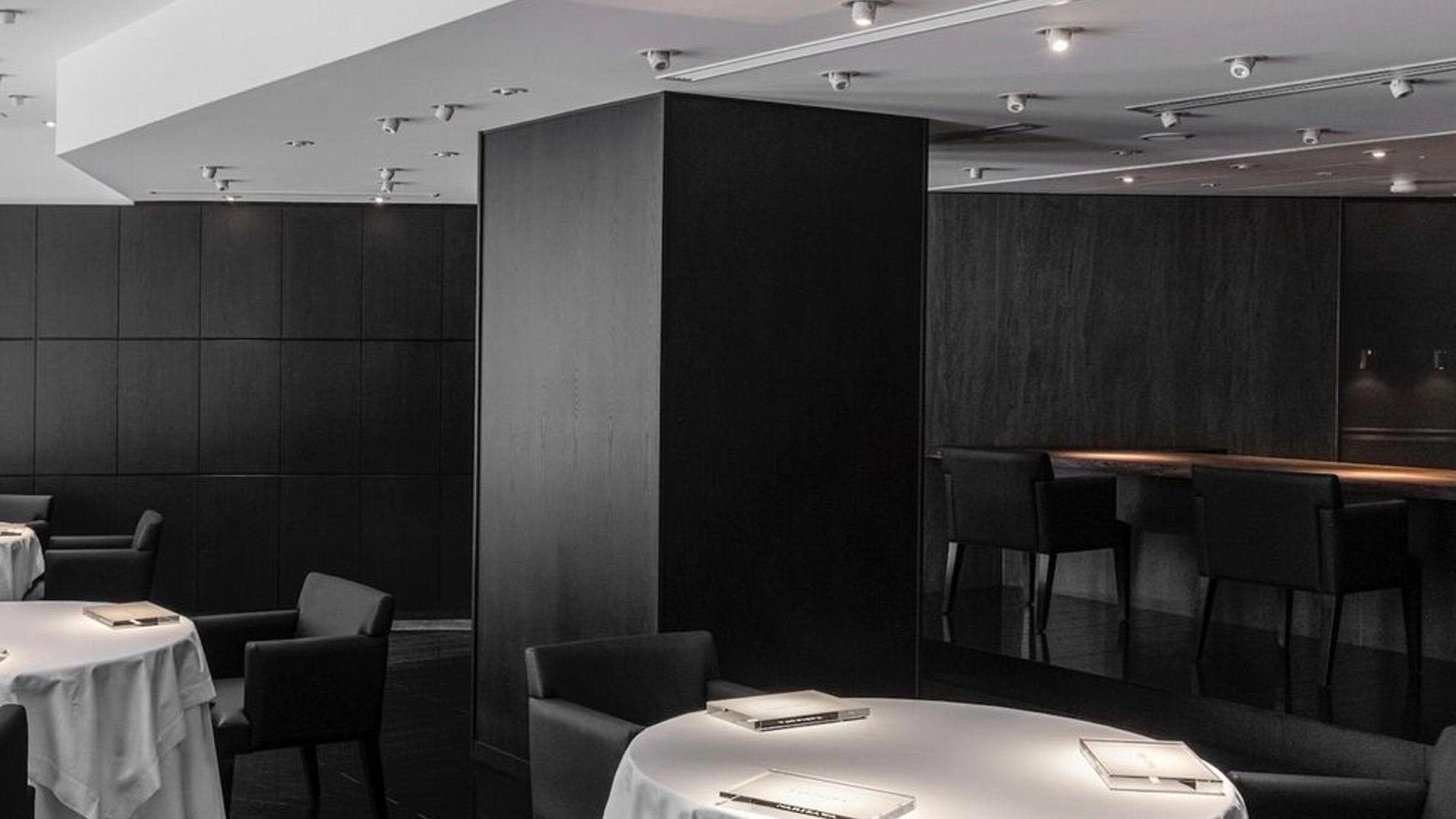
Small, non-smoking and reservation-only, with a relaxed, quietly stylish atmosphere that emphasizes the grill experience and quality meat rather than flashy decor.