

Tabelog 100 #90
Our verdict
Sushi Miyaba in Minato's Hamamatsucho district operates within Tokyo's mid-tier omakase tier, where serious technique meets neighborhood accessibility. Under chef Ryujiro Nakamura, the counter runs a tight Tuesday-to-Sunday schedule across lunch and dinner services. An Opinionated About Dining recommendation for 2023 places it in credible company across Japan's sushi scene.

Pearl is the En Primeur Club membership app, where members save venues, book tables and use the concierge.
A Neighborhood Counter in the Larger Tokyo Omakase Story
Tokyo's sushi scene has fractured into distinct price tiers over the past decade. At the summit sit the Ginza and Azabu counters, places like Harutaka, Sukiyabashi Jiro Roppongiten, and Sushi Kanesaka, that price against international trophy dining and require booking windows measured in months. Below that, a more interesting middle tier has developed: counters in residential and transit-adjacent neighborhoods that attract a local professional clientele, maintain serious edomae discipline, and carry independent critical recognition without the ceremony or cost of the flagship addresses. Sushi Miyaba, situated in Hamamatsucho in Minato City, belongs to this latter category.
Hamamatsucho is not a dining destination in the way Ginza or Minami-Aoyama are. It is a functional district, large office buildings, proximity to Tokyo Monorail connections, the shadow of the World Trade Center building, that happens to support a quiet layer of serious lunch counters and after-work dinner spots. For edomae sushi, that context matters. Counters here tend to serve regulars rather than tourists, which shapes both the pacing of service and the assumptions a chef makes about his audience.
The Lunch and Dinner Divide at Sushi Miyaba
The structural argument for visiting Sushi Miyaba at lunch rather than dinner is the same one that applies across most of Tokyo's mid-range omakase circuit. Lunch services, running from 11:30 am to 2:30 pm on the four operating days, tend to draw the working crowd from surrounding offices, a clientele that keeps pacing efficient and often benefits from shorter, tighter menus relative to the evening. The fish sourcing operates from the same supply, and at counters at this level, the midday and evening kitchens generally share the same quality ceiling.
Evening service extends to 10:00 pm and carries the full dinner mood: a longer sit, more courses in a typical omakase format, and a setting better suited to extended conversation across the counter. At comparable counters in the Tokyo circuit, Edomae Sushi Hanabusa or Hiroo Ishizaka operate in related tiers, evening omakase tends to include more aged and marinated preparations alongside the standard nigiri progression, reflecting the additional kitchen time available and the expectation of a more leisurely guest.
For a first visit, the lunch window at Sushi Miyaba offers a lower-commitment entry point into how the counter works. The neighborhood dynamic makes lunch feel less performative than it does at Ginza addresses where the room self-consciously reads as a destination.
Where the OAD Recommendation Sits
Independent critical recognition operates as a useful calibration tool in Tokyo's sushi tier, where Michelin stars and 50 Best placement have come to signify specific things about price point, formality, and international accessibility. Opinionated About Dining's 2023 recommendation list for Japan covers a different band: counters that the publication's network of serious diners finds worthy without necessarily having the institutional infrastructure of a starred kitchen. Being placed on that list tells you more about the quality ceiling of the cooking than about the production values of the room.
That is a meaningful distinction at this tier, where irregular sourcing or inconsistent preparation can pull a counter's average in either direction.
Edomae Tradition in a Transit-Adjacent Context
Edomae sushi as a format is built around techniques developed in pre-refrigeration Tokyo: curing, marinating, slow cooking, and temperature management that transform individual fish rather than presenting them raw in the Hawaiian or contemporary style. The tradition remains foundational across Tokyo's serious counters, though the degree to which a given chef adheres to classical methods versus incorporating more contemporary handling varies considerably.
What edomae discipline demands, practically, is proximity to Tsukiji or Toyosu sourcing networks and a chef who understands how time and temperature affect texture in cured fish differently than in fresh cuts. In a neighborhood like Hamamatsucho, without the tourist footfall that can push lesser counters toward crowd-pleasing familiarity, there is less commercial incentive to soften the edomae approach. That is a structural advantage for the form, even if it makes the counter a less obvious find for visitors working from standard dining lists.
Across Japan, comparable sushi experiences are playing out in secondary cities and contexts: HAJIME in Osaka and Gion Sasaki in Kyoto reflect the broader pattern of serious, technique-driven kitchens operating outside the capital's main dining circuits. Even further afield, the export model has taken root: Sushi Shikon in Hong Kong and Shoukouwa in Singapore demonstrate how edomae principles have migrated across Asia while the source counters in Tokyo continue to hold the technical standard.
What to Consider Before Booking
The operating schedule at Sushi Miyaba closes on Mondays and Thursdays, leaving a four-day window across Tuesday, Friday, Saturday, and Sunday. Both lunch (11:30 am to 2:30 pm) and dinner (6:00 pm to 10:00 pm) run on each of those days. The closure pattern is not unusual for Tokyo's owner-operated counters, where the chef's direct involvement in sourcing and preparation means fewer operating days rather than a larger kitchen team covering the full week.
Hamamatsucho station on the JR Yamanote Line and Toei Oedo Line puts the address within direct reach of central Tokyo. The neighborhood doesn't generate the kind of pre-dinner streetlife that makes arriving early worthwhile in Nakameguro or Shimokitazawa, so timing your arrival close to the reservation makes more practical sense here.
No price range, booking method, or dress code data is available in the public record for Sushi Miyaba. At counters in this tier elsewhere in Tokyo, omakase pricing typically reflects the session length and course count rather than a fixed menu price, and casual smart dress is standard unless otherwise specified. Confirming booking arrangements directly with the counter before visiting is advisable, particularly for non-Japanese speakers, as smaller owner-operated sushi counters in non-tourist neighborhoods may not have English-language booking infrastructure.
For a broader view of where Sushi Miyaba sits within the city's dining options, see our full Tokyo restaurants guide. For hotels, bars, and other experiences while you're in the city, refer to our Tokyo hotels guide, our Tokyo bars guide, and our Tokyo experiences guide. Elsewhere in the region, akordu in Nara, Goh in Fukuoka, 1000 in Yokohama, and 6 in Okinawa offer useful reference points for the range of serious dining available across Japan's main islands.
Quick Reference
- Address: 2 Chome-11-8 Hamamatsucho, Minato City, Tokyo 105-0013
- Hours: Tue, Fri, Sat, Sun, Lunch 11:30 am–2:30 pm; Dinner 6:00–10:00 pm. Closed Mon and Thu.
- Awards: Opinionated About Dining Leading Restaurants in Japan Recommended (2023)
- Chef: Ryujiro Nakamura
Frequently asked questions
What's Sushi Miyaba's location?
Sushi Miyaba is located at 2 Chome-11-8 Hamamatsucho, Minato City, Tokyo 105-0013, Japan, Tokyo.
Has Sushi Miyaba won any awards?
Sushi Miyaba has received recognition including: Opinionated About Dining Top Restaurants in Japan Recommended (2023).
What's the best thing to order at Sushi Miyaba?
Sushi Miyaba operates as an omakase counter, meaning the menu is set by chef Ryujiro Nakamura rather than ordered à la carte. The format follows Edomae tradition, where curing, marinating, and temperature control determine the character of each piece. Opinionated About Dining included the restaurant in its 2023 Top Restaurants in Japan list, which suggests the counter is performing at a level worth deferring to, ordering the full omakase is the point of the visit.
Peers Worth Knowing
Comparable venues nearby, for context on price, style, and recognition.
| Venue | Cuisine | Price | Awards | Notes |
|---|---|---|---|---|
| Sushi MiyabaThis venue (the venue you are viewing) | Edomae Sushi | $200–300 | Tabelog 100 #90 | Not listed |
| Ara Ki | Edomae Sushi | $300–500 | Tabelog Bronze #24 | Minato |
| Odajima | Japanese Cuisine & Wine Pairing | $200–300 | Star Wine List | Minato |
| sushi riku | Edomae Omakase | $300–500 | Tabelog Bronze #369 | Shibuya |
| Akimoto | Premium Traditional Unagi (Eel) | $50–100 | Opinionated About Dining Casual in Japan | Setagaya |
| Torioka | Premium Yakitori Omakase | $50–100 | Tabelog 100 #70 | Azabudai, Minato Ward |
Recognition history
Dated appearances from independent guides and award organizations, with the underlying list record or original source where available.
Opinionated About Dining Top Restaurants in Japan Recommended
Opinionated About Dining
Tabelog 100 #90 · No. 90
Tabelog · Tabelog 100 - Sushi - TOKYO - 2025
Full recognition history (3 entries)
Opinionated About Dining Top Restaurants in Japan Recommended
Opinionated About Dining
Continue exploring
More in Tokyo
More from Chef Ryujiro Nakamura
Browse all →
Restaurants in Tokyo
All restaurants in Tokyo →

Bars in Tokyo
All bars in Tokyo →
Details
- Quiet
- Elegant
- Classic
- Solo
- Business Dinner
- Chefs Counter
- Sake Program
- Omakase
- Counter Dining
Current opening hours
- Monday
- Closed
- Tuesday
- 11:30 AM–2:45 PM, 6–9:30 PM
- Wednesday
- 11:30 AM–2:45 PM, 6–9:30 PM
- Thursday
- Closed
- Friday
- 11:30 AM–2:45 PM, 6–9:30 PM
- Saturday
- 11:30 AM–2:45 PM, 6–9:30 PM
- Sunday
- 11:30 AM–2:45 PM, 6–9:30 PM
Hours can change for holidays and private events. Last verified .
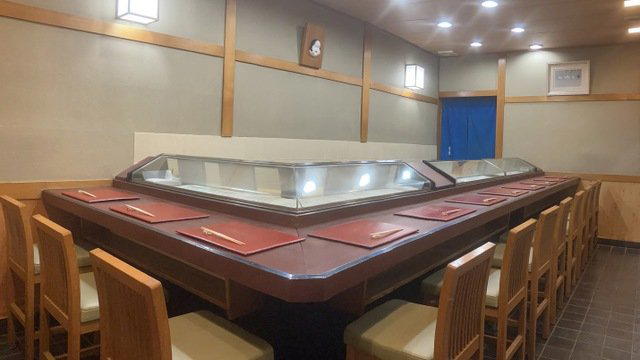
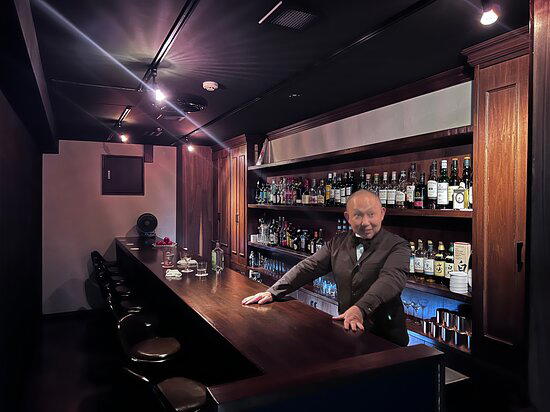
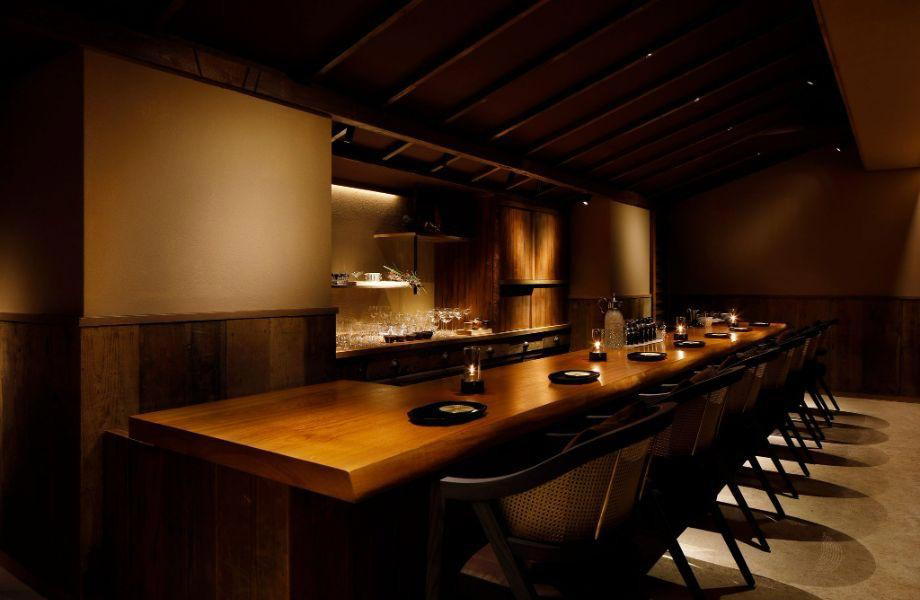
Relaxing counter seating space with quiet and hospitable atmosphere.