



Kanda places Tokyo kaiseki in a controlled counter setting, with Hiroyuki Kanda’s Tokushima roots visible through regional references and a restrained approach to Japanese cuisine. The dining room belongs to Tokyo’s serious kappo-kaiseki tier: compact, expensive, award-marked, and built around the tension between seasonal formality and counter-side immediacy.
Pearl is the En Primeur Club membership app — saves, bookings, and concierge access live there. Same editors, same standards.
- Address
- 1F, Toranomon Hills Residential Tower, 1 Chome-1-1 Atago, Minato City, Tokyo 105-0002, Japan
- Phone
- +81 3-6459-0176
- Website
- nihonryori-kanda.com
- Directions
- Get directions
 Saves & bookings on Pearl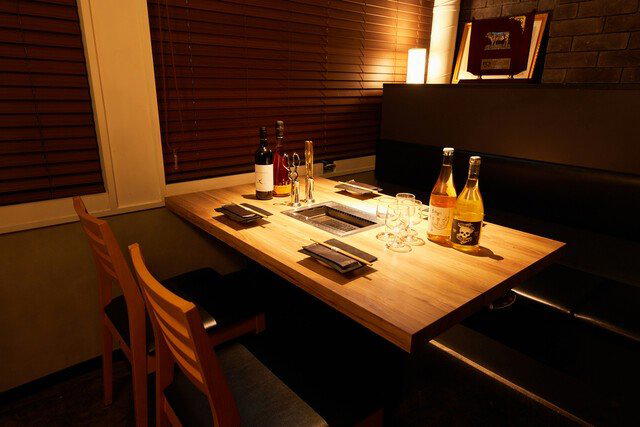
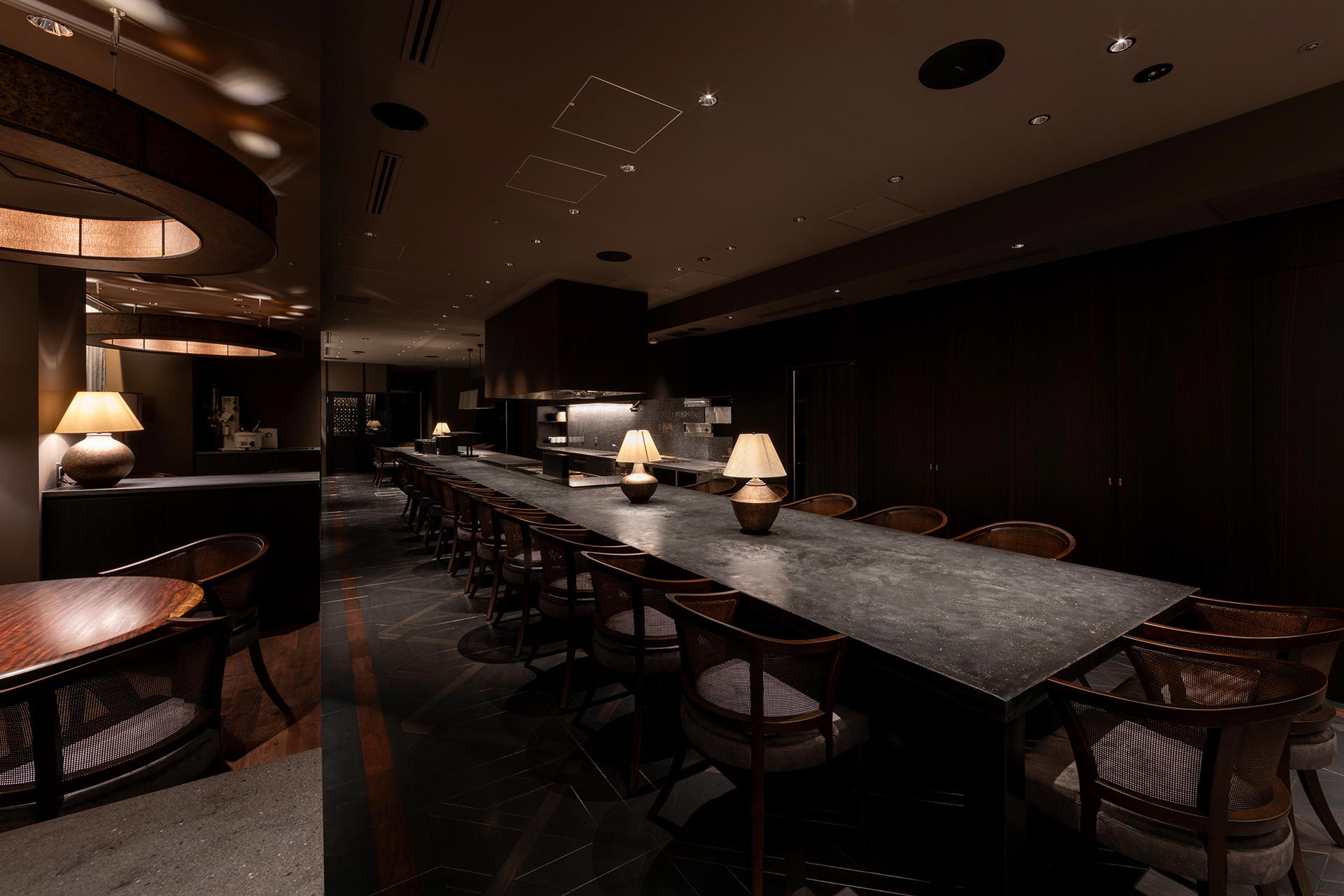
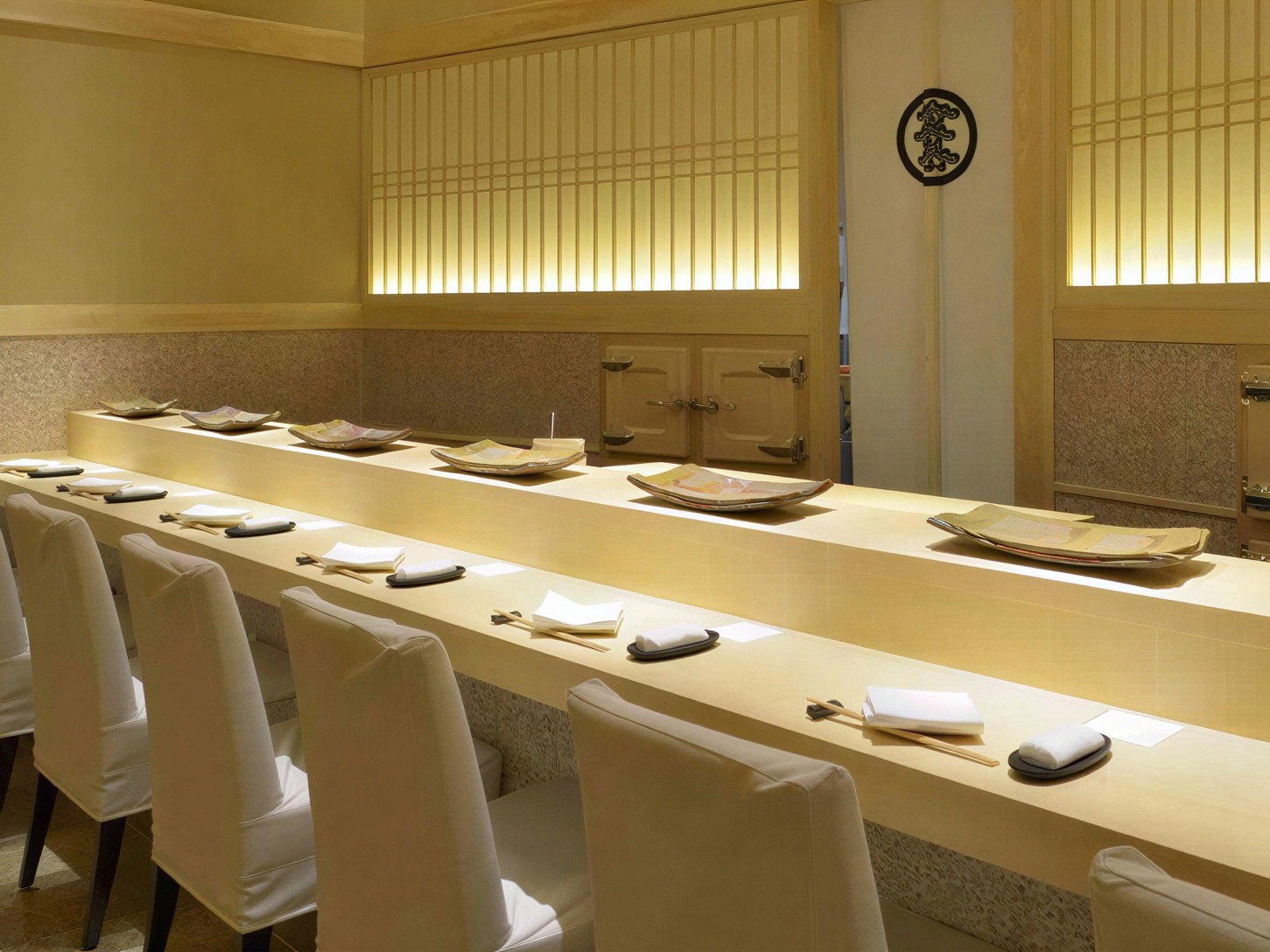
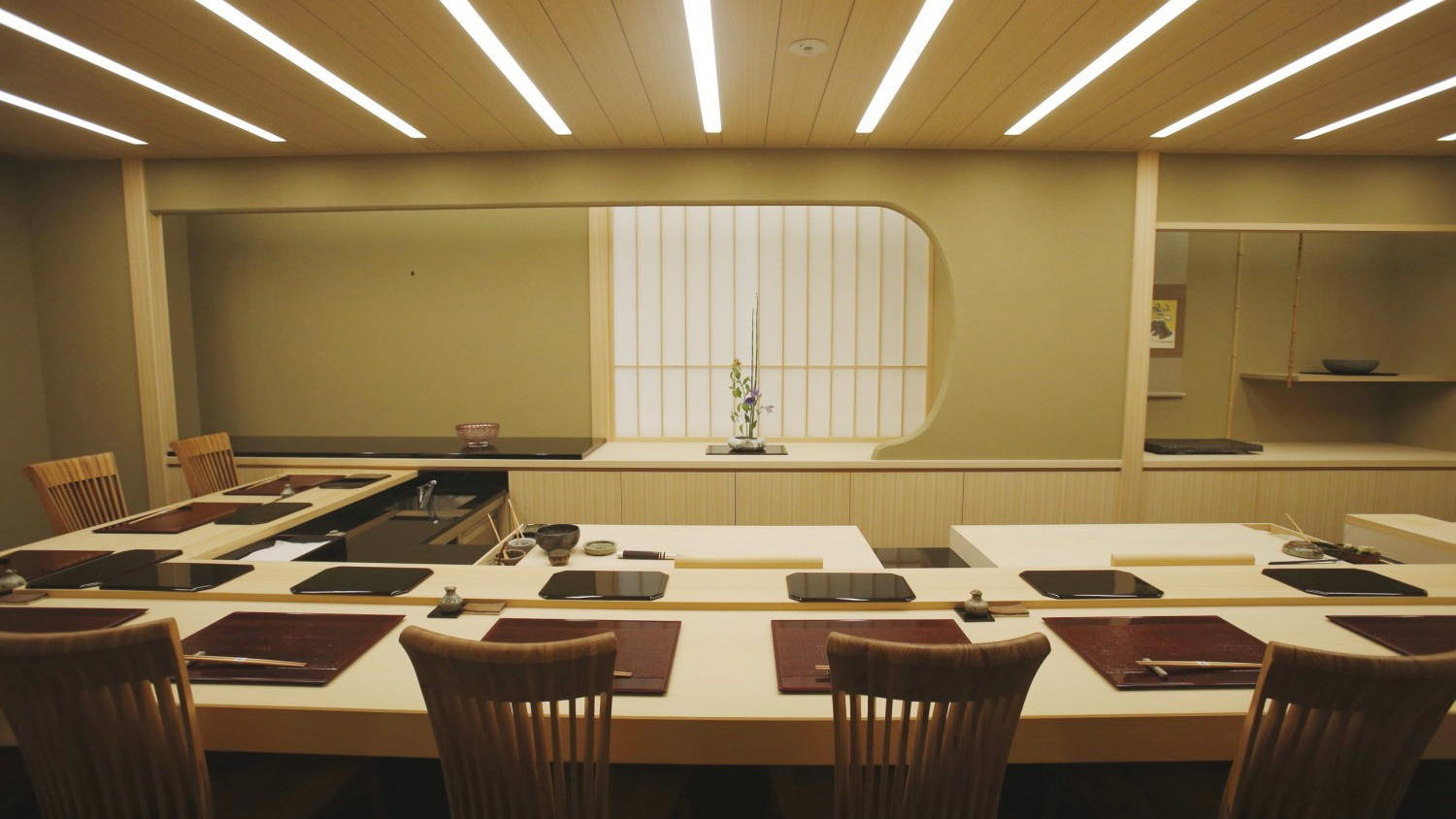
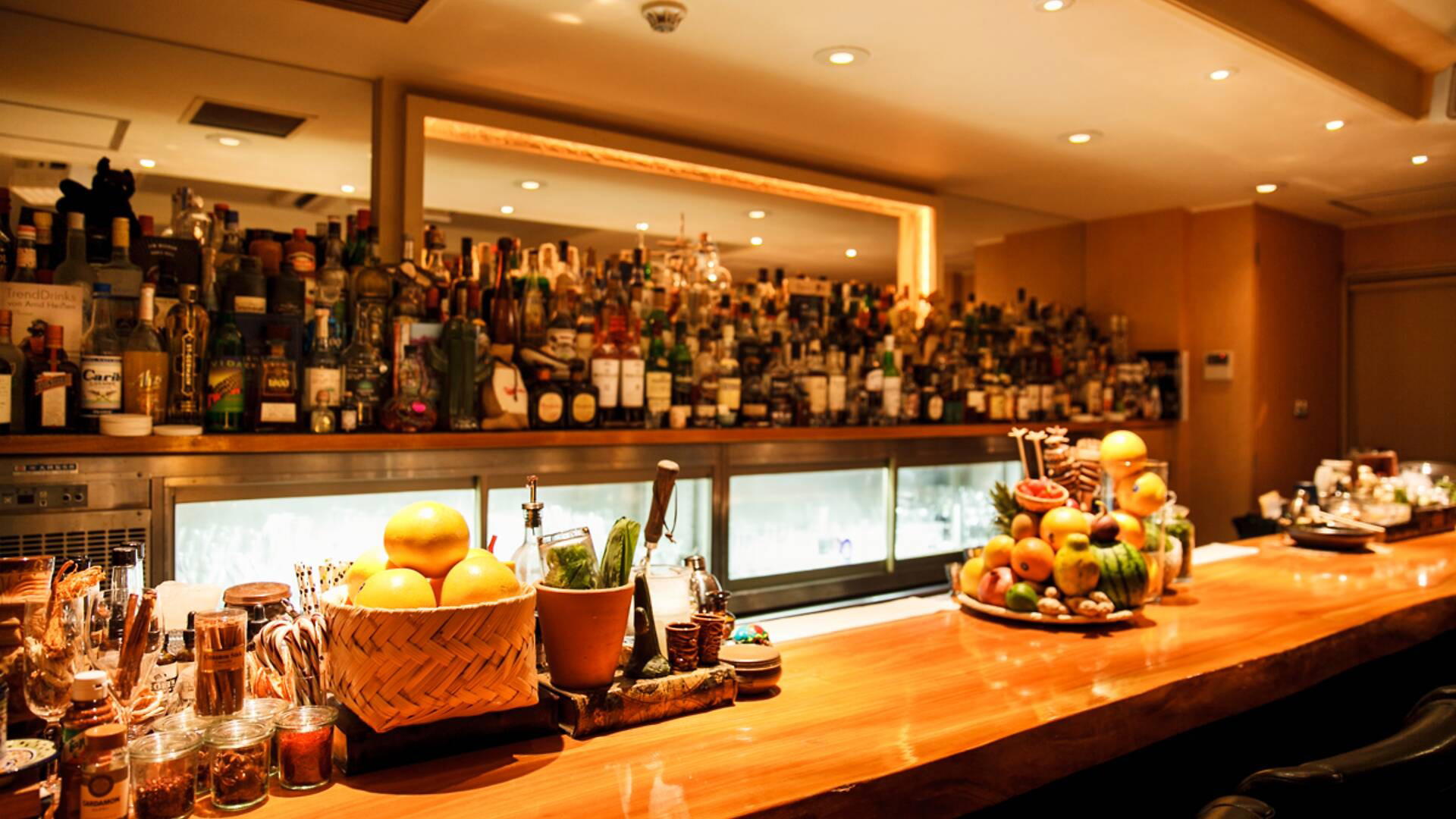
At a serious Tokyo counter, the room is part dining space, part theatre, but the performance is measured, not flamboyant. The kanda restaurant counter seats bring preparation close enough to read the evening’s tempo: the pause before serving, small adjustments at the pass, and the way a kaiseki meal moves from season to craft rather than spectacle. In Toranomon Hills, that matters. Tokyo luxury Japanese dining has moved into high-rise commercial districts without abandoning counter intimacy, and Kanda sits squarely in that shift.
Kaiseki in Tokyo is not one style. Ginza houses such as Ginza Kojyu and GINZA OKUDA carry polished central-Tokyo formality, while individual rooms such as Ginza Shinohara, Kohaku, and Kutan show how the category bends toward ceremony, technique, or season-led precision. Kanda belongs to the high-price, high-recognition end, with The Tabelog Award 2026 Bronze, Tabelog Japanese Cuisine Tokyo 100 selection in 2025 and 2023, Opinionated About Dining recognition, and La Liste scores in the high nineties marking its position among Japan’s heavily scrutinised Japanese restaurants.
Counter-side kaiseki, not dinner theatre
The stage is not teppanyaki’s flame-and-knife choreography. It is the quieter Japanese counter tradition, where preparation happens in view but the point is control. In kappo and kaiseki settings, the counter compresses kitchen and dining room: cooking, finishing, plating, and serving become one sequence. Guests are not watching tricks; they are watching timing.
Kanda’s format reinforces that. Sixteen seats, split between a counter and private rooms, put it in Tokyo’s low-capacity tier, where scale is intentionally limited and economics rest on few covers. The only meal format is a selection course, so the evening avoids à la carte decision-making. That matters because kaiseki depends on sequence: season, temperature, texture, rice, broth, fish, and meat build an argument rather than a collection of favourites.
The regional note is central. Hiroyuki Kanda’s Tokushima roots are not biographical garnish; they place the restaurant’s Japanese cuisine within specific references. Tokushima indigo, Tokushima sake, fish from Naruto, and Awa beef have all signalled that connection. Tokyo kaiseki often trades in national seasonality, but restaurants at this level use regional identity to avoid generic luxury. This is not rural nostalgia transplanted to Minato-ku, but a Tokyo dining room using regional materials and symbols to sharpen its point of view.
Where restraint carries the luxury signal
Luxury Japanese dining can be misread by travellers expecting abundance to announce itself. Kaiseki rarely works that way. Its expensive end is defined by sourcing, sequence, handwork, tableware, and the ability to make small differences legible. A restaurant described by La Liste through careful ingredient selection and minimal preparation belongs to that school: confidence comes from subtraction, not accumulation.
That restraint makes comparison within Tokyo useful. RyuGin and Ginza Kojyu operate in the same broad ¥¥¥¥ kaiseki bracket, while Ren Mishina and Mutsukari express Japanese fine dining at adjacent levels of formality and spend. The question is not which room has the louder reputation, but which kaiseki a diner wants: grand modern Japanese cooking, classic Ginza polish, a personal seasonal register, or a counter-led meal where performance is embedded in service rhythm.
Kanda is strongest for diners who value exacting quiet over theatrical excess. Private rooms broaden its use for business meals, but the counter is more revealing because it shows discipline in real time. Tokyo counter dining is often associated with sushi, yet Japanese cuisine counters can be just as instructive. A clear broth, grilled course, seasonal garnish, or rice service can carry the intensity sushi counters give to fish and shari. The difference is narrative: kaiseki moves through a meal as architecture.
How to place it in a Tokyo dining itinerary
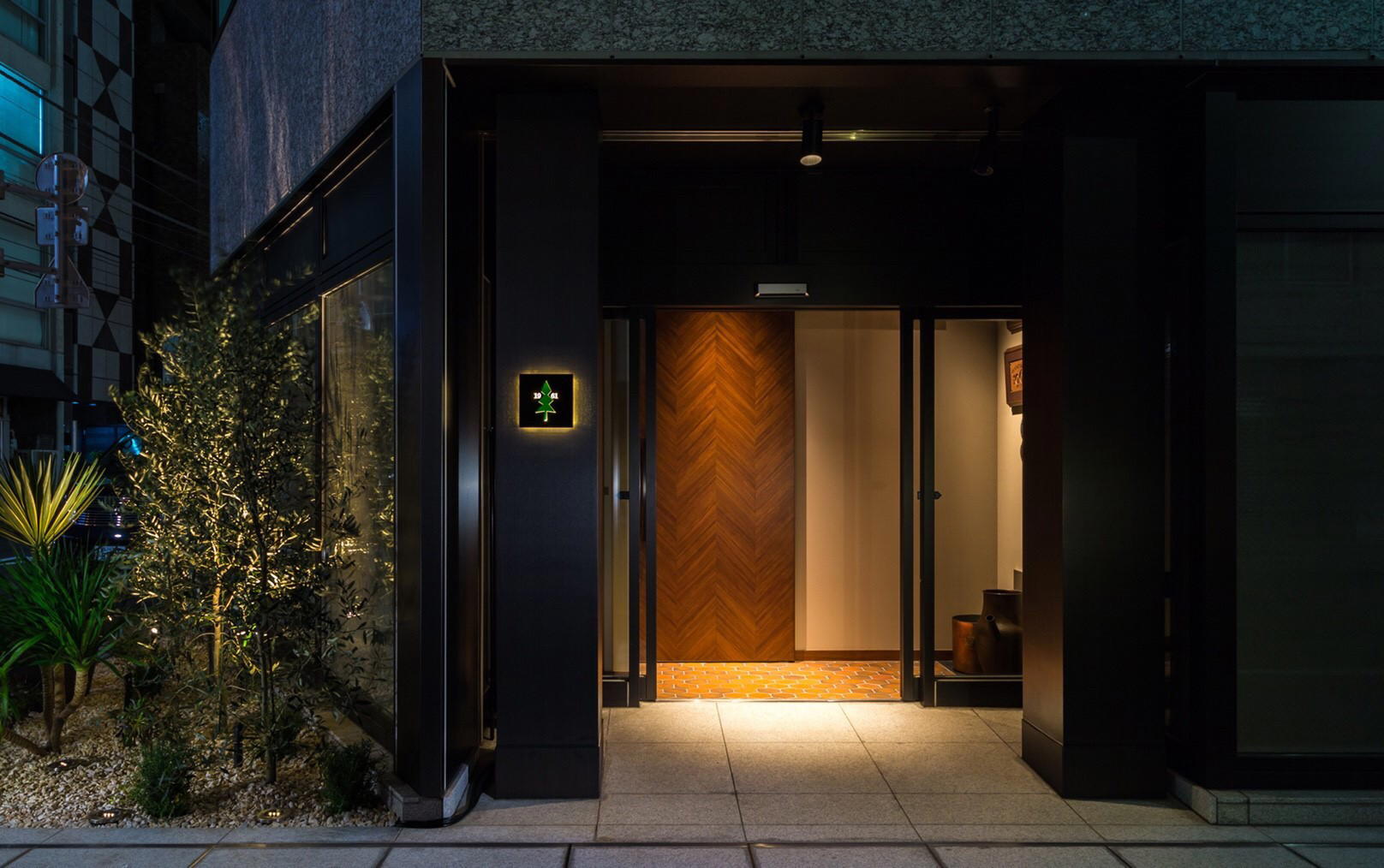
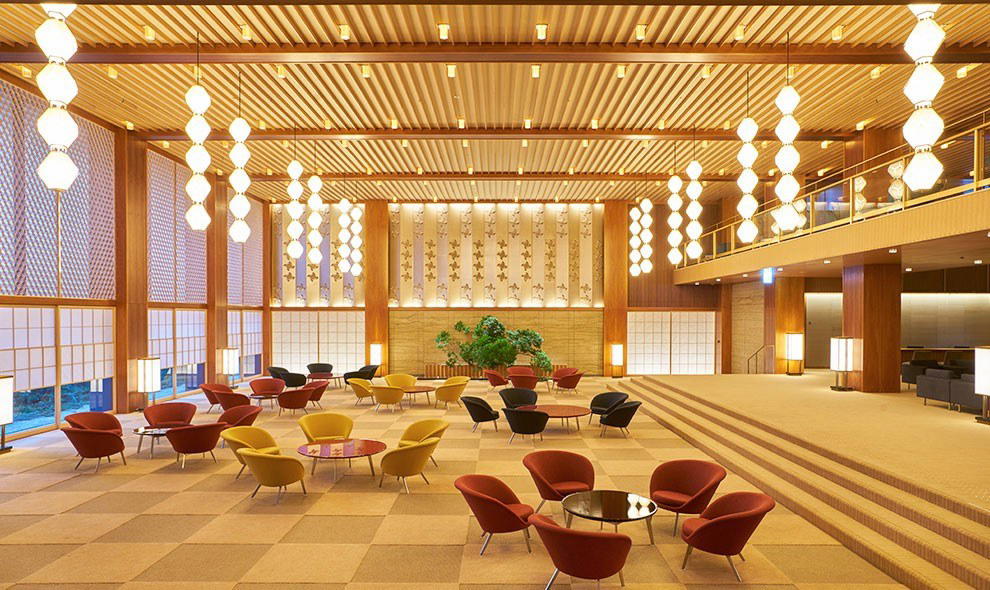
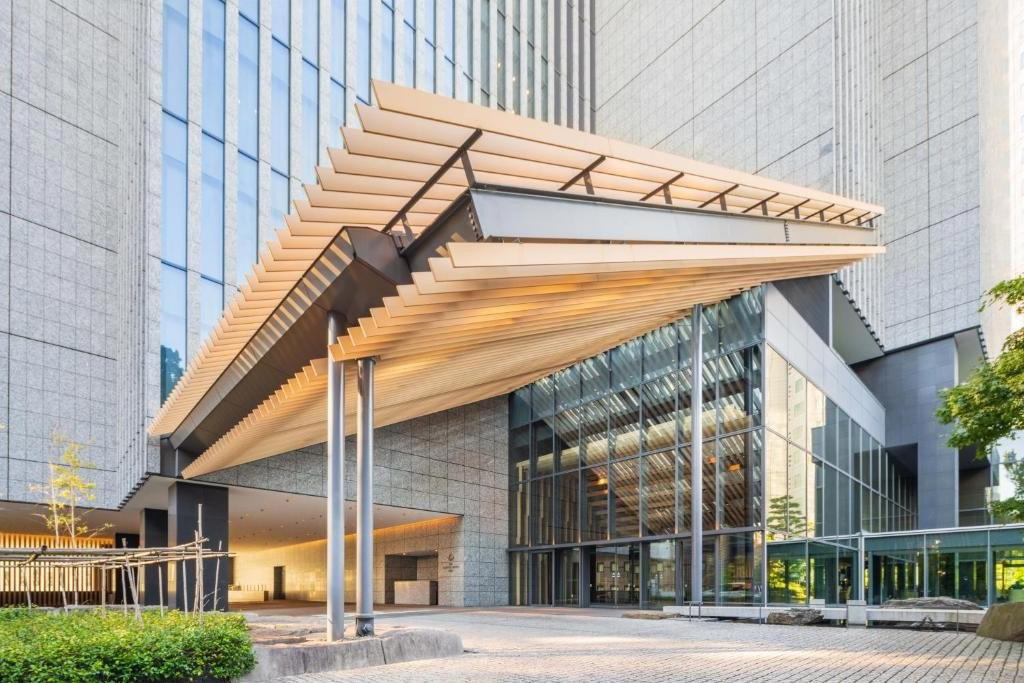
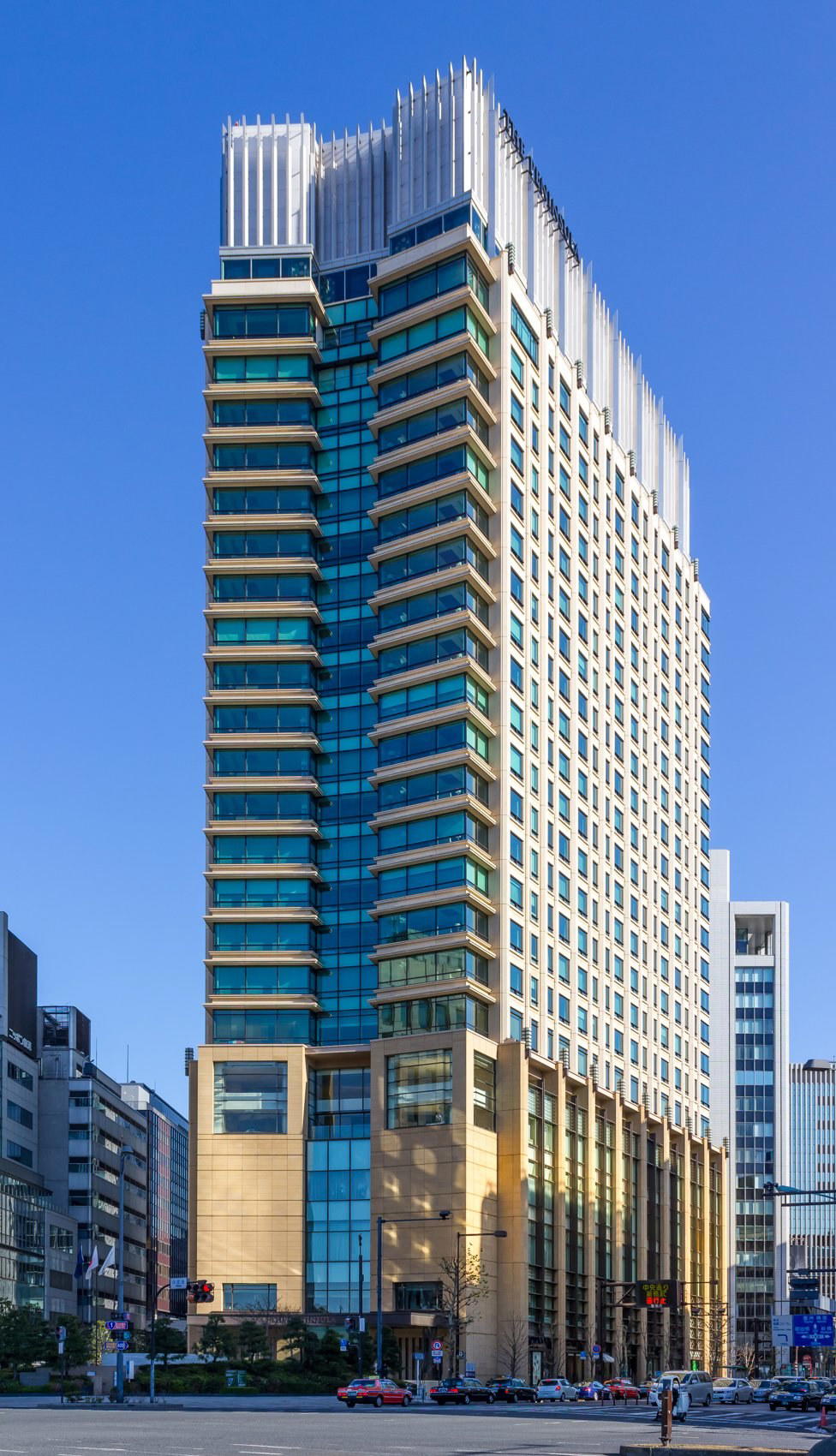
For serious Tokyo restaurant planning, this is not a casual add-on between sushi and ramen. It belongs with Japanese fine-dining reservations, especially for travellers comparing kaiseki traditions across neighbourhoods. Toranomon Hills is a polished business-and-residential district rather than an old restaurant quarter, framing the meal differently from Ginza or Kagurazaka. The setting reads contemporary Tokyo: infrastructure, towers, controlled arrival, and ceremony kept inside the dining room.
The practical reading is simple. This is a compact, course-only Japanese restaurant with counter seating, private rooms, non-smoking service, and drinks covering sake, shochu, and wine. Credit cards are accepted; electronic money and QR payments are not part of the setup. Seasonal closure periods are part of Japan’s serious restaurant operating pattern, so treat the meal as a planned anchor rather than a same-day decision.
For broader context, use Our full Tokyo restaurants guide to compare Japanese fine dining with sushi, French, tempura, and contemporary tasting menus across the city. Travellers pairing dinner with a stay can cross-check Our full Tokyo hotels guide, while later-evening planning belongs in Our full Tokyo bars guide. Tokyo is not a wine-region city in the Napa or Burgundy sense, but Our full Tokyo wineries guide maps the category for readers tracking wine-led venues, and Our full Tokyo experiences guide covers cultural formats beyond restaurants.
Readers extending the Japanese-cuisine thread outside Tokyo can compare how the form changes in other cities and formats: Gion Maruyama, Kaiseki, Japanese in Kyoto for Kyoto’s classical gravity, [ki:] in Kyoto for a different Kyoto register, and Aburi Hana, Kaiseki, Japanese in Toronto for kaiseki language abroad. The wider Japan file also includes category contrasts such as -Grilled beef Sukiyaki- KAMAKURA TANUKIAN 鎌倉 たぬき庵 in Kamakura.cafe in Osaka.know in Kumamoto, (Shoku) Vietnam in Kawasaki, and [Curry Senmon Ten] Maruyama Kyoju. in Sapporo.
The editorial verdict: Kanda is for diners who want Tokyo kaiseki at close range, not a theatrical grill or a chef biography turned into dinner, but a disciplined counter meal where regional memory, seasonal structure, and luxury restraint do the work. In a city dense with high-price Japanese restaurants, that combination gives the meal its reason to be chosen.
Nearby-ish Comparables
Comparable venues at a glance for context.
| Venue | Cuisine | Price | Notes |
|---|---|---|---|
| KandaThis venue — the venue you are viewing | Contemporary Kaiseki | $$$$ | Not listed |
| Azabu Kadowaki | Modern Japanese Kaiseki with Truffle Rice | $$$$ | Minato |
| Quintessence | Modern French Fine Dining | $$$$ | Shinagawa |
| L'OSIER | Classic French Fine Dining | $$$$ | Chūō |
| HOMMAGE | Modern French with Japanese Influences | $$$$ | Taitō |
| Sukiyabashi Jiro | Edomae Omakase Sushi | $$$$ | Chūō |
Recognition history
Dated appearances from independent guides and award organizations, with the underlying list record or original source where available.
La Liste Top Restaurants
La Liste
Michelin 3 Stars
Michelin
Opinionated About Dining Top Restaurants in Japan Highly Recommended
Opinionated About Dining
Tabelog Bronze #159
Tabelog
La Liste Top Restaurants
La Liste
Michelin 3 Stars
Michelin
Opinionated About Dining Top Restaurants in Japan Ranked #178
Opinionated About Dining
Tabelog 100 #1 · No. 1
Tabelog · Tabelog 100 - Japanese cuisine - TOKYO - 2025
Michelin 3 Stars
Michelin
Opinionated About Dining Top Restaurants in Japan Ranked #149
Opinionated About Dining
Opinionated About Dining Top Restaurants in Japan Highly Recommended
Opinionated About Dining



At a Glance
- Elegant
- Intimate
- Minimalist
- Sophisticated
- Special Occasion
- Date Night
- Chefs Counter
- Open Kitchen
- Private Dining
- Extensive Wine List
- Sake Program
Current opening hours
- Monday
- 5–8:30 PM
- Tuesday
- 5–8:30 PM
- Wednesday
- 5–8:30 PM
- Thursday
- 5–8:30 PM
- Friday
- 5–8:30 PM
- Saturday
- 5–8:30 PM
- Sunday
- Closed
Hours can change for holidays and private events. Last verified .
Minimalist counter seating for eight with simple wooden interior, precise open kitchen, and relaxed elegant atmosphere focused on the cuisine.