
Sushi Marufuku in Suginami occupies a different register from Tokyo's Ginza counter circuit, building its omakase around dry-aged fish that chef Yutaka Isayama rests to develop aroma and a pronounced wildness of flavour. A 2025 Michelin Plate recognises the precision behind that ageing practice, while the proprietress, a trained sake sommelier, steers pairings through the succession of intensely flavoured toppings.
Pearl is the En Primeur Club membership app — saves, bookings, and concierge access live there. Same editors, same standards.
- Address
- 3 Chome-17-4 Nishiogiminami, Suginami City, Tokyo 167-0053, Japan
- Phone
- +81 3-3334-6029
- Website
- instagram.com
 Saves & bookings on Pearl
Ageing as Argument: How Sushi Marufuku Thinks About Fish
Tokyo's omakase scene has, over the past decade, stratified into a set of legible tiers. At the leading sit the multi-Michelin-starred Ginza counters, places like Harutaka, Sukiyabashi Jiro Roppongiten, and Sushi Kanesaka, where the Edomae tradition is executed at the highest price points and under the scrutiny. Beneath that bracket sits a second, less-discussed tier: neighbourhood counters with clear technical points of view, working outside the central premium postcodes, building followings through specificity rather than address. Sushi Marufuku is an Aged Sushi Omakase restaurant in Nishiogiminami, Suginami City, Tokyo, priced at about $150 per person. Its 2025 Michelin Plate recognition reflects that technique.
The specific technique here is dry-ageing. Where much of Tokyo's sushi culture has long debated the relative merits of ikejime, careful temperature control, and brief resting periods, Isayama's counter takes a more committed position: fish is rested long enough to develop pronounced aroma, increased tenderness, and what Michelin's own assessors describe as a certain wildness of taste. That's not faint praise framed diplomatically, it's a flavour profile most Edomae practitioners would consider an outlier. At a Ginza counter working the classic style, brightness and clean mineral character in the fish are the target. Here, the target is depth.
The Menu Architecture and How the Room Works
The structure of the omakase at Marufuku reflects an awareness of what dry-aged toppings do to the palate over the course of an extended meal. Successive pieces of intensely flavoured sushi, without interruption, risk blunting the senses, a well-documented problem in richer tasting formats. The answer, deployed here, is interstitial snacks: small courses threaded between sushi pieces to reset the palate and maintain the reader's engagement with each topping as it arrives.
This approach has a parallel in Kyoto kaiseki, where modulation of intensity across courses is a formal discipline rather than a matter of preference. Counters in Tokyo working the aged-fish format face a version of the same challenge. The question isn't whether the technique produces interesting fish, it demonstrably does, but whether the meal's architecture can sustain interest across its full length. At Marufuku, the snack-interspersed format is the answer to that question.
The difference in flavour register is significant and deliberate on Marufuku's part.
The Sake Program and the Proprietress's Role
The pairing logic built into the service distinguishes Sushi Marufuku from many of its neighbourhood-tier peers. The proprietress guides sake pairings through the meal, offering recommendations to match the fish and the guest's pacing.
The pairing case for sake alongside aged sushi is technically coherent. Aged fish develops glutamates and amino acids that shift its flavour toward umami-richness rather than brightness. Sake, particularly junmai and kimoto styles with their own fermentation-derived complexity, engages that profile in ways that wine often cannot. The proprietress's role is to read the evening's fish and make targeted recommendations rather than offering a fixed pairing menu. That flexibility matters when the flavour of a particular topping on a given night can vary based on how long the fish has been resting and what species is in season.
This kind of chef-and-sommelier collaboration at the counter level is rarer in Tokyo's neighbourhood sushi scene than it appears in print. Many small counters serve sake, but few have a dedicated specialist who frames the pairing logic explicitly and adapts it to what's being served. The proprietress's involvement at Marufuku functions as a second editorial voice in the meal, one that shapes the experience as meaningfully as the fish preparation itself.
Location, Access, and When to Book
Suginami City sits west of central Tokyo, well outside the postcode cluster where most of the city's Michelin-rated sushi counters operate. Nishiogiminami is a quiet residential neighbourhood without the foot traffic of Ginza or Shinjuku, which means the crowd at Marufuku is largely self-selecting: people who have sought it out specifically rather than discovered it adjacently. That changes the room's character. Reservations are the operative assumption; walk-in availability is not the model for a counter working at this level.
Reservations are essential. The listed price is about $150 per person.
Seasonality is a relevant consideration at any sushi counter where fish resting time varies by species and market availability. The dry-aged format adds a further variable: the ideal time to visit is when the chef's preferred species for ageing are in prime seasonal condition. Seasonality still matters, especially for fatty fish that suit extended resting.
Tokyo in Context
The restaurant represents one end of a spectrum that runs across the city and, increasingly, across Japan's wider dining map. The high-end counter model has migrated to Osaka, where restaurants like HAJIME demonstrate how precision technique operates outside Tokyo's postcode hierarchy, and to smaller cities where singular technical voices are building focused reputations. In Kyoto, Gion Sasaki illustrates how counter-format discipline extends into kaiseki. In Fukuoka, Goh makes the same argument for Kyushu. The point is that technical seriousness is no longer concentrated only in Tokyo's premium central postcodes.
For context on how the aged sushi format travels internationally, Sushi Shikon in Hong Kong and Shoukouwa in Singapore represent the export model of serious Tokyo-style omakase, though neither occupies the same dry-ageing-forward niche. Additional regional perspectives appear at akordu in Nara, 1000 in Yokohama, and 6 in Okinawa.
Quick reference: the restaurant, 3 Chome-17-4 Nishiogiminami, Suginami City, Tokyo 167-0053. Price range ¥¥¥. Michelin Plate 2025.7 from 221 reviews. Reservations required.
Awards and Standing
Comparable venues nearby, for context on price, style, and recognition.
| Venue | Cuisine | Price | Awards | Notes |
|---|---|---|---|---|
| Sushi MarufukuThis venue — the venue you are viewing | Aged Sushi Omakase | $$$ | Michelin Plate | Not listed |
| Edomae Shibahama | Edomae-style Japanese | $$$ | Michelin Plate | Minato |
| Chiso Koryu | Seasonal Japanese Kaiseki | $$$ | Michelin Plate | Chūō |
| Hikarimono | Modern Japanese Omakase | $$$ | Michelin Plate | Minato |
| Mitsui | Seasonal Japanese Omakase | $$$ | Michelin Plate | Minato |
| Tempura Aratamikawa | Edomae Tempura Omakase | $$$ | Michelin Plate | Minato |
Recognition history
Dated appearances from independent guides and award organizations, with the underlying list record or original source where available.
Michelin Plate
Michelin
Michelin Plate
Michelin
Michelin Plate
Michelin













At a Glance
- Elegant
- Intimate
- Sophisticated
- Relaxed
- Special Occasion
- Date Night
- Chefs Counter
- Sake Program
- Sustainable Seafood
Current opening hours
- Monday
- 6–11 PM
- Tuesday
- 6–11 PM
- Wednesday
- 6–11 PM
- Thursday
- 6–11 PM
- Friday
- 6–11 PM
- Saturday
- 3:30–11 PM
- Sunday
- Closed
Hours can change for holidays and private events. Last verified .
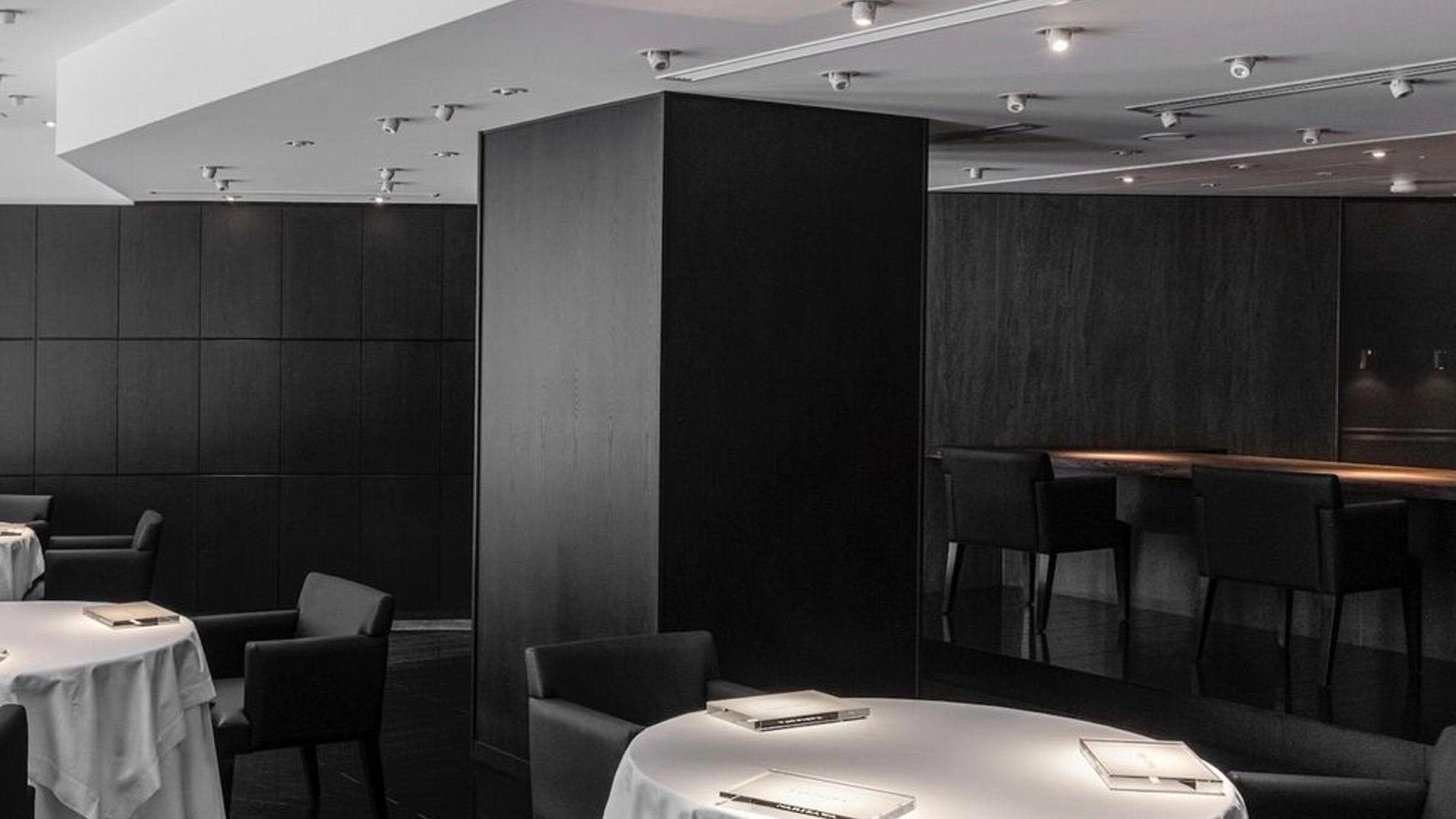
Refined and relaxing counter-only space with hinoki wood counter, Toyama craftsmanship walls, and a slightly lowered ceiling creating a calm atmosphere.