
Michelin Plate
Our verdict
A Michelin Plate-recognised sushi counter in Roppongi's Minato ward, Hikarimono is built around hikarimono (silver-skinned fish) and a drop-in drinking format that sits outside Tokyo's high-ceremony omakase circuit. Chef Kan Sato's three-course structure, bar snacks, nigiri, and more bar snacks, positions it as a neighbourhood sushi bar with serious technique and genuinely accessible pricing.

Pearl is the En Primeur Club membership app, where members save venues, book tables and use the concierge.
The menu
What to order
- Hikarimaki (pilchard with pickled daikon)
- Chutoro nigiri
- Charcoal-grilled otoro
A Sushi Bar Shaped by Its Street, Not Its Stars
Roppongi's dining character has never settled into a single register. The neighbourhood hosts three-Michelin-star temples Sukiyabashi Jiro Roppongiten among them, alongside expat-facing brasseries, late-night ramen counters, and everything in between. That range is precisely what allows a place like Hikarimono to exist on its own terms: a ground-floor counter on a residential side street in Roppongi 7-chome, drawing a crowd that comes to drink and eat without ceremony, rather than to mark an occasion.
The address itself is telling. Minato City's Roppongi ward is not the first neighbourhood that comes to mind when Tokyo's sushi cognoscenti map the city. Ginza and Shimbashi dominate that conversation, with counters trained in formal Edomae tradition and priced accordingly. Sushi Kanesaka and Harutaka, both operating at the ¥¥¥¥ tier, represent that stratum. Hikarimono operates in a different register entirely: mid-range pricing (¥¥), a format that accommodates walk-ins and casual ordering, and a menu oriented around drinking as much as eating.
The Philosophy of the Silver Fish
The name is both a declaration and a menu commitment. Hikarimono, literally 'shining thing' in Japanese, refers to the category of silver-skinned fish: sardine, mackerel, gizzard shad, horse mackerel, and their kin. These are not the fish that anchor the high-end omakase counter. Tuna, sea urchin, and fatty yellowtail command the upper-price positions at the city's formal houses. Hikarimono fish are the working register of Tokyo sushi, and chef Kan Sato, known among regulars as Satokan-san, has built an entire room around them.
That decision carries culinary weight. Hikarimono require precise temperature management and specific knife work: the skin is left on and the fish sliced through it, demanding clean cuts and timing that matters more here than with lean white fish. A counter built around this category is making a technical statement disguised as an approachable one.
The most referenced preparation is the hikarimaki: sardine (pilchard) rolled with shredded dried plum and bettarazuke, daikon pickled in salted rice malt. The combination is specifically Japanese in its acidity logic, the plum's tartness and the gentle sweetness of the pickled daikon create a counterpoint to the fish's fat without masking it. That roll has become the item visitors mention most, and for a counter operating at this price tier, it functions as a calling card in the way that a signature dish at a ¥¥¥¥ omakase house would.
Format as Neighbourhood Statement
Tokyo's sushi scene has bifurcated sharply over the past decade. At one end, the omakase counter, a fixed sequence, a single sitting, and a price that starts around ¥30,000 and rises from there, has become a global export format. Counters trained in strict Edomae lineages, such as Edomae Sushi Hanabusa, operate with booking windows measured in months. At the other end, conveyor-belt chains commoditise the form entirely.
Hikarimono occupies a middle tier that Tokyo has historically supported but that rarely travels well in international press. Sato's stated aim is a sushi counter where people drop in casually, a neighbourhood bar that happens to serve serious fish. The menu structure supports this: three courses (bar snacks, nigiri, more bar snacks) alongside à la carte. The bar-snack positioning around the nigiri is significant. It signals that the drinking occasion is built into the format, not accommodated reluctantly. This is a room where ordering a second round and adding another nigiri is the expected behaviour.
That format has a counterpart tradition in Tokyo's standing bars and izakayas, and it connects Hikarimono to a local dining pattern that formal sushi counters deliberately distance themselves from. Compare this to the approach at Hiroo Ishizaka, where the experience is shaped by a different register of formality, and the distinction in intent becomes clear.
Recognition and What It Means at This Level
Michelin awarded Hikarimono a Plate in 2025, the guide's signal that a restaurant merits attention without reaching the star threshold. At this price point, a Plate recognition carries specific meaning: it positions the counter above the anonymous neighbourhood category while confirming that the format and pricing are part of the offering, not obstacles to a higher rating.
The Michelin Plate tier in Tokyo is crowded, and many counters in that bracket are waiting rooms for a star. Hikarimono's case is different: its format actively resists the conditions that would push it toward star consideration. The casual drop-in structure, the drinking orientation, and the mid-range pricing are not limitations; they are the point. Satokan-san is not running a proto-star counter. He is running a neighbourhood sushi bar with enough technical rigour to earn outside recognition.
Tokyo in This Context and Beyond
For visitors building a Tokyo dining itinerary across registers, Hikarimono fills a specific gap. The city's international reputation rests on its upper tier, the three-star houses, the long omakase sequences, the ceremonial counter experiences, but Tokyo's actual dining culture is also built on places that make serious food accessible to locals on a Tuesday. Hikarimono is part of that majority, not the minority that gets exported to travel press.
That broader Japanese dining context extends beyond Tokyo. Gion Sasaki in Kyoto and HAJIME in Osaka anchor the Kansai end of the formal spectrum; Goh in Fukuoka represents a different regional sensibility. Internationally, the Edomae sushi tradition has been transplanted with varying fidelity, Sushi Shikon in Hong Kong and Shoukouwa in Singapore both carry the form at the high end. Hikarimono is the counterpoint to all of that: the version that stays local in intent and accessible in execution.
For a broader picture of where to eat, drink, and stay in the city, see our full Tokyo restaurants guide, our full Tokyo bars guide, our full Tokyo hotels guide, our full Tokyo wineries guide, and our full Tokyo experiences guide. Other Japan destinations covered on EP Club include akordu in Nara, 1000 in Yokohama, and 6 in Okinawa.
Planning Your Visit
Address: 7 Chome-5-11 Roppongi, Minato City, Tokyo 106-0032 (ground floor, Casa Grande Miwa building). Cuisine: Sushi, with a hikarimono focus and bar-snack format. Budget: ¥¥, mid-range by Tokyo standards, positioned well below the city's omakase upper tier. Recognition:Booking: The counter's drop-in orientation suggests walk-ins are accepted, though specific booking details are not confirmed, arriving early in an evening session is advisable. Hours: Not confirmed; verify directly before visiting.
Frequently asked questions
Is Hikarimono award-winning?
Hikarimono has received recognition including: Kan Sato, known affectionately as ‘Satokan-san’, loves hikarimono (literally ‘shining thing’: fish with silver skin, sliced with the skin left on), hence the shop’s name. The menu is composed with drinkers in mind, so this hikarimono is nev….
What dish is Hikarimono famous for?
The counter's signature preparation is the hikarimaki: a roll combining sardine (pilchard), shredded dried plum, and bettarazuke, a daikon pickled in salted rice malt. Chef Kan Sato built the bar's identity around hikarimono (silver-skinned fish served with the skin on), and this roll sits at the centre of that commitment. Michelin awarded the restaurant a Plate in 2025, and the hikarimaki is specifically noted as the preparation that draws repeat visitors.
What's the price range at Hikarimono?
Pricing at Hikarimono is listed as ¥¥.
What part of town is Hikarimono in?
Hikarimono is located at Japan, 〒106-0032 Tokyo, Minato City, Roppongi, 7 Chome−5−11 カサグランデミワ 1階, Tokyo.
Recognition Snapshot
| Venue | Cuisine | Price | Awards | Notes |
|---|---|---|---|---|
| HikarimonoThis venue (the venue you are viewing) | Modern Japanese Omakase | $50–100 | Michelin Plate | Not listed |
| Harutaka | Edo-Style Omakase Sushi | $200–300 | 3 Michelin Stars · World's 50 Best #76 | Sushi |
| RyuGin | Modern Kaiseki | $500+ | 3 Michelin Stars · World's 50 Best #41 | Kaiseki, Japanese |
| L'Effervescence | Modern French with Japanese Influences | $200–300 | 3 Michelin Stars · World's 50 Best #69 | French |
| HOMMAGE | Modern French with Japanese Influences | $150–200 | 2 Michelin Stars · World's 50 Best #78 | Innovtive French, French |
| MAZ | Innovative Peruvian-Japanese Fusion | $150–200 | 2 Michelin Stars · World's 50 Best #28 | Innovative |
Recognition history
Dated appearances from independent guides and award organizations, with the underlying list record or original source where available.
Michelin Plate
Michelin
Full recognition history (2 entries)
Michelin Plate
Michelin
Continue exploring
More in Tokyo
Restaurants in Tokyo
All restaurants in Tokyo →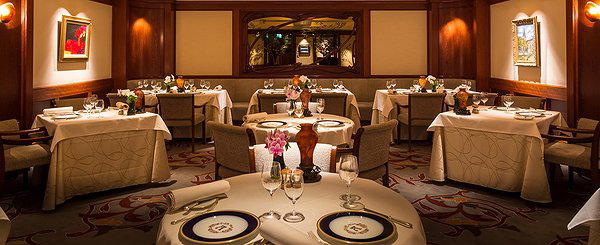



Bars in Tokyo
All bars in Tokyo →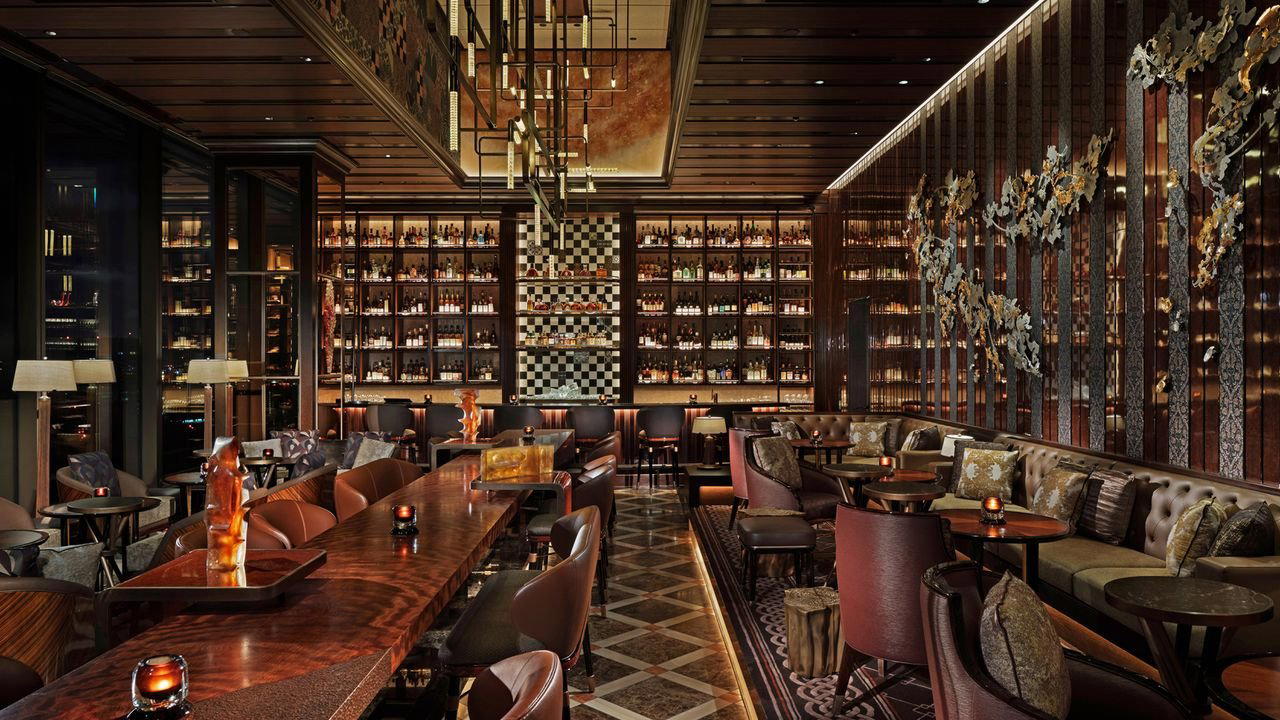







Details
- Sophisticated
- Elegant
- Intimate
- Modern
- Date Night
- Celebration
- Solo
- Business Dinner
- Chefs Counter
- Open Kitchen
- Sake Program
- Sommelier Led
- Sustainable Seafood
- Omakase
- Counter Dining
- A La Carte
- Sake
- Shochu
- Wine
- Allergy Accommodating
- Pescatarian Friendly
Current opening hours
- Monday
- 5:30–11 PM
- Tuesday
- 5:30–11 PM
- Wednesday
- 5:30–11 PM
- Thursday
- 5:30–11 PM
- Friday
- 5:30–11 PM
- Saturday
- 5:30–11 PM
- Sunday
- 5:30–11 PM
Hours can change for holidays and private events. Hours as of .
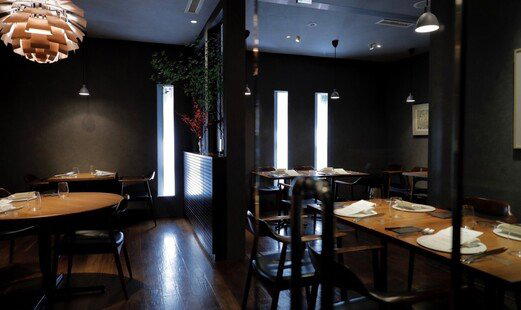
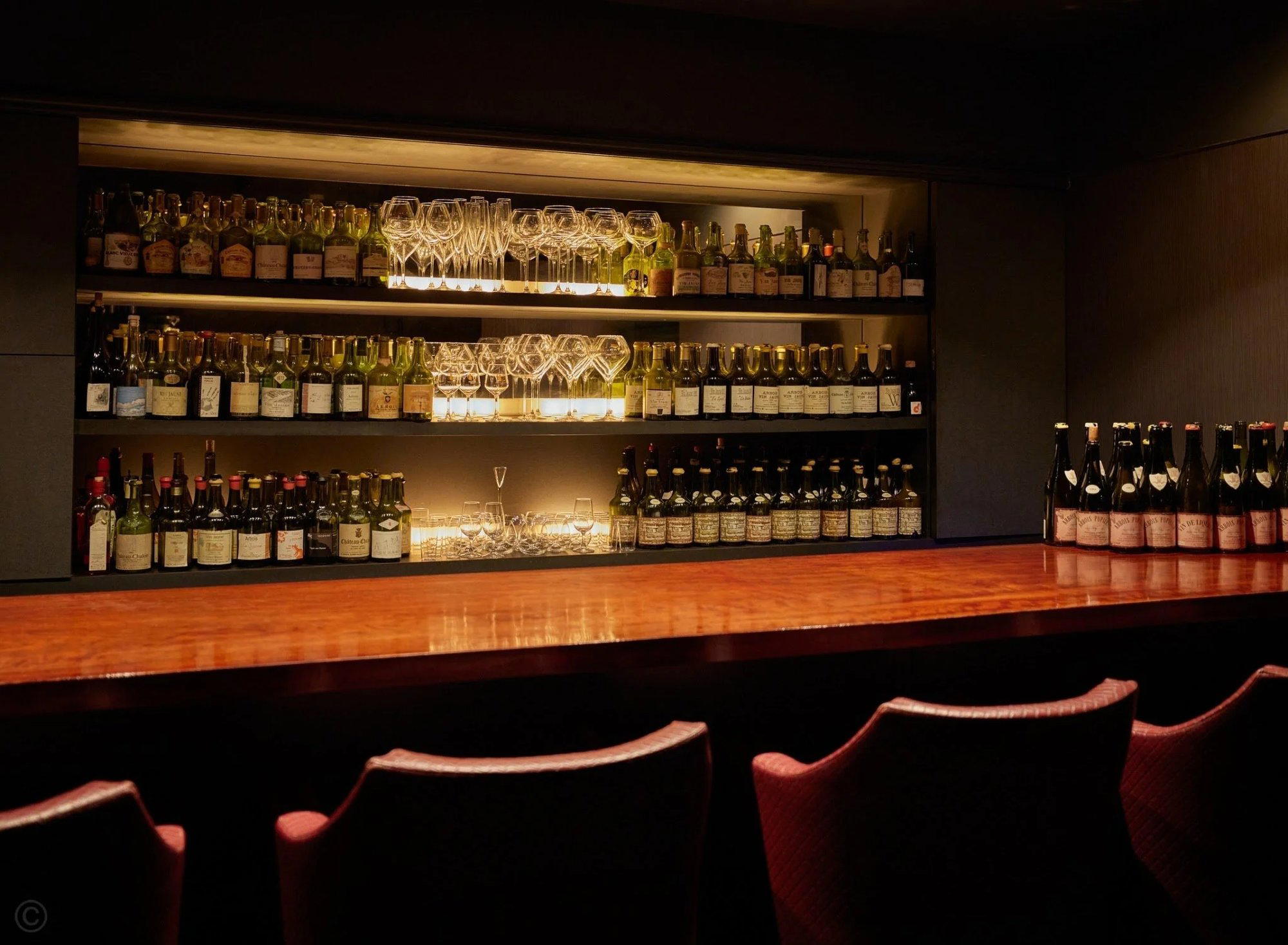
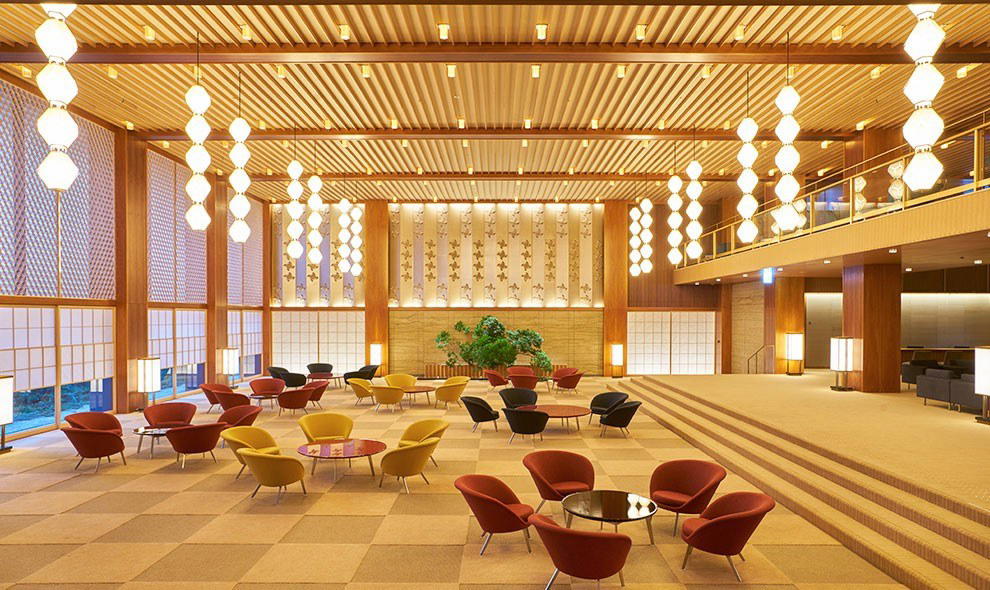
Refined yet welcoming counter-focused space with warm lighting and an open kitchen where diners watch chefs prepare each piece; modern Japanese interior with spacious seating that feels intimate despite the lively energy.