

Tabelog 100 #40
Our verdict
Sushi Imamura operates from Shirokane in Minato, a neighbourhood that positions it outside Tokyo's most-trafficked omakase corridors. Chef Kentarou Imamura has earned consecutive Opinionated About Dining recognition since 2023, rising from Highly Recommended to a ranked position in Japan's top 250. The dinner-only format, running Wednesday through Saturday, suits a deliberate approach to evening sushi that rewards advance planning.

Pearl is the En Primeur Club membership app, where members save venues, book tables and use the concierge.
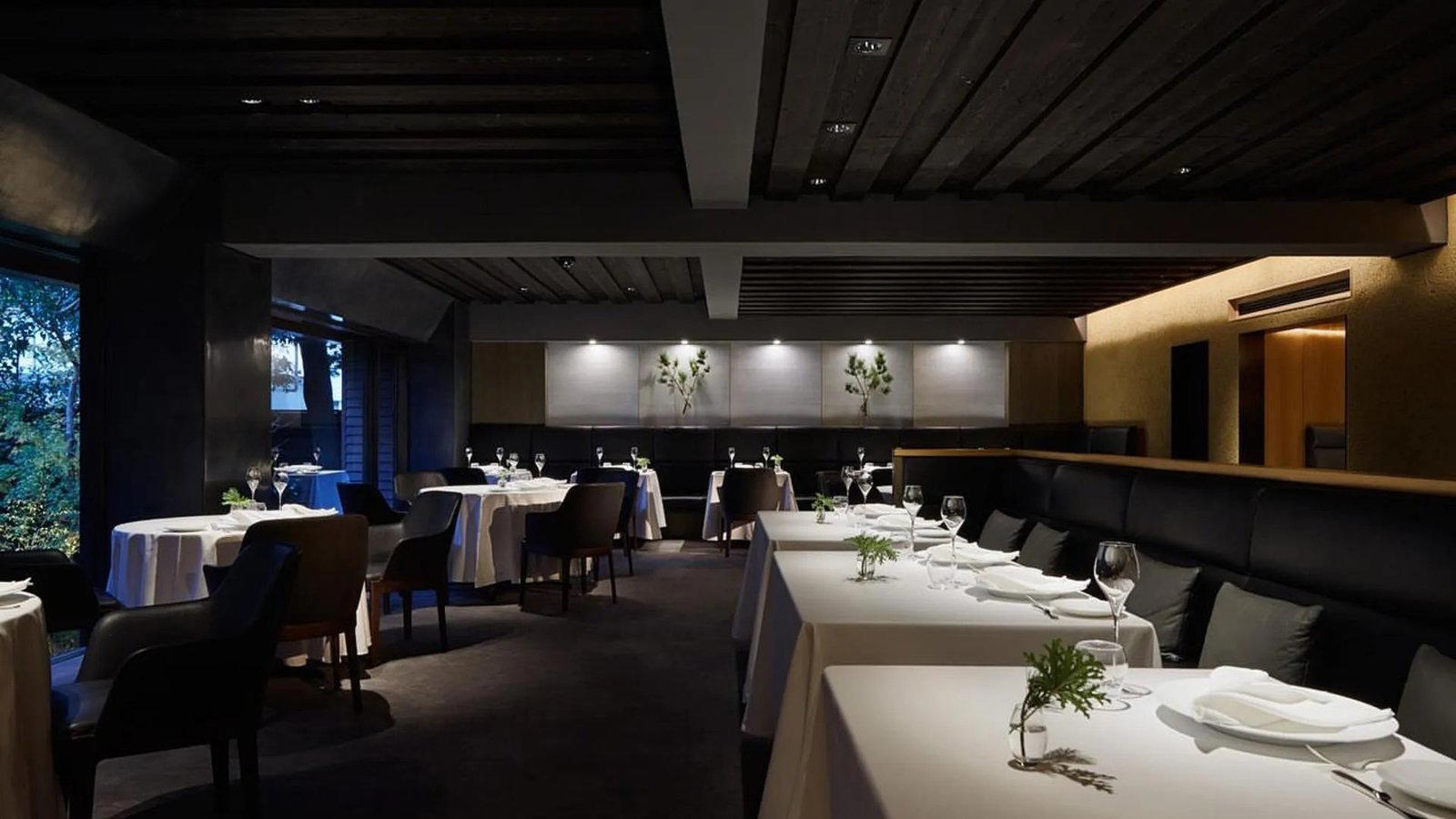
Shirokane and the Geography of Tokyo Omakase
Tokyo's premium sushi scene has long concentrated in a handful of districts: Ginza, Roppongi, Azabu-Juban. Counters in those neighbourhoods command address premiums that are folded, invisibly, into the cover charge. Shirokane, the residential pocket of Minato where Sushi Imamura operates at 6 Chome-5-9, represents a different geography. Quieter streets, fewer tourist-facing establishments, and a clientele that is largely local or referred. That context matters when thinking about what you are actually paying for at a counter like this, and what you are not.
The shift away from Ginza-centric omakase has been gradual but visible over the past decade. Counters such as Harutaka and Sushi Kanesaka have defined what high-end Ginza omakase looks like: high price, high visibility, and the institutional weight of Michelin recognition. Imamura operates outside that gravity. Its recognition comes instead through Opinionated About Dining, the crowd-sourced critical platform that has become a reliable signal for counters the Michelin guide has yet to reach or has chosen to overlook.
The OAD Trajectory as a Buying Signal
In 2023, Opinionated About Dining listed Sushi Imamura as Highly Recommended in its Japan rankings. In 2024, it entered the ranked list at #185. By 2025, it had moved to #231, a position that reflects some scoring fluctuation across a competitive field rather than a decline in quality, given that the OAD pool of Japan restaurants has expanded and individual placings shift year to year. The directional story since 2023 is one of increasing visibility among an informed critical audience.
That trajectory is worth understanding in value terms. Counters that hold Michelin stars in Tokyo are, in many cases, priced to reflect their star count as much as their food. OAD-recognised counters without Michelin status frequently operate at a lower price point while delivering technically comparable work, the credential gap is real but the experience gap is often narrower than the price gap implies. Sushi Imamura sits in that space.
For comparison, Sukiyabashi Jiro Roppongiten and Edomae Sushi Hanabusa represent different points on the Tokyo sushi pricing and recognition spectrum.
What the Format Signals
Sushi Imamura opens Wednesday through Saturday for dinner, from 5:30 to 11 pm, with a Sunday lunch and dinner service (12 to 1:30 pm, and 5:30 to 11 pm). The closure on Monday and Tuesday is common at serious omakase counters: it reflects procurement rhythms tied to the Toyosu market cycle and allows for sourcing quality rather than daily throughput volume.
The extended evening window, 5:30 to 11 pm, is generous for Tokyo omakase, where many counters operate two tight seatings to maximise covers per night. A longer window typically means fewer overlapping seatings and a more relaxed pacing of the meal, which is itself an indicator of how the counter is positioned. High-throughput Ginza counters optimise for revenue per seat per evening. A longer window suggests a different operational logic, one more focused on the experience arc.
Neighbouring Hiroo has also developed a quiet concentration of serious dining, and Hiroo Ishizaka represents that adjacent tier. Shirokane and Hiroo share a similar neighbourhood character: residential, affluent, and less dependent on foot traffic than central Ginza or Roppongi. That shared character produces a certain type of counter, one that can afford to be deliberate rather than promotional.
Thinking About Value at This Level
The economics of Tokyo omakase are worth addressing directly. At the top end of the market, three Michelin stars, international waiting lists, the price is partly for the food, partly for the credential, and partly for the story you tell afterwards. That is not a criticism; it is how premium markets work. But for a traveller allocating a fixed number of serious meals across a Tokyo trip, the credential premium matters only if you value it.
Sushi Imamura's OAD ranking places it in the top tier of recognised counters in Japan, within a list that runs well past 400 entries. That is a meaningful quality signal without the pricing architecture of Michelin-starred addresses. Japan's broader dining scene offers this arbitrage at multiple price points: HAJIME in Osaka, Gion Sasaki in Kyoto, and Goh in Fukuoka each represent regional counters where OAD and critical recognition outpaces name-brand visibility. Tokyo has its own version of that dynamic, and Imamura is one of the clearer examples in the sushi category.
For those mapping a wider Japan itinerary, akordu in Nara, 1000 in Yokohama, and 6 in Okinawa each demonstrate that serious food credentials now extend well beyond Tokyo's central wards. And for those considering sushi counters outside Japan entirely, Sushi Shikon in Hong Kong and Shoukouwa in Singapore are the reference points for how Tokyo-trained omakase translates across the region.
Planning Your Visit
Sushi Imamura serves dinner Wednesday through Saturday, with Sunday offering both lunch and dinner. The address in Shirokane is accessible from Shirokanedai Station on the Toei Mita and Tokyo Metro Namboku lines, placing it within a short commute of central Tokyo neighbourhoods. Advance planning is advisable; OAD-listed counters at this recognition level in Tokyo typically require booking several weeks ahead.
Quick reference: Dinner Wednesday–Saturday 5:30–11 pm; Sunday lunch 12–1:30 pm and dinner 5:30–11 pm; closed Monday and Tuesday; located at 6 Chome-5-9 Shirokane, Minato, Tokyo.
Explore More in Tokyo and Japan
For a fuller picture of where Sushi Imamura sits in Tokyo's dining scene, see our full Tokyo restaurants guide. For accommodation, our Tokyo hotels guide covers the key neighbourhoods and property types. Rounding out an evening in this part of Minato is easier with our Tokyo bars guide, and for those interested in the wider culture of Japanese wine and sake, our Tokyo wineries guide and Tokyo experiences guide provide relevant context.
Frequently asked questions
What should I eat at Sushi Imamura?
Sushi Imamura operates as a pure omakase counter: Chef Kentarou Imamura sets the menu based on seasonal availability and daily market sourcing, so there is no à la carte selection to navigate. The format is the same one used by the counters ranked immediately above and below Imamura on the 2025 Opinionated About Dining Japan list, a sequential progression from nigiri to hand rolls, dictated by what arrived that morning. Arriving with preferences or dietary restrictions is reasonable; arriving with a fixed order in mind is not how this counter works.
What are the operating hours at Sushi Imamura?
Hours at Sushi Imamura: Hours: Monday Closed Tuesday Closed Wednesday 5:30–11 pm Thursday 5:30–11 pm Friday 5:30–11 pm Saturday 5:30–11 pm Sunday 12–1:30 pm, 5:30–11 pm.
Standing Among Peers
| Venue | Cuisine | Price | Awards | Notes |
|---|---|---|---|---|
| Sushi ImamuraThis venue (the venue you are viewing) | Edomae Sushi Omakase | $100–150 | Tabelog 100 #40 | Not listed |
| Harutaka | Edo-Style Omakase Sushi | $200–300 | 3 Michelin Stars · World's 50 Best #76 | Sushi |
| RyuGin | Modern Kaiseki | $500+ | 3 Michelin Stars · World's 50 Best #41 | Kaiseki, Japanese |
| L'Effervescence | Modern French with Japanese Influences | $200–300 | 3 Michelin Stars · World's 50 Best #69 | French |
| HOMMAGE | Modern French with Japanese Influences | $150–200 | 2 Michelin Stars · World's 50 Best #78 | Innovtive French, French |
| MAZ | Innovative Peruvian-Japanese Fusion | $150–200 | 2 Michelin Stars · World's 50 Best #28 | Innovative |
Recognition history
Dated appearances from independent guides and award organizations, with the underlying list record or original source where available.
Opinionated About Dining Top Restaurants in Japan Recommended
Opinionated About Dining
Tabelog 100 #40 · No. 40
Tabelog · Tabelog 100 - Sushi - TOKYO - 2025
Full recognition history (5 entries)
Opinionated About Dining Top Restaurants in Japan Ranked #231
Opinionated About Dining
Opinionated About Dining Top Restaurants in Japan Ranked #185
Opinionated About Dining
Opinionated About Dining Top Restaurants in Japan Highly Recommended
Opinionated About Dining
Continue exploring
More in Tokyo
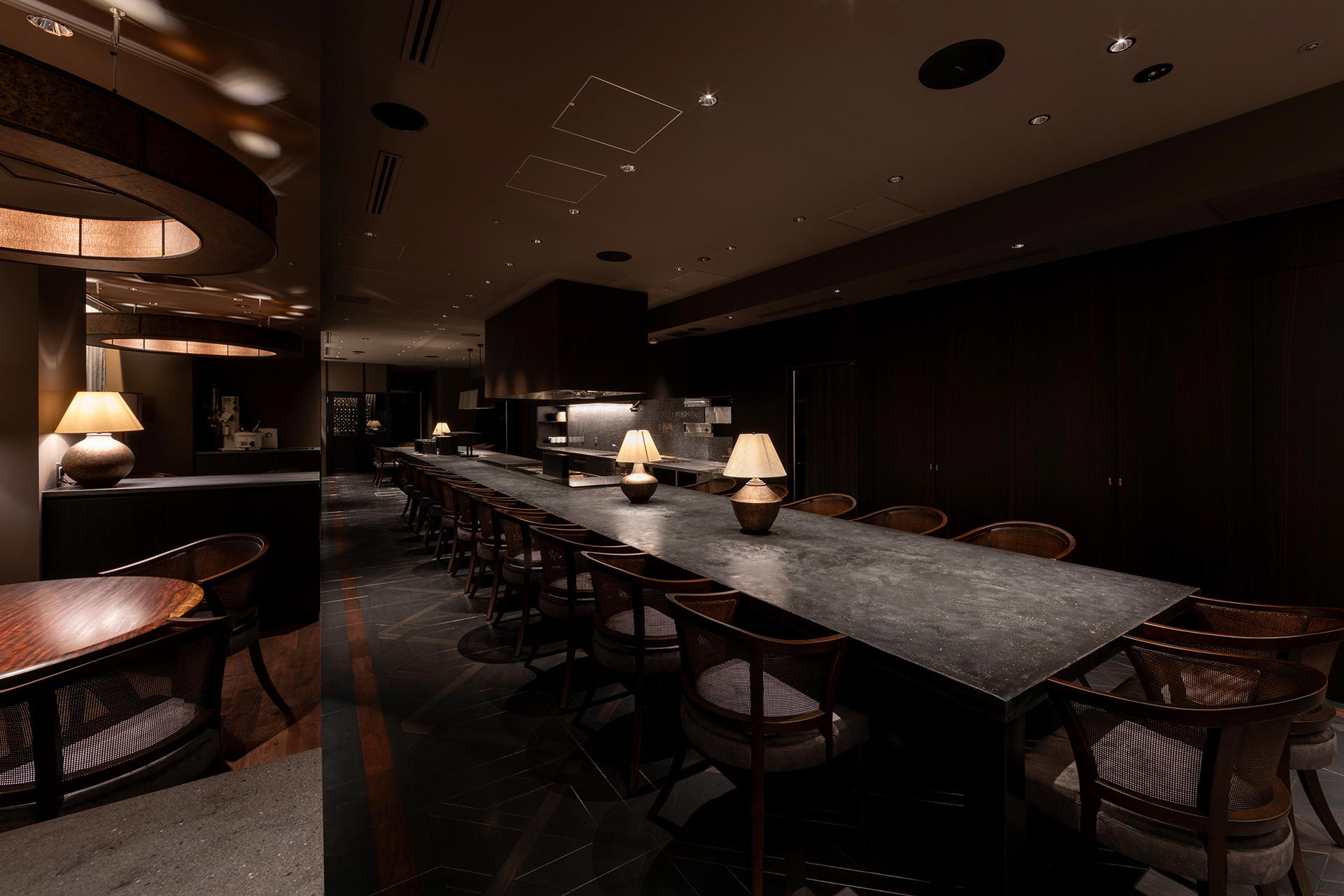
Restaurants in Tokyo
All restaurants in Tokyo →

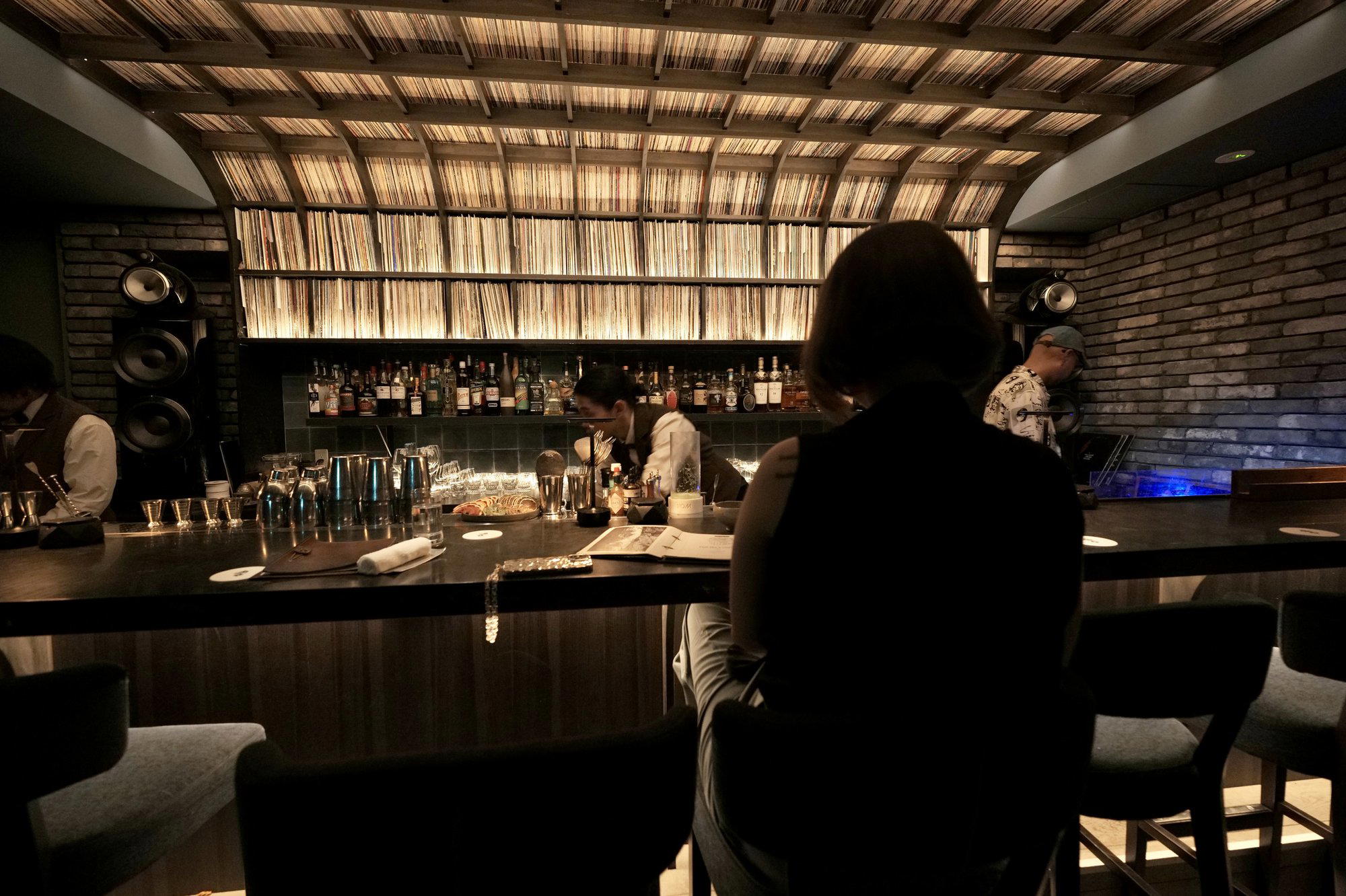
Bars in Tokyo
All bars in Tokyo →





Details
- Relaxed
- Cozy
- Intimate
- Date Night
- Special Occasion
- Solo
- Chefs Counter
- Sake Program
- Omakase
- Counter Dining
- Sake Program
Current opening hours
- Monday
- Closed
- Tuesday
- Closed
- Wednesday
- 5:30–11 PM
- Thursday
- 5:30–11 PM
- Friday
- 5:30–11 PM
- Saturday
- 5:30–11 PM
- Sunday
- 12–1:30 PM, 5:30–11 PM
Hours can change for holidays and private events. Last verified .
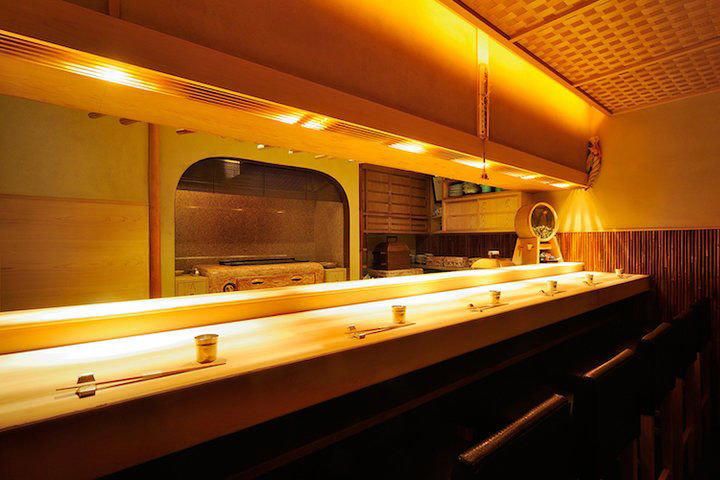
Cozy and intimate counter seating with a relaxed, izakaya-like conversational atmosphere.