


Hassun sits in Kyoto’s kappo-kaiseki tradition, where seasonality is not decoration but structure. The 18-seat Gion room, led by Kanji Kubota, carries serious local credibility: Tabelog Award Bronze in 2026, repeated Tabelog Award recognition since 2019, and inclusion in the 2026 Opinionated About Dining Top Restaurants in Japan Recommended list.
Pearl is the En Primeur Club membership app — saves, bookings, and concierge access live there. Same editors, same standards.
- Address
- 4, 95-95 Sueyoshicho, Higashiyama Ward, Kyoto, 605-0085, Japan
- Phone
- +81 75-561-3984
- Website
- kcc1800.gorp.jp
- Directions
- Get directions
 Saves & bookings on Pearl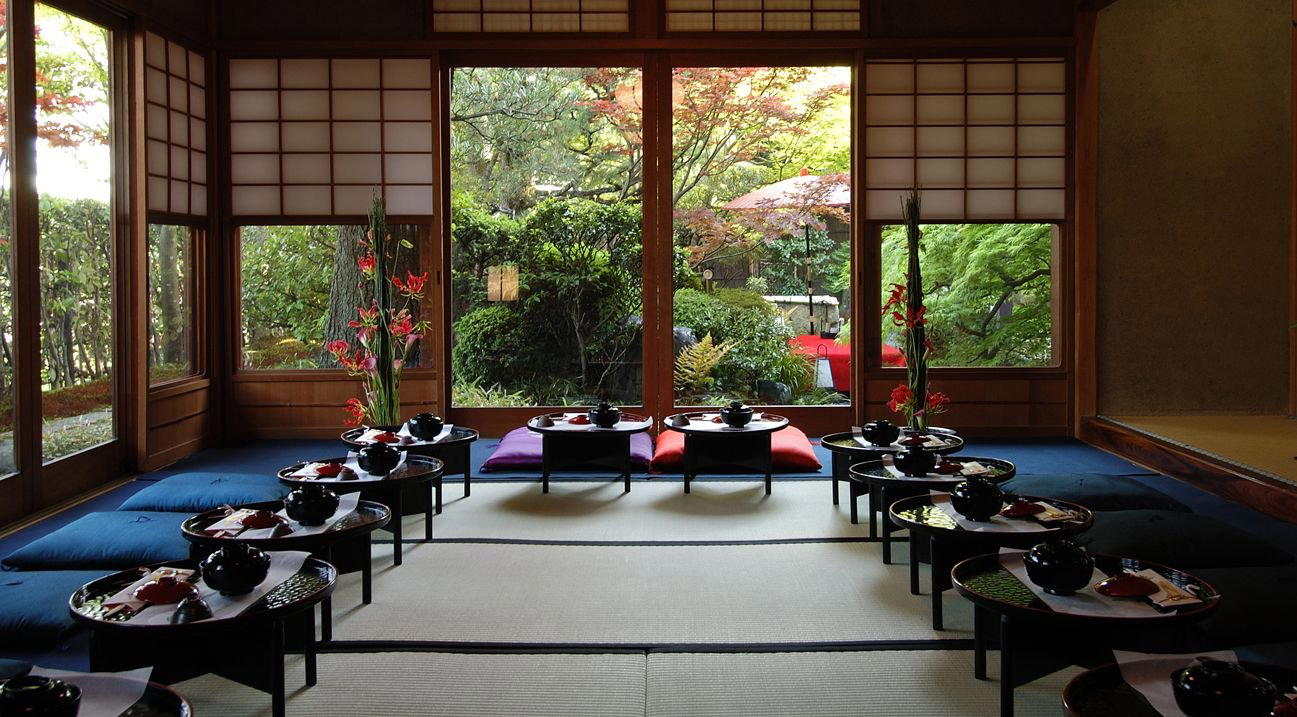
Gion’s old restaurant culture is built on thresholds: a narrow street, a quiet entrance, then a room where the counter becomes the stage. Hassun belongs to that Kyoto register. Its mood is not modern tasting-menu theatre; it is kappo-kaiseki, where the meal unfolds close to the kitchen and craft is judged through pacing, season, restraint, and handling of ingredients tied to the city’s calendar.
Kyoto kaiseki is too often reduced to refined seasonal dining. The tradition is a grammar of sequence and proportion: small courses placed in relation, cooking methods varied across the meal, and seasonal references kept specific rather than decorative. Hassun’s name is a clue. Hassun refers to a classic kaiseki course, often a seasonal arrangement that signals the meal’s direction. For a Kyoto restaurant to work under that name invites scrutiny from diners who know how much meaning can sit inside a few inches of plate space.
Old Kyoto cooking, read through the kappo counter
The restaurant’s strongest editorial value is its connection to inherited Kyoto cooking rather than luxury as spectacle. Kanji Kubota is identified as the second-generation chef of Kappo Hassun, and the cooking is described through dishes passed down from his father, seasonal celebration foods, and recipes drawn from literature. That matters in Kyoto, where serious Japanese restaurants divide between polished temple-of-kaiseki formality, counter-based kappo intimacy, and newer restaurants borrowing both languages.
Here, the evidence points to continuity. Public descriptions cite sweet, steamed and layered egg cakes, burdock-root rolls, deep-fried tofu with thinly sliced vegetables held together with hamo meat, and seasoned grilled fish. These are not random nostalgic flourishes; they place the kitchen in a Kyoto lineage valuing festival foods, river-and-sea seasonality, and technique quieter than the labor behind it. Hamo is inseparable from Kyoto’s summer dining culture, where its preparation has long tested knife work and timing.
The competitive set in Kyoto is dense. Ifuki operates in a higher price bracket, while Ten-Yu and Yamagishi sit closer in the kappo-kaiseki conversation, each for diners who want seasonal Japanese cooking with fewer distractions than grand dining rooms impose. Hassun’s 18-seat scale, counter seating, and tatami-room element keep it in the small-room Kyoto category, where hospitality, rhythm, and the chef’s command of inherited forms matter more than novelty.
For readers mapping the city’s Japanese dining scene, the question is not whether this is modernist. It is not. The point is how it holds older Kyoto vocabulary inside a living restaurant format. Nearby and related Kyoto references such as Ankyu, Chihana, Doujin, and Gion Suetomo frame the range under the kaiseki and Japanese-cuisine umbrella in Gion alone.
Awards signal local trust, not international gloss
Kyoto’s restaurant hierarchy can be difficult for visitors because global awards tell only part of the story. Tabelog recognition carries particular weight in Japan, especially for Japanese cuisine categories shaped over time by local diners and domestic gourmands. Hassun received The Tabelog Award 2026 Bronze, with prior Tabelog Award recognition from 2019 through 2025, including Silver in 2020 and Bronze in multiple years. It was also selected for Tabelog Japanese cuisine WEST “Tabelog 100” in 2021, 2023, and 2025.
That consistency matters more than a single flash of attention. The restaurant’s Tabelog score is listed at 4.06 for the 2026 award record, while the 2025 Tabelog 100 record lists 3.95. Read these as signals of domestic credibility rather than simple ranking tools. In Japan, a score above four on Tabelog in a serious Japanese-cuisine category is a strong market signal, especially in Kyoto, where kaiseki expectations are unusually high.
Opinionated About Dining also places Hassun inside its Japan coverage: Recommended in the 2026 OAD Top Restaurants in Japan list, with prior OAD Japan rankings in 2024 and 2025. OAD speaks to a different, more international and enthusiast-driven audience, so the overlap is useful: domestic Japanese recognition and specialist global attention align without turning the restaurant into a trophy-chasing address.
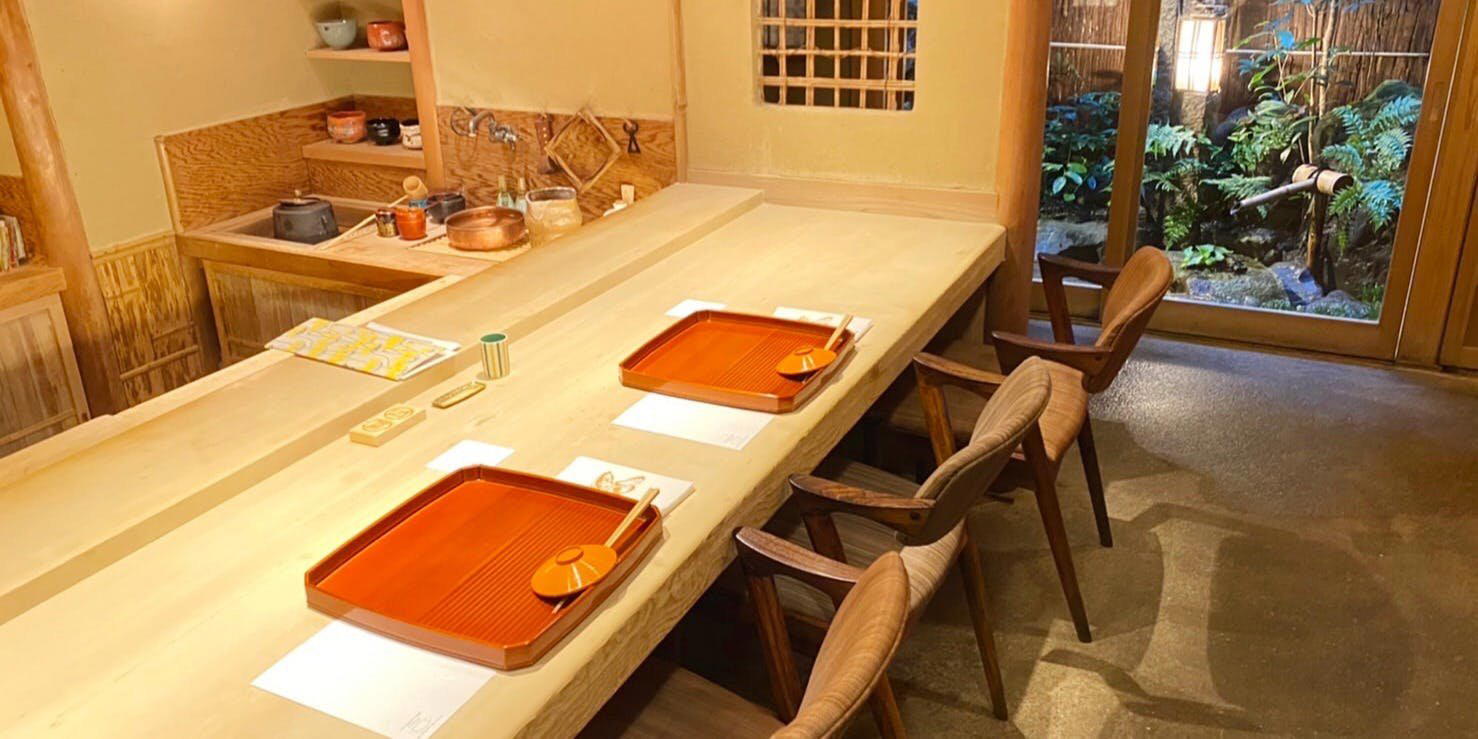
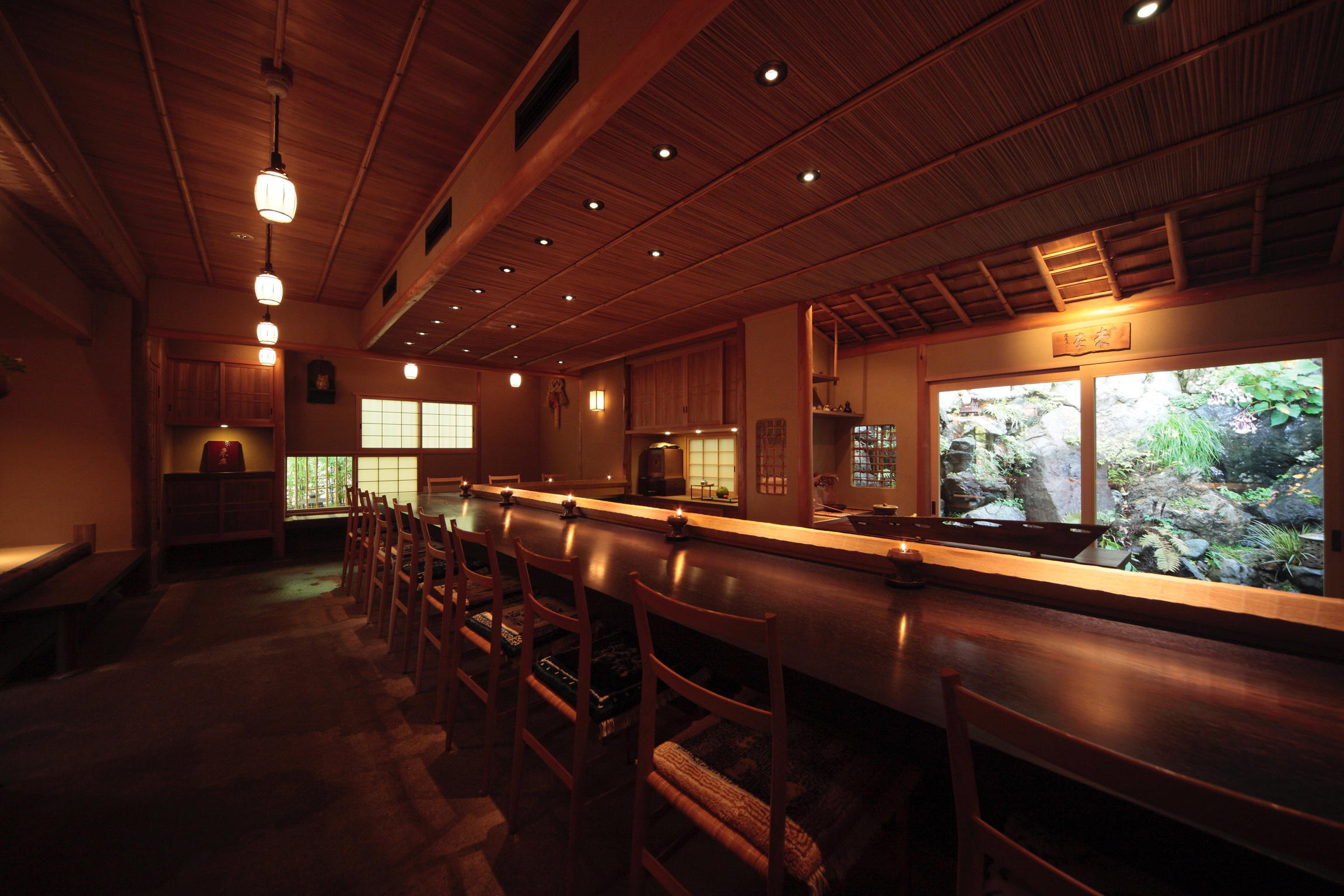
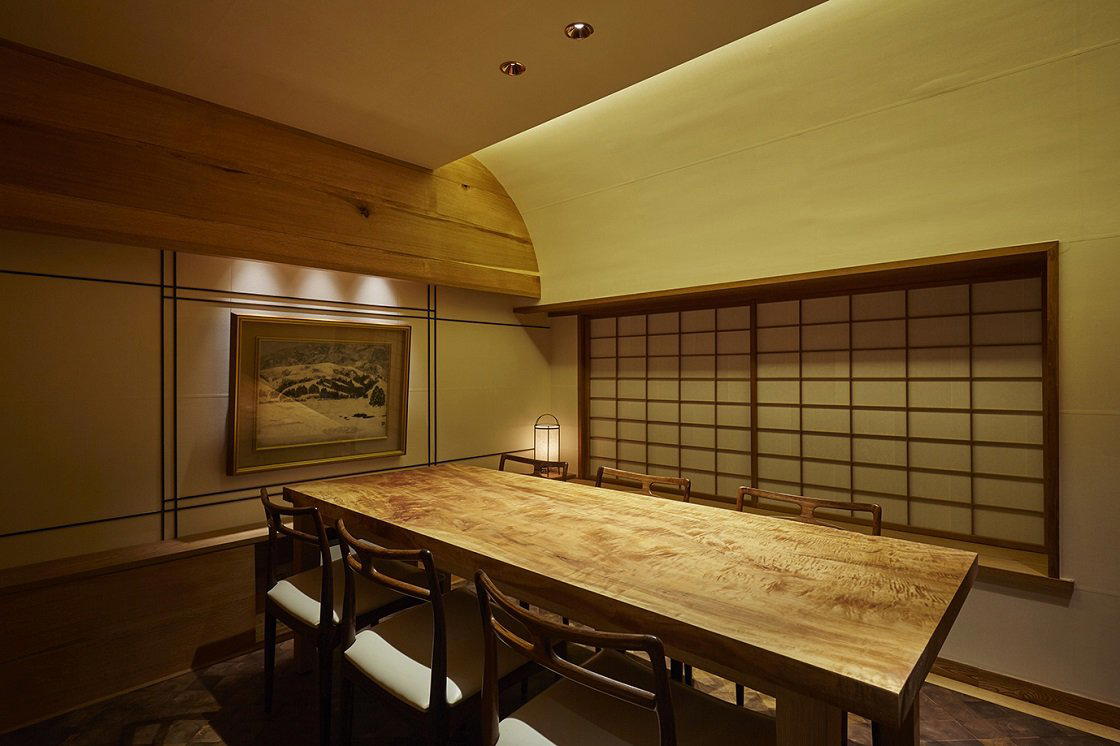
The room details reinforce that reading. Counter seating, tatami space, non-smoking policy, sake service, and private-room availability for six place the restaurant within a traditional but usable Kyoto format. It is not built for volume. Eighteen seats keep the experience scaled to conversation between kitchen, season, and diner, where kappo has its authority.
How to place it in a Kyoto itinerary
Use this address as a study in Kyoto’s older restaurant language. Visitors seeking a loud, contemporary reinterpretation of Japanese cuisine should look elsewhere. Diners interested in the mechanics of kaiseki, seasonal celebration foods, and the difference between formal multi-room luxury and counter-led kappo will find it more compelling.
Gion is the correct context. The district can be misread as scenery first and dining culture second, but its restaurant density is serious. A meal here pairs naturally with a broader Kyoto plan that distinguishes restaurants, ryokan, bars, and cultural time rather than treating the city as a single heritage postcard. For that wider map, see Our full Kyoto restaurants guide, Our full Kyoto hotels guide, Our full Kyoto bars guide, Our full Kyoto wineries guide, and Our full Kyoto experiences guide.
It also helps to separate Kyoto kaiseki from Japanese dining elsewhere. Tokyo’s kaiseki rooms, including Ajihiro, Kaiseki in Tokyo and Akasaka Asada, Kaiseki in Tokyo, operate in a different metropolitan rhythm, while regional listings such as -Grilled beef Sukiyaki- KAMAKURA TANUKIAN 鎌倉 たぬき庵 in Kamakura. 鮪と炭火焼き うお炭 秋葉原店 in Tokyo.cafe in Osaka.know in Kumamoto, (Shoku) Vietnam in Kawasaki, and [Curry Senmon Ten] Maruyama Kyoju. in Sapporo show how broad Japanese dining becomes once Kyoto’s seasonal formalism sits beside other local appetites.
The editorial case for Hassun is clear: it rewards diners who care about continuity, course structure, and the quieter codes of Kyoto cuisine. Its awards history supplies the trust signal; the kappo format supplies the reason to pay attention.
Side-by-Side Snapshot
Comparable options at the same price tier.
| Venue | Cuisine | Price | Awards | Notes |
|---|---|---|---|---|
| HassunThis venue — the venue you are viewing | Traditional Kyoto Kappo | $$$$ | Michelin 1 Star | Not listed |
| shiro | Modern Italian-Japanese Omakase | $$$$ | Michelin 1 Star | Nakagyō |
| Gion Nishimura | Traditional Kyoto Kaiseki | $$$$ | Michelin 1 Star | Higashiyama |
| Nakamitsu | Modern Japanese Omakase | $$$$ | Michelin 1 Star | Nakagyō |
| Gion Owatari | Traditional Kaiseki | $$$$ | Michelin 1 Star | Higashiyama |
| Shimogamo Saryo | Kyoto Tea Kaiseki | $$$$ | Michelin 1 Star | Sakyō |
Recognition history
Dated appearances from independent guides and award organizations, with the underlying list record or original source where available.
Michelin 1 Star
Michelin
Opinionated About Dining Top Restaurants in Japan Recommended
Opinionated About Dining
Tabelog Bronze #100
Tabelog
Opinionated About Dining Top Restaurants in Japan Ranked #408
Opinionated About Dining
Tabelog 100 #20 · No. 20
Tabelog · Tabelog 100 - Japanese cuisine - WEST - 2025
Tabelog Bronze
Tabelog
Michelin 1 Star
Michelin
Opinionated About Dining Top Restaurants in Japan Ranked #345
Opinionated About Dining
Opinionated About Dining Top Restaurants in Japan Recommended
Opinionated About Dining
Continue exploring
More in Kyoto
Restaurants in Kyoto
Browse all →

Bars in Kyoto
Browse all →
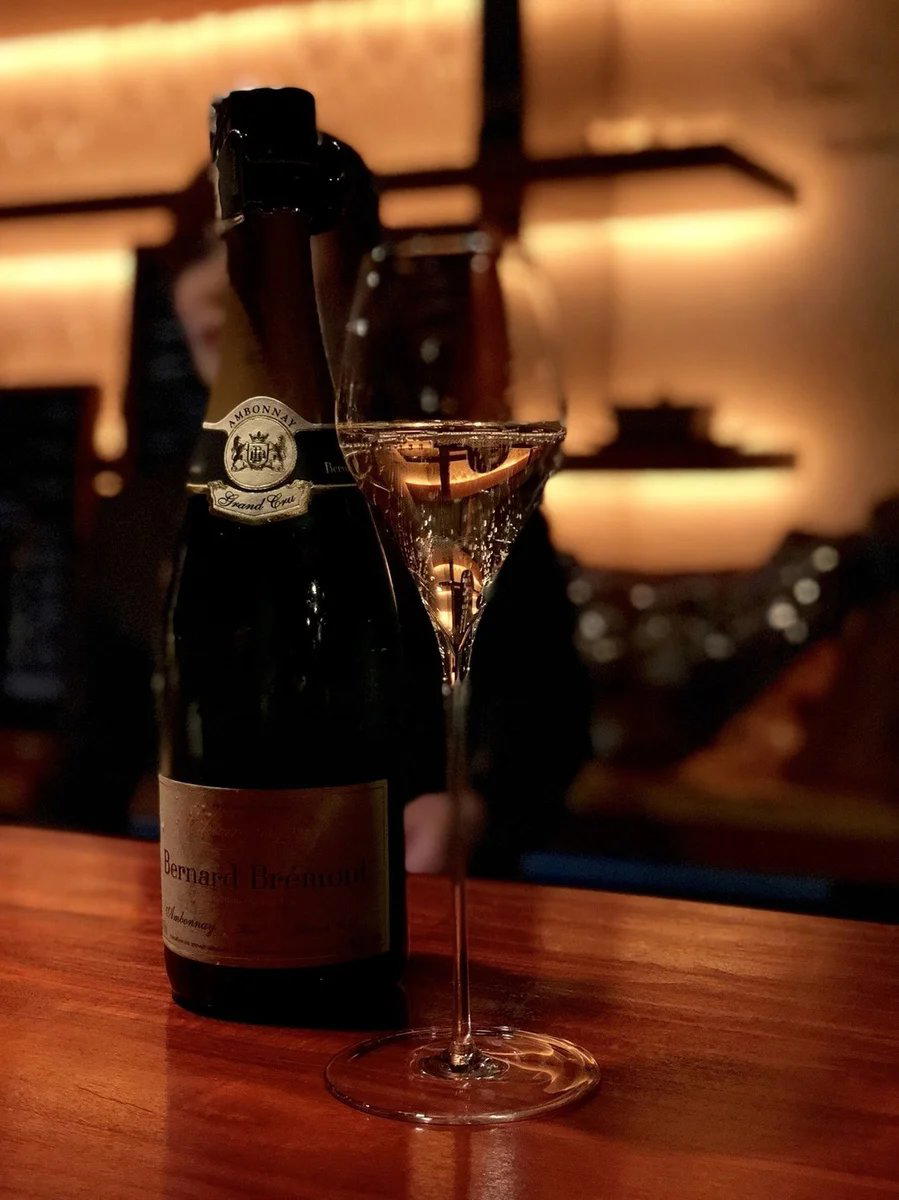

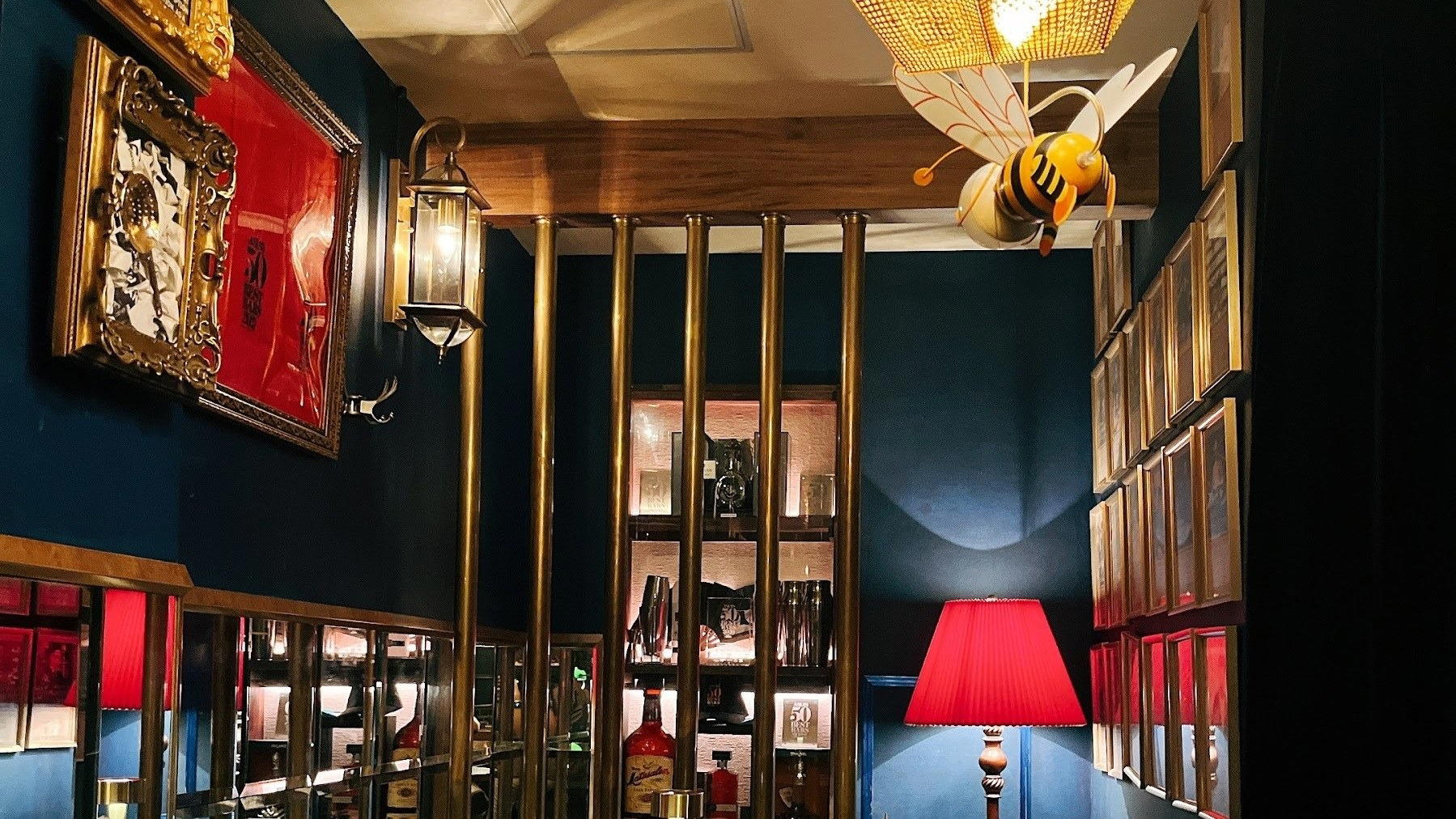

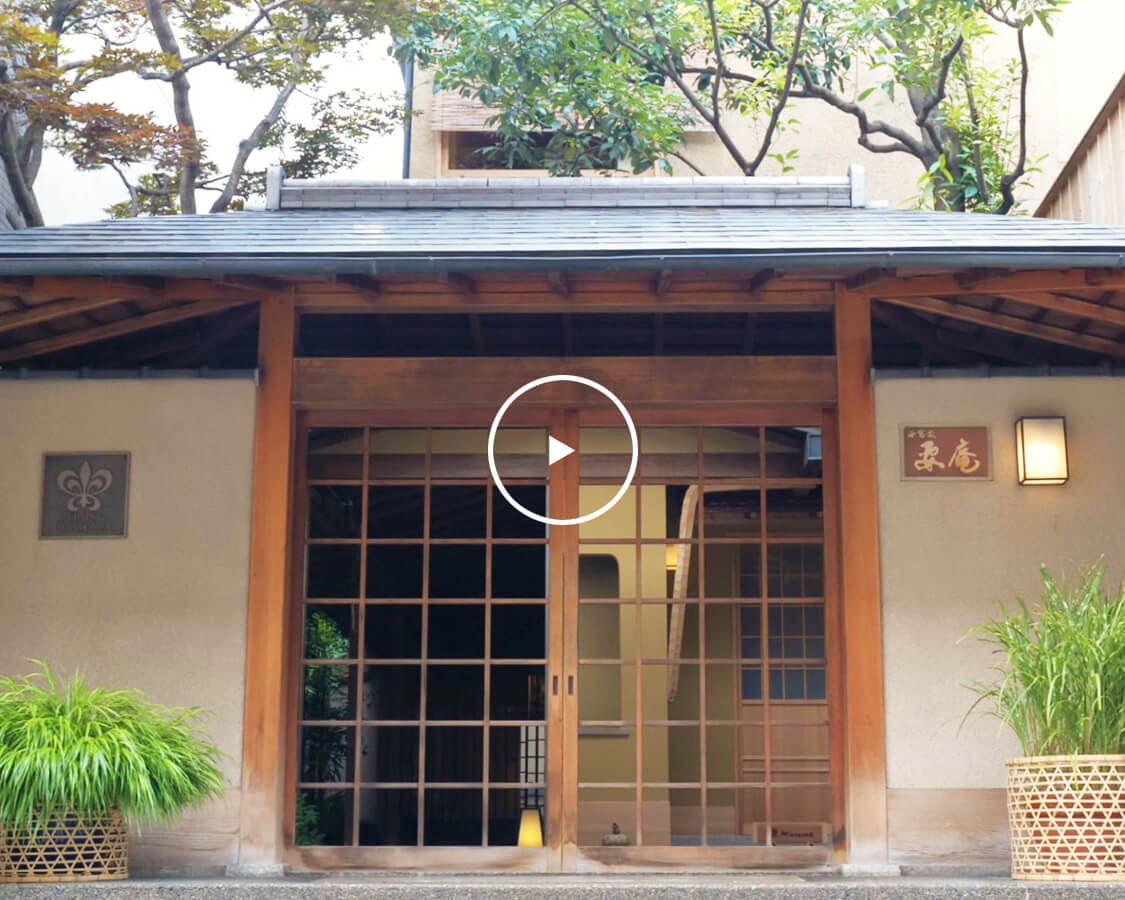
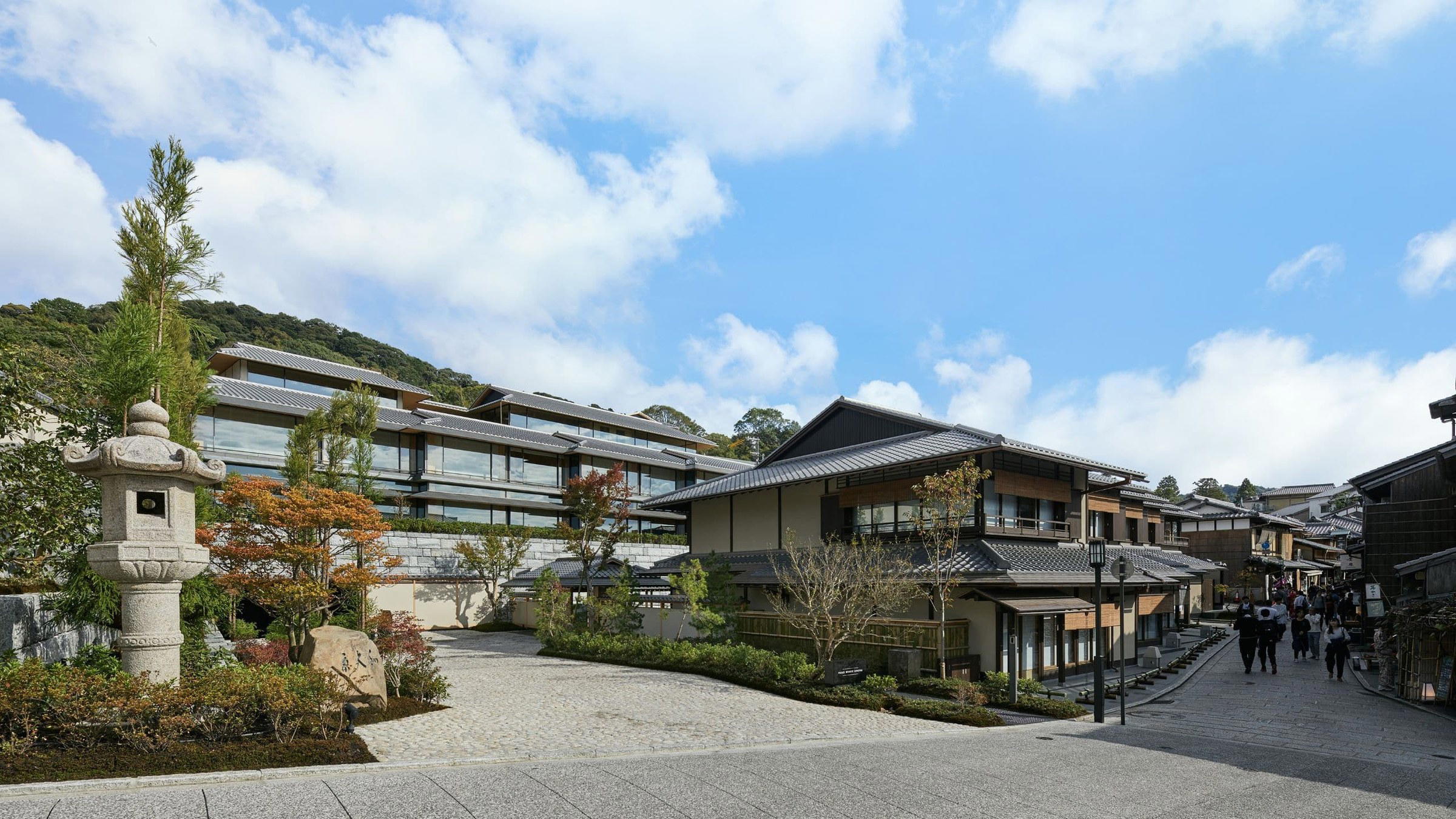
Hotels in Kyoto
Browse all →
Wineries in Kyoto
Browse all →
At a Glance
- Elegant
- Intimate
- Classic
- Sophisticated
- Special Occasion
- Date Night
- Chefs Counter
- Sake Program
- Local Sourcing
Current opening hours
- Monday
- 6–9 PM
- Tuesday
- 12–2 PM, 6–9 PM
- Wednesday
- 12–2 PM, 6–9 PM
- Thursday
- 12–2 PM, 6–9 PM
- Friday
- 12–2 PM, 6–9 PM
- Saturday
- 12–2 PM, 6–9 PM
- Sunday
- Closed
Hours can change for holidays and private events. Last verified .
Intimate counter seating in a small Showa-era inspired space with a polished counter, creating a refined, relaxing, and traditional atmosphere.