

1 Michelin Star
Our verdict
A Michelin-starred kappo restaurant in Nakagyo Ward, Jiki Miyazawa holds one of the more considered positions in Kyoto's mid-tier kaiseki scene, recognised by Opinionated About Dining among Japan's top 500 restaurants in both 2024 and 2025. Chef Masato Miyazawa's menu draws on a distinctive background, layering seasonal Japanese technique with influences from time spent at the Polish ambassador's residence.

Pearl is the En Primeur Club membership app, where members save venues, book tables and use the concierge.
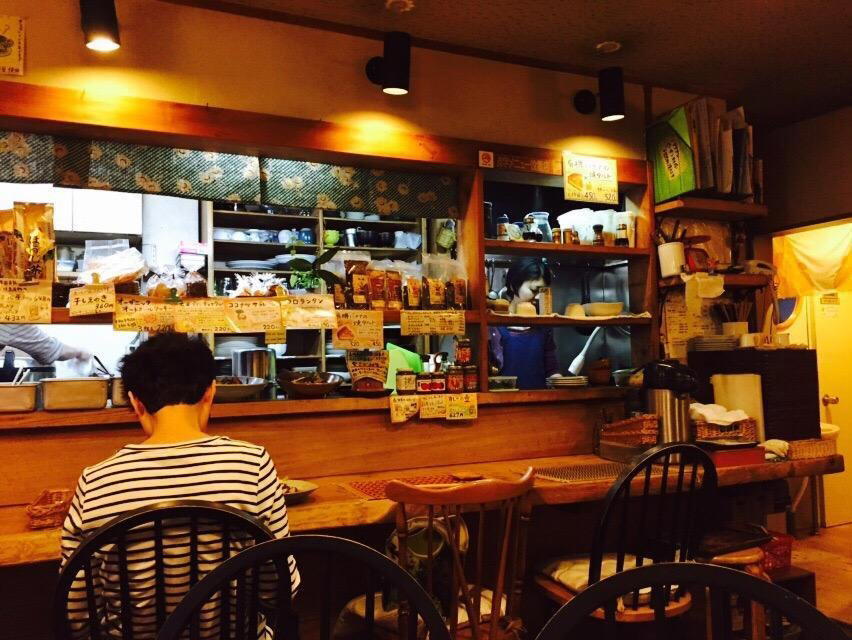
Where Kyoto's Kappo Tradition Gets a Quieter Register
Nakagyo Ward occupies the commercial and administrative centre of Kyoto, a district of narrow machiya streets and unremarkable storefronts that has become, in recent years, a more credible address for serious dining than the postcard neighbourhoods of Gion or Higashiyama. The area rewards the kind of visitor who prefers to find their way by address rather than foot traffic. Yaoyacho, the specific block where Jiki Miyazawa sits, offers no visual fanfare, which is entirely in keeping with the kappo tradition the restaurant represents.
Kappo, as a format, occupies a different register from the formal kaiseki progression familiar to most international visitors. Where kaiseki structures a meal into codified courses governed by seasonal and aesthetic rules, kappo is more direct: the chef cooks in front of guests, the pacing is less ceremonial, and the relationship between kitchen and table is closer. Several of Kyoto's most respected kaiseki houses Hyotei, Kikunoi Honten, Gion Sasaki, operate at the ¥¥¥¥ tier, where the price of entry reflects centuries of accumulated reputation.
The Sensory Texture of a Kappo Counter
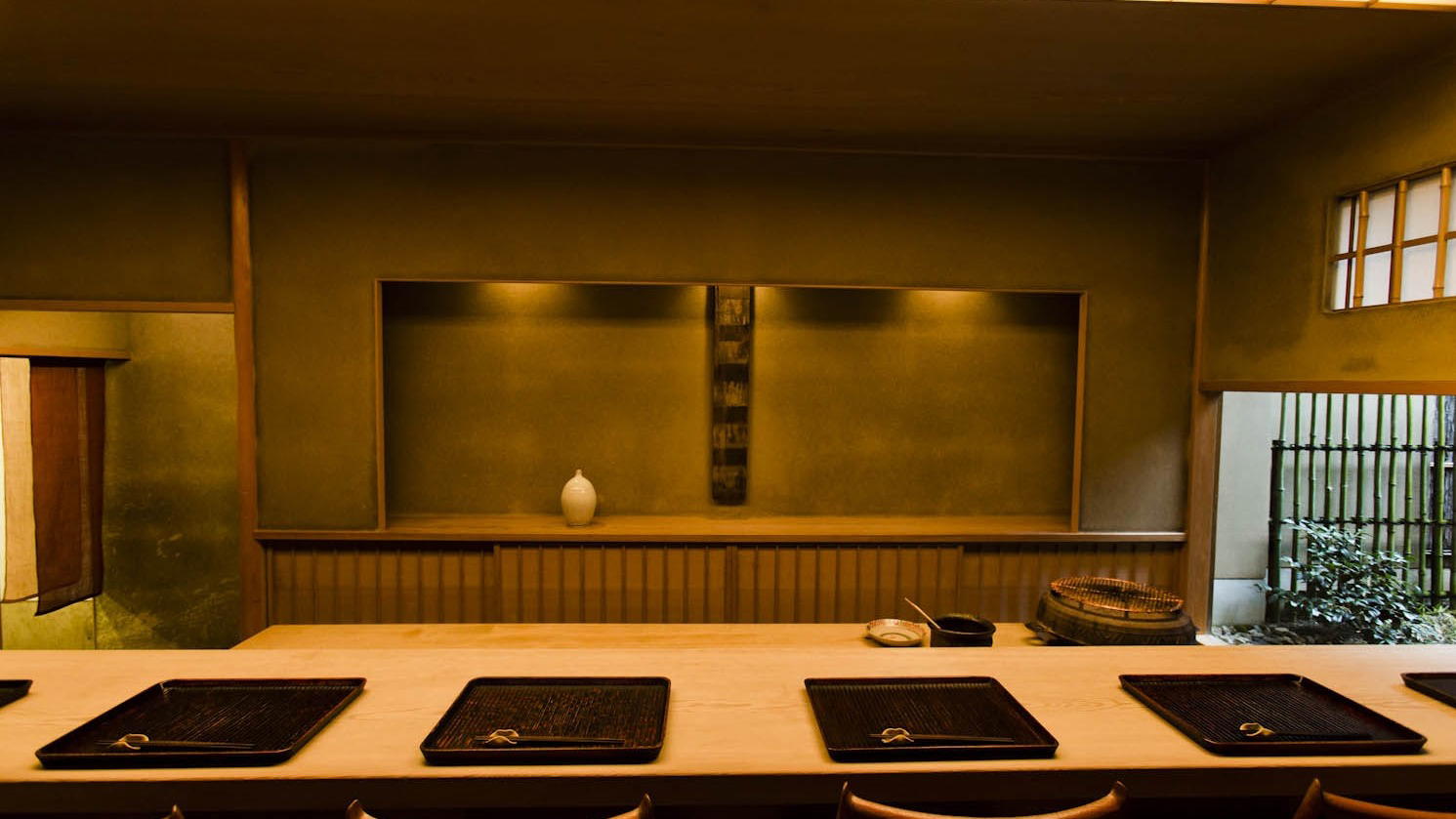
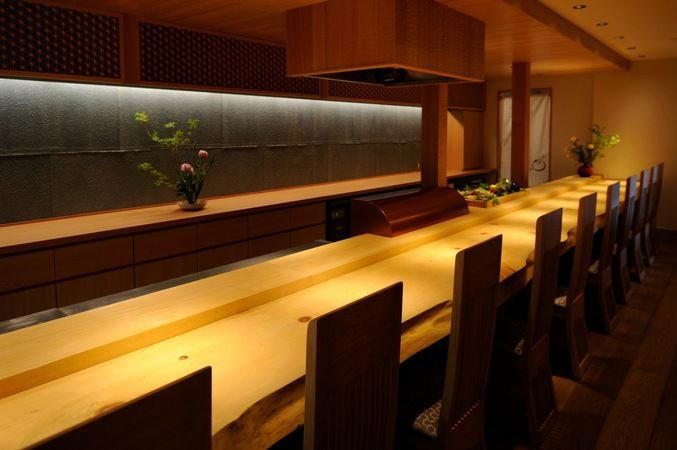
The sensory experience of kappo dining is distinct from any other Japanese meal format, and it matters at Jiki Miyazawa precisely because the restaurant has operated in this mode since its founding as the original establishment in the Miyazawa group. The kitchen is not hidden. The sounds of preparation, water, ceramic on stone, the controlled heat of the grill, arrive as ambient context rather than background noise. There is no theatrical presentation to manage; the attention moves directly to the food.
What defines the atmosphere at this price tier and format is restraint. Kyoto's kappo interiors typically prioritise natural materials, minimal surfaces, and the kind of silence that makes the smell of dashi broth or freshly cooked rice register before anything visual does. The experience builds through accumulation: a sequence of small decisions by the chef, each one visible to the guest, each one shaped by what is available that day and that season.
Seasonal rhythm is not decorative in Kyoto's serious kitchens, it is structural. Spring brings bamboo shoots and cherry blossoms used as garnish rather than flavour; autumn shifts the register toward mushrooms, root vegetables, and the first of the year's citrus. The timing of a visit shapes the meal more materially than it does at most European fine-dining equivalents. For context, the kaiseki high season, autumn, from late September through November, also coincides with peak room prices and tighter booking windows across the city. Planning a visit outside peak foliage season means a less contested reservation and a menu still driven by quality produce, just in a different register.
A Menu Built on Layered Technique and an Unusual Biography
Chef Masato Miyazawa's background includes time at the Japanese ambassador's residence in Poland, a detail that does not appear in the biography of most Kyoto chefs and one that finds its way into the menu in ways that are more structural than decorative. The dishes at Jiki Miyazawa are described as layered with numerous ingredients, brightened by citrus and the tartness of other fruits, a flavour architecture that sits slightly outside the clean umami lines of orthodox kaiseki. This is not fusion in any commercial sense. It is a specific kind of accumulated influence, where a chef trained in Japanese precision has also absorbed something about the way European kitchens use acid as a counterpoint to richness.
The restaurant's best-known dish is its baked sesame tofu, which the kitchen pairs with rice cooked to order and served immediately after cooking, a choice that signals a commitment to texture and timing over presentation polish. Rice served right after cooking has a moisture content and surface character that changes within minutes; the decision to sequence the dish around that window says something about where the kitchen's priorities sit. The soba dishes, also part of the menu, are made with seasonal ingredients, another signal that the kitchen is not running a fixed template but adjusting the menu as produce shifts.
Among Kyoto's Michelin-starred restaurants, Jiki Miyazawa occupies a position comparable to Mizai and Gion Maruyama in terms of format seriousness, though each takes a different approach to the kaiseki-kappo spectrum. For those building a broader Japan itinerary around this type of cooking, RyuGin and Kanda in Tokyo represent the kaiseki register at a higher price point, while HAJIME in Osaka and Goh in Fukuoka apply Japanese fine-dining sensibility to entirely different frameworks. For those interested in how kaiseki technique travels beyond traditional centres, akordu in Nara is worth noting.
How to Read the OAD Ranking in Context
Opinionated About Dining operates as a crowd-sourced ranking system weighted toward the opinions of frequent, experienced diners rather than institutional critics. A position of #440 in Japan for 2025, improving from #455 in 2024, is not a headline number, Japan's ranked list runs into the hundreds, and the top tier is occupied by multi-starred institutions with decades of international press coverage. What the ranking signals is consistent quality assessment by a specific peer group: people who eat across multiple cuisines and price points and have a reference set that extends beyond Japan. For a single-starred kappo restaurant at ¥¥¥ in a secondary Kyoto address, that kind of consistent upward movement across two consecutive years is a more useful signal than a static ranking number alone.
The Michelin star, awarded in 2024, adds institutional weight to a recognition picture that was previously built through specialist channels. It brings the restaurant into a consideration set that international visitors use as a primary planning tool, which will likely affect booking lead times going forward. Those familiar with how Michelin recognition changes reservation dynamics at mid-tier Japanese restaurants will want to plan further ahead than they might have needed to in previous years.
Placing Jiki Miyazawa in the Kyoto Dining Map
Kyoto's dining geography has a strong east-of-centre bias: the historic restaurant addresses cluster around Gion, the Higashiyama hills, and the streets around Nishiki Market. Nakagyo Ward, where Jiki Miyazawa sits, is central enough to be convenient from most accommodation, but it draws its guests through reputation rather than proximity to tourist infrastructure. This is a useful distinction when planning a Kyoto itinerary: pairing a lunch or dinner here with nearby cultural priorities, Nijo Castle is a short walk north, the commercial district of Shijo-Karasuma a short walk south, makes the logistics direct without requiring a separate expedition.
Service runs across lunch and dinner on six days a week, with Wednesday the only closure. The two daily service windows (lunch 12–1:45pm, dinner 6–8pm) are narrow by the standards of comparable European fine-dining restaurants, which is standard for this format in Japan. Guests arriving after the kitchen has committed its sequence to the day's service will not be accommodated, and the expectation of punctuality is not merely polite convention.
For a full picture of the city's restaurant options across formats and price tiers, see our full Kyoto restaurants guide. Broader planning resources for the city are available through our full Kyoto hotels guide, our full Kyoto bars guide, our full Kyoto wineries guide, and our full Kyoto experiences guide. For readers extending the itinerary to other Japanese cities, Harutaka in Tokyo, 1000 in Yokohama, and 6 in Okinawa represent different points on the Japanese fine-dining spectrum worth considering.
Know Before You Go
- Address: 553-1 Yaoyacho, Nakagyo Ward, Kyoto, 604-8123, Japan
- Hours: Mon–Tue, Thu–Sun: Lunch 12:00–1:45pm, Dinner 6:00–8:00pm. Closed Wednesday.
- Price range: ¥¥¥
- Awards: Michelin 1 Star (2024); Opinionated About Dining Leading Restaurants in Japan #440 (2025), #455 (2024)
- Booking: Advance reservation strongly advised; Michelin recognition since 2024 has increased demand
- Leading season to visit: Autumn (late September–November) for peak seasonal produce; spring for bamboo shoot dishes. Shoulder seasons offer easier reservations.
Frequently asked questions
What does dinner at Jiki Miyazawa typically cost?
Pricing at Jiki Miyazawa is listed as ¥¥¥.
How do I find Jiki Miyazawa?
Jiki Miyazawa is located at 553-1 Yaoyacho, Nakagyo Ward, Kyoto, 604-8123, Japan, Kyoto.
Nearby-ish Comparables
| Venue | Cuisine | Price | Awards | Notes |
|---|---|---|---|---|
| Jiki MiyazawaThis venue (the venue you are viewing) | Modern Kaiseki | $100–150 | 1 Michelin Star | Not listed |
| Gion Sasaki | Modern Kaiseki | $300–500 | 3 Michelin Stars · La Liste Top Restaurants | Kaiseki, Japanese |
| cenci | Innovative Italian-Japanese Fusion | $100–150 | 1 Michelin Star · World's 50 Best #76 | Italian |
| Ifuki | Sumibi Kappo Kaiseki | $200–300 | 2 Michelin Stars · La Liste Top Restaurants | Kaiseki |
| Kyokaiseki Kichisen | Kyoto Kaiseki | $200–300 | 2 Michelin Stars · La Liste Top Restaurants | Japanese |
| Kyo Seika | Modern Chinese Fine Dining | $150–200 | 1 Michelin Star · Tabelog Bronze #216 | Chinese |
Recognition history
Dated appearances from independent guides and award organizations, with the underlying list record or original source where available.
Michelin 1 Star
Michelin
Opinionated About Dining Top Restaurants in Japan Recommended
Opinionated About Dining
Full recognition history (5 entries)
Opinionated About Dining Top Restaurants in Japan Ranked #440
Opinionated About Dining
Michelin 1 Star
Michelin
Opinionated About Dining Top Restaurants in Japan Ranked #455
Opinionated About Dining
Continue exploring
More in Kyoto
Restaurants in Kyoto
All restaurants in Kyoto →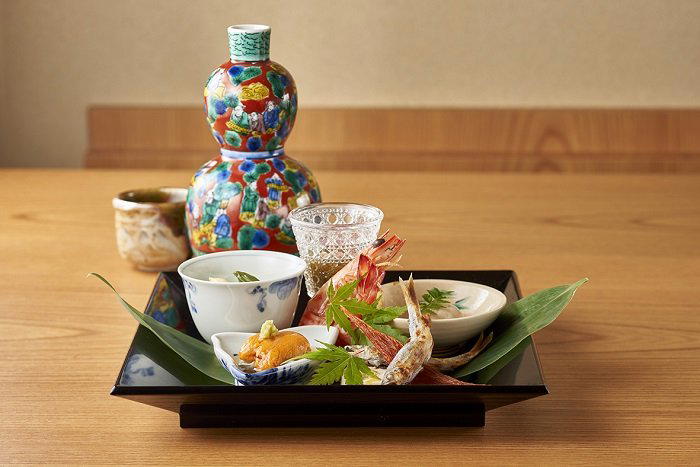
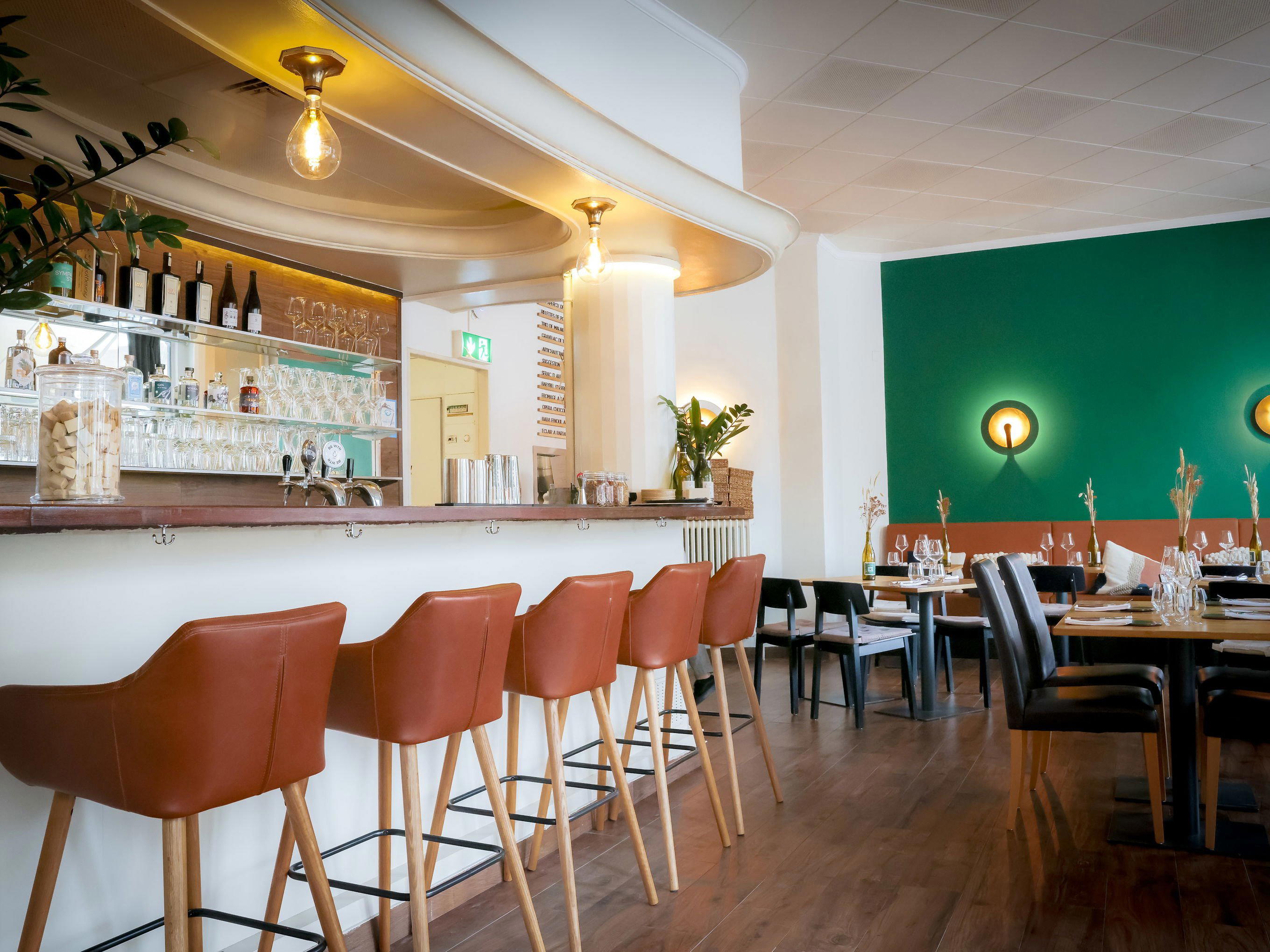
Bars in Kyoto
All bars in Kyoto →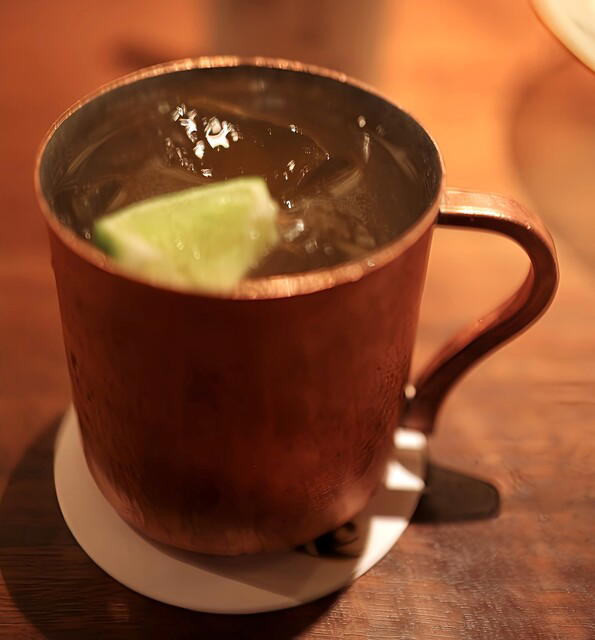
Hotels in Kyoto
All hotels in Kyoto →
Wineries in Kyoto
Browse all →
Details
- Intimate
- Elegant
- Cozy
- Sophisticated
- Minimalist
- Date Night
- Special Occasion
- Solo
- Chefs Counter
- Open Kitchen
- Sake Program
- Tasting Menu
- Counter Dining
- Sake
Current opening hours
- Monday
- 12–1:45 PM, 6–8 PM
- Tuesday
- 12–1:45 PM, 6–8 PM
- Wednesday
- Closed
- Thursday
- 12–1:45 PM, 6–8 PM
- Friday
- 12–1:45 PM, 6–8 PM
- Saturday
- 12–1:45 PM, 6–8 PM
- Sunday
- 12–1:45 PM, 6–8 PM
Hours can change for holidays and private events. Hours as of .
Zen-style with warm wood tones, calm, serene, and relaxing atmosphere centered around the chef's counter.